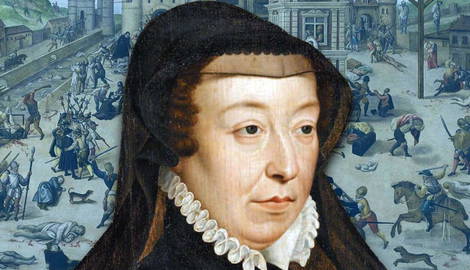

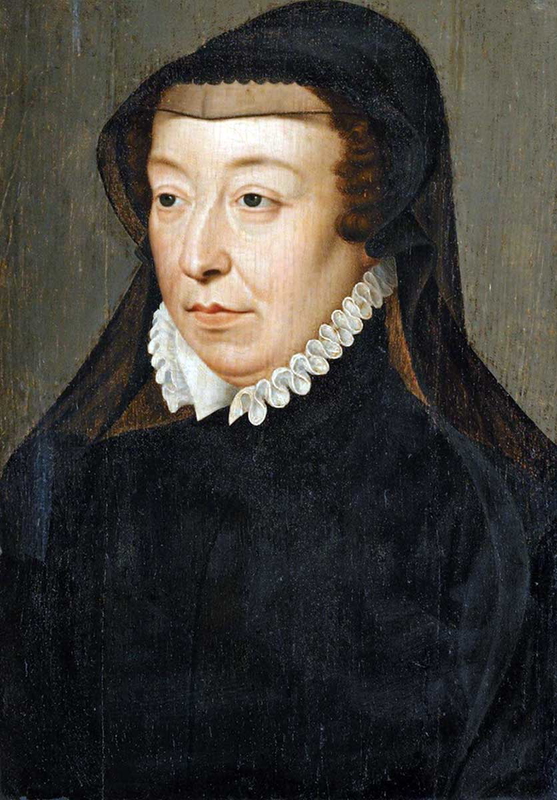
Catherine de’ Medici is one of the most famous women in French history. Born to the influential Medici family in the Republic of Florence (an Italian city-state) in 1519 and orphaned soon after her birth, she arrived in Marseille in 1533 as a 14-year-old Duchess but faced some hostility from the French court. For much of her life, she remained in the shadows of the king and was seen as an outsider because of her husband’s powerful mistress, Diane de Poitiers.
Seizing Control of a Fractured Court
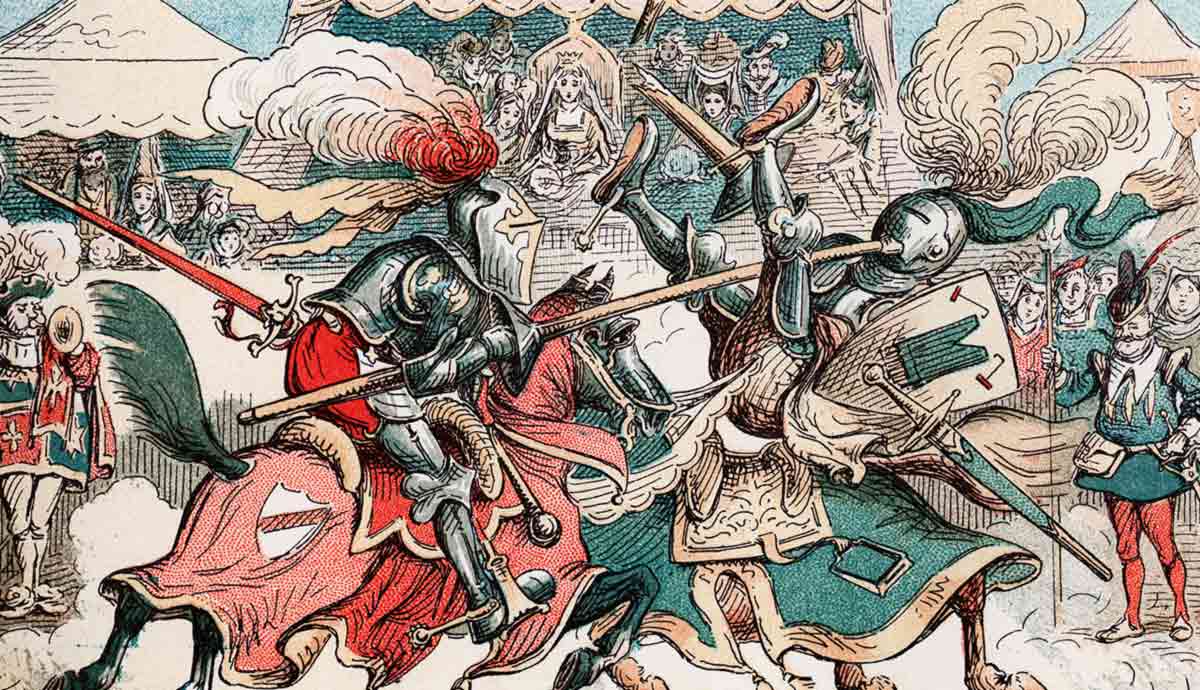
When Catherine de’ Medici’s husband, King Henry II, died in 1559 following a jousting accident, his death made their eldest son, Francis II, king at the age of 15. Francis was a frail teenager, and his reign was controlled by his wife’s family, the House of Guise. At the time, Francis II was married to Mary, Queen of Scots. They married in 1558 when he was 14, and she was just 15. The union enabled Mary’s uncles, the Duke of Guise and the Cardinal of Lorraine, to step in and rule France. This meant Catherine became virtually powerless during this time. However, the House of Guise was too Catholic for many people across France, causing more unrest. During this period, Catherine patiently bided her time.
Late in 1560, Francis II died from a massive brain abscess after only 17 months on the throne. He was succeeded by his 10-year-old brother, Charles IX. Unlike her last turn as queen mother, Catherine immediately took control by becoming the official regent of France. This left a power vacuum at the court and created immense rivalry between feuding families desperate to control the boy king.
The Bloody Spark That Ignited the War

France at this time was politically divided by the Protestant Reformation, a movement that challenged the Catholic Church’s authority across Europe. In France, Protestants made up around 10 percent of the total population. However, they included many members of the aristocracy. The situation led to factionalism, as Catholicism was closely linked to the royal government.
Catherine made her first move toward a tactical concession by issuing the Edict of January on January 17, 1562. It granted Protestants limited rights to worship in private or outside town walls until further notice. However, about six weeks later, on March 1, 1562, Francis, Duke of Guise, and his soldiers attacked a group of Protestants worshiping in a barn at Wassy. The event led to the deaths of around 50 Huguenots (Protestants) and started a major conflict.
A Royal Wedding Turns Into a Slaughterhouse

Ongoing fighting and periods of peace occurred over the following 10 years as Catherine worked to restore royal authority. One of the most infamous clashes happened on August 24, 1572, known as the St. Bartholomew’s Day Massacre. It occurred after thousands of Protestants traveled to Paris, a Catholic stronghold, to attend the wedding of Margaret of Valois (Catherine’s daughter) to King Henry of Navarre.
Tensions reached a boiling point after an assassin named Maurevert shot and wounded the Protestant leader, Admiral Gaspard de Coligny. Believing that the outraged Huguenots were plotting a coup in the center of Paris, Catherine and her advisers approved a plan to kill their military leaders, triggering the massacre.
To begin the attack, a bell tolled at the church of Saint-Germain-l’Auxerrois in the early hours of that day. The killings of Protestant leaders quickly turned into mob violence lasting several days and costing many Protestant lives. Catherine’s reputation was damaged, and she became widely known by the nickname the Black Queen, influenced partly by her political image and her choice to wear black mourning clothes for her late husband.
The Complicated Legacy of the Black Queen
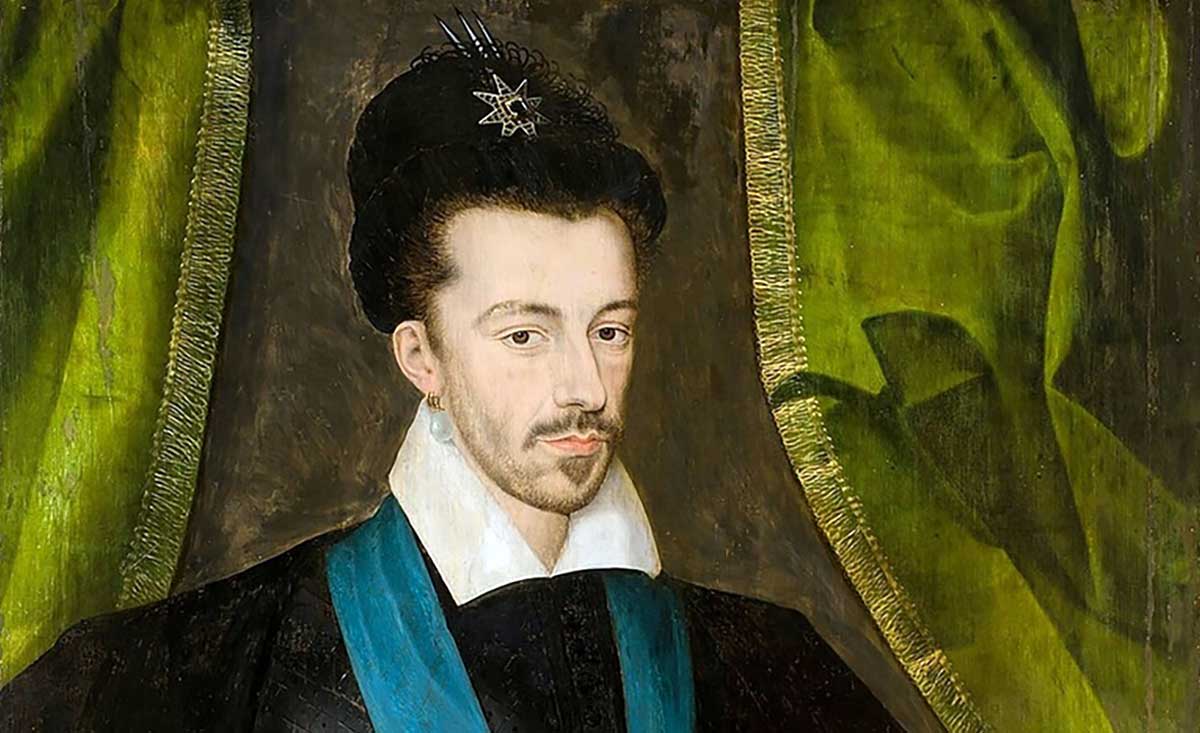
France was gripped by conflict for years as more fighting broke out under Catherine’s third son, King Henry III, leading to the later stages of the war, known as the War of the Three Henrys. Catherine died of pleurisy on January 5, 1589, eight months after the Catholic League had forced King Henry III out of Paris. She left behind a complicated legacy. Henry of Navarre, Catherine’s son-in-law, later formally converted to Catholicism in 1593 to be accepted by the people as King Henry IV. He brought about the end of the wars and issued the Edict of Nantes in April 1598 to establish religious tolerance across the country.