
From its inception in 1299, when Sultan Osman I founded an empire that would grow to cover vast swaths of North Africa, Europe, and West Asia. But Constantinople posed an issue. This vast, heavily defended city on the banks of the Bosphorus stood between the Ottomans and their expansion to the west.
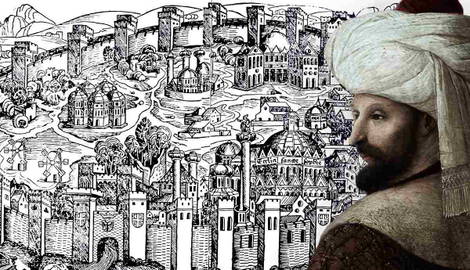
The fall of Constantinople to the Ottoman Empire, led by Mehmed II, on May 29, 1453, marked not only the end of Byzantine Constantinople, but the end of an empire which had begun in Rome some 15 centuries earlier.
The Significance of the Fall of the Theodosian Walls
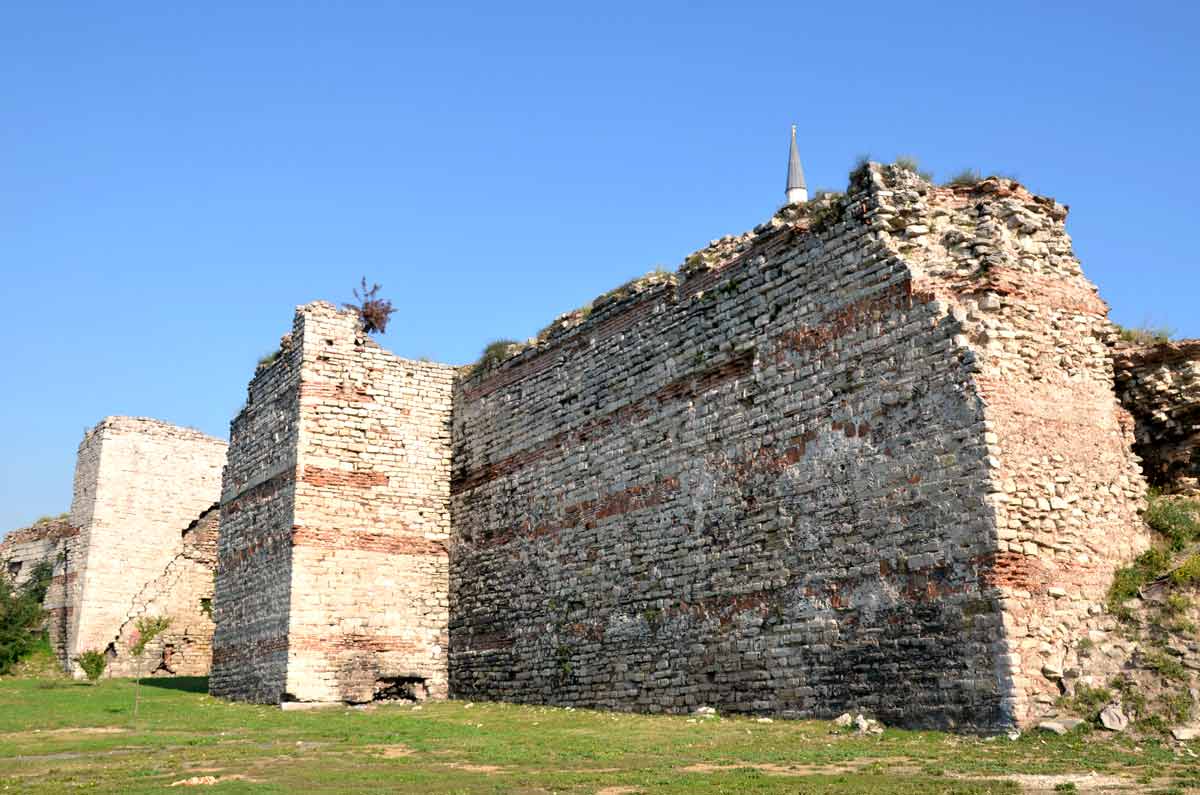
The siege of 1453 wasn’t the first Ottoman attempt to penetrate the walls of Constantinople. Ottoman armies had laid siege to the city unsuccessfully in 1391, between 1394 and 1402, and then again in 1411 and 1422.
But Constantinople had been designed to be impenetrable. Protected by the towering Theodosian Walls, at their highest point standing 12 meters (39 feet) tall, by medieval standards, Constantinople truly was impregnable.
The 1453 Conquest of Constantinople
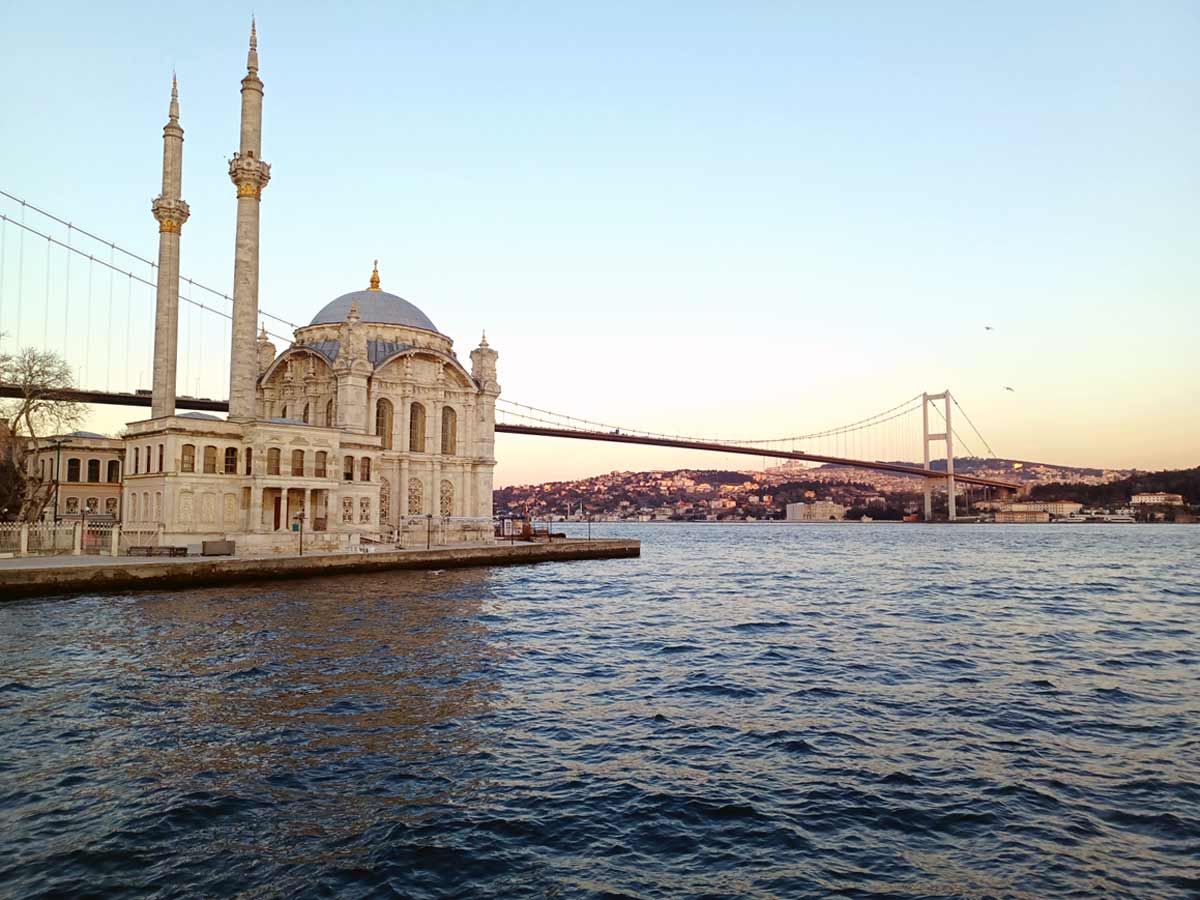
On April 6, 1453, a 70,000-strong Ottoman taskforce surrounded Constantinople. Initially, they focused on Byzantine strongholds outside of the city, as a chain across Golden Horn Bay prevented access to the city itself. After three weeks, the Ottoman army dragged their boats overland to breach Constantinople from the north. Alas, still, the Theodosian Walls held the attackers at bay.
The Ottomans’ initial attempts to breach the walls were in vain. When traditional assaults by land led to a significant number of casualties, the assaulting Ottomans changed their tactics and attempted to tunnel underneath the walls. Their success was short-lived.
On May 23, just a week after construction of the first tunnel had begun, Byzantine forces captured and tortured two Turkish officers who divulged the location of the remaining tunnels.
How Cannons & Gunpowder Marked the End of Medieval Warfare
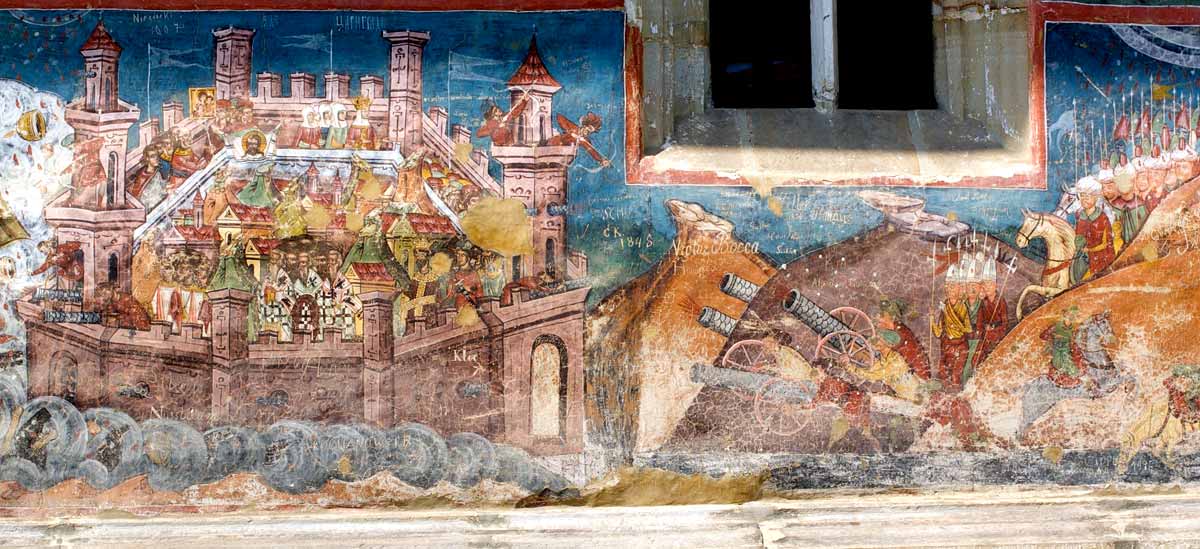
With traditional methods and an attempt at negotiations failing, Sultan Mehmed II had one final weapon in his arsenal, a weapon which the Byzantines had been offered the previous year but had been unable to afford.
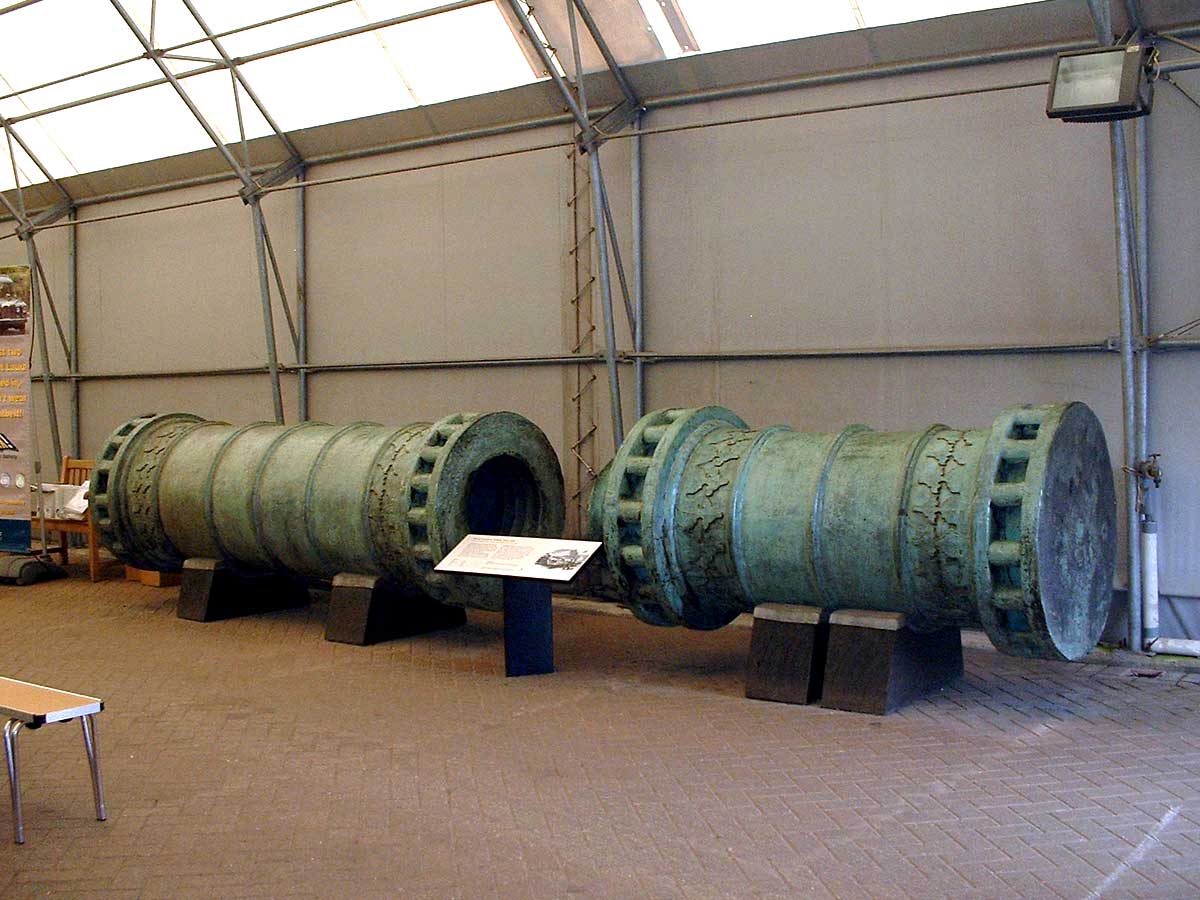
The Basilica cannon, better known as the Great Turkish Cannon, was designed in 1452 by a Hungarian engineer named Orban. Persuaded by Orban’s claims that his new cannon was strong enough to blast through the walls of Babylon, Mehmed II saw it as the potential solution to bring down the Theodosian Walls. Having provided Orban with the materials and a not insignificant salary, the cannon was built at Adrianople (now Edirne, on the Turkish-Greek border) in just three months.
In the early hours of May 29, Mehmed’s army launched its final assault on Constantinople. Initially focusing on one of the weakest sections of the walls, the first to gain entrance to the city were quickly pushed back by the defending Byzantine troops. But Mehmed had kept his best men back for the final push. The first launch of their grand new cannon left the defenders in chaos; many Venetian and Genoese fled to their ships, Greek soldiers ran for cover, and those Genoese who had been unable to escape sought shelter in the winding passageways of Galata.
Constantine and his own soldiers were left alone to defend the city. The emperor himself led one final charge against the Ottomans, but it was to no avail. He and his men fought to the death, and the emperor himself may have been decapitated. Another version of events, the account of a Venetian ship’s doctor, Nicolo Barbaro, has it that Constantine hanged himself as soon as the Ottomans breached the walls.
Constantine’s fate aside, the Queen of Cities, the centerpiece of the once great Byzantine Empire, had been taken by Mehmed’s men in less than 12 hours in this final assault. The Ottoman Empire had a new capital, one from which it would rule until it too met its end in 1922.
Why the Conversion of the Hagia Sophia Signaled a New Religious Era
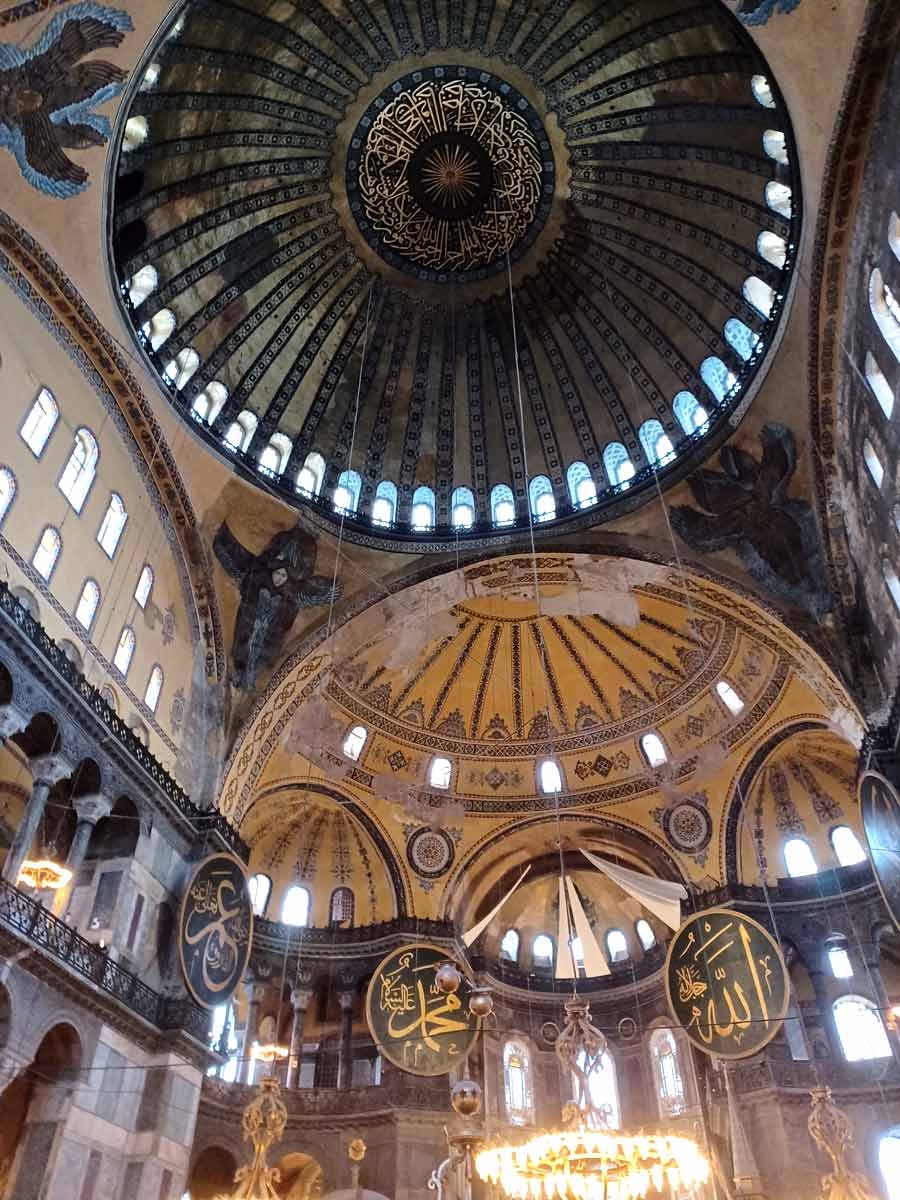
Fascinating as the events of the fall of Constantinople in 1453 were, as is so often the case, what followed is of far greater significance. The Ottoman Empire was, and remained until its end, Islamic. The Byzantine Empire, born from the Roman Empire, was Christian. The Ottoman conquest of Constantinople gave rise to a Byzantine to Ottoman transition which far transcended a change of ruler.
There’s a common misconception amongst visitors to Istanbul that the Hagia Sophia is a purpose-built mosque. Istanbul’s other iconic mosque, the Sultanahmet Camii (or Blue Mosque), which stands adjacent to the Hagia Sophia, was built as a mosque between 1609 and 1617, but the Hagia Sophia itself is a relic from the Byzantine era.
When you stop and examine the building a little more closely, the design of the dome is a key indicator that what is now one of the world’s most renowned mosques was, in fact, built as an Eastern Orthodox church. The minarets on its periphery were added after the end of the Byzantine Empire. One, no longer surviving, example was built shortly after the fall of Constantinople in 1453, with the remaining minarets being completed during the 16th century.
The religious status of the Hagia Sopfia is something that, even today, presents as a controversial issue. With the birth of the new, post-Ottoman Turkish Republic in 1923 came a shift from Islamist policies to a secular constitution. With that, the Republic’s first president, Mustafa Kemal Atatürk, had the Hagia Sophia converted into a museum in the mid-1930s. In 2020, the Hagia Sophia regained its status as a mosque, one of many acts of the current Erdogan administration dubbed by critics as an attempt at Islamifying the Turkish state once more.
The Rebuilding of a City After the Ottoman Conquest
By the time of Sultan Mehmed the Conqueror’s toppling of Byzantine Constantinople, the city was a shadow of its former glory. At its peak in the mid-6th century, Constantinople was home to around 500,000 people. By 1453, that figure had fallen to between 40,000 and 50,000. Naturally, this decline in population had a disastrous impact on Constantinople’s economy.
The Rise of the Grand Bazaar Created a Central Point for Global Trade
Constantinople had long been a major part of the ancient Silk Road trade route. As the Byzantine Empire’s capital, it took on a key role in controlling trade to the west. Constantinople was a final trading post on the northern Silk Road route, with goods destined for the city passing through Ottoman-controlled Anatolia.
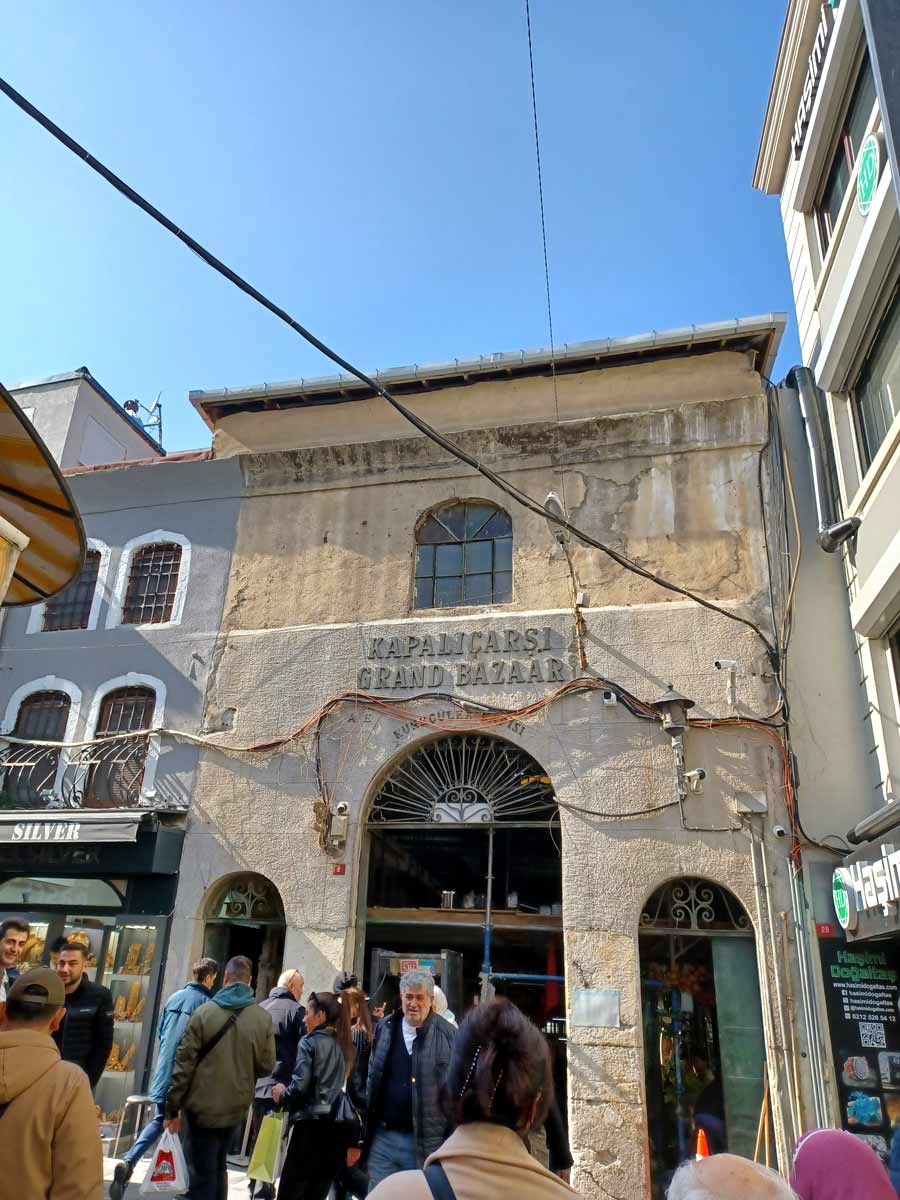
When Constantinople fell, that trade began to dwindle. Western powers looked for new routes to and from the East. Recognizing the impact this could have on Constantinople, Mehmed II developed plans to reignite that trade. In an attempt to broaden Constantinople’s, and with it the Ottoman Empire’s, economic prospects, he initiated the building of a large covered market where traders from the Silk Road and merchants from the west could converge.
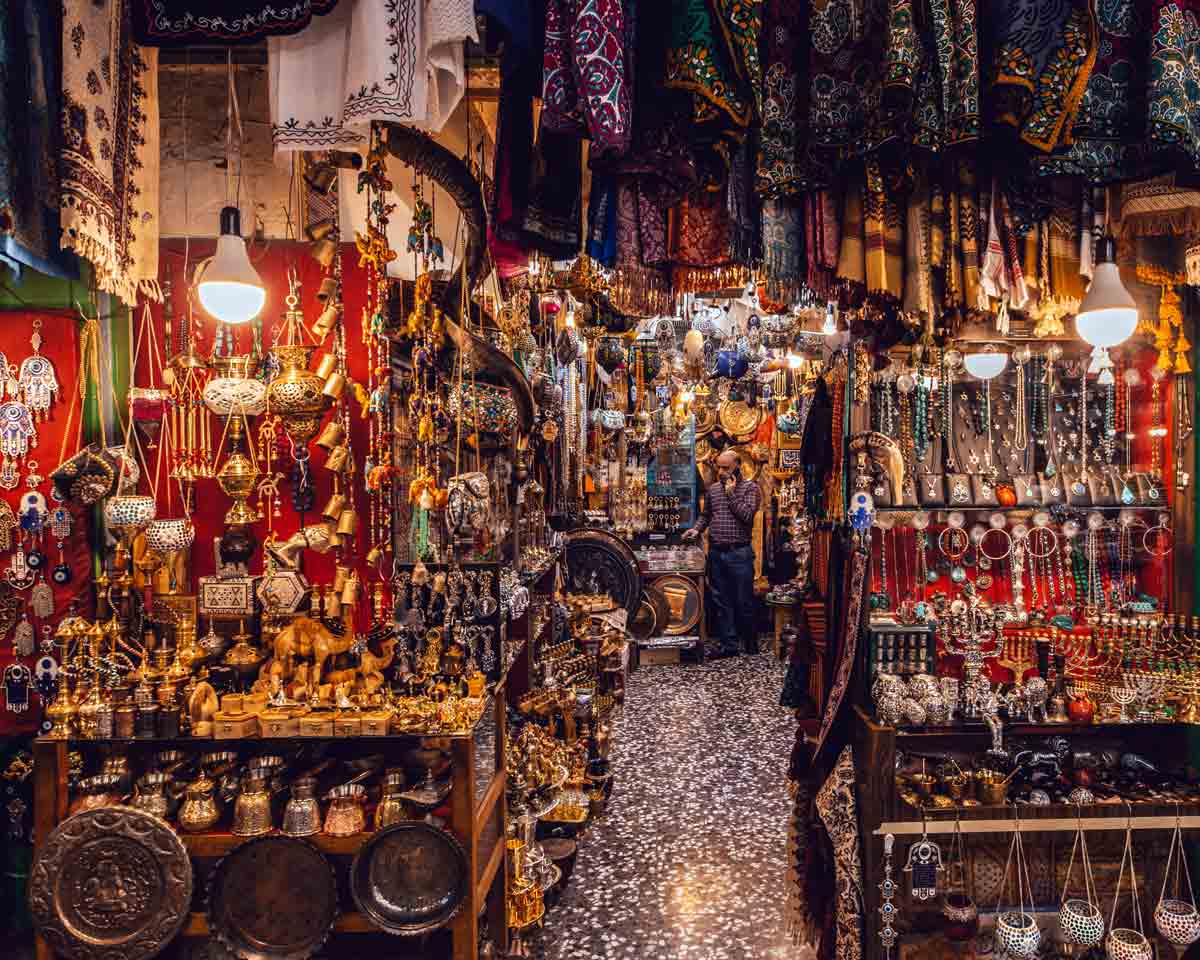
The initial Grand Bazaar was, in scale, nothing compared to what we see today. Throughout the 15th and 16th centuries, the market grew, being extended and combined with adjoining markets. By the early 17th century, the Grand Bazaar took its current form, home to 3,000 traders.
To this day, the Grand Bazaar is one of the world’s largest covered markets, playing host to 4,000 shops and as many as 400,000 visitors every day.
From Byzantine Law to Ottoman Administration
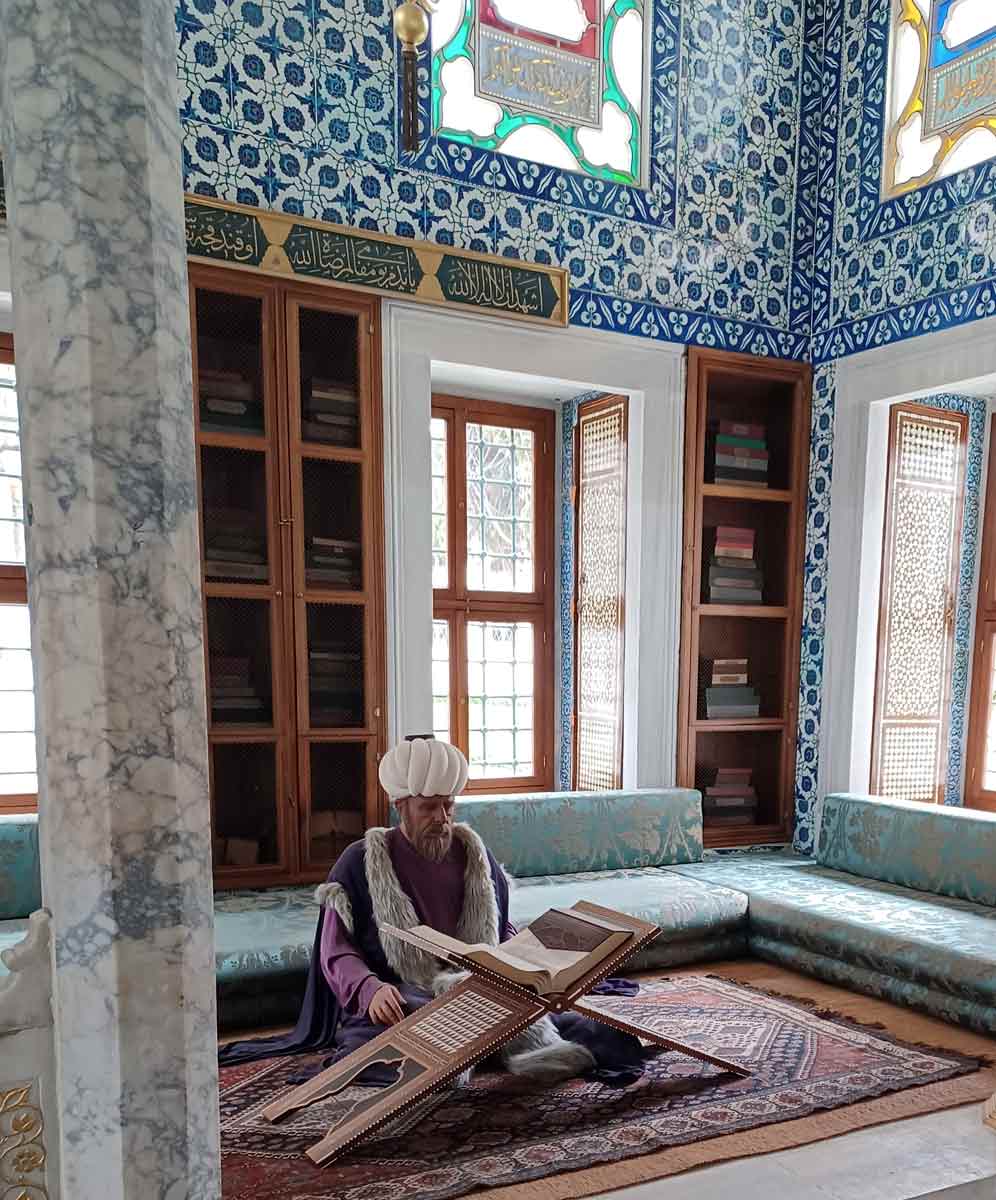
Just as the Ottoman conquest of Constantinople led to a religious transformation, the end of the Byzantine Empire paved the way for a transformation of the city’s legal system. The old Roman ways of the Byzantine era were replaced with those of the Ottoman Empire.
The Implementation of the Millet System
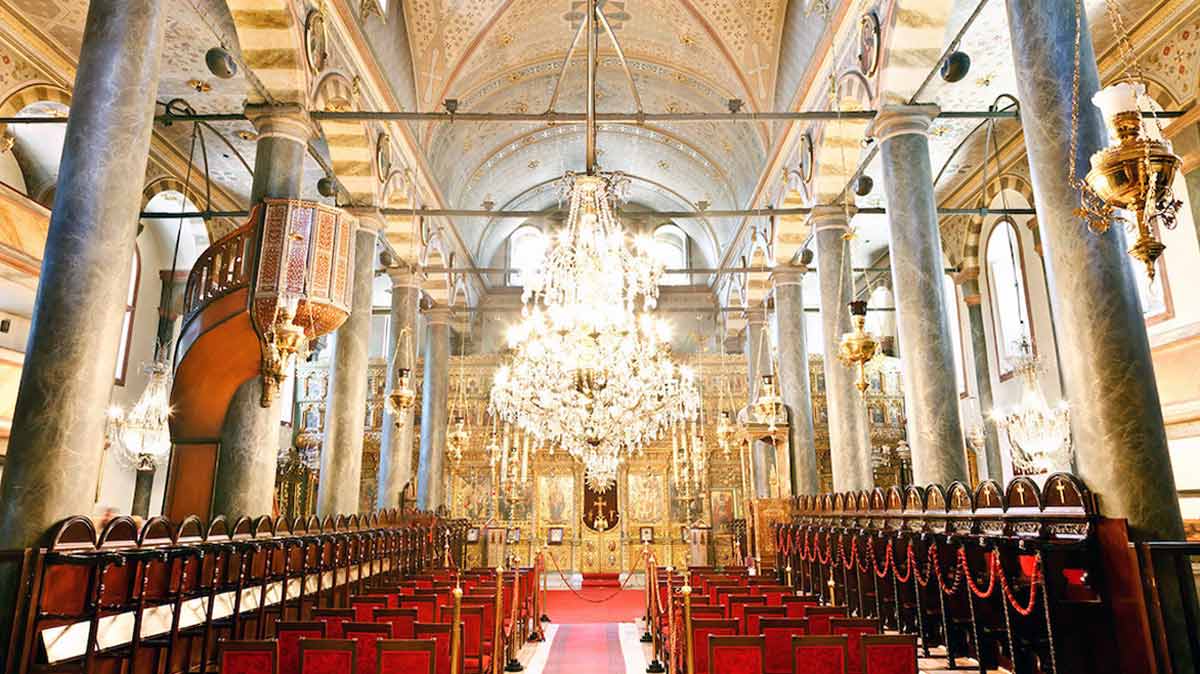
One of the key challenges faced by Mehmed II after the conquest of Constantinople was to accommodate its religiously diverse population. As the center of the Eastern Orthodox Church and the seat of its Ecumenical Patriarchate, despite the fall of Constantinople, Christianity would continue to be a major religion. The city was also seeing a rapidly increasing Jewish population, alongside Muslim arrivals from Anatolia.
Mehmed’s solution was to develop a legal system that would allow members of religious communities to be held accountable to their own laws. Now referred to as “millets,” though the name wasn’t coined until some centuries later, independent courts were established to preside over each community.
To this day, many former Ottoman countries continue to employ modern versions of the Millet system. A number of Arab nations hold Muslim citizens accountable to Sharia law, while Christian and Jewish populations follow civil law. In Europe, only Greece continues to adopt a limited Millet-style approach, with Muslims having the option of Sharia courts presiding over family legal matters.
How Mehmed II Adopted the Title of Caesar of Rome
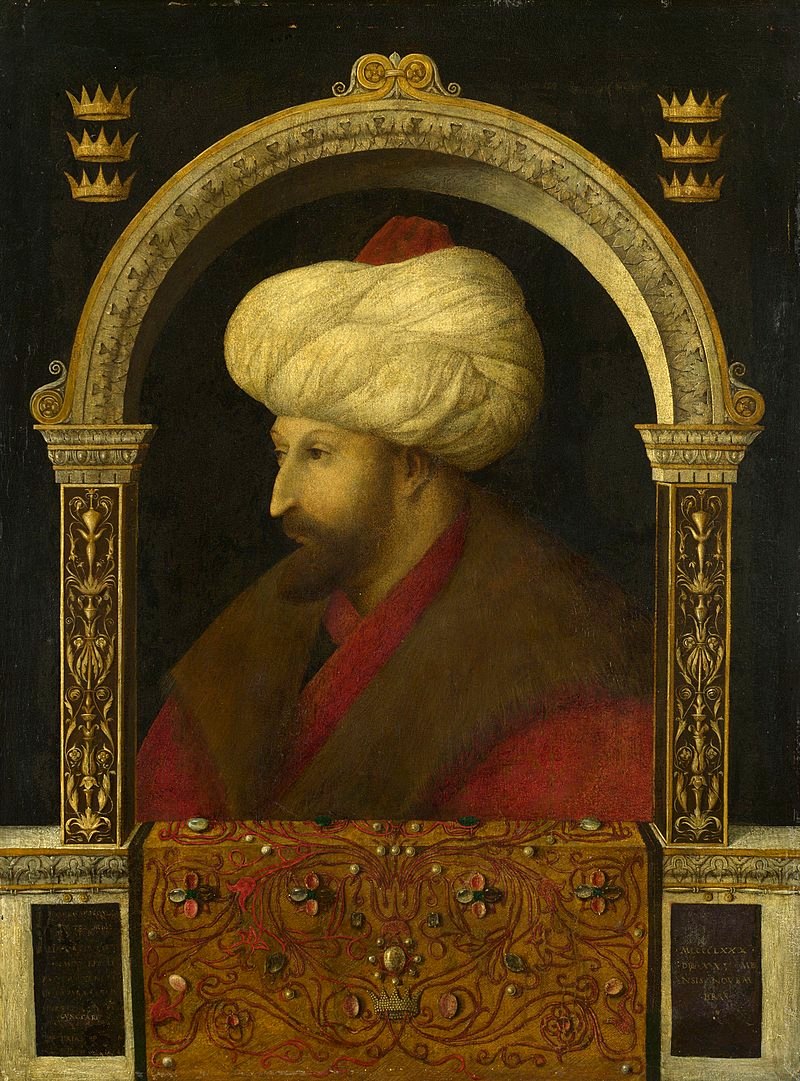
While Mehmed the Conqueror is Sultan Mehmed II’s most well-known moniker, following the Ottoman conquest of Constantinople, he adopted the self-styled title of “Caesar of Rome.” With the fall of Rome in 476 and Byzantium’s prior emergence as Constantinople, the latter had been the seat of Roman power for almost 1,000 years.
In Mehmed’s eyes, he who ruled Constantinople ruled the Roman Empire. Of course, this was far from the reality of the situation. By the fall of Constantinople in 1453, the Byzantine Empire had been reduced to a fragment of its former self, controlling little more than the city itself and the Peloponnese.
There can be no doubt that the fall of the Theodosian Walls marked a major milestone in the Ottoman Empire’s conquest of the West. But what it meant in terms of realistic territorial gain should not be exaggerated. By the time of Mehmed’s death in 1481, the empire stretched no further than the Balkans in the west and the Crimean Peninsula to the north.