
If you are in the United States, you don’t need a passport to walk through ancient history. Some of the world’s most extraordinary antiquity collections reside in the US. From colossal 13-ton sphinxes and fully reconstructed Roman palace courtyards to sacred Maya artifacts and 4,000-year-old cuneiform tablets, American institutions preserve breathtaking glimpses of human origin. Whether you are a seasoned history buff or a curious traveler, these world-class research centers and university museums offer an immersive journey into our planet’s greatest ancient civilizations.
1. How Chicago’s ISAC Museum Reshaped Near Eastern Archaeology (Chicago, IL)
Located on the University of Chicago campus, the Institute for the Study of Ancient Cultures (ISAC) is a world-class research museum holding a large collection of artifacts from the ancient Middle East and North Africa.
The Institute’s founder, James Henry Breasted, dreamed of creating a “laboratory for the study of the rise and development of civilization.” In 1919, with the financial help of John D. Rockefeller, that is exactly what he did.
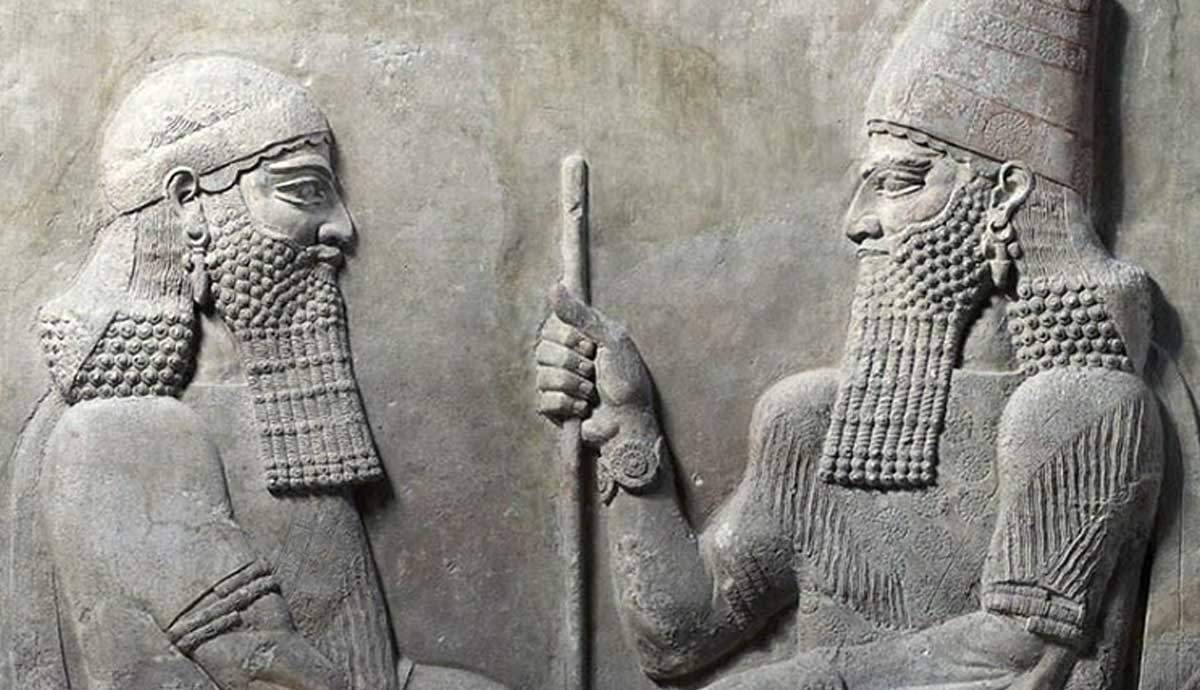
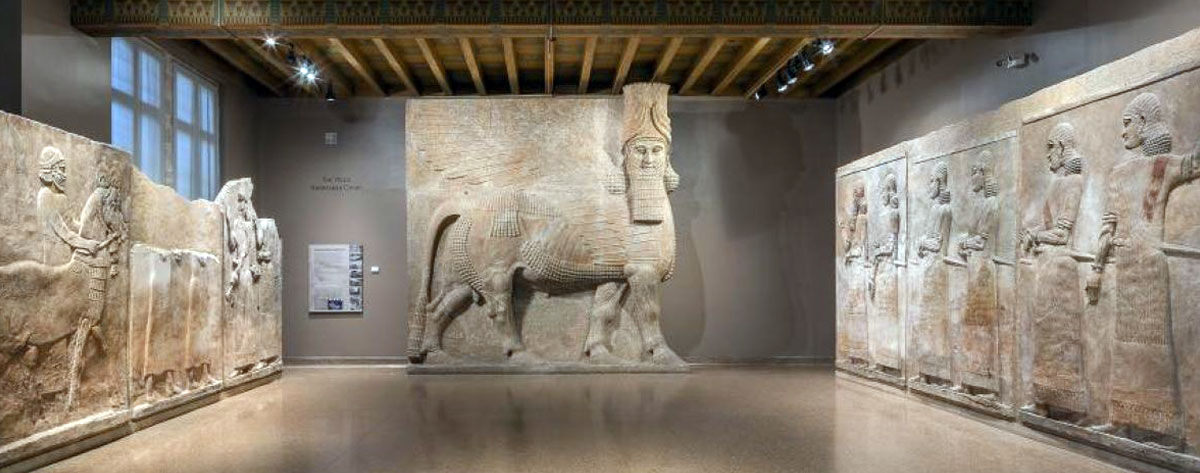
On display across ten different galleries is the vast collection of material culture from some of the oldest civilizations in human history, including bronze figurines from Anatolia, gold jewelry from Persia, and Cuneiform tablets recording the epic of Gilgamesh from Mesopotamia. One of the main attractions is the Khorsabad Court Gallery, which displays authentic monumental stone reliefs and a 40-ton lamassu excavated from the palace courtyard of Assyrian king Sargon II (721 to 705 BC).
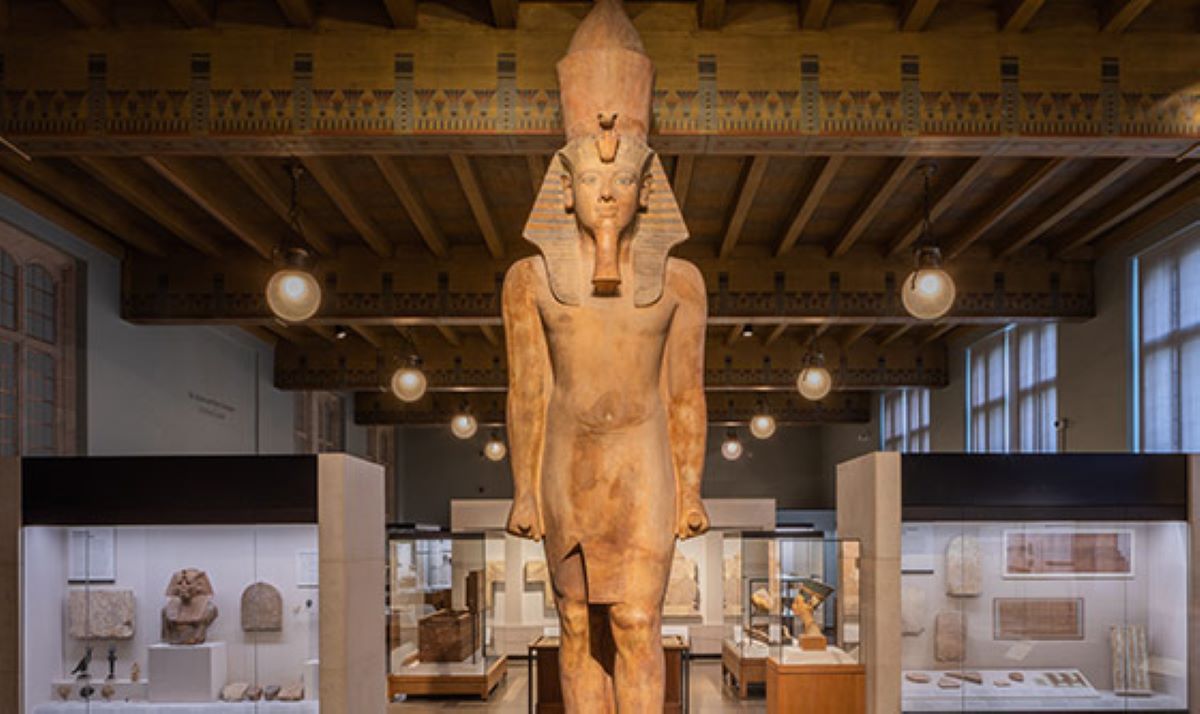
Breasted was the first American to obtain a PhD in Egyptology, so it makes sense that the Institute also boasts a particularly interesting Egyptian history gallery. The collection includes over 800 Egyptian objects from roughly 5,000 BC to 600 AD. Many were brought back from university expeditions or purchased in the early 20th century by Breasted himself. Highlights include the mummy of Meresamun, a temple singer, and a written account of the first recorded labor strike in history.
The Institute is also a scholarly research center, undertaking research and archaeological projects in several countries in the Middle East and North Africa. The majority of the museum’s 350,000 artifacts were excavated by the Institute’s archaeologists and grad students. It continues to promote fieldwork in the Middle East and North Africa today for both professional and aspiring archaeologists.
2. Inside the Penn Museum and the Wonders of Ancient Mesopotamia (Philadelphia, PA)
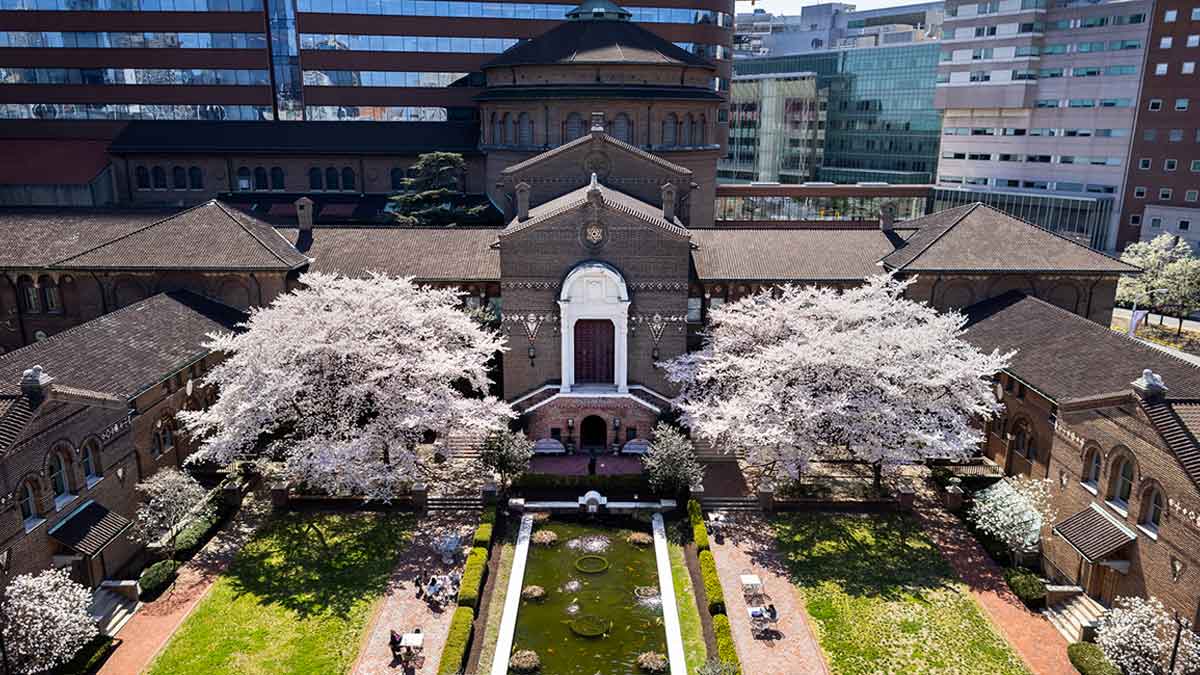
Located on Pennsylvania University’s campus, the Penn Museum is a top-tier museum when it comes to the study of ancient cultures from around the world. It has a 300,000 square foot exhibit space containing artifacts from the ancient Mediterranean world, Anatolia, East Asia, North and Central America, and Africa. The museum highlights objects from its own archaeological excavations and anthropological fieldwork.
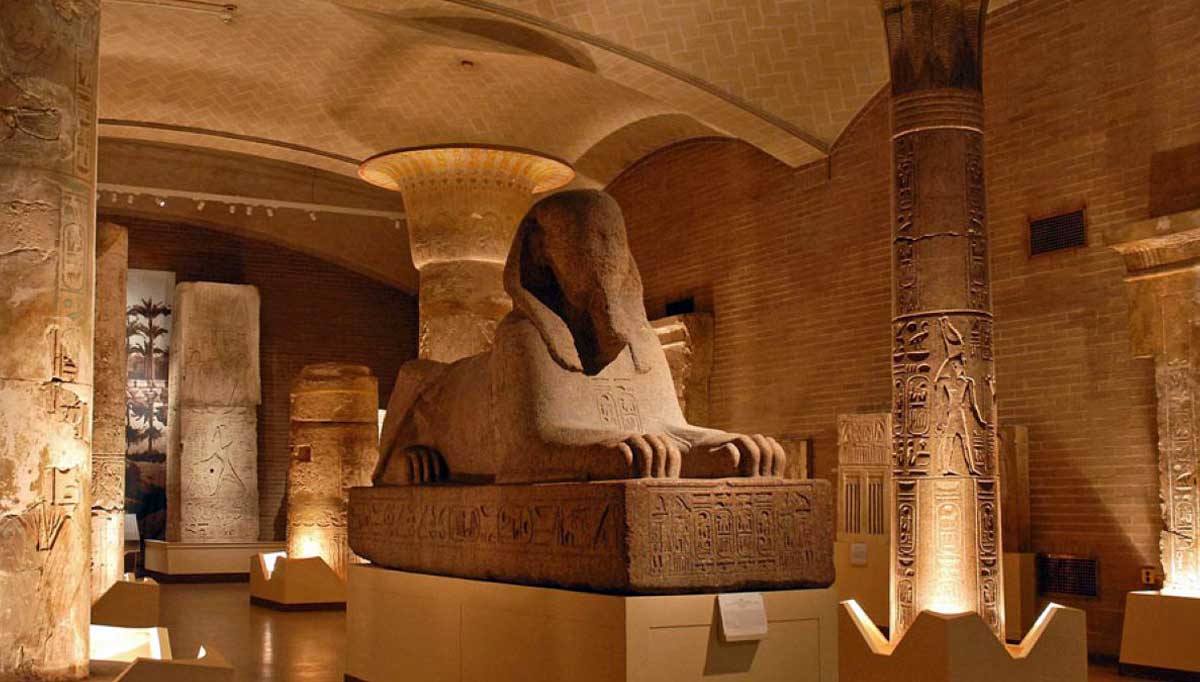
Arguably one of the most visited galleries in the museum is their Ancient Egypt and Nubia Exhibit. One of the largest Egyptian collections in the world, the gallery contains countless objects and artworks representative of the daily lives and beliefs of the ancient Egyptians, as well as treasures that belonged to the pharaohs. A big draw in the exhibit is the Sphinx of Ramses II, a large 13-ton granite sphinx carved sometime between 1293 and 1185 BC and is the largest sphinx in the Western Hemisphere.
The Penn Museum is also home to the Center for the Analysis of Archaeological Materials (CAAM). CAAM offers laboratory and classroom facilities, materials, equipment, and expert personnel to mentor Penn students in a range of scientific techniques crucial to archaeologists and other scholars as they seek to interpret the past. This makes it one of the top schools in the country for pursuing archaeology and anthropology.
3. Step Inside the Getty Villa for Immersion in Classical Antiquity (Los Angeles, CA)
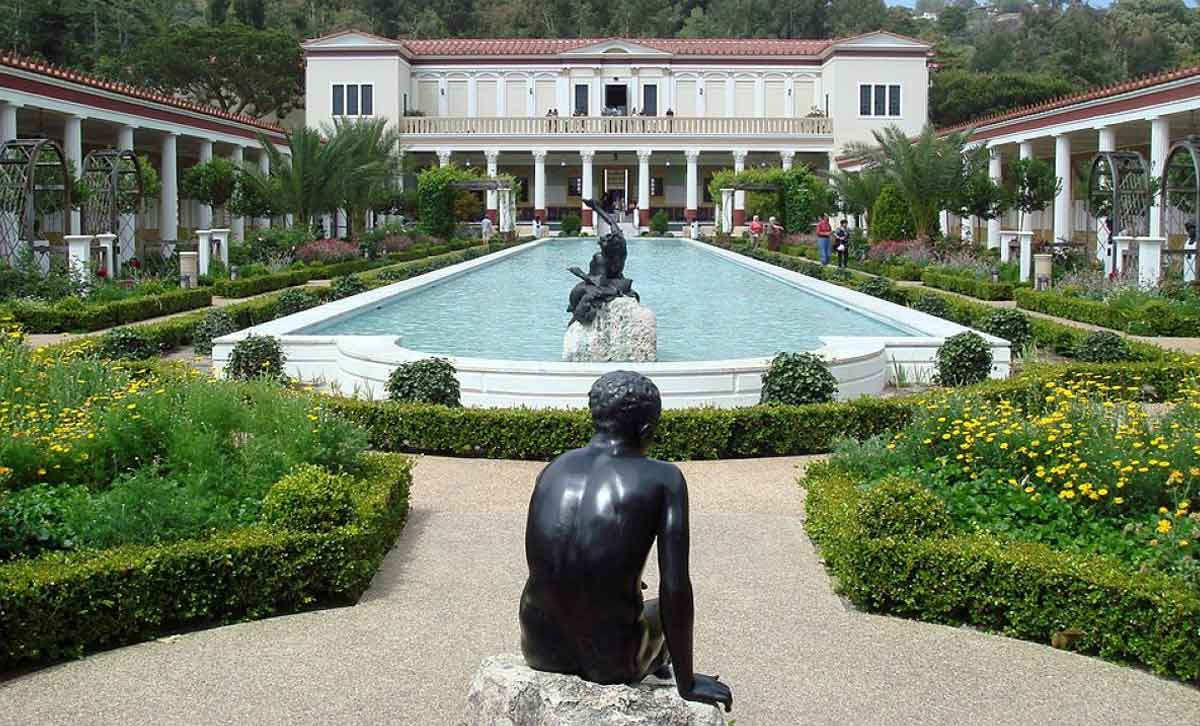
The Getty Villa Museum is one of the more unique museums to visit on this list. What is special about the Villa is that it is a recreation of a countryside estate from the Roman town of Herculaneum called the Villa dei Papiri (Villa of Papyruses). Visitors are transported back to the time of Caesar and Pompey as they wander through the lush gardens or learn how an impluvium works, making for a much more immersive experience.
On display are artworks from the Getty’s ancient Greek, Etruscan, and Roman collections. The museum is separated into two floors with the exhibits flowing chronologically, starting with the Stone Age and going through the end of the Roman Empire. Mosaics, statues, frescoes, pottery, and fine jewelry are just a handful of the objects that adorn the galleries of this traditional Roman villa.
One of the key pieces is a statue called Victorious Youth. It is one of the few life-sized Greek bronze statues to have survived to the present day. It provides much information on the technology of ancient bronze casting, making it a critical find.
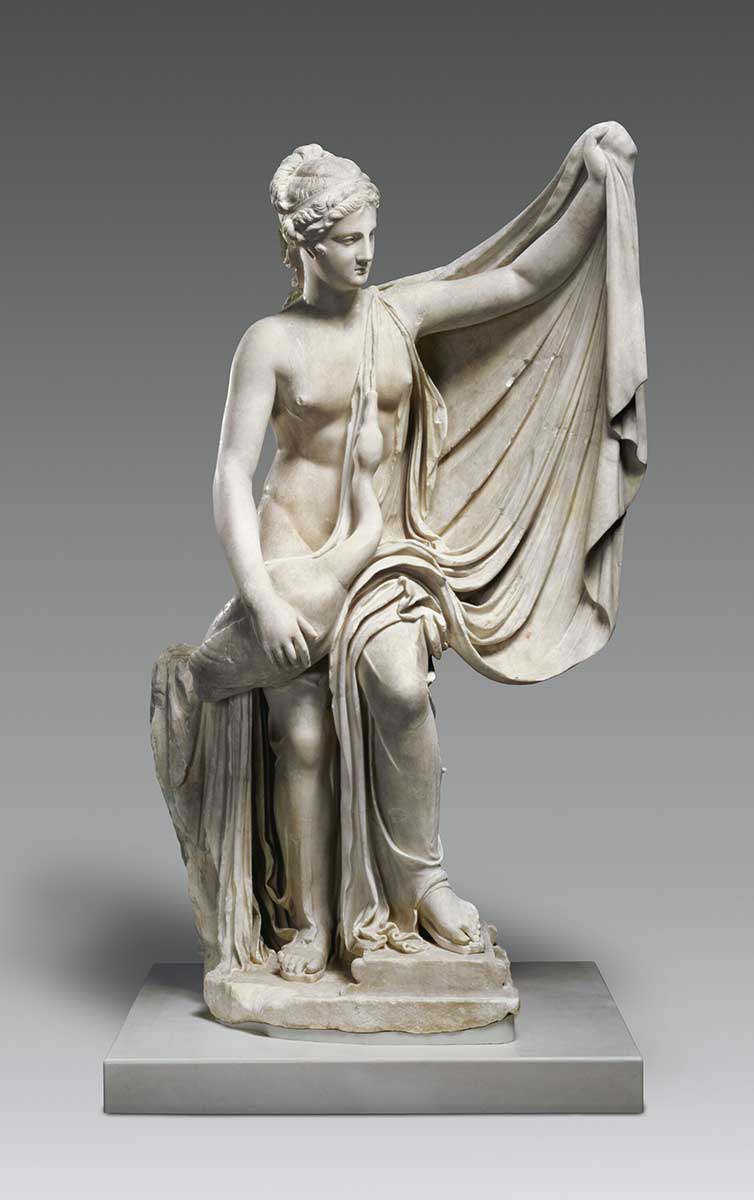
Another beautiful statue in the collection is Leda and the Swan, which is inspired by the Greek mythological tale of Zeus, who disguised himself as a swan to seduce Leda, the Queen of Sparta. More than two dozen examples of this statue exist today, mostly Roman replicas of the Greek originals, attesting to the story’s popularity and Greek influence on the Romans.
4. The Metropolitan Museum of Art and Its Monumental Treasures (New York City, NY)
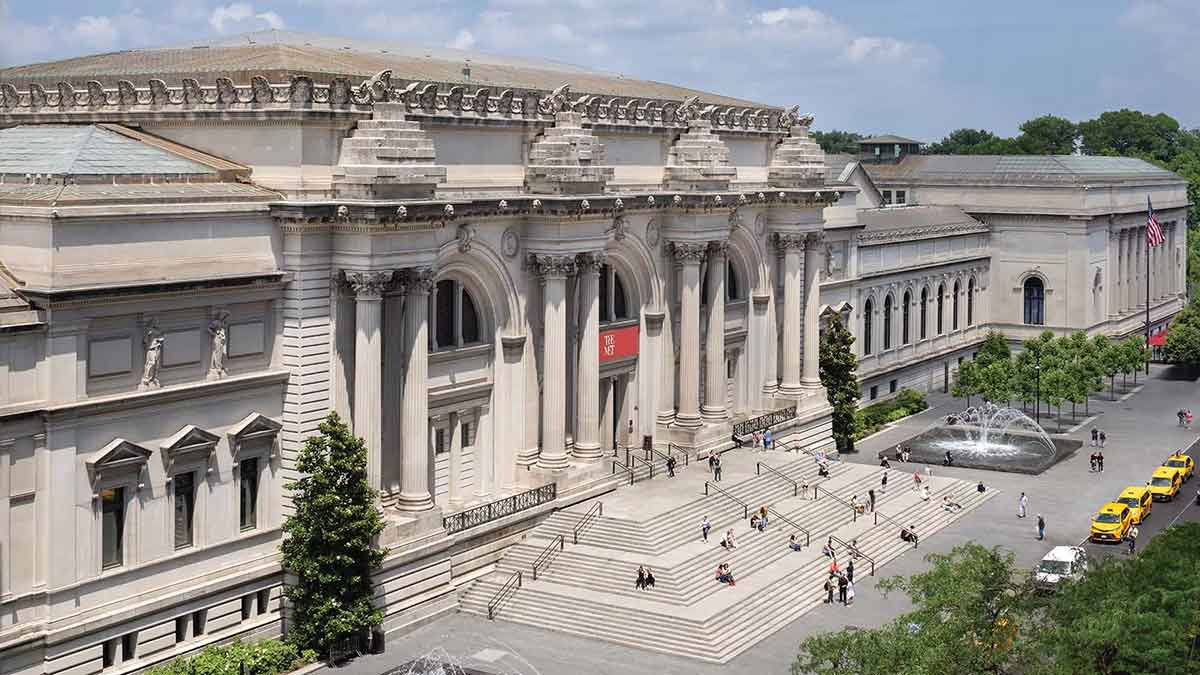
Arguably the most well-known museum on this list, the Metropolitan Museum of Art (informally known as The Met) is home to over 1.5 million works of art spanning 5,000 years, and its 633,000-square-foot footprint makes it the fourth-largest museum in the world by floor area. The museum features art spanning 5,000 years of human history and from every corner of the globe. That being said, their ancient art exhibits are nothing short of extraordinary.
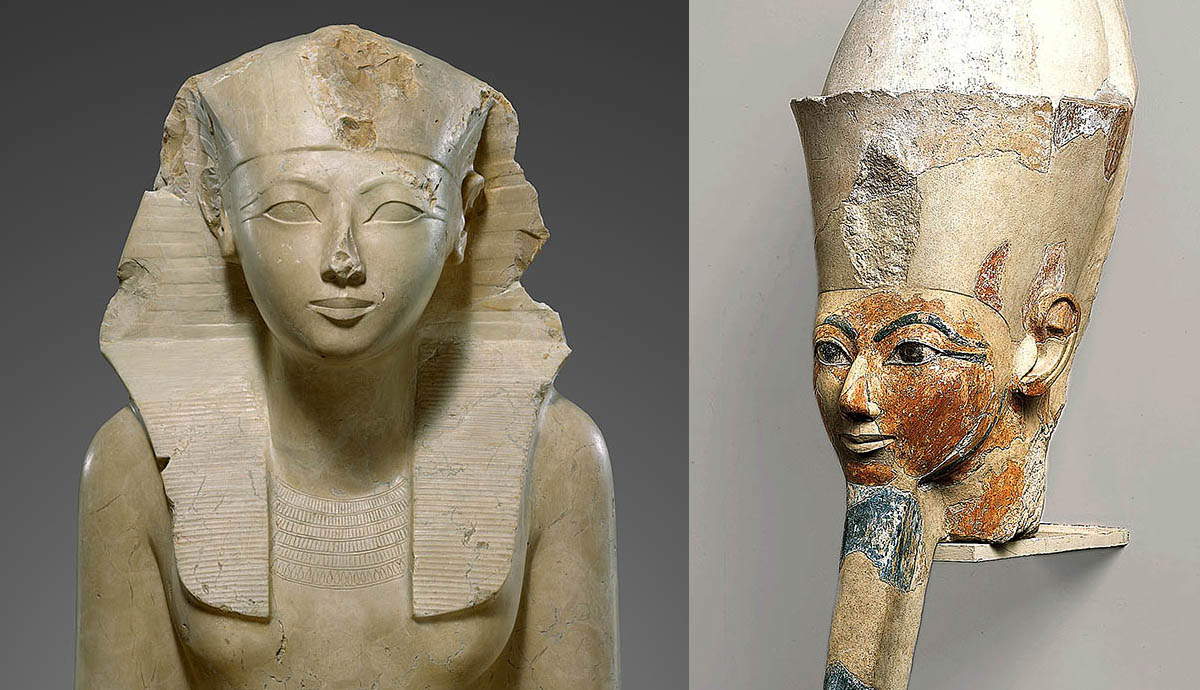
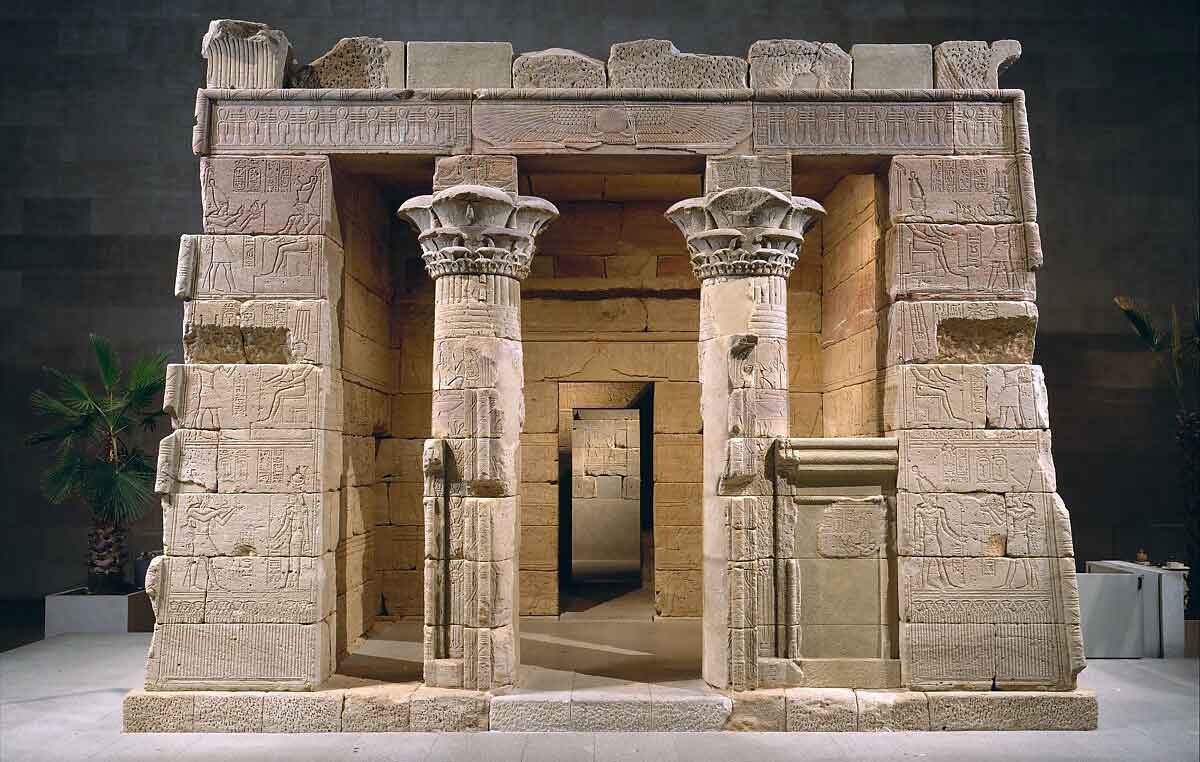
The museum’s Egyptian exhibit alone is made up of 38 galleries with beautiful works from all periods of Egypt’s history. Highlights include massive statues of the female pharaoh Hatshepsut, intricately decorated coffins of high officials, and recreated tomb art from the Old Kingdom (c. 2700 to 2200 BC). One of the main attractions is the Temple of Dendur, a Roman-period temple to the goddess Isis which was taken apart in Egypt before being shipped and put back together in the US as a gift from the Egyptian government in the 1960s.
The Met’s Greek and Roman art exhibit is just as exquisite, with over 5,300 objects on view from the many different periods of the two Mediterranean civilizations. The main draw is the Leon Levy and Shelby White Court. It is a monumental, skylit peristyle for the display of Hellenic and Roman art with a soaring two-story atrium. Objects worth seeing include bronze sculptures from Classical Greece, marble portraits of Roman emperors, and frescoes from a Roman villa. The department also exhibits the art of prehistoric Greece (Helladic, Cycladic, and Minoan) and pre-Roman art of Italic peoples, notably the Etruscans.
The Met also boasts a world-class research center with a focus on several topics including conservation and provenance.
5. Exploring Daily Life in the Ancient Mediterranean at the Kelsey Museum (Ann Arbor, MI)
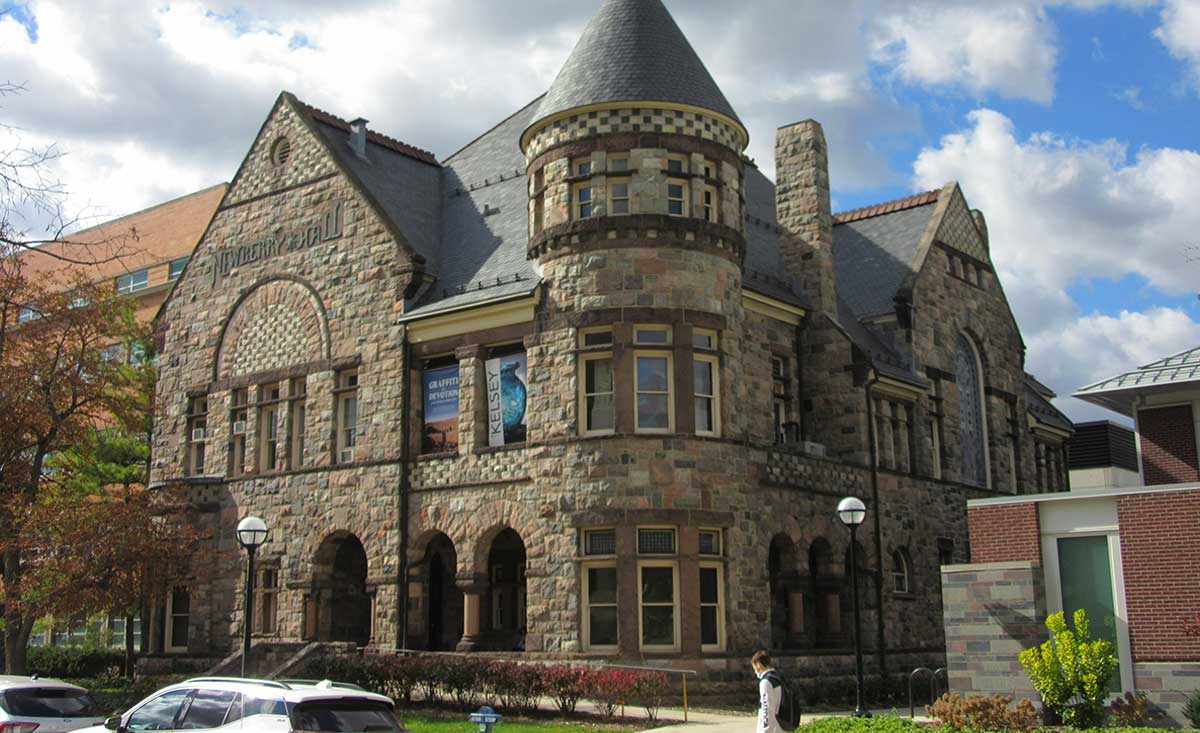
Situated on the University of Michigan campus, the Kelsey Museum houses a collection of more than 100,000 ancient and medieval objects from the civilizations of the Mediterranean and Near East. Among its most significant holdings are 45,000 daily-life objects from the Greco-Roman town of Karanis in Egypt, the largest collection of its kind outside of Cairo.
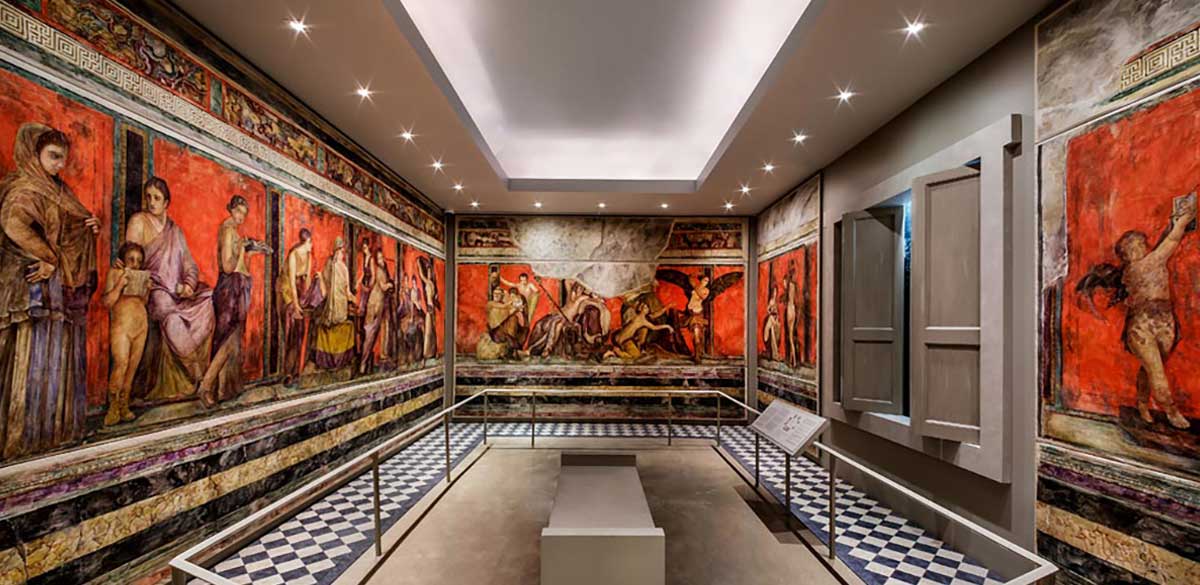
A unique feature of the Kelsey’s ancient Rome exhibit is a reproduction of murals from the Villa of Mysteries in Pompeii. The murals depict a young bride-to-be as she goes through the stages of initiation into a Bacchic mystery cult before her wedding day. In 1924, Francis Kelsey (the museum’s founder) commissioned Italian artist Maria Barosso to replicate the Pompeian murals, but Kelsey died before they were completed. When they were shipped to the US, they sat in storage for decades, with only a few panels being put on display once in a while for special programs. It was not until 2000 that the murals were displayed in their entirety for an exhibition on cultic rites practiced by Roman women.
The museum also works with the Archaeology, History, and Classical Studies departments at the university to sponsor field research in the Mediterranean region and Middle East. Like Breasted with the ISAC in Chicago, this program has a long tradition dating back to Kelsey himself going on expeditions to Egypt and Mesopotamia in the early 20th century and procuring many of the artifacts found in the museum today. Work today focuses on sites in Italy, Greece, Jordan, Israel, Turkey, Egypt, Sudan, and Tunisia, and is arguably one of the best archaeology programs in the US.
6. Discovering Old Kingdom Egyptian Splendor at the MFA Boston (Boston, MA)
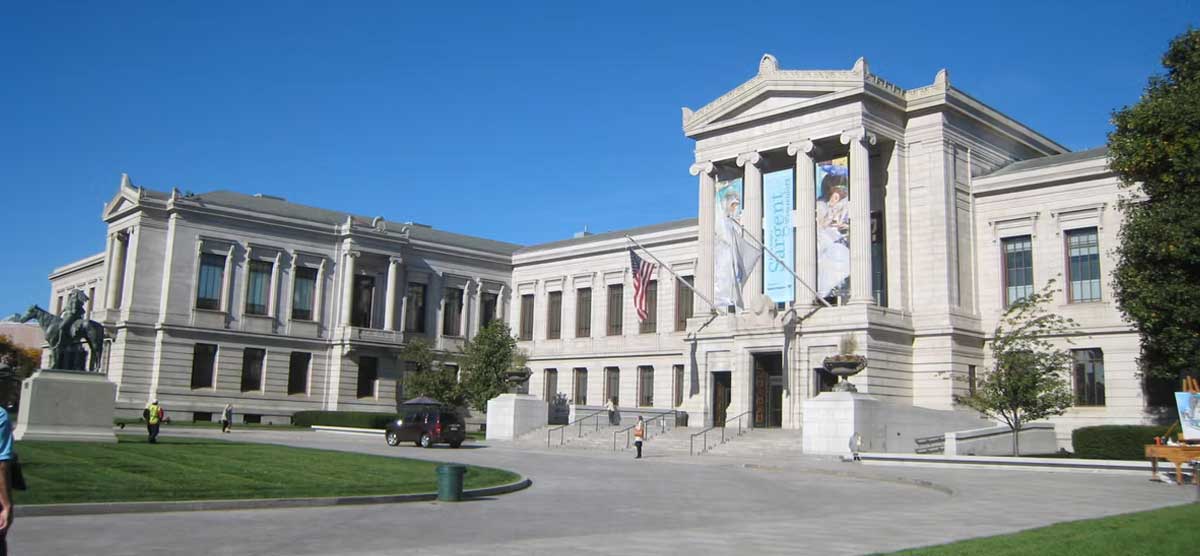
Founded in 1870, the Museum of Fine Arts in Boston is a world-renowned institution housing around 450,000 objects and artworks ranging from Egyptian mummies to contemporary paintings. Its Greek and Roman art exhibit is truly a marvel.
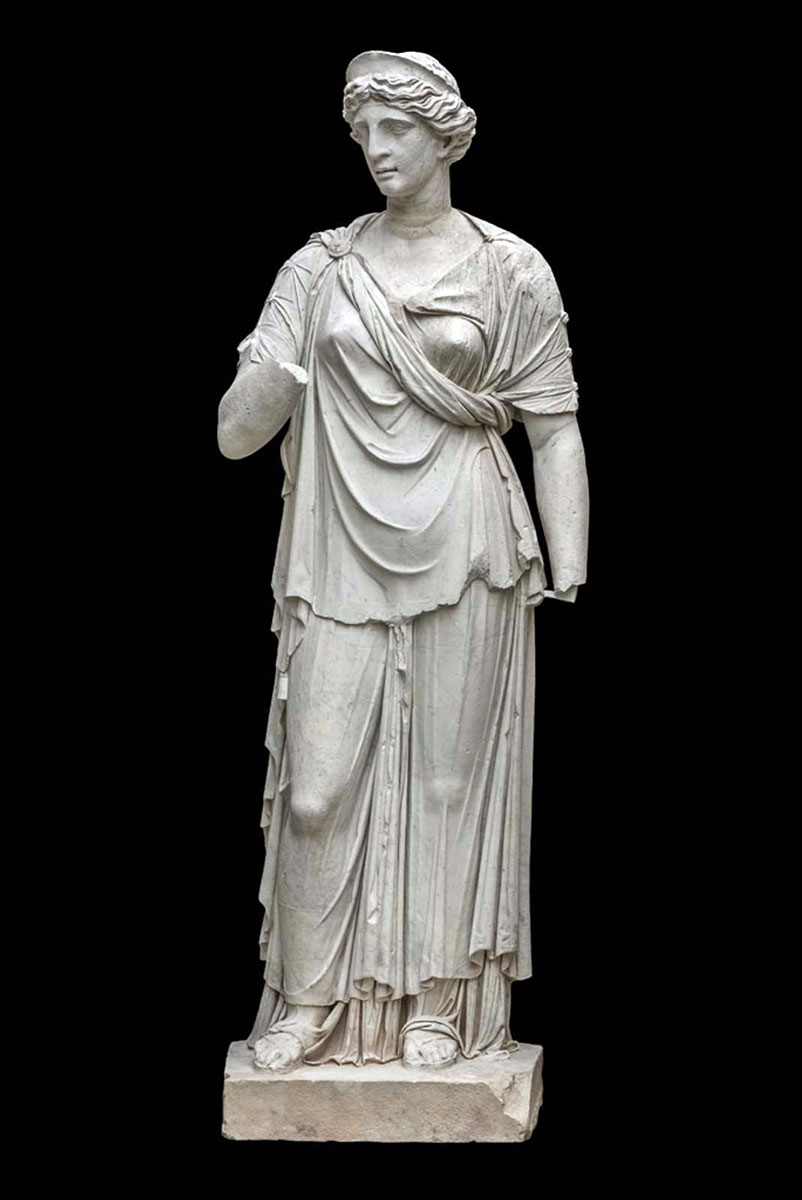
The main antiquities wing underwent a recent transformation, creating a grand entrance to the exhibition and new displays to highlight key pieces in the collection. Early Greek pottery, Roman marble portraits, mythological scenes, and daily life objects, such as coins, jewelry, and lamps, are just a few of the objects on display. One of the highlights of this collection is a colossal statue of the Roman goddess Juno, which was traditionally claimed to be made for the Theater of Pompey in the 1st century BC, but probably comes from the 2nd century AD. The statue then traveled from place to place over the centuries, being housed in several private estates before coming to the Fine Arts Museum.
The museum’s Egyptian art exhibit is one of the most extensive in the world outside Cairo, containing over 16,000 pieces spanning from 6,500 BC to 600 AD. Among these are 140 funerary objects, including richly painted coffins, canopic jars, embalming tools, and anything else involved in burial rituals and preparing the soul of the deceased for their journey to the afterlife.
7. Why the Michael C. Carlos Museum Is the Southeast’s Antiquities Hub (Atlanta, GA)
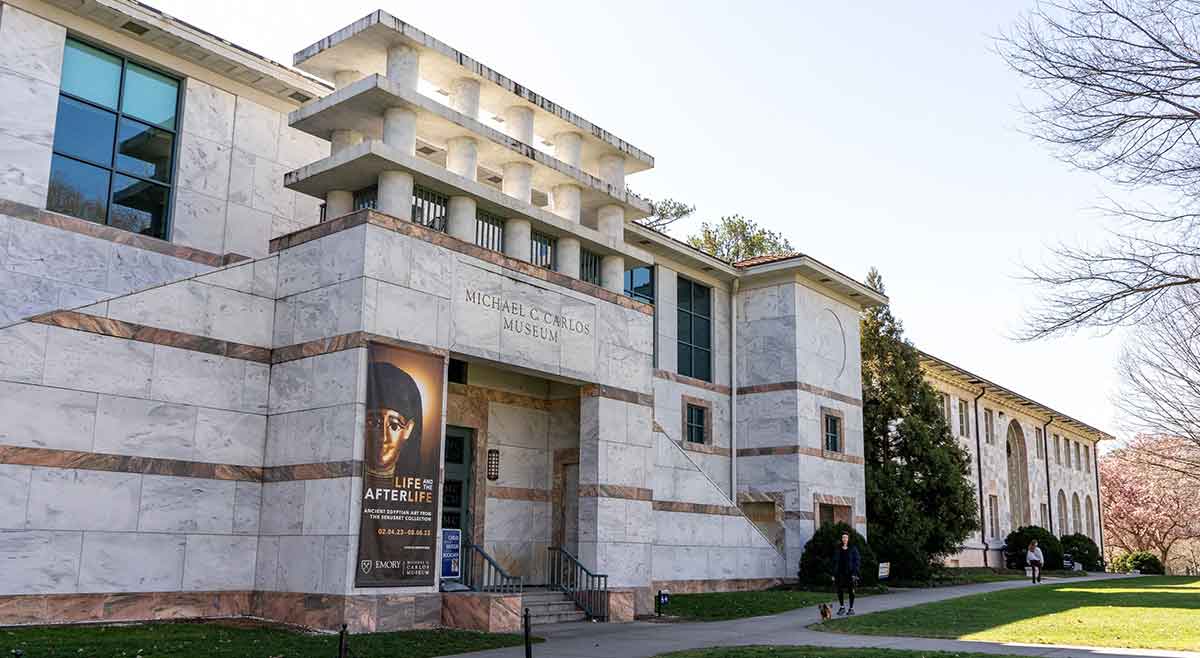
The Michael C. Carlos Museum is located on Emory University’s campus just outside downtown Atlanta, and pretty much specializes in all things ancient. Their galleries feature artifacts from Africa, the Americas, ancient Egypt, Nubia, the Near East, ancient Greece, Rome, and South Asia.
The museum’s collection of Greek and Roman Art comprises over 5,400 Greek, Roman, Etruscan, Cypriot, and Bronze Age Aegean artifacts. Mythology was a major part of the Mediterranean peoples’ everyday lives, as evidenced by the plethora of objects (including oil lamps, statuettes, ceramics, and more) depicting Greek and Roman gods and goddesses in this collection.
The museum began in the 1920’s with a set of Roman coins and expanded piecemeal throughout the 20th century. It has developed into one of the most significant collections of Greek and Roman art in the American Southeast.
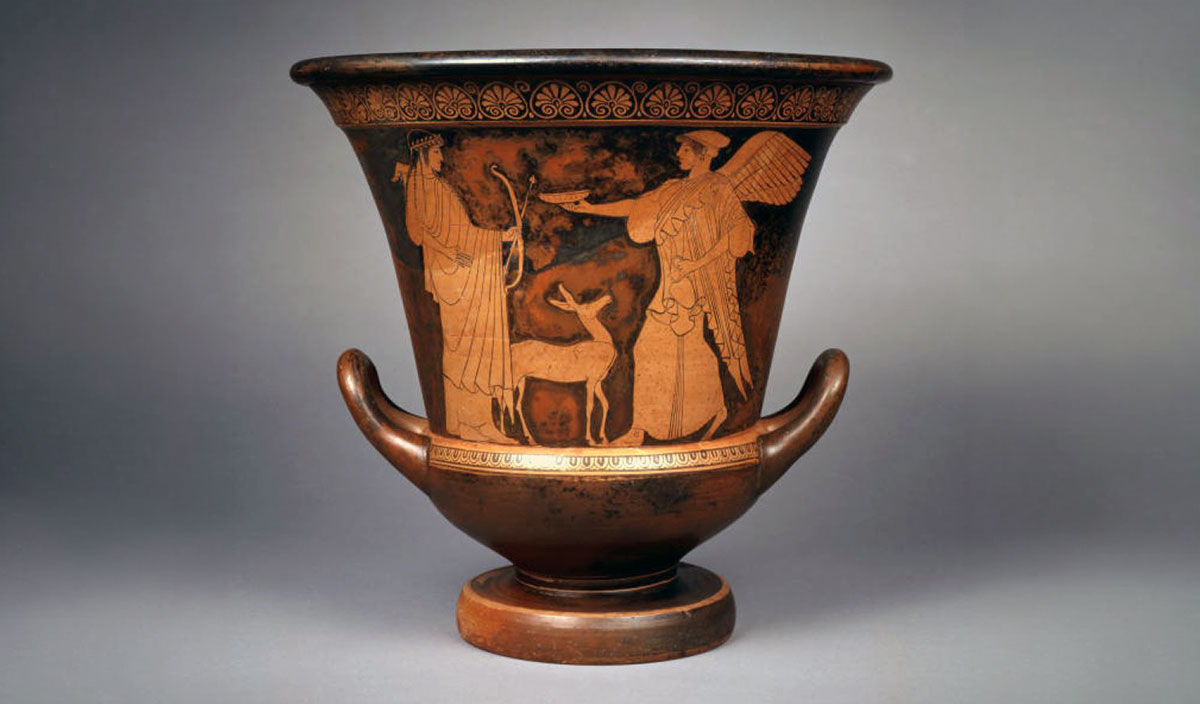
The museum also notably holds one of the most extensive collections of Native American art in the country, setting it apart from others on this list. It has more than 3,300 ancient and contemporary pieces from North, Central, and South America, spanning 4,000 years. Their ancient Costa Rican collection is of particular interest, including greenstone ceremonial axes and stone metates (grinding stones).
8. How the Nelson-Atkins Museum Preserves Ancient Near Eastern and Mediterranean Art (Kansas City, MO)
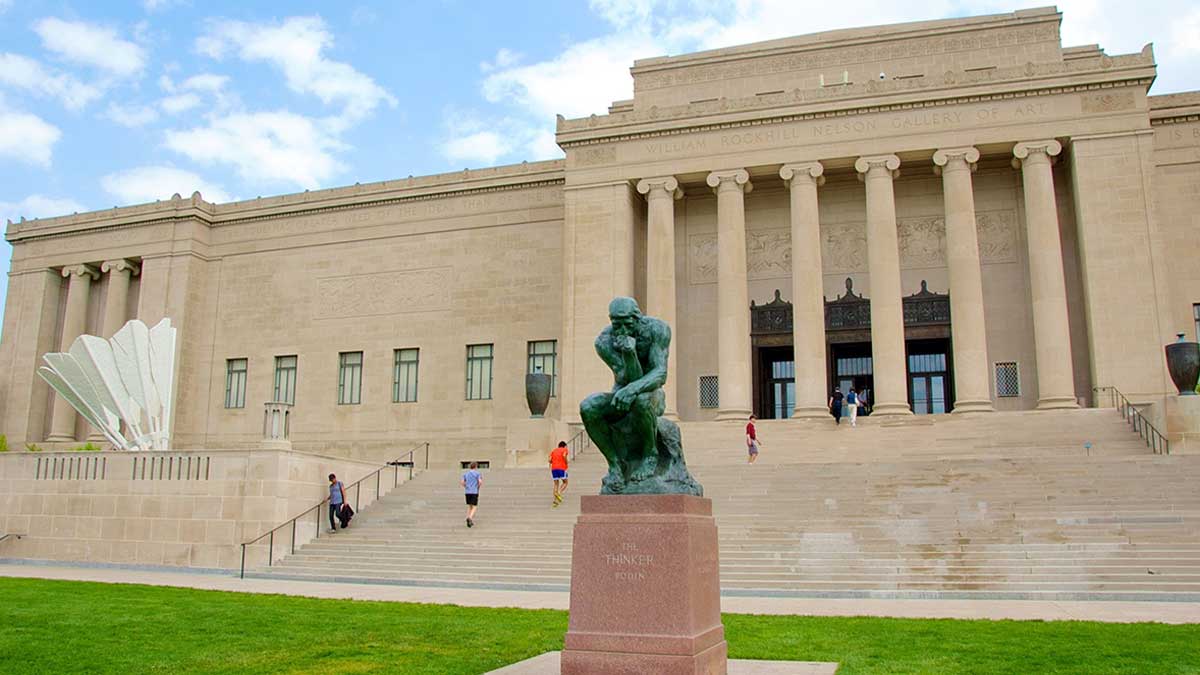
Many would not think of Kansas City for their fine arts scene, but the Nelson-Atkins Museum has a surprisingly large and elaborate collection of antiquities. Their ancient art collection spans more than 4,000 years of history from the Near East, Egyptian, Greek, and Roman civilizations.
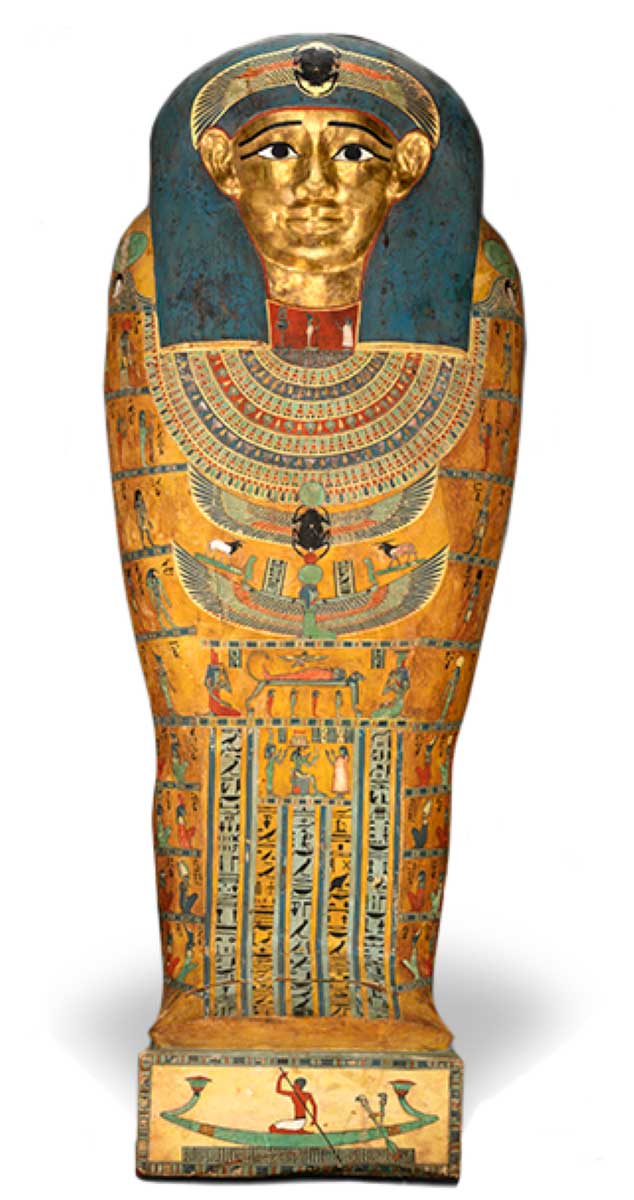
The Egyptian galleries contain an extensive collection of stone portraiture depicting prominent pharaohs and queens, spanning from Sen-useret III and Ramses II to Nefertiti and the Ptolemaic rulers. Particularly significant is the 2007 acquisition of the funerary items of the noblewoman Meret-it-es. Comprising two coffins, cartonnage, and 304 servant statuettes, the assemblage collectively occupies nearly an entire gallery space.
These eight extraordinary museums bring the wonder of ancient civilizations right to our doorstep. From world-class university research labs to monumental metropolitan galleries, these institutions prove that exploring the deep past doesn’t require crossing an ocean.