
Ancient Egypt was the world’s longest-continuing civilization, flourishing for over three millennia before becoming part of the Roman Empire. The Pharaoh was more than just an absolute leader. He, or sometimes she, was the incarnation of the divine on earth. The prosperity of the Egyptian people depended on the prosperity of the Pharaoh, and he was destined to join the gods in the Duat after death. While every Pharaoh was important as a link in a mighty chain, some were more powerful than others and left a greater mark on the history of ancient Egypt. Meet the 20 most important pharaohs that you should know about.
1. Narmer Unifies the Two Lands, 1st Dynasty (c. 3150-3100 BC)
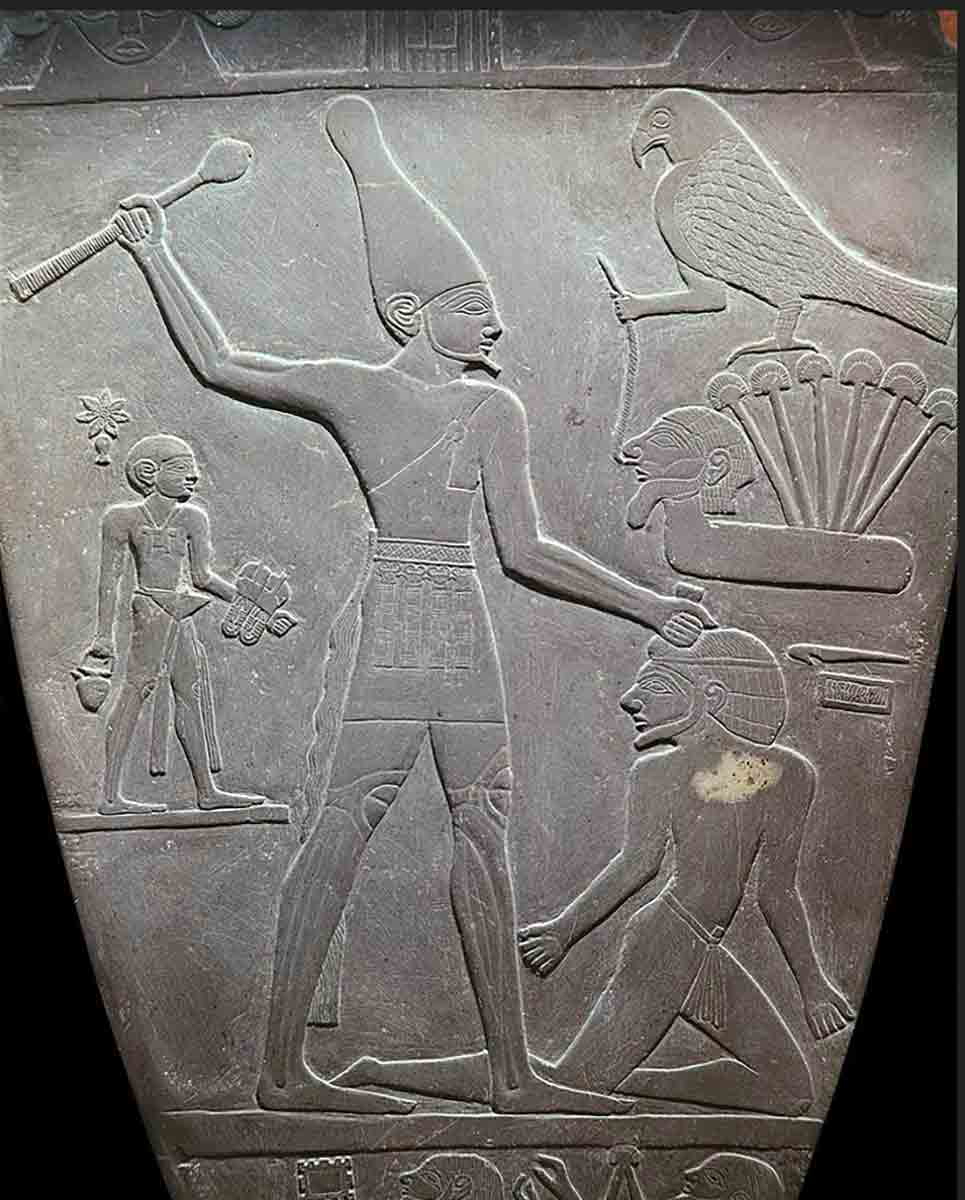
According to tradition, Narmer united Upper and Lower Egypt into a single great civilization around 3150-3100 BC, giving birth to the Pharaonic model of leadership. Much of his fame can be attributed to the Narmer Palette, one of the earliest Ancient Egyptian artifacts ever found and the first depiction of an Egyptian king. The palette connects Narmer with the god Horus, suggesting that he was the manifestation of the god on earth.
2. Djoser Commissions the Step Pyramid, 3rd Dynasty (c. 2630-2611 BC)
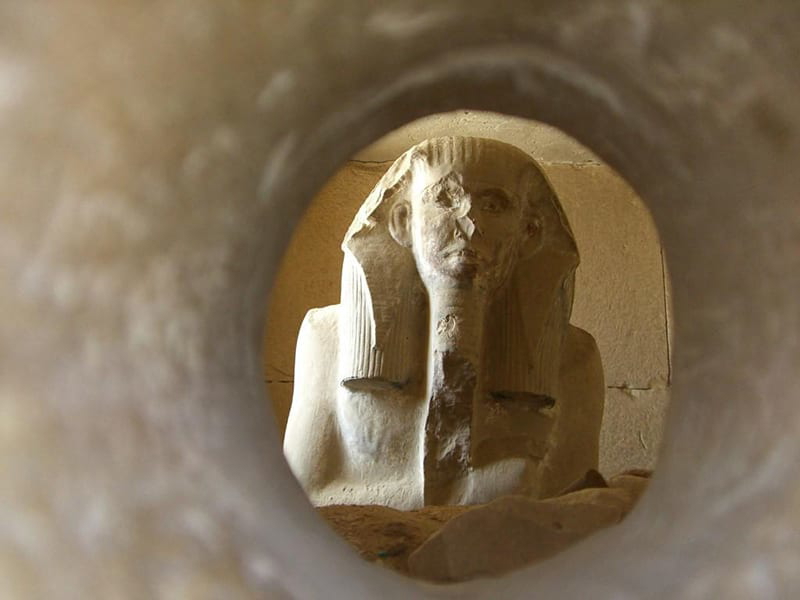
The 3rd Dynasty Pharaoh Djoser built Egypt’s first pyramid as a grand mausoleum that would transport him into the afterlife alongside the god. The Step Pyramid was an evolution of earlier mastaba tombs and reflects evolving beliefs around the Pharaoh and the afterlife. It was also the first great stone monument built by the Egyptians, who would become famous for their monumental architecture. This endeavor was made possible by the development of mining activity, trade, and farming practices.
3. Sneferu Enriched Egypt Through Nubian Trade, 4th Dynasty (c. 2613-2589 BC)
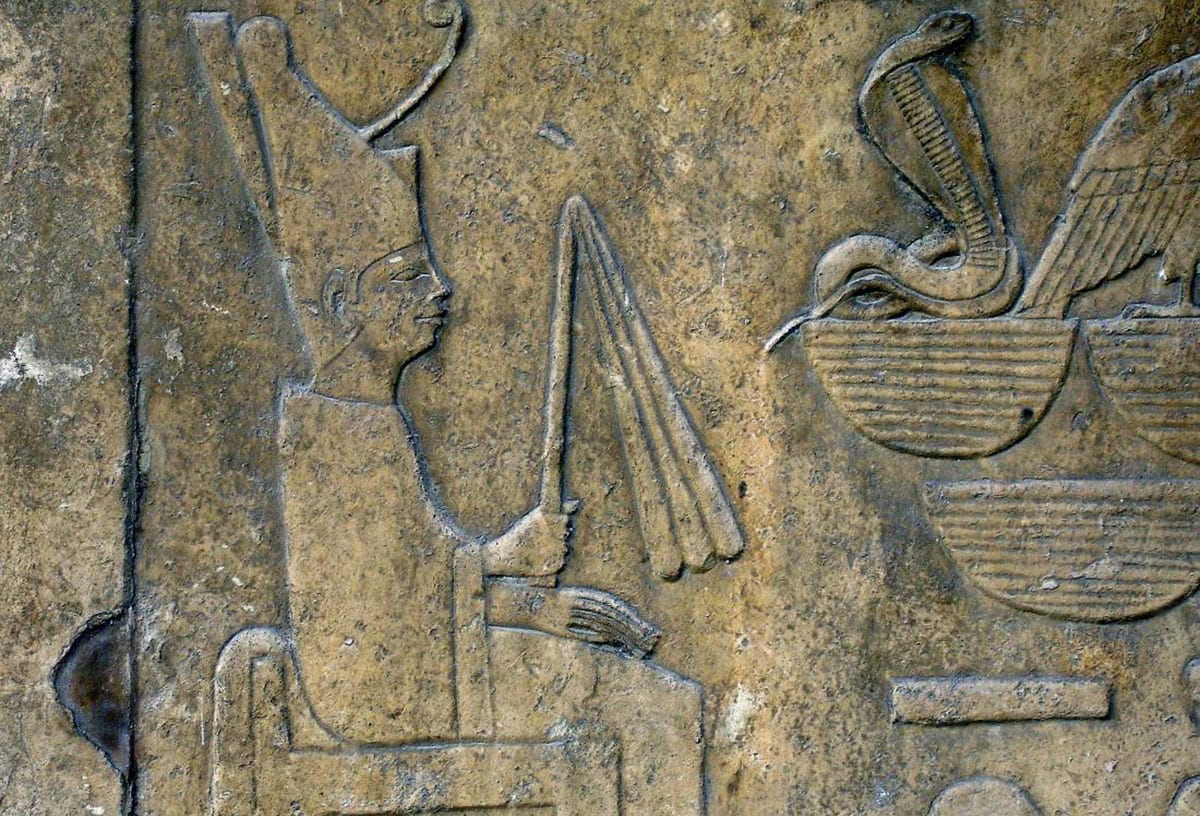
Sneferu was the founder of the 4th dynasty, ruling for 50 years before being succeeded by his son Khufu. Sneferu built Egypt’s great wealth through trade and war with Nubia (now Sudan) in the south, allowing him to build famous landmarks, such as the Bent Pyramid and Red Pyramid, the first true pyramids. Sneferu organized major military and trading expeditions beyond Egypt’s borders. The Palermo Stone notes that he sent a fleet of 40 ships to Lebanon to return with cedar wood, a crucial material for building large ships, temple doors, and royal coffins in stone-rich but wood-poor Egypt.
4. Khufu Builds the Great Pyramid of Giza, 4th Dynasty (c. 2589-2566 BC)
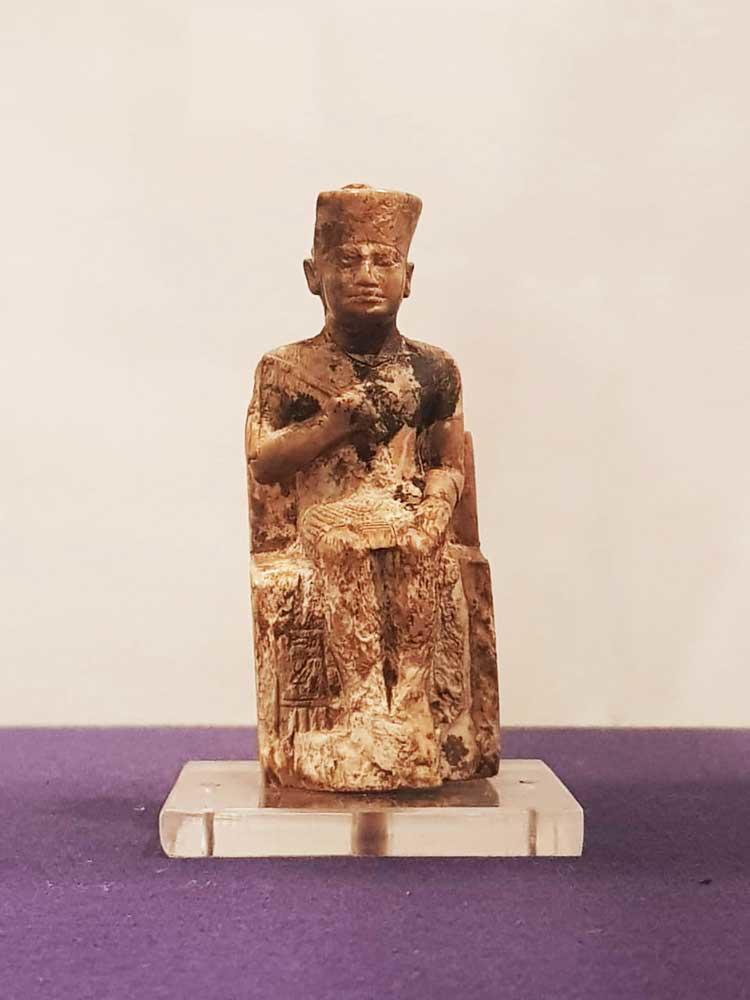
Khufu was responsible for building the Great Pyramid at Giza, the only one of the Seven Wonders of the World still standing. Much like his son Khafre, Khufu was depicted by Herodotus as a tyrant. However, modern archeologists question the validity of those claims due to the stability and economic standing of Egypt during his reign. Excavations at the Giza worker village suggest that workers were well-treated and well-fed.
5. Khafre Builds the Great Sphinx, 4th Dynasty (c. 2558-2532 BC)

Khafre was the son of Khufu and builder of the middle Pyramid in the Great Pyramid Necropolis at Giza. He’s also believed to be responsible for the Great Sphinx flanking the causeway to his monument. Khafre led Egypt during a time of great economic strength, and despite being demonized by later Greek historians, he was Pharaoh during one of Egypt’s most prosperous periods.
6. Mentuhotep II Reunites a Divided Empire, 11th Dynasty (c. 2061-2010 BC)
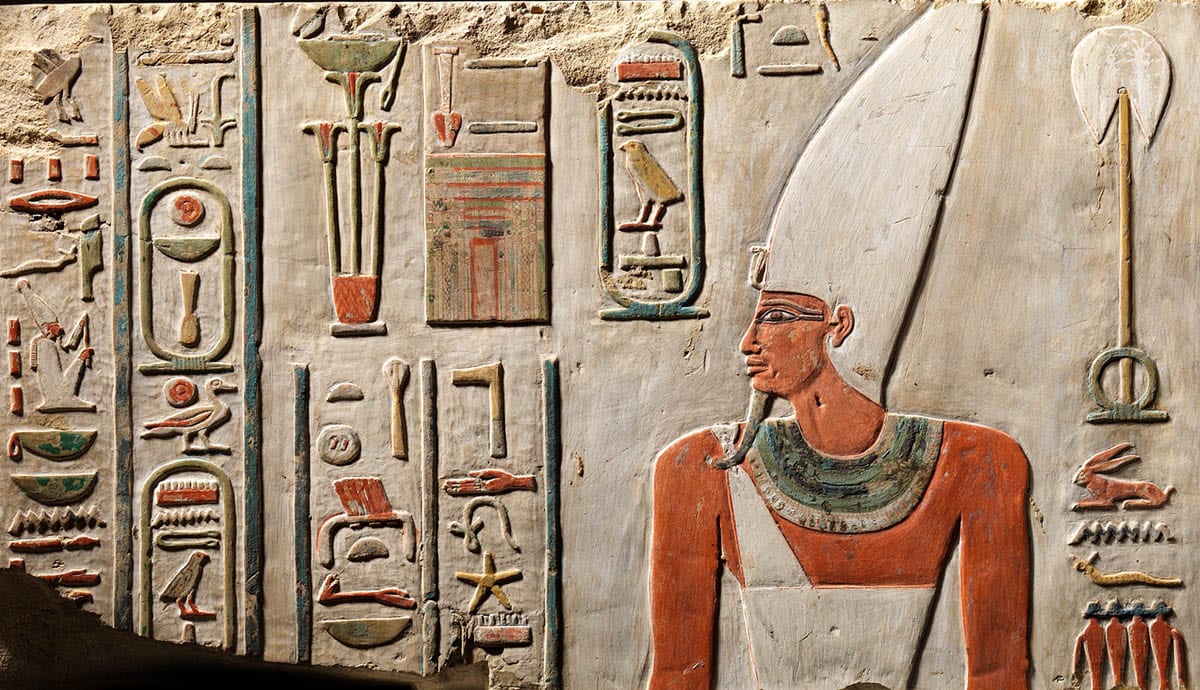
When Mentuhotep II came to power, Egypt had been fractured for over a century by civil war, famine, and rival warlords during the a chaotic era known as the First Intermediate Period. By the end of his 51-year reign, Mentuhotep II had stitched the country back together, ushering in the golden age known as the Middle Kingdom. He moved the capital from Memphis to Thebes, elevating the importance of the Theban god Amun and his priests for the next millennium.
7. Senusret I Expands the Southern Frontier, 12th Dynasty (c. 1971-1926 BC)
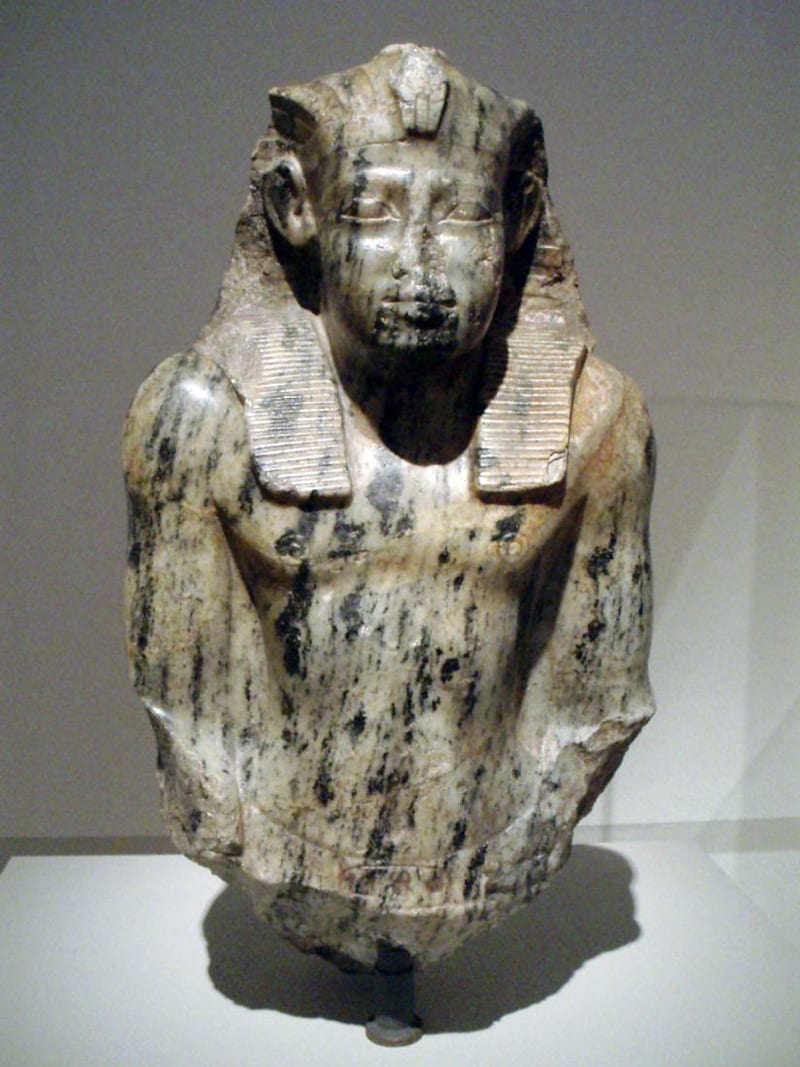
The 12th dynasty Pharaoh Senusret I ruled for 45 years during the Middle Kingdom. He was an expansionist king campaigning predominantly in Nubia, establishing a new southern border. Domestically, he championed improved irrigation and farming along the Nile, particularly within Fayum. While not as prolific as his peers, he built monuments such as the Heliopolis Obelisk and helped usher in new trends in art and hieroglyphics.
8. Ahmose I Expels the Hyksos Invaders, 18th Dynasty (c. 1549–1524 BC)
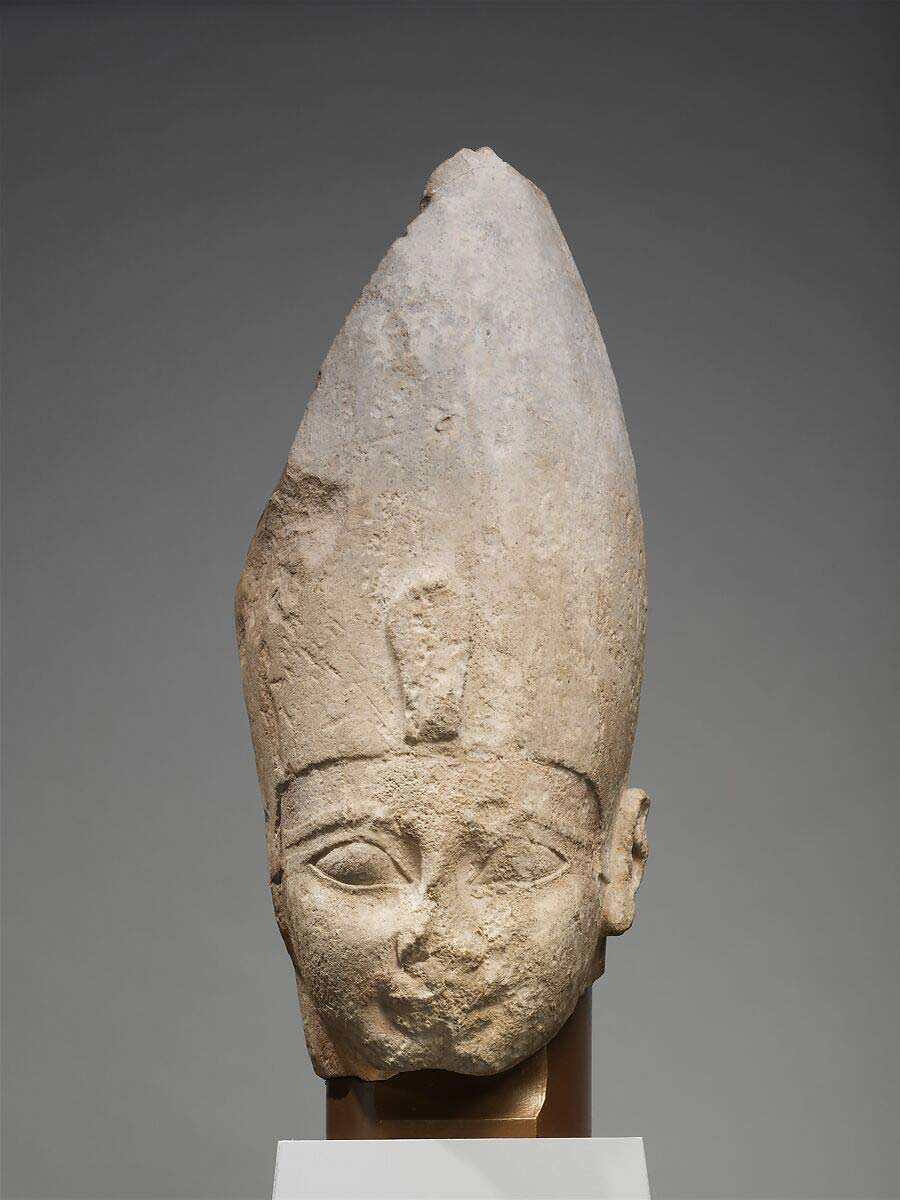
King Ahmose I took the throne as a child when Egypt was overrun by the Hyksos and was in economic ruin due to mine closures and restricted trade. After being helped in regency by his formidable mother, Queen Ahhotep I, Ahmose established a firm rule and was consequently able to drive the Hyksos out and stabilize the economy. He was another pyramid builder, constructing the last known pyramid at Abydos. It was originally nearly 50 meters tall (162 ft) but has been reduced to rubble because it was built from mudbrick rather than stone.
9. Hatshepsut Expands Trade and Architecture, 18th Dynasty (c. 1479–1458 BC)
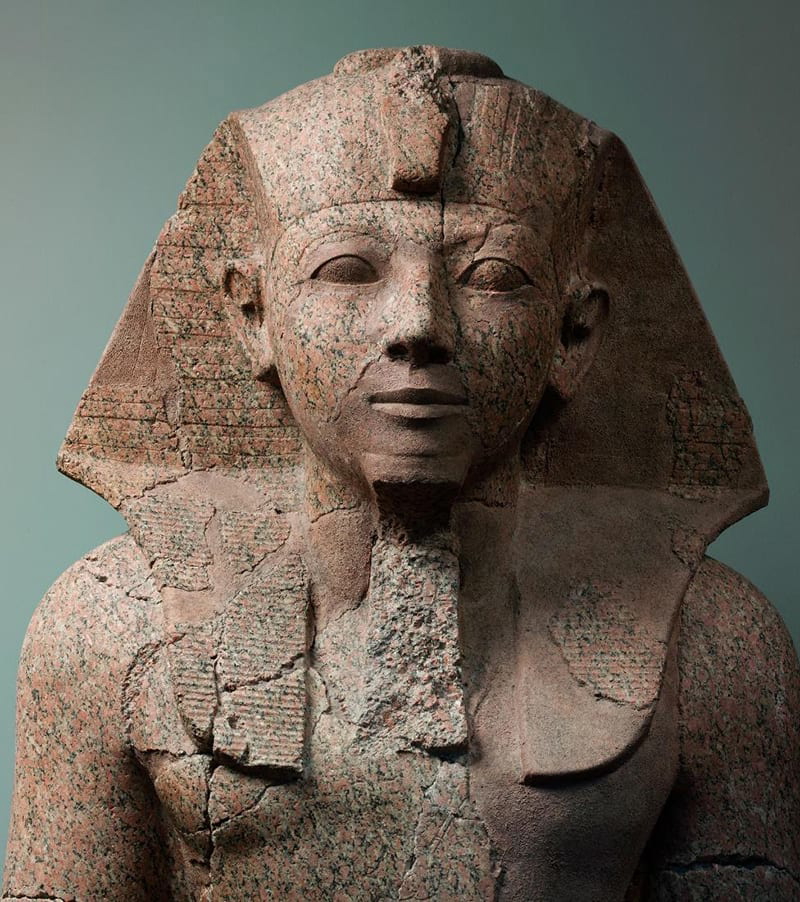
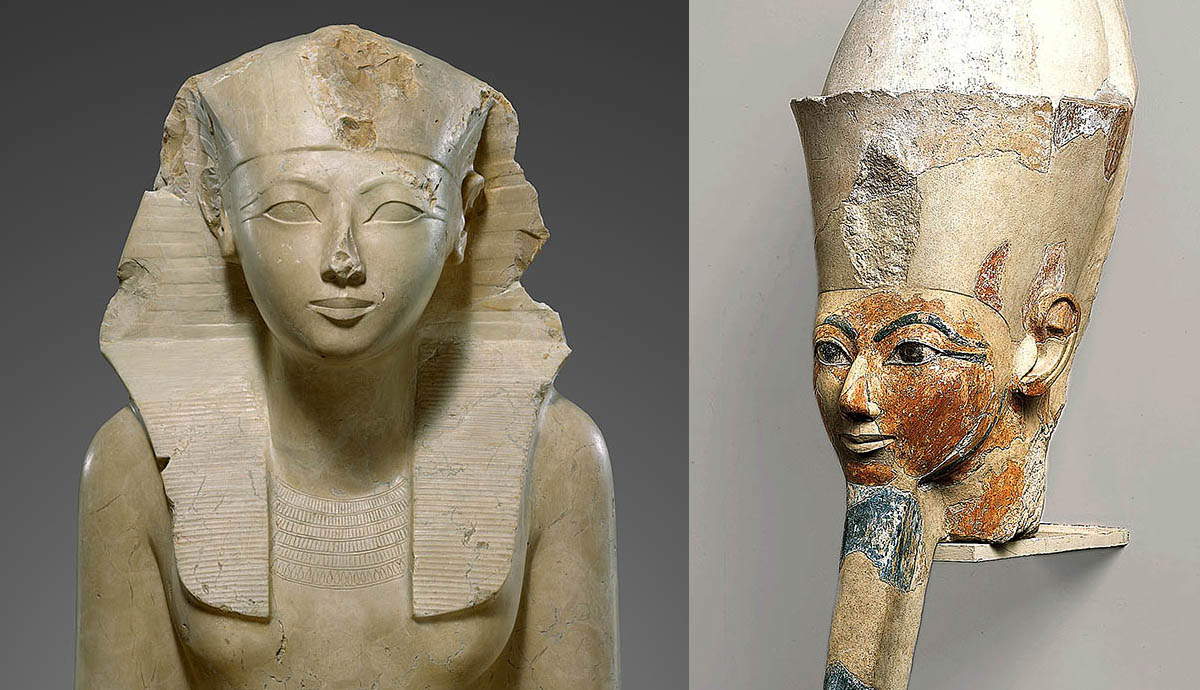
Hatshepsut began her reign as regent to her nephew Thutmose III, who was only two when his father died. She took power for herself, and after 20 years, named herself Pharaoh. Female Pharaohs were rare, but she was not the first. Styling herself like her male counterparts, down to being depicted with the Pharaonic beard, Hatshepsut rebuilt trade routes that had been destroyed during the Hyksos invasion and re-established relationships with neighboring states, including obtaining great riches from the Land of Punt to build Egypt’s economy into a formidable position. She commissioned a fantastic array of buildings and monuments, including the famous Mortuary Temple of Hatshepsut below the cliffs of Deir el-Bahari.
10. Thutmose III Builds the Egyptian Empire, 18th Dynasty (c. 1458–1425 BC)
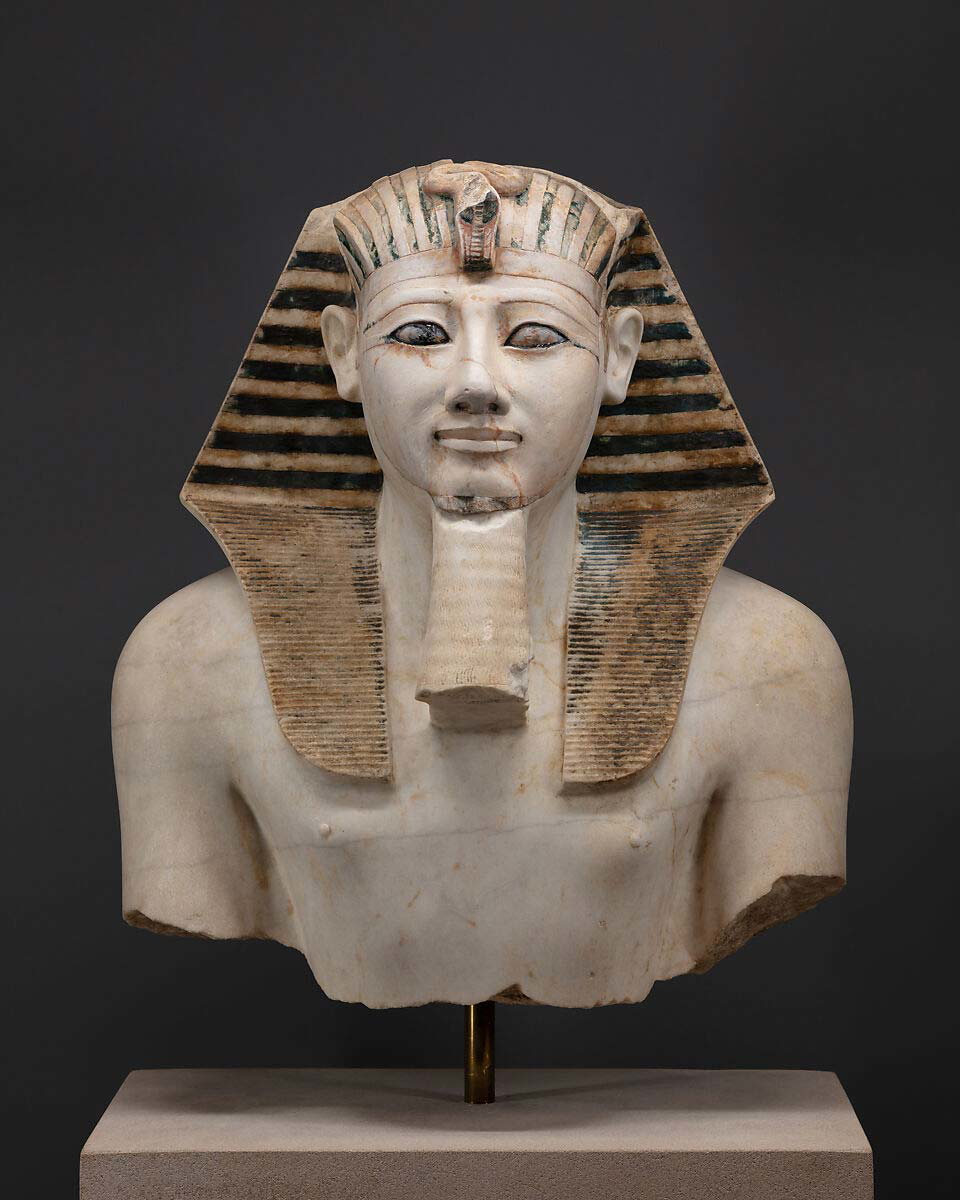
Thutmose III finally took the throne after the death of his aunt Queen Hatshepsut, who may have accidentally poisoned herself while trying to treat a skin condition. He conducted numerous lengthy military campaigns, including the conquest of Syria, and grew Egypt into an unmatched regional superpower. His expansion saw the Egyptian coffers filled with plunder obtained through war, trade, compulsory grain acquisition, and taxation. Thutmose III built many great monuments, two of which are obelisks now residing in London and New York, and rebuilt the Great Hypostyle Hall at Karnak Temple.
11. Amenhotep III Presides Over the Golden Age, 18th Dynasty (c. 1391-1353)
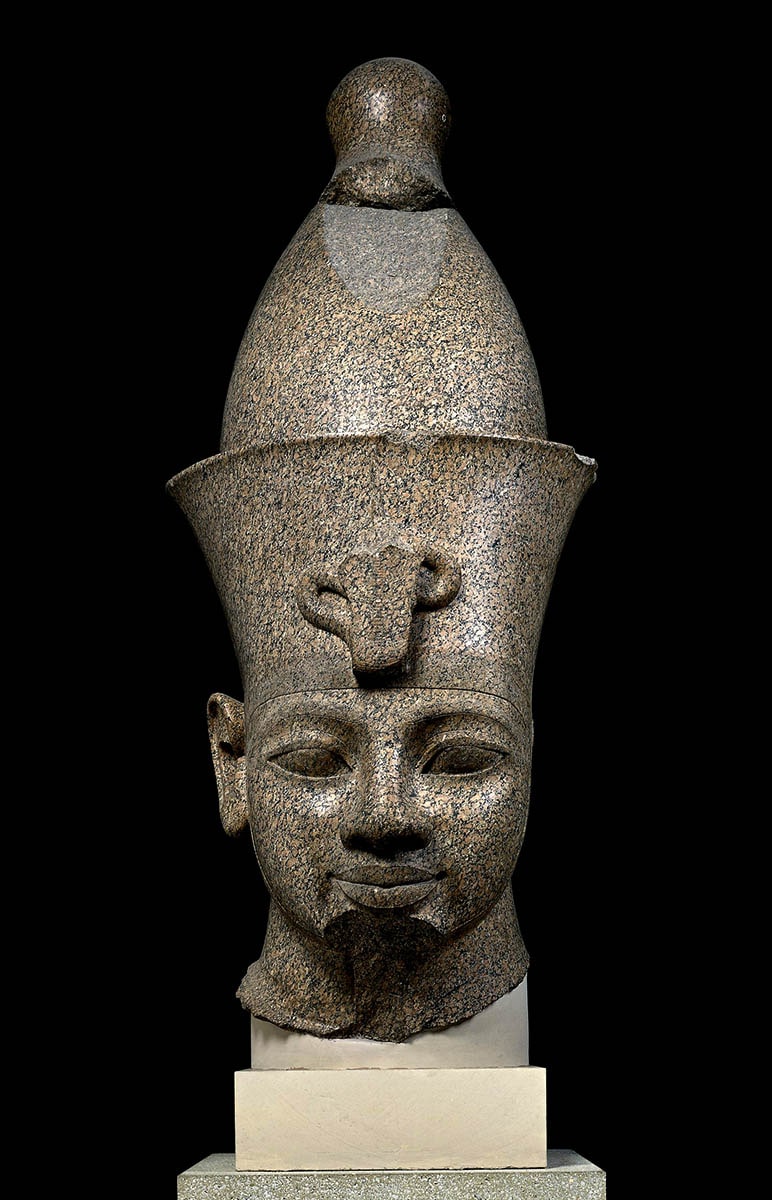
Amenhotep III inherited an empire at the absolute peak of its military power and wealth, allowing him to preside over an era of unprecedented luxury, artistic perfection, and architectural grandeur. Tribute flowed in from conquered territories in Syria, Canaan, and Nubia. Instead of fighting major wars, he engaged in “gold diplomacy.” Foreign kings from Babylon, Assyria, and Mitanni constantly wrote to him begging for gold, recorded in the Amarna Letters.
12. Amenhotep IV/Akhenaten Launches a Religious Revolution, 18th Dynasty (c. 1351-1334 BC)
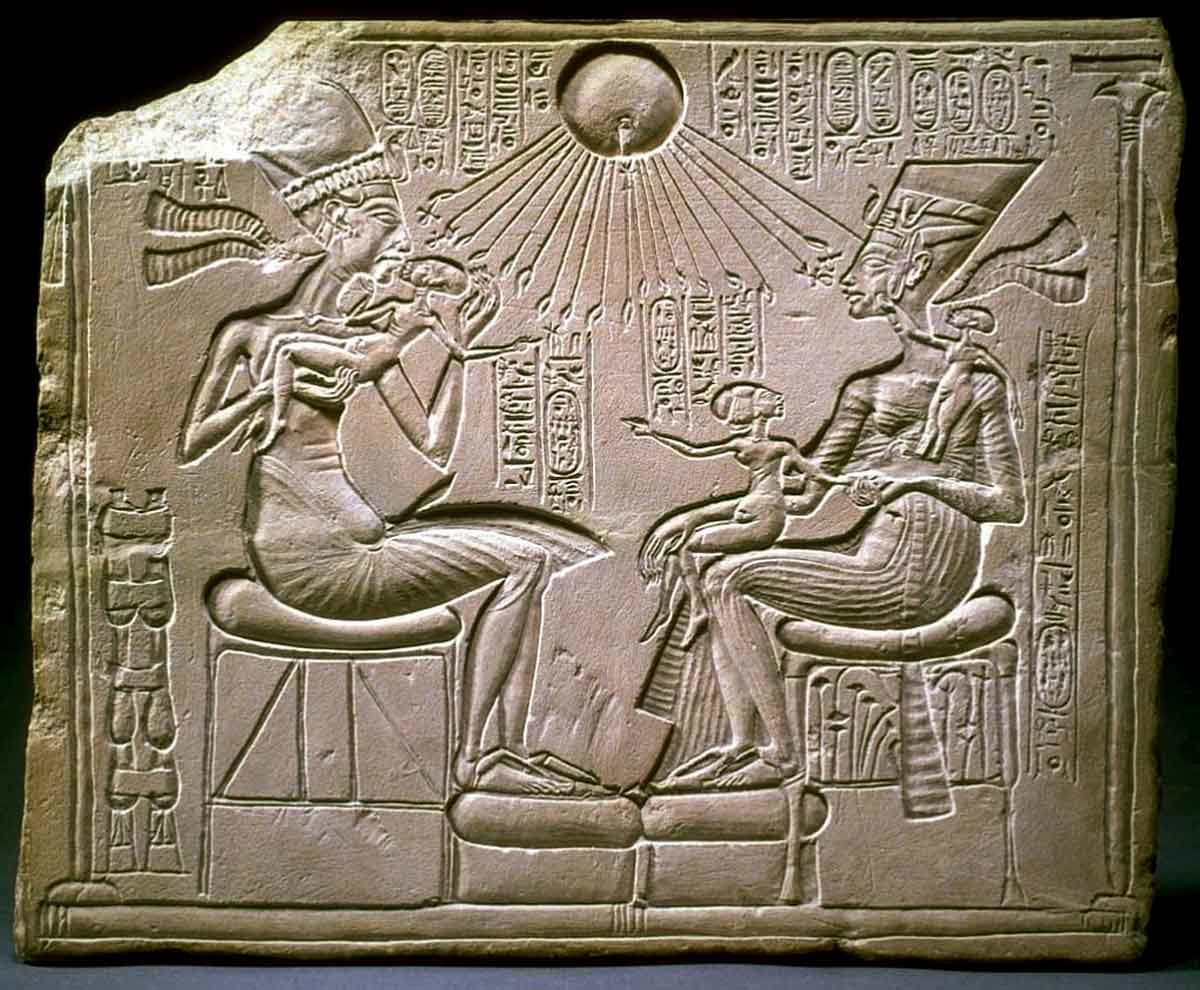
Pharaoh Amenhotep IV inherited a powerful Egypt from his father Amenhotep III. But a few years into his reign, Amenhotep IV abandoned the sound precedent of his father. He abandoned the polytheistic religious traditions of the Egyptians and established a new, potentially monotheistic, religion based on the Aten, the sun disk. This involved changing his name to Akhenaten, meaning the “servant of Aten,” and establishing a new capital at Amarna. It is unclear whether he was motivated by religious zealotism or if it was a political move to take power away from the powerful priests of Amun in Thebes and focus more power on himself. His reign was also a revolutionary period in Egyptian art.
13. Tutankhamun Restores the Ancient Gods, 18th Dynasty (c. 1332-1323 BC)
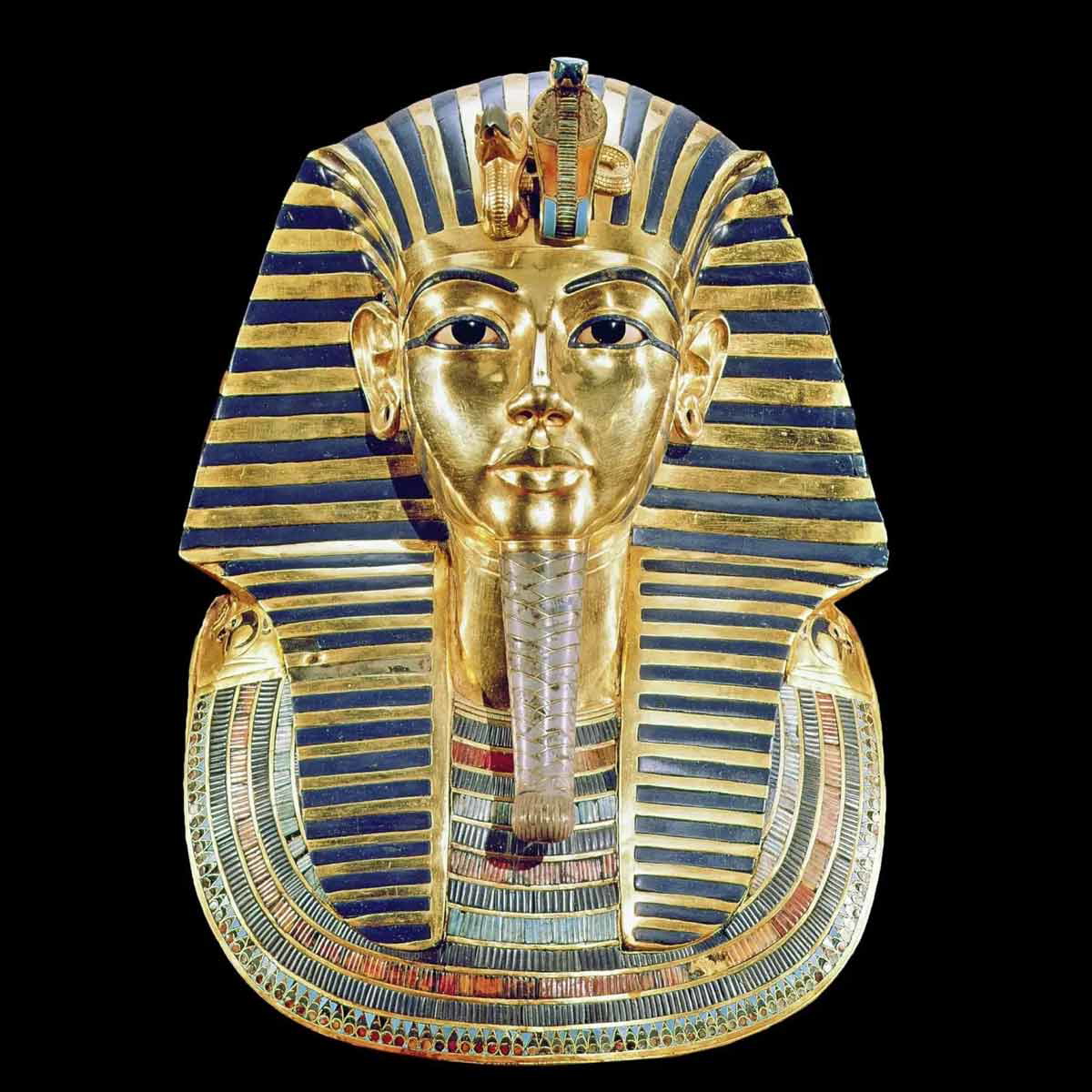
Tutankhamun was not a powerful Pharaoh, but he is famous for the discovery of his tomb. While Tutankhamun has a relatively modest tomb, unlike many others found in the Valley of the Kings, it was not picked bare by grave robbers. The riches discovered there when Howard Carter opened the tomb provide just a taste of the kind of wealth that must have been buried with Egypt’s great Pharaohs. He was a son and successor of Akhenaten, coming to power at around the age of ten following some mysterious interim successors. Guided by advisors, he led the return to Thebes and traditional Egyptian religion.
14. Seti I Restores the Egyptian Military, 19th Dynasty (c. 1290-1279 BC)
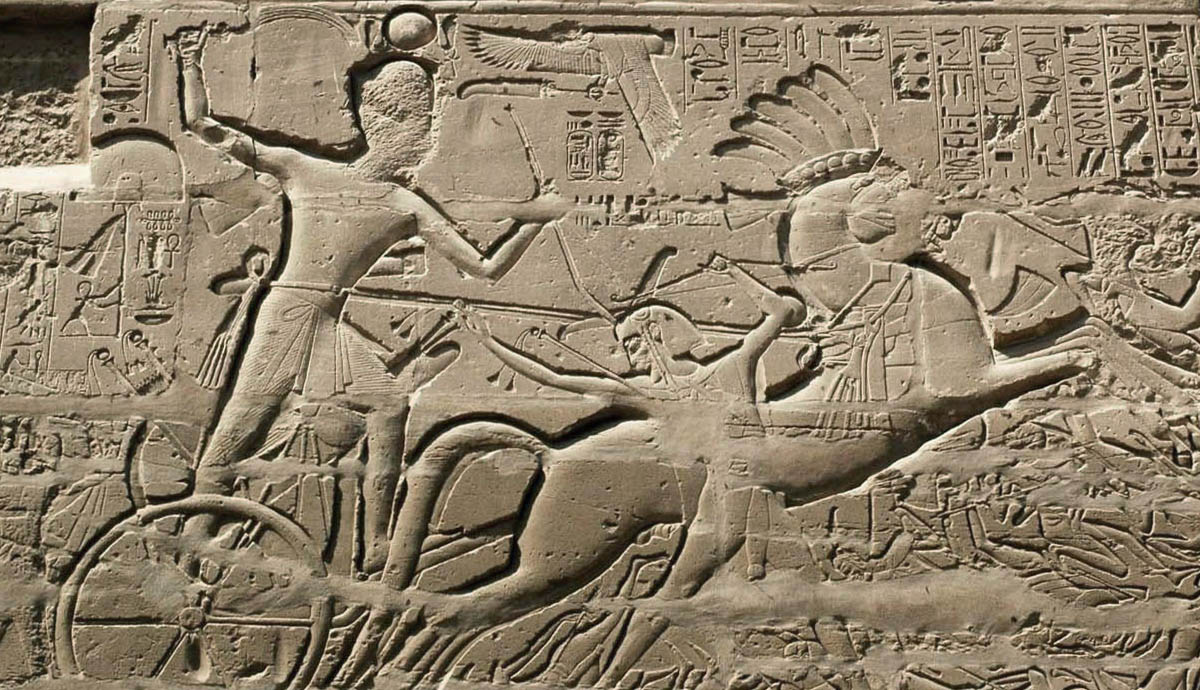
As the son of Ramesses I, the founder of the 19th dynasty, and father of Ramesses II, Seti I is often described by historians as the ruler who did all the hard work to make Egypt a dominant superpower again. He launched a campaign to restore neglected temples after the Amarna period and led his troops back into Canaan, Syria, and Libya to reclaim territory lost. He fought against the expanding Hittite Empire for control of the northern fortress city of Kadesh, temporarily capturing the city and erecting a victory stele.
15. Ramesses II Defines the Imperial Power of Egypt, 19th Dynasty (c. 1279-1213 BC)
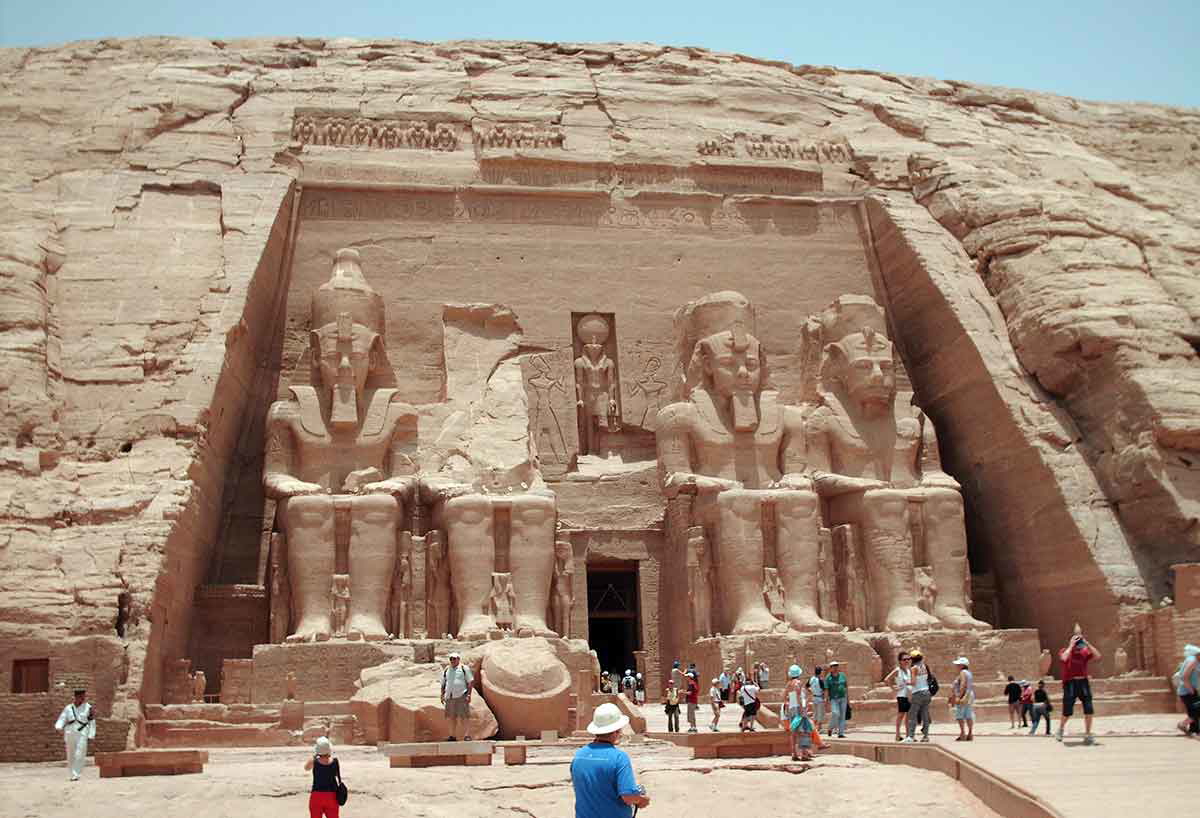
Ramesses II is also known as Ramesses the Great, highlighting his importance. Despite a fondness for propaganda and self-aggrandizement, he was Pharaoh for 66 years during arguably Egypt’s most prosperous and stable period. Ramesses II spent the early part of his reign subduing enemies such as the Hittites, Syrians, and Nubians. The Battle of Kadesh was the start of his fame and a rallying point amongst the populace. Ramesses II was also responsible for monumental building projects such as Abu Simbel, his capital Pi-Ramesses, and his mortuary temple, the Ramesseum, at Luxor.
16. Ramesses III Repels the Sea Peoples, 20th Dynasty (c. 1186-1165 BC)
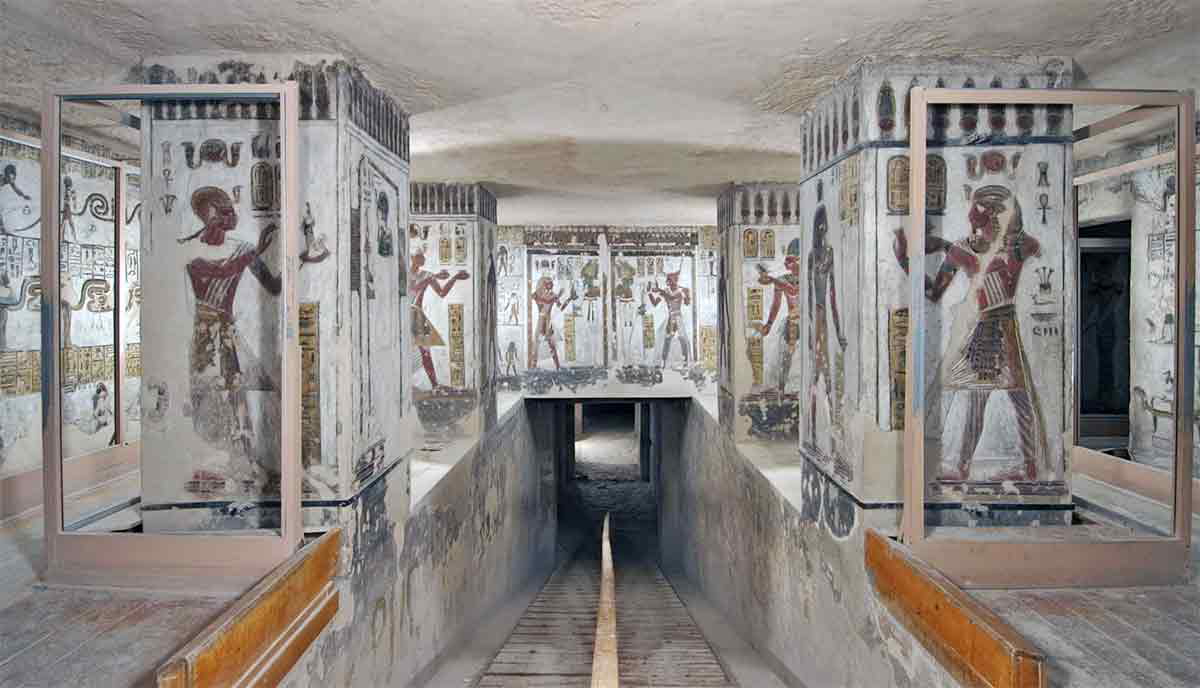
Ramesses III is often considered the last great warrior pharaoh of the New Kingdom. During the Bronze Age Collapse, which saw many powerful civilizations in the region fall, Ramesses saved Egypt from the mysterious and threatening Sea Peoples in a sea battle in the Nile Delta, celebrated in his mortuary temple at Medinet Habu. His reign was cut short by a palace coup. He was succeeded by eight weak pharaohs, all called Ramesses, whose reigns led to the collapse of the New Kingdom.
17. Piye Reclaims Tradition Under Nubian Rule, 25th Dynasty (c. 744-714 BC)
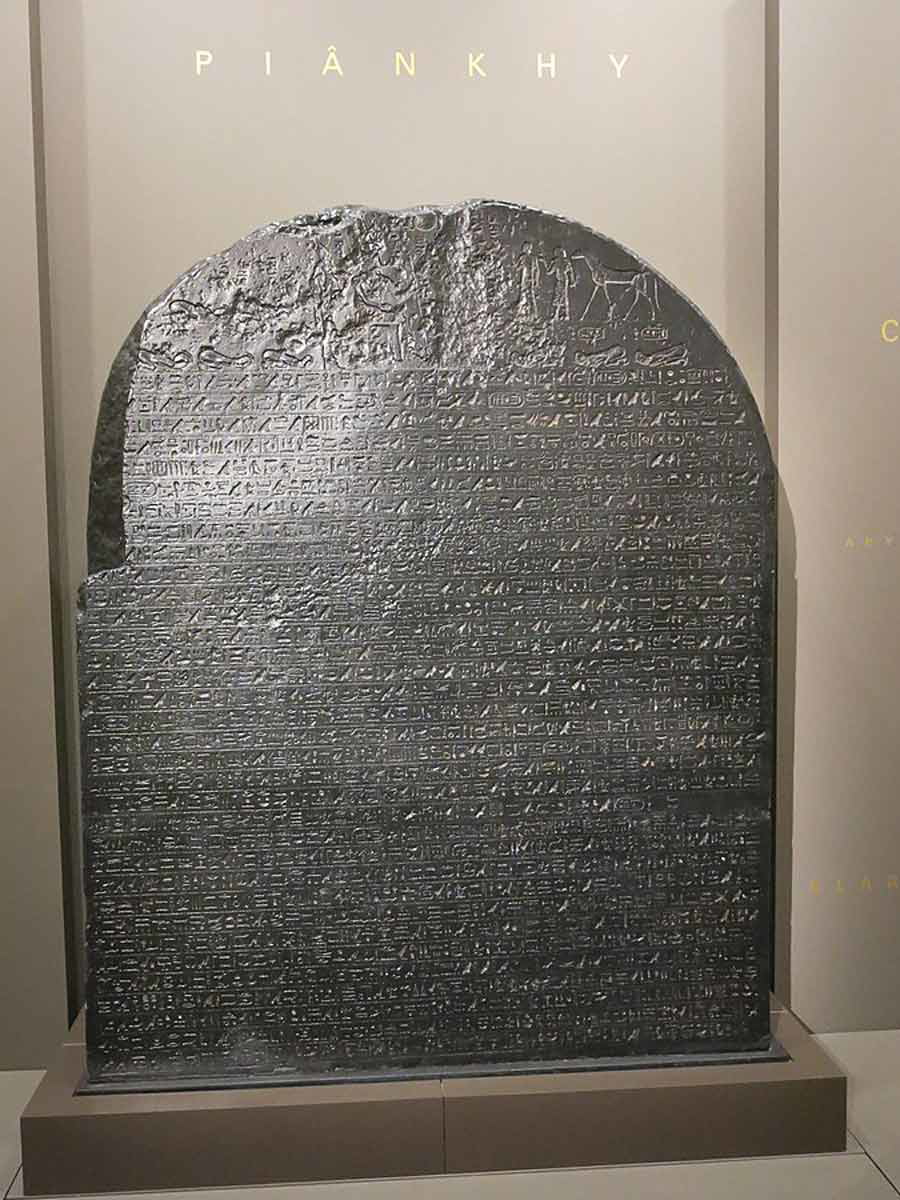
Piye was the ruler of the Kingdom of Kush. He marched north to conquer a fractured, chaotic Egypt during the Third Intermediate Period, founding the 25th Dynasty, the famous era of the “Black Pharaohs.” As Egypt struggled, the Nubians had already adopted traditional Egyptian religion, language, and culture. They viewed themselves as the true preservers of traditional Egyptian values. Piye recorded his grand military campaign on a famous granite monument known as the Victory Stele of Piye, erected at Gebel Barkal in Sudan. The stele describes his rapid, unstoppable march down the Nile, capturing major strongholds like Hermopolis and Memphis, while forbidding his soldiers to loot temples. He then returned home and ruled from his capital of Napata in Nubia.
18. Psamtik I Rebuilds Egypt in the Saite Period, 26th Dynasty (c. 664-610 BC)
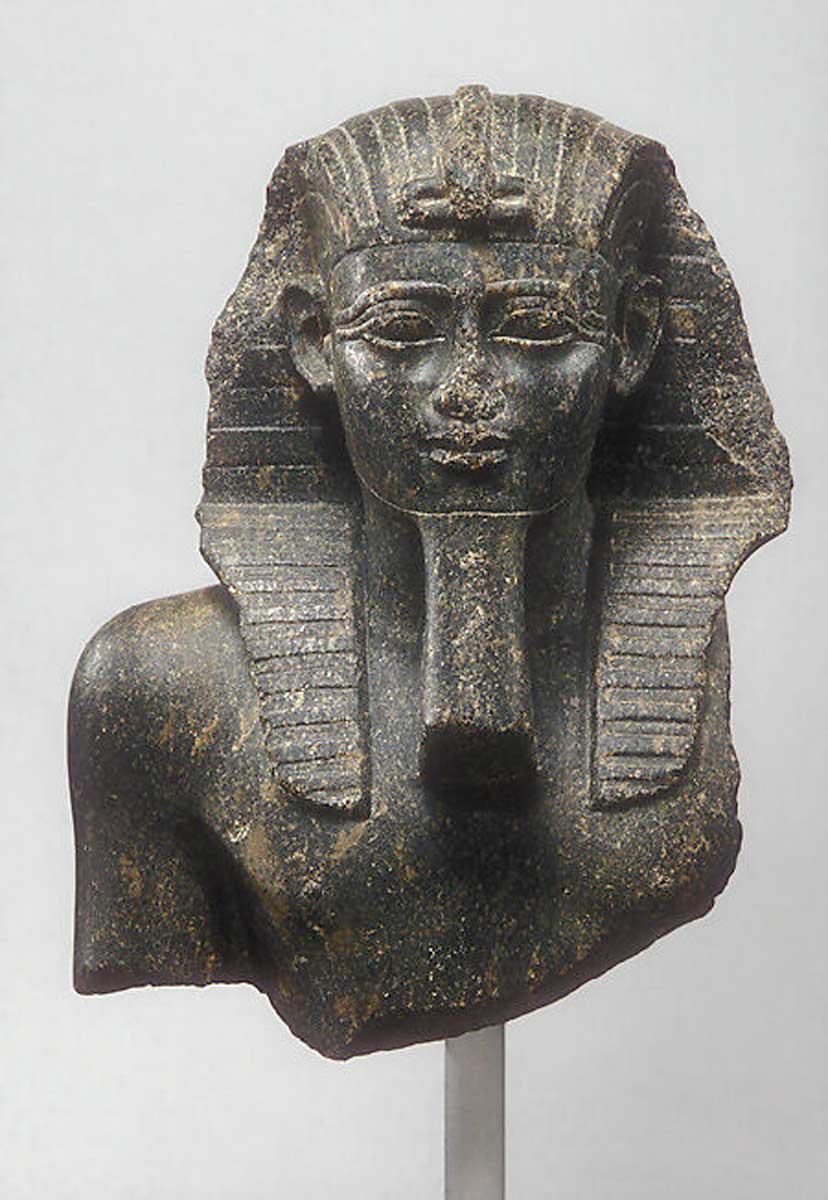
Psamtik I took power during a chaotic time when Egypt was trapped between the invading Neo-Assyrian Empire to the north and the retreating Nubian 25th Dynasty to the south. He freed Egypt from foreign control and presided over the nation’s final great cultural renaissance before the Persian conquest. He started as a local governor in the northern city of Sais, ruling as an Assyrian vassal. He hired Greek mercenaries to expel the Assyrians, who were fractured by internal civil wars.
19. Ptolemy I Soter Established Hellenistic Rule, Ptolemaic Kingdom (305-282 BC)
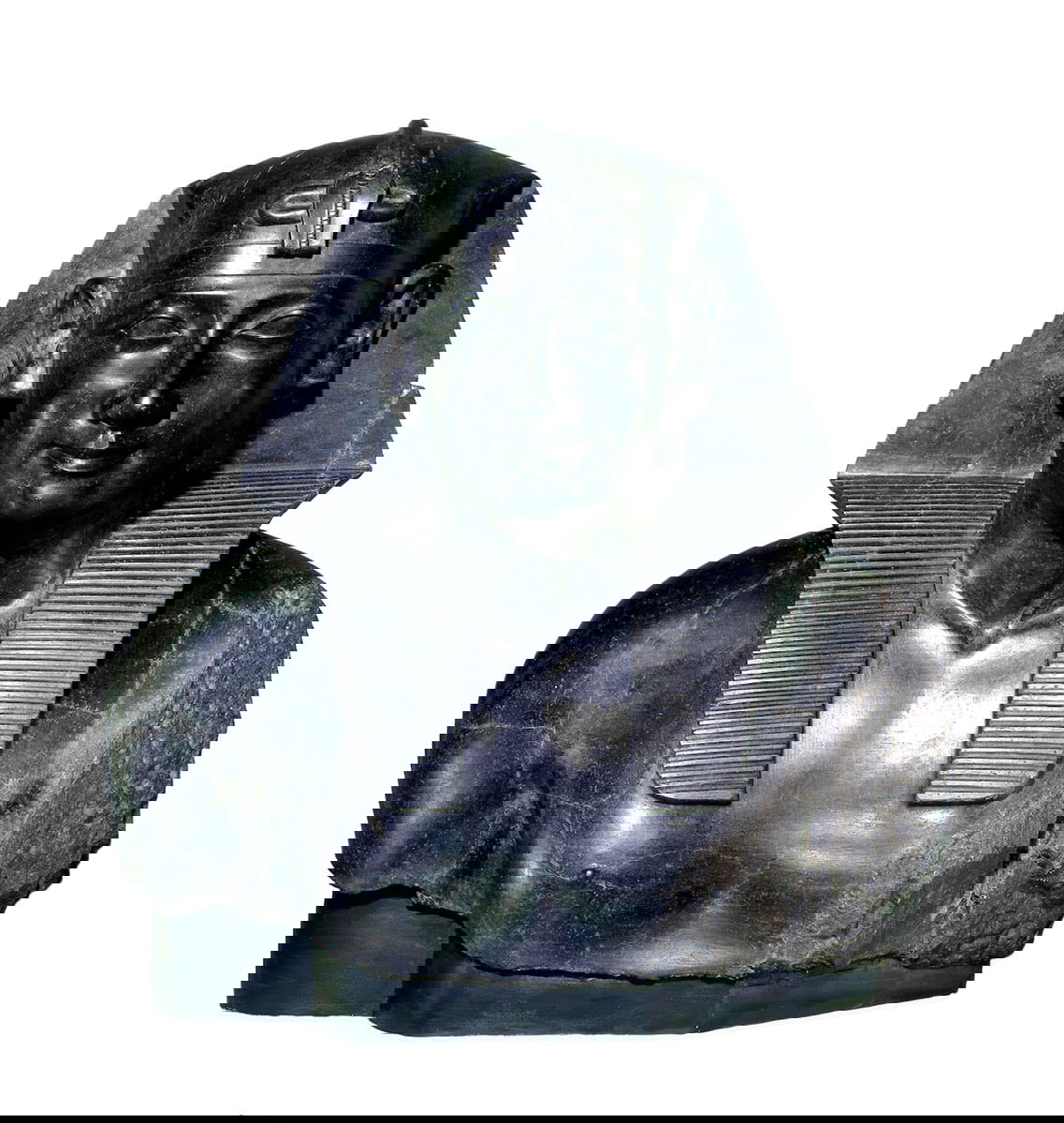
Foreigners had taken power in Egypt before and styled themselves after the native Pharaohs, but few were as successful as Ptolemy. The famous Macedonian king Alexander the Great conquered Egypt in 332 BC, and when he died a decade later, his generals fought over the spoils. Ptolemy I Soter, a childhood friend of Alexander, successfully claimed Egypt for himself in the decades of conflict that followed, styling himself as Pharaoh and establishing the Ptolemaic Dynasty, which would rule for 250 years. He also brought significant Hellenistic influence to Egypt, including the Greek language, significantly changing the culture while respecting the past. This is embodied in the new capital, Alexandria, founded by Alexander and built by Ptolemy and his successors, most of whom were also called Ptolemy
20. Cleopatra VII Navigates the Might of Rome, Ptolemaic Kingdom (51-31 BC)
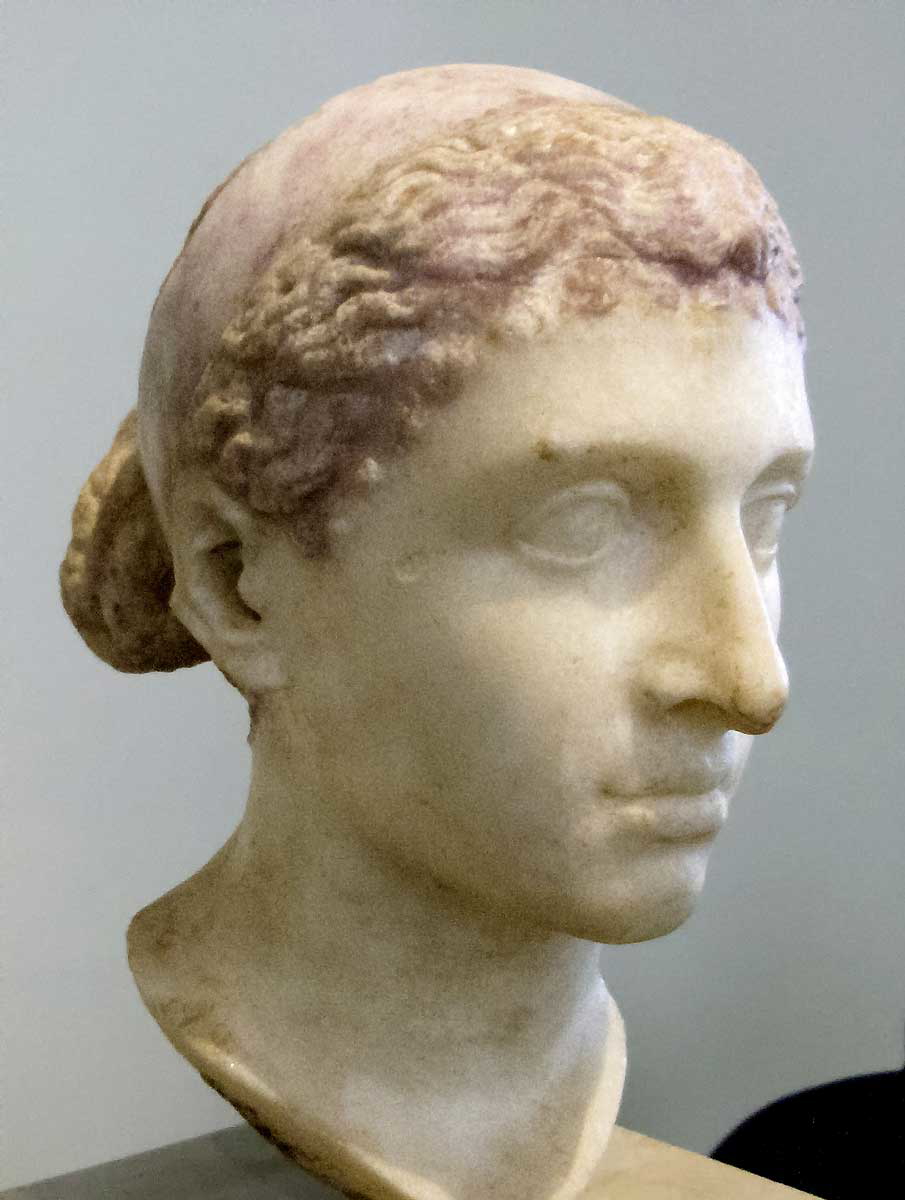
Cleopatra VII was Egypt’s last Pharaoh in the period preceding Rome’s annexation. One of Egypt’s most famous figures, her ability as a leader and politician has been diminished by her family’s incestuous hierarchy and her supposed salacious love affairs with Caesar and Mark Antony. Cleopatra took an Egyptian throne that was in debt and under threat. Through political maneuvering and sheer ruthlessness, she was able to stave off the demise of Egypt until Octavian eventually made her succumb. Cleopatra’s a real-life Shakespearean tragedy, allegedly committing suicide by snakebite after the death of her lover, Mark Antony, in 31 BC, opening the path for Roman domination.