
The year 1177 BC is considered to be a major turning point in the history of humanity. In the Levant, the city of Ugarit sent a desperate plea for help that would never be answered. To the north, the Hittite Empire simply vanished. The civilization and culture of the ancient Greeks lay in ruins. What archaeology points to is a mysterious group known as the Sea Peoples, a group of warriors who seemingly came from nowhere to upend the greatest civilizations of the ancient world.
Identity of the Mysterious Sea Peoples Revealed
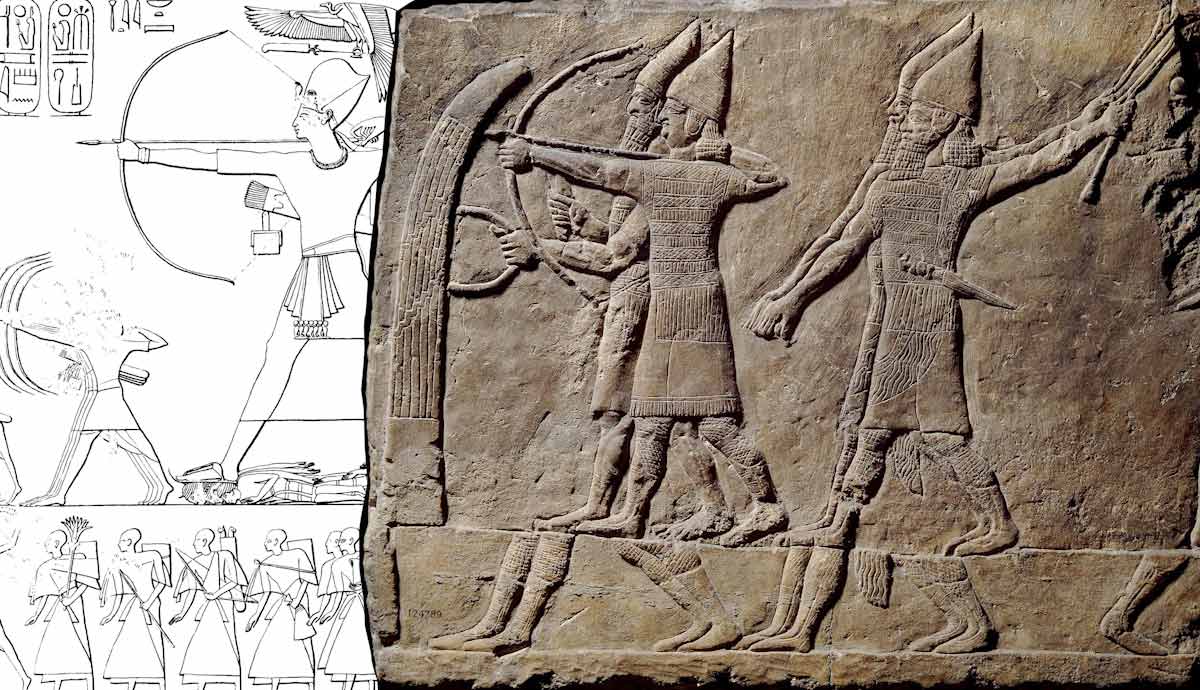
The term “Sea Peoples” finds its origin in the 19th century, unlike the millennia-old group themselves. Coined by 19th century Egyptologist Emmanuel de Rougé, the term described the various groups of people recorded in Egyptian temple inscriptions. Primarily found at Medinet Habu, the inscriptions name several distinct tribes that formed this seafaring, invasive faction.
The Egyptian records identify at least nine different groups. The Peleset are perhaps the most famous, thought to be the biblical Philistines. Other groups included the Denyen, thought to be the Greek Danaans, and the Sherden, who may have originated from Sardinia or served as mercenaries for the Egyptian Pharaohs before turning against them.
Archaeological Clues Point to an Aegean and European Origin
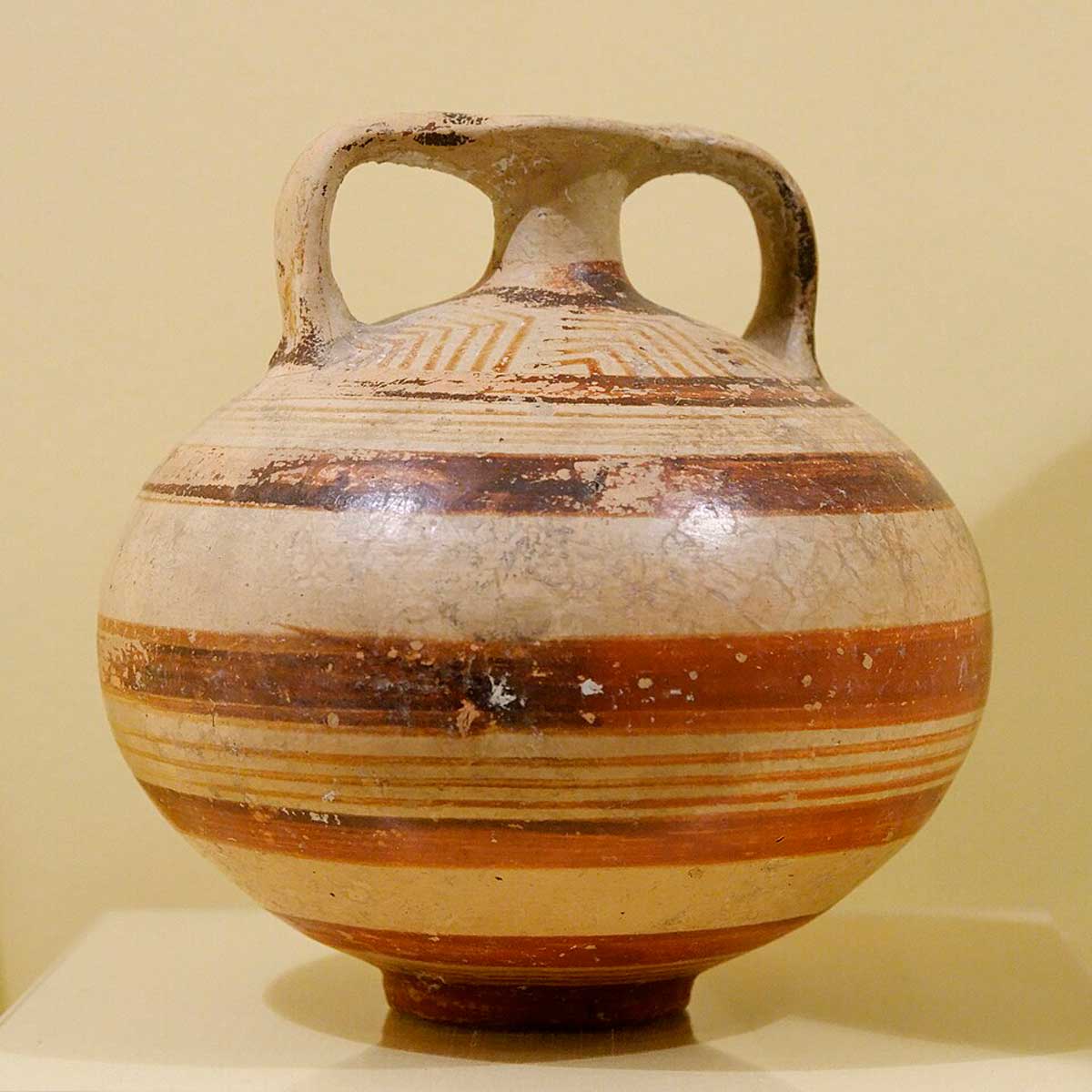
While the impacts and effects of the Sea Peoples on the Ancient Egyptians, and other civilizations, is devastatingly clear, historical evidence points towards the intriguing fact that these peoples were not as unified as their victims. To begin, archaeologists have discovered Mycenaean-style pottery in the Levant, suggesting a strong connection to the Aegean. These findings point towards a migration of ancient Greek peoples eastward, over the sea, as their kingdoms collapsed due to internal conflict; a chain of events that began the Greek Dark Ages (c. 1200-800 BC).
In essence, the survivors of this Greek collapse were no empire or kingdom with the means and determination to conquer, they were just a “patchwork” group trying to live another day. A 2019 genetic study of skeletons from the Philistine city of Ashkelon confirmed the presence of European DNA among the populus, proving that some sort of exodus from Southern Europe to the Levant during the transition from the Bronze Age to the Iron Age had taken place. The Sea Peoples were migrants from the collapsing Mediterranean West.
Evidence Suggests the Sea Peoples Were Symptoms of Collapse
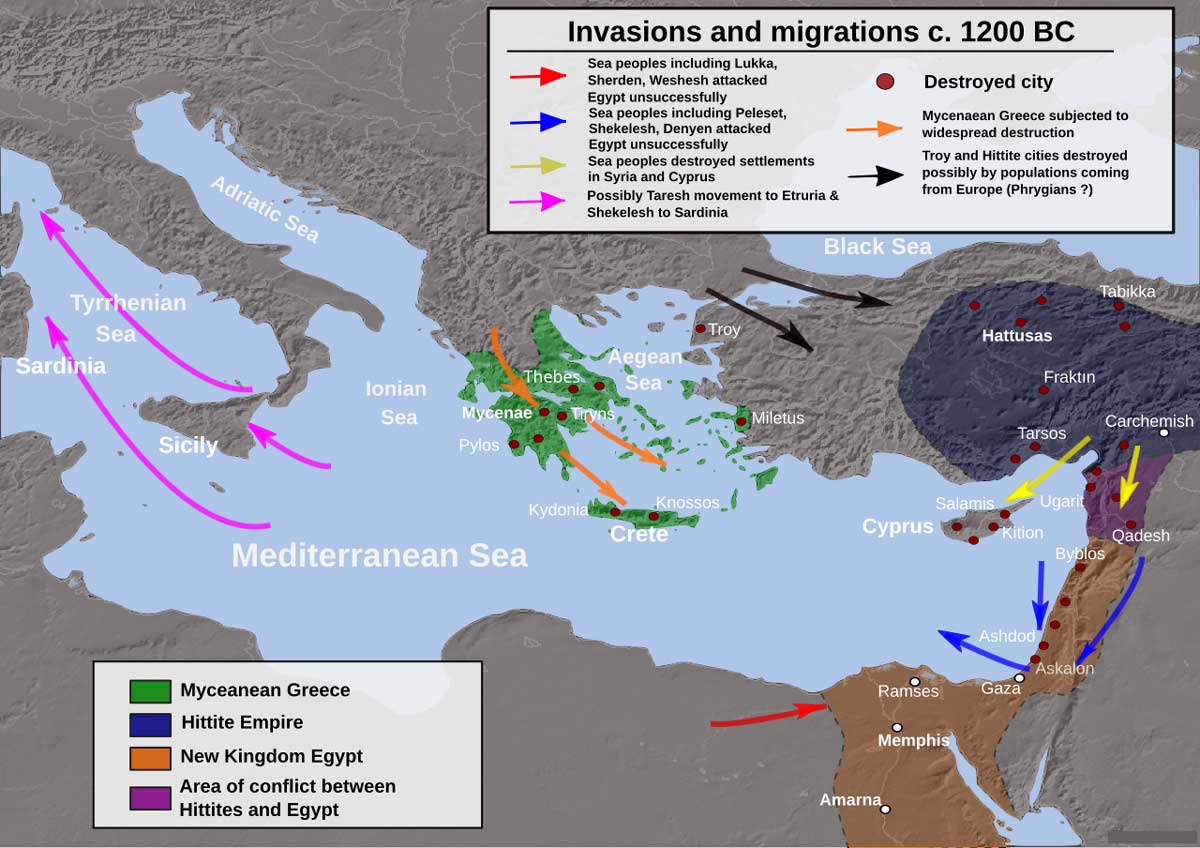
While they were a significant cause, it would be misleading to say that the Sea Peoples were entirely to blame for the fall of the Bronze Age. In reality, the ancient powers of Egypt, the Hittites, and Babylon were already on the brink of disaster. The Sea Peoples were simply the straw that broke the camel’s back.
The Mediterranean suffered from a century-long drought that started around 1200 BC and led to widespread famine. Because the Bronze Age was a prosperous period of trade and inter-civilizational communication, civilizations relied on one another for resources such as copper and grain. When one link in the chain broke due to environmental stress, the entire system began to fail.
As sophisticated as these empires were in their time, any cultural or societal advancement made seemed to backfire during the Bronze Age collapse. Egyptian and Levant-adjacent empires utilized economies that were centered around palace administration. When trade routes were disrupted by the Sea Peoples, these kings and emperors had no means of paying their armies or feeding their populations. The same factors that forced the migrants of the Mediterranean West to flee were now afflicting the great empires of the Mediterranean southeast.
Raiders Decimated the Hittite Empire and Destroyed Ugarit
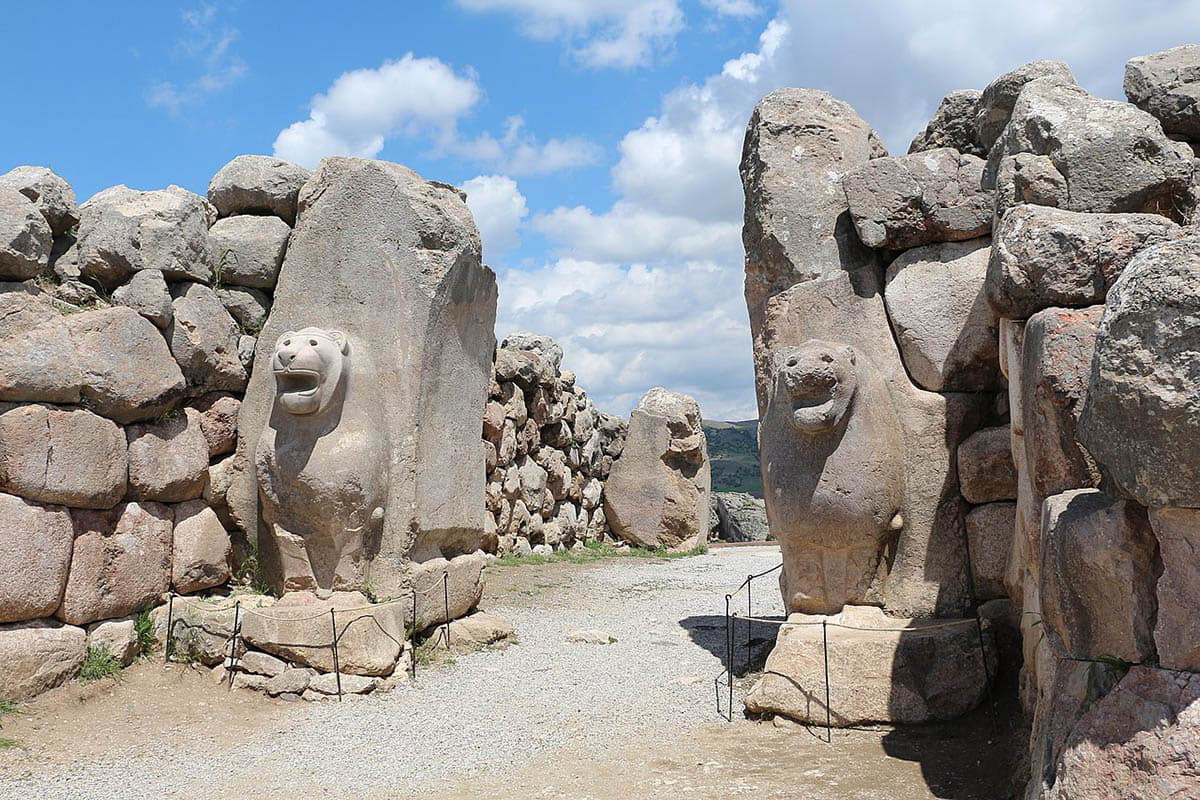
The Hittite Empire, once the great rival of Egypt, seemed almost completely defenseless against the destruction caused by the Sea Peoples. Hattusa, the capital city of the empire, was burned to the ground. All records of the Hittites simply stop. These ancient experts of chariot combat could do nothing against the seafaring warfare tactics of their western agitators.
The fall of the Hittite Empire is one of the most abrupt endings to a civilization in all of history. Archaeological evidence shows Hattusa’s grain storehouses being completely emptied, and the royal family fleeing the city sometime before its ultimate destruction. It would be hundreds of years before any significant kingdom or empire would rise to power in the Hittite’s place on the Anatolian plateau.
Ugarit, a wealthy port city in modern-day Syria, provides further disturbing evidence of invasion. A clay tablet was found in the ruins, still in a kiln, with a record of king Ammurapi’s final words: “The enemy’s ships came here; my cities were burned, and they did evil things in my country.” The sophisticated bronze-working industry of the Levant vanished overnight, and the city of Ugarit was never rebuilt.
Pharaoh Ramesses III and the Fight for Egypt
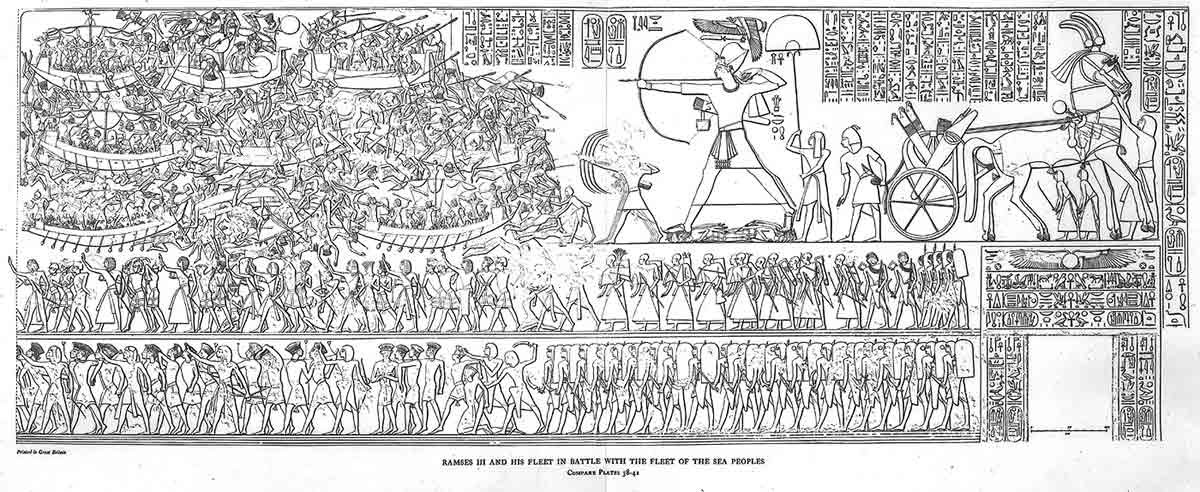
Egypt was the only major civilization to survive the seafaring onslaught, though it emerged from the invasion a fraction of its former power. In the eighth year of his reign, c. 1175 BC, Pharaoh Ramesses III faced an invasion from the Sea Peoples by both land and sea.
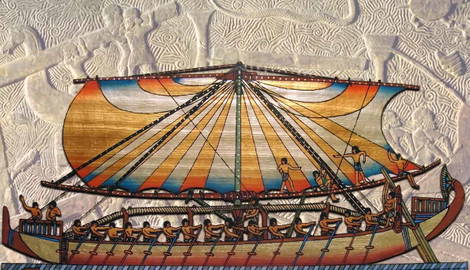
The Sea Peoples were first defeated by the Egyptians on land in the Battle of Djahy. They struck again in the Battle of the Delta, this time from ships in the Nile river. The Sea Peoples were clearly superior to the Egyptians in naval warfare, so Ramesses III and his forces had to get creative.
Ramesses III lured the Sea Peoples’ fleet into the narrow branches of the Nile Delta. Then, Egyptian archers that were along the banks fired arrows down upon the ships, while Egyptian naval vessels used grappling hooks to ground enemy ships upon the shoreline. The fighting was technical and costly, but it saved Egypt from total obliteration.
The tremendous financial strain that Egypt fell under after these conflagrations was a contributing factor to Egypt’s decline as a world power, and led to such events as the first labor strike ever recorded in history.
Refugees and Warriors Became the Philistines of the Iron Age
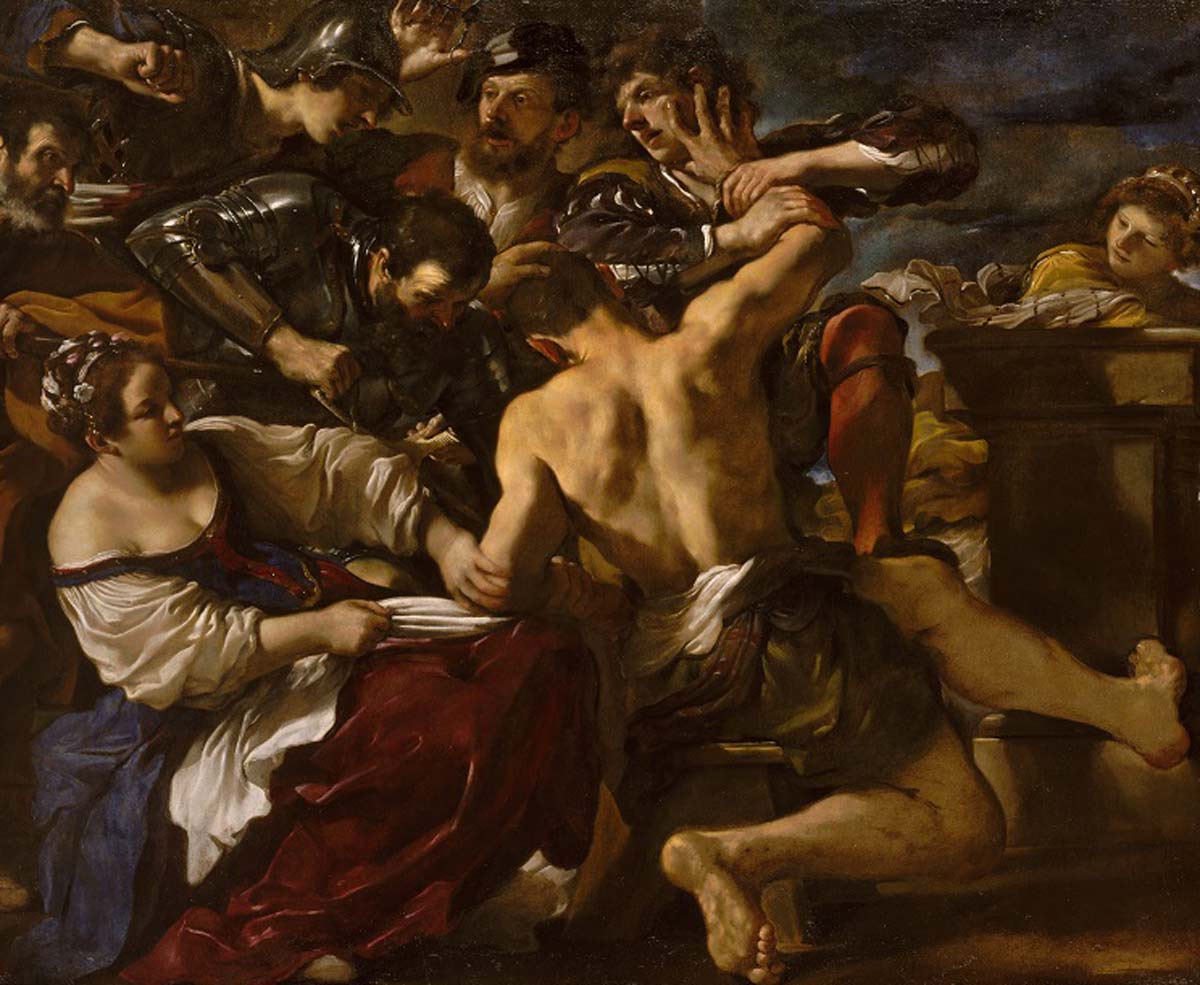
After their defeat in Egypt, the Sea People survivors did not disappear. Many were settled by the Egyptians along the coast of Canaan, though many as captives. This region would become Philistia.
Over time, the Peleset (Philistines) integrated with the local Canaanite populations. Their culture evolved, combining the best of both worlds, such as Aegean technology and the worship of Canaanite gods. They became the great rivals of the early Israelites, as seen in the biblical accounts of David and Goliath and the story of Samson.
With the Hittites destroyed and the Egyptians dwindling, other cultures and civilizations within the Levant finally had the ability to grow and prosper. Smaller groups such as the Israelites, Arameans, and Phoenicians were able to establish and grow their own independent states. The Sea Peoples, in wiping out the major powers of the Bronze Age, allowed for the rise of the Iron Age cultures and powers that would shape Western history.
Further Reading:
Cline, E. H. (2014). 1177 B.C.: The Year Civilization Collapsed (REV-Revised). Princeton University Press.