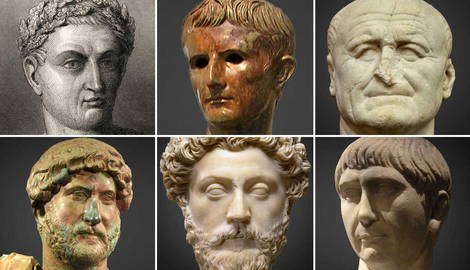

It is said that Rome was not built in a day, and while this is true, there were certainly Roman leaders of the past who built the empire up more effectively than others. The actions of the great Roman emperors greatly affected the ancient world beyond the borders of their Empire. Here are six leaders of the ancient Roman world who defined what it means to rule.
| Emperor | Reign | Key Impact |
| Augustus Caesar | 27 BCE-14 CE | He laid the foundation that the Roman Empire stood on for the remainder of its history. |
| Vespasian | AD 69-79 | He established the Flavian dynasty and stabilized the empire once again, setting the new standard of imperial succession by blood. |
| Trajan | AD 98-117 | His conquests pushed the boundaries of the empire to its absolute limit. |
| Hadrian | AD 117-138 | He made the controversial yet wise decision to halt expansion, withdrawing legions to more easily defensible positions, thereby drawing more concrete borders for the empire. |
| Marcus Aurelius | 161 AD-180 AD | His shift toward meritocracy led to an empire and a culture more capable of handling conflict and war. |
| Constantine the Great | 306 CE-325 CE | He declared Christianity an official religion of the Roman Empire and moved the Imperial capital to Constantinople, ensuring the survival of the Empire in the east for a millennium. |
Why Augustus Caesar Remains the Ultimate Architect of the Roman Empire
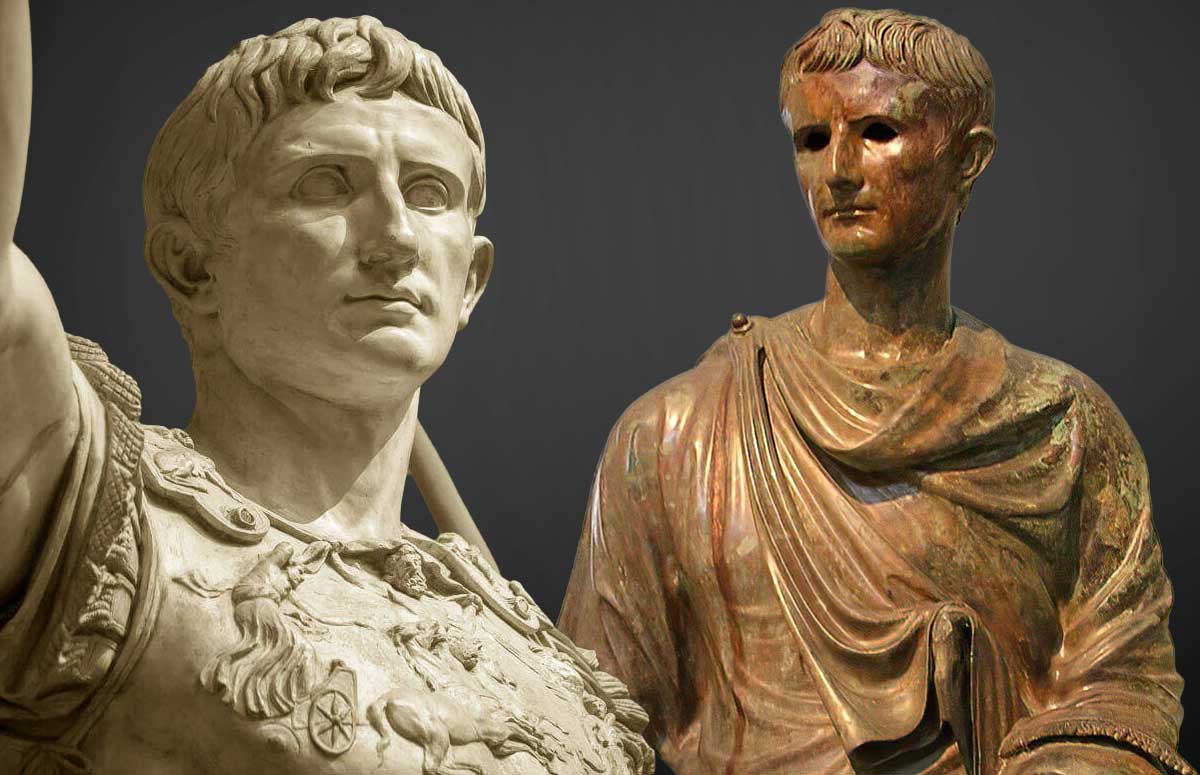
Unsurprisingly, the title of the “first Greatest Roman Emperor” goes to Octavian, better known as Augustus Caesar. While in his youth, Octavian plunged Rome into a bloody civil war, which toppled the Republic and resulted in him becoming the first Roman Emperor. As Emperor, he created the foundation that the Roman Empire sat upon for the remainder of its history.
Augustus reformed the government, law, and army with great skill. By transferring the legions to the frontier, he put a stop to the threat of usurpation and secured a lasting internal peace known as the Pax Romana. He also established the elite Praetorian Guard and, with the help of his friend and son-in-law Agrippa, transformed Rome into a magnificent imperial capital. Most importantly, Augustus established the Julio-Claudian dynasty, conquered Egypt, and revitalized Roman agriculture after years of civil war.
How Vespasian Used the Colosseum to Restore Roman Stability
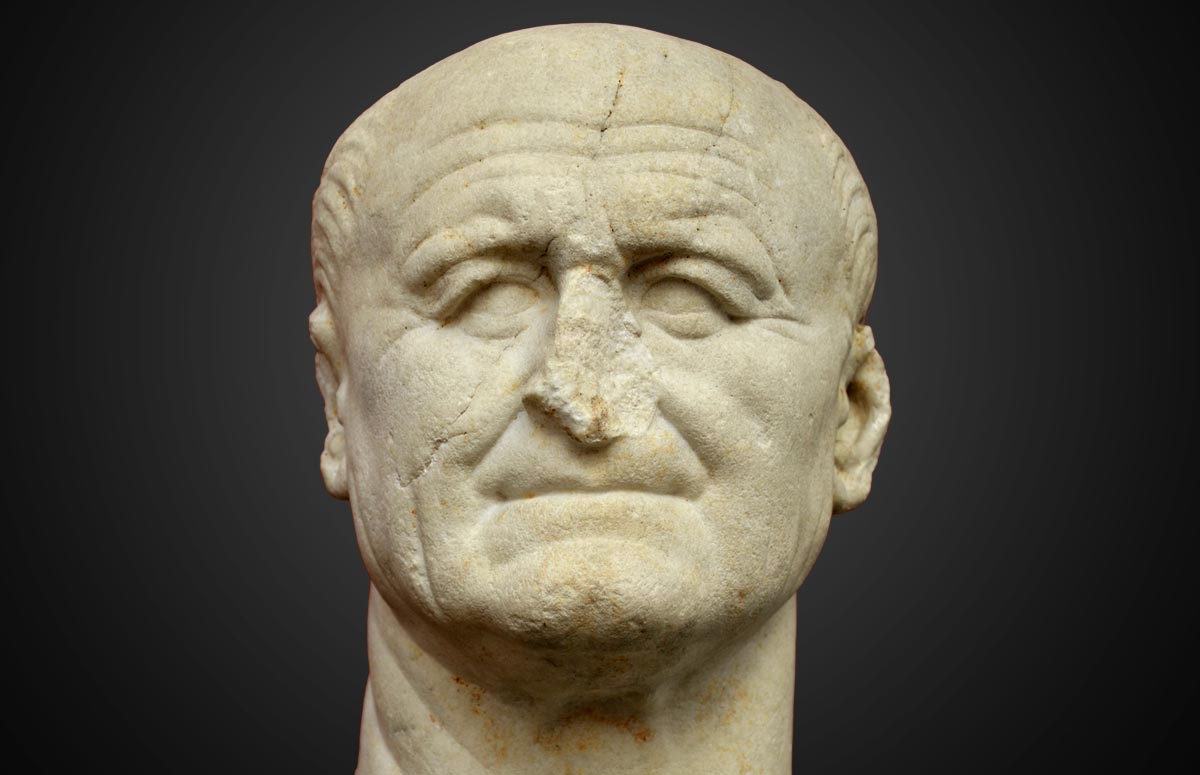
The heirs of Augustus ruled for almost a century until the sudden death of Nero plunged the empire into a civil war known as the Year of the Four Emperors. The winner of that struggle was Emperor Vespasian, who established the Flavian dynasty and brought stability to the empire once again.
More notably, Vespasian began the construction of the Colosseum, using the spoils of war to give the Roman people a symbol of imperial pride and power. By strengthening the army and ensuring a blood succession through his son Titus, Vespasian stabilized the empire and set the new standard of imperial succession by blood.
Trajan Pushed the Empire’s Borders to Their Limit
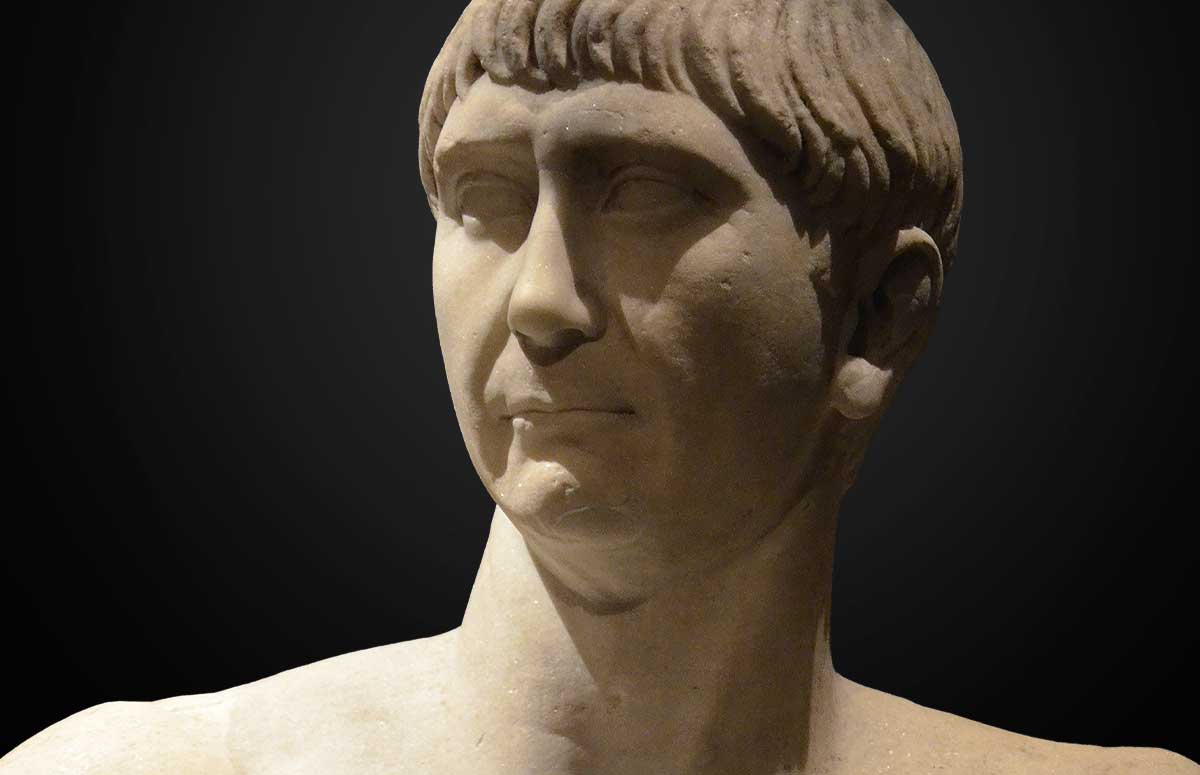
The next two emperors complemented one another well. One expanded the empire to its pinnacle, the other halted the expansion and secured what had been gained.
Emperor Trajan pushed the empire’s boundaries to their absolute limits. After his conquests in the Dacian Wars and his victory over the Parthian Empire, the Roman Empire had reached new lands and expanded its reach.
By the end of his life, the Roman Empire had reached its territorial peak, covering all the land from modern-day Portugal and Great Britain to Iraq and Egypt.
Hadrian Secured the Borders and Revitalized Culture
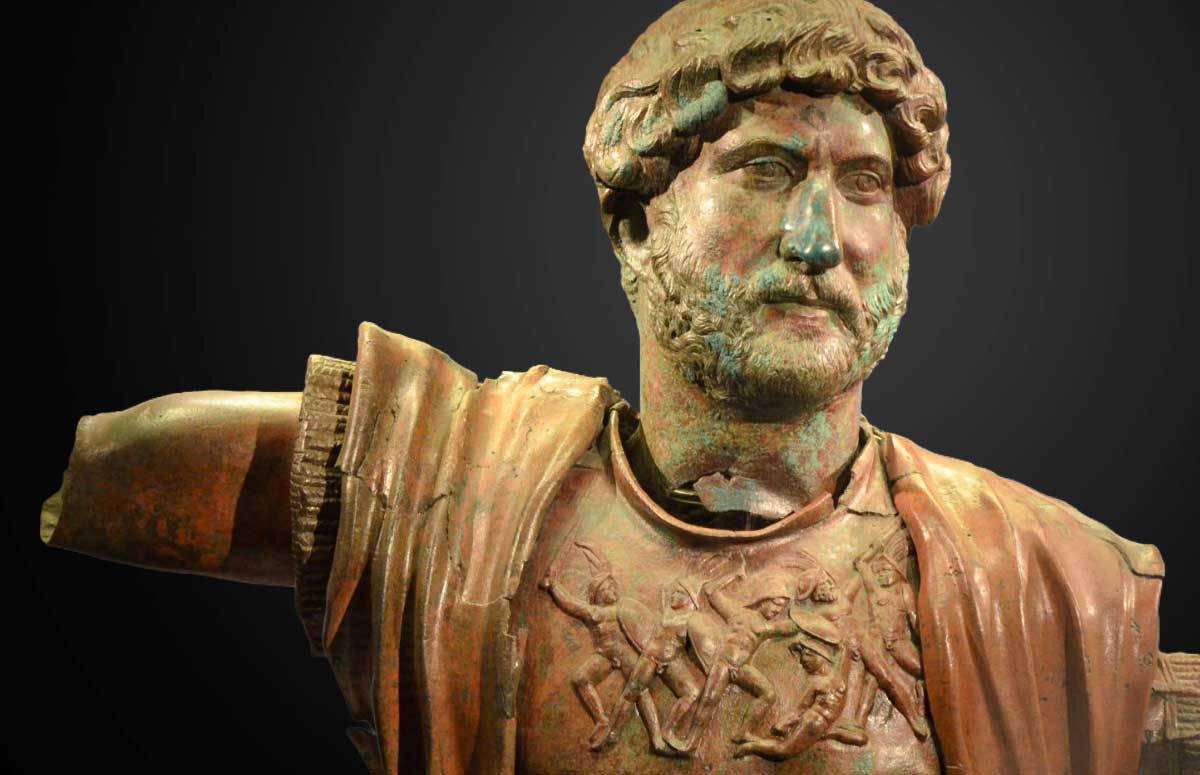
Trajan’s successor, Hadrian, made the controversial yet wise decision to halt the empire’s advance. He withdrew the legions to more easily defensible positions, thereby drawing more concrete borders for the empire.
Hadrian was well-known and liked by his subordinates, having been known to travel all throughout his empire. His love for Hellenistic culture is best reflected in his construction program that resulted in such works as the Pantheon and his opulent villa in Tivoli.
The Stoic Leadership of Marcus Aurelius During the Antonine Plague
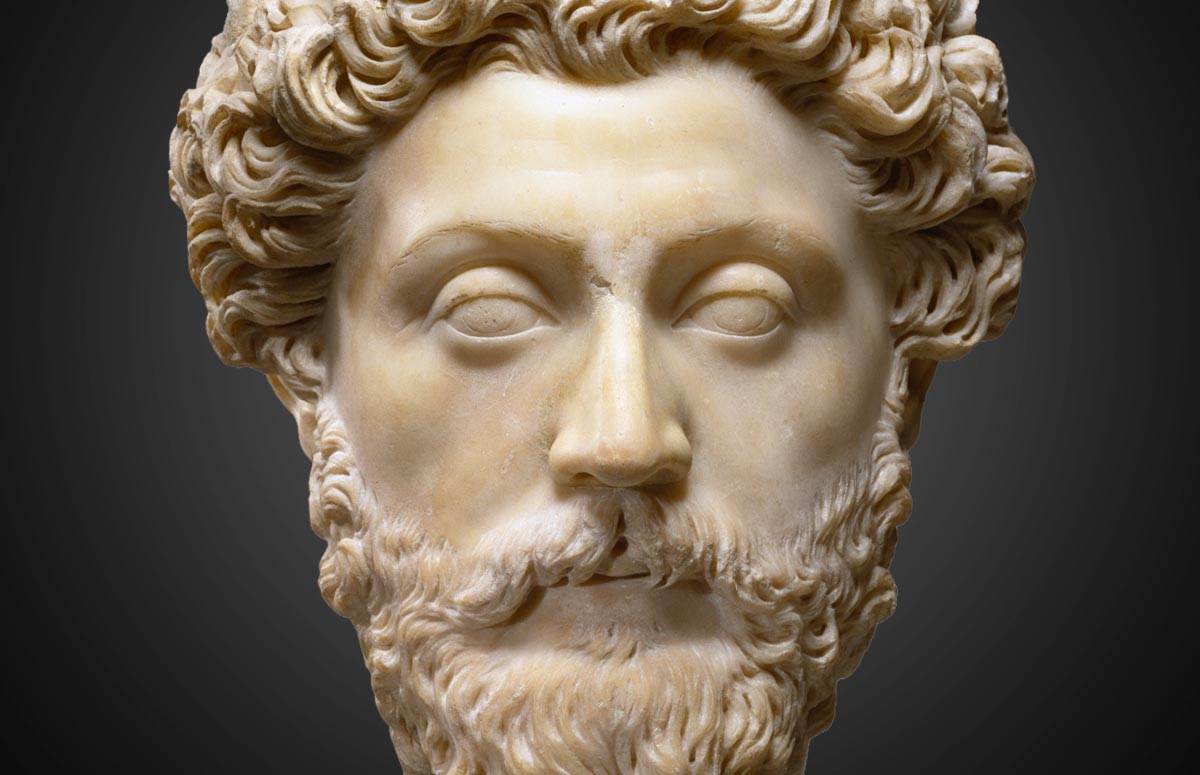
Marcus Aurelius was the last of the Five Good Emperors. Now well-known as the author of Meditations, he was a philosopher-king whose reign, unfortunately, was marked by warfare and disaster. After losing his co-emperor to the devastating Antonine Plague, Aurelius had to deal with these calamities alone, leading from the Danubian frontier of the Marcomannic Wars.
As a response to the crisis, Aurelius promoted army officers and administrators based on merit rather than social class. This shift toward meritocracy led to an empire and a culture that was more capable of handling conflict and war. Aurelius’ reign and writings show that the true test of a leader’s character is not during peacetime, but rather during times of strife and struggle.
Why Constantine the Great Was the Most Revolutionary Roman Emperor
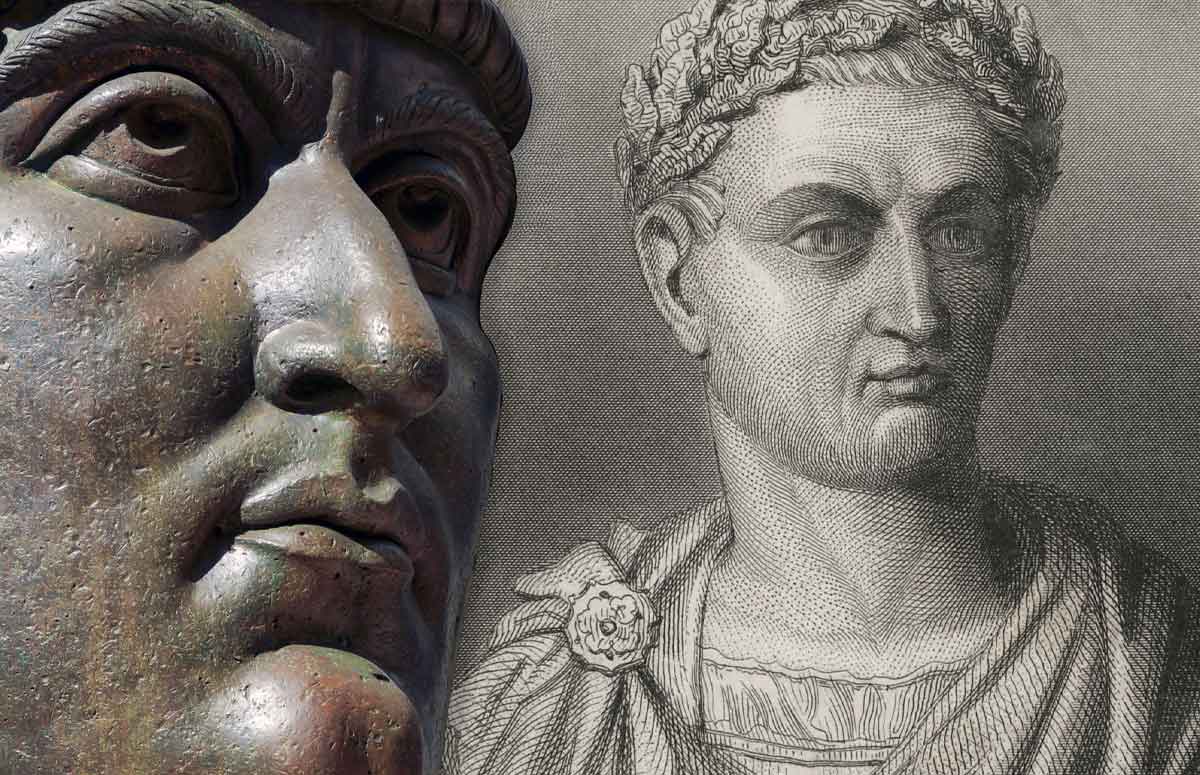
Constantine the Great came to power by winning a series of civil wars, thereby ending Diocletian’s pre-established Tetrarchy and starting a new imperial dynasty. Following his later victory at the Battle of the Milvian Bridge, Constantine adopted a more supportive stance toward Christianity, which would become the Roman Empire’s official religion just a few decades later in 380 AD. The effects of this decision on Western history cannot be overstated. His other lasting legacy was moving the Imperial capital to the newly founded Constantinople. This action would later help ensure the survival of the Empire in the east for a millennium after the Western provinces had fallen.
Correction (May 7, 2026): A previous version of this article inaccurately credited Emperor Constantine with establishing Christianity as Rome’s official state religion. This status was formally granted by Emperor Theodosius I in 380 CE. We regret the error.