
How many Egyptian pharaohs were female? While very few Egyptian rulers were women, there were more female pharaohs than most people imagine. The challenge is that they are difficult to trace in history, as they either legitimized their rule by presenting themselves as male, as in Hatshepsut’s case, or were called queens, as in Nefertiti’s, making it unclear whether they ruled independently or with a partner. As a result, female pharaohs remain an intriguing historical puzzle.
| Merneith (?) | 1st Dynasty | c. 2970 BC | Likely the first female pharaoh; elaborate tomb rivalling male contemporaries |
| Khentkaus (?) | 4th Dynasty | c. 2500 BC | She has an enormous tomb at Giza, but it is unclear whether she was called “king” or “mother of kings” |
| Neithikret (?) | 6th Dynasty | c. 2184-2181 BC | Mentioned by Herodotus and the Turin King List |
| Sobekneferu | 12th Dynasty | c. 1806-1802 BC | First woman known to use full royal titles as pharaoh |
| Hatshepsut | 18th Dynasty | c. 1479-1458 BC | Ruled for over 20 years and adopted male elements in her appearance and titles |
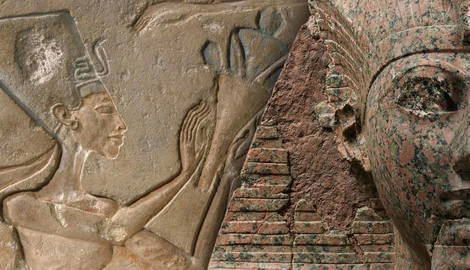
| Neferneferuaten | 18th Dynasty | c. 1334-1332 BC | Possibly Nefertiti ruled alone after the death of her husband, Akhenaten |
| Twosret | 19th Dynasty | c. 1191-1189 BC | Last rules of the 19th dynasty after the death of her stepson |
| Cleopatra VII | Ptolemaic Dynasty | 51-30 BC | While many Ptolemaic queens ruled equally alongside male family members, Cleopatra enjoyed sole rule, with Roman support |
Which Female Pharaohs Do We Know the Most About?
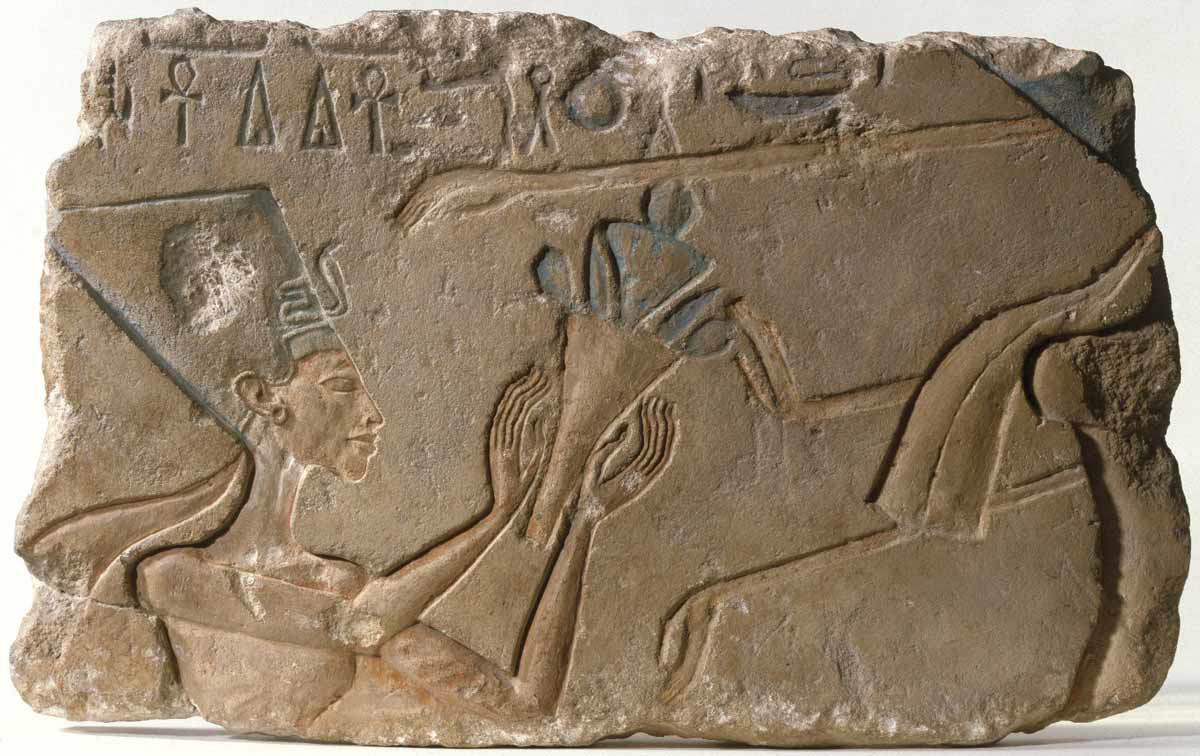
Probably the most well-known female pharaoh was Hatshepsut, who ruled Egypt for two decades and constructed a plethora of imagery representing her rule. The world-famous bust of Nefertiti makes her name well known beyond Egyptology. Despite her fame, evidence of her role as a pharaoh is disputed. Then there is Cleopatra, the most popular female pharaoh in modern times.
There were many more women who ruled ancient Egypt during its long history. However, proving the number of female pharaohs and the extent of their power is a challenge that often raises more questions than answers.

Ancient Egyptian scholars have evidence for several other female pharaohs. Tawosret was a mysterious woman who ruled in the 19th dynasty. She was buried in the Valley of the Kings, and her impact is clear in the archaeological record.
An even more obscure female pharaoh is Neithikret (also called Nitiqret or Nitocris), who lived during the 6th dynasty. The trouble with identifying Neithikret is that the records of her rule describe her as a male king. The first Egyptian woman who is agreed upon as rising to the top is Sobekneferu.
How Sobekneferu’s Story Explains Female Rule
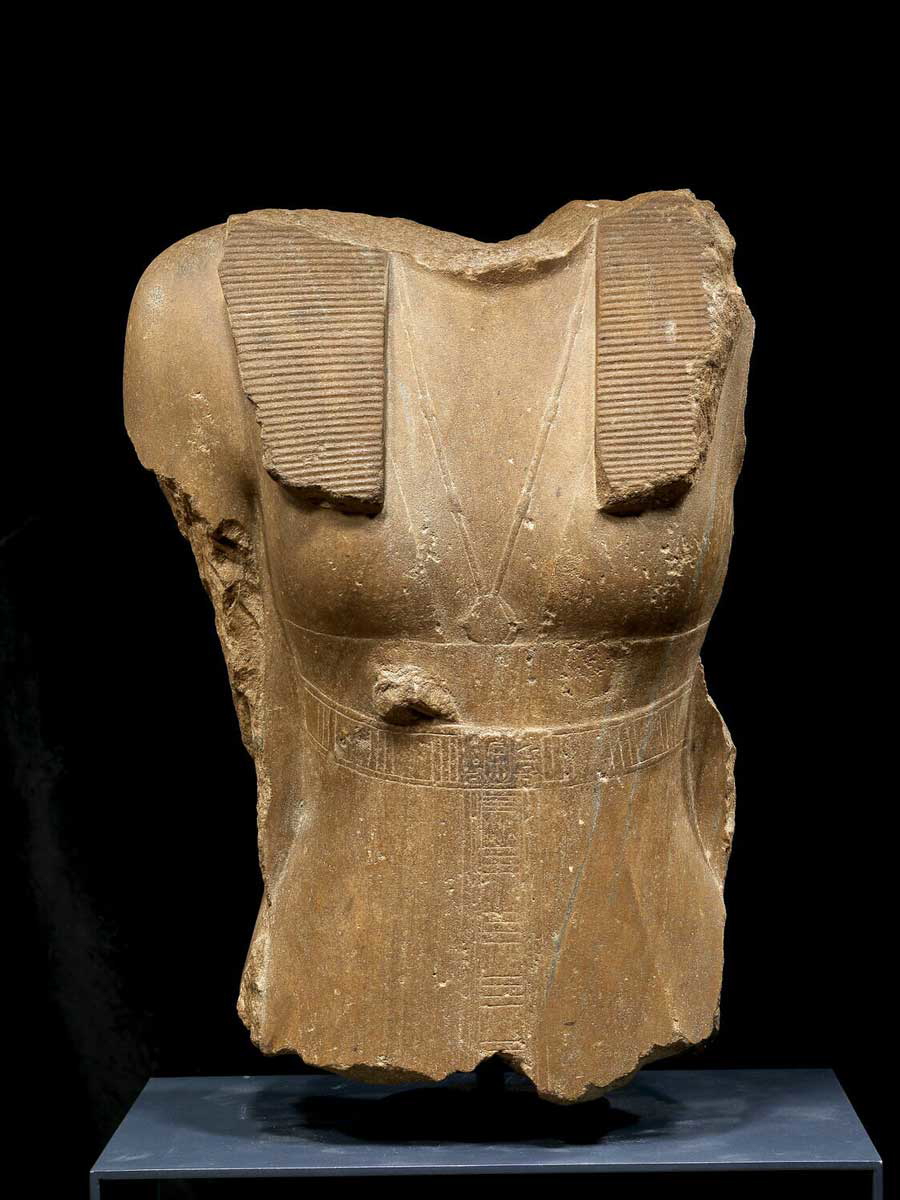
The first female pharaoh for whom there is definitive evidence was Sobekneferu, who held the title of king of Egypt from 1806 to 1802 BC. Her story of becoming pharaoh is complicated.
After the death of her father, Amenemhet III, there were three natural options to fill his shoes: his son (or grandson, son-in-law, or stepson), Amenemhat IV, his other daughter, Neferuptah, or Sobekneferu. As a result, Amenemhat IV became king and ruled for about ten years until his death. By that time, Neferuptah had also passed away, leaving Sobekneferu in a place of rightful succession.
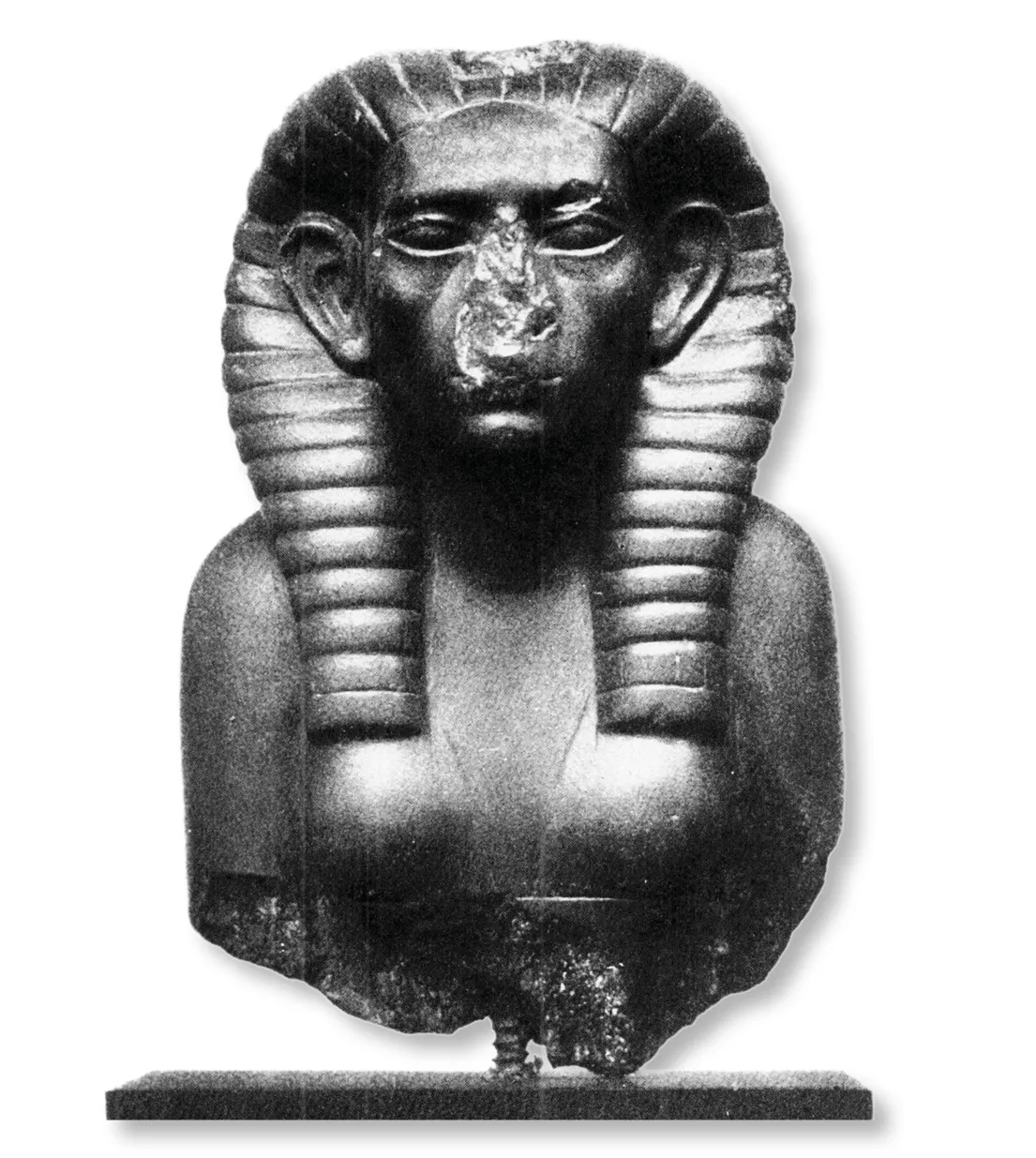
While not detailed, this evidence provides us with a general timeline of succession for the 12th dynasty, ending with Sobekneferu. The fact that Amenemhat IV, who may have been a more distant relative of the previous pharaoh than either of his two daughters, inherited the throne, demonstrates the preference for male rulers.
But the story of Sobekneferu also highlights the importance of royal bloodlines. An empty throne without a male heir produced a clear line for Sobekneferu to become king. In this case, the familial lineage can be deduced as being more important than crowning a male. This is probably how most female pharaohs came to power: being in the right place at the right time and the only viable option.
Egyptian Women Often Held Important Titles
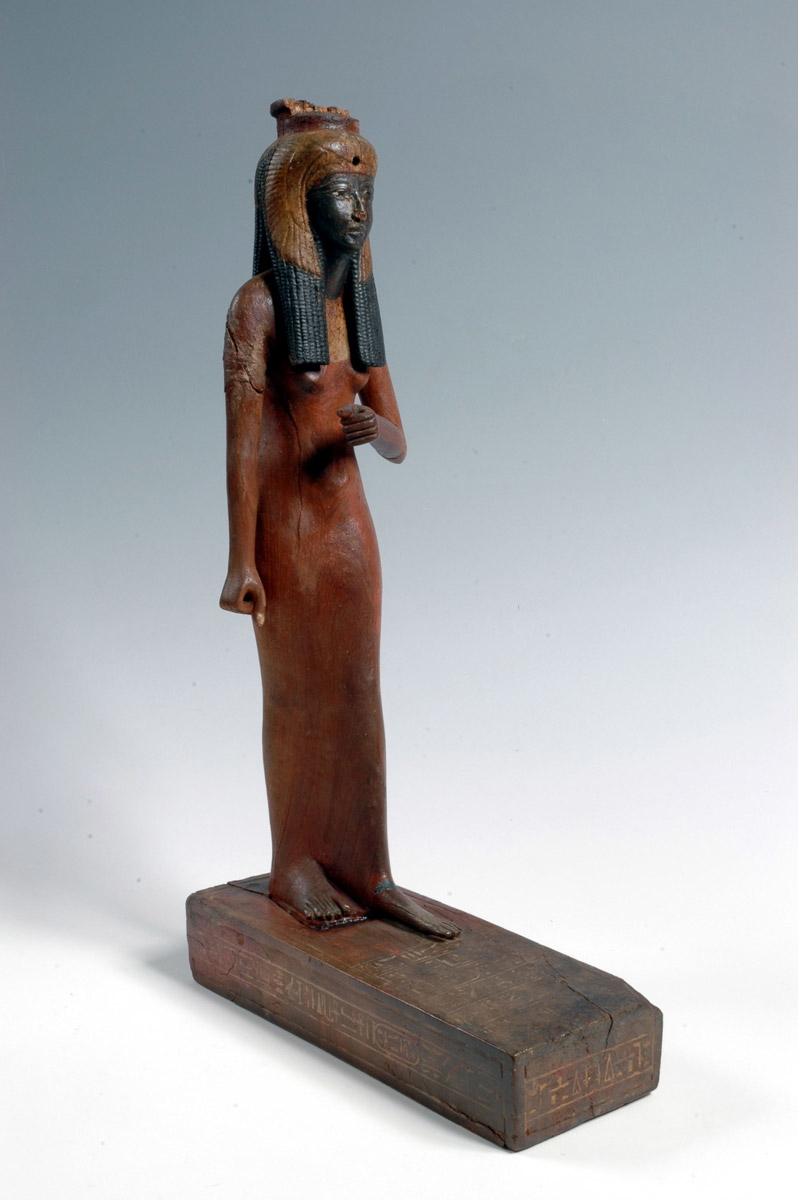
The relative equality of women and men in law, society, and religion in ancient Egypt explains why female pharaohs existed. While most women did not work outside the home, those who did received the same pay as their male counterparts. Unlike women in other parts of the ancient world, Egyptian women are known to have owned estates, received honorable awards for military campaigns, engaged in trade, and held the highest positions in religious and political leadership.
Personified as a goddess, the deity Maat represented order and justice. Her worship was part of the pharaoh’s job description. If Maat was not appeased, chaos would ensue. In the absence of a male heir, placing a queen as pharaoh may have prevented cosmic imbalance.
While poorer Egyptian women prioritized motherhood and were defined as wives and mothers first, wealthy women could play a much greater role in society. Rather than running the household personally, she would have managed a team of servants. She probably also had fewer children, since the extra labor provided by a large family was unnecessary. Therefore, women of rank could take on leadership roles, including royal positions.
Female Pharaohs Presenting as Male Kings
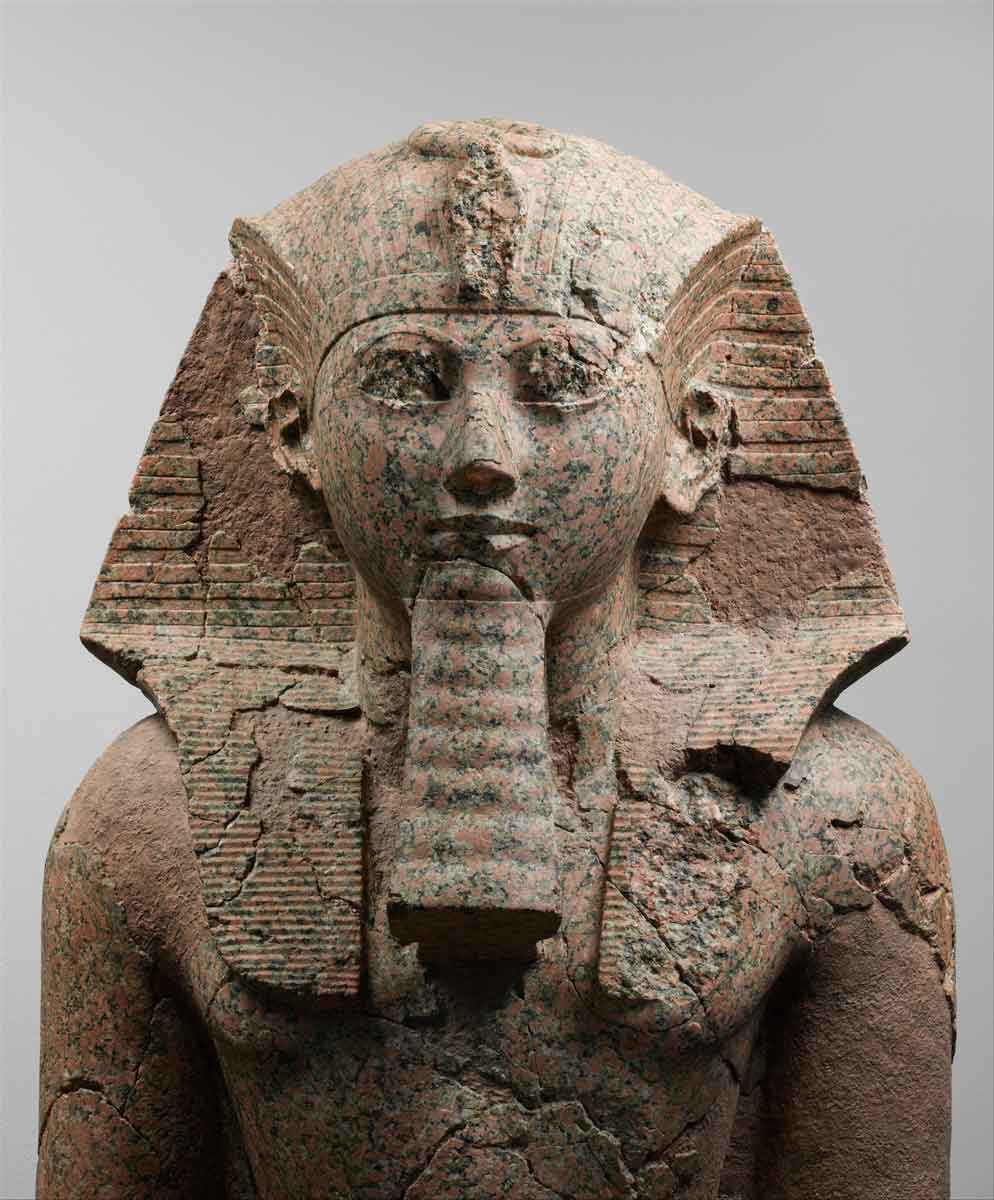
Although men and women in ancient Egypt were considered equal under the law, the position of king was a male one, as he was the incarnation of the (male) god Horus. The women who took the status of pharaoh often adopted male characteristics to imitate their predecessors and reinforce their legitimacy.
In general, pharaohs represented themselves with consistent imagery to show the continuation of successful Egyptian leadership. This included a regal headdress, a strong masculine body, and a fake beard. Archaeological evidence shows that Hatshepsut often depicted herself with male characteristics, including a beard. In the above example of a kneeling statue of Hatshepsut, only her face reveals more slender, feminine features.
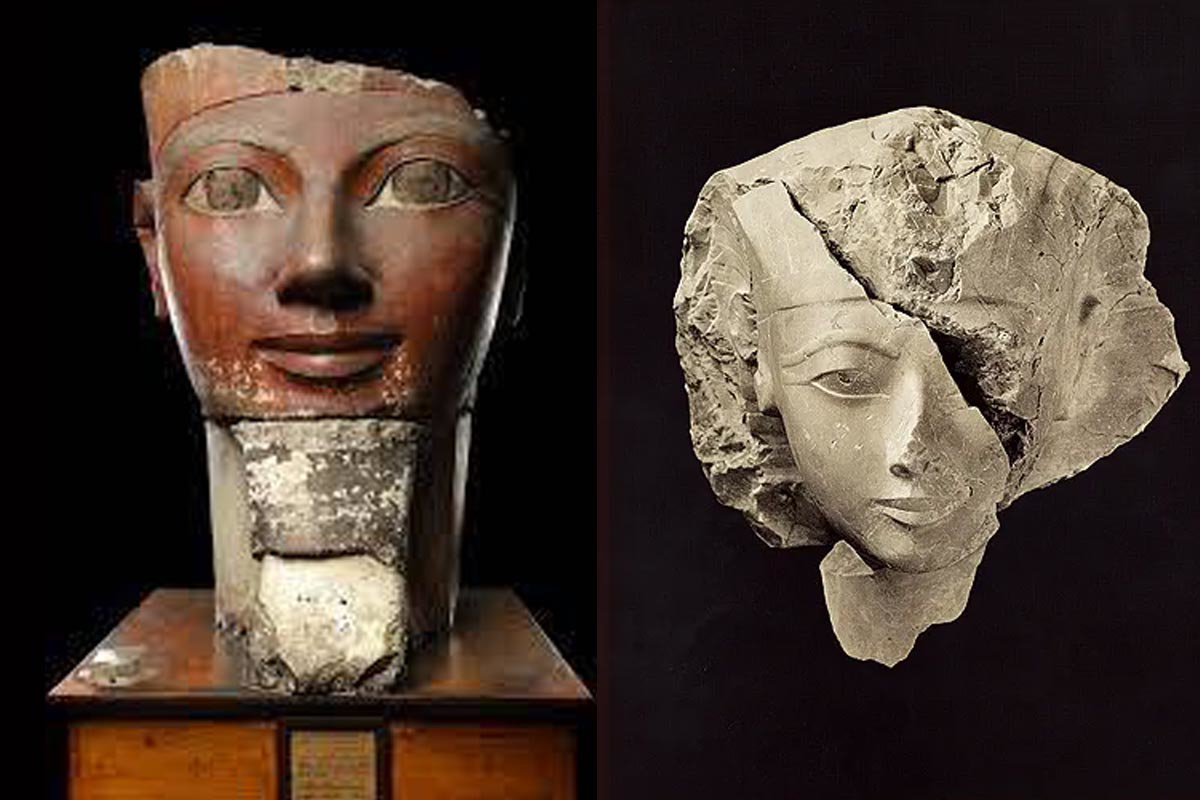
Sometimes, this use of standard iconography can make it difficult to distinguish between male and female pharaohs. It is possible that some surviving pharaonic images, assumed to be male, belonged to forgotten female pharaohs.
Hatshepsut was another queen who became pharaoh by happenstance. Her kingship was required to avoid disorder and keep her family on the throne. During the two decades she ruled, Egypt was prosperous. She focused heavily on new construction; therefore, her position as pharaoh is well-documented. Nevertheless, the imagery that she used became more masculine throughout her reign. Images from her later years are impossible to differentiate from images of male pharaohs without an identifying inscription.
The Difference Between a Queen Regent and a Female Pharaoh
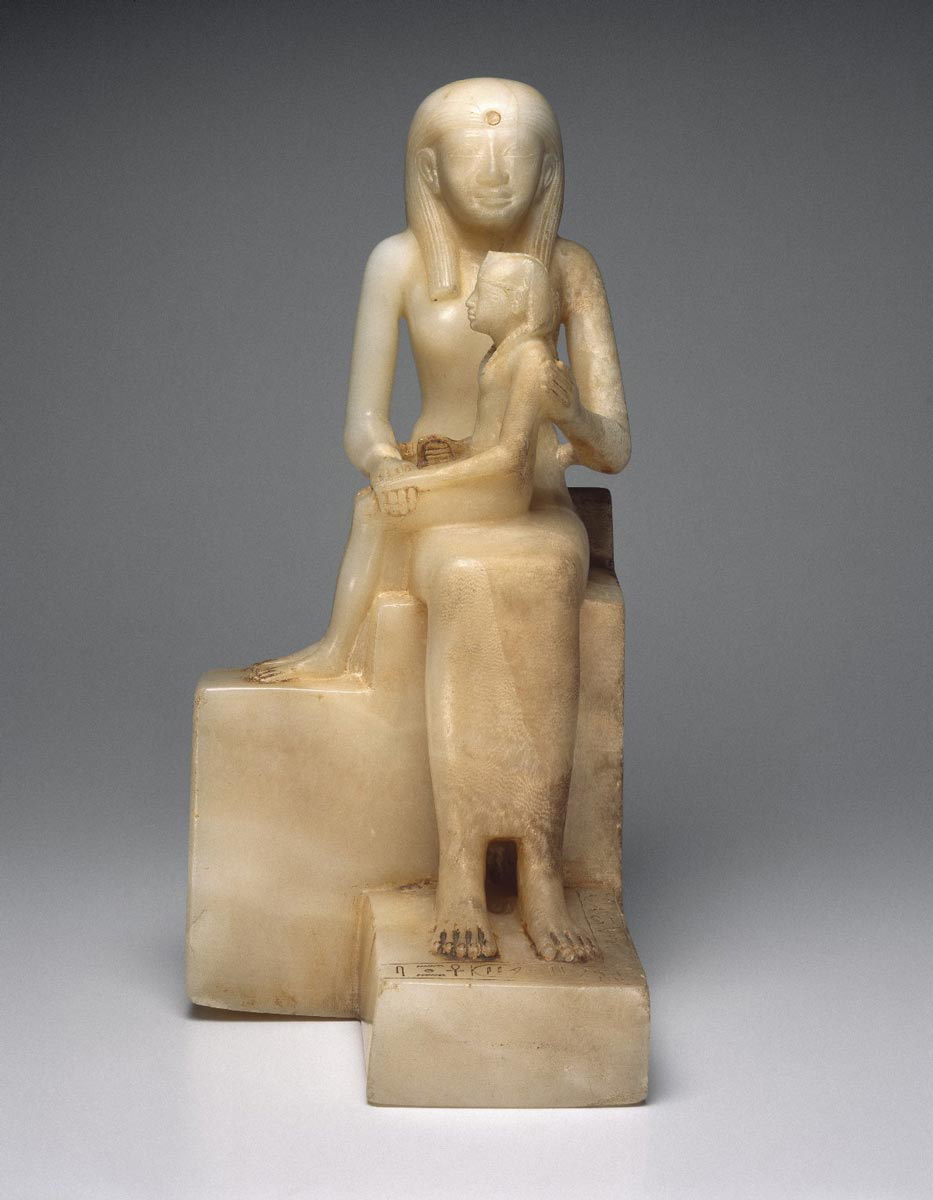
Another key obstruction in finding women who had absolute power in ancient Egypt is their ambiguous titles. For some women, there is good evidence that they had sole ruling power but were referred to by titles such as “Queen” or “Mother of the King.” The reason for this phenomenon is that their claim to power was based on their role within the royal family, and these female royal titles were extremely important.
These titles equated the wife or mother of the pharaoh with important goddesses, such as Isis, and lent support to the idea that the pharaoh was a divinity on earth. Female pharaohs often possessed these titles before coming to power, and they could not just be abandoned because they supported the legitimacy of the entire dynasty.
In some cases, the pharaoh would be polygamous, and if his son did not survive, a stepson could take charge. In a few unfortunate circumstances, the pharaoh died while his oldest son was still a young child. The queen was often appointed regent for her son and honored as the king’s mother. But even when serving as regent, in some cases, for all intents and purposes, the queen was the pharaoh.
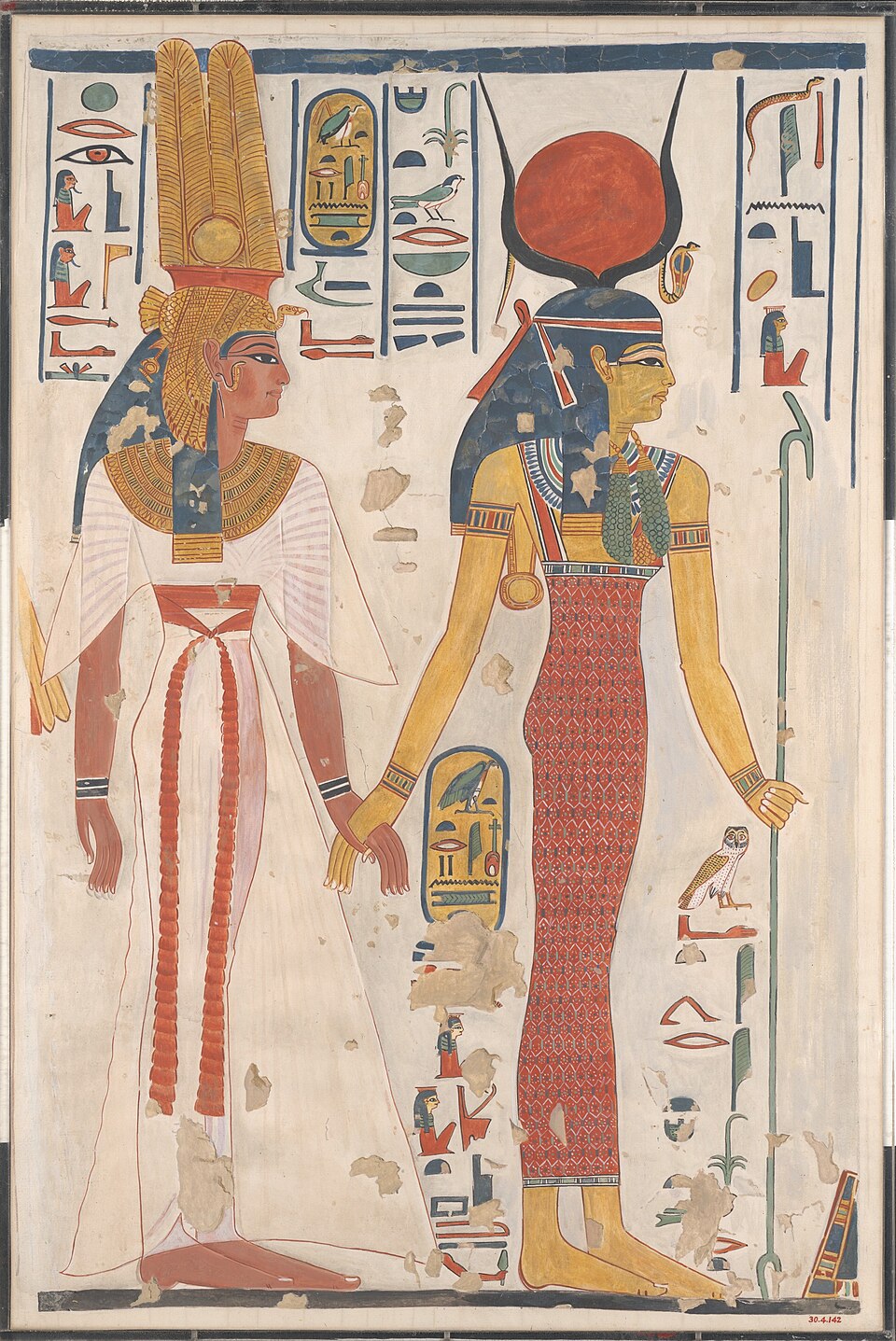
This is how Hatshepsut came to power, as she was originally the regent of her two-year-old stepson. As a member of the royal family, she had to step in as regent to prevent other powerful people from taking advantage of the infant king and usurping power.
Over time, she partially erased and reshaped previous artworks representing her as a queen to reinforce her role as pharaoh. She proclaimed herself as the daughter and wife of the god Amun and the true pharaoh in direct communication with the gods.
Were Female Pharaohs Only Enlisted to Prevent Downfall?
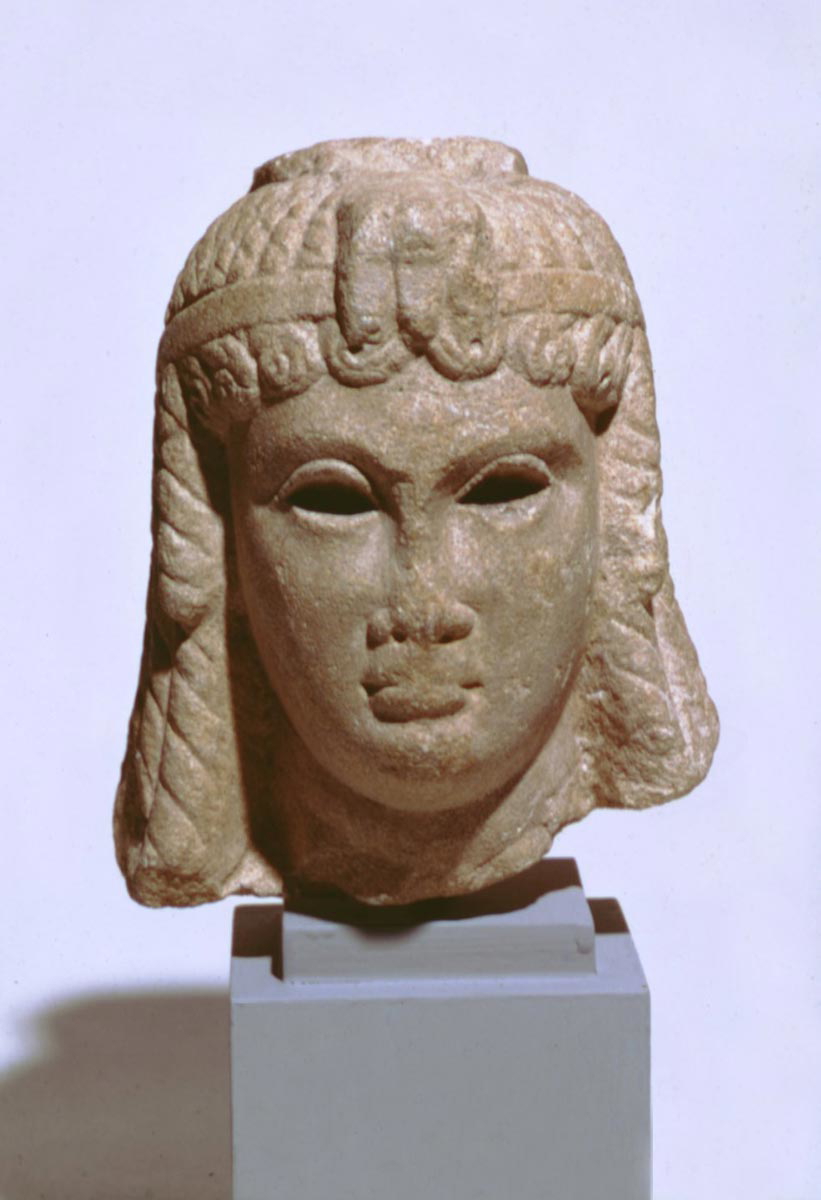
In a way, female pharaohs were utilized during dangerous times when the line of succession was threatened. While history shows that male pharaohs were preferred, maintaining the royal bloodline was more important than having a male as pharaoh. The pharaoh was required to have direct ties to their predecessor for religious purposes. The family of the pharaoh was part of the family of the gods and joined them as deities themselves after death. Therefore, a female member of the family could fill that role temporarily.
The Egyptians would see a break in the lineage as a punishment from the gods and a guarantee of disorder. The pharaoh was a religious leader who communicated divine wishes to the mortal realm. Choosing the wrong pharaoh would upset Maat. Not to mention, unwelcome groups were more likely to invade if the royal family lost absolute power. The queen becoming king was a last resort to keep the peace. So, in a way, female pharaohs were only enlisted to prevent downfall.
Many queen regents did not claim ultimate power over Egypt. A few queens declared their autonomy as kings. No matter the scenario or title, many females took power in ancient Egypt and constructed evidence of their rule intended to last thousands of years.
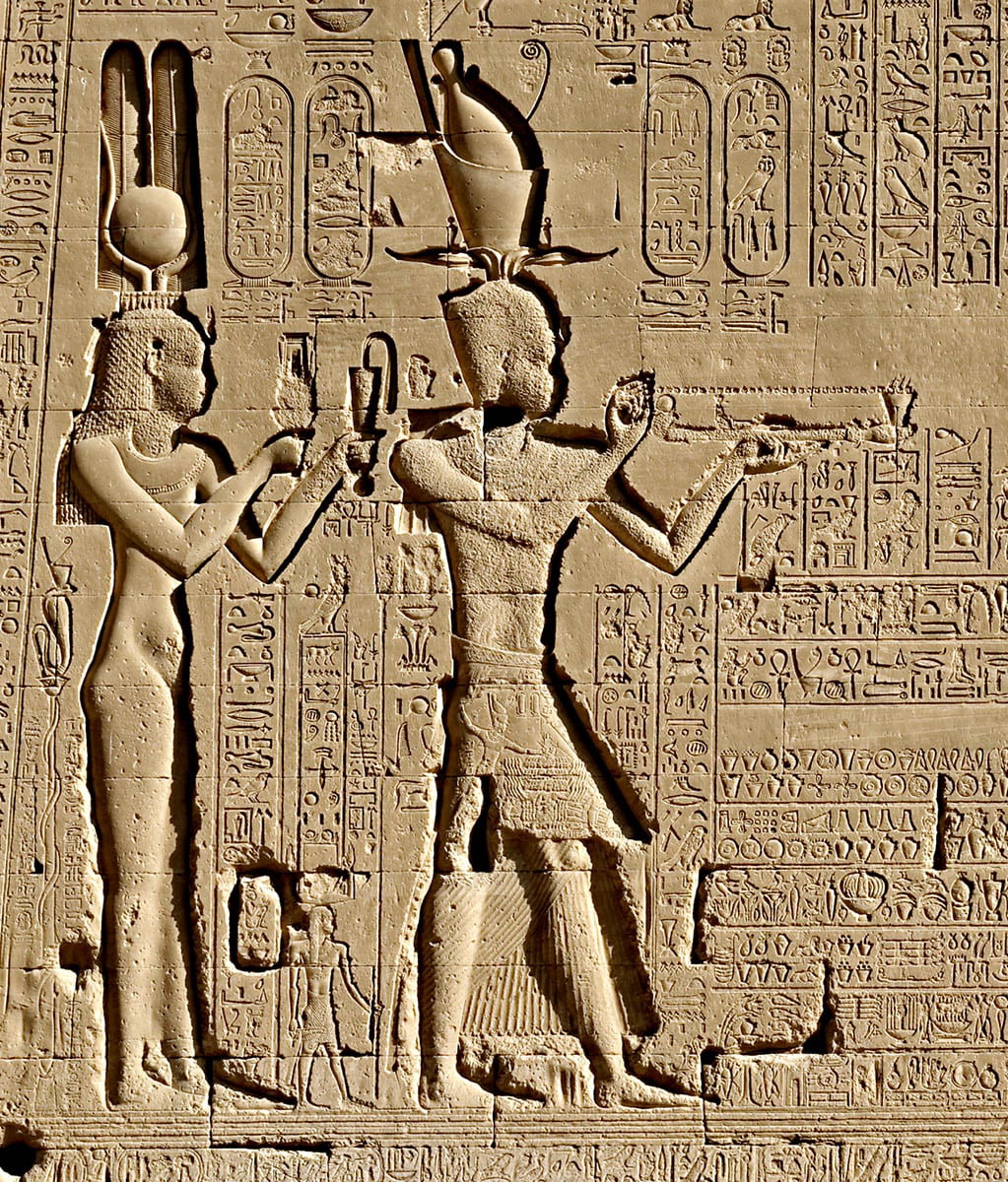
This only changed significantly with the Ptolemies. These Hellenistic rulers adopted intra-familial marriages to ensure the strength and purity of their external dynasty. This gave the women of the family, almost all named Cleopatra, a much more important role. Seven Ptolemaic queens named Cleopatra were co-rulers with their male family members over almost 300 years of rule. Even Cleopatra VII, who was the true power in Egypt from 47 BC, thanks to her alliance with Rome, always had a male co-ruler: her father Ptolemy XII, then her brothers Ptolemy XIII and XIV, and finally her son Ptolemy XV Caesarion.
The difficulty in discerning details about the identities of pharaohs is not limited to the scope of those who were female. The names and deeds of many pharaohs have been lost to history. But between the looted burial sites left behind by tomb raiders and our inconclusive understanding of how female rulers became pharaohs, the clues point to an intriguing history of female leadership in ancient history.