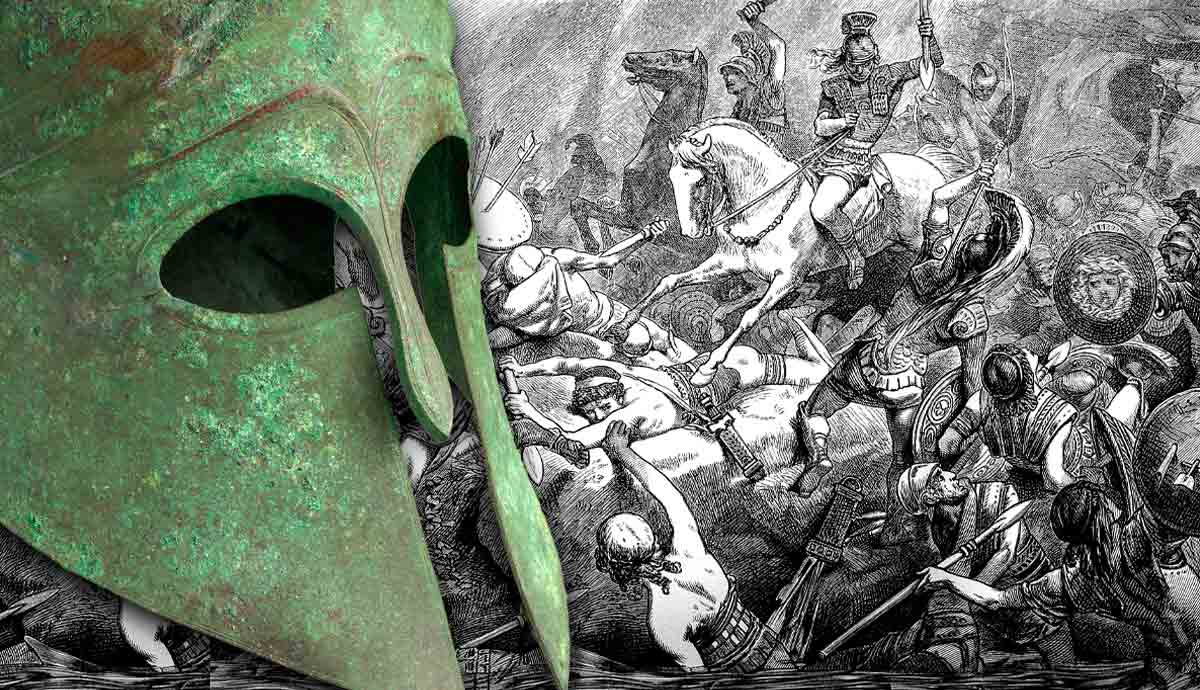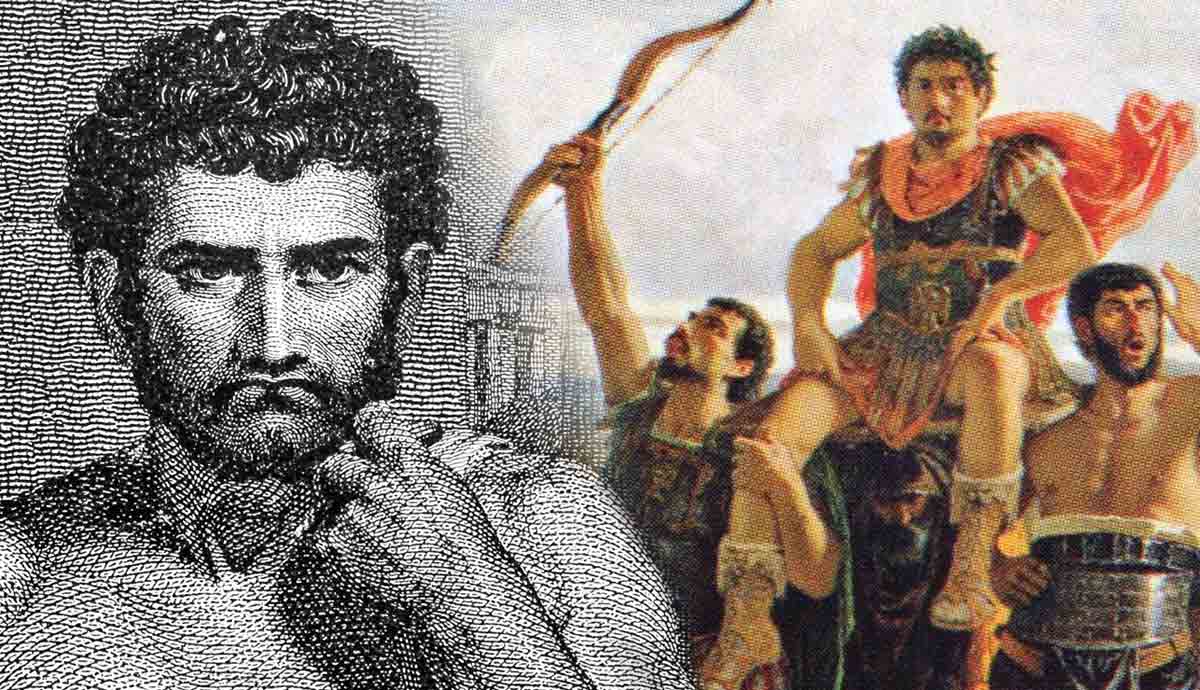

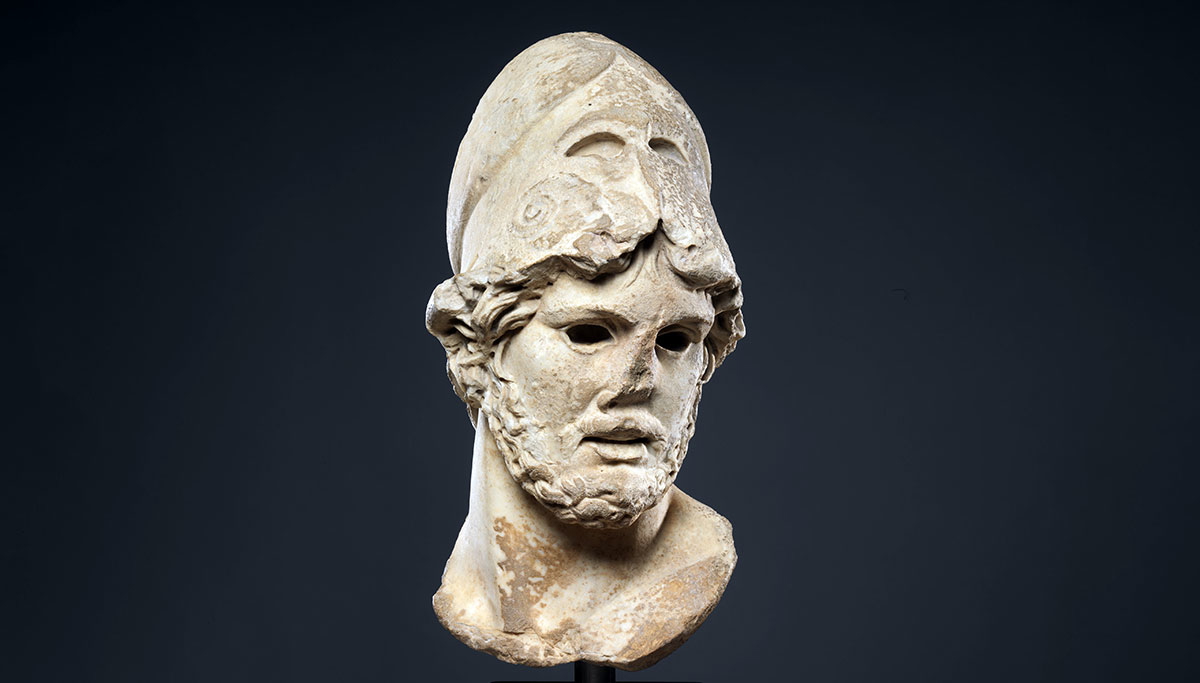
The early years of the Peloponnesian War (431-404 BC) between Athens and Sparta were a humiliating stalemate for the Spartans, who prided themselves on their military superiority. However, one remarkable brave Spartan soldier emerged as a daring commander, creating his own heroic legacy. Brasidas was a bold visionary in a community noted for its conservatism. He was a powerful orator among a people notorious for their laconic brevity. He was the exception that saved Sparta.
Sparta’s First Hero
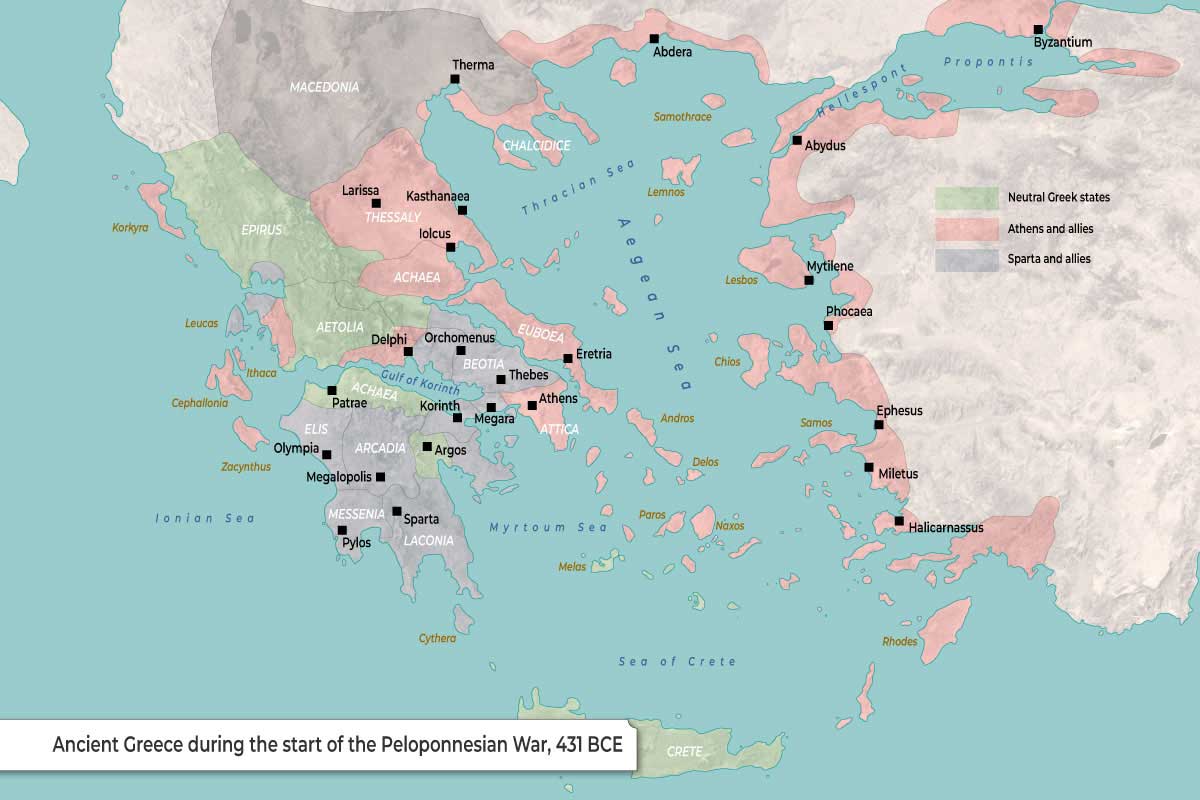
Brasidas son of Tellis was a Spartiate, a member of the elite group of citizens that stood on top of Sparta’s rigid social hierarchy. Beyond that, we know little of his early life. At the start of the Peloponnesian War, he was a relatively low-level commander. However, he was the first Spartan to be commended for bravery when a quick dash through the outnumbering enemy ranks prevented the fall of the town of Methone during an Athenian raid (Thucydides 2.25).
He next appears in 429 and 427 BC as an advisor to Spartan admirals. The Peloponnesian War was a duel between the day’s primary land power, Sparta, and its primary sea power, Athens. It took decades for the Spartans to learn to fight at sea and their early efforts were hesitant and often failures. Brasidas’ two campaigns as advisor show him to be one of the few Spartans who adapted to changing military tactics. His boldness may have been behind a daring, but failed, surprise attack on the critical Athenian harbor of Piraeus, which would have ended the war in a stroke.
Bravery in Defeat at Pylos and Megara
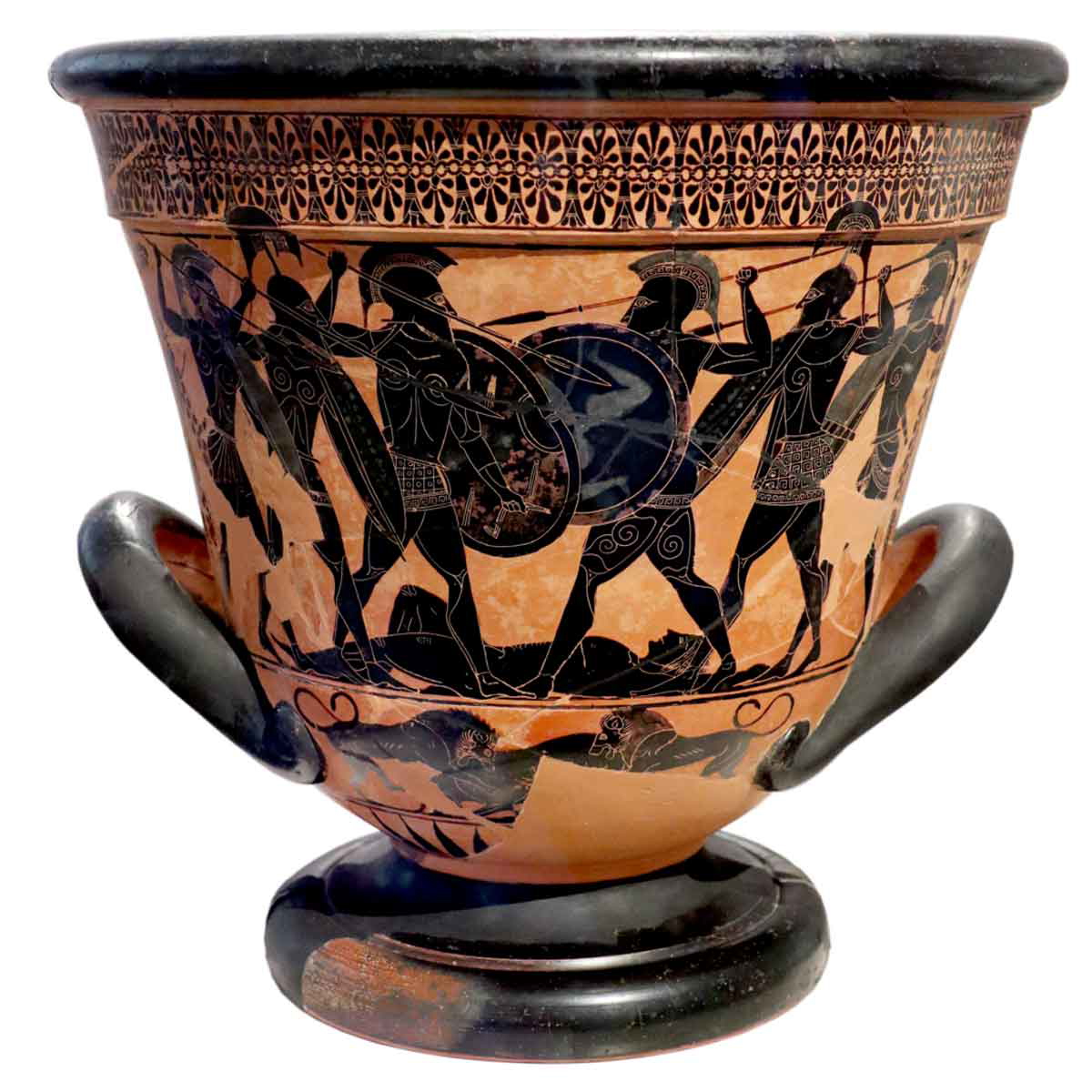
Brasidas made a name for himself in the early years of the war. However, he remained an advisor and subordinate rather than a high-level commander. It was only after some difficult years that the Spartans elevated him to the next level.
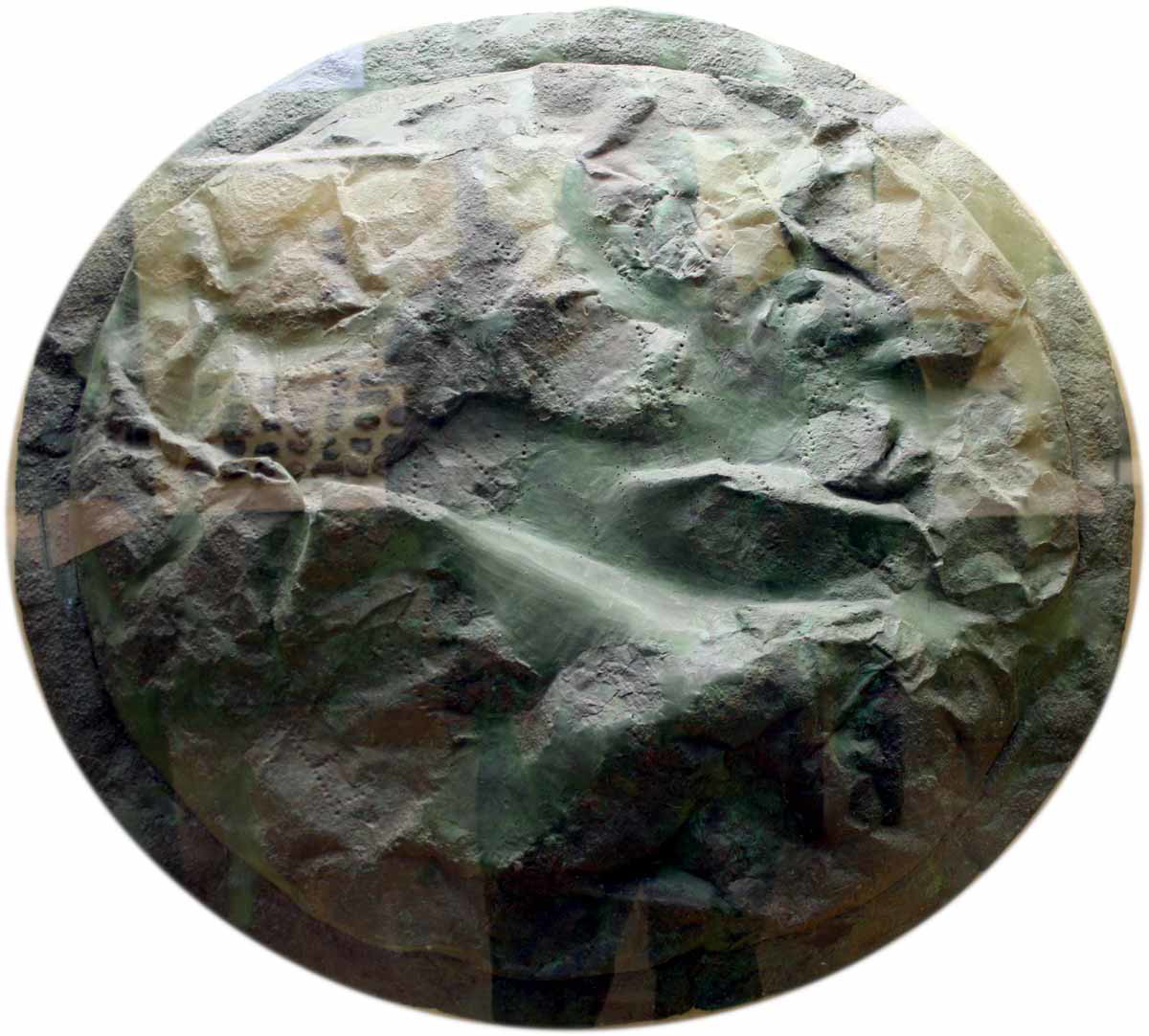
Brasidas was one of the few Spartans that came out well from the debacle at Pylos in 425 BC. After the Athenians had fortified a position in Spartan-held territory at Pylos, Brasidas led the naval assault. Seeing the other ship captains reluctant to storm the beach in the face of Athenian opposition, Brasidas led the way. In Thucydides’ account (4.12), he fought bravely but was wounded. His comrades saved his life, but his shield was picked up by the Athenians and displayed as a trophy.
These heroics were ultimately fruitless. Over a hundred Spartans surrendered and were taken to Athens as hostages. Humiliating as this was, the Spartans had Brasidas to thank that it did not go worse. In 424 BC, the Athenians attempted to seize the strategic city of Megara. Its position on the isthmus connecting the Peloponnese to the rest of Greece would allow the Athenians to hem in the bewildered Spartans.
The Athenians captured the Megarian port and soon threatened the city. Brasidas happened to be nearby preparing for another mission. He quickly gathered an army and appeared outside Megara. Despite their recent successes, the Athenians were unwilling to risk a battle against the Spartan force and withdrew. Brasidas had prevented the loss of a strategically vital town by swiftly and effectively gathering a force and communicating with allies. It was his first individual contribution to turning the tide of the war.
Weaponizing the Northern Aegean
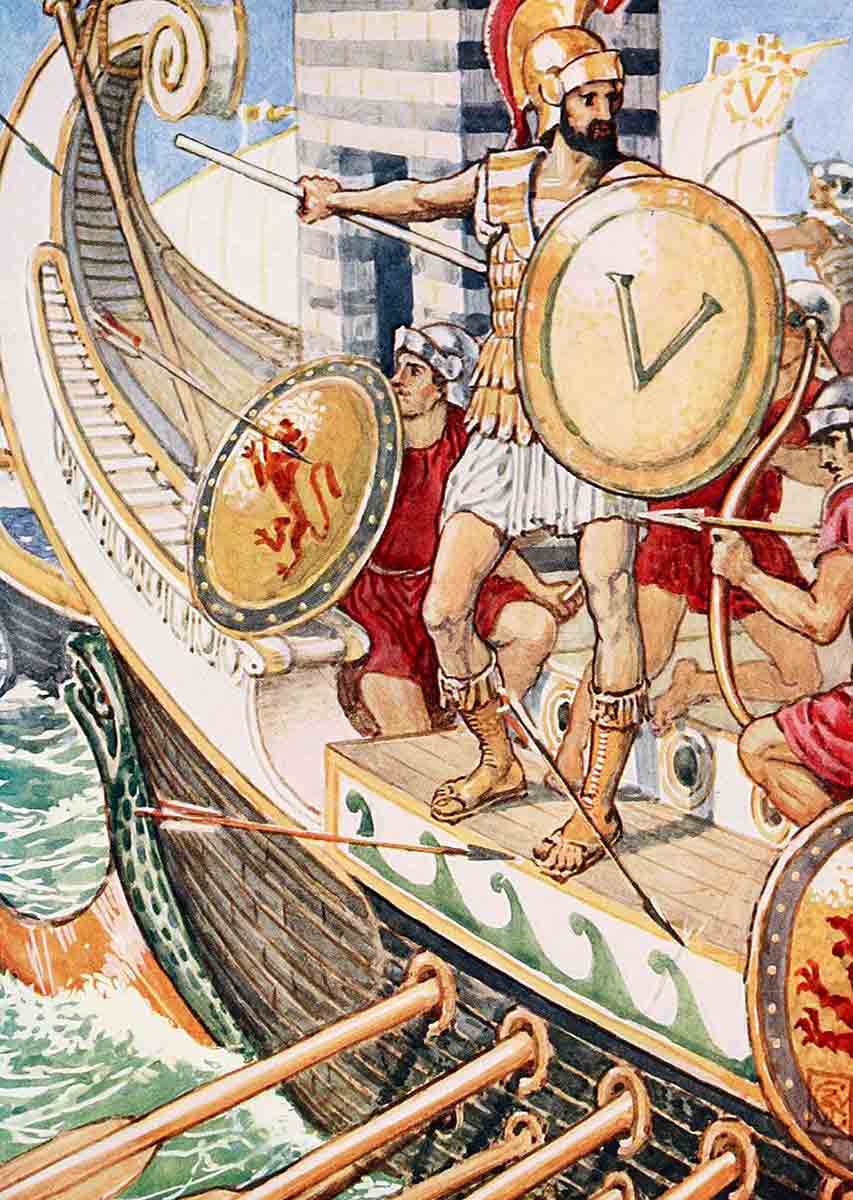
The conservative Spartans desperately needed new ideas. The traditional Spartan strategy of invading Athenian territory with a large army had already reached its limits and was now impossible if the Spartans wanted their hostages back.
In 424 BC Brasidas had an innovative plan. Potential Athenian opponents and rebellious subjects in the northern Aegean had called for aid. However, reaching King Perdiccas of Macedon and the cities of the Chalcidice peninsula that wanted to revolt from Athens would not be easy. The Spartans could not go by sea, necessitating a march of hundreds of miles through unfriendly territory.
Spartans traditionally traveled poorly, but while the risks were great, so too were the potential rewards. Chalcidice supplied the Athenians with tribute and the much-needed wood to build their fleet. A Spartan presence in the northern Aegean would be a strategic game changer threatening Athens’ crucial supply lines from the Black Sea.
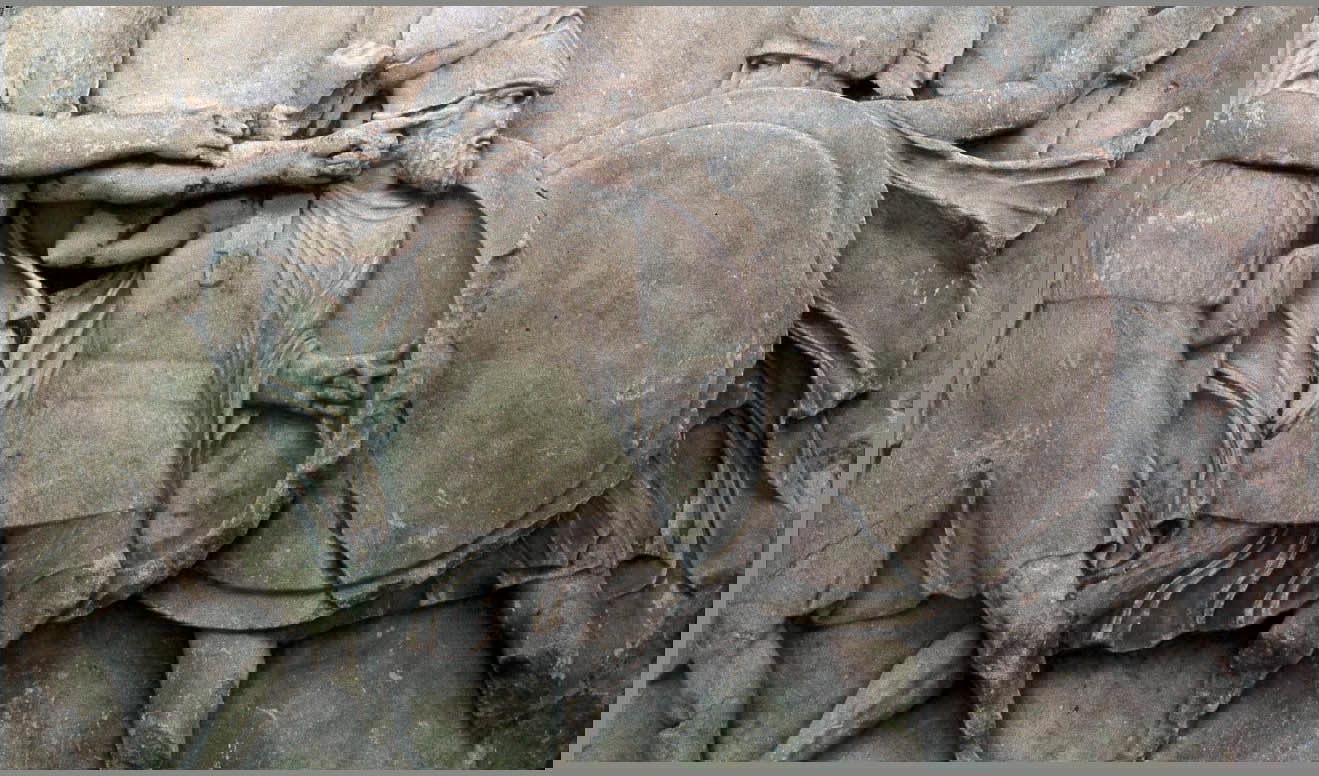
The campaign in the north was an innovation in Spartan strategy, but a risky one (Sears 2024, 122; Kagan 1974, 288). The Spartans decided to take the chance but staked little. Brasidas could go, but only with a small force of 1,700 helot slaves and mercenaries.
Brasidas, finally in command of his own independent force, set off and skillfully guided his men north. Diplomacy and speed got them through the large and potentially hostile region of Thessaly. Perdiccas’ attempts to exploit the expedition to fight his own battles were evaded. The Spartans’ best commander was now in position to take the war to the Athenians.
“Not a Bad Speaker, for a Spartan”
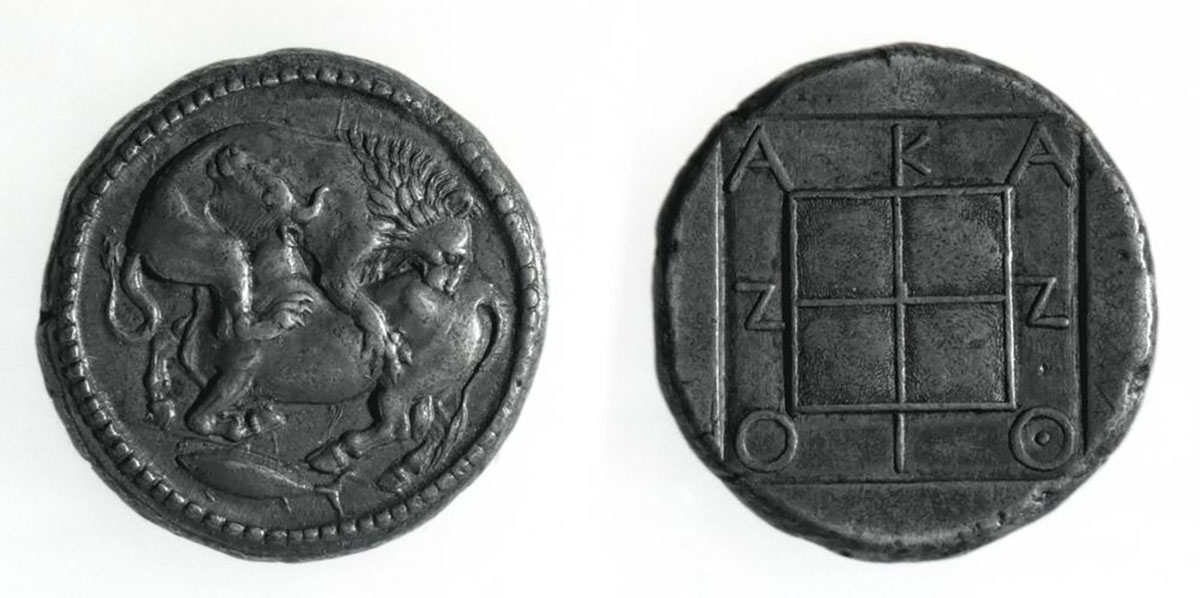
With only a small force and a long way from home, the success of the campaign rested on finding allies. Fortunately, this was another arena in which Brasidas outstripped his compatriots. Before and after Brasidas, Spartan commanders abroad earned a reputation for arrogance, corruption, and, not uncommonly, incompetence. Not only was this not the case with Brasidas, but Thucydides tells us that he was a surprisingly good orator for a Spartan (4.84).
Winning Empires With Words: The Spartan Diplomat
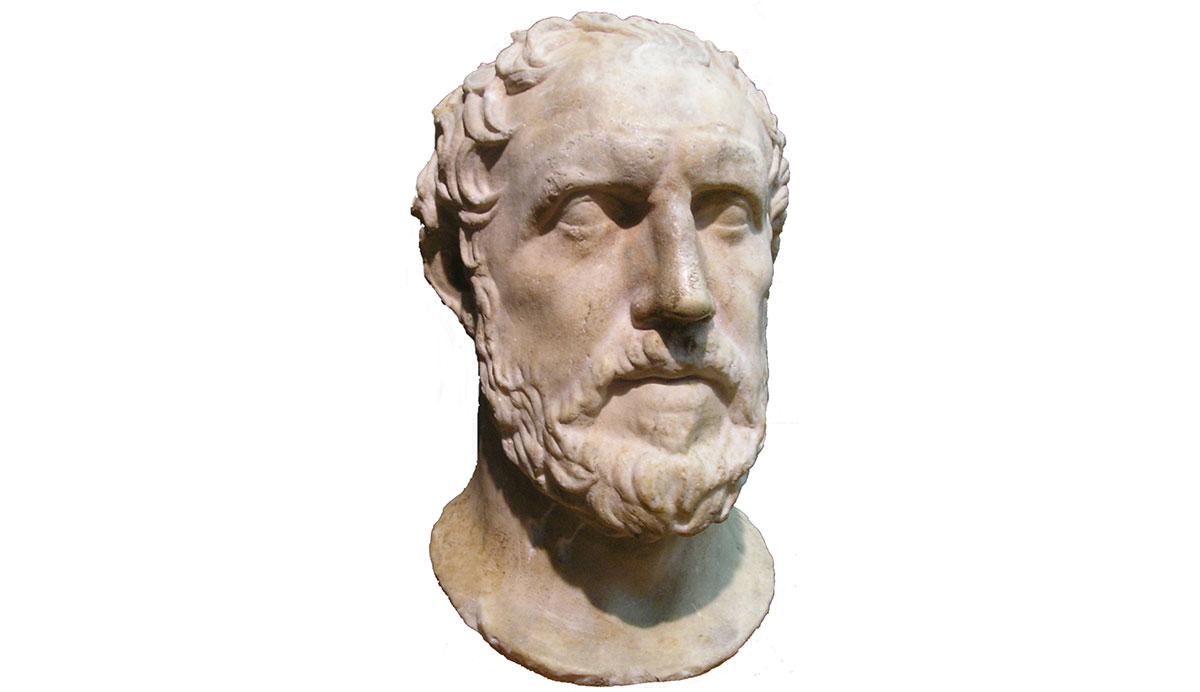
The first test was at the Athenian subject city of Acanthus in the Chalcidice. Brasidas arrived before the Acanthians had gathered in their economically vital grape harvest. Finding them reluctant to revolt from Athens, Brasidas entered the city alone and spoke before the assembly. The speech Thucydides presents marks a turning point in the war.
Brasidas assured his nervous audience that he was there to liberate, not attack them. Sparta, he claimed, was on a mission to free Greece from the tyranny of Athens. Similar arguments must have been made before as part of routine justifications for war, but Brasidas was one of the first to convince an audience that the Spartans were fighting not for power or glory but for liberty (Sears 2024, 100). This rhetoric, helped along by the army outside poised to burn the vineyards, won the day. Acanthus revolted and Brasidas’ message that Sparta was a liberator became central to subsequent propaganda.
Brasidas’ claim to liberate rather than conquer proved effective and he felt strong enough to move on to the region’s biggest target, Amphipolis. The city sat east of the Chalcidice peninsula on the Strymon River. The river wrapped around three sides of the city making it easily defended and positioned between the timber-bearing forests of the north and the Aegean. It had taken several attempts for the Athenians to successfully found a colony here, and it remained a strategic obsession for decades to come.
The Crown Jewel: The Fall of Amphipolis
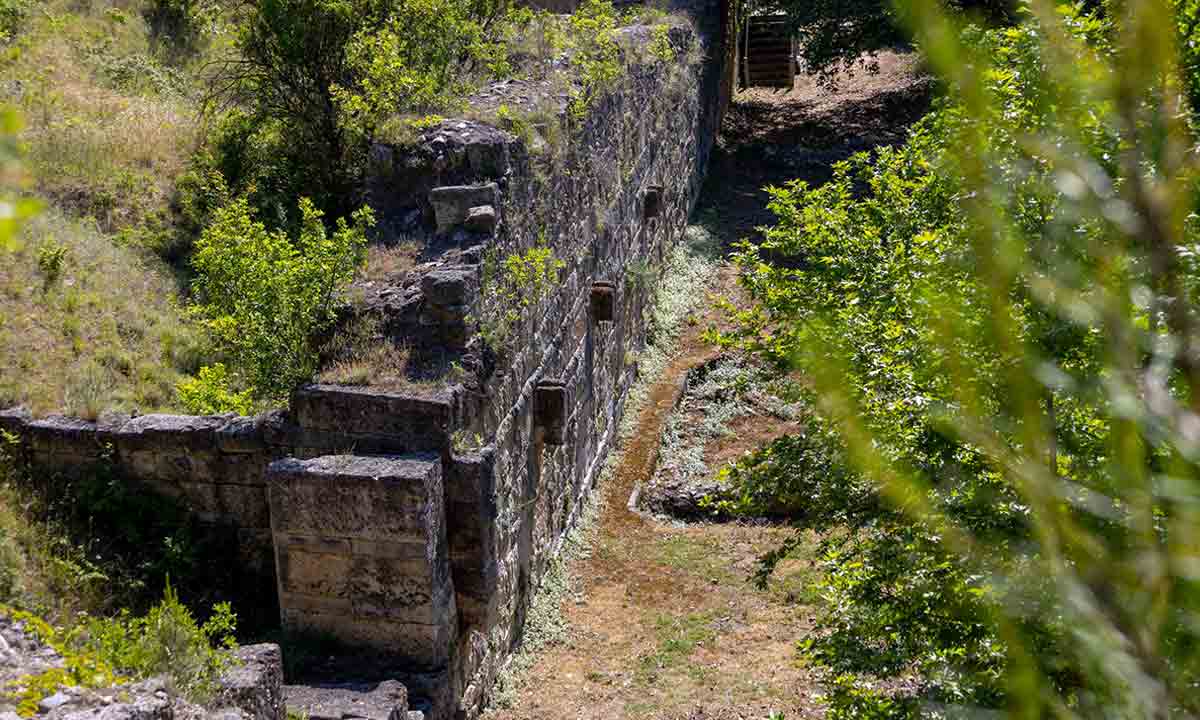
Taking Amphipolis would not be easy. Brasidas needed to cross a fortified bridge on the Strymon and take the well-defended city before Athenian reinforcements arrived. Surprise, speed, and diplomacy, key elements of Brasidas’ campaigns, would get him this prize.
To keep his momentum, Brasidas continued to campaign in the winter, rare for an ancient army. A snowstorm masked his approach to the bridge. Here diplomacy, or treachery, came into play. Amphipolis was an Athenian foundation but most of its inhabitants were drawn from the local area. These local elements helped Brasidas cross the bridge.
Taken by surprise, many Athenian inhabitants were captured in the suburbs. Now outside the walls of Amphipolis, speed remained essential as Athenian reinforcements were surely on the way. Brasidas offered very lenient terms to the Athenians, allowing them to leave the city with their possessions if they surrendered. This olive branch worked, and Amphipolis surrendered just as Athenian reinforcements came into view.
An unintended consequence of the fall of Amphipolis is one of the greatest works of history. The Athenian reinforcements were commanded by the future historian Thucydides, who was exiled for his failure to prevent the city’s fall. This gave him the time to write his great work and, no doubt, provided motivation for talking up the greatness of his opponent.
Flouting the Armistice: The Capture of Scione
The goals of the campaign had been achieved. The Spartans were inflicting damage on the Athenians and now had leverage. This, coupled with a major Athenian defeat at the hands of the Spartan allied Boiotians at the battle of Delium in 424 BC, represented substantial steps towards peace. A one-year truce was agreed for 423 BC. But Brasidas, it seems, had larger goals.
After the fall of Amphipolis, he began building a fleet of warships. There was insufficient time for this plan to develop, but a Spartan naval presence in the northern Aegean could have been transformative. It was exactly that which eventually won the war for Sparta, 20 years later.
More substantially, Brasidas was in no mood to break his momentum and honor the truce. Before word of the agreement reached him, though crucially after it had been made, another city, Scione, revolted from the Athenians. Brasidas warmly embraced the Scionaeans and refused to hand over the city after the truce. Brasidas then doubled down by accepting the revolt of another city, Mende, paving the way for the resumption of war.
While waiting for the Athenian reaction, Brasidas joined the Macedonian king Perdiccas in an expedition against his local enemies. The relationship between the two men completely broke down when Perdiccas abandoned Brasidas in the face of a much larger enemy. The Macedonian alliance was over, but Brasidas did display his skills once again as he got his army out of a difficult spot with a well-organized retreat.
The Final Clash and the Death of Two Generals
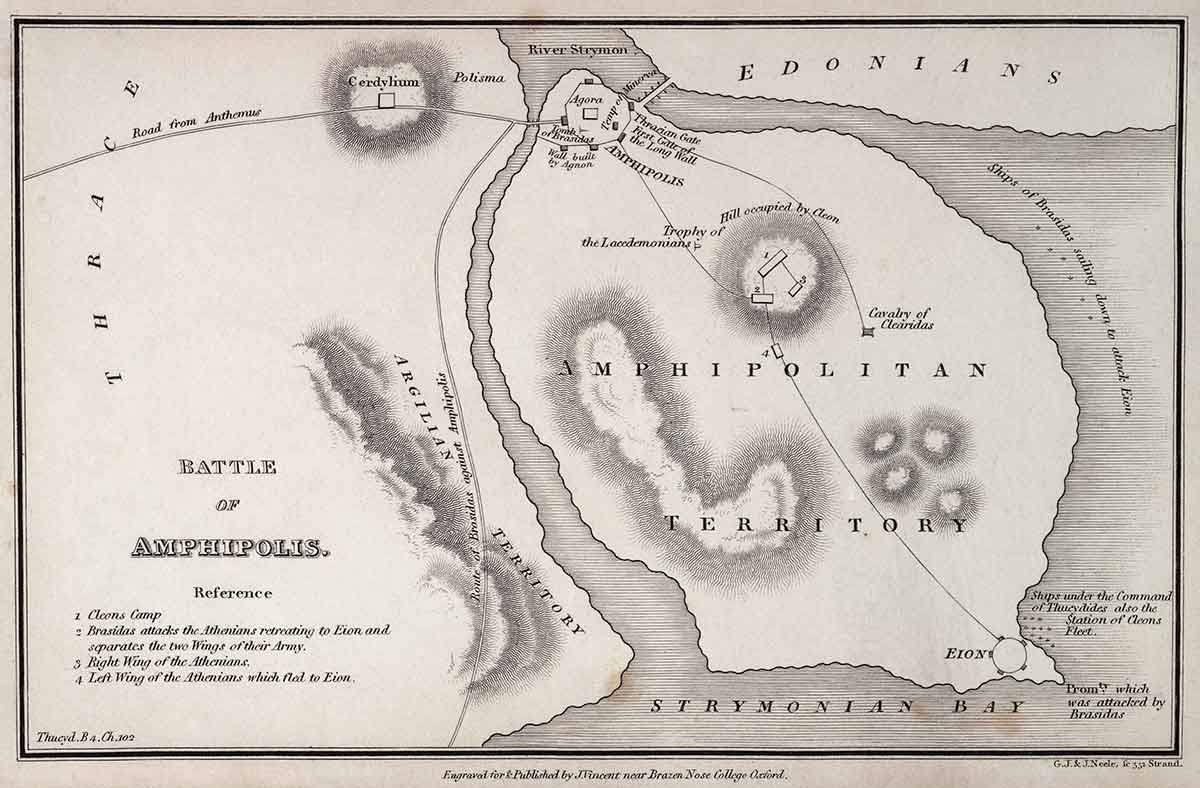
The year 422 BC pitted the two men most committed to continuing the war against each other. To reverse Brasidas’ success, the Athenians dispatched Cleon, a politician with limited military experience but a harsh line against any opponents of Athens.
The fate of the campaign was decided at Amphipolis. The Athenians had retaken some towns and were awaiting reinforcements from the Thracians to the north and potentially the Macedonians. Meanwhile, Spartan reinforcements were blocked from reaching the north. A problem with the account given by Thucydides is that he hated Cleon as much as he admired Brasidas. This distorts our image of Cleon who, Thucydides claimed (5.6), arrogantly dismissed Brasidas’ forces. This may or may not be the case but Cleon did make a mistake outside Amphipolis, and Brasidas pounced on it.
Cleon was wisely waiting for allies before taking on Brasidas, but he did approach the city with a small force. This may have just been a reconnaissance mission, which the inexperienced Cleon took too far. Brasidas had been watching the Athenians from a high point and saw an opportunity as the Athenians approached the city. As he had done several times in his career, Brasidas used speed and surprise. He himself led a small force of 150 hoplites to charge into the Athenians while the main force rushed out from a different gate, attacking the Athenians from another direction.
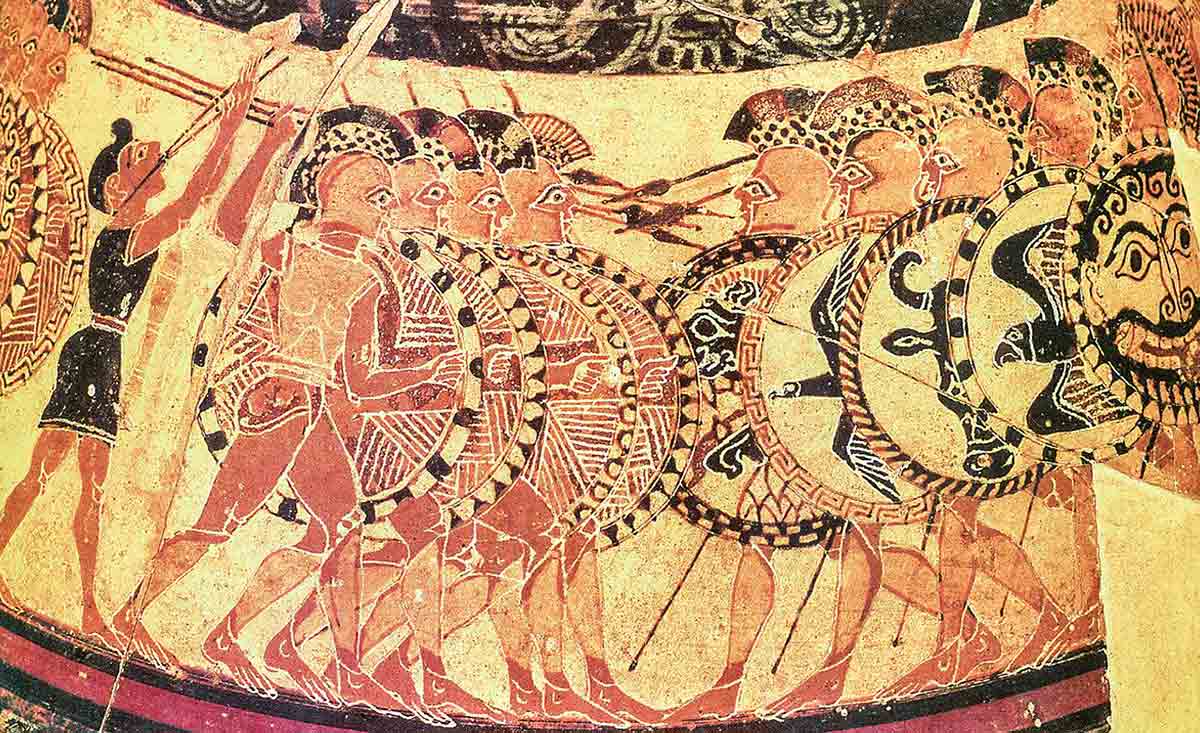
Cleon may have understood his mistake, but his attempt to fix it made matters worse. Brasidas’ preparations to attack had been noticed and the Athenians started to withdraw. To speed matters up, Cleon ordered his right wing to turn and withdraw. This meant turning their sides, unprotected by their large hoplite shields, towards the city gate where Brasidas was waiting. At this moment, the Spartan came rushing out. The Athenians were thrown into confusion, made worse when the second, larger attack came in. A part of the Athenian force withstood the shock and fought back for a while, but they never recovered from the initial chaos Brasidas had exploited.
According to Thucydides, 600 Athenian troops were lost, including Cleon himself, while the Spartans lost just seven. However, among the dead was Brasidas himself who had been wounded in the first charge and died just after learning of his victory.
The Posthumous Cult of Sparta’s Most Radical Commander
The first phase of the Peloponnesian War ended outside Amphipolis. That Sparta recovered from the disaster at Pylos to earn a stalemate peace was largely thanks to Brasidas. Though it was probably not his intention, peace was his immediate legacy.
Brasidas’ career, though brief, was one of the most influential in Spartan history. Thucydides recognized this. His efforts to win over Athenian subject cities and his generally honorable behavior created an image of Sparta beneficial later in the war (4.81). After Brasidas, the Spartans could pose as the liberators of Greece (Sears 2024, 100).
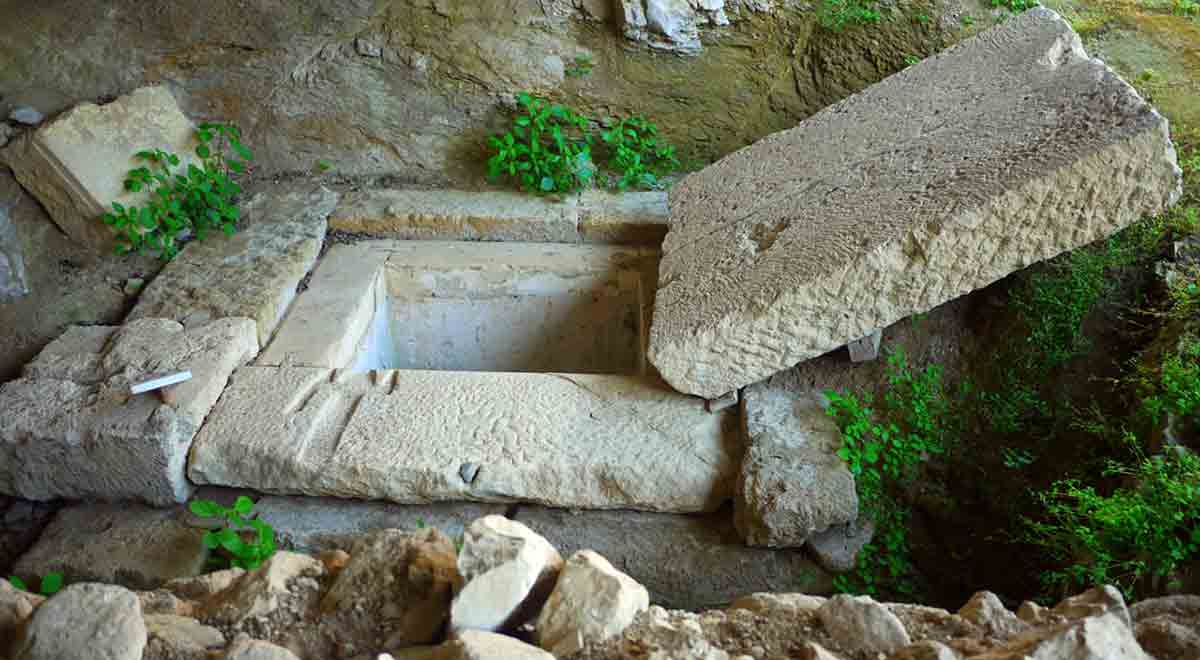
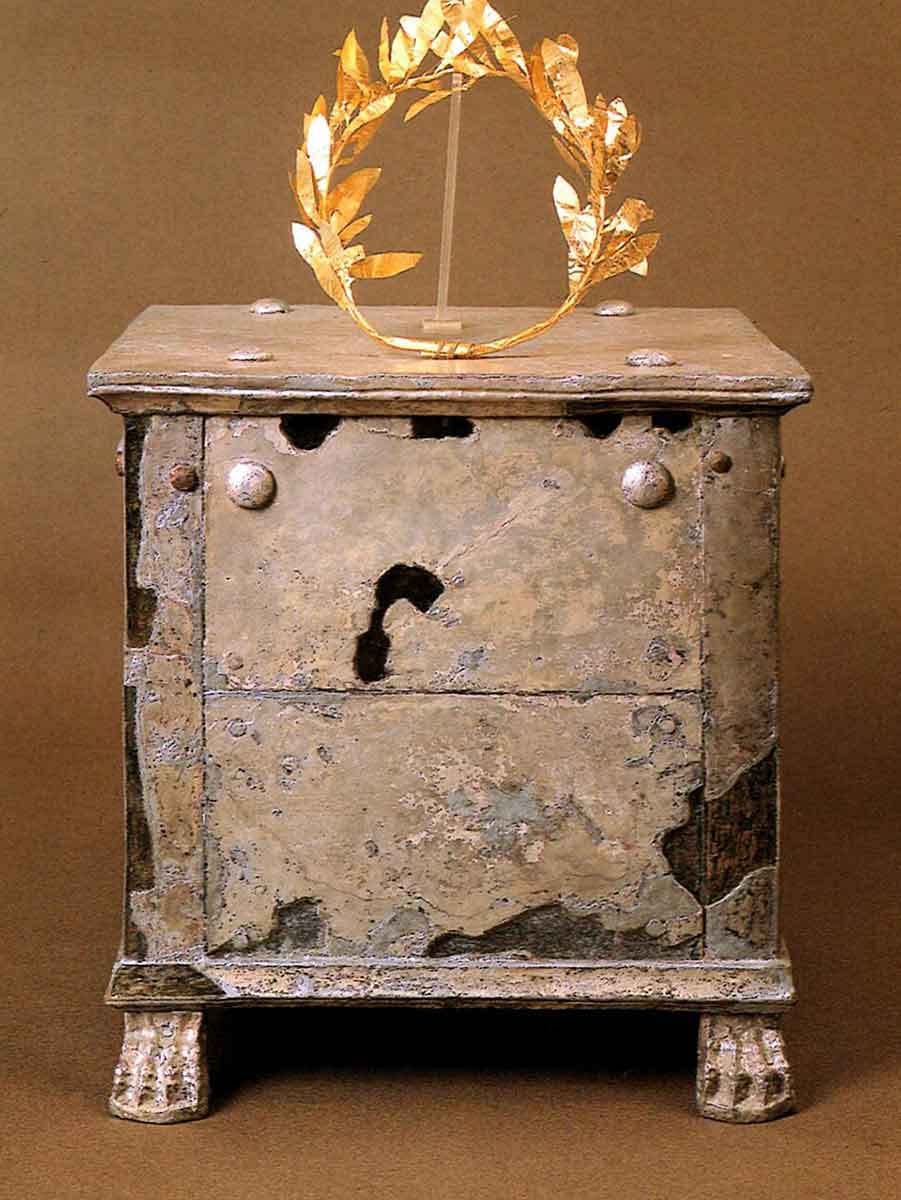
In death he also set precedents. The citizens of Amphipolis turned the Spartan into their new hero. They stopped honoring the Athenian who founded their city and instead worshipped Brasidas with an annual festival and a hero’s tomb. In 1992, archaeologists discovered an unlooted silver ossuary containing a gold olive wreath inside the Amphipolis agora, which is widely recognized as the remains of Brasidas (Sears 2024, 131). This type of hero worship of the recently dead is one of the earliest examples of apotheosis.
For the Spartans, who also commemorated him with a cenotaph at home, Brasidas was the hero they needed at a critical moment. Modern scholars largely agree and proclaim him Sparta’s most gifted soldier (Trittle 2010, 95). Tactical boldness, speed, and innovation were paired with strategic vision. Combined with his bravery and ability to win allies, Brasidas had a real impact on the war. In its long history, Sparta produced few others like him.
Sources
- Kagan, D. (1974). The Archidamian War. Cornell University Press
- Sears, M. (2024). Sparta and the Commemoration of War. Cambridge University Press
- Tritle, L. A. (2010). A New History of the Peloponnesian War. Wiley-Blackwell.