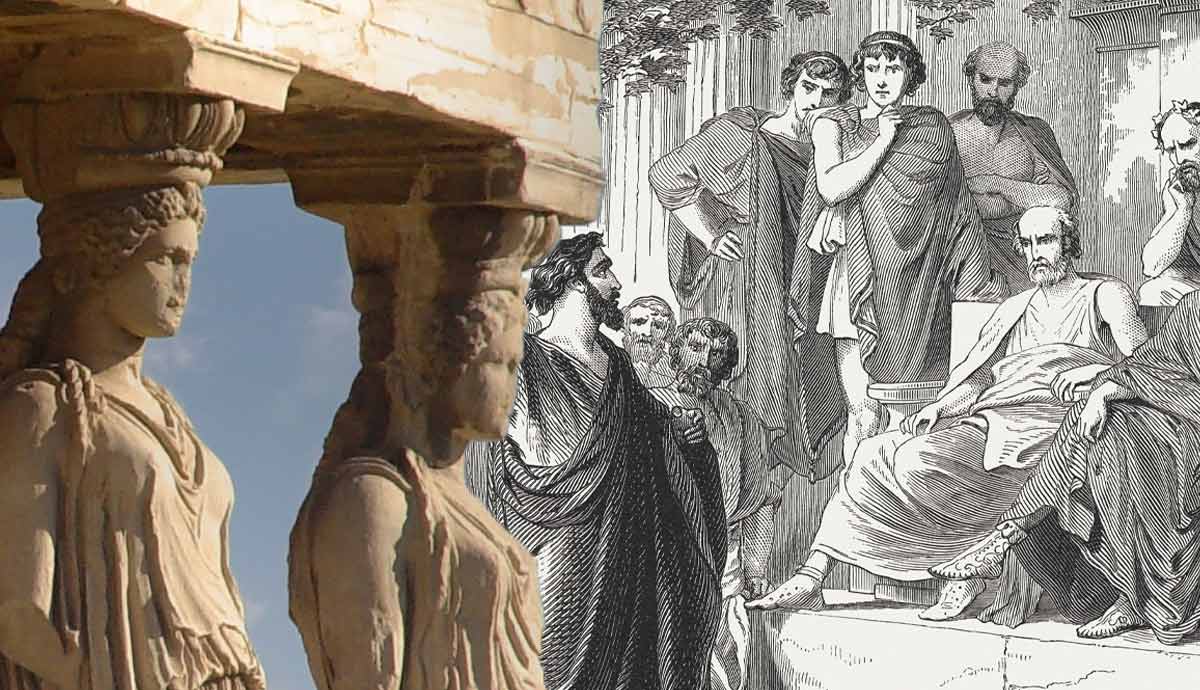

With its politics, art, literature, and architecture, Athens is considered the embodiment of ancient Greece. And yet, it lost one of that era’s defining conflicts, the Peloponnesian War (431-404 BC). The Athenians, at the pinnacle of their “Golden Age,” were defeated by the infamously austere and conservative Spartans. How did Sparta win the war? A mix of Spartan innovation, Athenian mistakes, and a large amount of Persian gold.
The Structural Clash Between Land Power and Sea Power
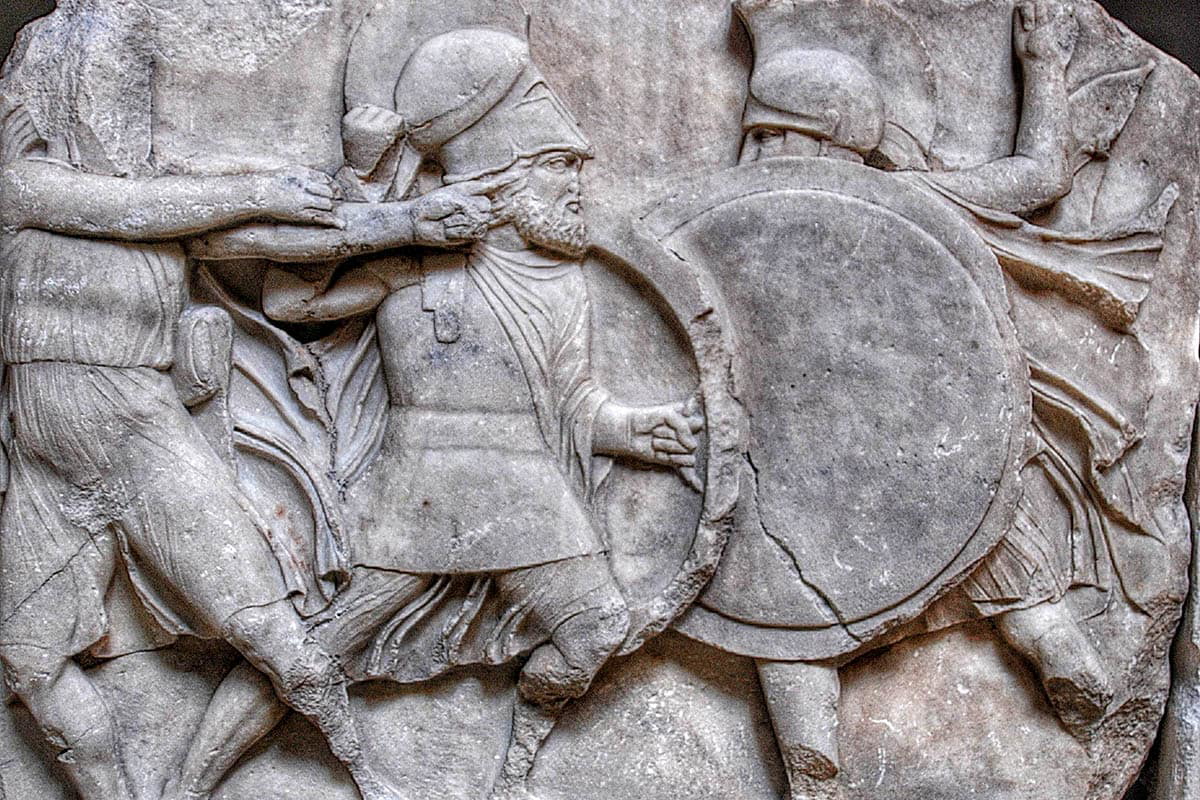
The Peloponnesian War can be seen as a struggle between two opposites. The Athenians were democratic and adventurous. Their power rested on their fleet, which controlled a maritime empire in the Aegean. The Spartans were oligarchic and slow. Their source of strength was their heavy infantry hoplite army. The fact that the war lasted 27 years shows how closely matched these two powers were.
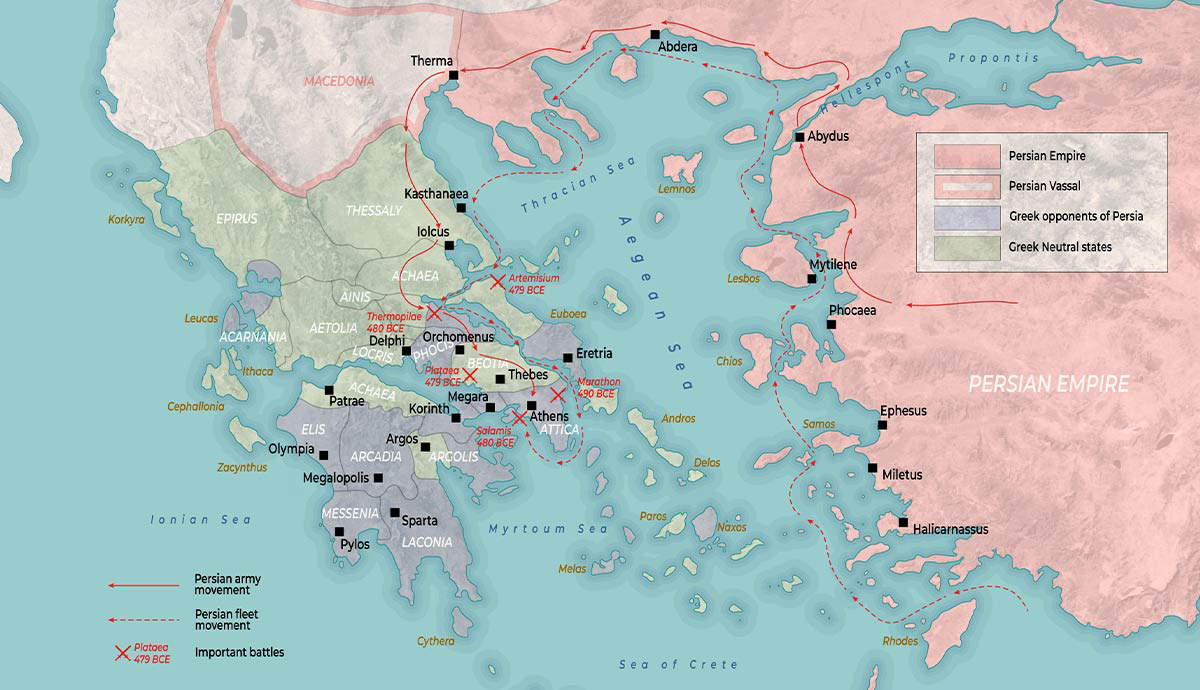
For much of the 5th century BC, Greek political life was organized around these two poles. The combination of the Athenian fleet and Spartan hoplites had won the Persian Wars. But half a century later, any hope of stability and peace in Greece was gone.
It is not easy to determine where the balance of power lay in 431 BC. According to the historian Thucydides (1.23.6), the ultimate reason for the war was Spartan fear that the Athenians were becoming too powerful.
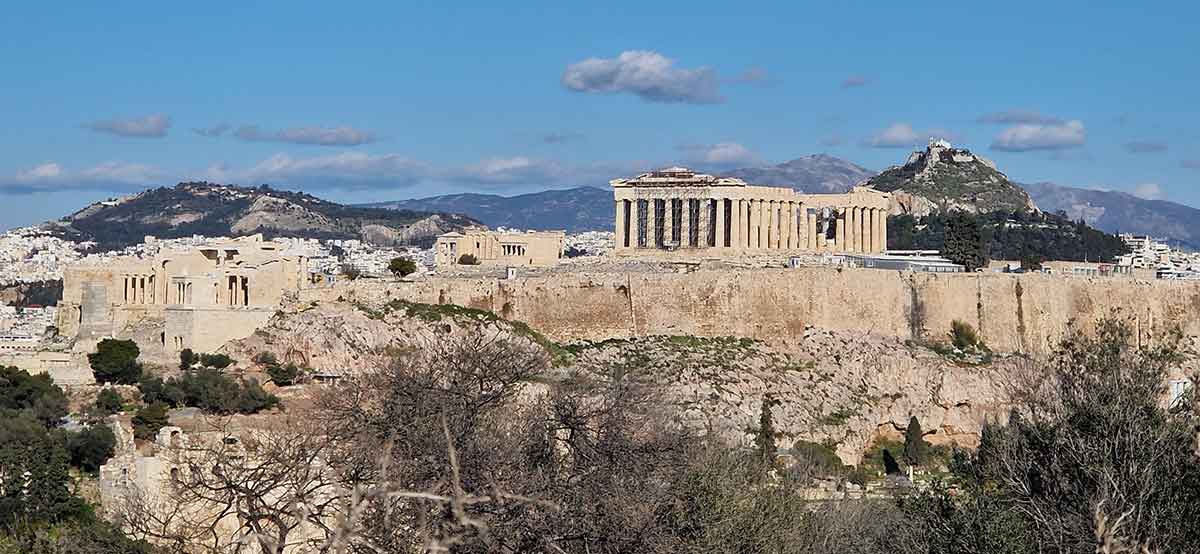
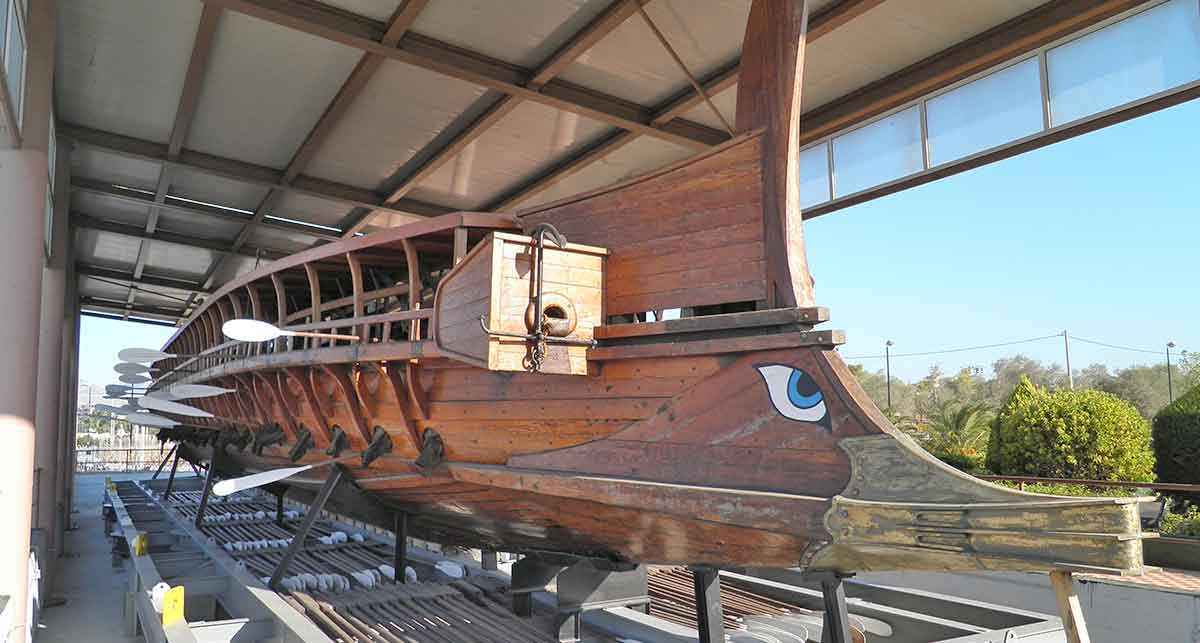
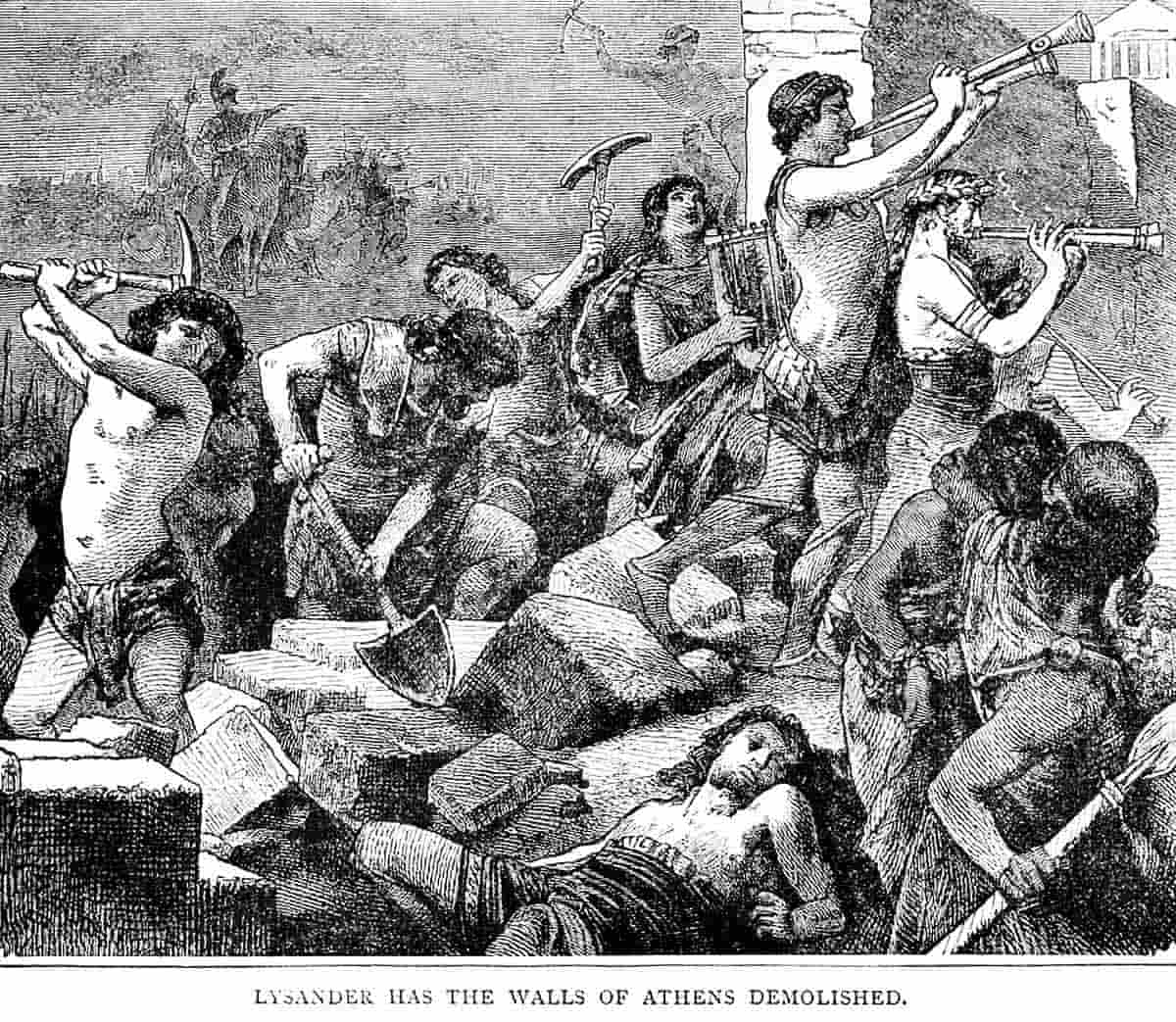
That fear was not unfounded. Athenian leadership of the Delian League, an anti-Persian alliance, had been converted into an Athenian empire covering most of the Aegean and the coastal cities on its northern and eastern shores. This empire was maintained by a fleet of up to 300 trireme warships. With decades of experience, the Athenian fleet both outnumbered and outclassed its rivals. The empire and trade brought wealth, which gave Athens, already one of the largest Greek states, the advantage in terms of money. Athens itself was almost impregnable with a series of long walls that connected the city to the port of Piraeus, giving it the same protection as an island.
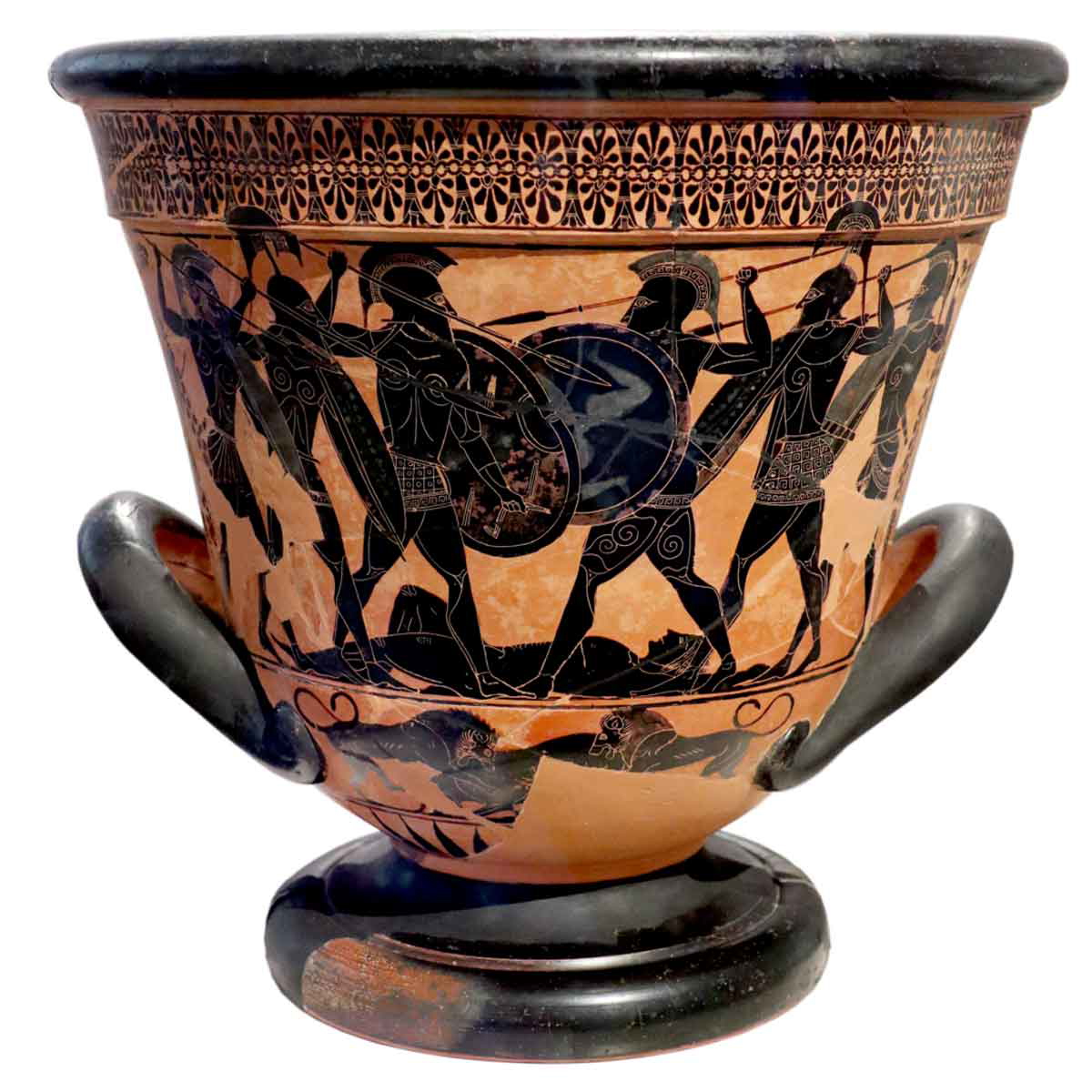
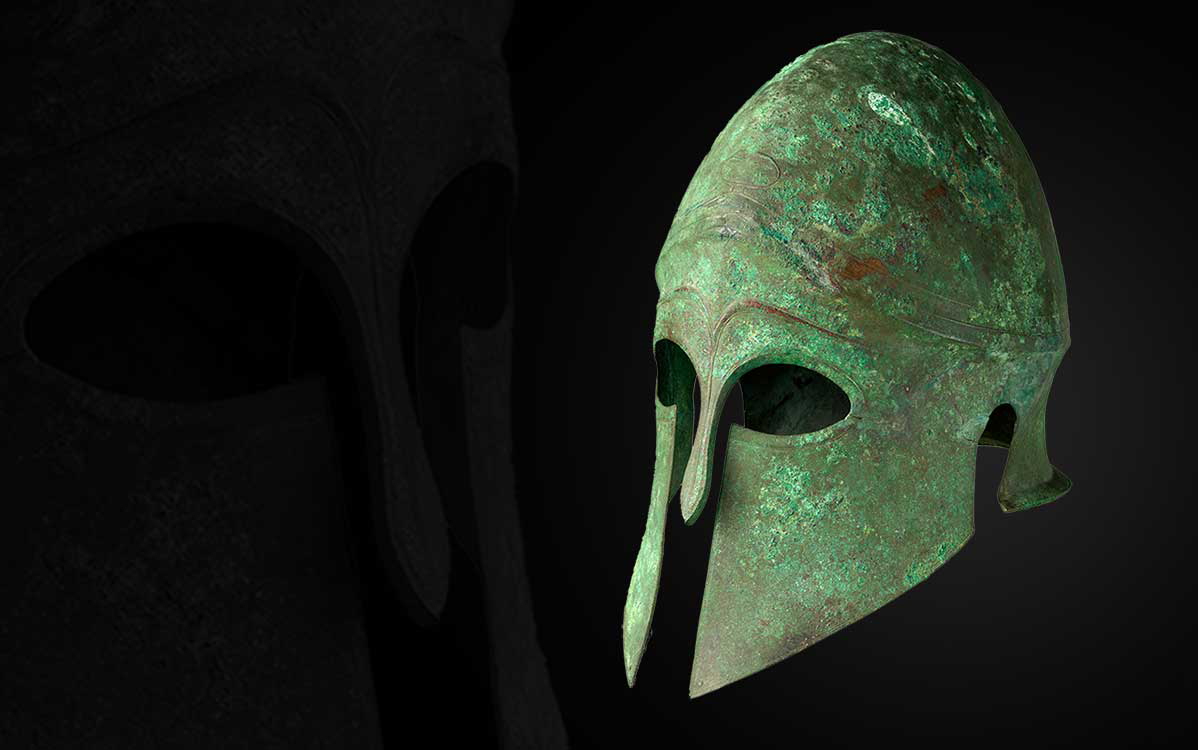
On the other side, the Spartans were by no means alone. We call this conflict the Peloponnesian War because the Athenians were at war with a Spartan-led alliance that covered most cities of the large Peloponnese peninsula, called the Peloponnesian League. Along with allies in central Greece, especially the Boeotians, the Spartans could call up more than 40,000 hoplite infantry. Even if a decreasing number of these were the famed Spartan hoplites that had a reputation as the best soldiers in Greece, this was a force the Athenians could never match.
The Athenians had ships and money. The Spartans had allies and hoplites. The balance of power was finely poised, perhaps slightly tilted Athens’ way.
The Spartans at Sea: A Change in Strategy
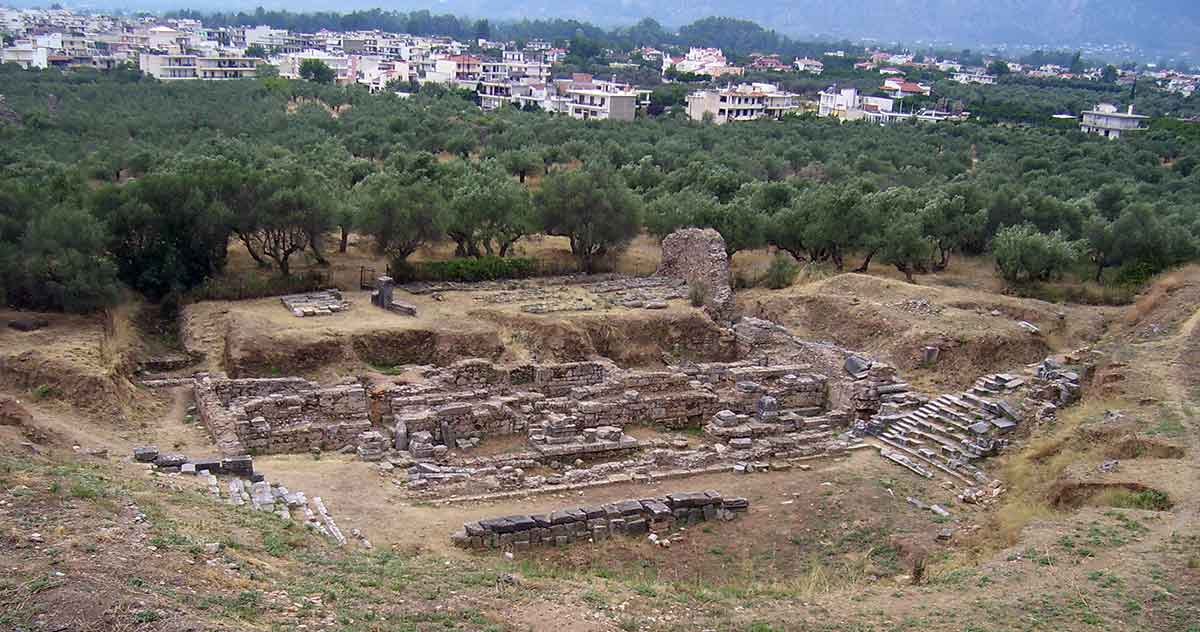
If there was no significant advantage for the Spartans going into the war, perhaps their strategy brought them victory. In the early years of the war, this was certainly not the case. The Spartans started the war with a traditional and simple strategy that the Athenians easily negated.
The Spartans began the war using their superior hoplite army to invade Attica. They had no way to breach Athens’ walls, but the Peloponnesians could devastate the countryside and amass at least twice the number of men as the Athenians. The Spartans hoped the Athenians would either refuse to fight and negotiate or meet the Spartans on their terms and lose. Instead, the Athenians did neither. Safe behind their walls and supplied by their fleet, they waited out a series of annual invasions. Crowding into the city did contribute to a devastating plague in Athens, but the Spartan strategy failed. Athenian raids on the Peloponnesian coast brought results and the first decade of the war ended in a stalemate.
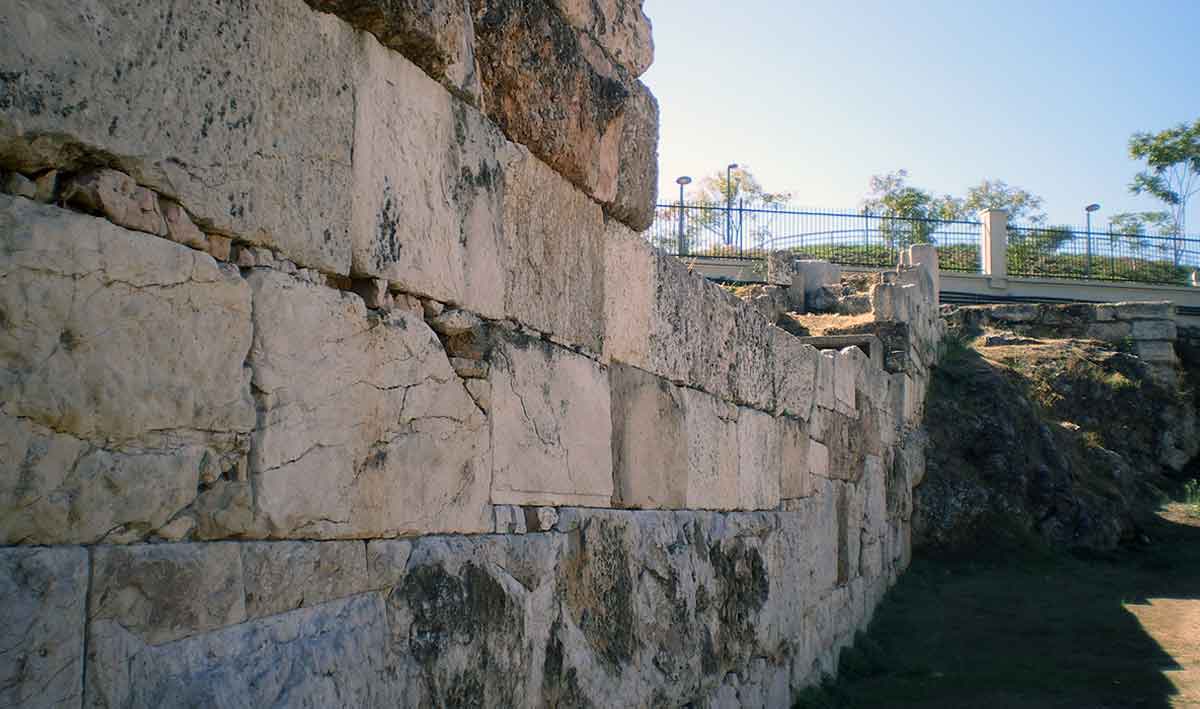
At the end of the first decade, the Spartan position was precarious. Their ineffectiveness was alienating allies, leading the Athenians to try and step into the Peloponnese. This was checked at the Battle of Mantineia in 418 BC, which restored Spartan prestige, but they needed a new approach.
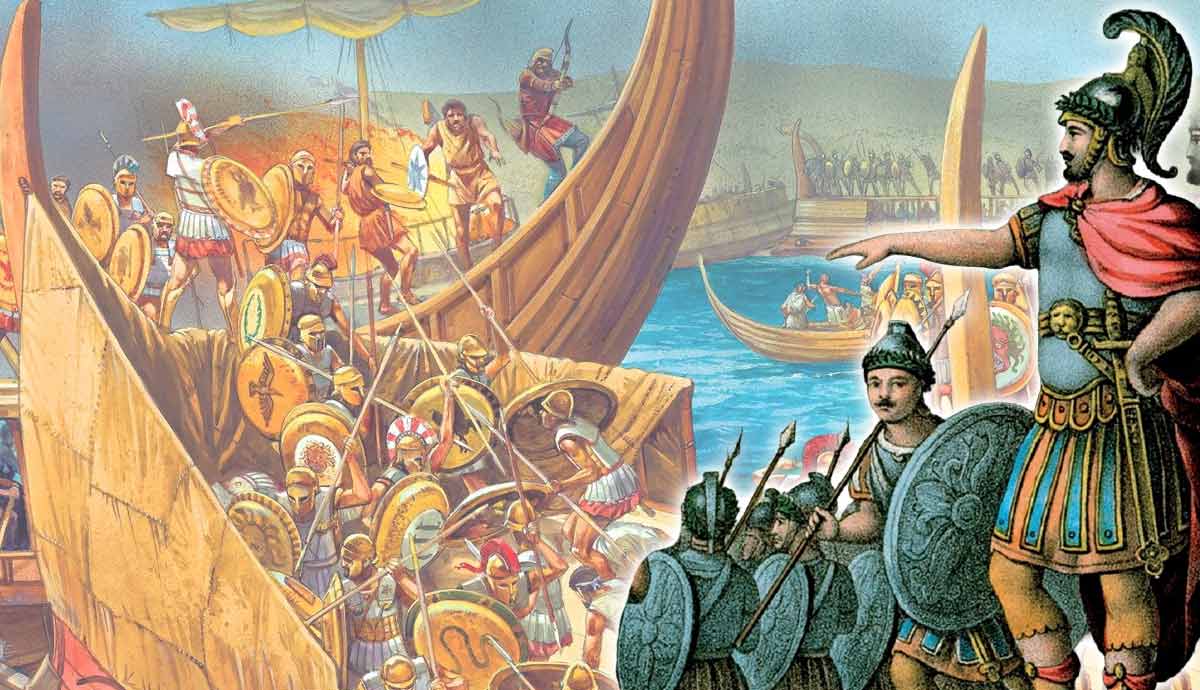
They could not destroy Athens directly, so they had to weaken the Athenian empire. Since that empire was composed of islands and coastal cities, that meant building a fleet. It took years for the Peloponnesians to build a fleet capable of challenging the Athenians. Even as the balance of power started to shift at sea, the Athenians continued to win a string of battles. However, by the last decade of the century, Athens was only ever one defeat away from catastrophe. That defeat came at the Battle of Aegospotami in 405 BC.
It took decades, but the Peloponnesians learned how to fight at sea. Sparta produced an admiral, Lysander, capable of bringing victory. Switching from a strategy of directly attacking Athens to taking away the fleet and empire that supported it worked. However, the success of that strategy rested on several other factors.
Athenian Mistakes and Political Chaos
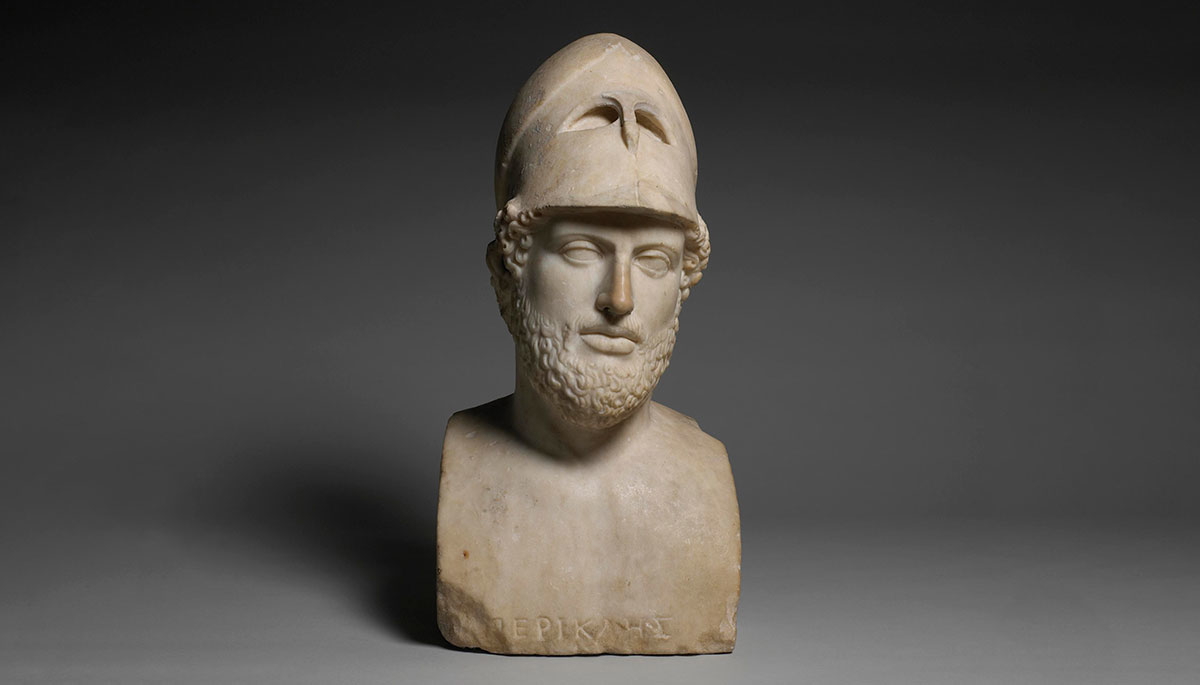
A good case can be made that Athenian mistakes decided the war. The initial Spartan strategy of invading Attica failed because the Athenians adopted an effective response. Thucydides (1.141) has the Athenian politician Pericles outline this strategy in his account of the conflict. The Peloponnesians could not win if the Athenians refused to meet them in a hoplite battle.
The Athenian fleet would keep them supplied and safe and could raid the Peloponnese in response. It would be difficult to watch the Peloponnesians devastate their countryside and not react, but they would be safe. The strategy came with a warning. Everything depended on the fleet, and so it must be kept safe. There could be no adventurous moves to expand the empire during the war.
Pericles was a victim of his own strategy as he died of a plague made worse by the overcrowding in Athens, but the approach was a success. The result of the first decade of war was not an Athenian victory, but it successfully undermined Spartan prestige. An attempt to exploit Spartan weakness by stepping into the Peloponnese failed at Mantineia in 418 BC. Then came the Sicilian Expedition.
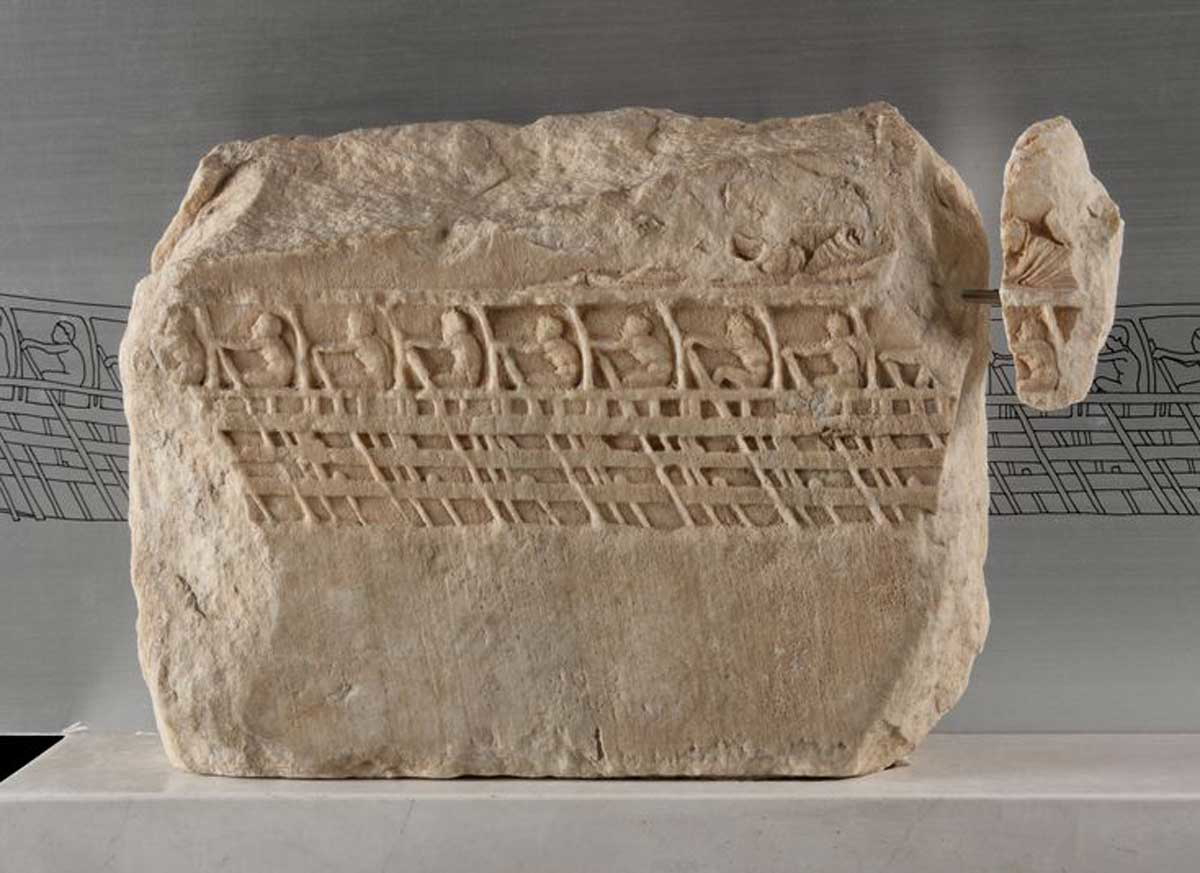
Between 415 and 413 BC, the Athenians sent two large forces on an ill-defined mission to Sicily. It did not begin as an ambitious attempt to conquer the island’s largest city, Syracuse, but that is what it became. When the expedition turned into a major disaster, the balance of power shifted dramatically.
The Athenians had risked, and lost, hundreds of ships, thousands of soldiers and sailors, and some of their best leaders. The last decade of the war was a desperate attempt by the Athenians to hold on as subjects revolted, money ran out, and the Peloponnesians gained more experience at sea.
Political divisions in Athens threw in another element of chaos. Remarkably, the Athenians continued to fight and win naval battles. However, following a heroic effort to scatter a Peloponnesian fleet at the battle of Arginusae in 406 BC, the Athenians turned on their victorious generals. A year later, the poorly led fleet was finally defeated by the Peloponnesians, and Athens was forced to surrender.
A Matter of Money: Military Spending
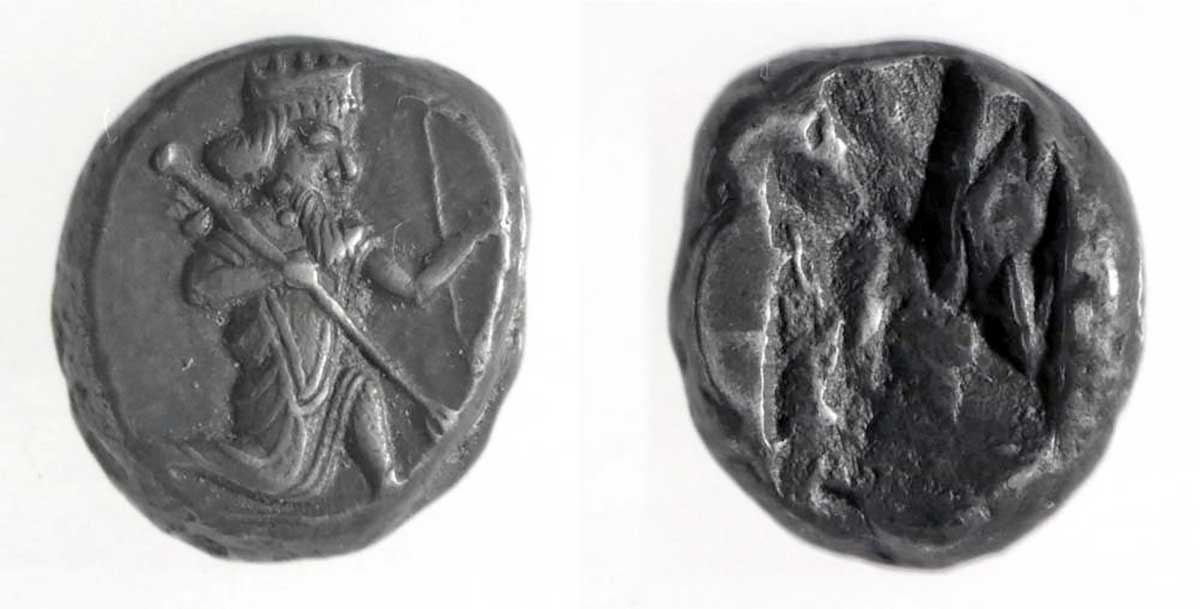
In his account, Thucydides (1.80) had the Spartan king Archidamus state that war is a matter of money. Initially, this favored the commercial city of Athens with its tribute-bearing empire. Building and maintaining a fleet of wooden warships and employing the thousands of sailors to man it was far more expensive than assembling a hoplite army. For years, the capital-poor Peloponnesians found it difficult to construct a fleet and had little opportunity to earn the experience needed to challenge Athens. That changed with the intervention of the Persian Empire.
The Peloponnesian fleets that eventually wrestled control of the seas from Athens relied on Persian funds. Athens’ defeat in Sicily and the subsequent rebellions of its subjects encouraged the Persians to fund the Spartans’ bid to overthrow the power that had taken the Aegean from them. Initially, Persian support was haphazard and conducted through the satraps, the local governors in the provinces bordering the Greek world. The defeat of Athens would be good for Persian policy and allow them to retake the Aegean coast, but restricting funds to prolong the war was even better. Allowing the Spartans and Athenians to weaken each other worked for a few years.
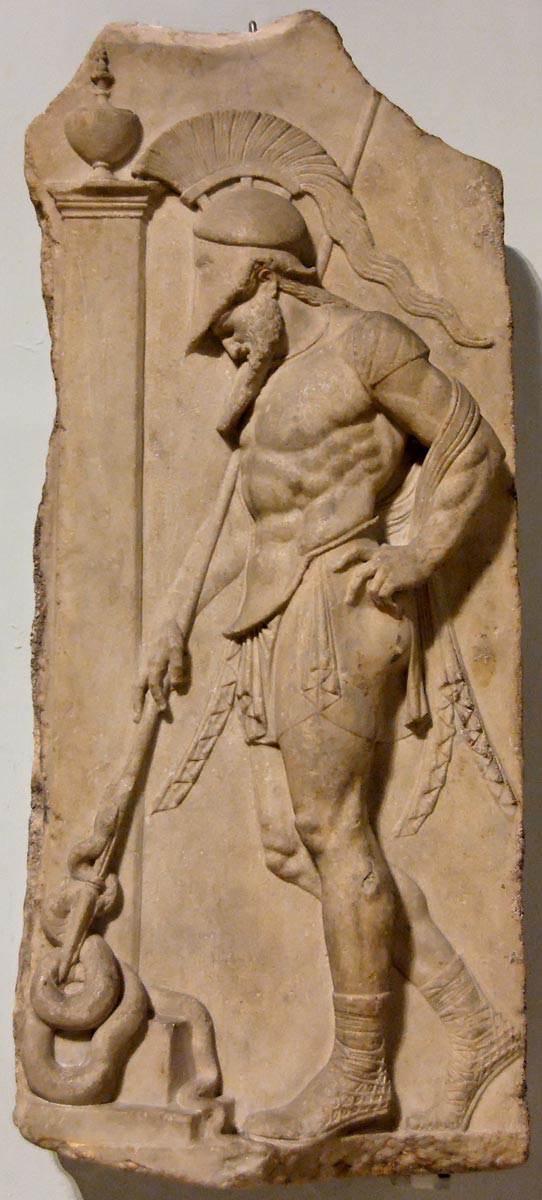
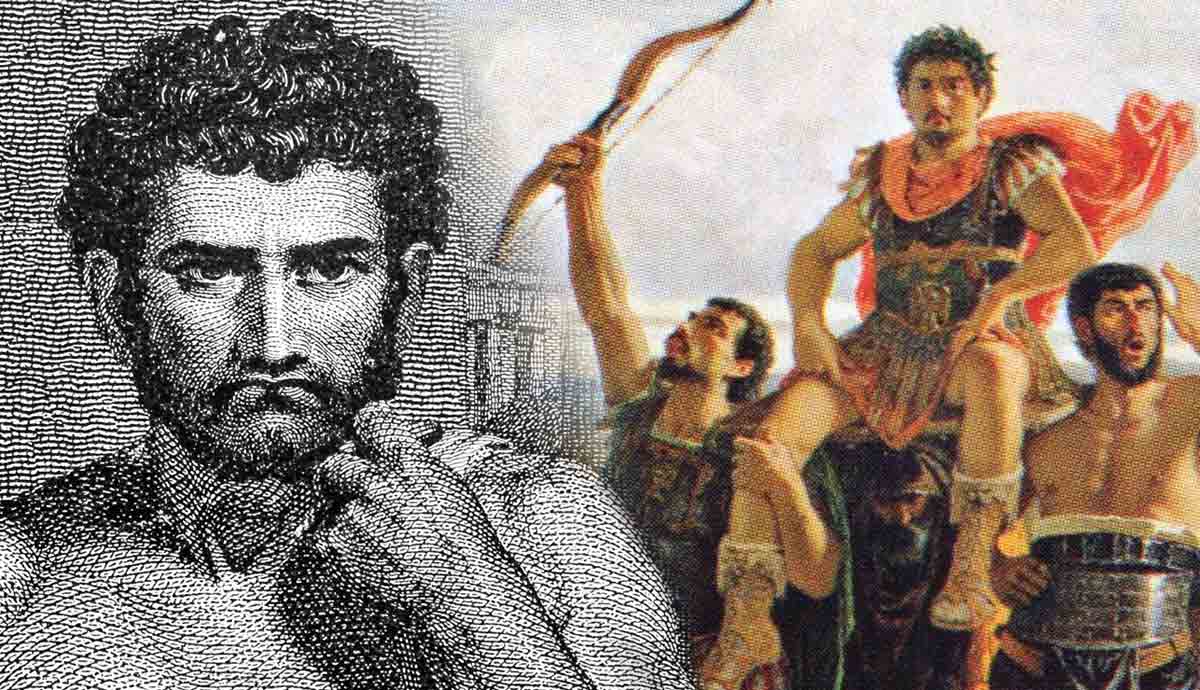
A policy change came with the arrival of the Persian prince Cyrus. He struck up a relationship with the Spartan general Lysander and saw long-term personal benefits in winning friends in the Greek world. The calculation was simple. Cyrus saw that the Athenians could still dig deep, man a fleet, and defeat the Peloponnesians, but they had reached the limit of their resources. However, as long as Persian gold flowed into Sparta, it could employ better sailors and rebuild lost fleets, letting them beat Athens in a battle of resources. Without Persian funds it is unlikely the Spartans could have continued the war long enough to achieve final victory.
Propaganda: Winning Hearts and Minds
As the Greek world divided between Sparta and Athens, it was the former’s message of the liberation of Greece from Athenian domination that was the more persuasive propaganda.
During the 5th century BC, the Athenians had converted an anti-Persian alliance into a form of empire. Coercion replaced cooperation as tribute was extracted and rebellions crushed. Both sides committed massacres during the war, but the Athenian slaughter of the people of Melos and their threats to do the same elsewhere are still remembered. Their aggressive moves abroad, particularly the invasion of Sicily, painted the picture of a power bent on expansion.
A telling moment came in the 420s. The Spartan general Brasidas was one of the first to emphasize the message of liberation. With promises and fair treatment, he won over many Athenian subjects in the northern Aegean, providing a template for later Spartans to follow. The Athenian threat to massacre rebellious subjects in the region was not an effective counter.
Ideological tensions also played a role. The Athenians represented democracy and probably had some support amongst the mass of people in the Greek world. The Spartans stood for oligarchy and had the natural sympathy of the elites and better off, even in Athens itself. The Athenians never really managed to spread democracy amongst Sparta’s allies. The Spartans, on the other hand, always had a chance of elite sympathizers bringing over a city. Once a city rebelled, it would be risky to submit to the notoriously vengeful Athenians.
Sparta’s message of liberation helped their war effort, but it did not outlast the war. The price of Persian support was sacrificing the Greeks of the eastern Aegean coast to Persia. When the Spartans started to craft their own empire out of the ashes of Athenian power, they quickly became the next tyrant to tear down.
A Spartan Victory or an Athenian Defeat?
The Spartans won the war because, over the course of decades of conflict, they were able to move into their enemies’ territory, the sea, whereas the Athenians never managed to move onto theirs, the land. The Spartans started as a land power, but the final decisive battles were all at sea.
Athenian attempts to remove Spartan allies all required battles on land. The Athenians did attempt this by attacking the Boeotians at the Battle of Delium in 424 BC and trying to build a network of allies around Argos in 418 BC. Both those initiatives failed. Sicily can be seen as an attempt to gain more allies and resources to tip the balance. That too failed, though any of those attempts could conceivably have succeeded.
Athenian mistakes opened an opportunity for the Spartans, which they seized thanks to Persian funds and persuasive propaganda. Thucydides at least believed there was a deeper reason for those mistakes.
One of the reasons why Thucydides is so renowned as a historian is his claim to identify deeper causes behind events. For instance, he stated that the real reason for the war was not the events that triggered it but Spartan fear of the growing power of the Athenians (1.23.6). While Thucydides never finished writing his history of the war, we can detect a similar method for determining its result.
Having explained Pericles’ cautious strategy of not directly engaging the Spartans and not risking the fleet, he explains why this broke down. For Thucydides, Pericles was the only politician capable of keeping the Athenians on this difficult but sensible road. Once he died, successive politicians allowed personal ambition to start directing policy with disastrous results (2.65.7). There is a clear hint of an anti-democratic argument here as Thucydides believes only a capable leader like Pericles could curb the dangerous will of the masses.
Whether it is necessary to blame democracy itself or not, it is hard not to see Athenian mistakes as the ultimate explanation for the result of the war. The Spartans deserve credit for exploiting Athenian errors, but it was certainly those mistakes that opened the door.
Sources
- Hanson, V. D. (2005). A War Like No Other: How the Athenians and Spartans Fought the Peloponnesian War. Random House.
- Kagan, D. (1974). The Archidamian War. Cornell University Press.
- Kagan, D. (1986). The Fall of the Athenian Empire. Cornell University Press.
- Tritle, L. A. (2010). A New History of the Peloponnesian War. Wiley-Blackwell.