
Aegospotami was one of the most decisive battles of the ancient world. In an afternoon, the decades-long war between Athens and Sparta was suddenly resolved. While we know the outcome, we cannot be certain how this important day unfolded. Our accounts differ and have left historians guessing for centuries. What might have happened on that fateful day that ended the Peloponnesian War?
The Ionian War
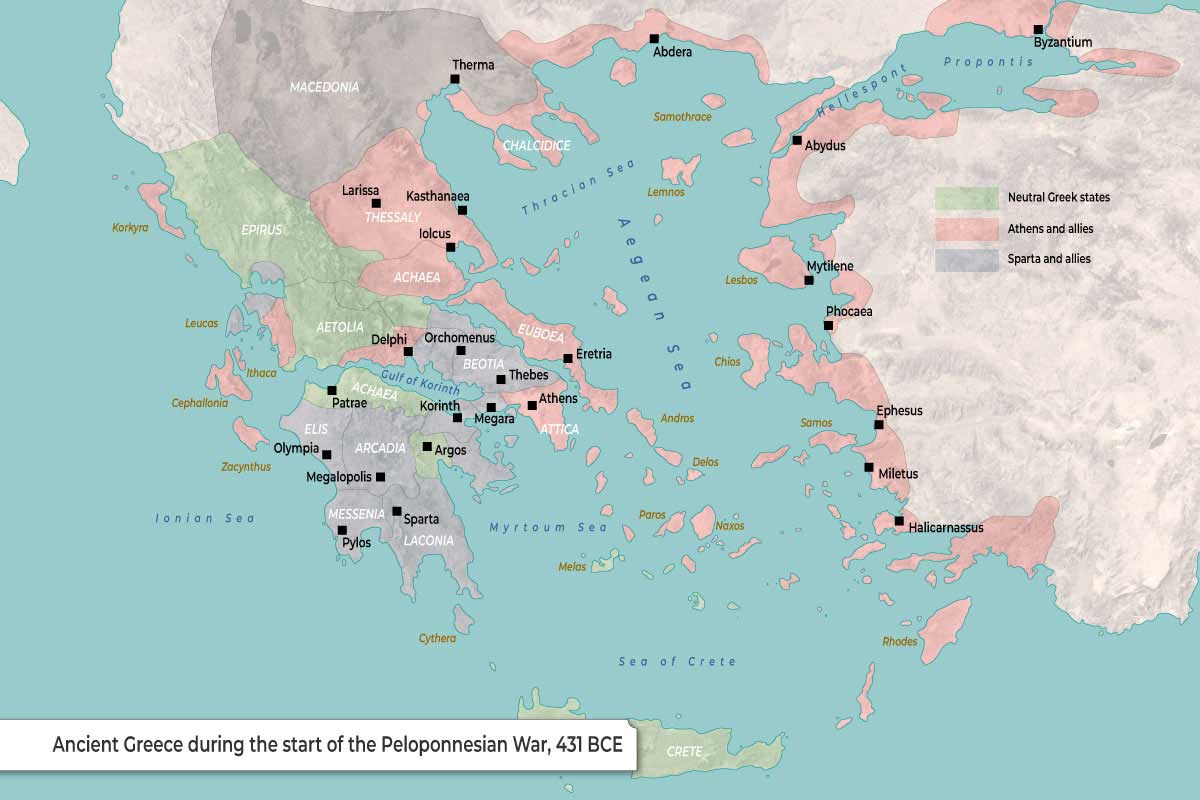
The conflict between Athens and Sparta led to the Peloponnesian League dominating Greek politics during the 5th century BC. The former allies became rivals as the Athenians built a powerful maritime empire in the Aegean. From 431 BC, the land-based Spartans were locked in an increasingly bitter conflict with Athens. With their opposing powerbases, neither could defeat the other. Their war continued off-and-on for more than two decades.
By 405 BC, the Athenians had suffered numerous disasters but still clung on. Early in the war, the city was struck by plague as a Peloponnesian army confined the population behind its city walls. In 415 BC, the Athenians launched a major expedition to Sicily, only for a major slice of Athenian men, money, and ships to be lost. The end seemed near for Athens, and their allies and subjects revolted across the Aegean. But the Spartans were still not a sea power, and the Athenian fleet remained a potent weapon, winning a string of battles in the post-413 BC phase of the war, known as the Ionian War.
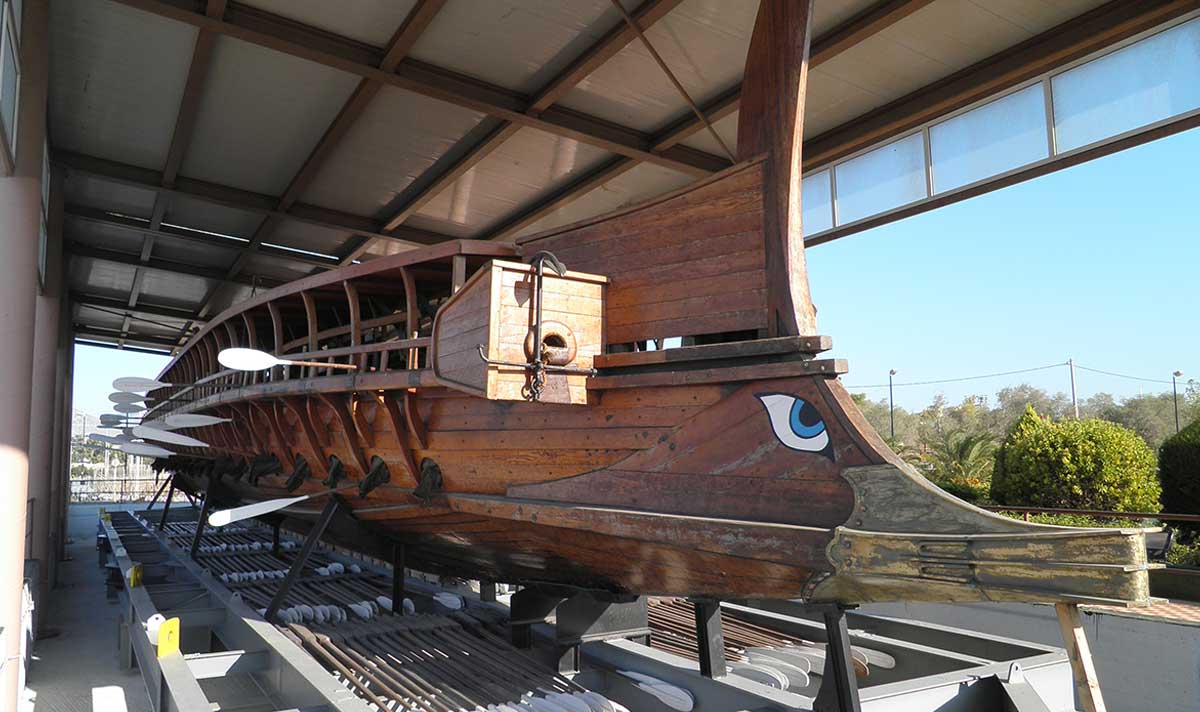
While Athens’ ability to hold on was remarkable, its position was extremely precarious. The Athenians could rebuild lost ships and try to prevent allies from revolting while scrapping together the money to pay for it, but there was no genuine prospect of defeating the Spartans. Sparta was now backed by the superpower of the day, the Persian Empire. This allowed Sparta to build its own fleets.
Lysander: Enemy at the Gates
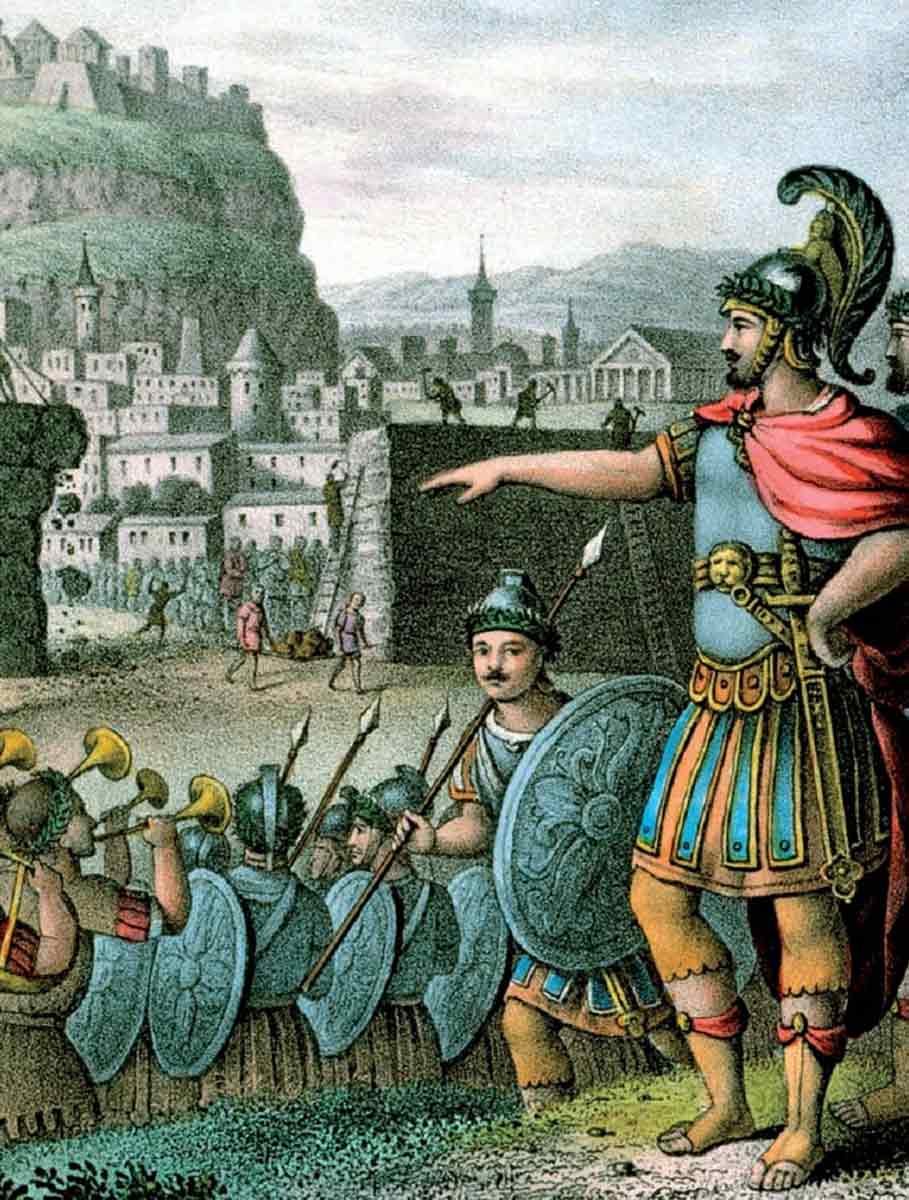
For 405 BC, Sparta’s allies, and most importantly, the Persian prince Cyrus, knew who they wanted in command: Lysander.
Lysander’s early career is largely unknown. Sources suggest both that he was part of the Spartan aristocracy and that he grew up in poverty (Plutarch, Lysander 2.1). This probably reflects Sparta’s rigid social class system; he was likely one step removed from the Spartan elite.
He quickly showed his talent and was appointed admiral of the Spartan fleet in 407 BC. During his year in office, he built good relations with Cyrus and won a small but politically significant victory at Notium. Tricks and bribery were said to be key to Lysander’s way of war, and he regarded oaths as merely a tool to cheat men (Plutarch, Lysander 8.4).
Sparta’s allies, including Cyrus, were keen to see the return of this effective commander in 405 BC. The Spartans had to bend their laws to make this happen. The office of admiral was only meant to be held once, so the Spartans officially appointed a man named Arakos as admiral, with Lysander as his vice-admiral (Xenophon 2.1.6). Arakos instantly disappeared from the narrative, and there was never any doubt who was leading the Spartan fleet.
Lysander’s good relationship with Cyrus quickly brought results. The young Persian prince was soon recalled to the heart of his family’s empire and removed from the scene, but he made sure to give Lysander as much money as he could spare. Rich as the Persians were, they were not simply going to keep paying for Spartan fleets forever. Lysander was no doubt aware he had to make use of the Persian-funded fleet while he could and that Sparta could not afford any more defeats. The Spartans had already offered peace following their defeat at Arginusae, as they seemed unable to break Athenian naval superiority (Kagan 1987, 376). It was the Athenians who ultimately rejected the offer, but both sides were now close to exhaustion.
To the Hellespont
Lysander had around 125-150 trireme warships (Kagan 1987, 382). It was better paid than the Athenian fleet and so easily attracted sailors for hire. The campaign of 405 BC started with a display of Lysander’s ruthlessness at Iasos, an Athenian ally in Caria (modern Turkey). When the city was taken, 800 men were killed, and the women and children were sold as slaves (Diodorus 13.104). After raiding the region around the Athenian home territory of Attica, Lysander sailed back across the Aegean, backing Spartan supporters and attacking Athenian allies.
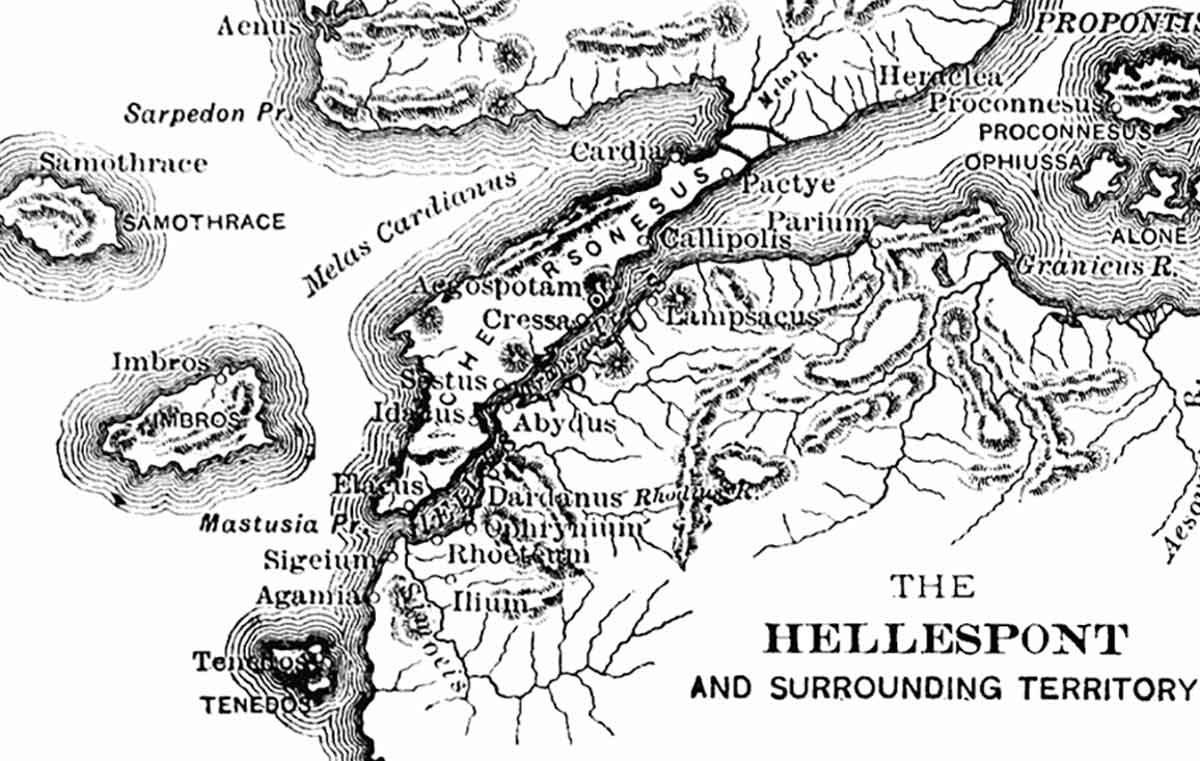
Lysander soon aimed for the jugular. The Hellespont (modern Dardanelles) was an area of vital interest to the Athenians. Attica was a large territory by the standards of Greek city-states, but it was difficult to feed the Athenian population of several hundred thousand from its soil alone. Grain from the Greek cities on the northern shore of the Black Sea was critical. But this trade route passed through the Hellespont. Here, Lysander could sit across a key supply line and starve Athens. When Lysander took the city of Lampsacus on the Asian shore of the Hellespont, the Athenians were left with no choice but to remove him as soon as possible.
Hearing of the attack on Lampsacus, the Athenians gathered all their available forces and sailed to confront Lysander with 180 triremes (Diodorus 13.105). Whereas Lysander was the sole leader of the Spartan fleet, the Athenians were led by six elected generals who rotated in command daily. Boards of generals were a common practice for the democratic Athenians, but the supply of capable commanders was running low (Wylie 1986, 126). Morale amongst those who served could not have been high.
The Athenians soured the victory at Arginusae by condemning and executing the victorious generals for apparent negligence when a storm prevented them from rescuing survivors. Of the six now in command, only one, Conon, had proven experience. The rest were mostly minor figures of limited experience, and one was notorious. In the Athenian assembly, Philocles had proposed mutilating the crews of captured enemy warships. When he captured two ships from Spartan allies, he threw the crews overboard.
The Stand-Off
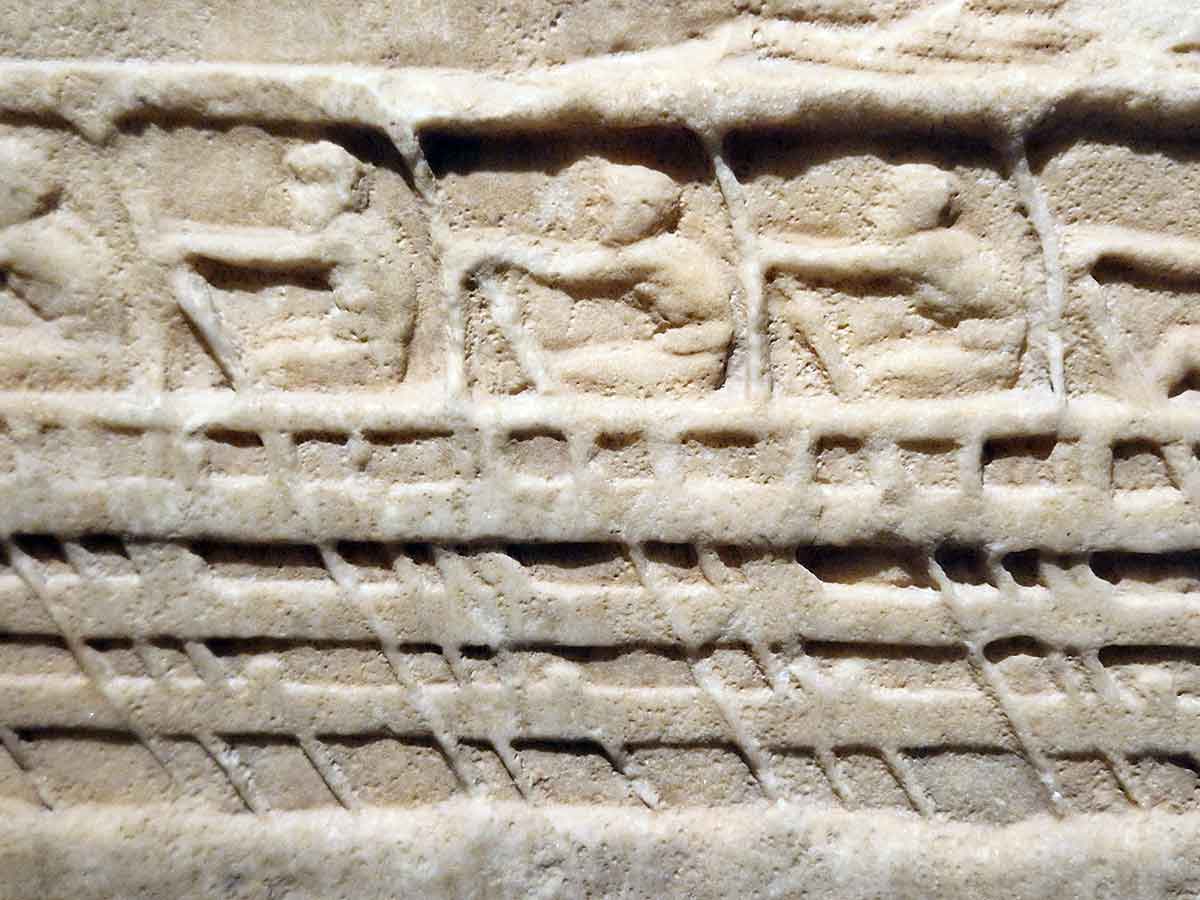
Lysander’s capture of Lampsacus was key to how the campaign unfolded. Triremes were cramped warships packed with rowers, so the crew had to disembark regularly to rest and eat. By capturing a city as a base for his fleet, Lysander ensured a safe place to get supplies. The Athenians were not so lucky. They could not let Lysander do further damage in the Hellespont, so they had to stay close to him. The only place to base themselves opposite Lampsacus was the beaches of Aegospotami on the European shore. With Sestos, 12 miles away, being the closest friendly city, the Athenians had to pull their ships up onto the beach at Aegospotami and search the countryside for supplies every day.
While the Athenian position at Aegospotami was far from ideal, the generals had little choice. If they withdrew to their supplies at Sestos, they would allow Lysander to sail away and do further damage (Kagan 1987, 388). The Athenians needed to bring Lysander to battle quickly. Therefore, for three days, they sailed up to Lampsacus to challenge him. Lysander, comfortable in a fully supplied city, was in no rush and refused battle.
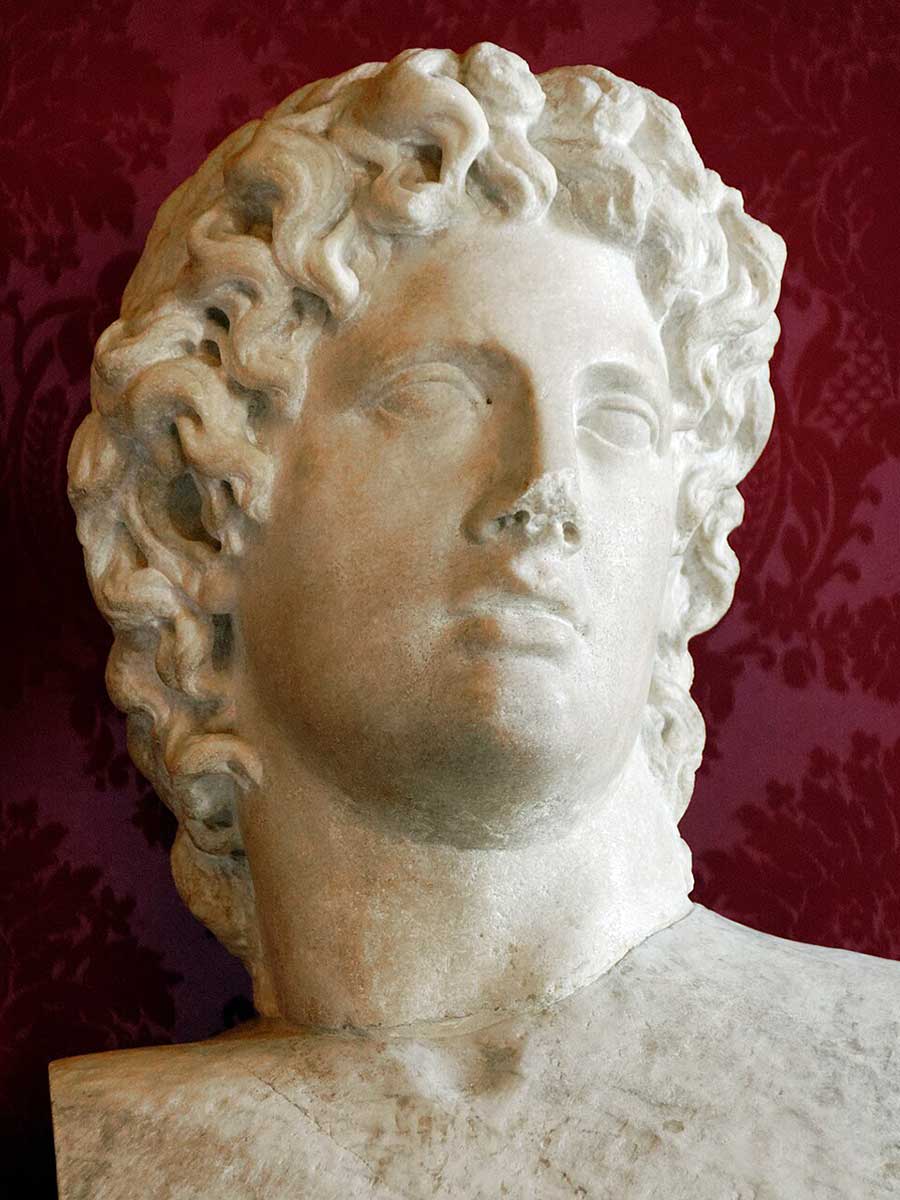
A key figure of the Peloponnesian War walked into this stalemate. As the stand-off continued, Alcibiades, an exiled Athenian aristocrat, entered the camp and offered advice to the generals. Alcibiades had once been a charismatic and bold Athenian leader but was now an exile. He had defected to Sparta, returned to Athens, and was then exiled again after the battle of Notium. In 405 BC, he was living on estates in the nearby region of Thrace.
At this point, our accounts of Aegospotami start to diverge. Xenophon (2.1.25), a contemporary but not always reliable source, states that Alcibiades advised the generals to move to Sestos, but that this obvious advice was dismissed. Diodorus (13.105), a later historian and also not entirely reliable, adds that Alcibiades offered to raise an army to support the Athenians. That offer was more useful than the advice, but Alcibiades had often made extravagant promises that went unfulfilled. He was again dismissed. Understandably, the Athenians dismissed the untrustworthy exile, but the extent of the danger they were in at Aegospotami would soon become apparent.
The Battle
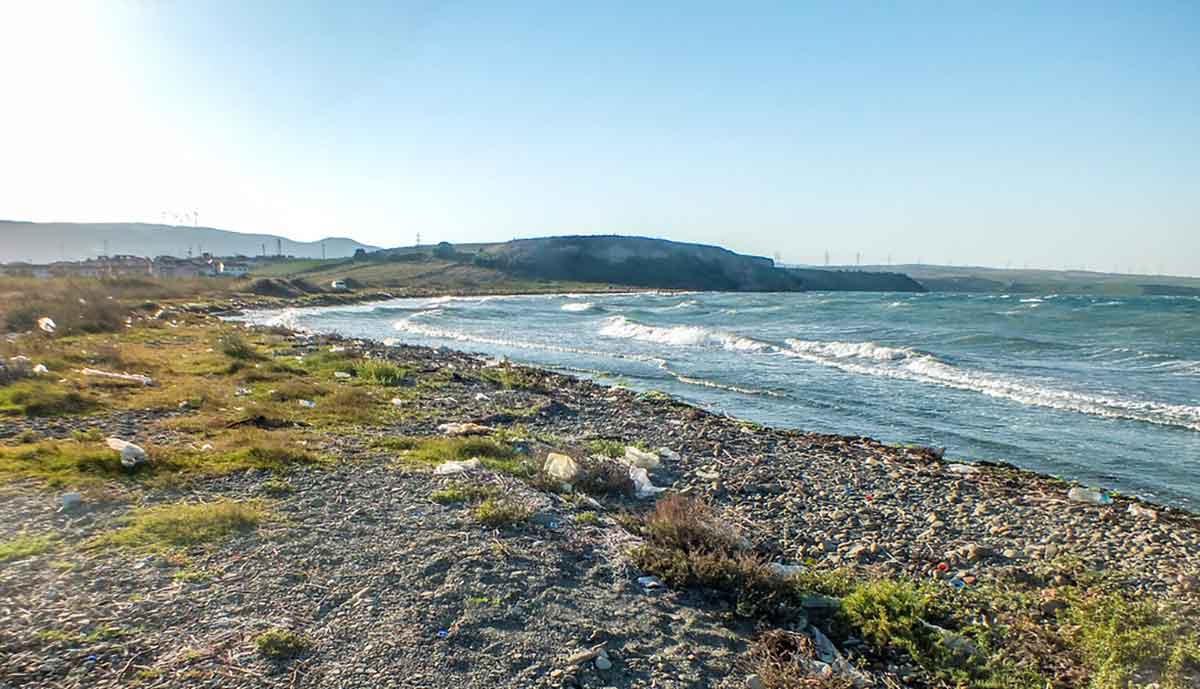
Unfortunately, Xenophon and Diodorus give slightly different accounts of what happened on the decisive fifth day of the stand-off at Aegospotami. The divergent accounts cannot be fully reconciled, meaning we will never be sure what happened that day. However, they do tell a broadly similar story.
According to Xenophon, Lysander had carefully observed the Athenians while refusing battle. He quickly saw an opportunity in their routine. Each day after he refused battle, they returned to Aegospotami, drew their ships up on the beach, and dispersed to find food and supplies. One of Lysander’s ships watched the Athenians on the fifth day and signaled back to Lampscus when the Athenians had dispersed. Lysander quickly launched his fleet, crossing the narrow strait in ten minutes (Wylie 1986, 135). Lysander was upon the unprepared Athenians before they could react. The Spartan fleet captured the Athenian ships and stormed the camp. Few Athenian ships managed to put to sea, and they could do nothing more than escape the disaster.
In Diodorus, the events play out a little differently. Philocles, in command that day, had set out alone with 30 ships, having been low on supplies (Diodorus 13.106). Lysander, somehow aware of the Athenian plans, pounced on the smaller squadron and routed it before sailing on and overwhelming the unprepared Athenians at Aegospotami. Philocles sailing out with just 30 ships while the rest of the fleet waited unprepared seems difficult to explain. It has been suggested that this was an attempt to start withdrawing to Sestos, or to lure Lysander out (Kagan 1987, 389). The Spartans’ apparent knowledge of the plan perhaps explains why Lysander quickly defeated Philocles and caught the rest of the fleet off guard.
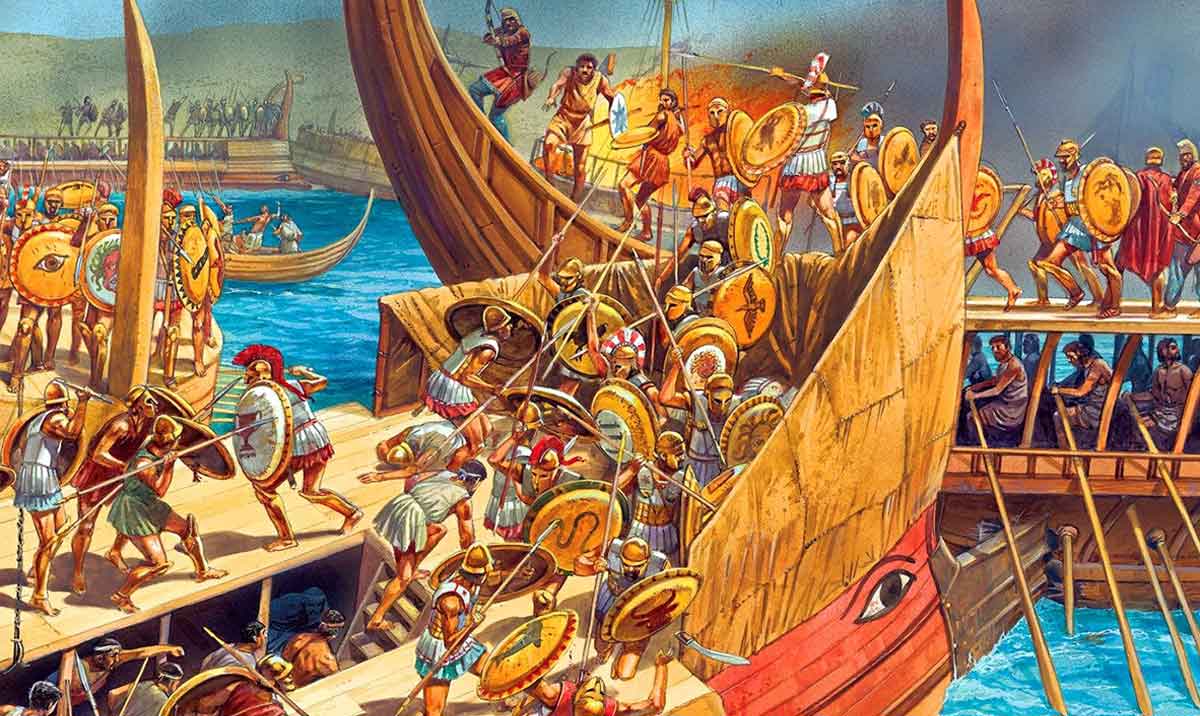
What unites the two accounts is that few Athenian ships even managed to get into battle, and most of the fleet was captured in a surprise attack on Aegospotami. There were attempts later in Athens to say that some ships did get into battle that day, but this has been dismissed as a later gloss on an embarrassing disaster (Kapellos 2012, 100).
Accusations of betrayal soon gained currency. Adeimantus, one of the six generals, appears in several sources as a traitor alongside others, including Alcibiades. Treachery would help explain Lysander’s success and accord with the belief that such methods were a part of his way of war.
However it came about, the fifth day at Aegospotami saw the destruction or capture of almost the entire Athenian fleet. After decades of fighting, there was now nothing left between the Spartan forces and Athens.
Aftermath of the Battle
As with the battle, there is a dispute over the fate of the Athenian prisoners. Philocles, the man who had proposed the harsh treatment of enemy prisoners, was certainly executed. Adeimantus, adding fuel to the rumors of his betrayal, was spared. Xenophon (2.1.31) and Plutarch (Lysander, 13.1) claim that up to 3,000 Athenian prisoners were killed following a debate amongst the Spartan allies.
Lysander now sailed through the Aegean, rolling up the remains of the Athenian Empire. Athenian garrisons were dispatched back to Athens to swell the population that would soon be under siege. On land, Peloponnesian armies surrounded the city while Lysander cut off supplies from the sea. Admirably and no doubt fearing that the destruction unleashed across the Greek world over the last 26 years of war was coming home, the Athenians manned their defenses and withstood the siege. By late 405 BC, supplies were running low, and negotiations got underway.
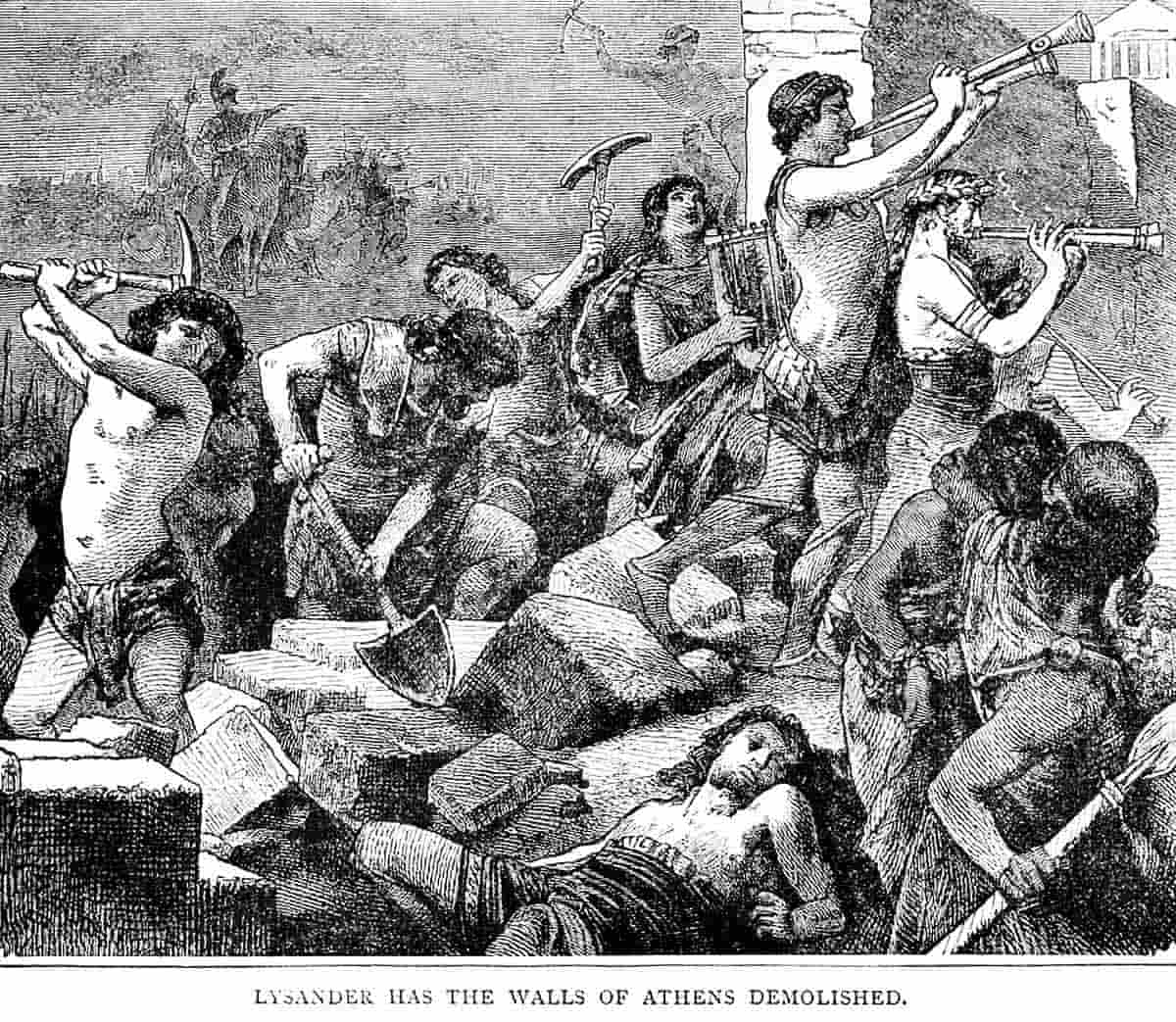
It was not until early 404 BC that the war finally ended. The Athenians were reluctant to surrender unconditionally and eventually earned some concessions. Their once-supreme fleet was gone, the walls that had frustrated the Spartans for decades were torn down, and the Athenian democracy was replaced by a pro-Spartan oligarchy. The Athenians at least escaped the destruction of their city, which some Spartan allies called for.
The Peloponnesian War did not, in the long run, resolve anything for Greece. The Athenians restored democracy and were battling the Spartans again before long. However, they never fully recovered the power that was finally lost that afternoon at Aegospotami.
Sources
- Kagan. D. (1987). The Fall of the Athenian Empire. Cornell University Press.
- Kapellos, A. (2012). “Philocles and the Sea-Battle at Aegospotami (Xenophon Hell. 2.1.22–32)” Classical World, vol. 106, no. 1, pp. 97-104.
- Wylie, G. (1986). “What really happened at Aegospotami ?” L’antiquité classique, Tome 55, pp. 125-141.