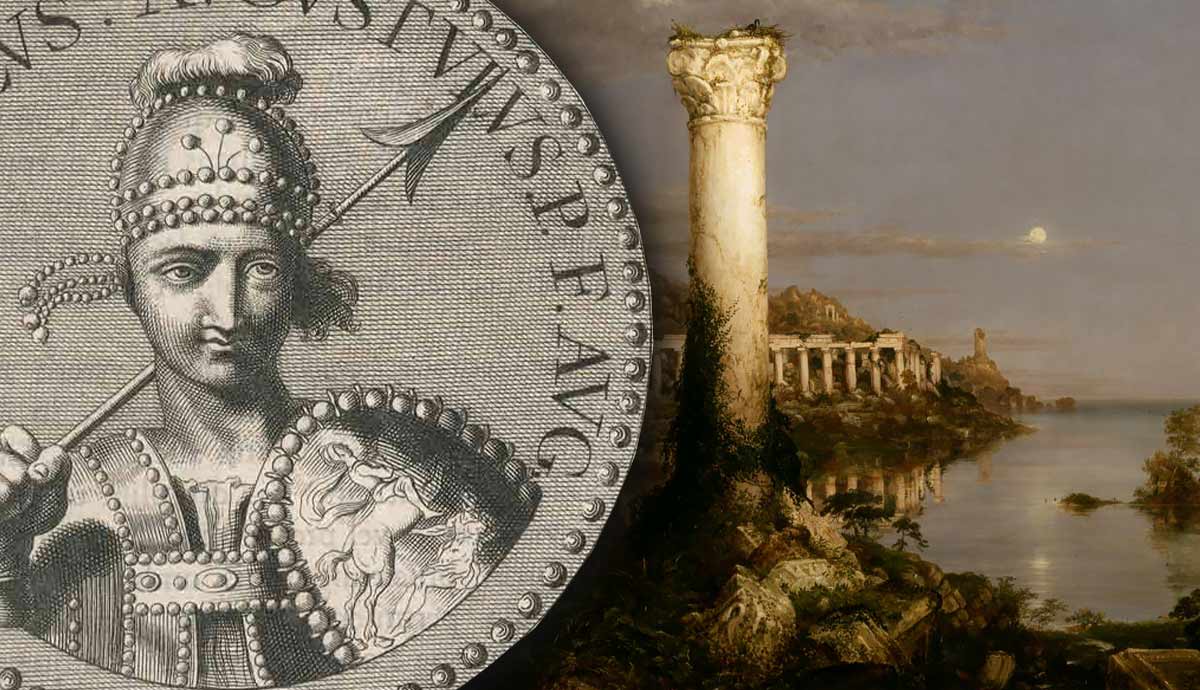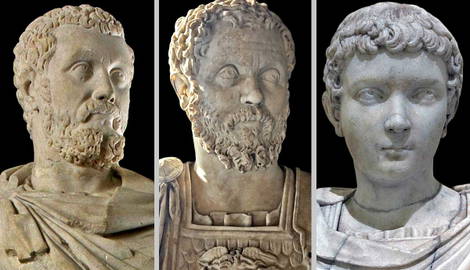

In February AD 197, the fields outside Lugdunum ran red with the blood of Roman soldiers. But it was not a barbarian invasion that threatened the Empire. Rome’s Golden Age, almost a century of political tranquility, died with Commodus on New Year’s Eve AD 192. The protracted civil war that followed culminated in this clash between the former allies Septimius Severus and Clodius Albinus in the largest battle in Rome’s history. When the dust settled, the ruthless military autocracy of the Severans reshaped the Roman world.
Rome’s Golden Age Ends in a Bloody Assassination
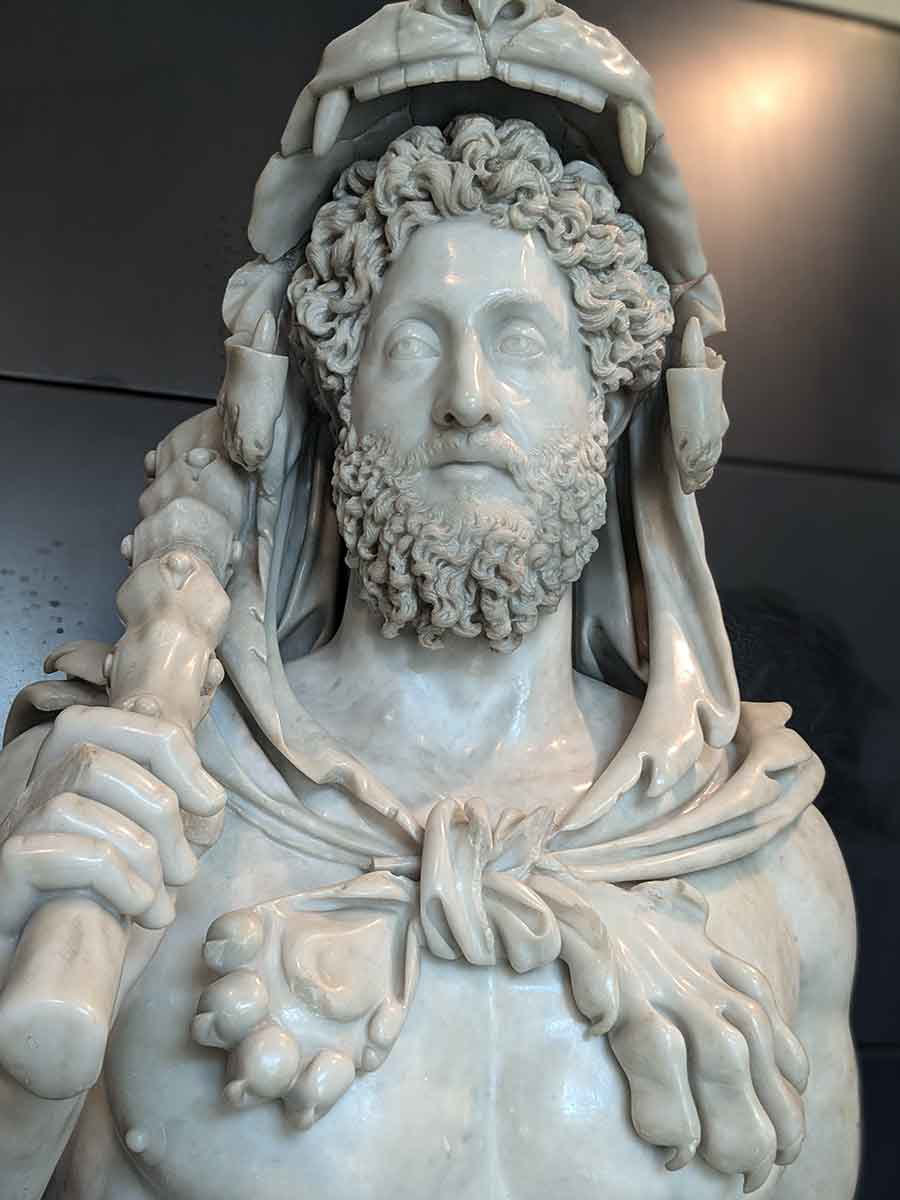
On New Year’s Eve AD 192, a cabal of Roman senators and other conspirators finally gathered the courage to strike against a tyrant. The victim of the plot was the emperor Commodus. Famous to modern audiences as the villain of the Hollywood blockbuster Gladiator, he had slowly descended into megalomania for the latter part of his 12-year reign. He was increasingly cruel with delusions of grandeur that went far beyond an obsession with the gladiatorial arena. Reputedly, he was even planning to rename Rome itself as Commodiana!
On December 31, drunk and bloated as he wallowed in his bath, Commodus was poisoned. Unfortunately for the conspirators, the emperor survived and managed to purge his body of the toxins. However, in his weakened state, he was an easy target. Narcissus, a powerful young wrestler who was kept around Commodus’ court, was dispatched by the emperor’s mistress to finish the job. The wrestler strangled Commodus.
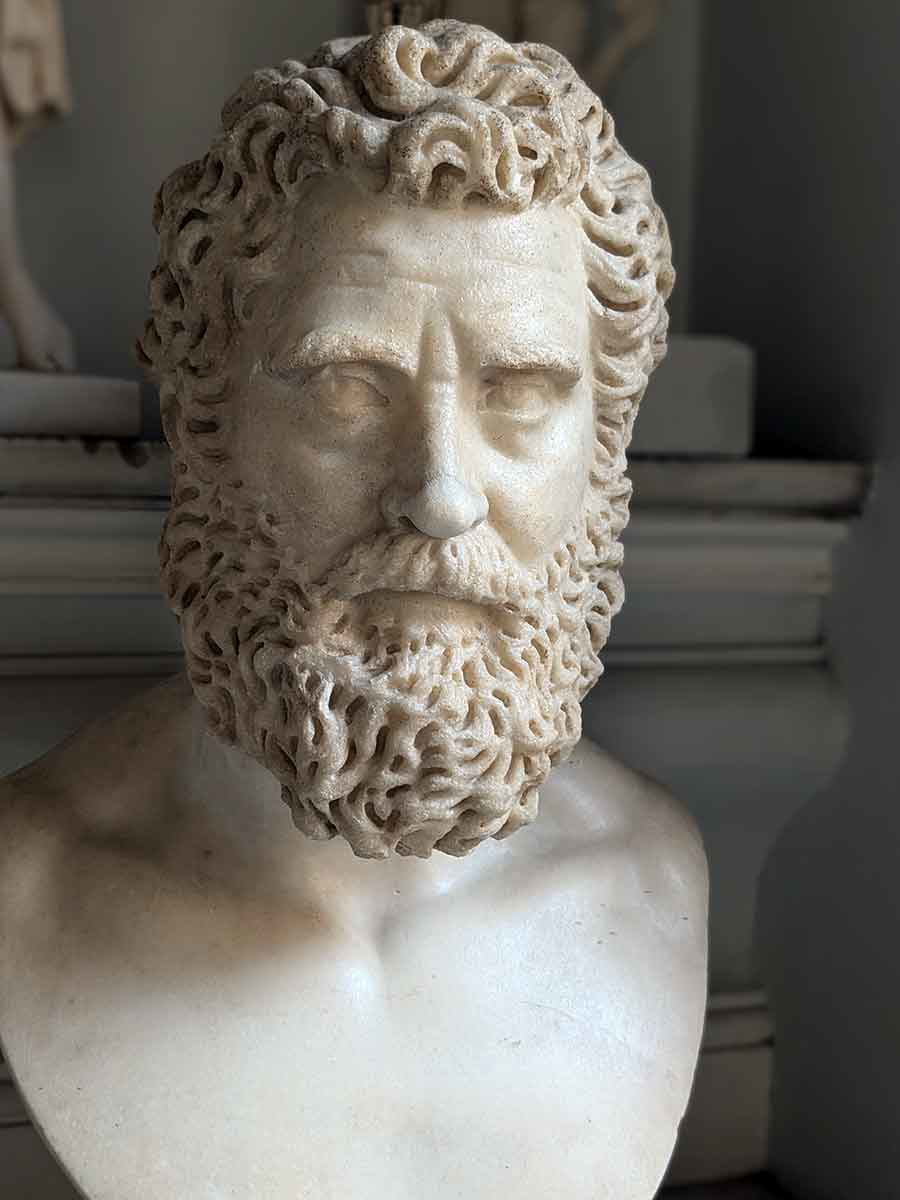
With his death, Rome’s so-called Golden Age came to an end. This was almost a century of political peace and stability that coincided with the reigns of the Antonine Emperors: Trajan, Hadrian, Antoninus Pius, and Marcus Aurelius. Commodus, Marcus Aurelius’ son, died with no heirs, creating a political vacuum.
Early on New Year’s Day, Rome awakened to a new emperor, the elder statesman, Publius Helvius Pertinax. While he was recognized by his fellow senators, he was otherwise unpopular, especially with the influential Praetorian Guards. The imperial bodyguards, accustomed to lavish pay and an easy life under Commodus, did not take kindly to the new emperor’s tighter control of their pay and privileges. Within three months, Pertinax was murdered by the disgruntled guards.
Rival Claimants to Imperial Power
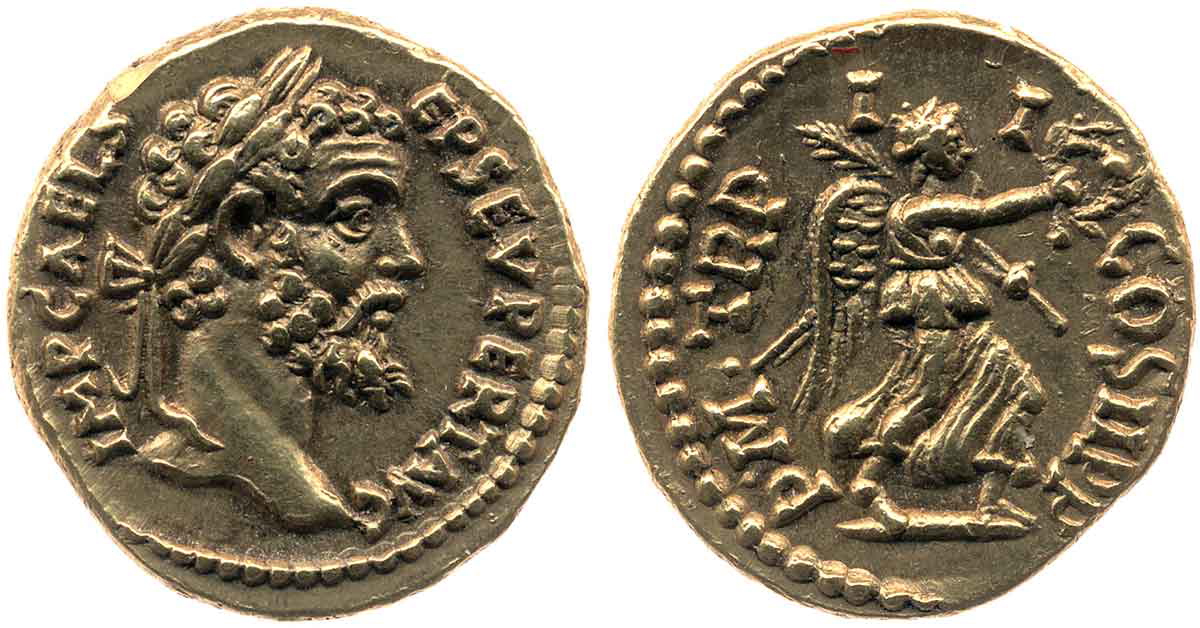
With the death of Pertinax, Rome descended into political chaos. The Praetorian Guards retreated into their camp, fearful of retribution, but also with the power to create the next emperor. Two men entreated them: Titus Sulpicianus and Didius Julianus. Each offered the soldiers increasingly higher sums of money.
This donative or cash payment was a typical gift offered by new emperors upon their accession. Despite this, the competitive character of the negotiations was grubby. The whole fiasco was later characterized as an auction for the empire. In the end, Julianus’ “bid” of 25,000 sesterces for each guardsman won, and he was welcomed into the camp and proclaimed emperor.
But while Julianus was in control of Rome, rival candidates for imperial power emerged around the Empire. In the East, the governor of Syria, Pescennius Niger, was acclaimed by his soldiers. When Julianus hosted public games in the Circus Maximus, rather than cheer him, the furious public hurled insults at him and chanted for the respected general Niger to take his place. In the West, the governor of Britain, Clodius Albinus, was also declared emperor. Between these two rivals, there was a third, Septimius Severus, the governor of Pannonia.
Septimius Severus Divides and Conquers His Rivals
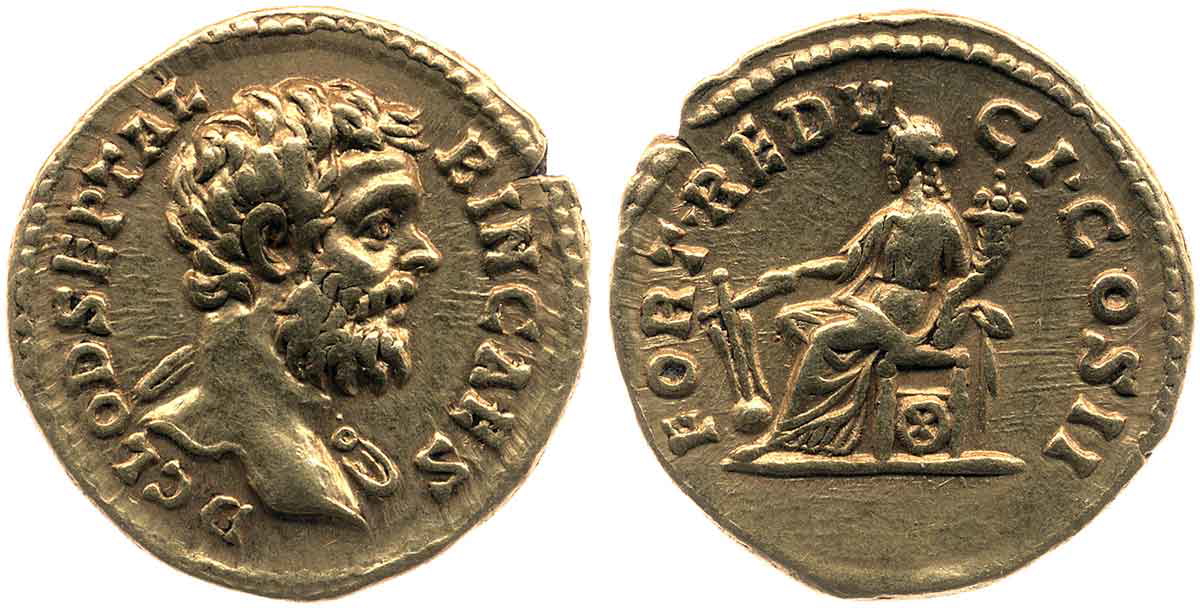
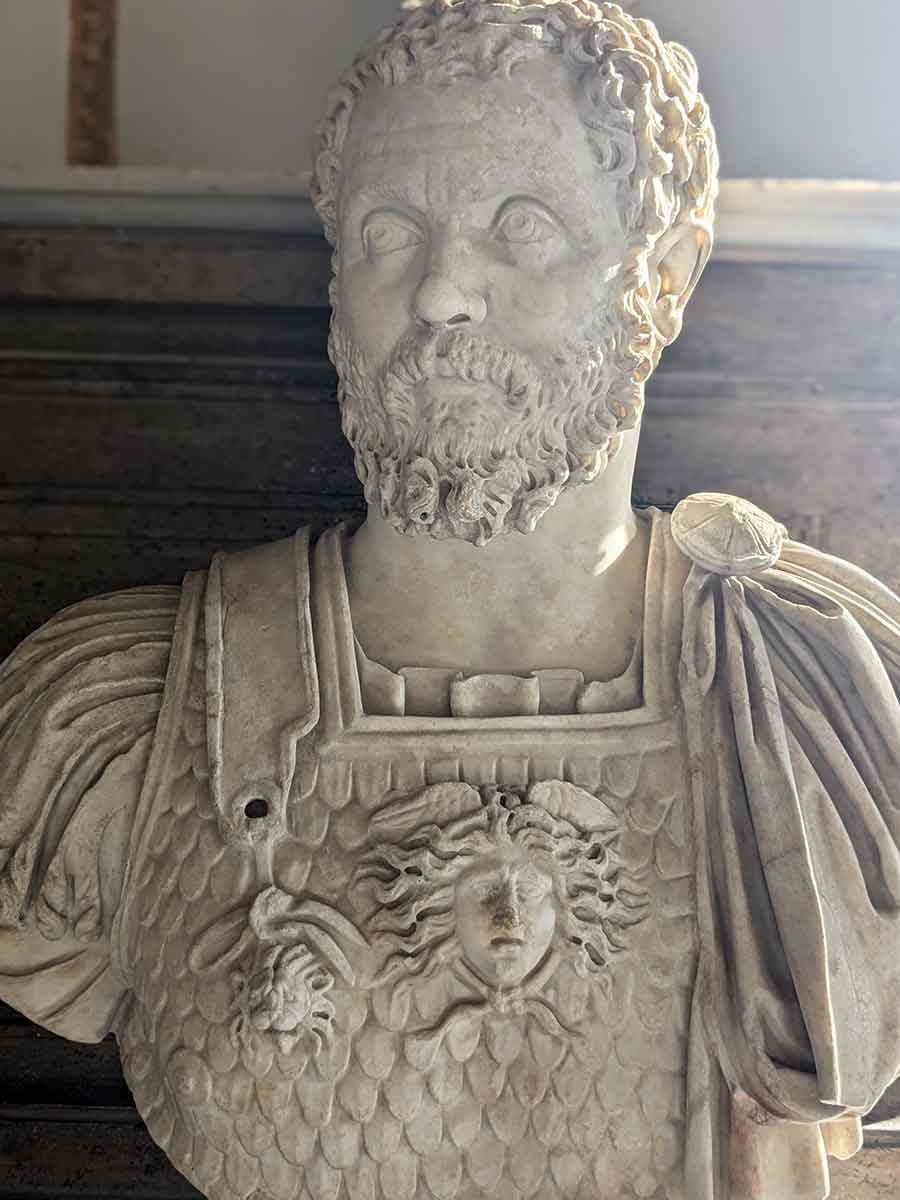
Of all of the imperial rivals, Severus was recognized as the shrewdest, not only by his contemporaries but also later by Machiavelli. He described the man as embodying the courage of a lion and the cunning of a fox. The governor of Pannonia knew that once Julianus was dealt with, there would be a conflict between the surviving rivals. Severus’ approach was one of divide and conquer.
First, he marched on Rome, where he promptly dispatched Julianus and the avaricious Praetorians who had “sold” the Empire. With the symbolic heart of the Empire secured, Severus made overtures to Clodius Albinus. An alliance between the two was formed, with Severus recognizing Clodius as his junior partner and “heir.” Crucially, no formal adoption took place. Nevertheless, Albinus started using “Severus” as part of his nomenclature. A dedication at Ostia refers to “Augustus Severus and Caesar Albinus.”
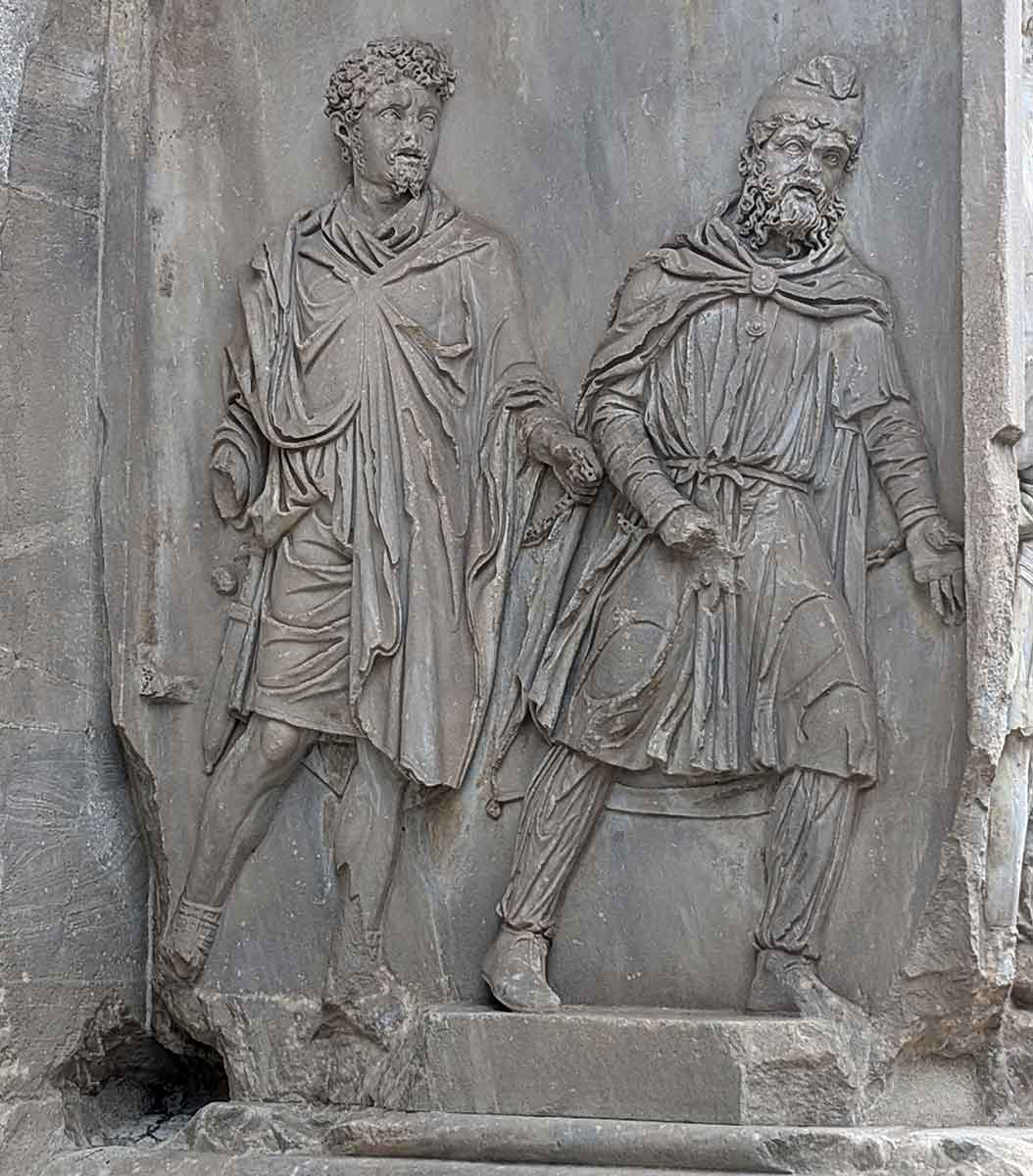
With Italy and the western provinces under his control, Severus turned his attention to Niger in the East. Notwithstanding a protracted siege of the city of Byzantium, which remained loyal to Niger, Severus defeated his eastern rival over the course of 193-194. The decisive battle was fought at Issus in spring 194, the same battleground on which Alexander the Great had defeated the Persians centuries before.
He then briefly campaigned against the eastern territories that had allied with Niger, including the Arabians and Adiabenes. Known as the First Parthian War, the strategic goals are hard to ascertain. Cassius Dio suggests the war was simply a means for Severus to gain further glory and wealth. Significantly, the campaign also allowed Severus to integrate Niger’s defeated forces into his own ranks. He would need all the fighting men he could muster for the battles that lay ahead.
The City of Lugdunum as a Setting for War
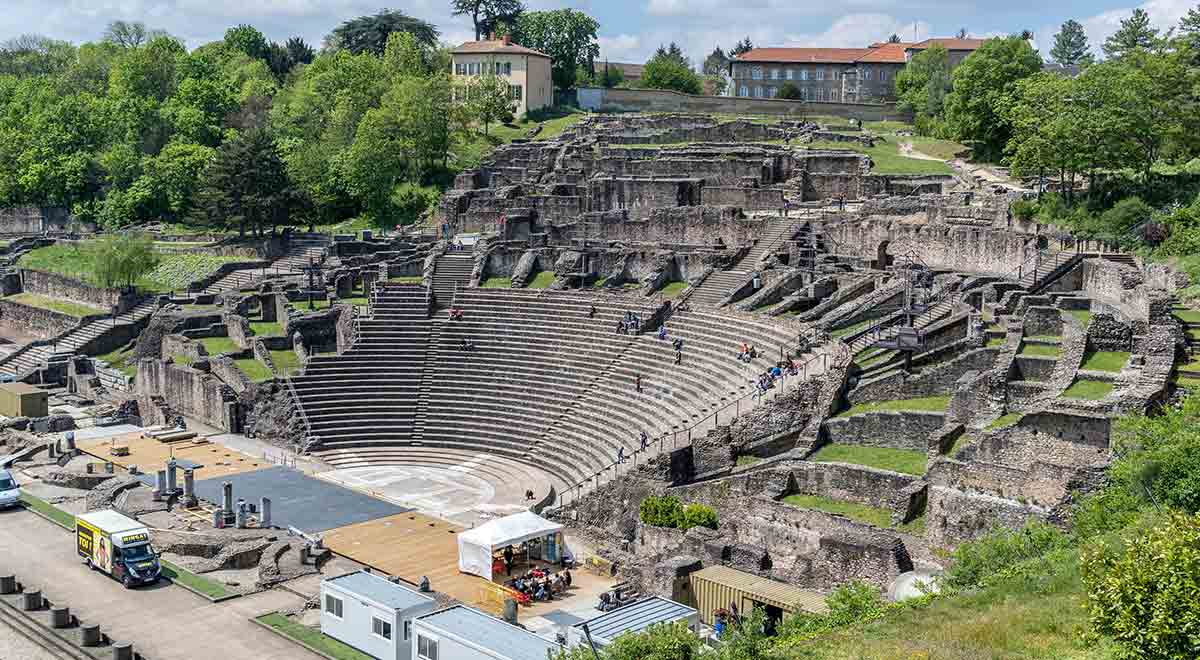
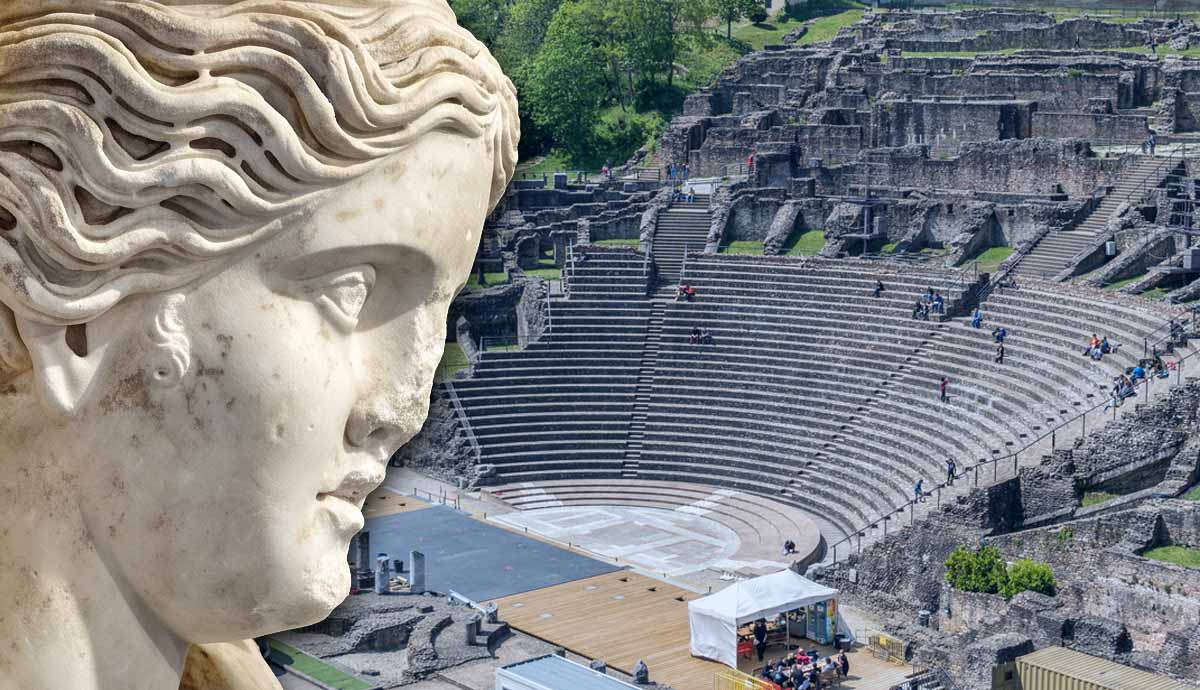
The city of Lugdunum, modern Lyon, was located in southern Gaul. Originally a Gallic settlement, a Roman city had been founded on the site in 43 BC by Lucius Munatius Plancus. Lugdunum rapidly became the administrative capital of the province of Roman Gaul. Its importance came, in part, from its position at the confluence of four major arterial roads, which connected it with important Gallic cities, Italy, and the German frontier and made it a commercial hub. Rome established a mint and an imperial cult altar in the city, confirming its importance.
Lugdunum was closely connected with numerous imperial figures throughout its history. During the Julio-Claudian dynasty, the city hosted Agrippa, Drusus , Tiberius, and Germanicus, who had all served in Lugdunum during their military careers. Claudius, the son of Drusus and a future emperor, was born in Lugdunum in 10 BC. These imperial connections greatly benefited the city, and the population boomed.
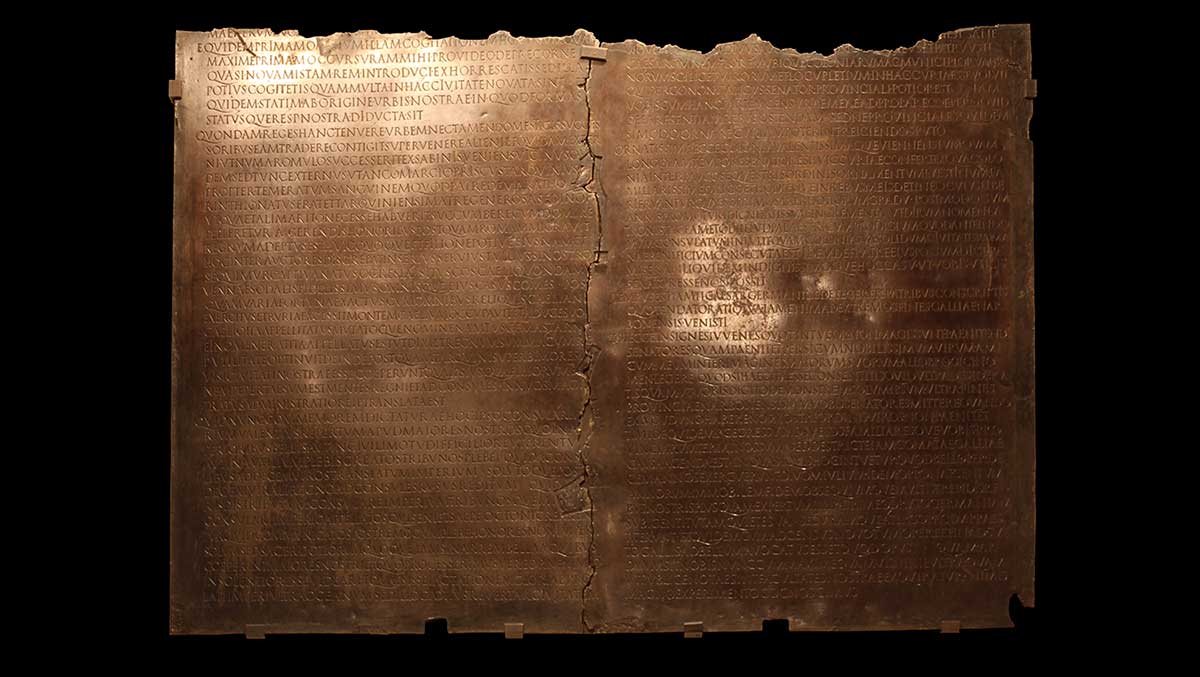
Fresh drinking water was poured into the city through four aqueducts, which supplied homes and public baths. Residents of the city were entertained by spectacles at the “Amphitheater of the Three Gauls,” the first amphitheater constructed in Gaul. The importance of the city was confirmed by Claudius’ so-called “Lyon Tablet.” This document records a speech delivered to the Senate in AD 48, also recorded in Tacitus’ Annals, which proposed to allow monied, landed citizens from Gaul to enter the Senate.
Heirs and Spares: The Break Between Severus and Albinus
Having defeated Pescennius Niger, absorbed his soldiers, and filled his coffers with loot, Severus was now primed to confront his sole remaining rival, whom he no longer needed. By late 196, it was clear to many observers that war was looming.
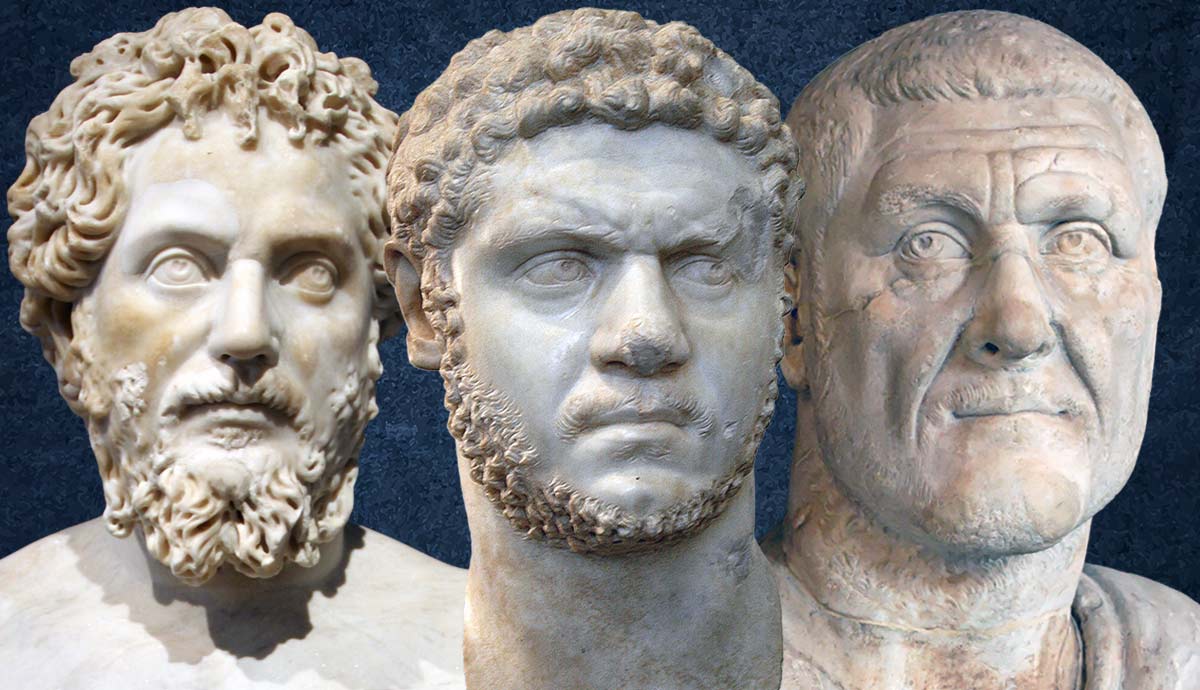
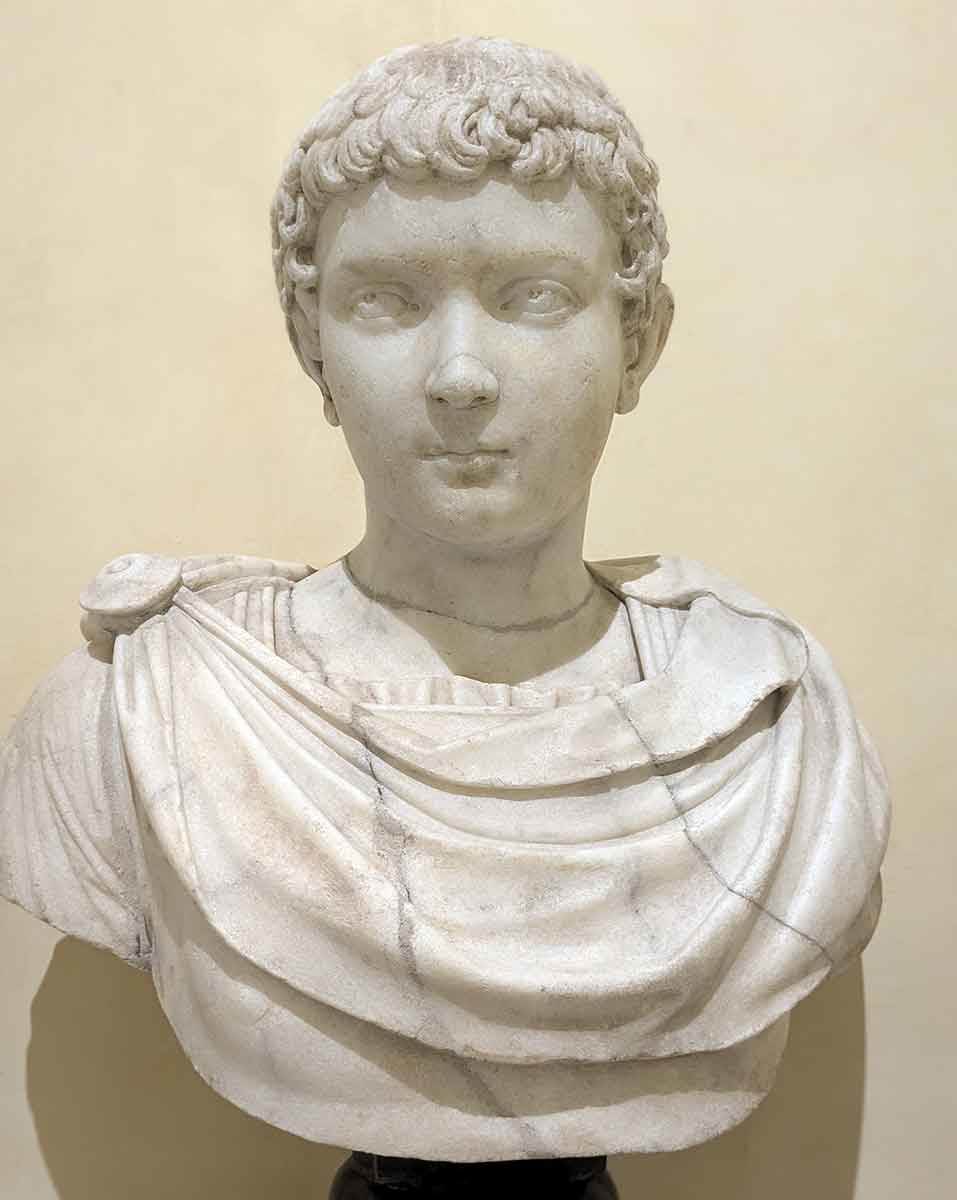
The definitive catalyst for the break was Severus’ reneging on his initial deal with Albinus. Severus named his ten-year-old son, Lucius Septimius Bassianus, better known as Caracalla, Caesar. He was born at Lugdunum in 188 while his father was posted there as the provincial governor. While the boy would have no real political power, the symbolic significance was clear.
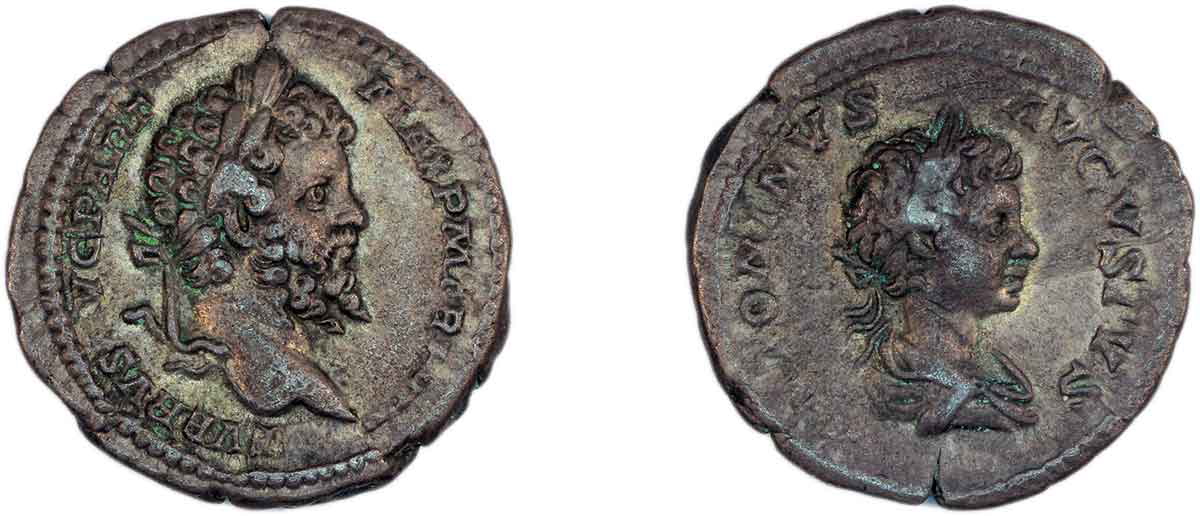
Moreover, Severus had Caracalla’s actual name changed to Marcus Aurelius Antoninus, connecting his family with the previous dynasty. This may have been to counter Albinus’ superior aristocracy as well as promote ideas of continuity.
Before long, in a speech delivered to his soldiers, Severus urged them to declare Albinus a hostis publicus, an enemy of the state, an act which was usually a senatorial prerogative. With the assent of the soldiers, war was now inevitable.
Armies on the March and Initial Skirmishes
Albinus struck first. Having been recognized by his own forces as emperor, he gathered legions from Britain and marched them south through Gaul, establishing his headquarters at Lugdunum. His choice reiterates the city’s strategic importance. There, Albinus was joined by Lucius Novius Rufus, the governor of Hispania, and the legion under his command.
From Lugdunum, Albinus attacked the Germanic legions who were loyal to Severus and led by the governor Virius Lupus. Despite some successes, Albinus’ assaults were not enough to break the resolve of Lupus’ forces. Further encroachment south toward Italy was not feasible, as Severus had reinforced the Alpine passes. This brought Severus enough time to amass his forces along the Danube River and head west, marching into Gaul.
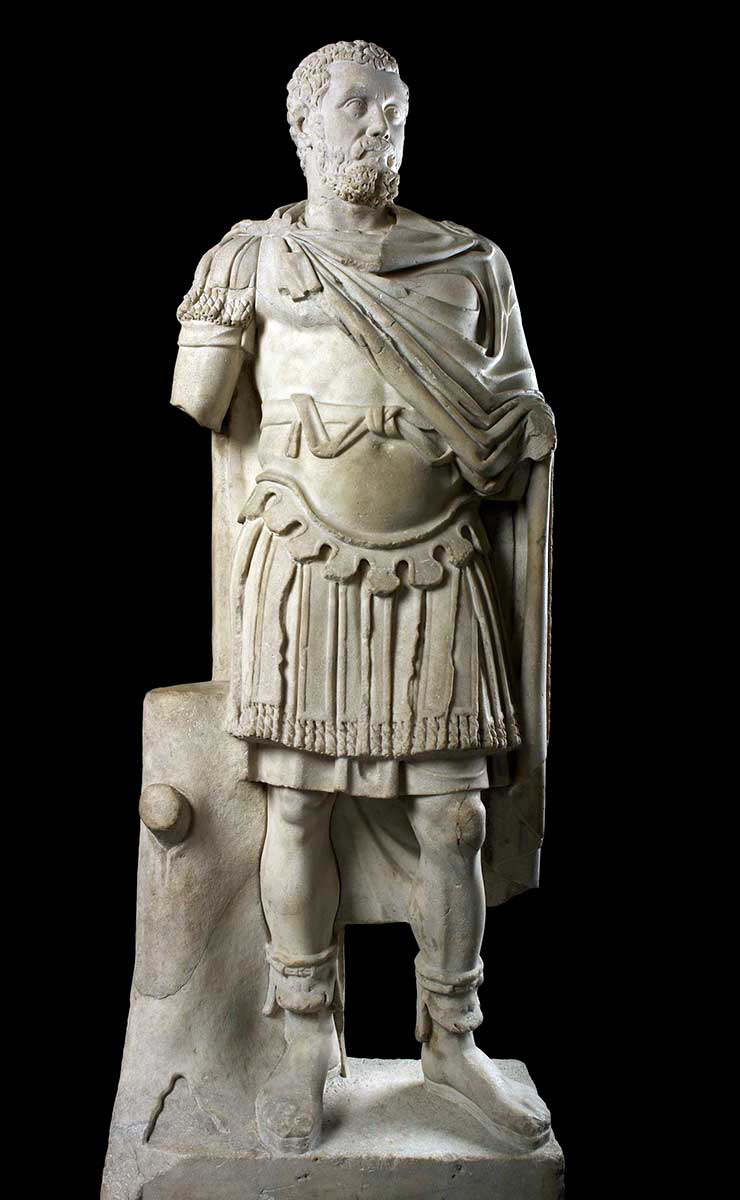
It was during these initial skirmishes that one of the most extraordinary figures from Roman history emerged. Although he was only a schoolmaster, Numerianus evidently felt compelled to join the Severan cause. Masquerading as a senator sent by Severus to raise an army, Numerianus gathered a small group of men in Gaul and undertook a series of daring raids, including defeating a group of Albinus’ cavalry. Unaware of the false identity, Severus, who believed Numerianus to be a senator, commended the schoolmaster-turned-guerilla and ordered him to continue.
Numerianus then had his most striking success. In a raid on Albinus’ forces, he captured and delivered to Severus 70 million sesterces. In the aftermath of the war, Numerianus was offered the wealth and status he pretended to have. The humble schoolmaster politely rejected these privileges. Instead, he opted for a quiet life in the country and a small allowance from the emperor in recognition of his services.
The Bloody Battle and Severan Triumph
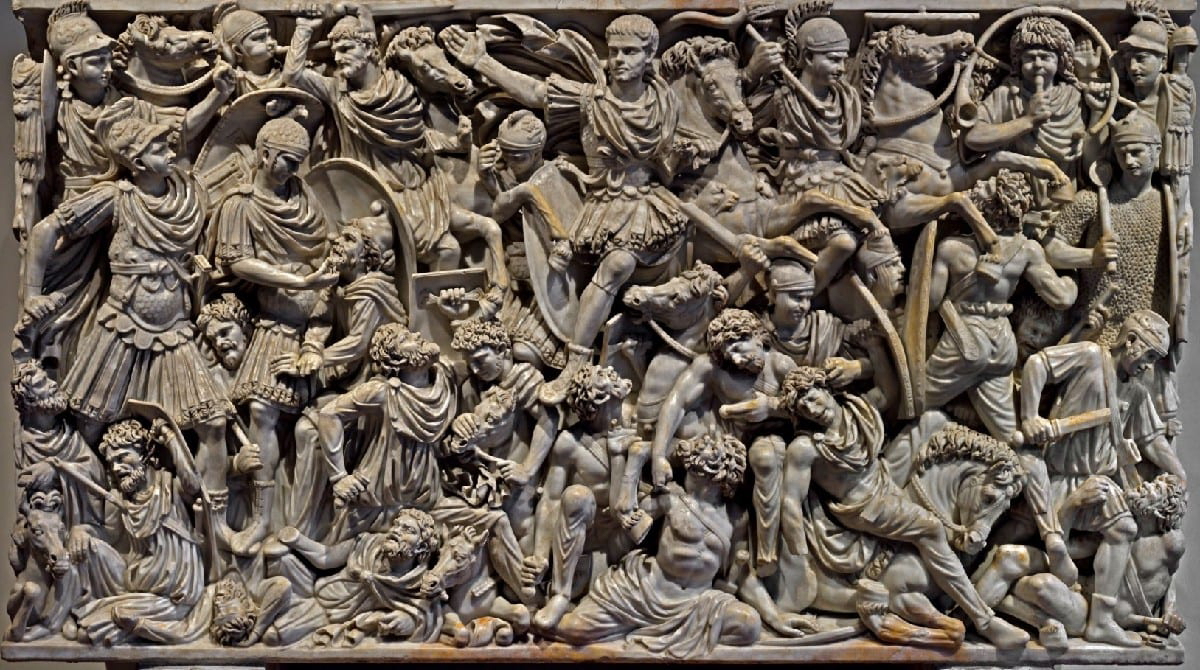
An initial skirmish between Severus’ and Albinus’ forces at Tinurtium, modern Tournus, was ultimately inconclusive, although Severus would claim the day. Instead, having fallen back, Albinus and his men drew up at Lugdunum and, on February 19, 197, prepared to fight the largest battle in Roman history. The exact numbers of combatants are hard to establish. Cassius Dio records 150,000 men on each side. Both Severus and Albinus led their forces personally.
The battle was tense. As Severus’ right wing broke through and devastated Albinus’ camps, his left wing suffered terrible losses against Albinus’ right. In fact, in his efforts to salvage his forces from the massacre unfolding on his left wing, Severus himself was unseated from his horse and nearly killed. He displayed his courage, tearing off his cavalry cloak and brandishing his sword to rally his panicked men.
The decisive maneuver of the day was led by Laetus, the commander of Severus’ cavalry. He was initially reluctant to join the fighting, considering self-preservation and possibly securing power for himself in the case of Severus’ death. But when the cavalry saw the tide begin to turn, they charged Albinus’ forces, breaking the army’s resolve. Severus was victorious.
How the Victory at Lugdunum Established the Brutal Severan Dynasty
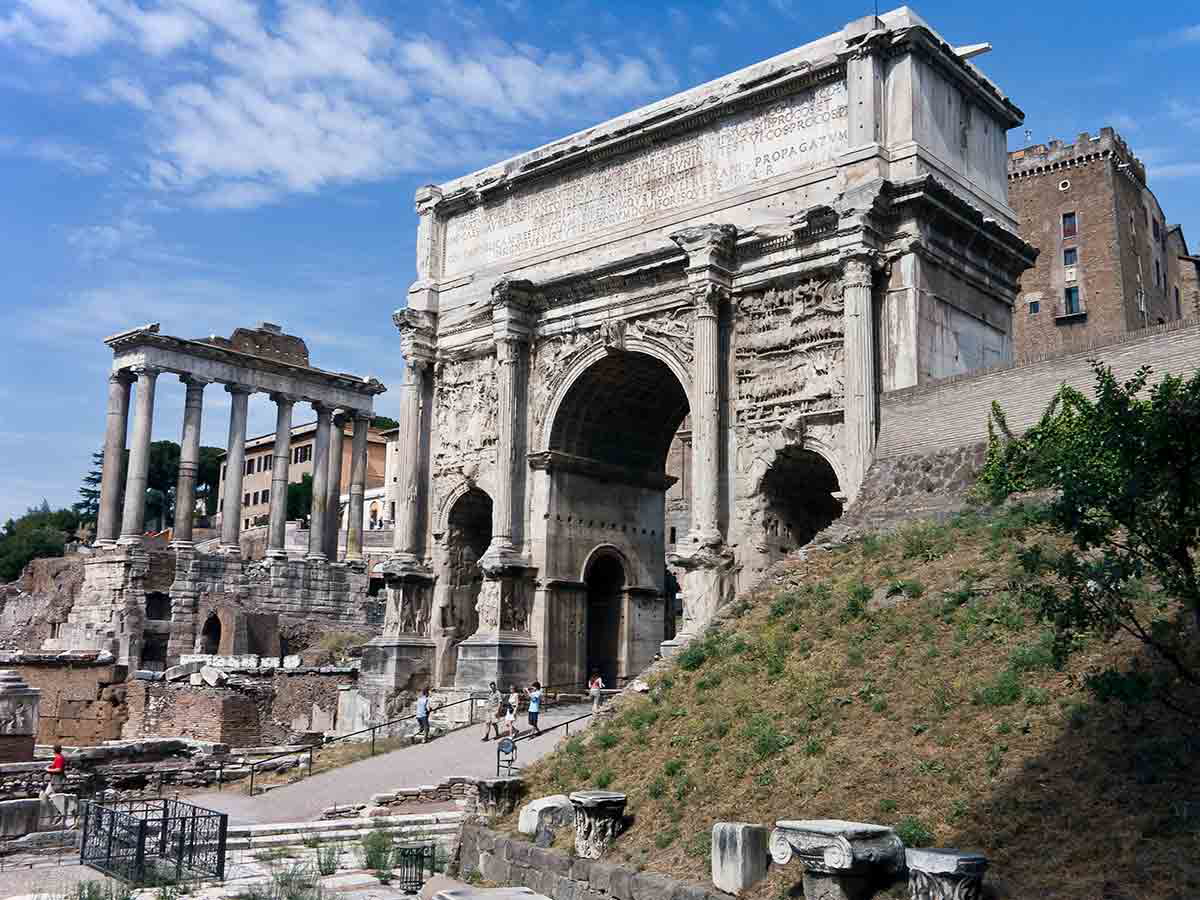
The Battle of Lugdunum exacted a heavy price with many thousands of Roman dead on each side. Men and horses were strewn across the battleground, while their blood poured into the rivers. According to Dio, Albinus fled the battleground and sought shelter in a house beside the Rhone. Realizing his desperate plight, he committed suicide. Severus, presented with the body of his defeated rival, gave free rein to his rage. The corpse was desecrated and then decapitated. The head of Albinus was dispatched to Rome for public display.
Albinus’s supporters in Rome fared little better. The emperor’s rage was made known in dispatches, with Severus even praising the cruelty of Sulla, whose victory in civil war had been followed by senatorial bloodletting in the notorious proscriptions. Upon Severus’ return to Rome, while the people were rewarded with donatives and celebrations, many senators were executed, and their wealth seized.
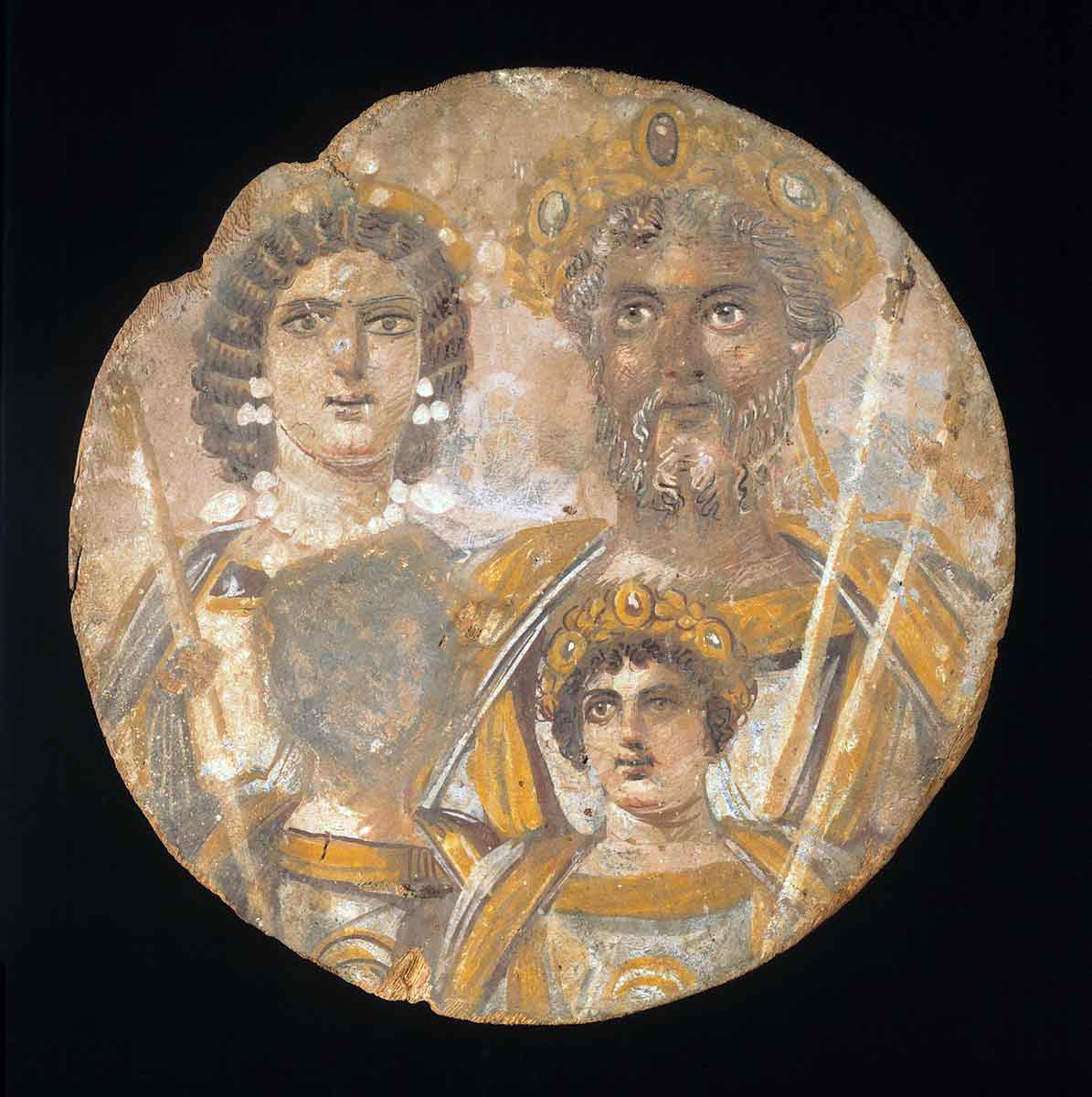
The last man standing, Severus focused on consolidating his nascent dynasty. A Second Parthian War was fought. Celebrated on the Arch of Septimius Severus in the Forum Romanum, the war won more glory, more riches, and more territory. To confirm his commitment to imperial stability, he claimed Marcus Aurelius as a father. Elsewhere, Severus modeled himself on Augustus with great building projects, including the restoration of the Pantheon, and the construction of the enigmatic Septizodium, a now-lost colossal nymphaeum at the foot of the Palatine Hill. Despite his best efforts, the stability Severus sought would prove elusive.