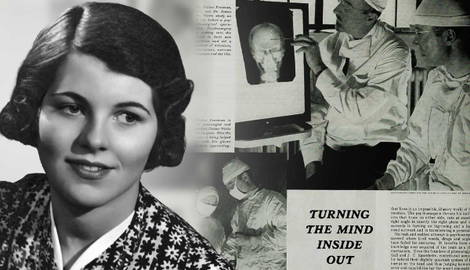

The Kennedy family in the United States has been one of great interest. It has been prominent in politics, business, and public service. The Kennedys have had an almost permanent presence in the media, enjoying success and suffering tragedy and scandals.
One of the most tragic stories is that of Rosemary Kennedy, who was forced to undergo a horrific medical procedure.
Early Life of Rosemary Kennedy
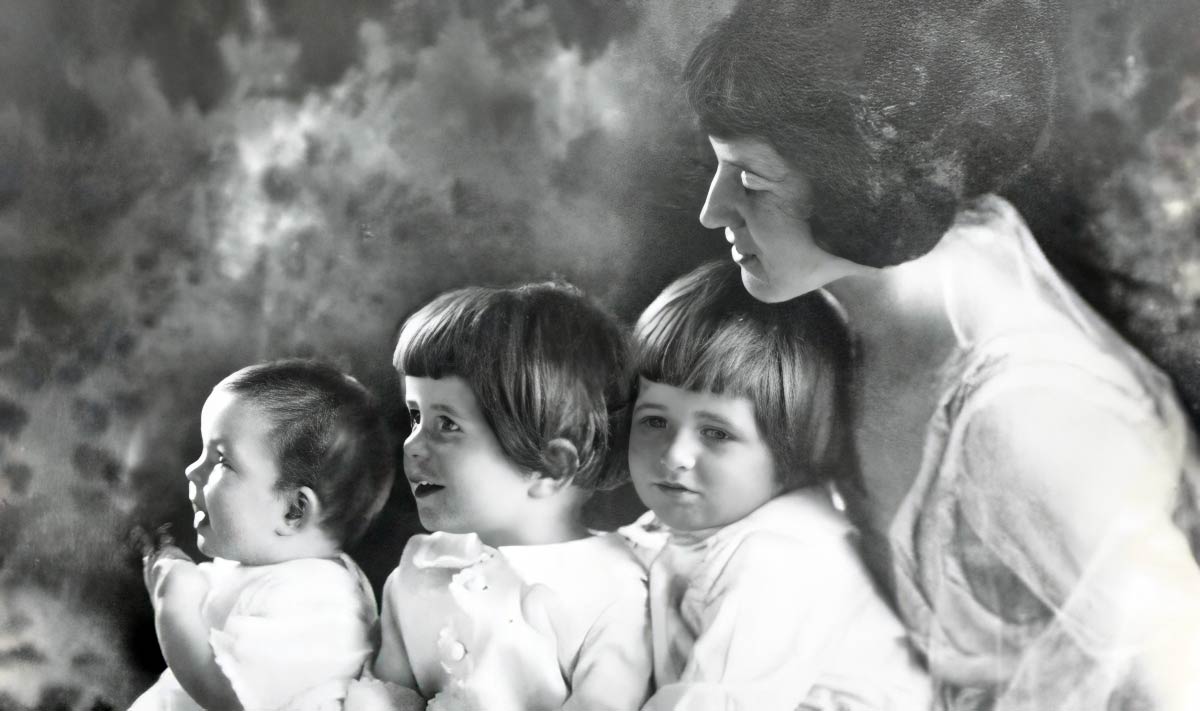
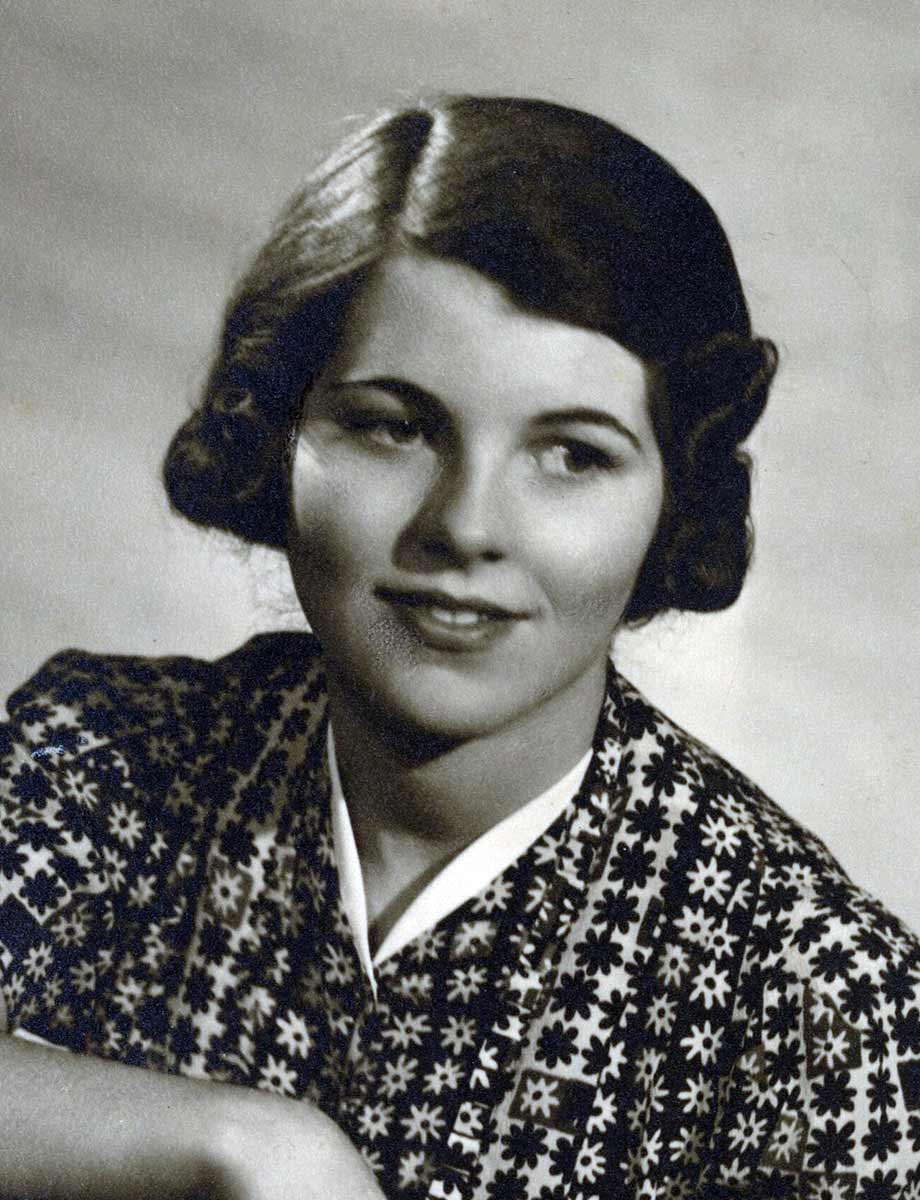
Rosemary Kennedy was born on September 13, 1918, at her parents’ home in Brookline, Massachusetts, but even before her birth, she was the subject of other people’s decisions which had terrible consequences.
Rosemary was the third child and first daughter born to Joseph P. Kennedy Sr. and Rose Fitzgerald. On the fateful day of her birth, the doctor was not immediately available due to an outbreak of Spanish Influenza. The Kennedy’s nursemaid advised Rose Fitzgerald to keep her legs closed while in labor. The nursemaid made sure the baby could not be born by pushing it back into the birth canal, resulting in Rosemary being stuck for two hours, struggling for oxygen.
The permanent damage this ill-informed and agonizing ordeal caused was the catalyst for the tragedy that followed throughout her life. As a baby, Rosemary did not show signs of normal development. She struggled to perform the developmental actions of other children. By the age of two, it was clear that she was struggling to perform basic actions like crawling and sitting, and she had major problems in learning to walk. As she grew older, Rosemary struggled to keep up with others her age, and teachers advised that she repeat kindergarten and then the first grade.
To this day, there is debate as to the scope and seriousness of Rosemary’s intellectual disability, and her mother kept her daughter’s condition a secret, preferring to confide in only people relevant to Rosemary’s health and development. Joseph and Rose went to great lengths to present their daughter as a normal child to society.
This was at the height of the eugenics movement when certain groups of people, such as immigrants, poor people, people of color, and people with disabilities, were thought to have bad traits that could be passed down to their children. Many espoused ideas that certain people should not be allowed to breed. If Rosemary’s disability was known, Joseph and Rose feared their entire family would be shunned by society, thus damaging the family’s future.
A Struggling Teenager
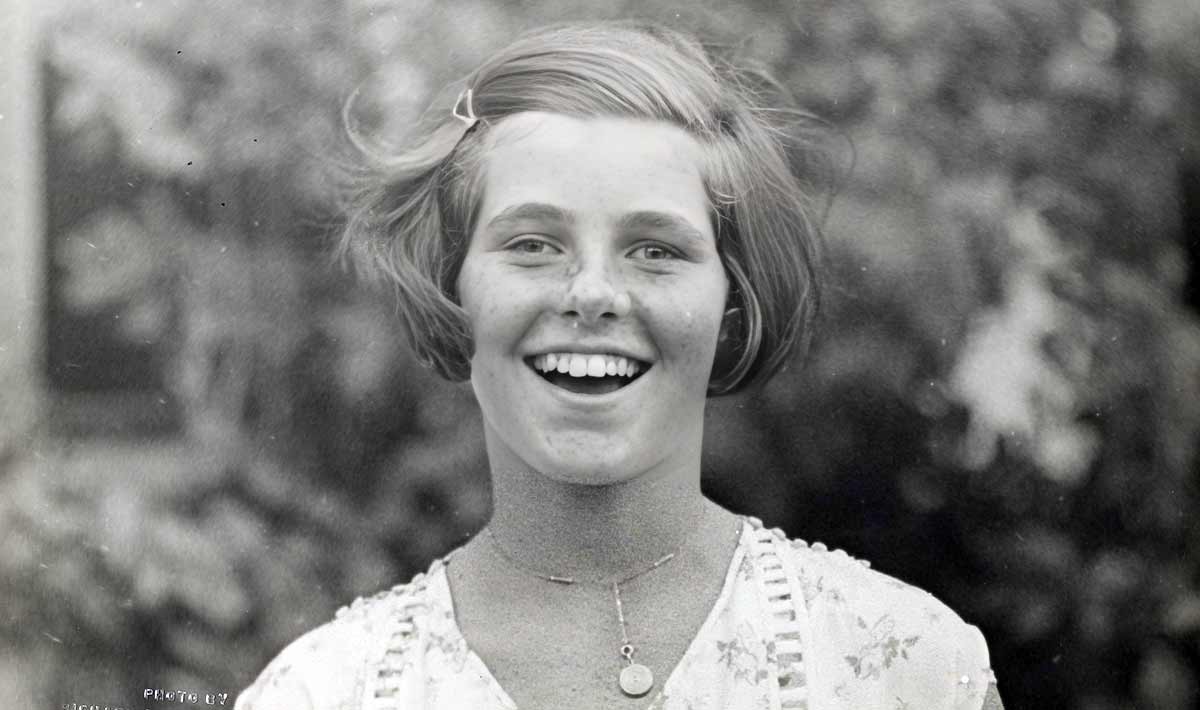
As she grew older, Rosemary’s educational needs became more demanding. Specialists were consulted and Rosemary received expert treatment. During her teenage years, she was sent to several private boarding schools that offered special support for children living with mental challenges. One of her biggest challenges was reading and writing, which she struggled with well into adulthood.
At the age of 16, Rosemary was sent to Sacred Heart Convent in Elmhurst, Providence, Rhode Island. At this school, she was educated separately from the other students and was attended to by two nuns and a special teacher who dedicated their efforts to helping the teenager.
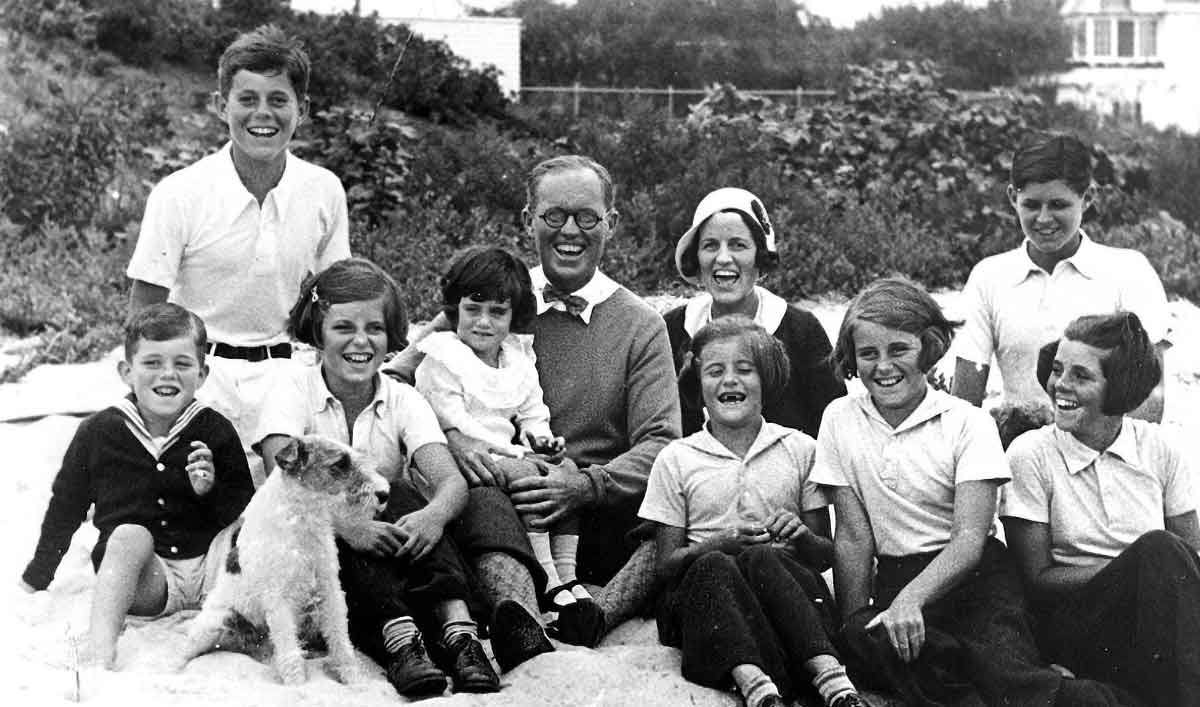
The Kennedy family was large and incredibly ambitious. Rosemary was one of nine children, and immense pressure was put on them to succeed. As a result, Rosemary was frustrated by her inability to equal the accomplishments of her siblings. The other children made great efforts to include their sister, and Rosemary enjoyed a social life full of physical activities, dancing, shopping, and spending time with her friends.
Her brothers, John and Joe Jr., accompanied Rosemary to dances, and went to great lengths to present their sister as a person with no disabilities. She was a friendly, outgoing, and likable person. Later, Joe Jr. became radicalized and sang the praises of Hitler’s laws demanding the sterilization of people with disabilities. He wrote as such to his father, who agreed with his sentiments.
The Family Moves to the UK
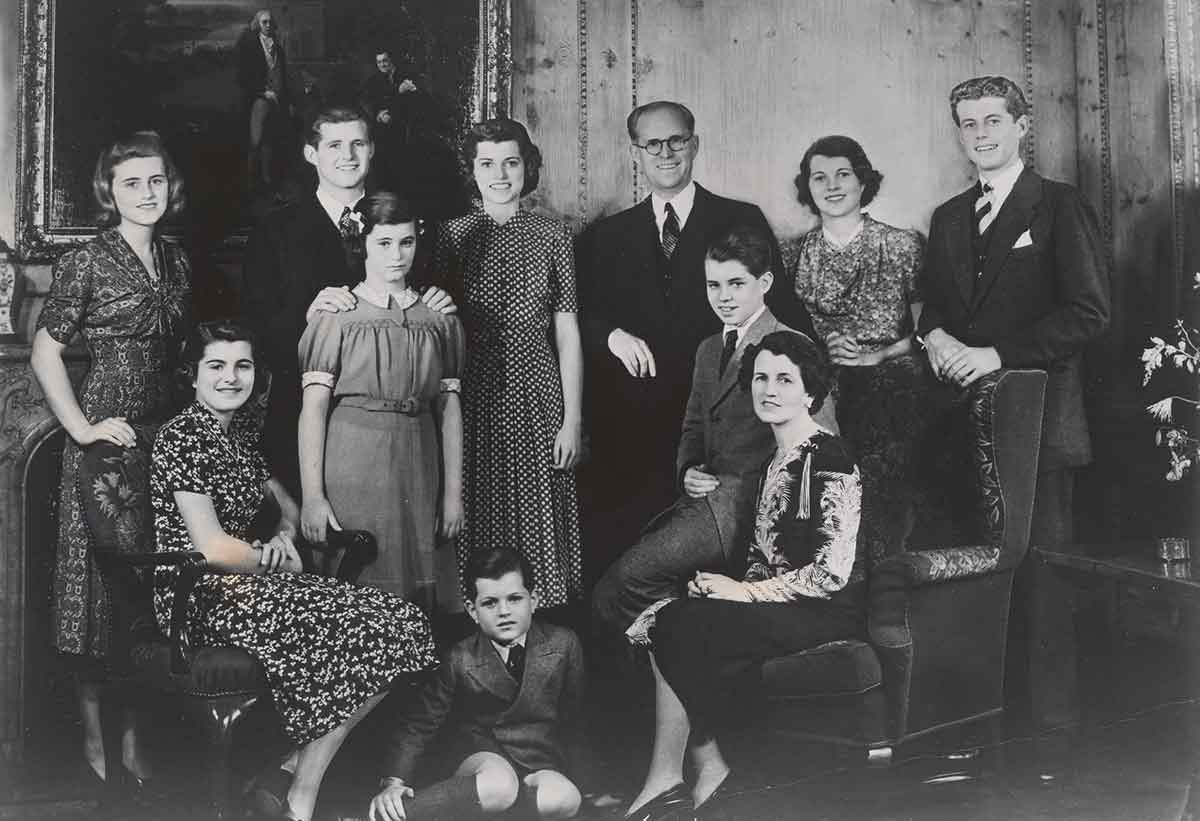
In 1938, Joseph was appointed Ambassador to the United Kingdom and moved there with his family, including Rosemary. He hoped his political career would eventually take him to the White House, and he believed Franklin D. Roosevelt would be defeated in the 1940 election. He turned out to be wrong in his prediction.
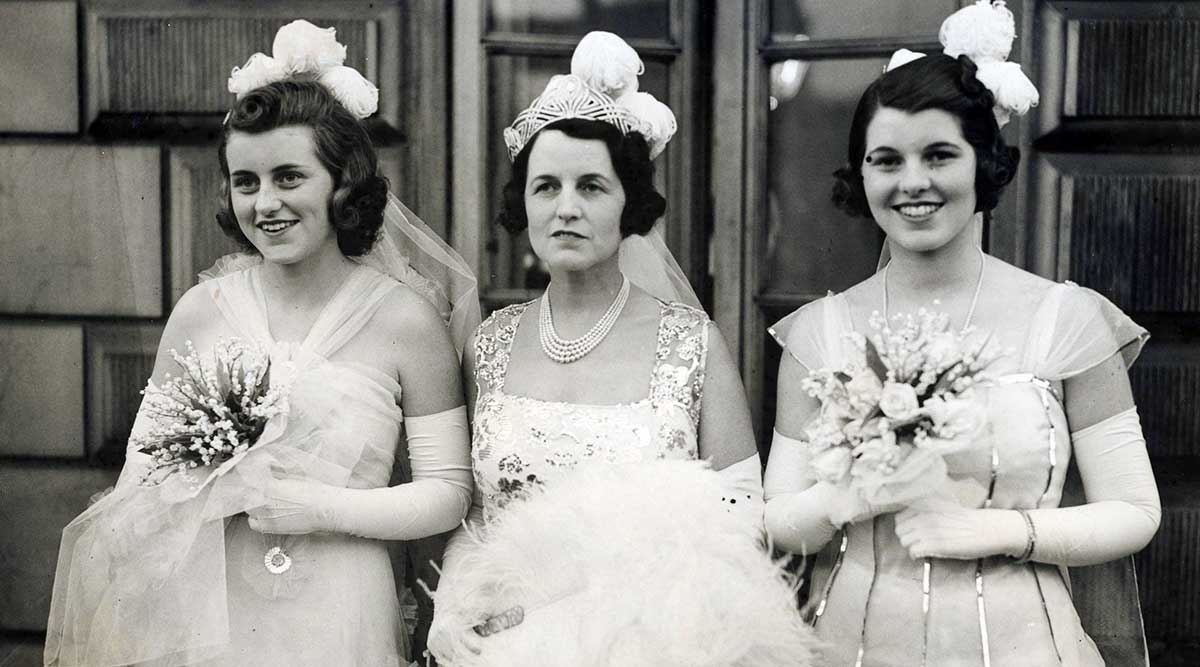
After their arrival in the UK, the Kennedy family’s position brought Rosemary into the limelight in the British press, and she was acquainted with British society. In May 1938, Rosemary and her sister, Kathleen, were presented to King George VI and Queen Elizabeth at Buckingham Palace.
Despite having only two weeks to prepare when most women needed months, Rosemary learned all the necessary customs for the event. Although she stumbled and nearly fell, she had a successful evening socializing with Britain’s elite. The press was enamored with Rosemary and sang her praises, presenting her on the front pages of their publications.
Most of the Kennedy family returned to the United States, and only Rosemary and her father remained after the outbreak of the Second World War. However, they moved out of London during the Blitz, which garnered Joseph the reputation of a defeatist. Rosemary enrolled at Belmont House, a Montessori school in the country, where she found great happiness. She declared it “the most wonderfulest place I’ve been to.”
Her happiness there, however, was scuppered by her father’s defeatist attitude and his supposed Nazi sympathies. He stated that Britain could not win the war, and, in November 1940, he was withdrawn as ambassador to the United Kingdom. Joseph returned to the United States with Rosemary.
Anger, Desperation, and a Horrific Surgery
Back in the United States, Rosemary longed for the comfort and support she had received in England. Her joyful nature disappeared, only to be replaced with violence, seizures, and angry outbursts. Her sister, Eunice, later wrote, “At 22, she was becoming increasingly irritable and difficult.”
The nuns at Rosemary’s convent reported that she snuck out at night, went to bars, and met strange men. Worried that his daughter would cause a scandal in the family, Joseph sought medical help for Rosemary.
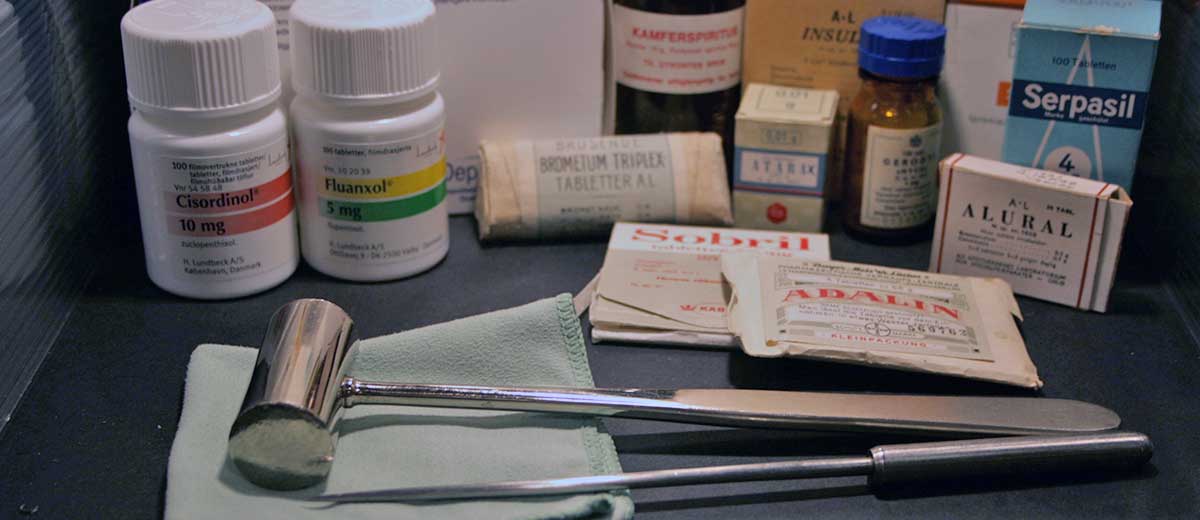
Dr. Walter Freeman and his associate Dr. James Watts had been pioneering experimental surgery in the form of the controversial lobotomy. The procedure, first performed by Portuguese neurologist António Egas Moniz, involved cutting nerve fibers connecting the frontal lobes of the brain to the thalamus and was hailed as a way to cure many mental illnesses.
Freeman and Watts also worked with another doctor, Thelma Hunt, and they sang the praises of their procedure, but they knew the majority of their patients had not improved. Many were disabled, and some even died. The doctors, well aware of the dangers, lied about the results of their surgery. Even though the American Medical Association did not recommend the procedure, Joseph made the fateful decision to have his daughter lobotomized.
In 1941, at the age of 23, Rosemary received the procedure. She was awake the entire time the doctors were drilling holes in her skull and inserting instruments to sever the nerves. Rosemary spoke to the doctors and recited poetry, but as the operation progressed, she fell silent. The nurse present was said to have been so shocked by what she had experienced that she quit her profession.
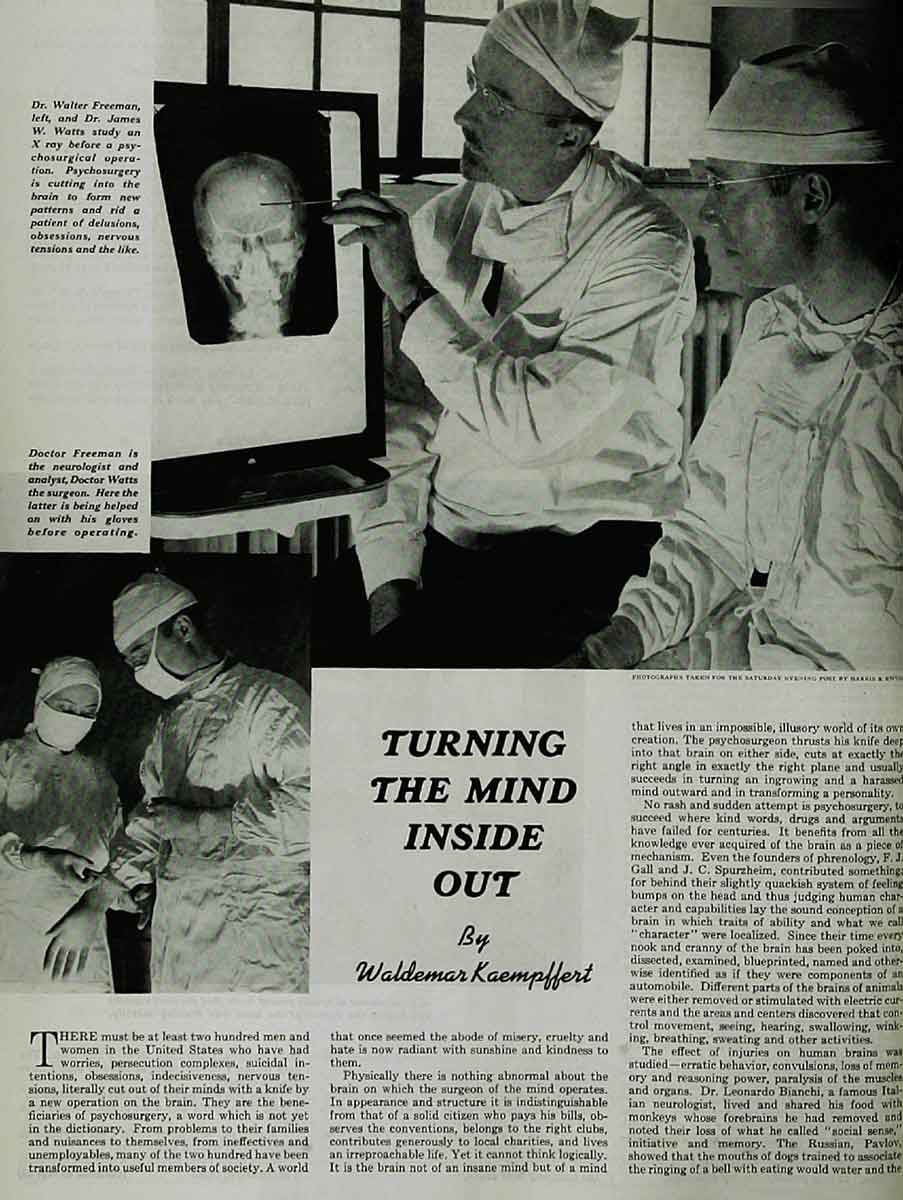
The doctors went on to perform thousands of lobotomies, and the creator of the procedure, António Egas Moniz, won a Nobel Prize in 1949 for his efforts.
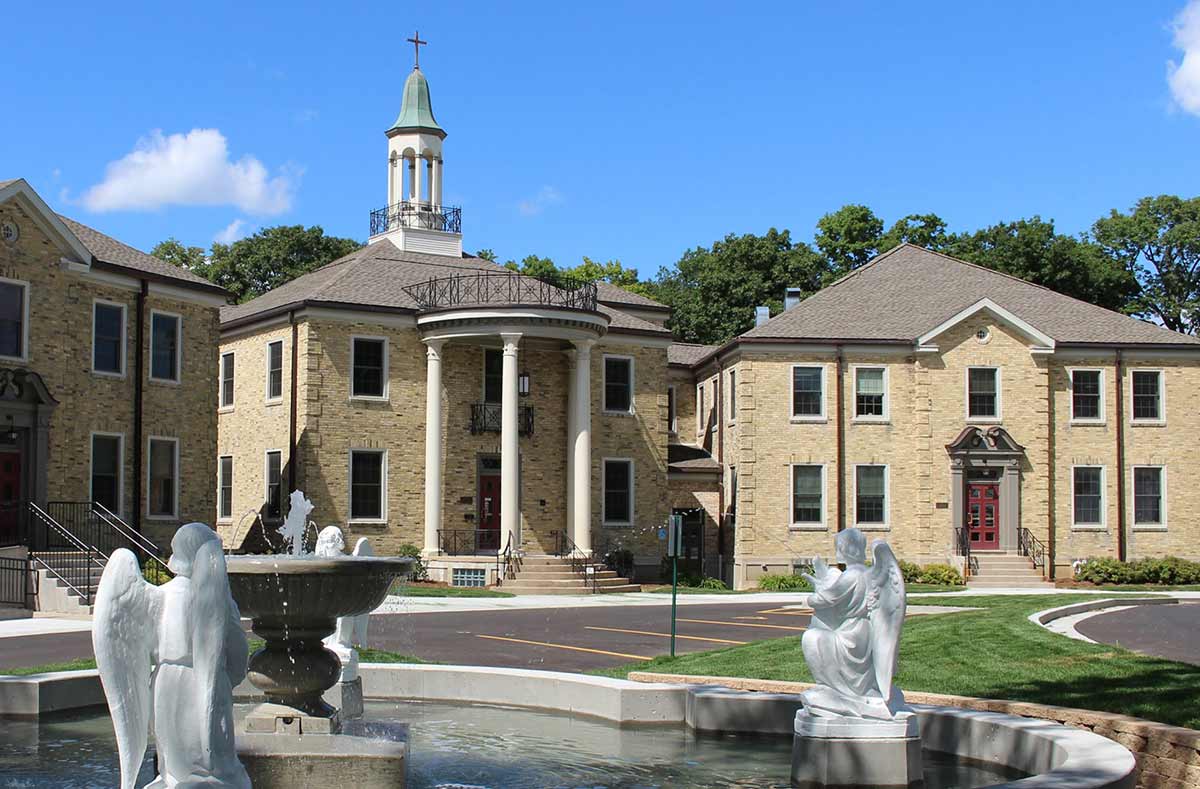
The results of the operation were horrific. Rosemary left the operating room unable to walk or talk. Although she regained the ability to use a few phrases, she was mentally and physically disabled for the rest of her life and had to be cared for by others. Her father visited her for a few years afterward, but then the visits stopped. Rose waited 20 years before she made an effort to see her daughter, who had been moved to the St. Coletta School of Exceptional Children in Jefferson, Wisconsin.
Rosemary saw her mother again in 1961. The reunion was anything but heart-warming. Unable to express herself in any other way, Rosemary, in a rage, attacked her mother. Around this time, the rest of the Kennedy siblings were aware of what had happened to their sister and were overcome with grief and horror.
Coming to Terms With What Happened
Joseph died in 1969, and over the years, the rest of the family showed a great deal of compassion and made efforts to reconnect with Rosemary. Her sister, Eunice, started Camp Shriver in her own backyard in the early 1960s to cater to special needs children. This eventually evolved into the Special Olympics. Another sister, Jean, founded Very Special Arts, an organization dedicated to providing arts and education opportunities for people with disabilities. Her brothers, John and Ted, used their influence in politics to push for the Mental Retardation Planning Amendment to the Social Security Act, which was the forerunner to the Americans with Disabilities Act.
Rosemary spent much time with her family in the 1970s and attended family vacations, during which she was well-received by everybody involved. Eunice’s sons, Anthony and Timothy, also became heavily involved in caring for people with disabilities. Anthony founded Best Buddies, a non-profit organization that pairs disabled people with mentors, while Timothy took over the CEO position of the Special Olympics.
For the rest of her life, Rosemary lived in a cottage built for her in 1958 on the St. Coletta grounds in Wisconsin, where she was popular with the other residents and staff members. In 1988, the truth of the lobotomy was revealed to the public in The Fitzgeralds and the Kennedys, a book written by historian Doris Kearns Goodwin.
Rosemary died of natural causes in 2005 at the age of 86. By her side were her sisters Eunice, Jean, and Patricia, and her brother Ted. She was laid to rest in Holyhood Cemetery in Brookline, Massachusetts.