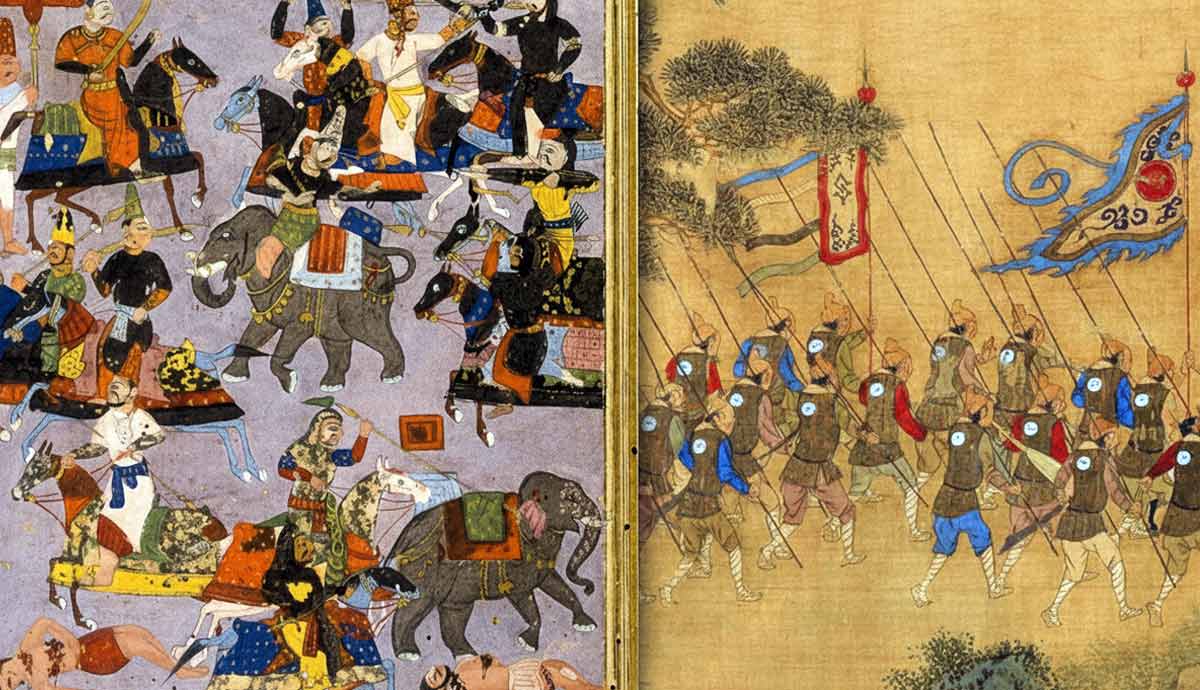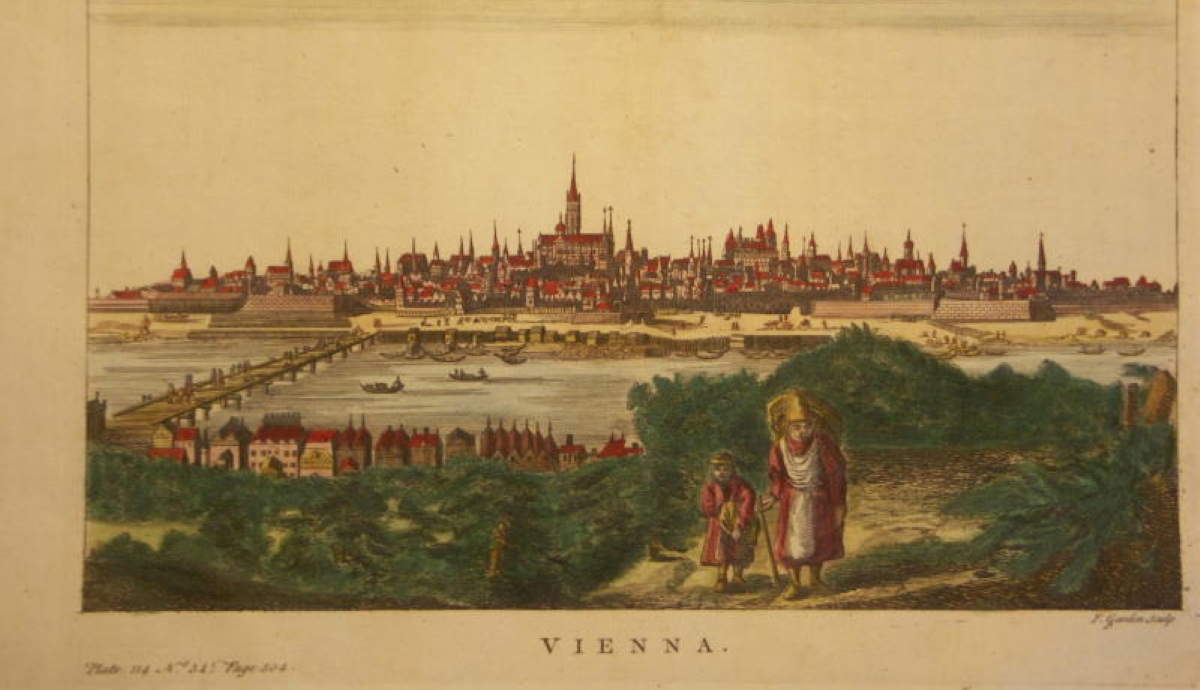

On a scorching summer day in July 1683, the course of European history changed forever as Europe’s “Golden Apple,” the historic Habsburg capital city of Vienna, shook behind fractured battlements. Endless rows of silk tents belonging to the vanguard of the Ottoman Grand Vizier, Merzifonlu Kara Mustafa Pasha, surrounded the city. More was at stake than the survival of an empire, as this was no ordinary siege. It was the culmination of a centuries-old geopolitical and religious conflict. Inside Vienna’s walls, Count Ernst Rüdiger von Starhemberg, the military governor of Vienna, led a frantic race against time with only 15,000 defenders. He faced a desperate situation because Emperor Leopold I, the ruler of the Habsburg Monarchy, had already fled the city to seek help from his allies.
The Ottoman Ambition and the Road to Vienna
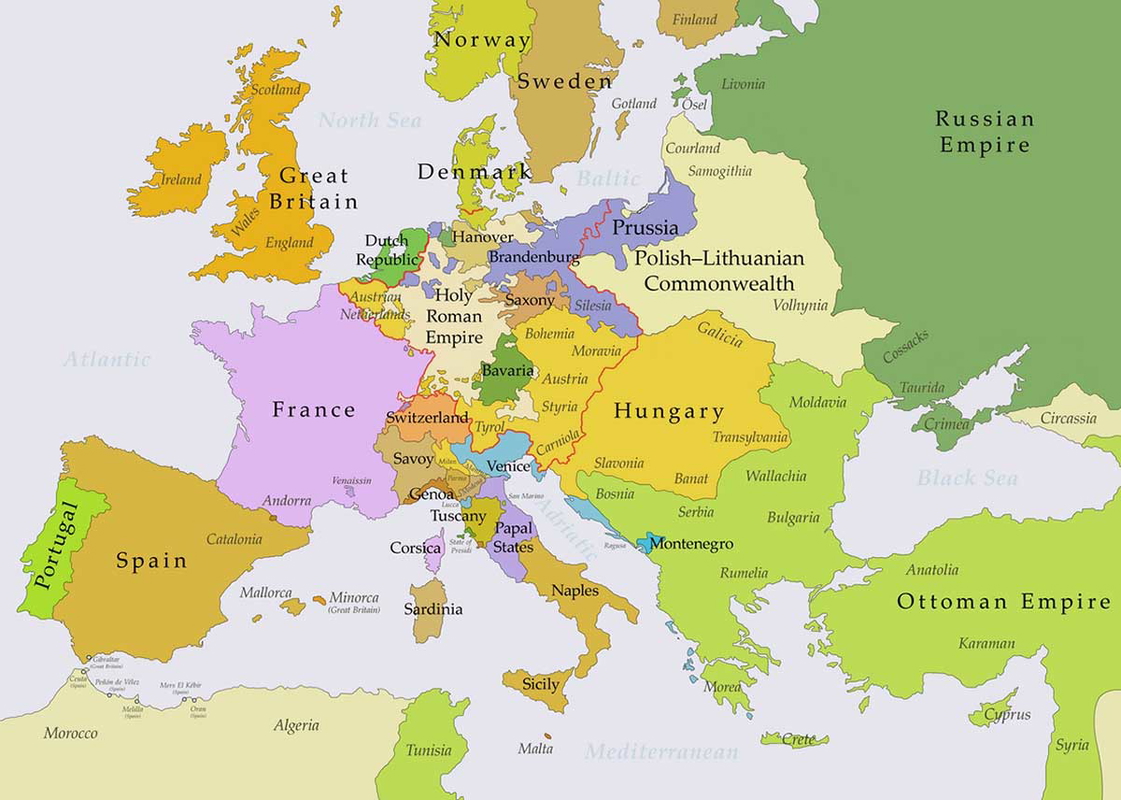
The conflict between the Ottoman Empire and the Habsburg Monarchy, whose rulers also led the Holy Roman Empire, permanently altered the power dynamics of the continent. At that time, the Ottoman Empire dominated the Balkans and sought to capture Vienna, the capital city of the Habsburg lands.
The buildup to the conflict had begun nearly two centuries earlier as Habsburg and Ottoman forces vied for control of Central Europe following the 1526 Battle of Mohács. By 1683, the Ottomans controlled large parts of Hungary. Rebellion among Hungarian Protestants in the multi-ethnic region of Upper Hungary, which is modern-day Slovakia, had provided the Ottomans with the initial opening to invade under the leadership of the Kuruc king Imre Thököly. At the time, Protestants in the region felt oppressed by the Catholic Habsburgs and preferred Ottoman rule, as it provided more religious freedom.
Capitalizing on the moment, Grand Vizier Kara Mustafa Pasha, the supreme commander of the Ottoman army, persuaded Sultan Mehmed IV, the ruling Ottoman emperor, that he could take Vienna. And so on July 14, 1683, Kara Mustafa Pasha arrived outside the city with an army numbering about 150,000 men and besieged Vienna. While sections of the main defenses were in ruins by September, the Holy Roman Empire, joined by a coalition of Polish and German troops, eventually defeated the Ottoman army on September 12, 1683.
The Battle of Vienna and the Holy League Victory
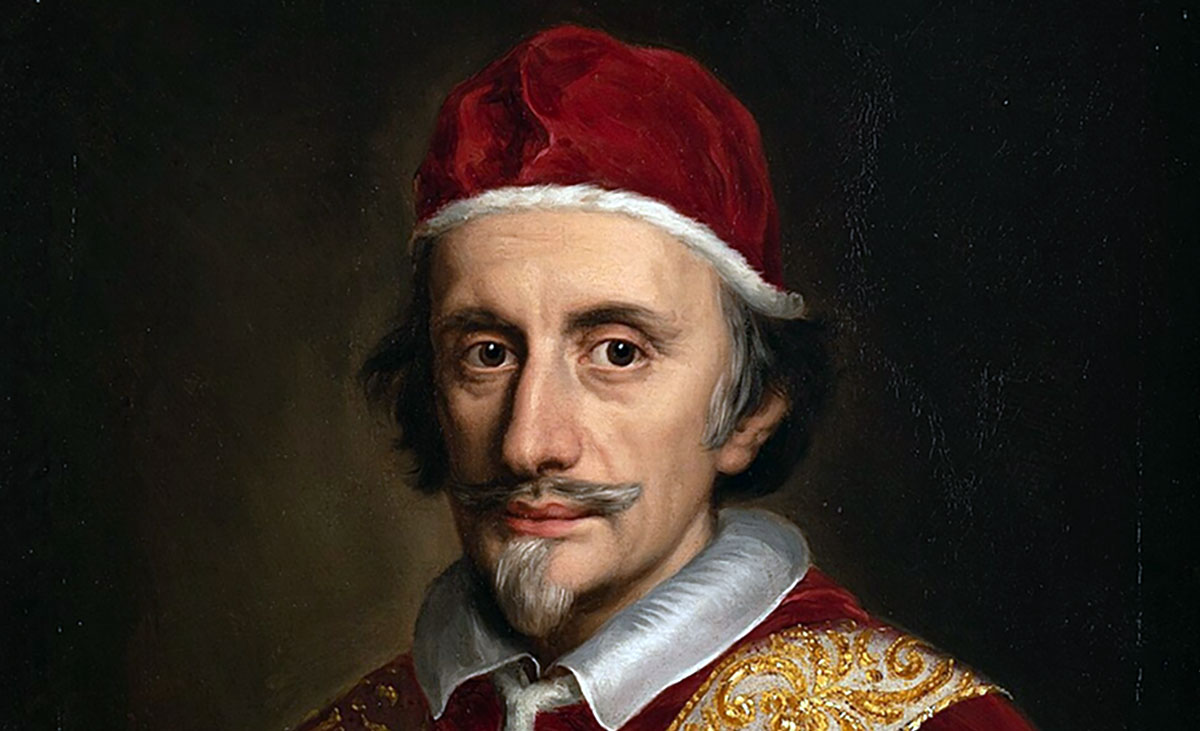
The victory was made possible by Pope Innocent XI, who, several months prior, had helped form an alliance called the Holy League in collaboration with the Polish-Lithuanian Commonwealth. It ensured that when the Ottoman Army marched on Vienna, Poland would come to Austria’s aid. The alliance was vital because King Louis XIV of France, a rival to the Habsburgs, refused to help.
Due to the shift in the tide following the defeat of the Ottomans in September, the borders of Europe were changed such that the power of the Ottoman Empire would gradually decline. The transition marked the beginning of the Habsburg rise that would dominate Central European affairs for over 200 years. The war would rage on for another 16 years.
Treaty of Carlowitz and the New European Borders
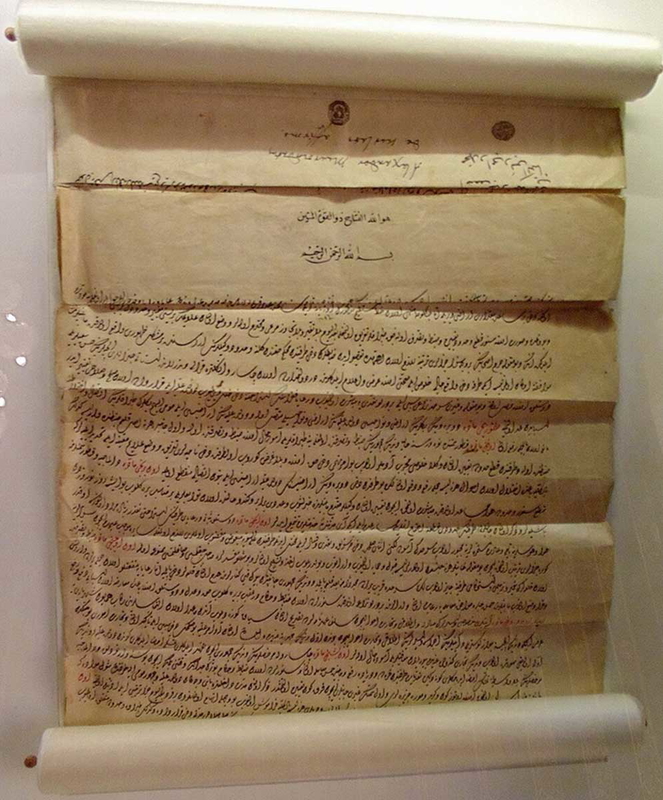
The resulting Treaty of Carlowitz, signed on January 26, 1699, was one of the most significant treaties in European history, as for the first time, the Ottoman Empire ceded significant territories to European powers. Much of Hungary, Transylvania, and Slavonia fell to the Habsburgs. The addition of these territories and peoples made the empire more formidable. The new borders moved significantly to the south, making the Tisa and Sava rivers an important dividing line between the Ottoman Empire in the East and European Christian powers in the West, which severely limited Ottoman expansion.
Russia also played a role in reshaping the post-war situation. By joining the Holy League in 1686, Russia would launch the Crimean campaigns against the Ottoman vassal state of the Crimean Khanate. The wars began Russia’s quest for a warm-water port on the Black Sea, an objective it would seek for many years to come. By 1700, Russia had become a major player and would influence the region for years. By breaking Ottoman dominance, Russia began a long-term projection of power eastward that eventually led to the absorption of kingdoms like Georgia and several Muslim-ruled khanates in the 1800s.
Long-Term Impact on the Ottoman Empire and the Balkans
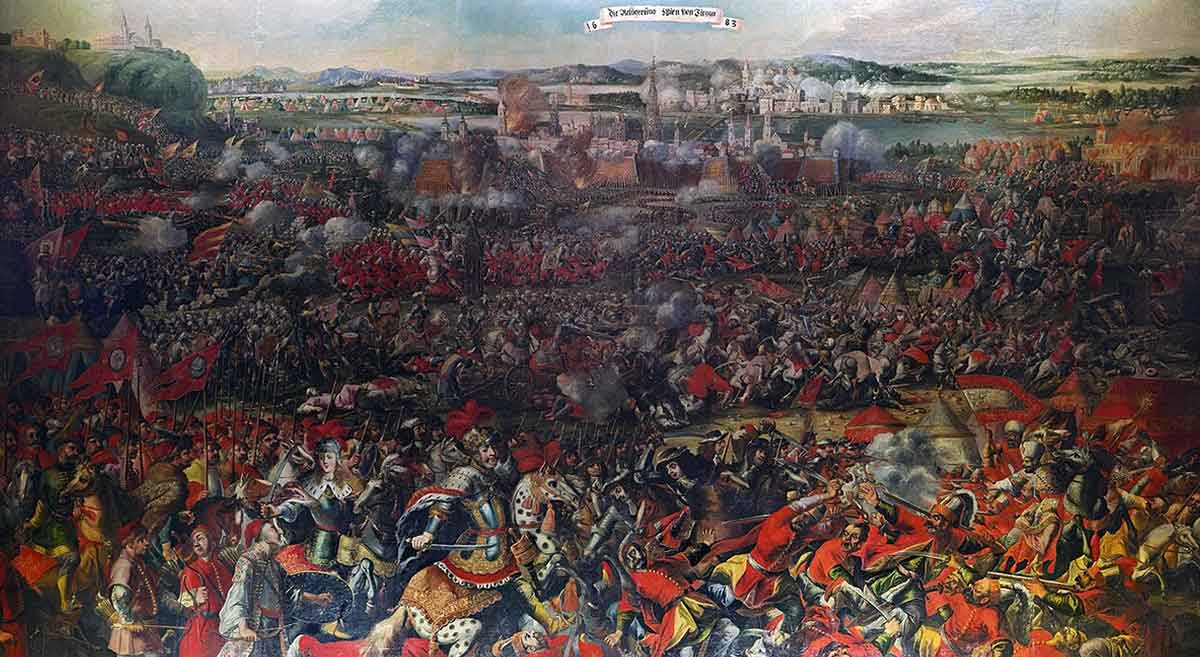
Ultimately, the 1683 Siege of Vienna completely reshaped the political map of Europe and stopped the Ottoman Empire’s westward expansion for good. Furthermore, the retreat of the Ottomans eventually allowed for the National Awakening of Balkan nations like Greece, Serbia, and Bulgaria in the 1800s, which broke away from the Ottoman Empire and formed their own governments. Without the Ottoman defeat in 1683, the maps of those nations would look completely different today or would not even exist at all.