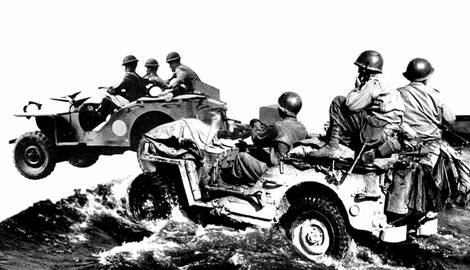

On the eve of the US entry into World War II, the federal government requested design submissions for a vehicle that could do it all. The US Army Quartermaster Corps needed a utility vehicle to replace horses and motorcycles, and thus the ¼ ton light reconnaissance vehicle was born. The Willys MB, nicknamed the Jeep, became an icon of the Allied war effort, serving as everything from stretcher to weapons carrier. Despite its small size, the WWII Jeep excelled wherever it went, becoming a testament to American ingenuity and innovation.
Answering the Call for a Lightweight Reconnaissance Car
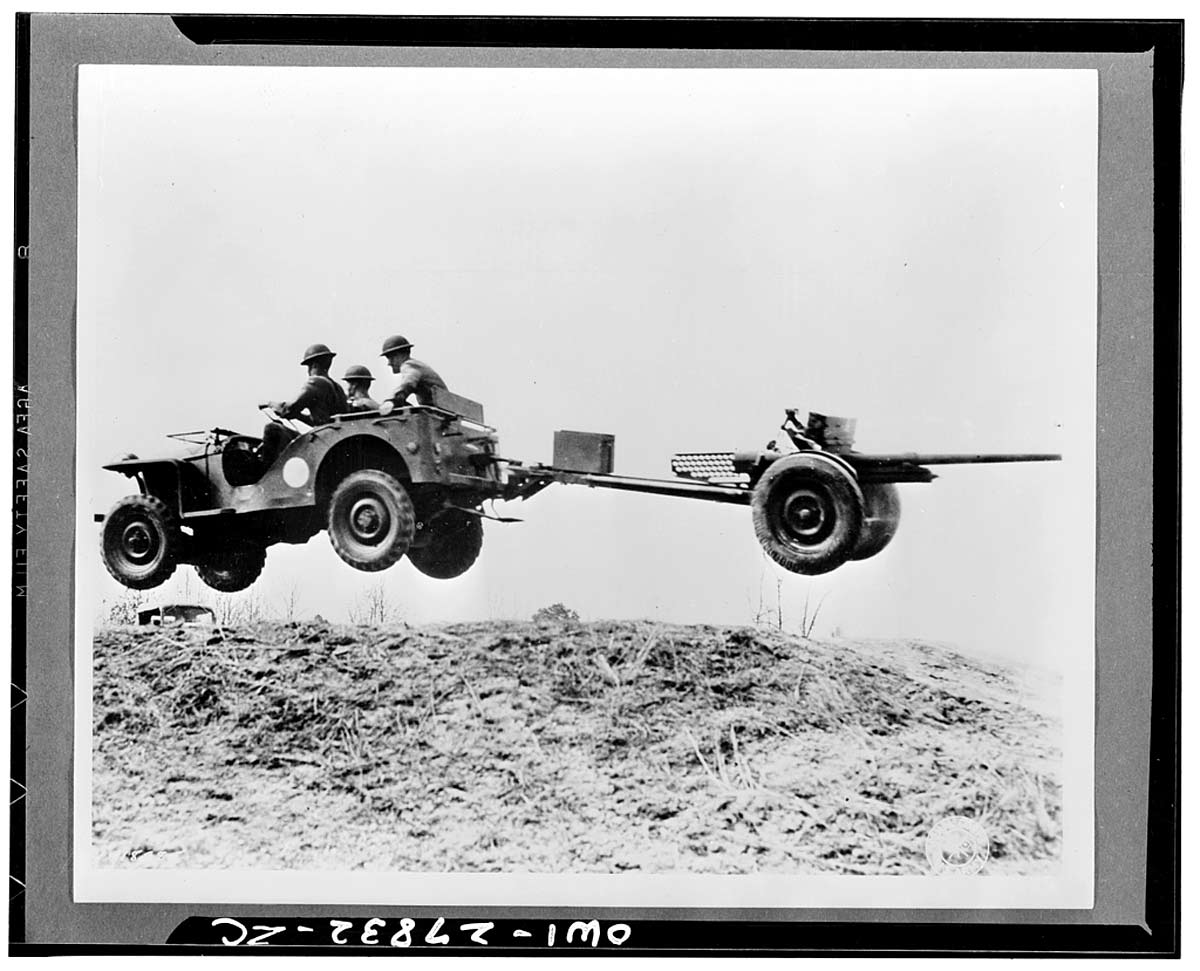
The German invasions of Western Europe in the summer of 1940 led to a sense within the corridors of power that the United States might have to join the war. Knowing that the prospect of another major international conflict meant fighting across a vast array of terrains, the US Army Quartermaster Corps issued a request to 135 automakers for a vehicle that could serve in a multitude of roles.
Only three viable automakers responded to the call and submitted designs that met the strict weight, wheelbase, and four-wheel drive requirements: American Bantam, Willys-Overland and Ford. With the three design submissions, the companies were assigned the seemingly impossible feat of delivering a prototype within 49 days, and a working test vehicle in only 75 days.
The Willys MB and the Engineering Triumph of Four-Wheel Drive
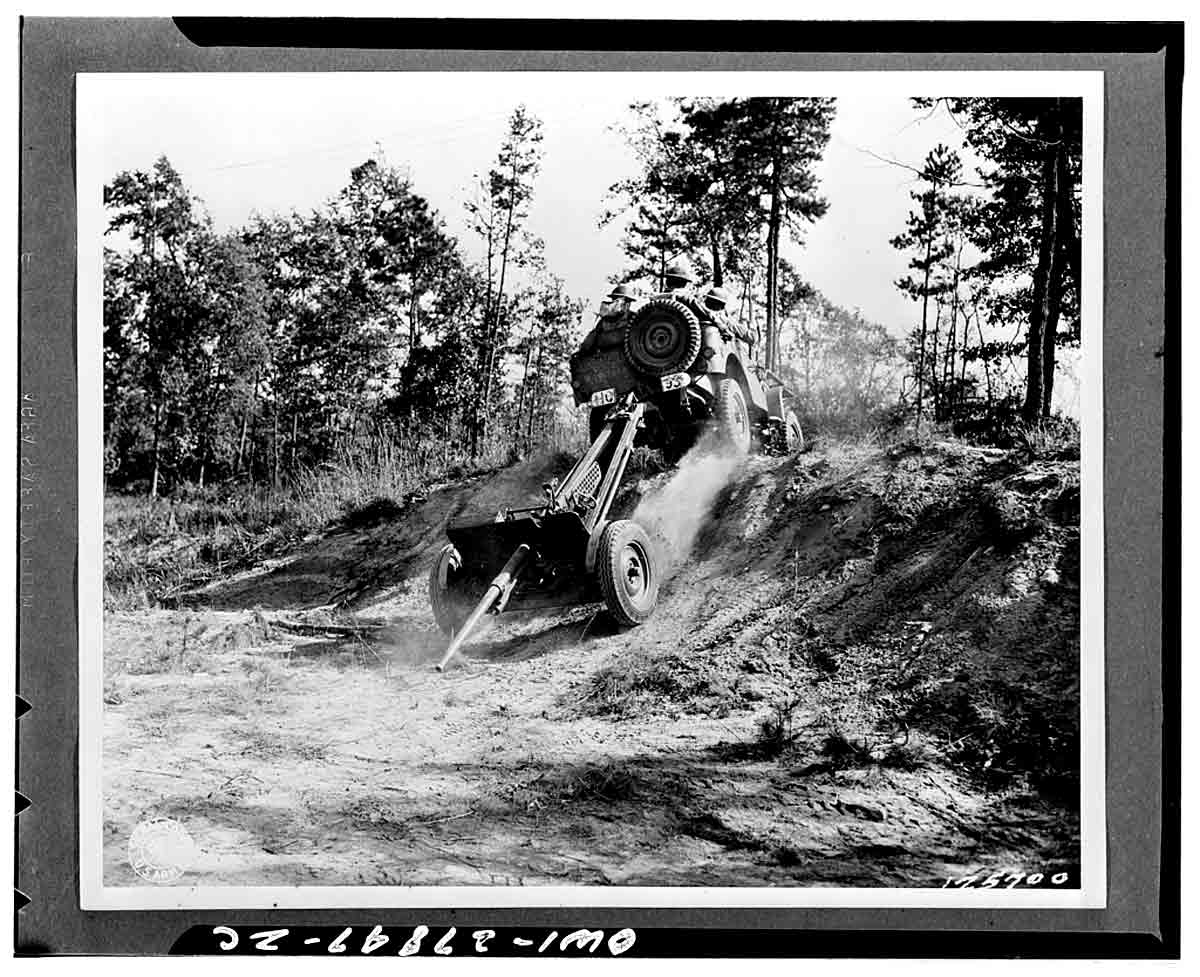
While Willys-Overland ultimately won the contract, the final product became more of a collaboration than one specific winning design. Bantam delivered a small body design that met many of the Army’s needs, but they lacked the manufacturing capacity to meet the production requirements. Willys, on the other hand, produced an engine that exceeded all expectations with 60 horsepower and the ability to climb hills and tow heavier loads. This engine became known as the “Go Devil” engine. Finally, Ford submitted a serviceable design and had the production capabilities required by the Army.
Ultimately, the Army picked the best of each design and awarded the contract to Willys, who submitted the lowest bid per vehicle. From there, it became a team effort from Ford and Willys-Overland to meet the extreme production needs throughout the war. Of the more than 600,000 Jeeps that served in WWII, 360,000 were produced by Willys and 280,000 were made by Ford.
The Jeeps that rolled out of the Willys plant bore the name Willys MB with the “M” standing for military and the “B” representing the second design they submitted. The Jeeps made in Ford’s manufacturing plant became known as Ford GPWs, the “G” designated it as a government vehicle, the “P” was an internal Ford designator for the 80-inch wheelbase, and the “W” meant that it was a Willys design. The contraction of GP to “jeep” is one of many theories behind the vehicle’s iconic nickname.
Why the Jeep Was the Swiss Army Knife of World War II Vehicles
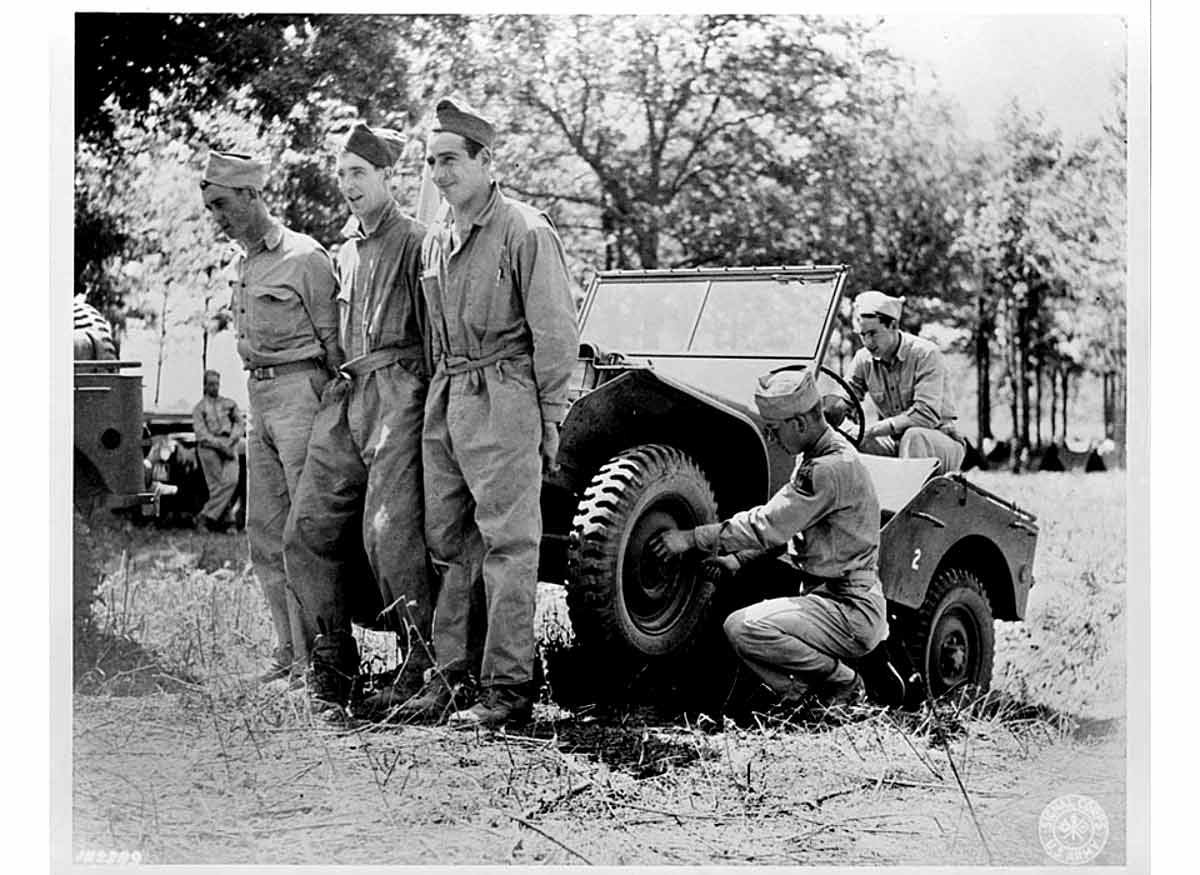
As warfare modernized, the aspect of the WWII Jeep that made it the most versatile general-purpose vehicle came from its design. The Jeep was designed to complete a multitude of tasks adequately rather than one task to perfection. This meant that the vehicle could adapt to the needs of whatever situation soldiers found themselves in.
Depending on the environment, the Jeep served as an ambulance that could race stretchers of wounded men back from the frontlines quickly, or it could be outfitted with the M1919A4 mounted machine gun. The WWII Jeep was essentially a blank canvas that was ready to answer the call at a moment’s notice.
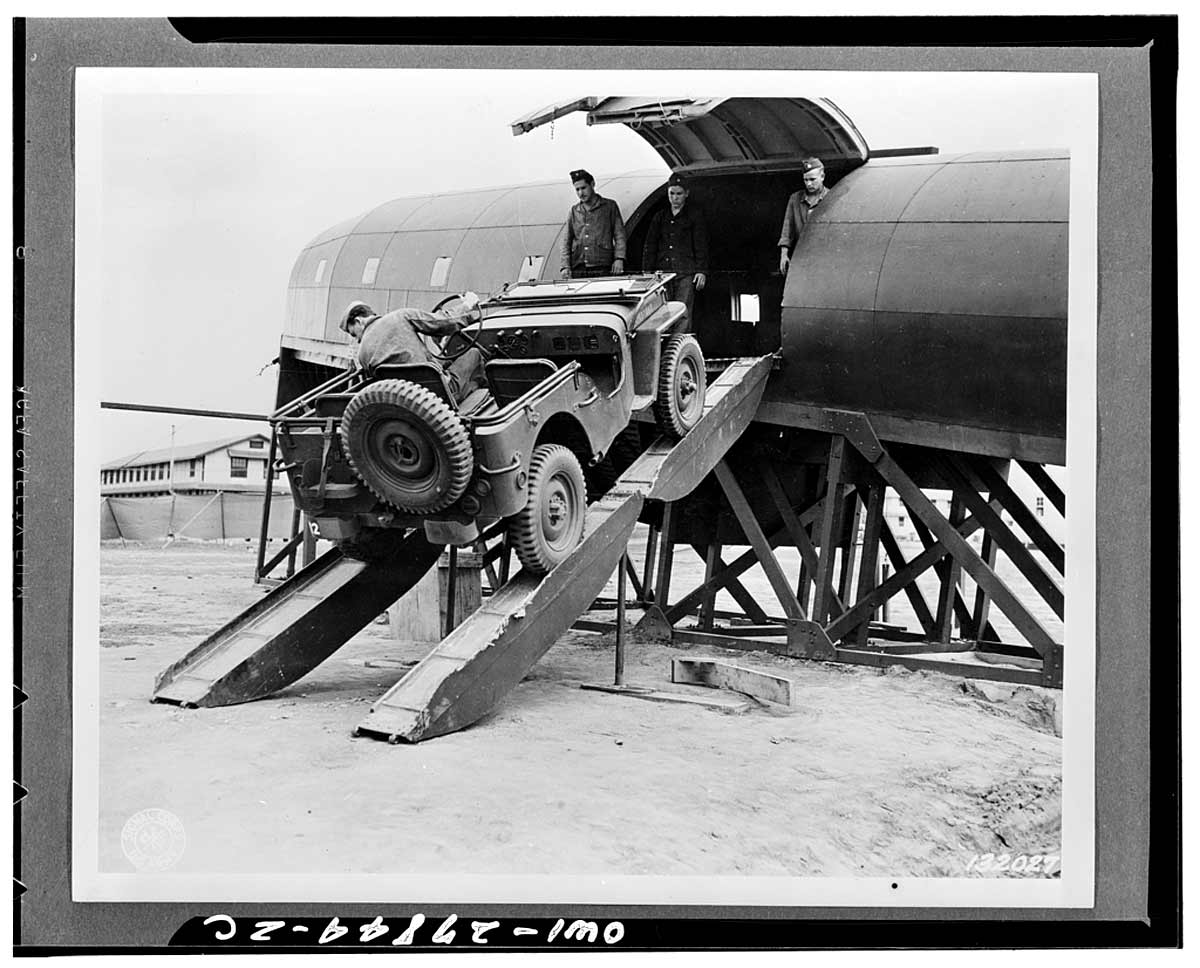
The compact design and light weight not only allowed it to navigate brutal terrains, but it also meant that Jeeps could be brought to the fight in ways that no other vehicle could. For operations behind enemy lines, the Waco CG-4A glider was designed to carry one fully assembled Jeep and land silently in field locations to give airborne troops immediate mobility. However, most of the Jeeps made it to their destination on more conventional cargo planes and ships.
Further setting itself apart from other general-purpose vehicles, the Jeep was designed to be easy to repair. When Allied Forces relied on vehicle support, the ability to get Jeeps back into the fight was a top design requirement. Making the engines easily serviceable and all the parts interchangeable between the Willys MB and Ford GPW led to many damaged Jeeps becoming Frankenstein vehicles back at the motor pools.
The Jeep in the Pacific and European Theaters of War
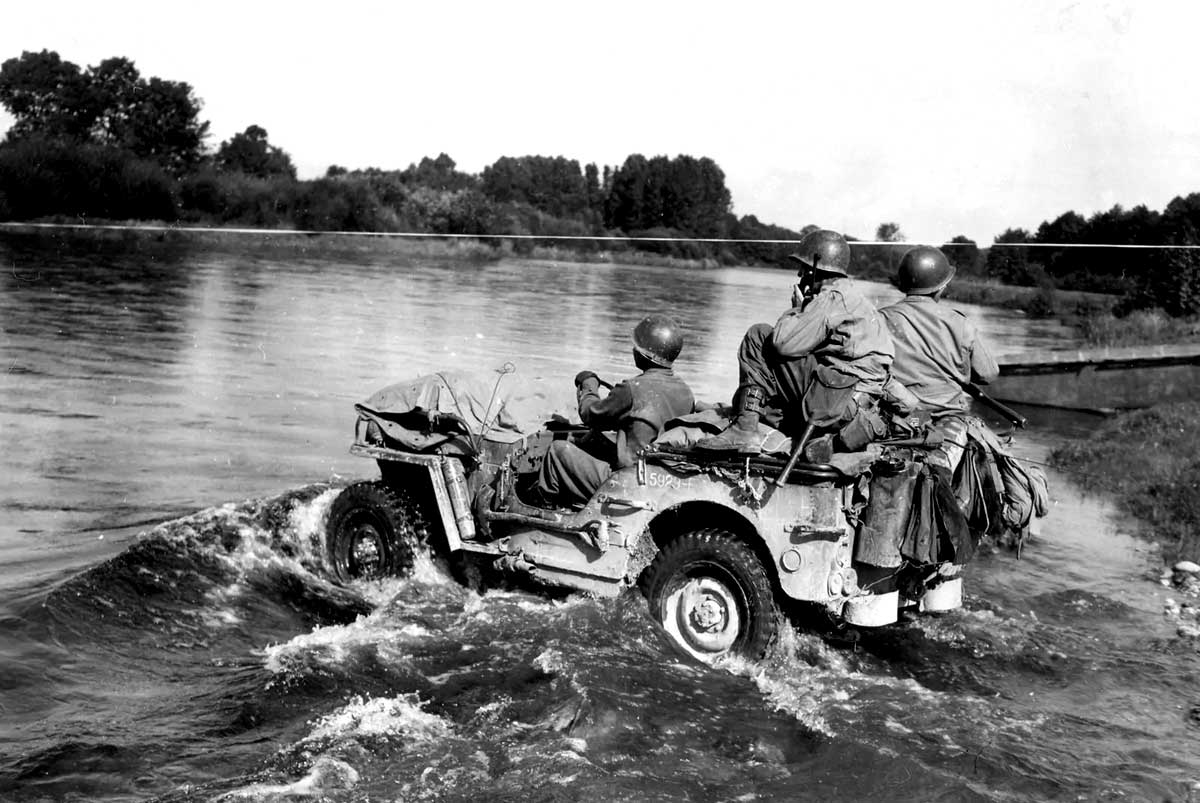
Following the Normandy landings in 1944, the Jeep was used to support a fast-moving operation utilizing Europe’s extensive network of roads and farm tracks. Its four-wheel drive capabilities made it the perfect vehicle for officers and reconnaissance teams to use in order to keep up with the high intensity of the campaign even when encountering uneven terrain. Serving as a messenger vehicle and radio command platform, the Jeep allowed Allied Forces to coordinate their attacks across great distances more efficiently.
Showing off its versatility, the harsh terrains of the Pacific Theater pushed the Jeep to its limits. As American forces island hopped their way around the Pacific, Jeeps were required to maintain effectiveness while driving over soft sandy beaches and harsh jungle terrains. Some of their duties included transporting ammunition and wounded soldiers to and from the front, as well as supporting aviation operations on captured airfields.
The requirements of each theater were drastically different, but the one design was able to provide value equally. From the highly coordinated, fast-moving operations spanning hundreds of miles in Europe, to the more hostile nature of the remote Pacific Islands, the Jeep ensured that wherever the enemy tried to hide, the Allied Forces could reach them.
General Eisenhower and the Machine That Won the War
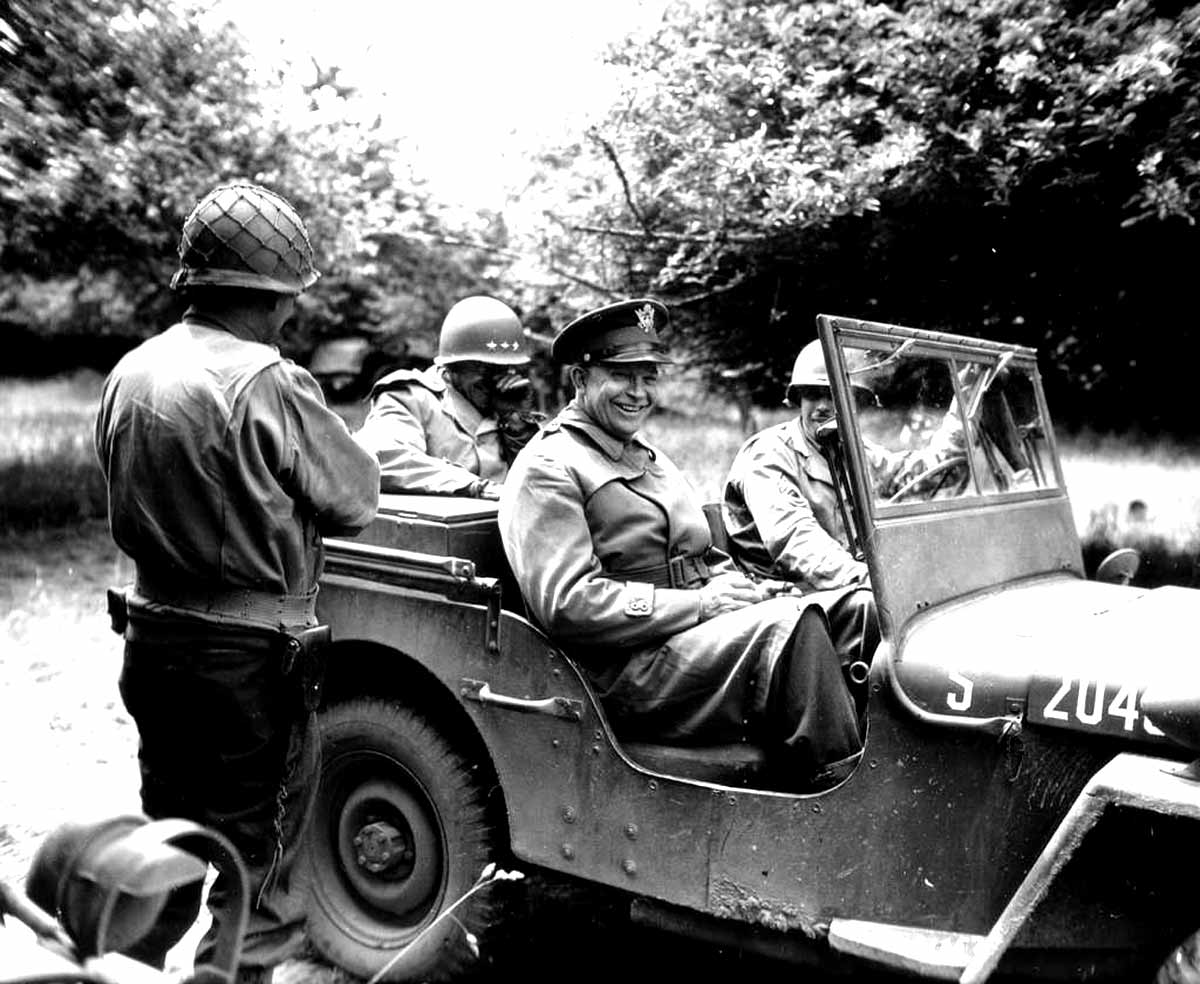
Upon reflection of the American victory during WWII, General Dwight D. Eisenhower claimed that the war was won with four crucial pieces of equipment, “the atomic bomb, the bazooka, the Jeep, and the C-47.” The Supreme Allied Commander included the Jeep in the list because it enabled reconnaissance and communications through its ability to move quickly across any terrain. Including this seemingly simple vehicle alongside aircraft and the atomic bomb shows just how important mobility was to the men on the ground.
While the Jeep did not win battles through firepower like many other American military innovations at the time, it solved a problem crucial to the success of any modern army. It answered the issue of frontline logistics in a way that no other vehicle at the time could come close to. Throughout military history, wars are never won by superior fire and manpower alone, but logistics was especially important during World War II as allied commanders coordinated millions of soldiers across multiple countries.
The Enduring Legacy of the Jeep
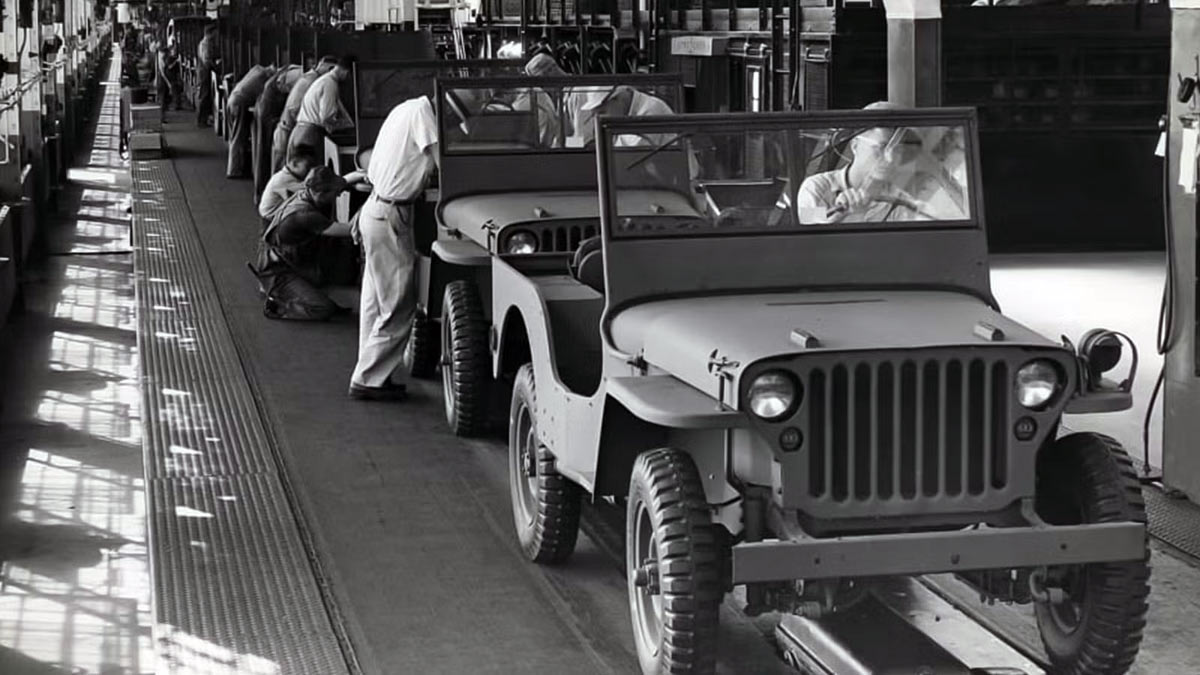
By the end of WWII, most of the soldiers serving overseas had ridden in or at a minimum seen firsthand the off-road capability and durability of the small ¼ ton vehicle. Unlike large military trucks and armored vehicles, the Jeep could return home and have practical civilian applications. As the demand for military Jeeps slowed, Willys-Overland introduced the “Civilian Jeep” to the market, and the legacy was born.
Marketing the civilian models to rural areas and farmers, Willys built a reputation for having a vehicle that could do it all. Having survived the gauntlet of testing in both theaters of World War II, the back roads of the United States were no match for the Jeep. To this day, the Jeep is marketed as a symbol of American ruggedness and freedom, and elements of the original design have stood the test of time.
The Jeep’s legacy endures far beyond the United States, and its boxy shape is believed to have inspired the iconic Land Rover and Range Rover in England. Later Jeep models combined its all-terrain abilities with passenger comfort, inspiring the creation of SUVs (sports utility vehicles) that dominate the modern automotive market.