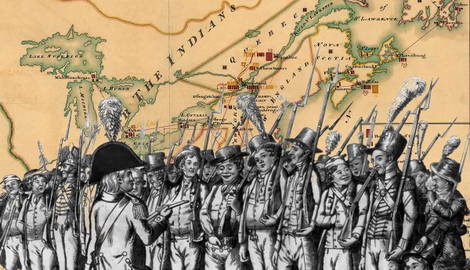

The concept of a citizen militia predates the formation of the thirteen British Colonies in the New World by centuries. However, the role of the citizen soldier evolved significantly on the western frontier of the Thirteen Colonies. A shift towards irregular warfare tactics, the adoption of new weapons, and changes to enlistment terms transformed how the Colonies structured their militias. These shifts eventually evolved into the framework that was adopted by the Continental Congress during and after its struggle for independence from Britain.
Raising the Fyrd
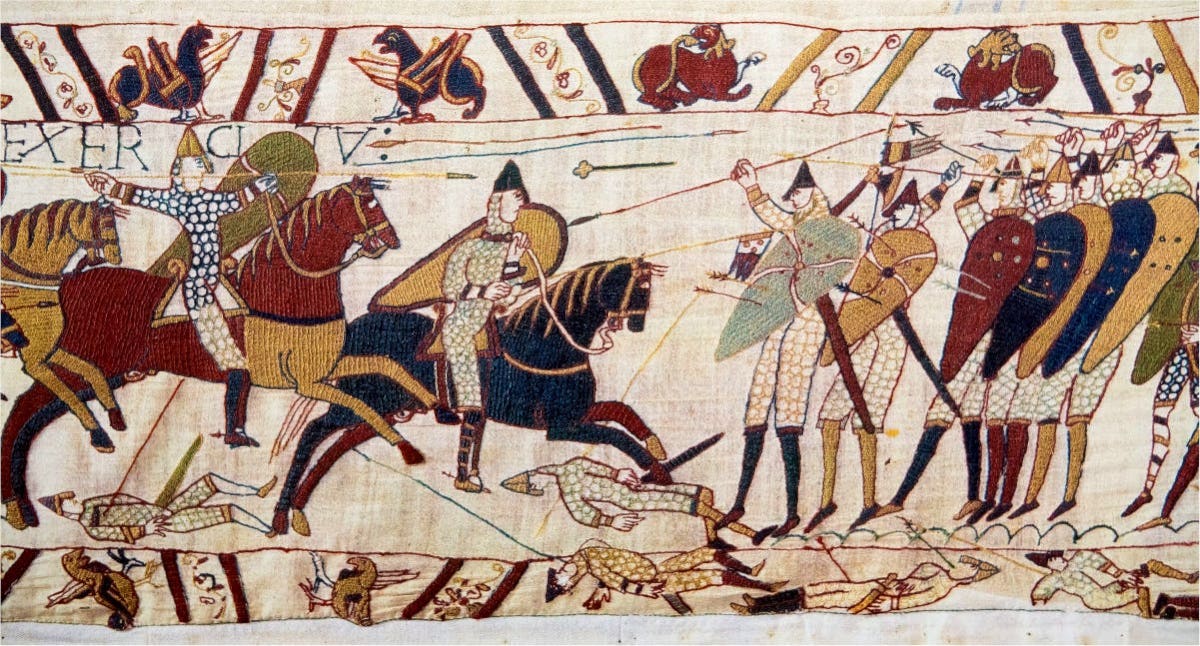
Centuries before British settlers settled in the New World, the kings of Anglo-Saxon England raised the Fyrd in response to threats of invasion. Service in the Fyrd was a legal obligation tied to land ownership, in which the amount of land owned dictated how many men the owner was obligated to contribute to the defense of the realm. This system eventually evolved into what became known as the militia system.
The efficacy of this as a means of national defense was called into question, as kings realized that a more effective way to ensure their security was to create a professional fighting force in the form of a standing army. This development set the stage for heated debates around the loss of individual liberties in a professional army. This debate made its way into the British colonists in North America.
The American Militia System
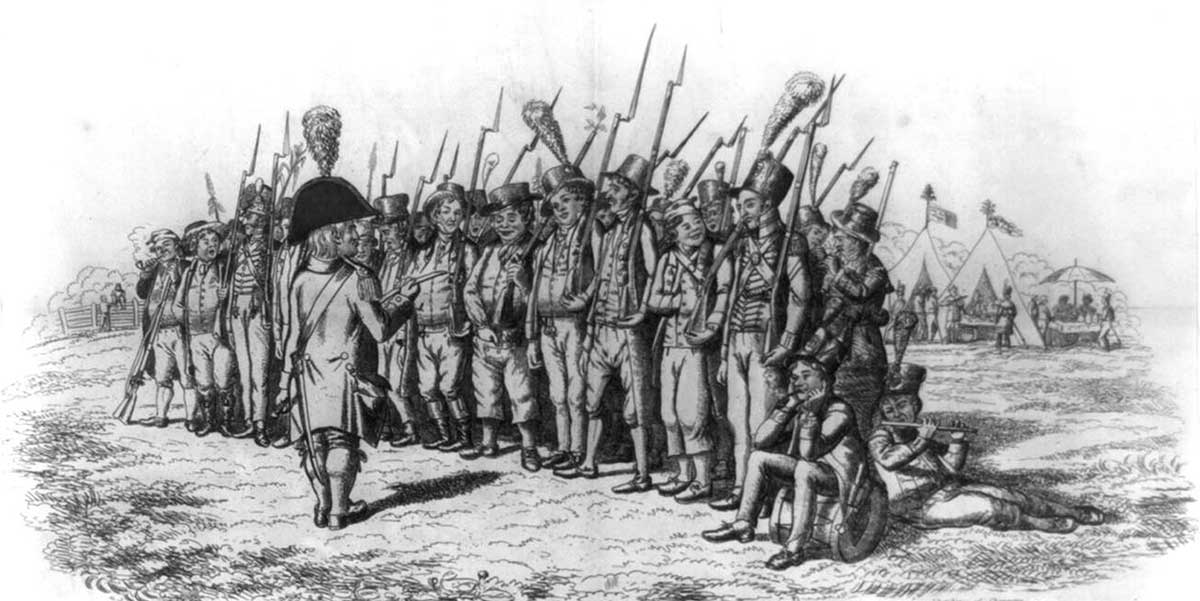
With the establishment of the Thirteen Colonies, the militia system was employed as a defensive measure against Native American attacks, as well as a means of civic enforcement. Under British rule, there was no unified American national identity, and the individual colonies were responsible for passing their own laws governing how their militia system operated. Virginia was one of the colonies at the forefront of developing a strong militia system. They required all able-bodied free men, typically from the ages of 16 to 60, to be enrolled in their local militia and maintain their own weapons. This system sufficed in Virginia for over a century, as military needs leaned more towards local defensive measures rather than large-scale offensive campaigns.
However, when the booming fur trade took settlers west of the Appalachian Mountains into the Ohio River Valley, Virginia found itself limited by its existing militia doctrine. Enrollment in the militias was a civic duty rather than a professional calling. Muster rolls and training exercises served as more of a festive gathering of friends and family rather than a formal military function. The ranks were decided by social status and resembled more citizen than soldier.
The Virginia Provincial Troops
The western frontier presented itself as a land of opportunity with the potential of riches for those who could lay claim to the land. Many of Virginia’s upper echelon saw this as a viable business opportunity but also saw the new perils that came with venturing further west. These perils could not be left in the hands of the farmers and businessmen that made up the local militias. This realization led to the formation of the provincial system.
Legislation authorized the formation of these provincial troops and payment to those who voluntarily enlisted. This new system allowed for men to enlist for very specific periods of time, often only a few months. In addition, they were required to serve outside of their county. This transition was made with the intention of creating a more disciplined and professional fighting force, but this vision took time to come to fruition as men often deserted and returned home before their enlistment ended.
The Ohio River Valley
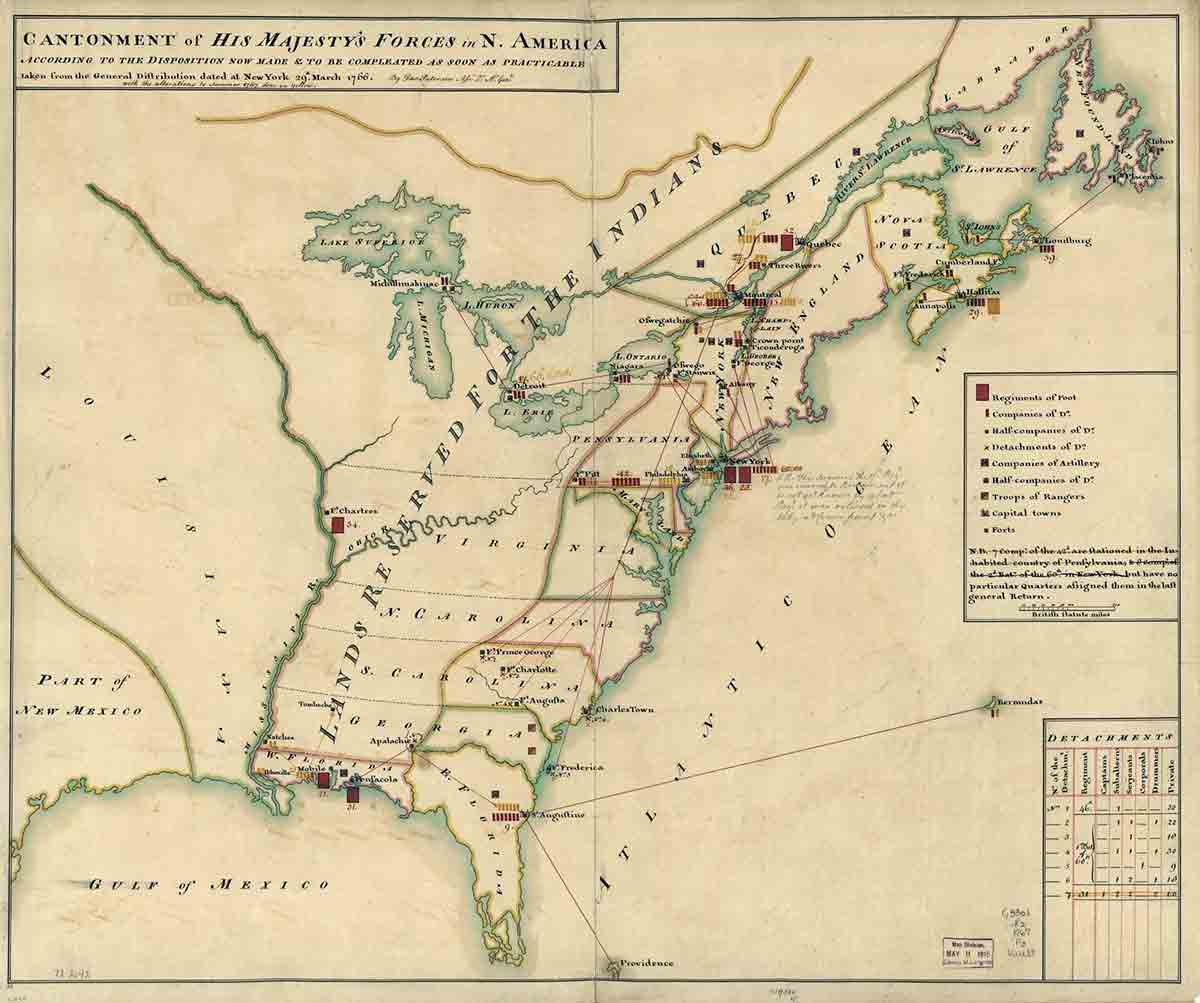
One of the men with a financial interest in the frontier was none other than George Washington. As a young land surveyor with experience in the Ohio River Valley, Washington replaced his deceased brother Lawrence Washington in his county militia and was then appointed as Major in the Virginia Provincial troops. His first task as Major Washington came in 1753 when Governor Robert Dinwiddie tasked him with delivering a letter to the French forces at Fort Le Boeuf notifying them that they were encroaching on territory claimed by Virginia.
Although Major Washington’s mission to deliver the letter was more diplomatic in nature, the response led to his first military action. Washington returned to Governor Dinwiddie with the letter from the French stating they would not be vacating the Ohio River Valley. He was immediately ordered to lead the Virginia Regiment, a provincial militia unit, and return to the frontier with the intention of building forts as a defensive measure.
Flaws in the militia system were clear during Washington’s first true military engagement. Washington was given command with no combat experience, and the new militia system that paid men per enlistment attracted many men of lower social standings and questionable moral judgment. Washington’s inexperience and rash decision making led to the surprise attack of a small detachment of French forces during the Battle of Jumonville Glen. Having received reports of a potential ambush from French troops camped in a concealed location off the road, Washington marched his men directly into their encampment and opened fire. This incident ranks high on the list of causes of the American theater of the Seven Years’ War, known as the French and Indian War.
British Reinforcements
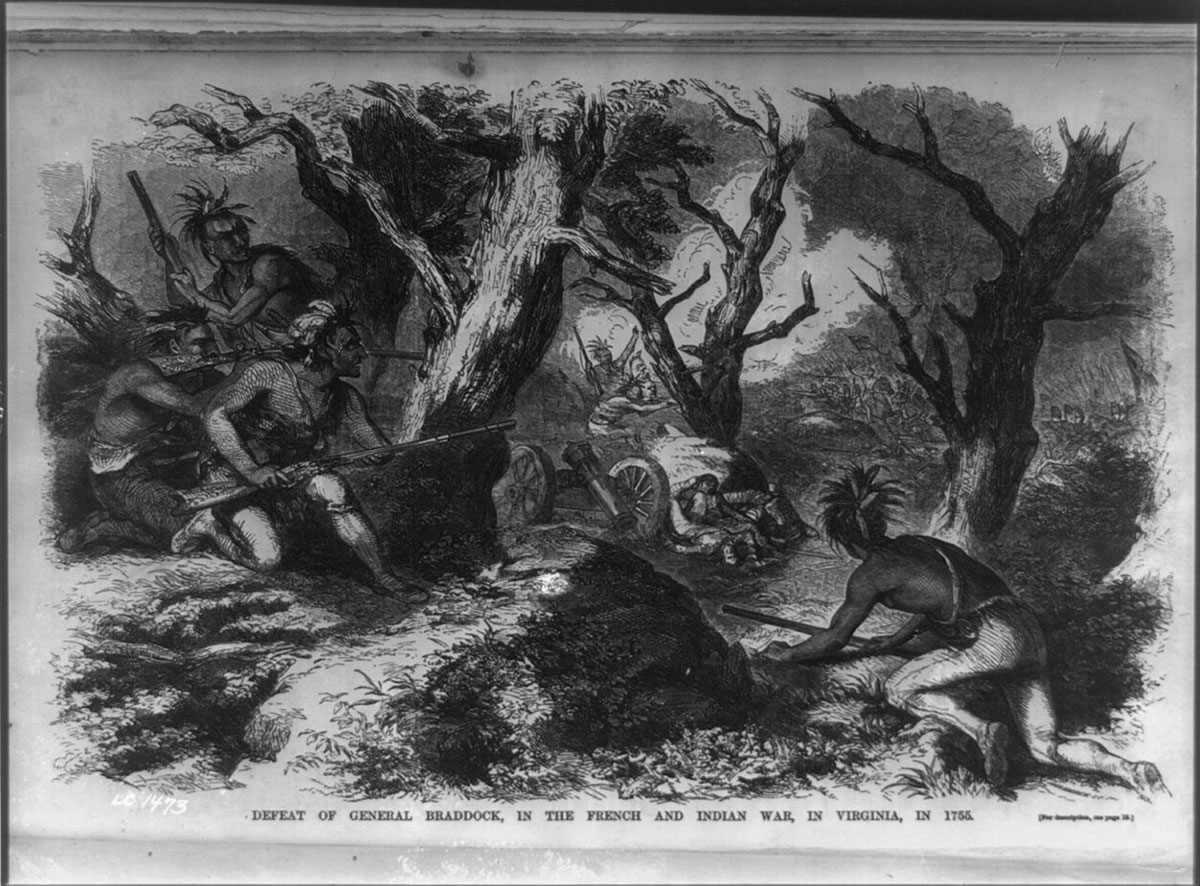
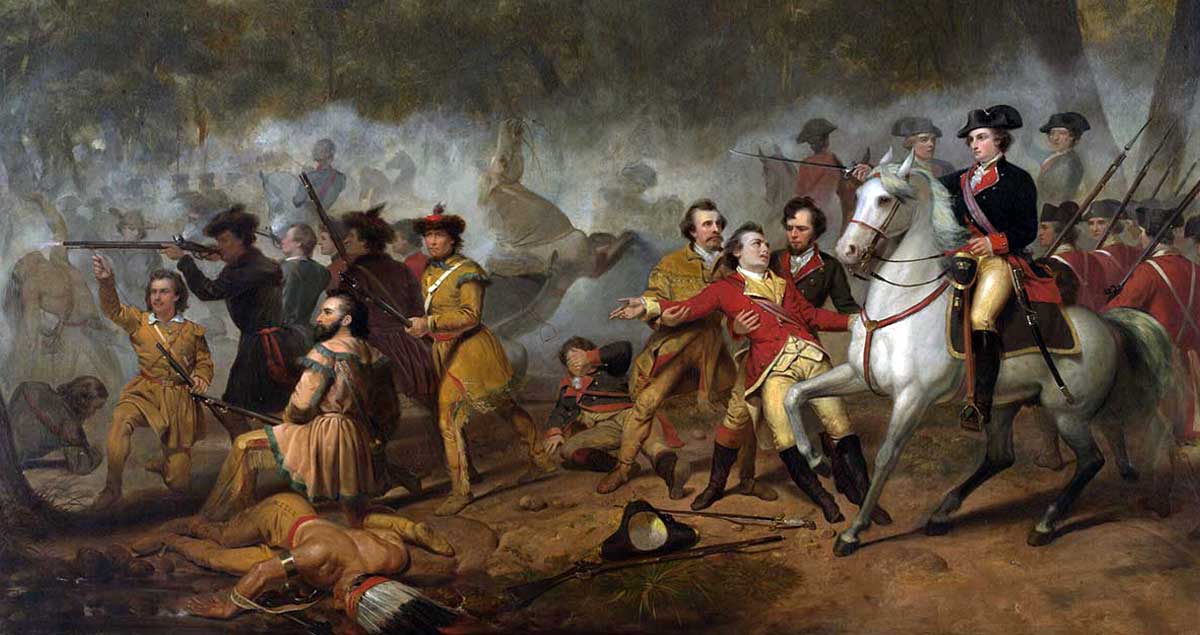
Major George Washington was responsible for some disastrous decision-making in the frontier that forced King George II to send reinforcements from the British Army to expel the French. On paper the mission was simple, General Edward Braddock and 2,000 British soldiers crossed the Atlantic and headed west to secure the French occupied Fort Duquesne. However, the mission proved far more difficult when the stubborn British military doctrine encountered the irregular warfare tactics employed in the frontier.
French and Indigenous forces ambushed Braddock and his men as they approached Fort Duquesne, and the inability to adapt to their environment sealed Braddock’s fate as he was shot through the chest. Despite his prior failures in the frontier, Washington and the Virginia militiamen understood how to best fight back against Indigenous tactics by employing irregular tactics of their own. Provincial militiamen were no strangers to the harsh terrain and bloodcurdling cries of attacking Native American warriors and, despite having a reputation for being undisciplined and unreliable, the citizen soldiers held their ground with more courage than their professional British counterparts.
The militia institution that had formerly been composed of unreliable and ineffective farmers and businessmen was now made up of men with real combat experience. They no longer just met their civic duty to serve, but instead they resembled a professional fighting force, instilling even more confidence among the colonists that the citizen soldier was the best military structure.
The Standing Army Debate
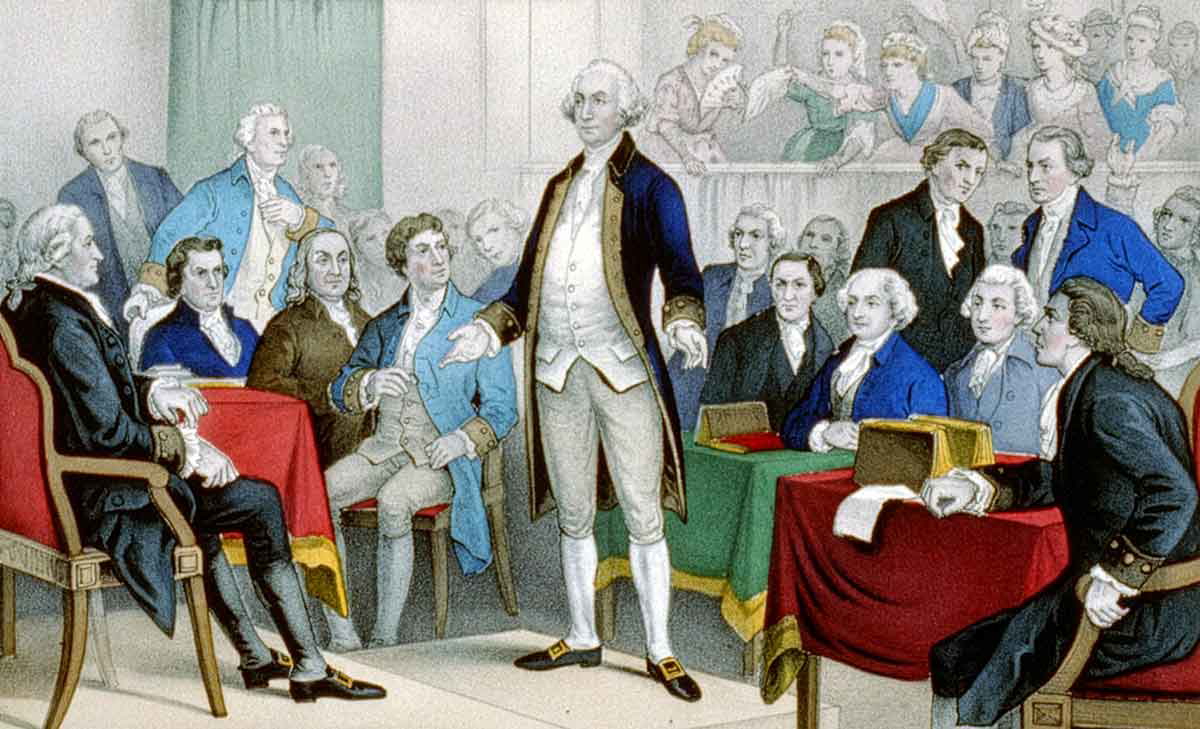
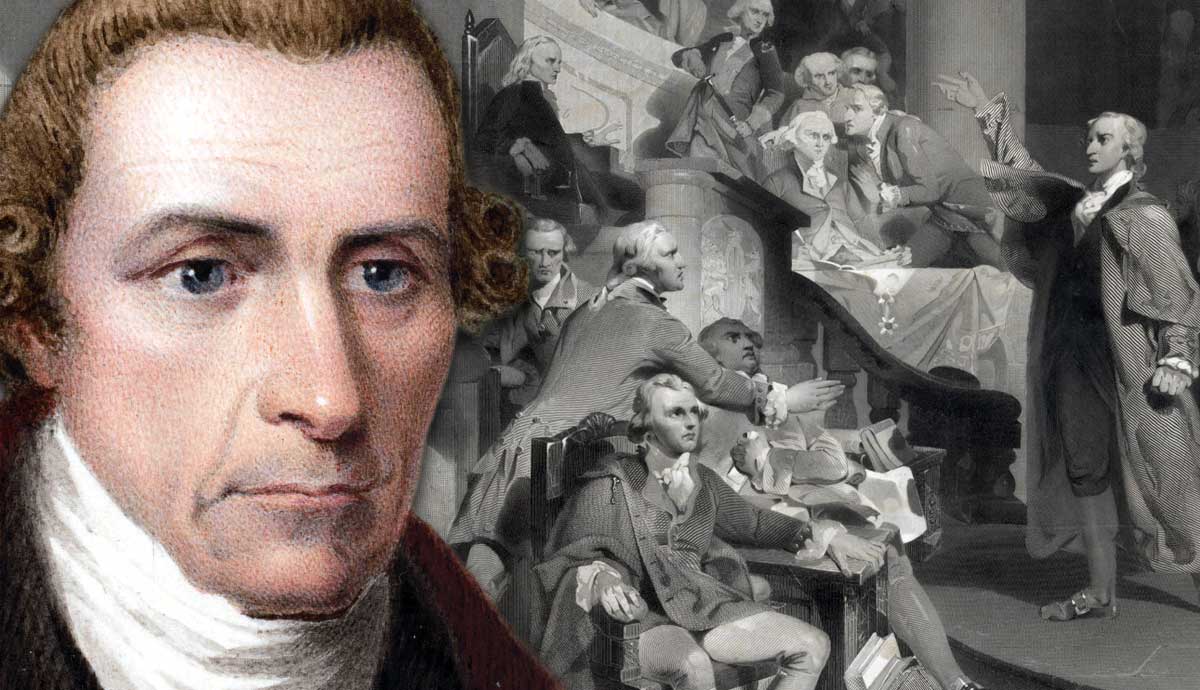
While the British were eventually victorious in the Seven Years’ War, the aftermath of the American campaign became a point of contention between the colonists and the Crown. As the seeds of rebellion were cultivated by iconic revolutionaries like Patrick Henry and Thomas Jefferson, the debate over a standing army surged back to the forefront. Resurfacing the works of prominent Whig writer John Trenchard, pamphlets circulated questioning the formation of a standing army versus leaving the fate of the colonies in the hands of the militia system.
Overwhelmingly, colonists preferred relying on the citizen soldier, citing a fear of a standing army as trading one form of tyranny for another. This argument seems logical, as militias were made up of local familiar faces, and a standing army would be composed of soldiers from all different colonies. Even in their joint quest for independence, the thirteen colonies were far from being a single unified nation. This raised concerns over who was in control of the standing army.
Despite these concerns from the general population, on June 14, 1775, the Continental Congress authorized the formation of the Continental Army. This new standing army was supposed to be composed of ten provincial militia units under enlistments that resembled the arrangements for the Virginia militia.
Citizen Soldiers and the American Revolution
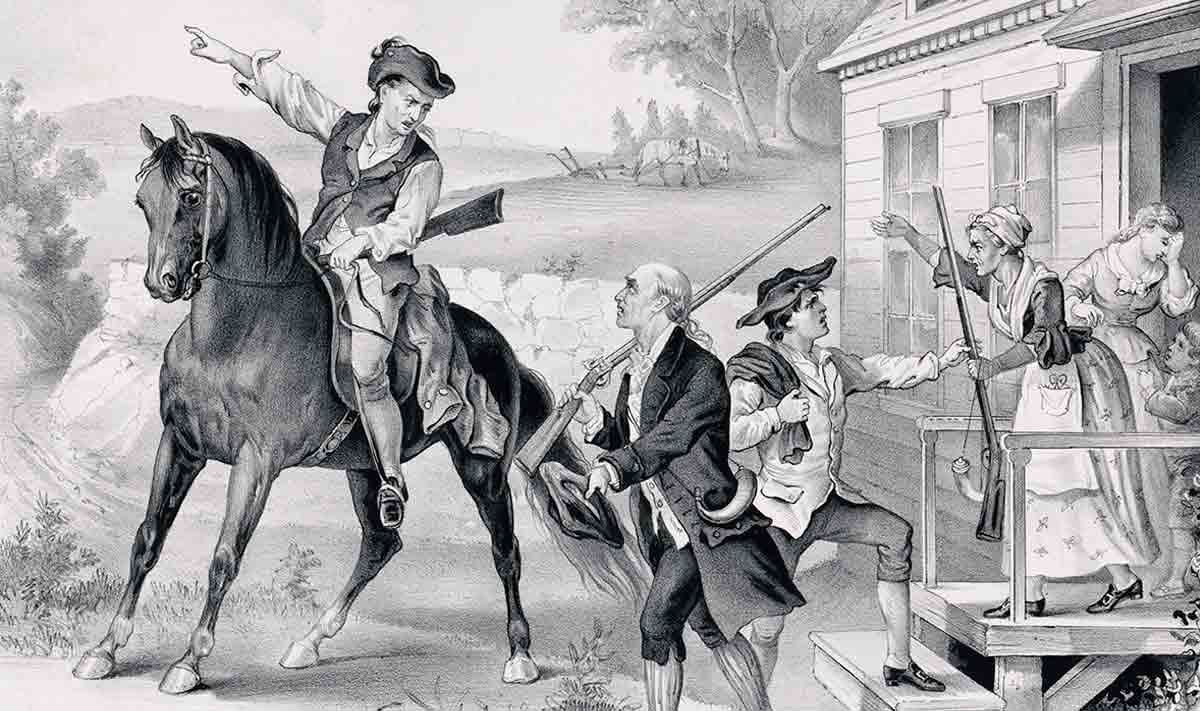
Initial expectations that the American riflemen would win a swift victory fell short as the Revolutionary War dragged on for years. Some men joined in the Continental Army under the command of now General Washington, while others remained in their local militias. When local militias were called on to bolster the numbers of the standing army, their service often was more a liability than an asset. In traditional field battles, the militias were ill-equipped to go toe-to-toe with the British Army, leading many to break ranks early and making it nearly impossible for Continental leadership to rely on their support.
However, while unreliable and ineffective in traditional settings, the citizen soldier excelled on the western frontier. The lands west of the Appalachians were in a constant threat of violence as relationships with some Indigenous tribes deteriorated and British-sponsored attacks became more prevalent. The Virginia Provincial militias were tasked with preventing any meaningful British-Native alliance forming a western theater of the Revolution. This event would have proven disastrous to the revolutionary cause if Washington had been forced to spread his forces even thinner by detaching men to the West.
Post-Revolution
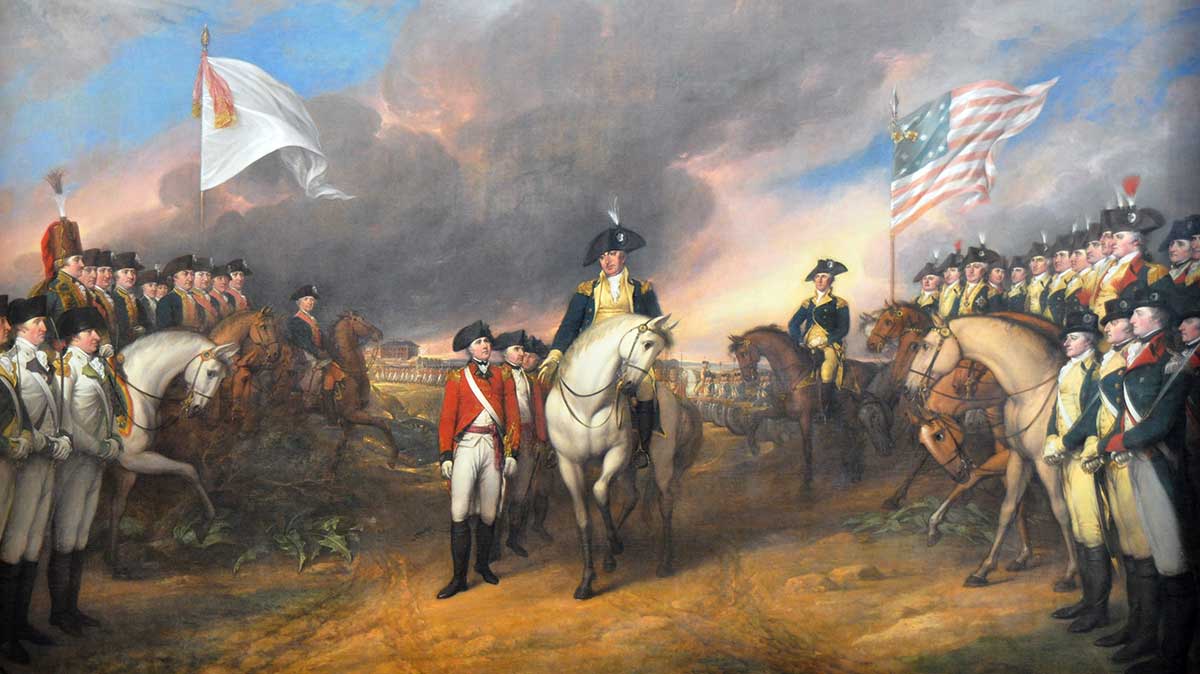
As the American colonies celebrated the British surrender at Yorktown on October 19, 1781, many colonies transitioned their militias back to their original posture of being a local defensive and civic enforcement measure. However, the work was not over for Virginia and those serving in the frontier. Native Americans in the west were not party to the terms of the British surrender, and the provincial militias remained the first line of defense in the west.
One major change that Virginia implemented after the American Revolution was the system of military ranks. On the advice of General Washington, local militias were restructured to prioritize military experience over social status when appointing officers. This practice received some pushback by local elites but strengthened the overall effectiveness of the militia system.
Forced to adapt during their service in the western frontier, the system of relying on the citizen soldier evolved from local farmers and businessmen fulfilling their civic duties into a system that resembled a part-time professional fighting force. The refined Provincial troop structure pioneered by Virginia to secure the western frontier thus eventually became the framework for the federalized army.