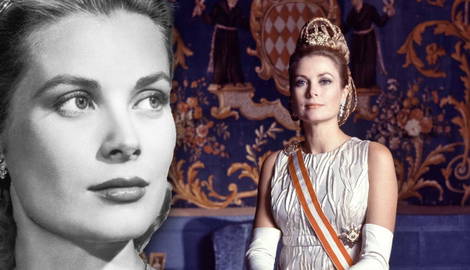

Despite her relatively short acting career, Grace Kelly is one of the most famous names from the Golden Age of Hollywood. Helped along by legendary directors and talented designers, she captured the attention of her audience with radiance and class.
Her story turned into a real-life fairy tale when she married Prince Rainier III of Monaco in 1956. Though the marriage put an end to her film career, Grace continued to work hard, dedicating her time to charitable causes and helping those in need.
Grace Kelly’s Upbringing
Grace Kelly was born in Philadelphia, Pennsylvania, on November 12, 1929.
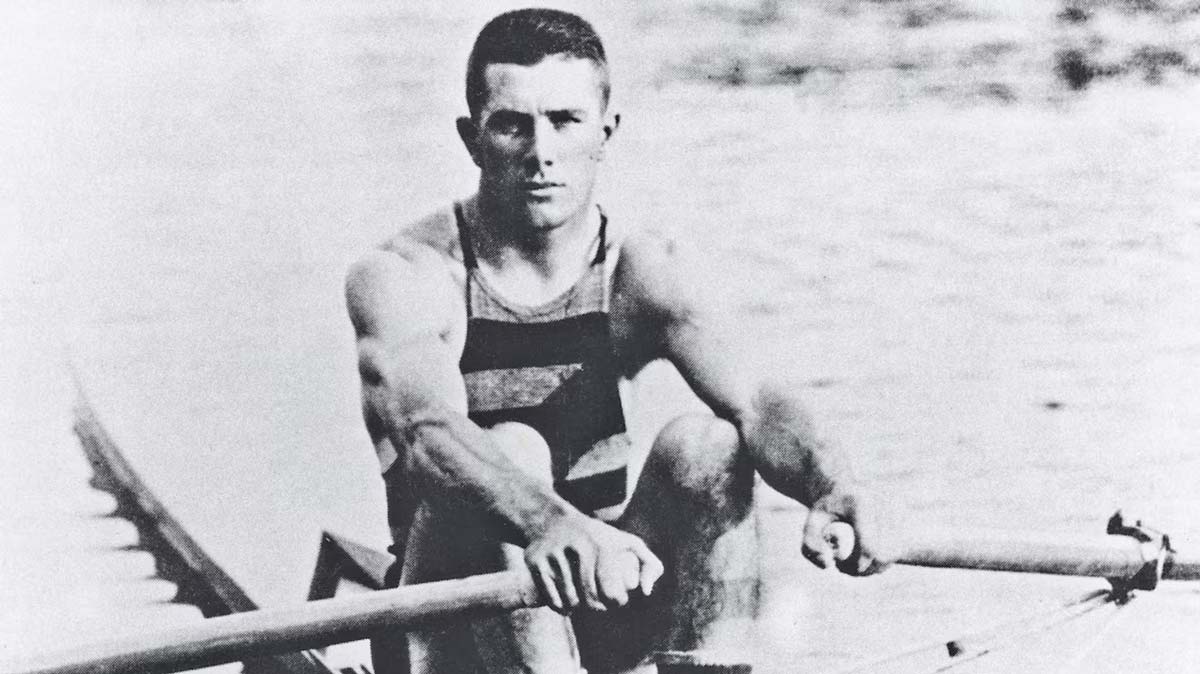
Grace came from a wealthy family. Her father, Jack Kelly, had made his millions with a successful construction company. Even more impressively, he won gold medals at the 1920 and 1924 Olympic Games. Grace’s mother also came from a sporting background, having worked as a physical education teacher.
Grace was the third of four children and was raised in a Catholic household. She was a shy and fragile child, prone to sinus infections and colds. Unlike her parents, Grace didn’t have a great enthusiasm for sports, preferring to play with dolls. There was, however, a theatrical streak in the family: Uncle Walter was a vaudevillian, and Uncle George was a playwright.
In 1944, Grace’s time at Ravenhill Academy (a Catholic School for girls) came to an end, and she started at Stevens School. Here, she performed in school plays, including Peter Pan and The Taming of the Shrew. After graduating in the summer of 1947, Grace tried to get into Bennington College to study dance but failed the entrance exam. Instead, she went to study at the American Academy of Dramatic Arts in New York.
Grace graduated a few years later and obtained a Broadway role in August Strindberg’s The Father alongside Raymond Massey. She also appeared in television plays and worked as a model by advertising products and appearing on magazine covers.
Hollywood Star
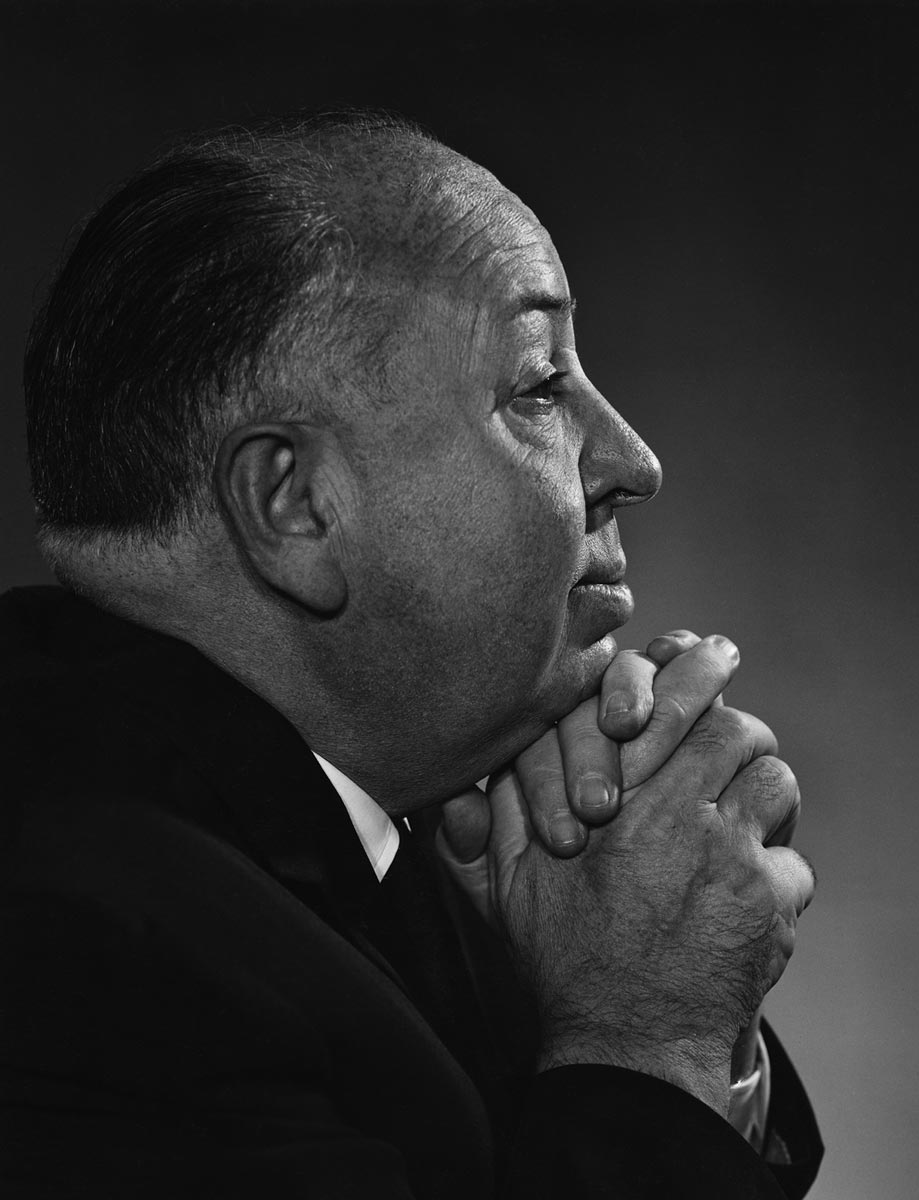
Grace’s first Hollywood role was in a movie called Fourteen Hours (1951). During the production, veteran actor Gary Cooper spotted the young actress while visiting the set, and the following year, Grace starred alongside Cooper in High Noon (1952).
The success of High Noon—the film was nominated for seven Academy Awards and won four of them—gave Grace’s career a big boost. Film studios offered the twenty-two-year-old actress long-term contracts, yet she was hesitant to accept, for her initial goal was to establish herself as a theater actress. However, when Metro-Goldwyn-Mayer (MGM), Hollywood’s largest film studio, offered her a contract, Grace couldn’t refuse.
Her first film with MGM was Mogambo (1953), which was filmed on location in Africa. The primary location was in Uganda, and the base camp included a police force tasked with defending the cast and crew due to the ongoing Mau Mau Rebellion in the neighboring country of Kenya. There were other problems too, with hot conditions and unpredictable lighting causing issues. Despite all this, the film was a box-office success, and Grace received an Oscar nomination for Best Supporting Actress.
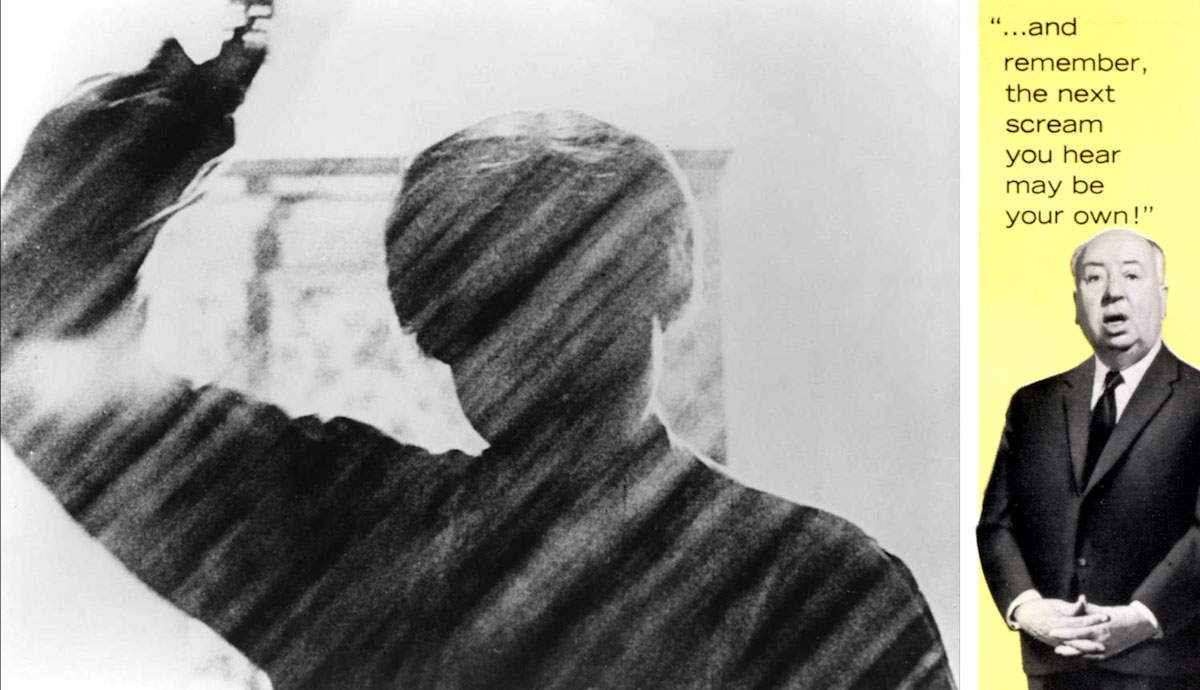
Grace’s next two films were both directed by the Master of Suspense, Alfred Hitchcock. During the making of Dial M for Murder (1954), Hitchcock wanted Grace to wear an elaborate velvet robe in the scene where her character picks up the phone and is attacked from behind. But Grace pushed back against the idea, arguing it was unrealistic to wear this item just to answer the phone. Instead, she wore a simple nightgown, adding to the vulnerability and realism of her character.
In Hitchcock’s Rear Window (1954), Grace played the romantic interest of James Stewart’s character, who is confined to his apartment with a broken leg. Designer Edith Head grew friendly with Grace during the film’s production and helped bring her character to life with a range of outfits, including glamorous evening dresses and a sleek nightgown.
Further Success and a Royal Engagement
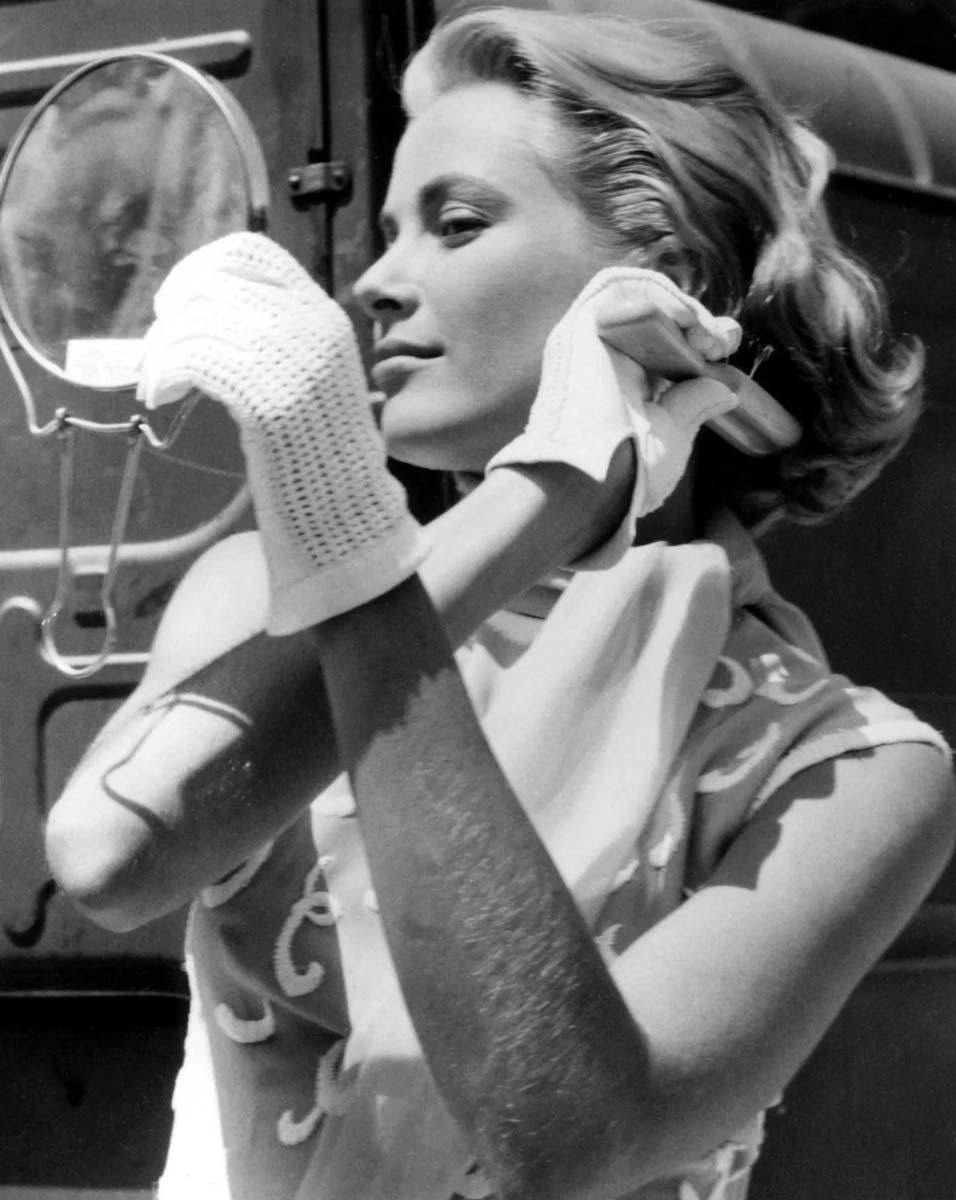
Head joined Grace in her next two films: The Bridges at Toko-Ri (1954) and The Country Girl (1954), with the latter earning Grace an Academy Award for Best Actress. Given her fellow nominees included Judy Garland and Audrey Hepburn, this was a highly commendable victory for the young actress.
Grace also worked closely with a designer named Helen Rose. Having worked together previously in the aforementioned Mogambo, they reunited for Green Fire (1954). Though Grace looked as fashionable as ever, the film itself was the low point of the actress’s career, with many considering it the only bad film she ever made.
Thankfully, she returned to form with another Hitchcock picture: To Catch a Thief (1955), in which Grace played the daughter of a wealthy American oil tycoon. Head outdid herself once again, designing several stunning dresses for the film.
Rose returned for The Swan (1956), in which Grace played a young Ruritanian princess who is courted by a crown prince and a handsome tutor, and High Society (1956), in which Grace played an aristocratic woman about to remarry. Having announced her engagement to Prince Rainier III of Monaco at the start of the year, the filming of the latter took place amid a storm of publicity.
Princess Grace
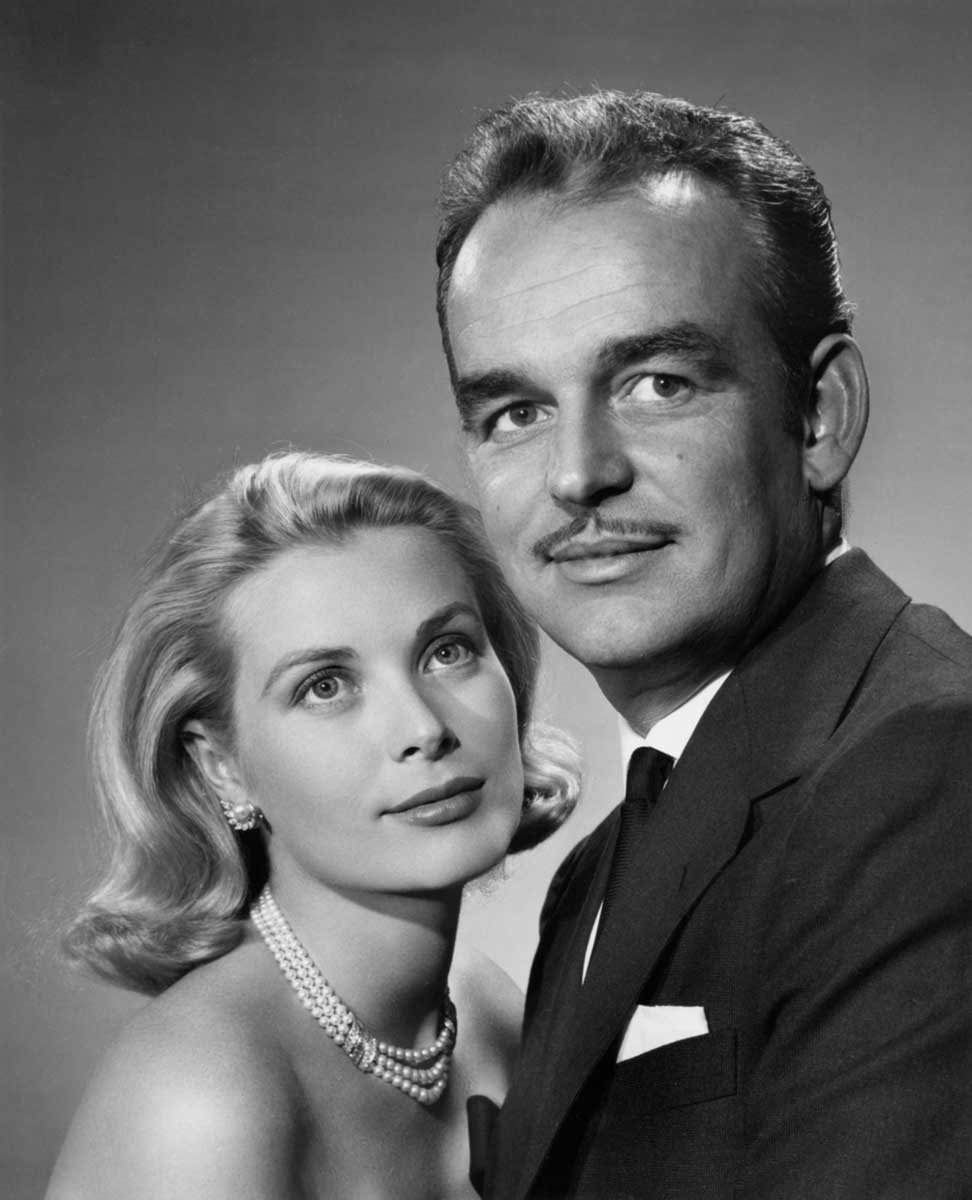
The wedding took place on April 19, 1956, just one day after the release of The Swan.
With hundreds of guests in attendance, MGM capitalized on the event by filming the ceremony, which was watched by over thirty million people worldwide. They also provided Grace with a professional makeup and wardrobe team, with Rose returning to assist once again.
After the ceremony at Saint Nicholas Cathedral, Prince Rainier and Princess Grace drove to the church of Sainte Devote, where Grace placed a bouquet of lilies as an offering to the patron saint of Monaco. The prince and princess returned to the palace and joined the guests for an elegant buffet, including a five-tier cake.
After a honeymoon aboard the royal yacht Deo Juvante II, Grace had to adjust to her new life. This involved learning a new language, adapting to royal protocol, and ignoring bouts of homesickness. Her first pregnancy made the pressure of her new life even more complicated.
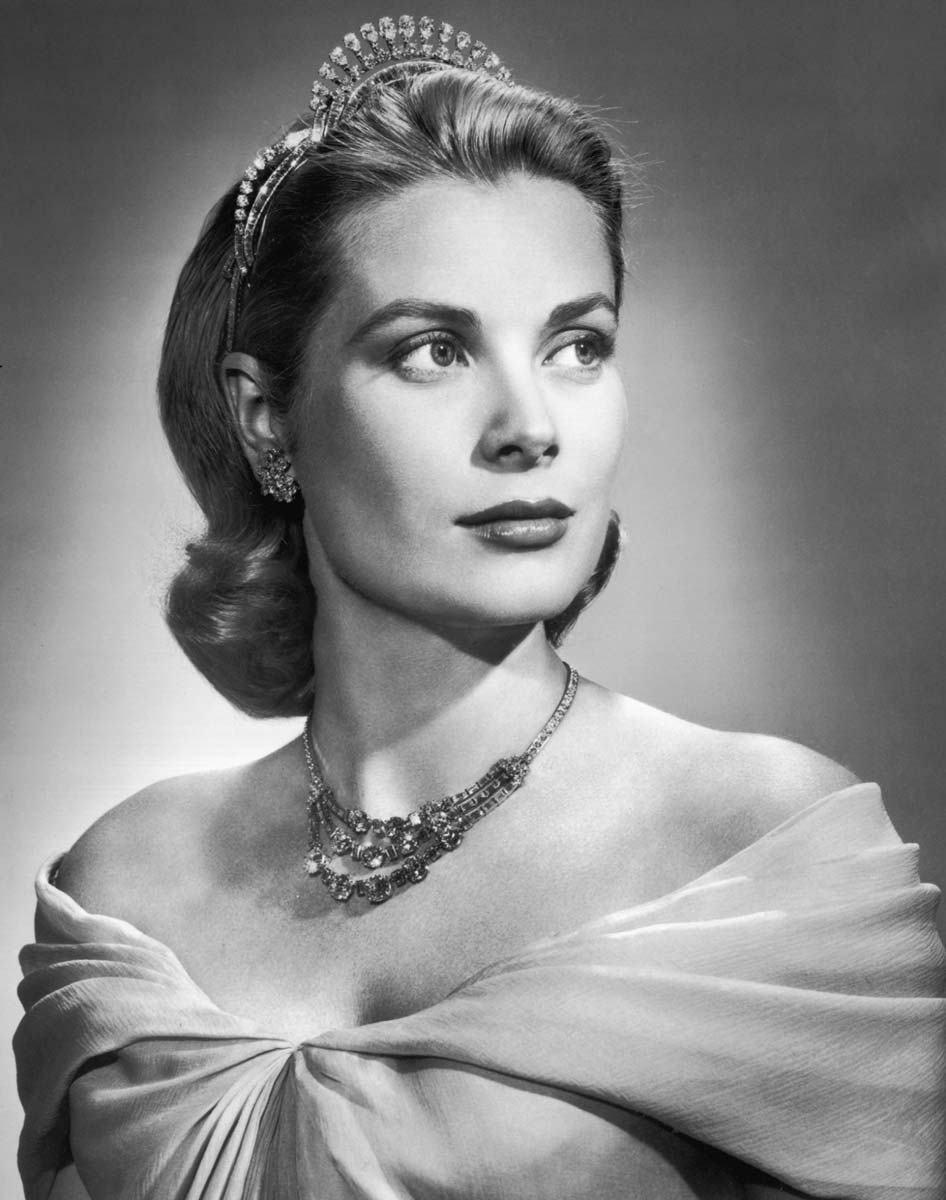
Princess Caroline Louise Marguerite was born on January 23, 1957. Just five months later, Grace became pregnant again, and Prince Albert Alexandre Louis Pierre was born on March 14, 1958.
With her new family underway, Grace used her position to undertake charity and social work. In December, she recorded a Christmas radio appeal for the United Nations to help refugees in Europe. In 1963, Grace founded the Association Mondiale des Amis de l’Enfance (World Association of Children’s Friends), better known as AMADE. The organization’s purpose was to protect children from exploitation and abuse worldwide.
As well as being the President of the Monaco Red Cross, Grace founded the Princess Grace of Monaco Foundation in 1964. The foundation promoted local artisans and gave scholarships to gifted artistic children. The princess helped to modernize Monaco’s hospital, enlarge the home for the elderly, and grow the Garden Club into an international festival.
The Death of a Princess
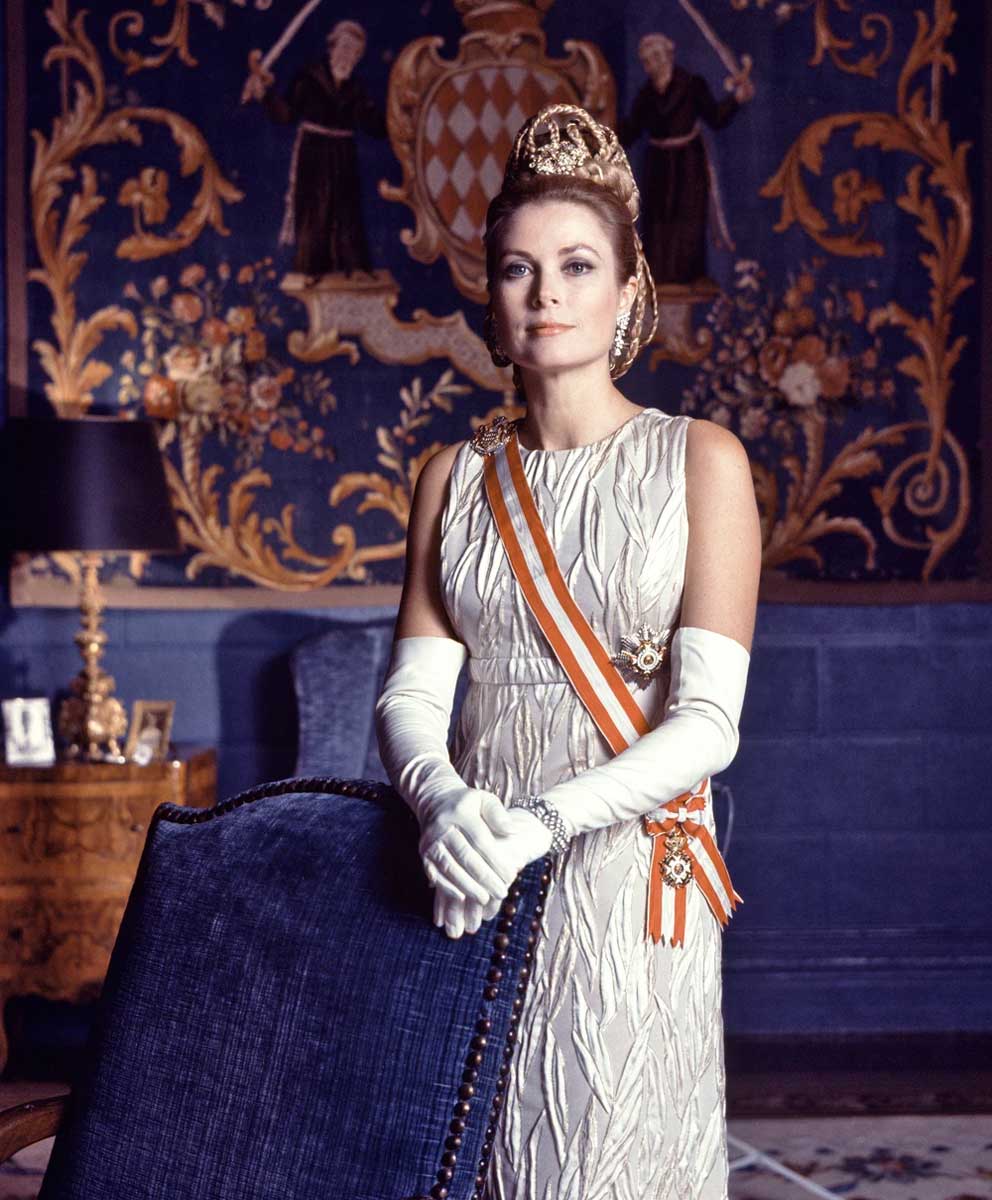
After several tragic miscarriages, Grace delivered her third and final child, Princess Stephanie Marie Elisabeth, on February 1, 1965. As the children matured, the princess returned to the world of performing arts by joining the board of Twentieth Century Fox in 1976. She also narrated a ballet documentary by Robert Dornhelm called The Children of Theatre Street (1977).
Poetry was another outlet for Grace’s creativity. To help celebrate International Wildlife Year, she toured several American cities and delivered poetry readings. She also gave a poetry performance at the London Poetry Presentation in March 1981. Here, she met with Prince Charles and Princess Diana.
Hoping to promote Monaco’s annual flower festival, Grace played herself in a short film titled Rearranged (1982). The plot involved a scientist who the princess mistakenly believes is a champion flower arranger. The film had a small premiere in Monaco and was well-received. Following a pitch to ABC-TV in America, Grace agreed to extend the film by approximately fifteen minutes to fit it into an hour-long time slot.
However, before the extra footage could be shot, Grace was involved in a fatal accident on September 13, 1982. The princess was driving into Monaco from the family home in Roc Agel when she suffered a stroke, causing her vehicle to fall down a hill and roll several times.
Grace and her daughter Stephanie, who was also in the car at the time, were taken to hospital. While her daughter managed to recover from the accident, Grace’s injuries were too severe, and she died the following evening.
Flowers sent from many different countries covered the palace grounds. Almost a hundred million people watched the princess’s funeral on television, which was attended by royals and dignitaries from around the world.
Grace Kelly’s Legacy
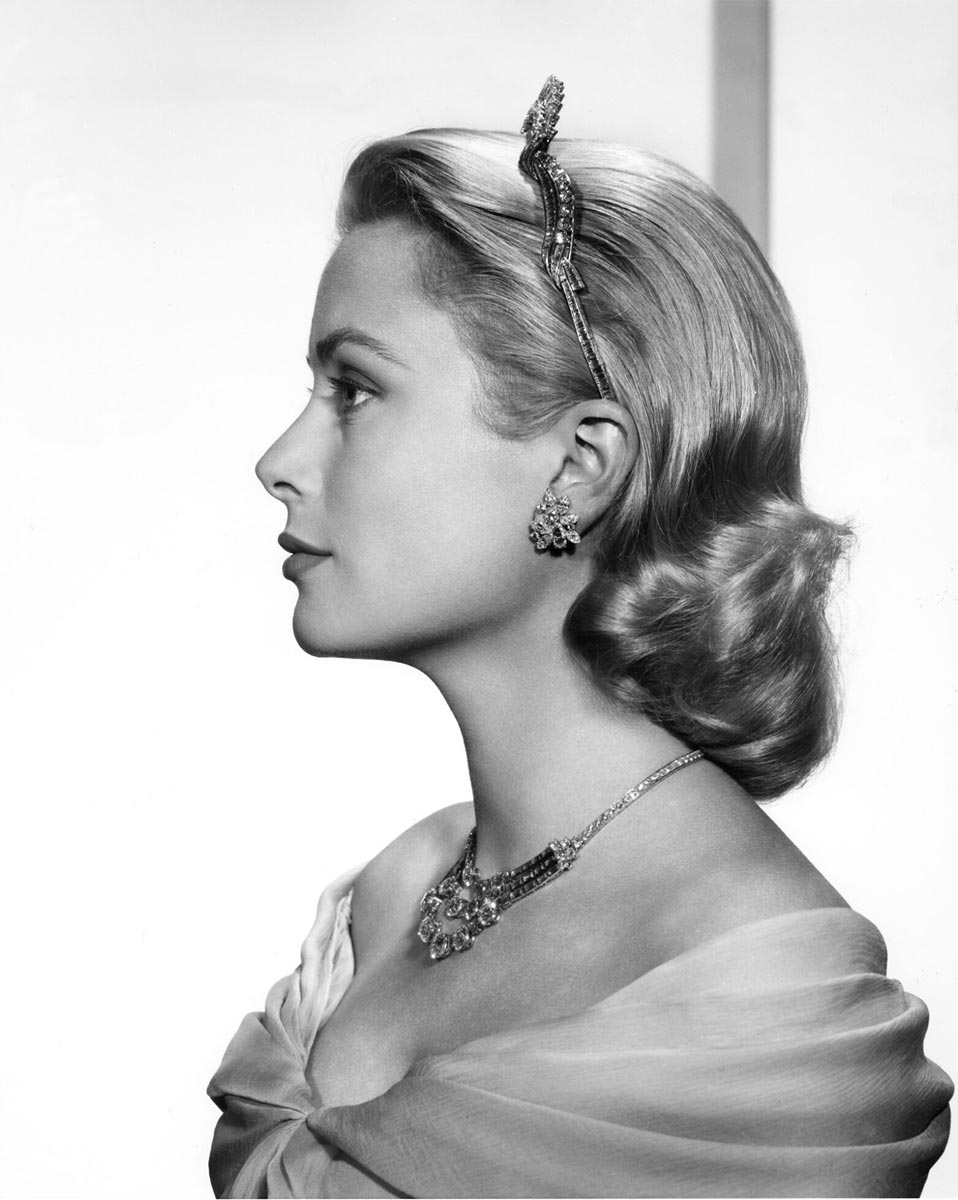
Many stars from the Golden Age of Hollywood had extensive careers. Grace Kelly, on the other hand, only appeared in eleven feature films, yet she still managed to cement herself as a movie legend.
While certain actresses—like Marilyn Monroe or Brigitte Bardot—were known for their striking sensuality, Grace’s appeal was subtler yet arguably more remarkable. She was capable of lighting up the screen without compromising her elegance or propriety. The work of designers like Helen Rose and Edith Head was also key to the actress’s success, helping to turn her into a fashion icon.
Grace’s long-lasting popularity doesn’t just come from her films, though. The charity work she carried out as Princess of Monaco elevated her status still further. She recognized her privilege and did her utmost to help those less fortunate.