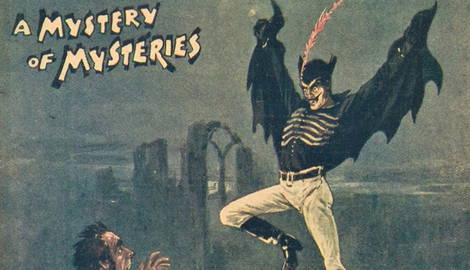

His hands were clammy like those of a corpse, and his fingers ended in sharp claws. His eyes glowed like bright red orbs, and from his mouth he breathed blue and white flames. Beneath a black cloak, this thin figure was that of Spring Heeled Jack, a terrifying and devilish man who terrified the people of England and Scotland during the Victorian era.
The Violent London Encounters That Sparked a National Panic
The first encounter with the monstrous Spring Heeled Jack occurred in October 1837 in Clapham Common in south London. A servant girl, Mary Stevens, was walking home when a man jumped out and accosted her. He grabbed her with cold, corpselike hands and forced his kisses upon her. Her screams alerted others who ran to her aid, and the mysterious figure took off.
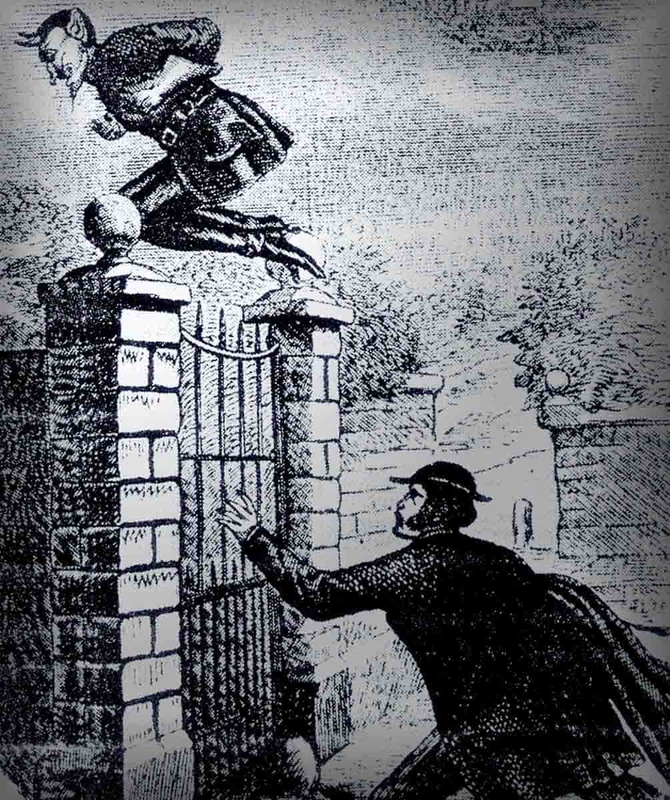
The next day, the cloaked figure appeared again as he jumped in front of a carriage before fleeing by easily springing over a 9-foot wall while cackling maniacally. Such an impossible feat earned him the nickname of “Spring Heeled Jack.”
Over the next few months, reports poured in as women were attacked by this mysterious cloaked figure, and panic began to spread through London.
The Lord Mayor of London, Sir John Cowan, received many letters of complaint, detailing terrifying encounters with the assailant in and around the city. These “wicked pranks” were rampant.
Reports of the Violent Assailant Sparked National Concern
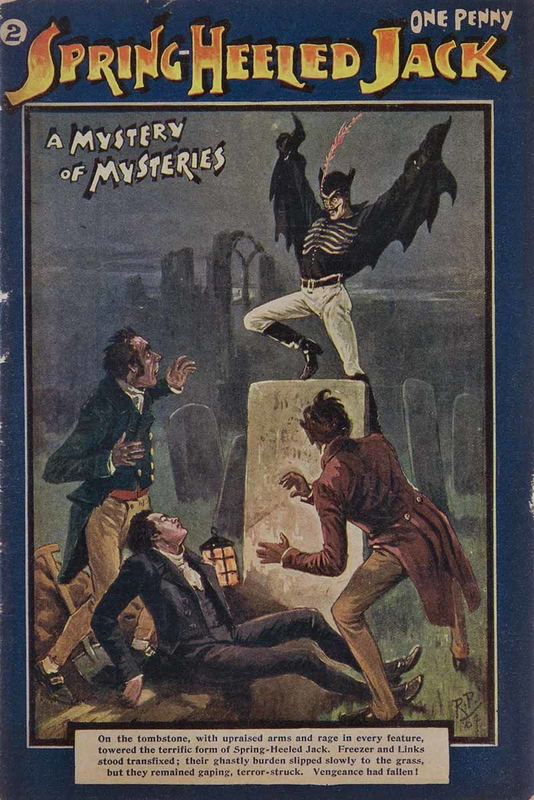
On February 19, 1838, Jane Alsop answered the door of her father’s house in Bearbinder Lane in East London to find a man asking for assistance, claiming to have caught Spring Heeled Jack. When she handed him a candle, however, the man threw off his cloak to reveal his hideous visage and grabbed Jane with metallic claws.
He wore a helmet and vomited forth blue flame, while his eyes burned like fire, and upon his form he wore a white tight-fitting suit like oilskin. Jane struggled and escaped, running towards the house with her assailant in pursuit. When Jane’s sister arrived, Spring Heeled Jack fled the scene.
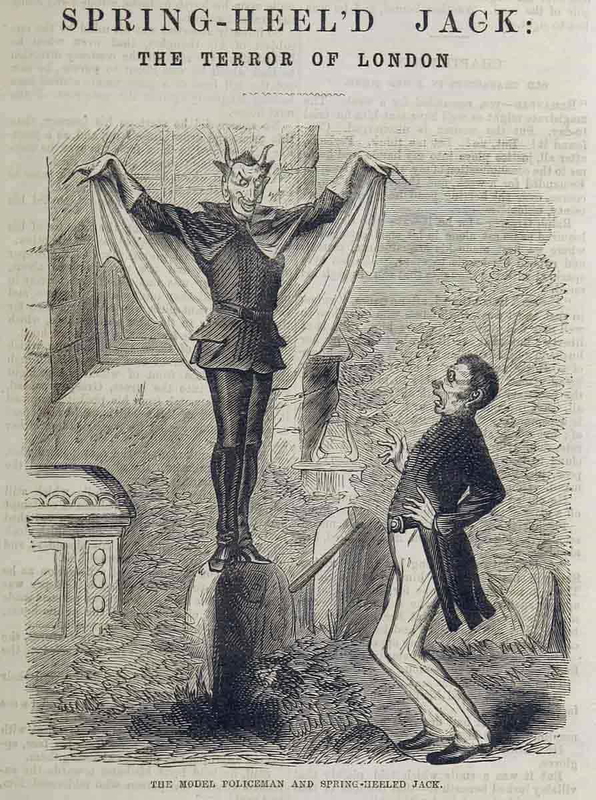
Mere days later, Jack struck again in Green Dragon Alley, Limehouse, where sisters Lucy and Margaret Scales were returning from visiting their brother. A cloaked figure had been waiting in the shadows and jumped out at them, spurting blue flame in Lucy’s face before exiting the scene. Lucy fell to the ground, deprived of her sight. Help arrived quickly, but Lucy suffered fits for hours after the incident.
A man, Thomas Millbank, claimed to be Spring Heeled Jack and was arrested. Jane Alsop, however, insisted that her assailant could breathe fire, and so Millbank was not convicted.
These were just a few of the many attacks that happened, and they certainly wouldn’t be the last. The legend of Spring Heeled Jack continued for decades, living long past the real attacks and into the realm of myth, fueled by the media and penny dreadfuls which turned him into a recurring fictional villain.
The Marquess of Waterford and the Hunt for a Real Perpetrator
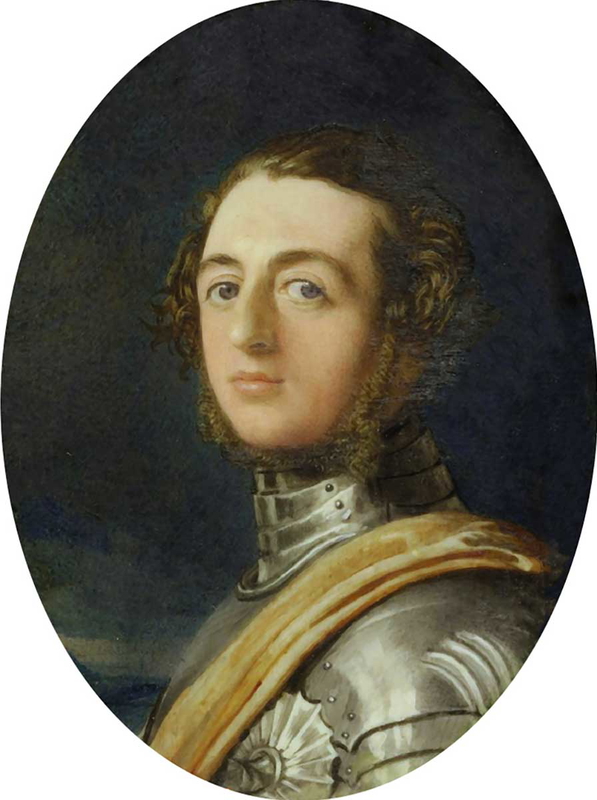
While the myth of Spring Heeled Jack as a supernatural being persisted, there were many skeptics who challenged the idea, and fingers were pointed at various suspects. In the 1840s, the Marquess of Waterford, Henry de la Poer Beresford, was a prime suspect. The “Mad Marquess” was an Irish nobleman who had a history of crude pranks, disdain for women and social norms, and a problematic relationship with the law.
Waterford married and settled down in 1842, and calmed his behavior, eventually dying in a riding accident in 1859. Encounters with Spring Heeled Jack, however, continued beyond the turn of the century. It’s quite believable the phenomenon was not just one person, but a series of copycat pranksters.
In the 1850s and 1860s, Spring Heeled Jack made appearances all over England, but mostly in the Midlands. In 1877, a soldier in the Aldershot Garrison peered into the darkness at a gentleman approaching him. The man promptly slapped the soldier and bounded away in great leaps, shrugging off gunfire.
In the same year, in Newport Arch, Lincoln, he was seen and chased by a mob of people who shot at him, but the villain was unhurt and evaded his pursuers, vaulting away to safety.
By the end of the century, most reports were coming from the northwest of England, and the last sighting was in 1904 in the Everton district of Liverpool.
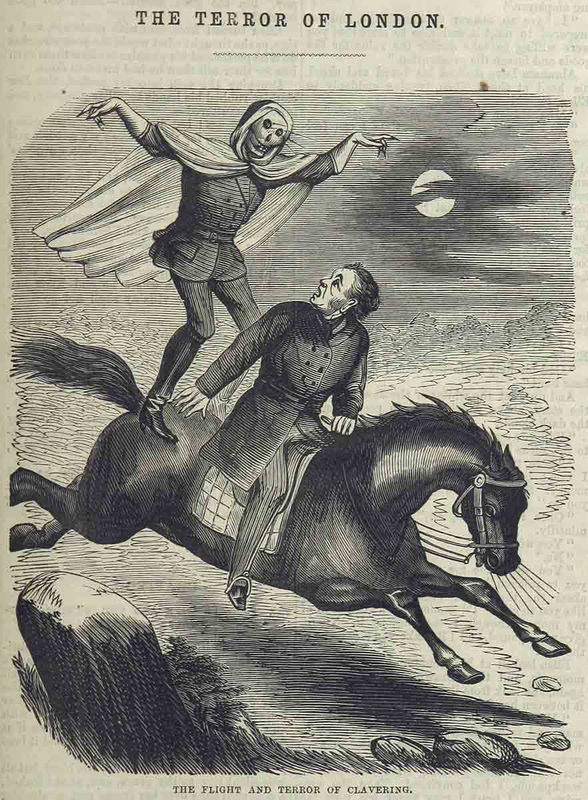
Who or what Spring Heeled Jack was will likely never be known. Until then, theories abound, with some even claiming he was a demon or an alien. Perhaps he was the result of collective panic fuelling folklore. Either way, Spring Heeled Jack remains firmly entrenched in England’s lengthy catalog of urban legends.