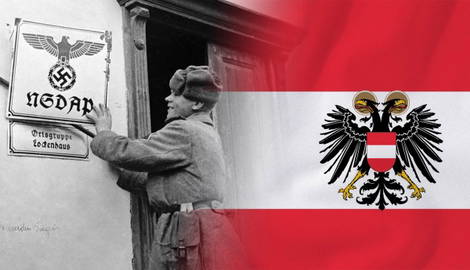

After Austria was annexed into the Third Reich in 1938, Austrians became German citizens. For virtually the entirety of the Second World War, Austria existed as a province of Germany and carried out the war in the name of the Reich.
When the Allies liberated Austria, there was much discussion on how to proceed.
So, what happened to Austria after the war?
Austria Immediately After the Second World War
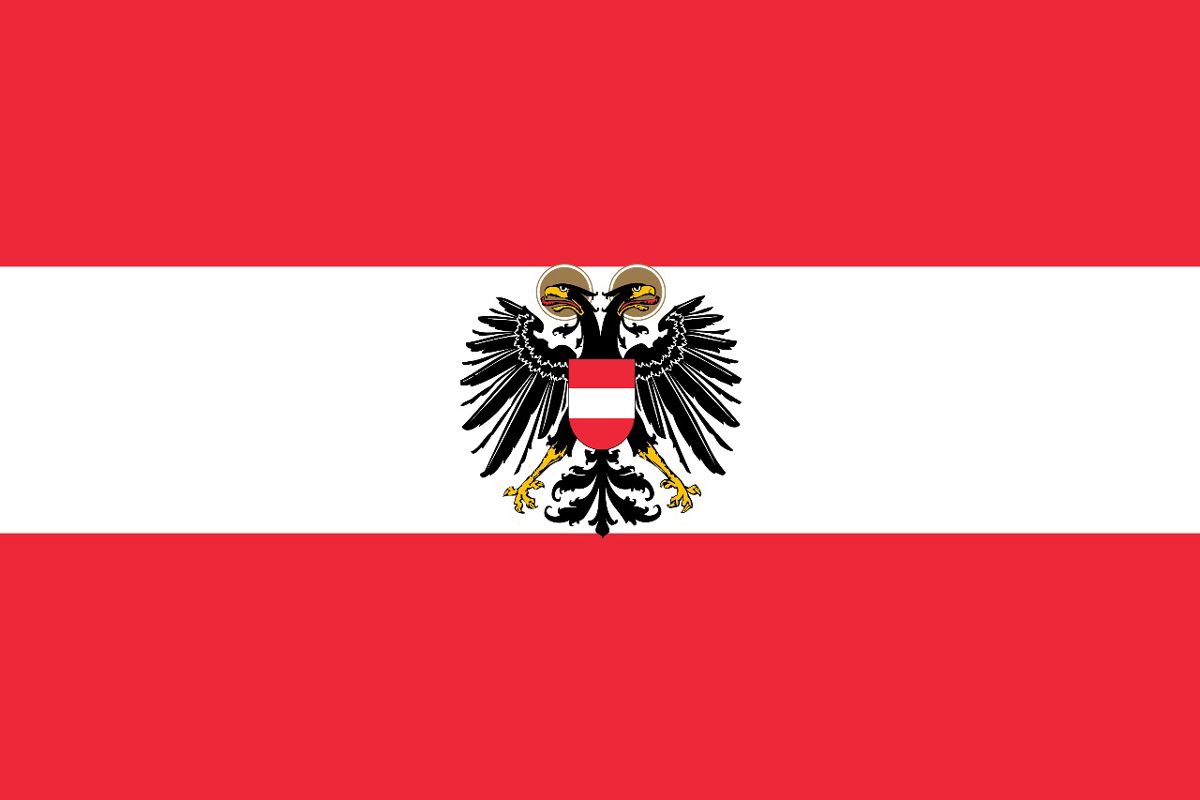
In the years before the Second World War ended, the Allies were already discussing what to do with Austria in the event of the anticipated Allied victory. At the Moscow Conference in late 1943, the leaders of the Soviet Union, the United Kingdom, and the United States decided that they would consider the Nazi annexation of Austria to be null and void. They also recognized that Austria’s participation in the war was an issue that could not be avoided.
On March 29, 1945, Soviet troops crossed the border into Austria. On April 13, they rolled into Vienna while the Axis defenses crumbled all over the frontlines, and a new Austrian government was set up on April 27, just one day after American troops entered Austria. British and French troops entered over the following days.
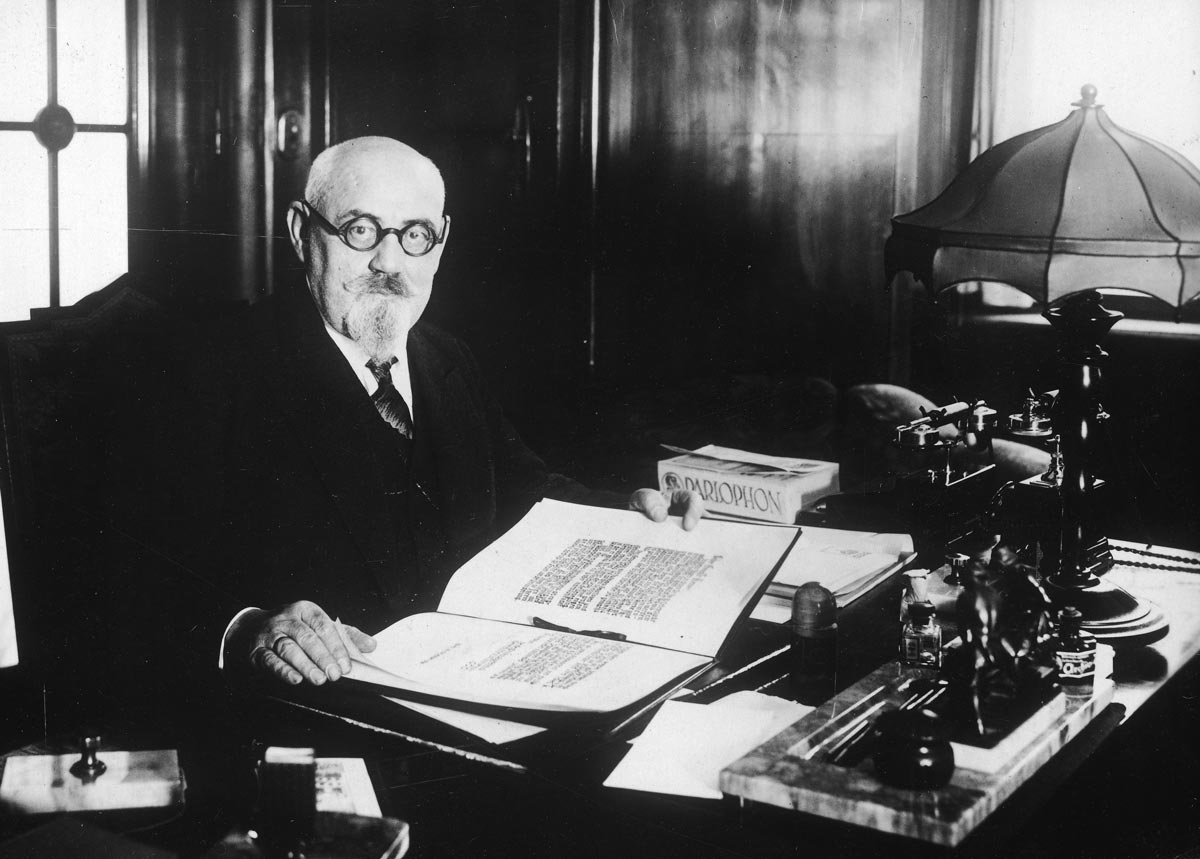
Karl Renner was the head of this left-wing government composed of Social Democrats, Christian Socialists, and communists. Named the “Second Republic,” Austria was declared a democratic republic and regained much of its independence.
The Western powers initially withheld recognition of this government due to concerns that it could be a tool for the Soviets. Nevertheless, recognition eventually came later that year.
Despite Renner’s overture to the Soviets that he should lead a new government, he had little interest in Austria becoming a puppet state of the Soviet Union. Although many of the ministerial positions were occupied by communists, Renner appointed non-communists as their deputies.
A New Country
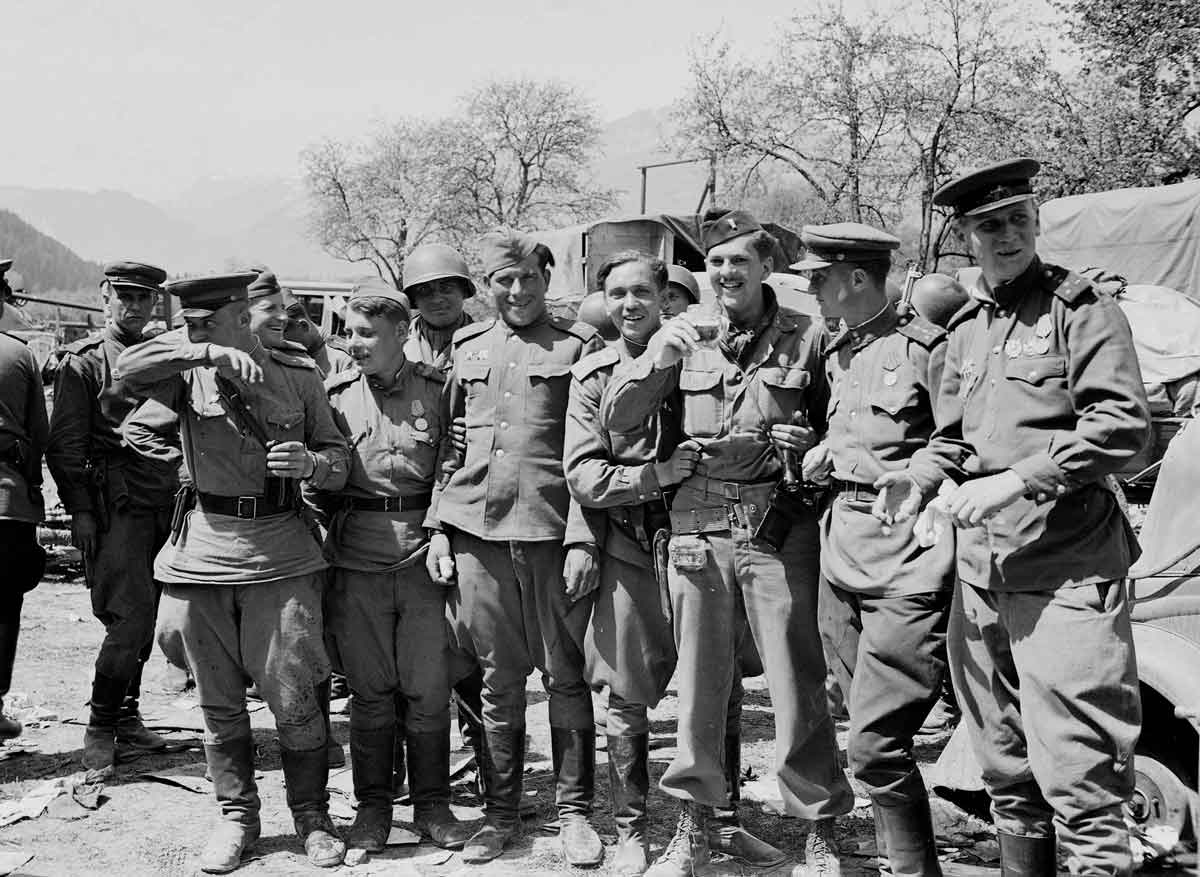
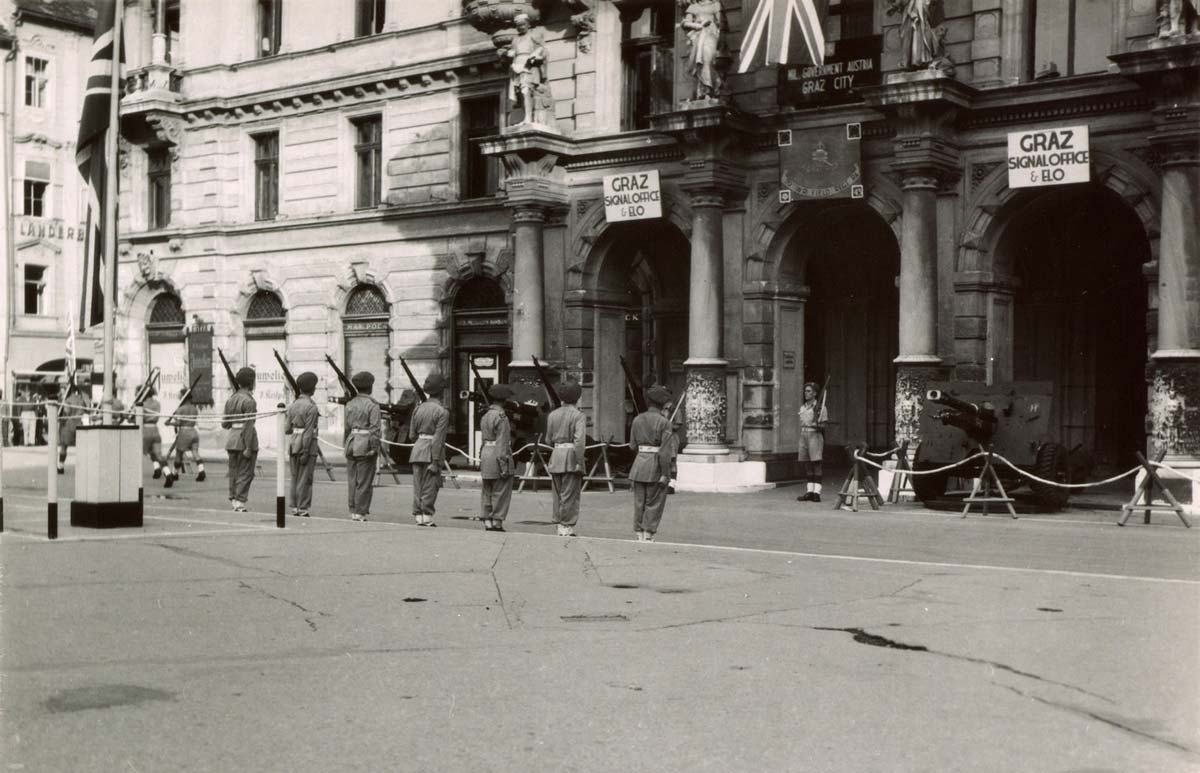
Despite the emergence of Austria as an independent state, the country would have to endure the rigors of Allied occupation, with the new government closely watched by the NKVD, the Soviet secret police. Meanwhile, Soviet troops scoured the land seeking to eliminate the last vestiges of Nazi support. As part of the Allied occupation regime, the British handed over 40,000 Cossacks who had fled the Soviets.
In the first weeks of the occupation, Red Army soldiers carried out violent reprisals against their former enemies, which included systematic sexual violence against women. Alarmed by the conduct of its soldiers, Moscow issued a directive forbidding violent interrogations. Despite the efforts, abusive crime was rampant. Soviet troops accounted for 90 percent of all crimes committed by occupation forces.
From a political perspective, and despite viewing Austria as a defeated Axis power, the Soviets stuck to the agreement of the Moscow Conference and treated Austria as a victim of Nazism. This did not absolve Austria from having to pay reparations, and the Soviets pressed their claims. Austrians had to pay for feeding and clothing the Soviet occupation troops. The Soviets also tried to force Austria to give up all its oil before the Western Allies could establish themselves in the country. This move was blocked by the Western Allies, but the Soviets still managed to exercise the surrender of Austrian oil in their zone of occupation in the east. These were massive burdens on a defeated country ravaged by war.
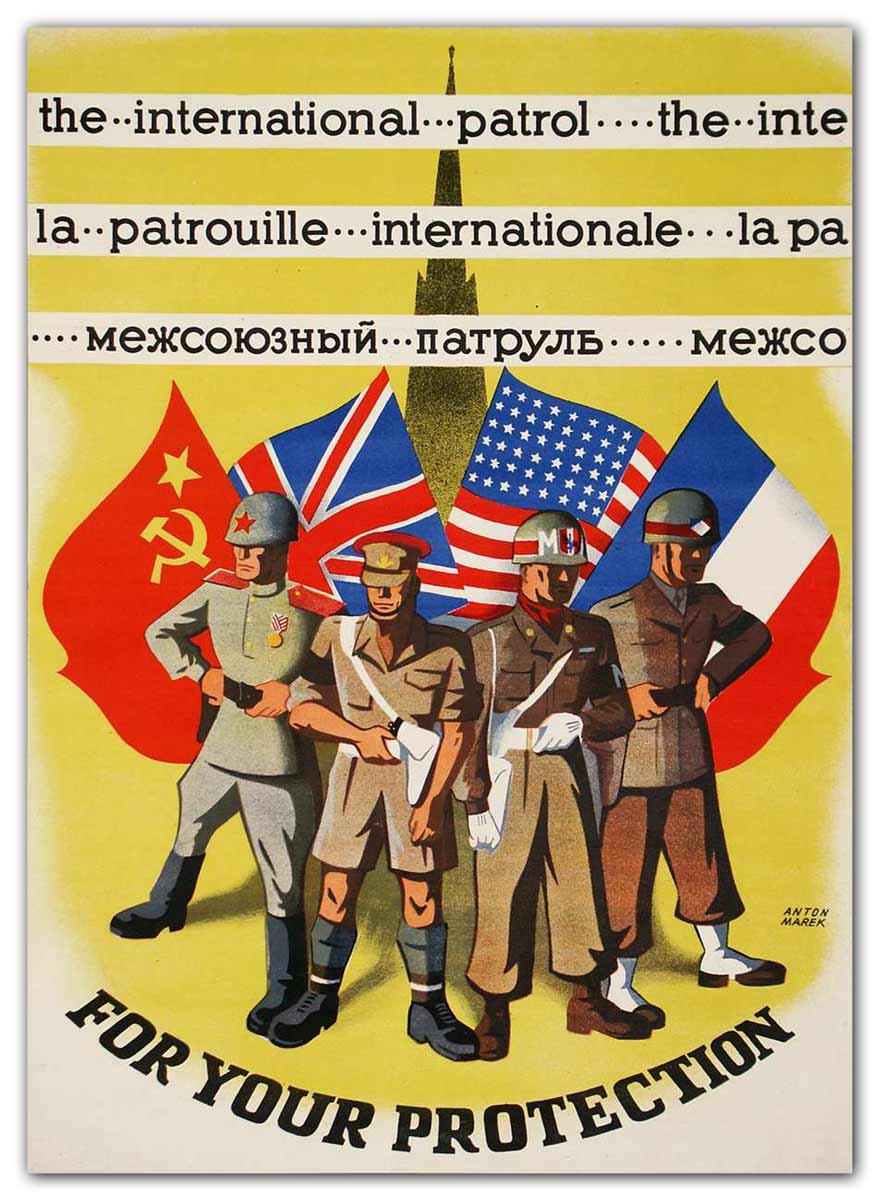
Similar to what had happened in Germany, the Allied powers split Austria into zones of occupation under the jurisdiction of the Soviets, the UK, the US, and France. The capital of Vienna lay in the Soviet zone and was split into zones of occupation like Berlin. Under this arrangement, Allied troops cooperated with one another and frequently conducted joint operations.
A New Government
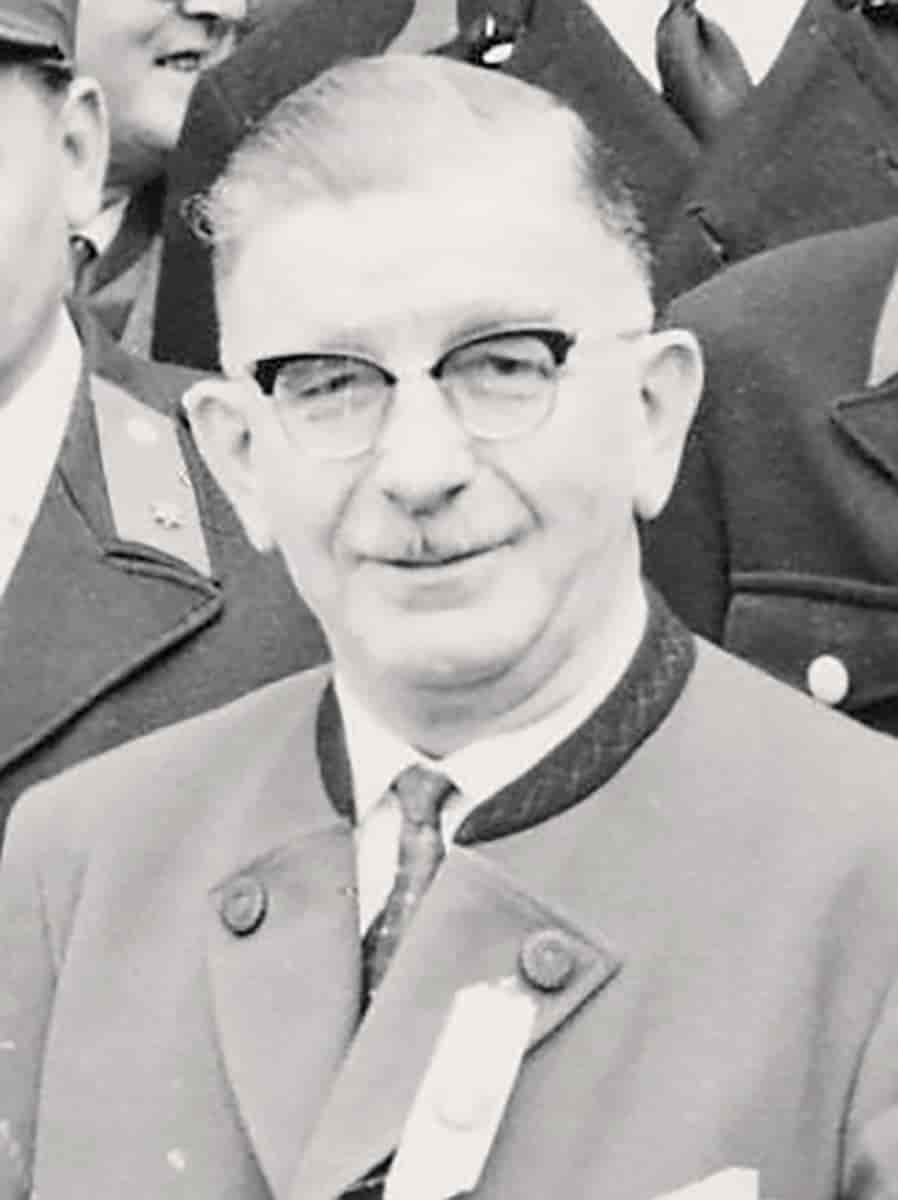
On November 25, 1945, Austria held a general election. Former members of the Nazi Party were forbidden from voting. On the other side of the political divide, Austrian communists garnered just over five percent of the vote—a major blow to the Communist Party of Austria. The election resulted in a coalition government formed by the Christian Democrats (ÖVP), which won 49 percent of the vote, and the Social Democrats (SPÖ), which received 44 percent. Julius Raab of the Christian Democrats was offered the chancellorship, but this move was vetoed by the Soviets as Raab had been a member of the Austro-fascist Fatherland Front. Instead, Leopold Figl was appointed to the position.
The Soviets were disappointed by the poor showing of the Austrian communists, which undermined their efforts to influence the Austrian government.
As far as the Soviets were concerned, Figl was only marginally preferable to Raab. The Soviets responded to the event by plundering Austria of its resources, increasing tensions between the Western powers and the Soviet Union. NKVD units were tasked with dismantling Austrian industrial equipment and transporting it back to the Soviet Union, while industrial plants were seized and freight cars looted.
Despite the Soviets’ actions in Austria, the territory was not high on the Kremlin’s priority list. Austria was relatively far from Soviet borders, and Moscow preferred to focus its attention on neighboring countries. As such, there was little attempt to force a communist takeover of Austrian politics. Nevertheless, the Soviets remained in force and exercised military authority over their zone of control.
On June 28, 1946, the Western Allies loosened their grip on control of the Austrian government after the Second Control Agreement was signed by the four occupation powers. Only through a unanimous vote by the four powers could governmental decisions subsequently be overturned. Prior to this, all draft laws had to be submitted to the Allied Control Council for approval. After the agreement, only constitutional laws required Allied approval.
Denazification
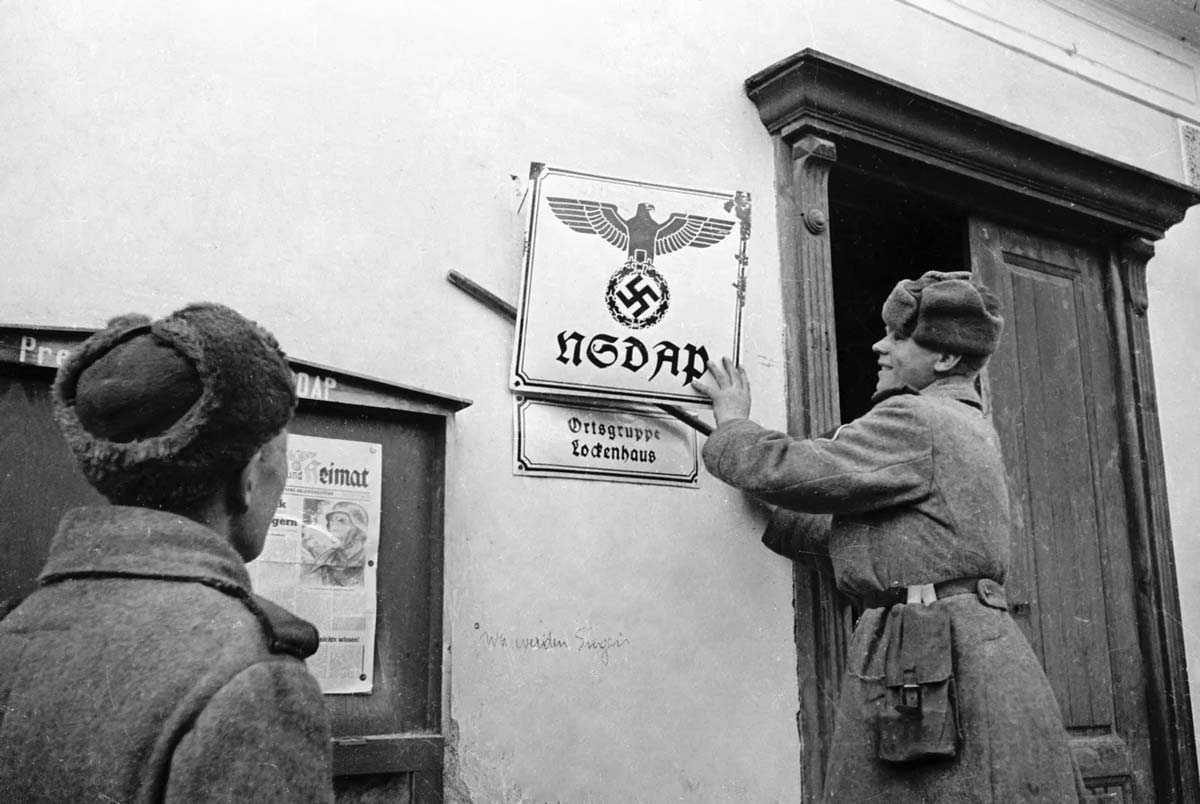
In the first months after the war, massive efforts were implemented to root out and eliminate the Nazi presence in Austria. The Prohibition Act and the War Criminals Act were two of the most important laws that the new Austrian government enacted to root out, pacify, and punish Nazis. Those who had been members of the Nazi Party were forced to register with the authorities.
High-ranking officials and members of the SS and SA were targeted for asset seizure, removal from public sector jobs, and occupational bans. They were also subject to increased taxation.
Special courts were set up in major cities, and former Nazis were put on trial. Over a hundred thousand cases were brought before the judges, and 23,477 sentences were passed. Of the 43 people who received death sentences, 30 were executed.
As the years progressed, the fervor with which denazification took place in the courts dropped significantly. There were more acquittals than convictions from 1948 onwards, and sentences were reduced.
Despite these initiatives and the obvious complicity of Austrians in Nazi war crimes, it was still a common belief that Austria was more of a victim than a perpetrator and accomplice. This mindset would last for many decades.
Economic Challenges
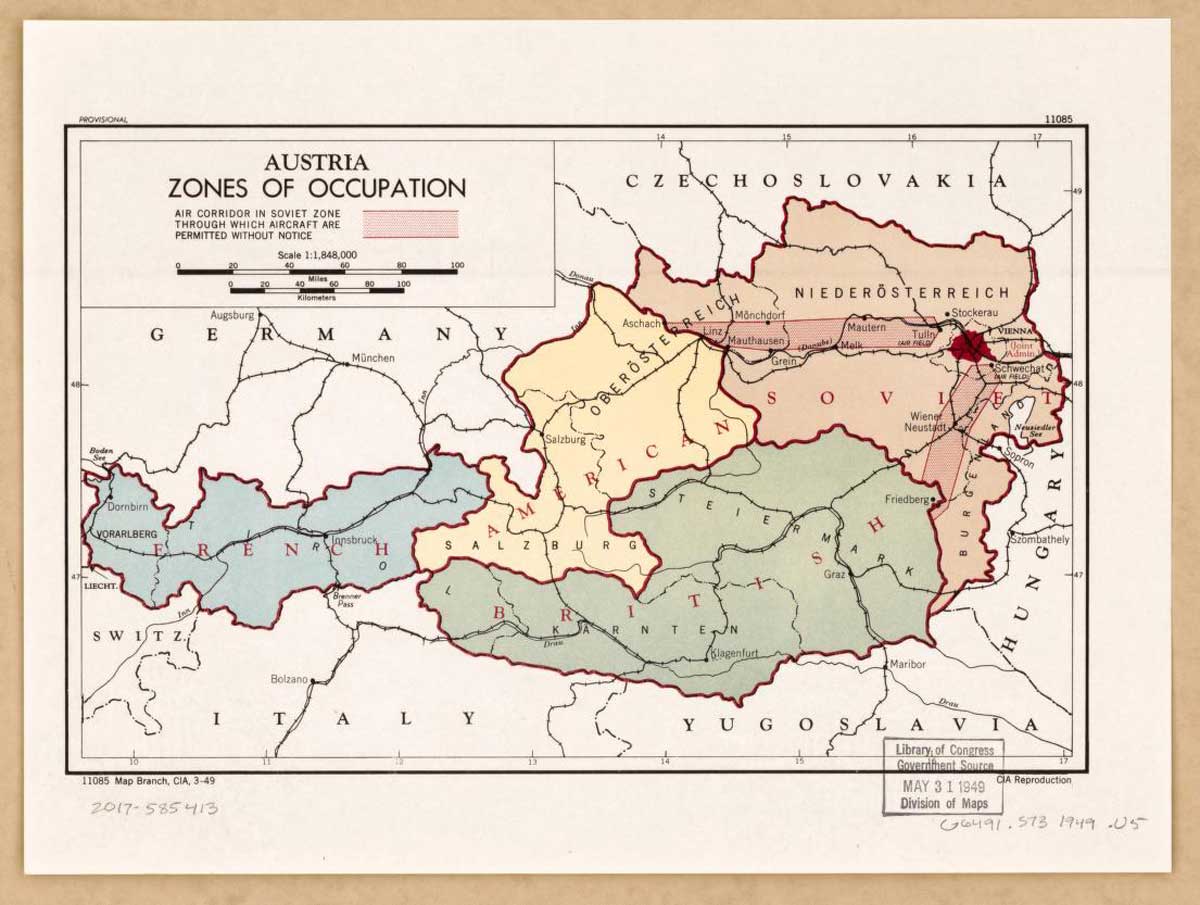
While on the path to political independence, the state of Austria’s economy was in peril. Resources were being stripped, and more than a third of the budget was being spent on providing for the occupation.
In the Soviet zone, the Soviets took control of industries and companies and formed the Administration For Soviet Property in Austria (USIA). Initially run by Red Army staff, control of the USIA was transferred to industrial managers in 1949. The Austrians refused to recognize the legitimacy of this organization, and the Soviets refused to pay taxes on any of the profits of companies under the control of the USIA. To make matters worse, these profits were not reinvested into the Austrian economy but regarded by the Soviets as reparations.
Economic hardships also led to food shortages, and the United Nations Relief and Rehabilitation Administration had to intervene to provide aid. In May 1947, the crisis caused riots to erupt in Vienna. Chancellor Figl laid the blame on the communists, whom he accused of trying to launch a coup.
The economic woes were relieved by aid from the United States, which continued under the Marshall Plan. Austria was a huge beneficiary of Western aid, which accounted for 14 percent of the national income from 1948 to 1949.
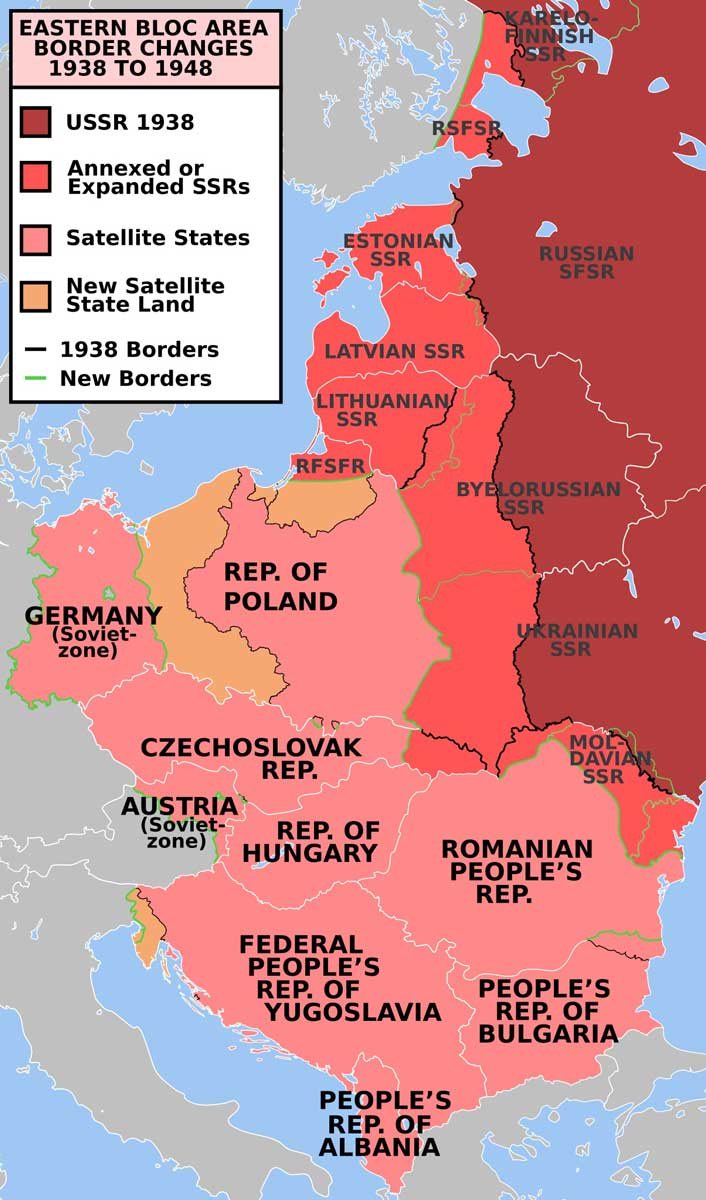
As relief came pouring in from the US, Austria began to lean heavily towards the West. In October 1949, East Germany was formed, and the West feared that the same dynamic would happen in Austria, which had been split into occupation zones in exactly the same manner.
To counter potential Soviet designs on Austria, the West initiated the building of a new army for Austria. This army included soldiers who had fought for Germany during the Second World War.
In 1950, a series of general riots rocked Austria once again. The communists took over trade union offices but failed to recruit enough support. They had to admit defeat, but the specter of a communist takeover still loomed. The United States and its Western allies feared that Austria would become a battleground in a similar fashion to what was happening in Korea.
An End to the Occupation
The Soviets, however, would not replicate what had happened in East Germany. Global politics went through major shifts during the early 1950s, and the Soviets wanted to use Austria as a bargaining chip rather than set up another client state, which they would have to spend significant resources controlling. This dynamic became especially relevant after the death of Stalin in March 1953.
With the accession of Nikita Khrushchev, there was a thaw in relations between the East and West, and with the collapse of many USIA firms competing against their counterparts set up in the Western zones, the Soviet Union saw little value in pressing control over a nation that had shifted so heavily towards the West and was not integral to the defense of the Soviet Union.
Troop numbers were drastically reduced on both sides, and another election was held in 1953, which resulted in the same dominance of the SPÖ and the ÖVP. The coalition government was preserved, but this time, Julius Raab was elected as the new chancellor.
Raab was invited to talks in Moscow, and an agreement was reached. In exchange for Austrian independence, Raab agreed that Austria would remain neutral. This assuaged Soviet fears of NATO expansion into Austria.
This rapid development surprised the Allies, who were suspicious of Soviet motives. There was an initial belief that the development was too good to be true. There was, however, no indication that a deal had been made in bad faith, and the Soviets honored their recognition of an independent Austria.
The Austrian State Treaty was signed in Vienna on May 15, 1955, and Austria became a fully independent nation once more. By October 25 of that year, occupation forces had been completely withdrawn.
Spies and Summits
Austria stuck to its promise of neutrality throughout the Cold War and served as a meeting point between the Eastern and Western blocs. Through this, Austria offered a space that fostered constructive dialogue but also served as a hotbed of espionage.
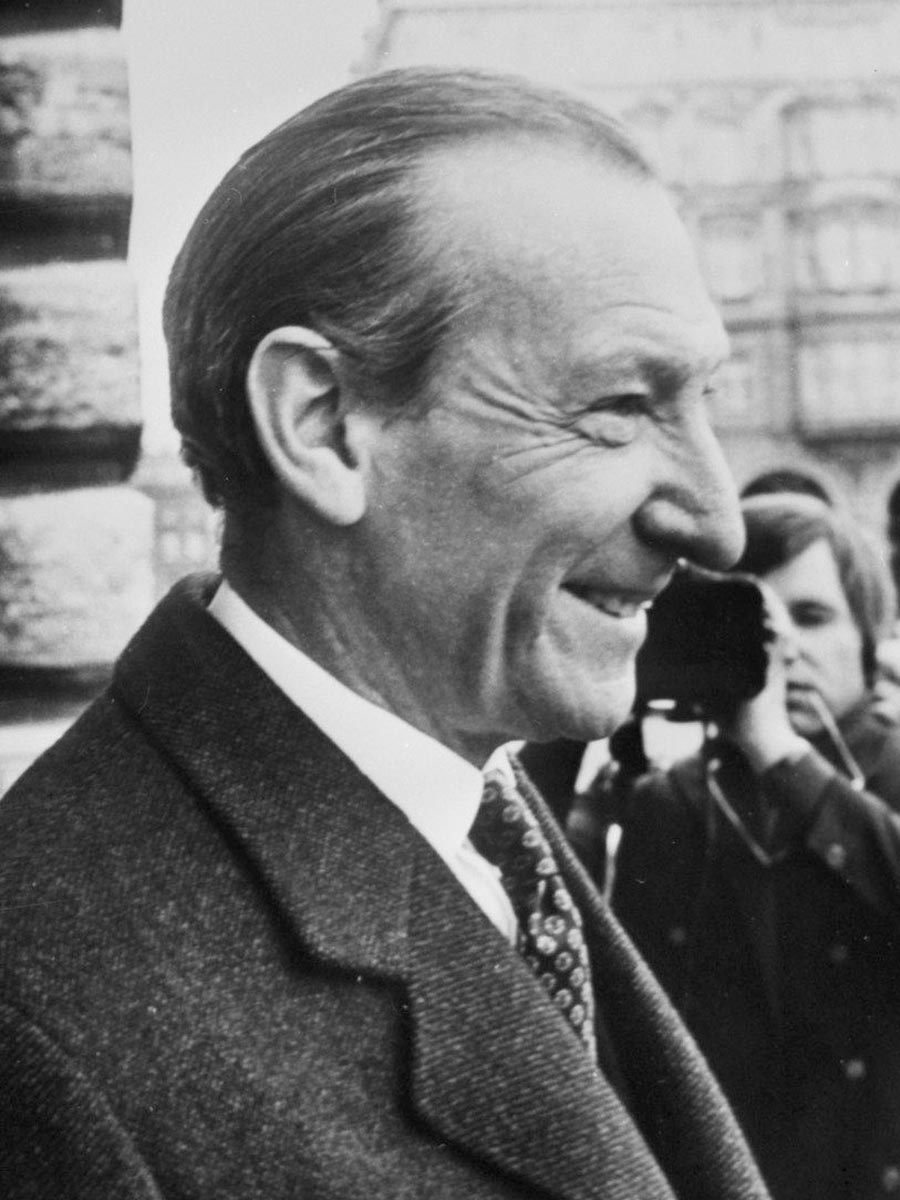
The idea that Austria had solely been a victim of German aggression was a trope that existed for decades but was addressed in the early 90s following revelations of Nazi complicity involving Austrian president and Secretary-General of the United Nations, Kurt Waldheim.
In 1991 and 1993, Federal Chancellor Franz Vranitzky made speeches whereby he acknowledged that Austria was complicit in the actions of the Third Reich.