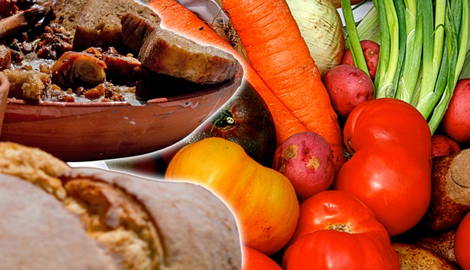

Traditional foods are home comforts. A cottage pie with a layer of mashed potatoes, an Italian pizza full of cheese and tomatoes, a hearty beef stew with potatoes, carrots, and thick gravy.
These dishes are assumed to have existed unchanged for hundreds, and possibly even thousands, of years, but the surprising reality is that many of these “traditional” dishes are relatively new inventions. Simply due to the fact that half the ingredients hadn’t been discovered yet!
The Isolation of the Pre-Columbian World
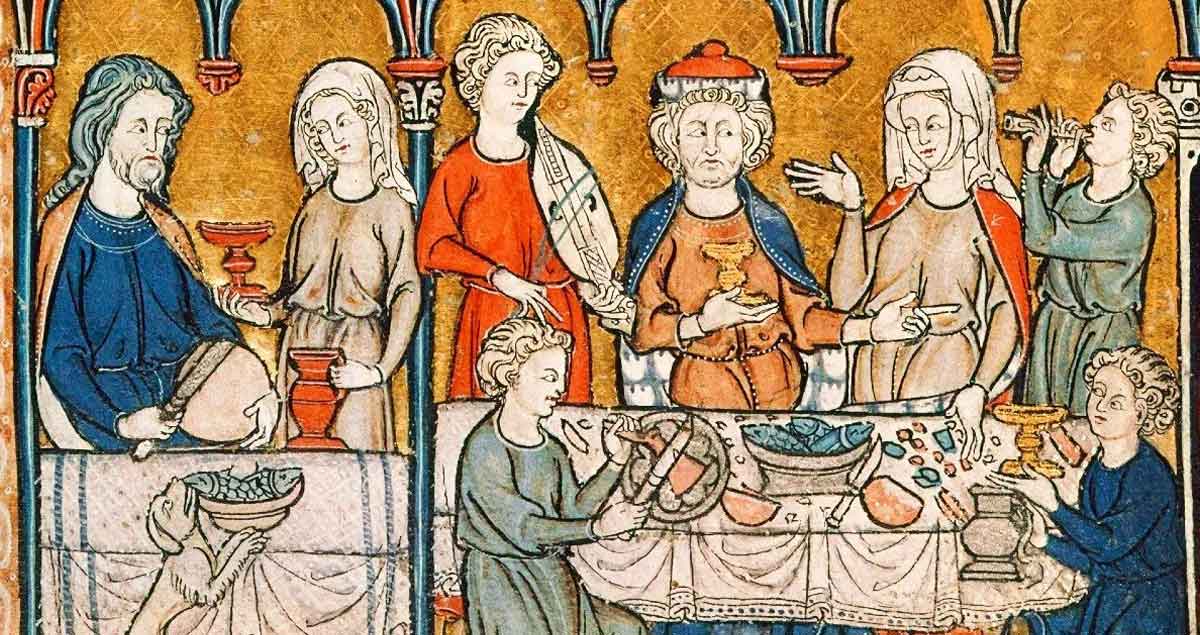
From a European perspective in the Middle Ages, there was a lot of geographical significance that was unknown. Most people never thought about the fact that there was another vast continent (or two) across the Atlantic to the west.
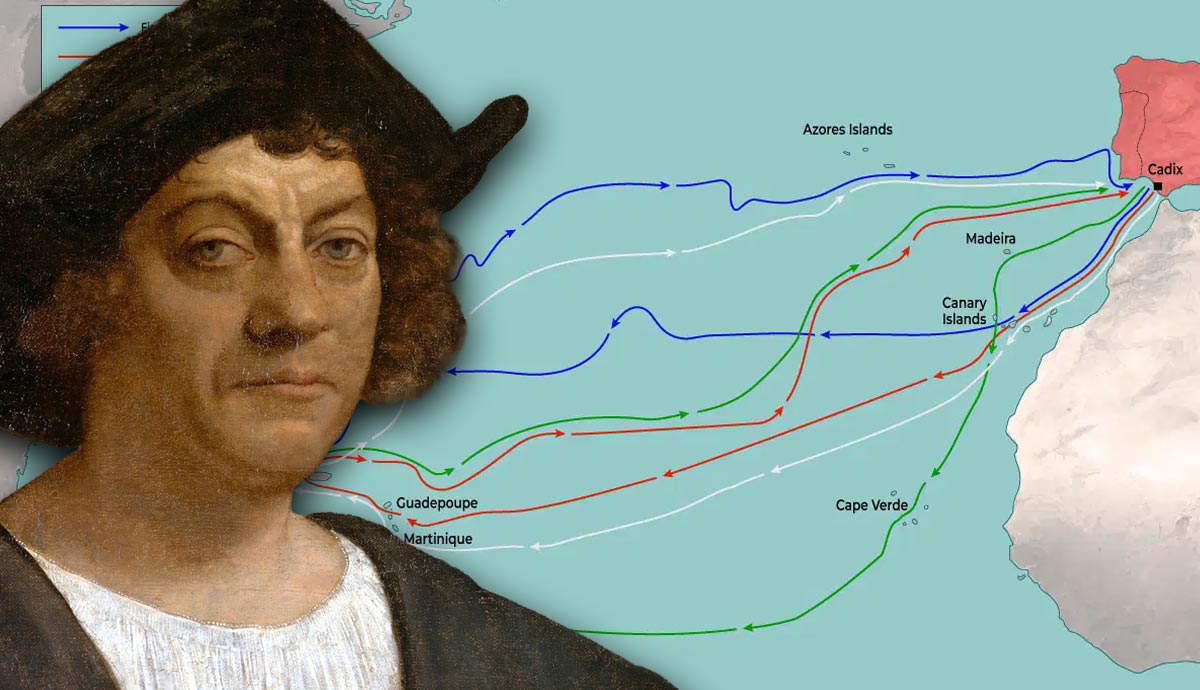
The Americas had very different food on the menu, all because it had completely different plants and animals. It wasn’t until 1492 that these two worlds collided. And even then, it took centuries for all the ingredients of two worlds to merge and become accepted. Until then, Europe relied on foodstuffs from home, with the most exotic delicacies coming from the Near East and North Africa. Occasionally something from the Far East ended up in European hands. It wasn’t until the late 15th century that sweet oranges first appeared in Europe!
From the perspective of the people of the Americas, the Old World was similarly unknown, and none knew of the massive clash of civilizations that would occur. Wheat was unknown, as were barley, apples, cabbages, turnips, pork and beef, among many other things.
Everyday Staples That Medieval European Cooking Completely Lacked
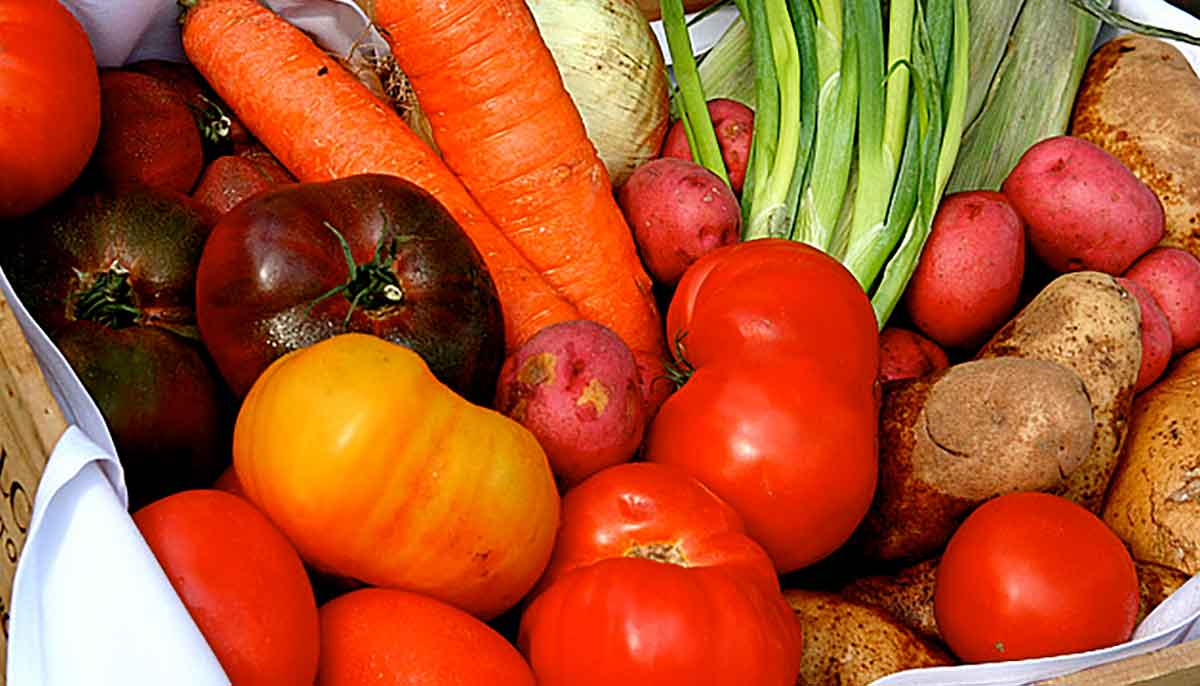
It’s hard to picture a stew without potatoes. But these delightful stem tubers, now a staple across much of the world, originated in Peru. And they didn’t reach European shores until the latter half of the 16th century. And even then it took two centuries for the humble spud to catch on. It was regarded with suspicion and thought to be poisonous.
Instead, Europeans relied on turnips, parsnips and skirrets, the latter being a root vegetable in the same family as carrots and parsnips.
Meanwhile, another staple in stews, carrots, were present, but they weren’t the bright orange vegetables we know today. It wasn’t until the 16th and 17th centuries that orange carrots were documented, while the stable “Long Orange” was formally documented in the Netherlands at the beginning of the 18th century and was, according to legend, created in honor of William of Orange. Before this, most carrots in medieval stews were pale yellow or purple. Only after the Middle Ages did orange varieties slowly take over to become the iconic vegetables we know and love today.
Other foods absent from Europe that came from the Americas included corn or maize, bell peppers and chilies, pumpkins, sweet potatoes, pineapples, blueberries, avocados, peanuts, chocolate, and of course, tomatoes.
How Medieval Chefs Achieved Tartness Without Tomatoes
Like potatoes, tomatoes were believed to be poisonous, and it took centuries for this fruit to catch on. It only became popular in the 18th century. So the idea of tomato-laden Italian food is actually a relatively recent invention.
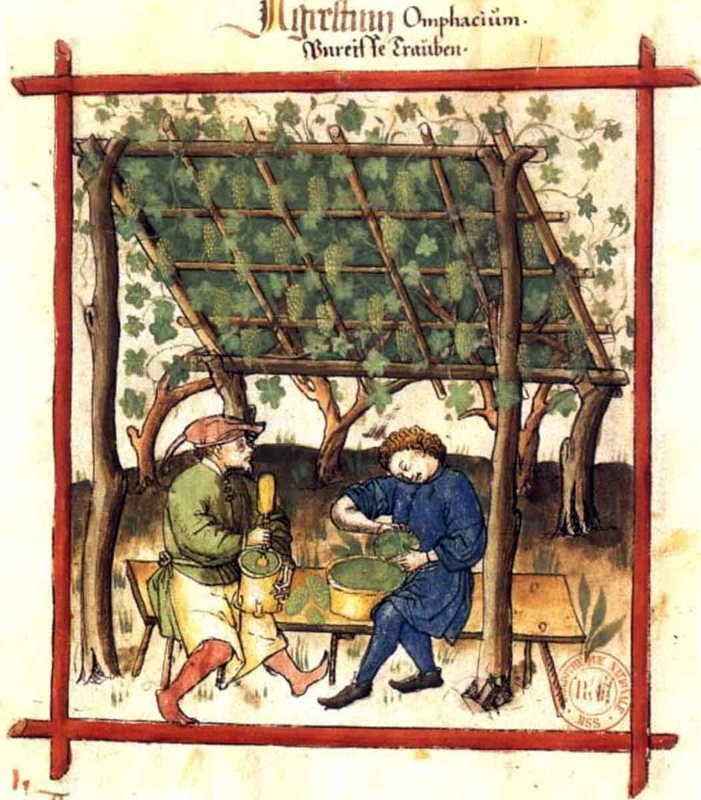
Before this, the tart profile of dishes was achieved mainly with vinegar, generally wine or cider varieties. Verjuice (from unripe grapes) was also popular, as were sorrel leaves and gooseberries.
How the Columbian Exchange Permanently Transformed European Cuisine
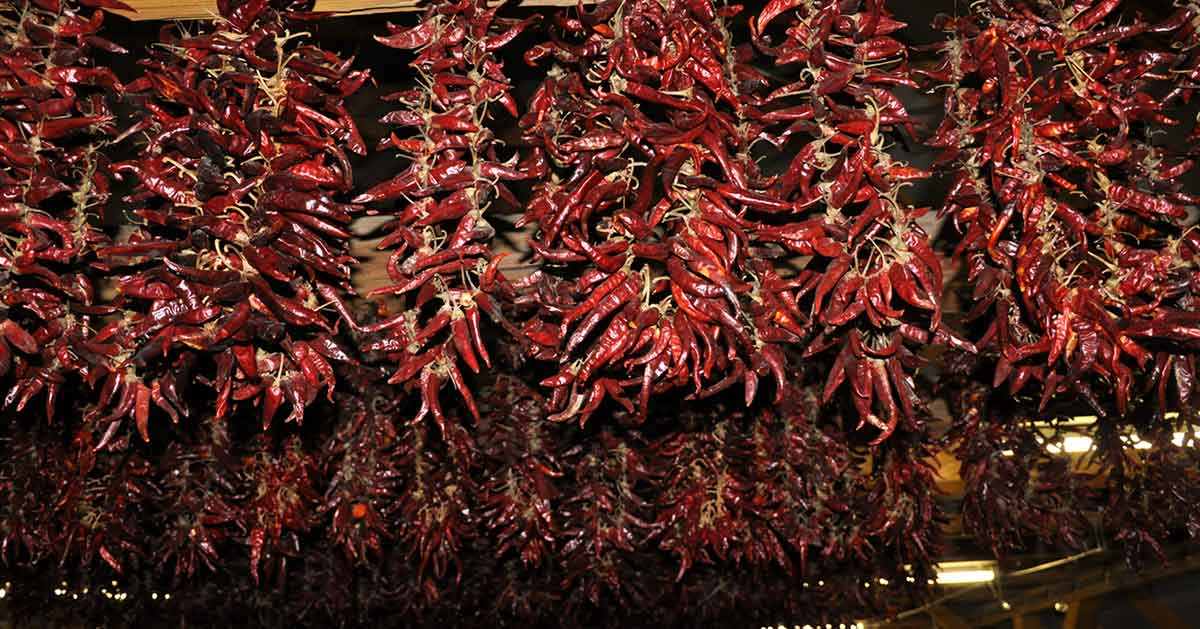
The 16th century saw a whole new world (literally) of ingredients open up to European chefs, but the gastronomic shift was certainly not immediate. The introduction of food from the New World took a long time to take root in European culinary tradition.
In time, these new foods transformed Europe. Tomatoes ended up characterizing Italian food, while potatoes built the Prussian Empire and came to be associated with Ireland and Russia. Reliance on potatoes became so important that when the crop failed, whole nations starved. Meanwhile, paprika transformed Spanish and Hungarian cuisine, adding levels of flavor that had not been tasted before.
And of course, the love affair with chocolate began, first as a drink, and then as solid bars and decadent desserts, while vanilla became a standard flavor the world over. In the 17th century, coffee and tea also swept through the continent, having been introduced from the Middle East (originally from Africa) and the Far East, respectively.