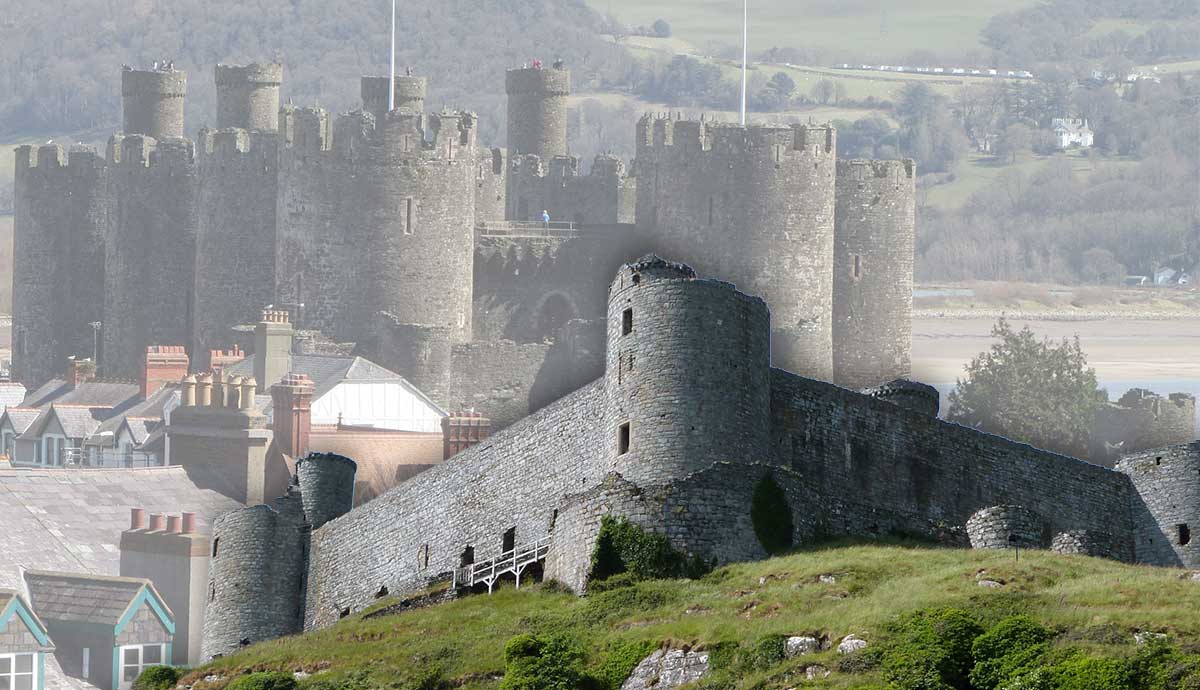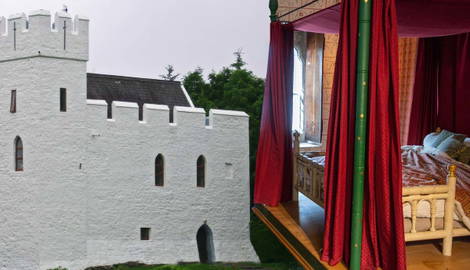

When tourists visit a castle in Europe, they encounter a vision of monolithic proportions. Cold grey stone stands, defiant to the elements, channeling cold breezes through empty halls where footsteps echo, amplifying every movement in a stronghold long past its days of yore.
As is often the case, the reality of what is seen and portrayed now is quite different to how it actually was.
Gleaming White Walls and Plastered Exteriors
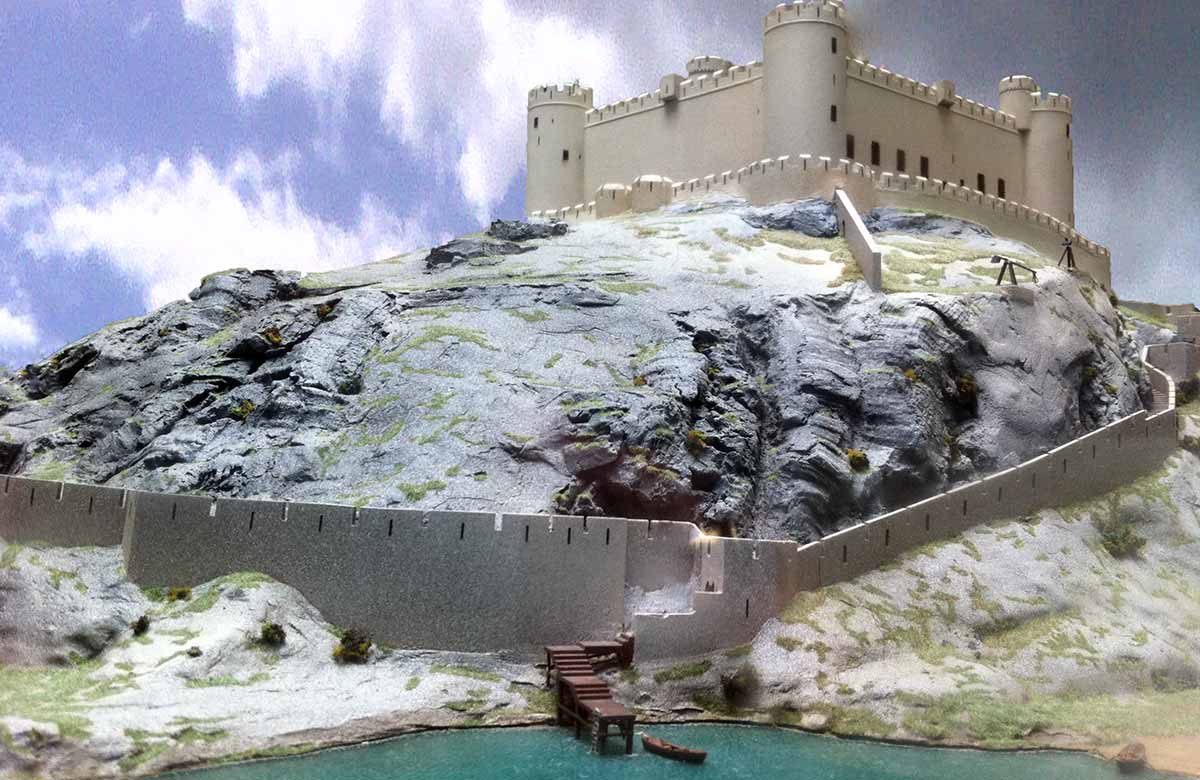
Modern cinema often portrays castles as either bare, grey monoliths or fantastical wonderland palaces. The reality of medieval castles in their prime was somewhere in between.
A widely used feature in Europe was whitewashing, with the facades of many castles also plastered before whitewashing. This helped protect the stone and mortar joints from the cumulative effects of the weather. This was not a particularly new idea either. Evidence suggests Hadrian’s Wall in Roman Britain was (at least in sections) both plastered and whitewashed with lime.
Not only did these layers protect the stone, but they turned castles into shining beacons, reflecting the sunlight and standing visible from large distances.
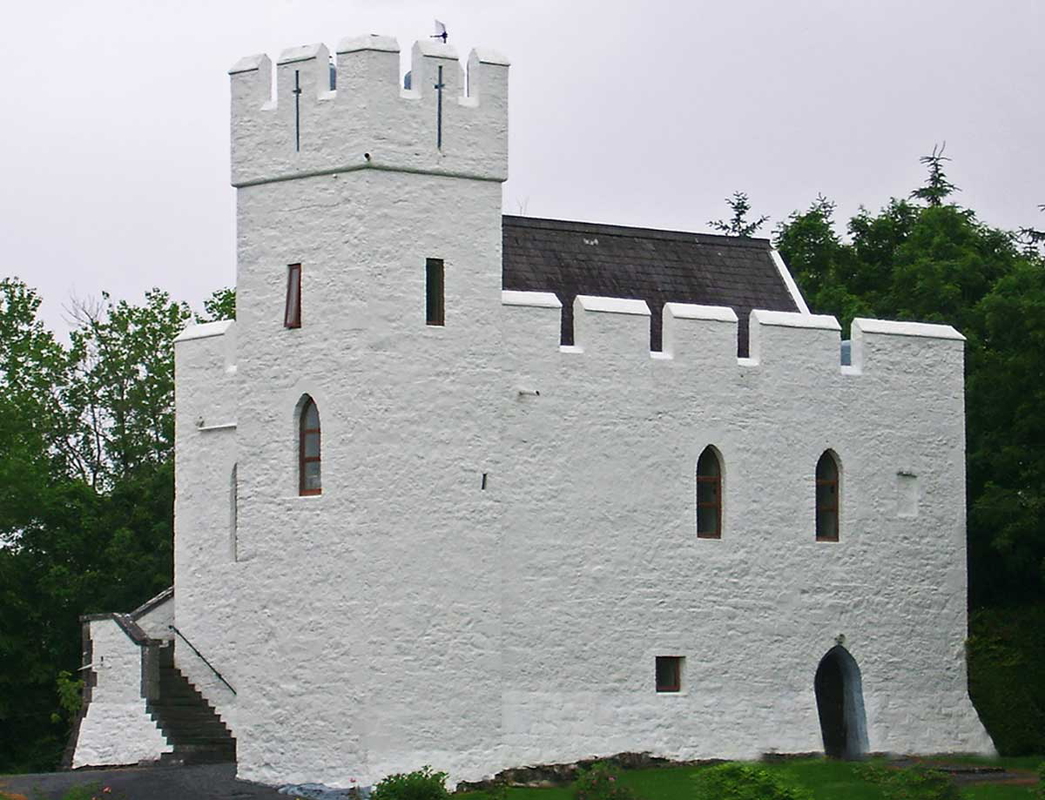
Some castles aimed to preserve the stone aesthetic and had plaster scored or painted with lines to create an imitation stonework effect.
Of course, plastering and whitewashing wasn’t universal. A notable example is the spectacular Caernarfon Castle in Wales, which had (and still has) a bare stone exterior that proudly displayed layered effects from different stones. Whitewashing would have obscured an already beautiful aesthetic which was intentional, possibly to mimic the walls of Constantinople.
The gleaming white walls weren’t always beautiful. The exit point for some garderobes jutted out directly over the outside of the castle walls, likely breaking up the pristine white facade with an unsightly vertical brown streak.
If there was a moat, it would have been a reeking cesspool, stagnant and full of disease.
Vivid Colors and Elaborate Interior Tapestries
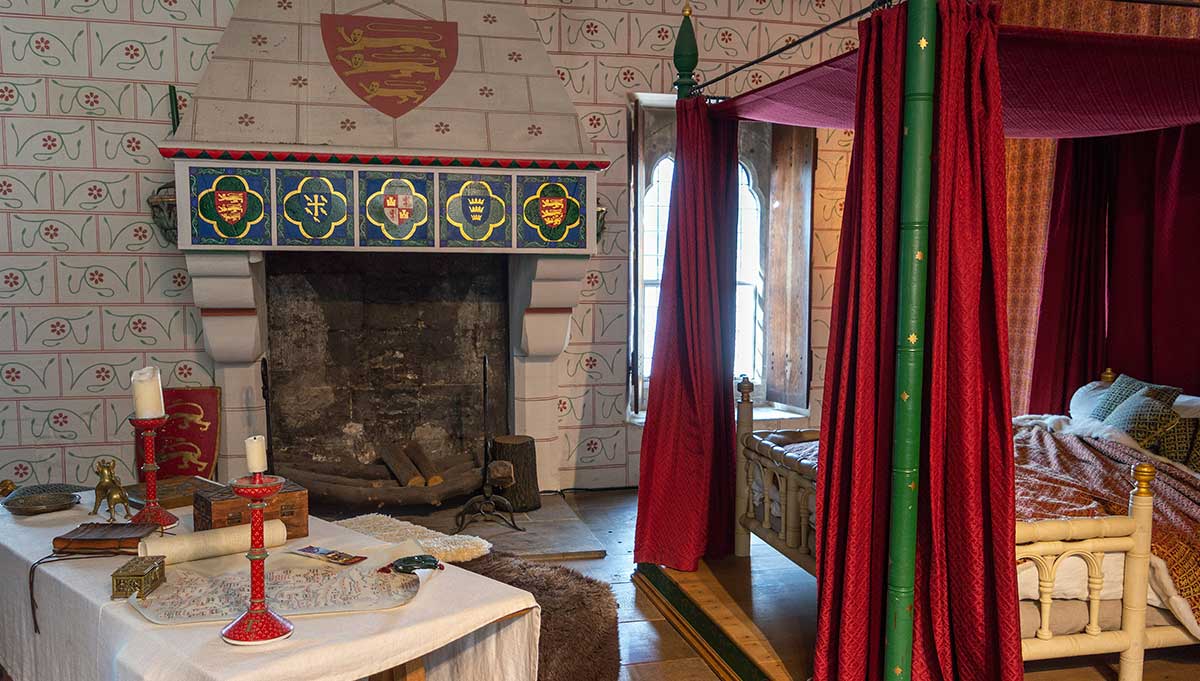
Castles provided various functions. Some were dedicated military fortifications while others served as homes. The interior of the latter would likely have been sumptuously decorated to cover bare stone and to make life as comfortable as possible. Those who lived in them were the richest people who were no strangers to luxury.
Walls were plastered and painted, and not just in solid color, but in decorative motifs. Tapestries were hung on the walls, and floors could be covered with carpets, which were especially common in the Middle East and considered extreme luxury items in Europe. Wood paneling and wainscoting were also features, and evidence shows they could also have been painted. Bright colors covered walls and fabrics, while heraldic designs and paintings hung as decoration, in contrast to the drab grey of stereotypical representations.
Bustling Communities Filled With Wooden Structures
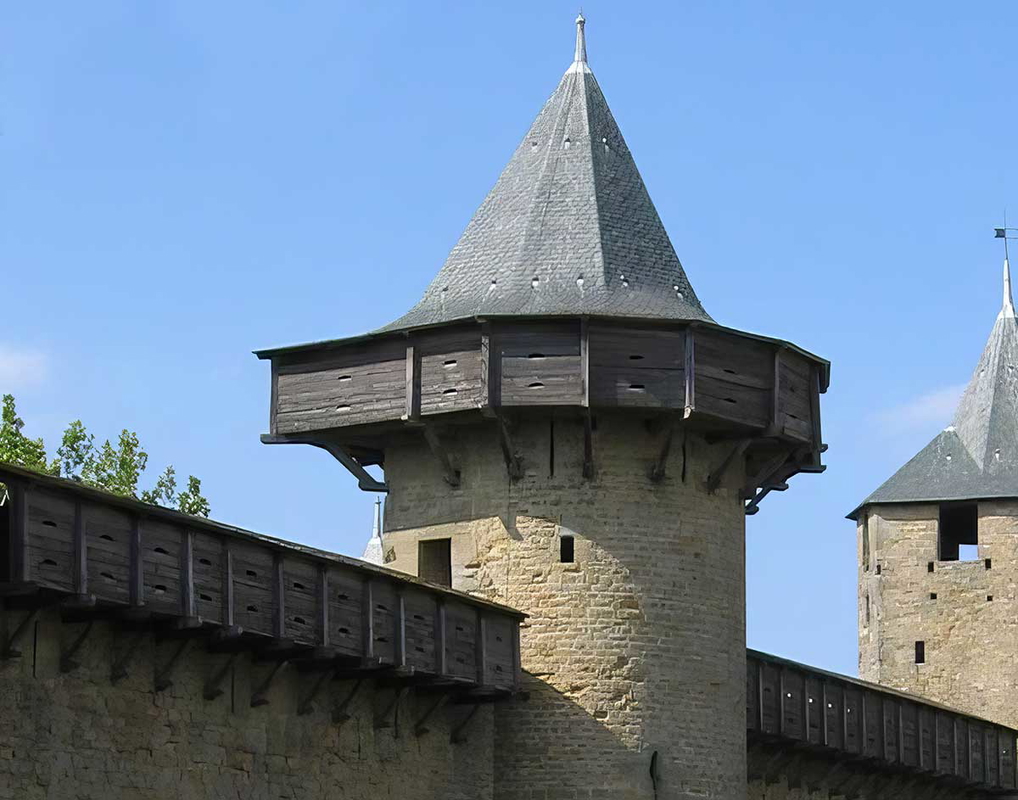
What is left of once-proud castles are ruins devoid of many of the trappings that made them what they were. Of note is wood, which generally doesn’t withstand the test of time. Castles also had wooden sections for interior aesthetics and pragmatic functions, as well as external defense.
For the latter, hoardings were wooden walkways that were attached to the ramparts. They were detachable and only deployed for defensive purposes.
Inside the outer walls, the courtyard was filled, not with open space, as is seen today, but with wooden buildings forming a compact village of industry. There were halls, accommodations, chapels, kitchens, stables, smithies, and everything else the castle needed to be a self-sufficient community.
Long since gone, these structures have been dismantled or have become victims of weather or fire.
How Centuries of Decay Created the Modern Stone Myth
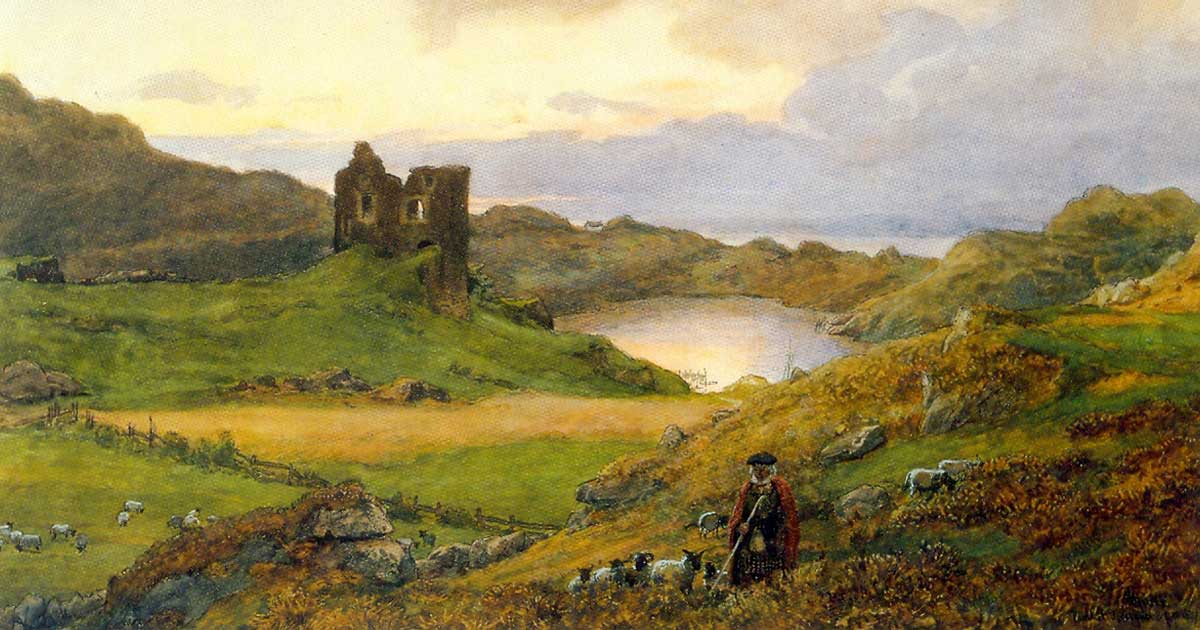
Many castles today are little more than piles of ruins, while others have been turned into museums—quiet, lonely reminders of what once was. The sterility of these presentations fails to capture their atmosphere of activity.
As the need for castles declined, most were abandoned and left to decay, while others were straight up destroyed and never rebuilt. Oliver Cromwell famously did this after the English Civil War.
In the Romantic period of the late 18th century onwards, castles were considered retroactively beautiful. They weren’t restored, but left to be overgrown with ivy and moss, beautifying a long-lost past.
Today, people often see silent monoliths rather than the bustling, noisy, lived-in buildings of the medieval era, and that’s where the modern stereotype begins.