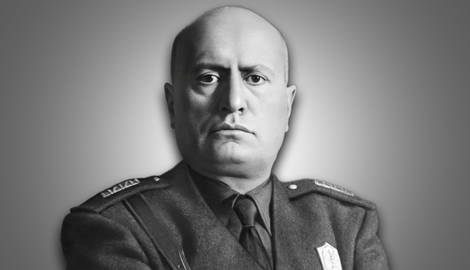

After initially remaining neutral, Benito Mussolini’s Italy entered World War II in June 1940 by invading France. After Italian forces were driven out of North Africa, the Allies invaded Sicily and southern Italy in 1943, resulting in the overthrow of Mussolini’s regime in Rome. Although he escaped his arrest to establish a new government in northern Italy, he had effectively been reduced to the role of a German puppet. This led to his ignominious end in 1945.
Mussolini’s Ouster in 1943
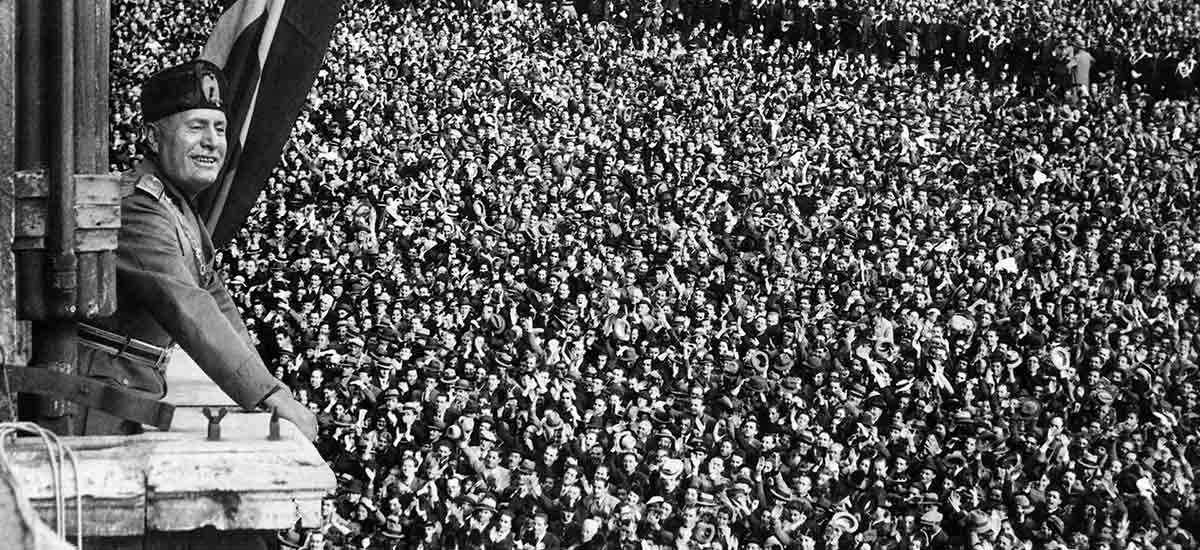
After taking seizing power in Rome in 1922, Benito Mussolini vowed to turn Italy into a world power and a major player in European politics. Mussolini, who began his political career as a socialist, developed the far-right ideology of fascism as the solution for Italy’s post-WWI problems. He also believed that it was his destiny to rebuild the Roman Empire. He jailed and murdered many members of his opposition and ordered invasions of Albania, Libya, and Ethiopia. His ruthlessness and drive made him a role model to many aspiring fascists around the world, including Adolf Hitler.
However, Italy’s role in WWII was a disaster. Mussolini signed the Tripartite Pact and Anti-Comintern Pact, making Italy one of the main Axis powers. Italy’s attempts to conquer Egypt and Greece in 1940 proved to be disasters, and Italian troops had to be supported by German reinforcements to avoid defeat. While the Allies shredded Italy’s Armed Forces on air, land, and sea, dissent at home increased. Strikes became commonplace, desertion increased, and the opposition planned to topple the government.
The invasion of Sicily proved to be the final straw. Mussolini had reshuffled his government repeatedly but failed to convince people that he was not responsible for Italy’s failures. Generals like Vittorio Ambrosio and Pietro Badoglio called on King Victor Emmanuel III to withdraw from the war. After a meeting between the King and Mussolini at Villa Savoia on July 25, 1943, local carabinieri arrested Mussolini and a new government was declared over the radio.
The Italian Social Republic
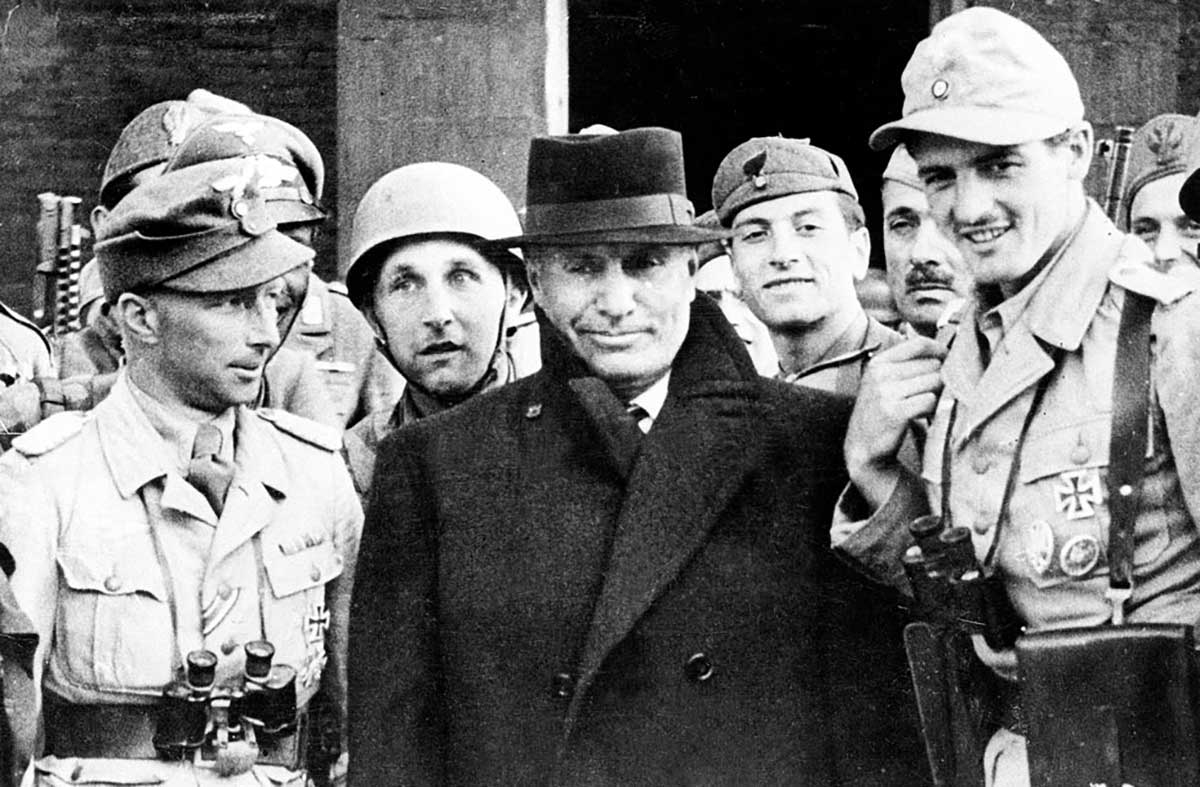
In September 1943, Marshal Pietro Badoglio’s government signed an armistice with the Allies and formally withdrew from the Axis alliance. As a result, German forces entered northern Italy and occupied the country by force. By this point, Mussolini was being held in the Hotel Campo Imperatore in the Gran Sasso mountains by the military police. On September 12, German paratroopers led by SS Captain Otto Skorzeny landed by glider on the grounds of the hotel and rescued Mussolini. He was spirited north to take over the newly created Italian Social Republic (RSI) from the town of Salò.
Unlike the Kingdom of Italy, the RSI was a mere puppet regime that was controlled by Nazi Germany. Mussolini had to agree with the demand that thousands of Italians work in German factories. Additionally, the Gestapo began to hunt down anti-fascist Italians alongside collaborationist police. The RSI developed its own military to fight alongside the Germans when the Allies invaded Italy. It also used local gendarmes to maintain order in the territory it controlled.
Mussolini vowed to continue to support Germany’s war effort regardless of the cost Italy would bear. The RSI initially only allowed the Republican Fascist Party to operate in its territory; Mussolini allowed another smaller party to exist later on by the end of the war with the hope he would be allowed to rule Italy after the war ended. SS guards kept watch over him and his ministers, meaning that the real power in the RSI was SS Obergruppenführer Karl Wolff and members of the Wehrmacht.
The Formation of the Italian Resistance
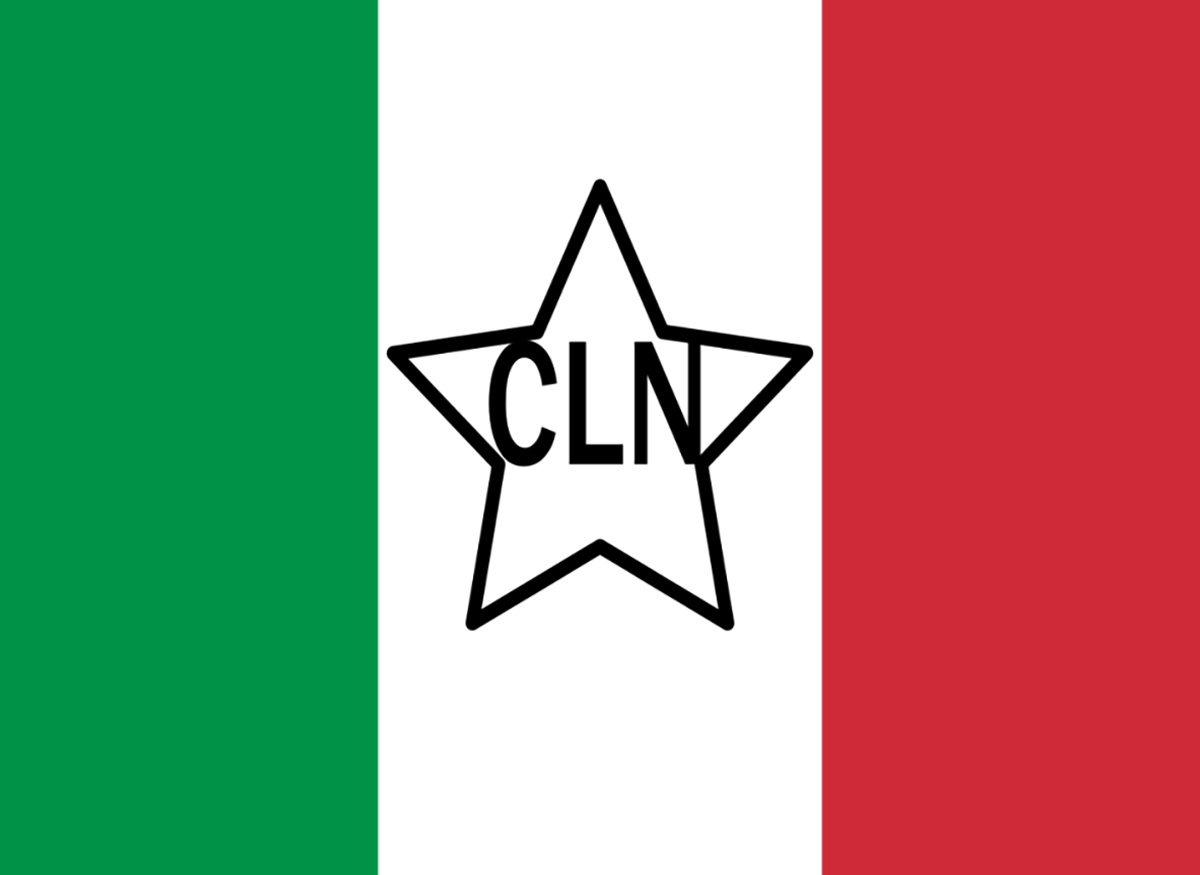
Once German forces began occupying Italy, anti-fascist parties began coalescing to form a movement aimed at overthrowing the RSI and kicking the Germans out. Six parties, led by socialist politician Ivanoe Bonomi, created the Committee of National Liberation (CLN) that aimed to govern Italy once the Germans were pushed out of Rome. They aimed to take control of any Italian military units that refused to fight for the RSI. The stage was set for a civil war.
By April 1945, it was estimated that 185,000 Italians were partisans in the CLN’s ranks. They were divided between center-right Royalist bands such as the Justice and Freedom Brigades, Communists in the Garibaldi Brigades, and Socialists in the Matteotti Brigades. Some of their units were assigned to help the Allies advance northwards towards Rome. Others worked behind German-RSI lines to sabotage Axis supply lines. The CLN was able to garner significant support from Italians horrified by their country’s alliance with Germany and Japan.
On June 4, 1944, Allied troops advancing from the Anzio pocket and the Gustav Line entered Rome and liberated the city. For the next two months, they drove northwards, expanding the territory of CLN-controlled Italy. Partisans in the north waited patiently for the Allied forces to arrive so that they could start taking aggressive action against the RSI. They also worked to hide Jewish refugees and escaped Allied POWs from German roundups in RSI-controlled territory. When the time was right, CLN units would launch an uprising to defeat their enemies and get rid of Mussolini once and for all.
The Resistance Uprising in Northern Italy
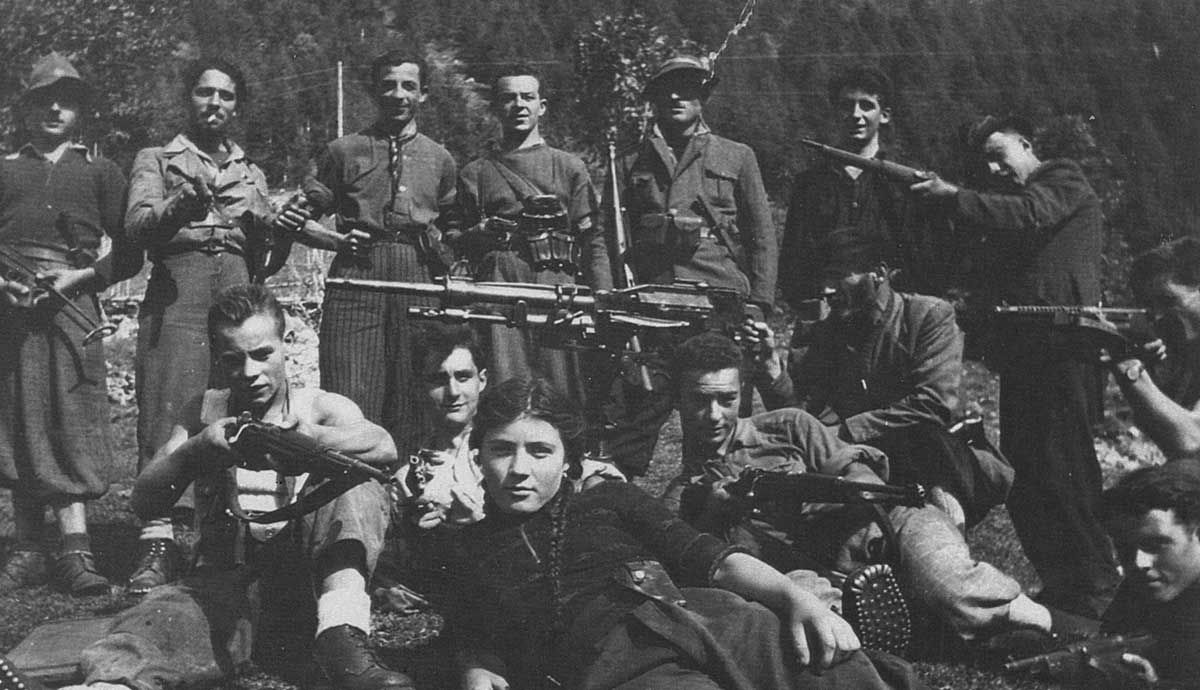
In the summer and fall of 1944, the CLN urged partisan units in northern Italy to begin extensive operations against German and RSI forces. The main aim was to establish areas free of Axis control that CLN could then administer. The partisans themselves believed that the best way to resist Axis control of their territory was to set up autonomous republics. Not only did this undermine Mussolini’s position, it also ensured that the partisans could obtain resources and manpower from the areas they controlled.
Some successes were gained by surprise attacks on German and RSI garrisons. For instance, members of several partisan brigades set up the short-lived Republic of Ossola, a month-long period of democratic rule inside RSI territory. Mussolini ordered RSI units, including the infamous Black Brigades, to crush the partisans. By October, the Ossola Republic had collapsed. Other republics were formed by successful partisan units, but faced a similar fate to the rebels of Ossola. The stalling of the Allied advance also compromised matters for the CLN.
Mussolini vowed to preserve as much of his rule as possible and ordered RSI units to annihilate the partisans in northern Italy. He agreed to allow German forces to conduct anti-partisan sweeps through the countryside. This led to gruesome massacres such as the Marzabotto massacre, the largest massacre of Italian civilians in WWII. While the crushing of the partisans in 1944 bought Mussolini’s government some time, it ensured that Italians saw his government as fundamentally evil, and many vowed they would get revenge.
Mussolini Flees as the Allies Advance
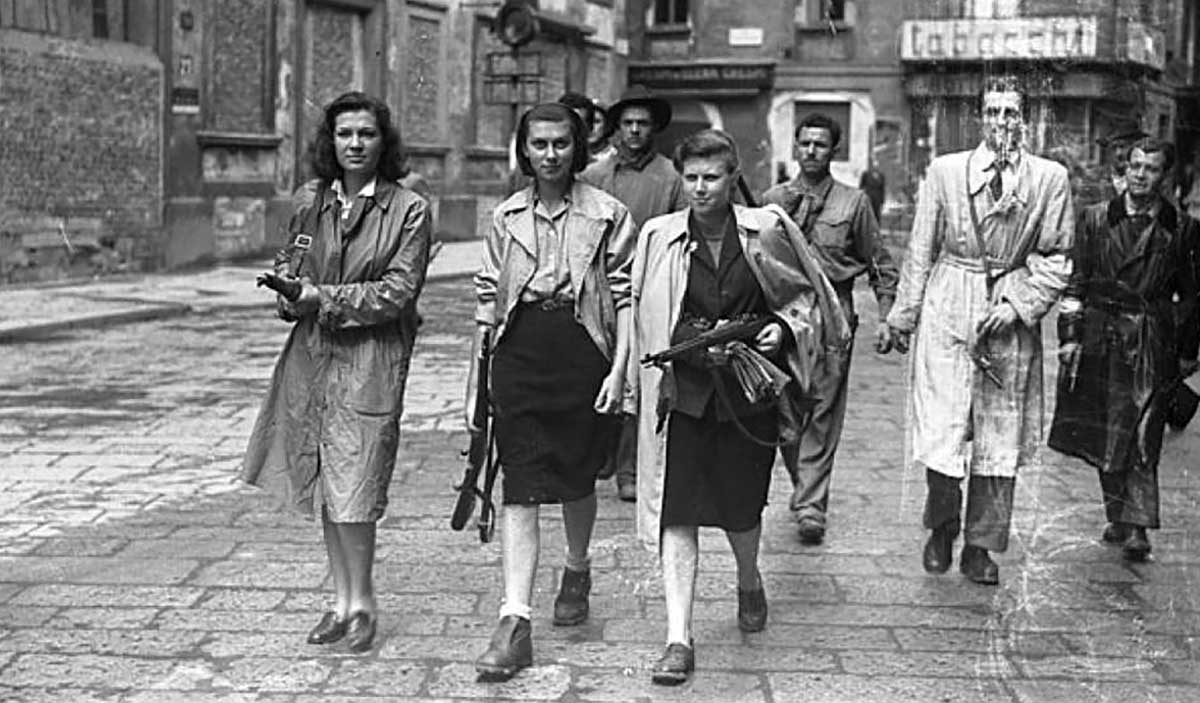
Despite the serious setbacks partisans faced in 1944, CLN planned another uprising timed to coincide with the renewed Allied assault on the German lines in northern Italy. With support from Allied intelligence teams dropped behind enemy lines, partisan units planned to seize major Italian cities and ambush Axis forces as they retreated north. When the Allies marched north and finally broke through German lines, the partisans successfully rose up and secured vital ground such as the cities of Ravenna, Bologna, and parts of the Po Valley. The RSI was on its last legs and its forces crumbled beneath the onslaught.
In early 1945, Obergruppenführer Karl Wolff made secret contact with American representatives in Switzerland to negotiate a surrender of German forces in northern Italy. He even ordered German units to stop attacking partisan units, ensuring that they could operate openly in the country. This decision doomed Mussolini’s regime because he was reliant on German support. While the Allies surged northward, Mussolini began planning to open talks with the CLN, hoping for a pardon or a leadership role in the new government.
On April 18, 1945, Mussolini moved to Milan with some of his ministers and his lover, Claretta Petacci. He hoped to use the city’s fortifications and the presence of thousands of civilians as a barrier. However, Axis control of Milan was doomed and he was forced to flee when CLN and Allied troops entered the city. His hope was to get to the Swiss border and from there to Germany with Petacci.
Mussolini’s Death and Hanging
Mussolini, Petacci, and other RSI officials left Milan with a Luftwaffe convoy and hoped to dodge any CLN roadblocks. They were initially lucky but on April 27, they had the misfortune to be stopped by a unit of communist partisans near the village of Dongo. The 52nd Garibaldi Brigade had planned to capture as many RSI members as possible and even offered the Germans in the convoy a deal: turn over the Italians and they would be allowed to leave the country. Initially, no one recognized Mussolini and he was detained with the others.
However, partisan commander Urbano Lazzaro soon recognized Mussolini and ordered him be detained in the 52nd Brigade’s headquarters in Dongo. Some of the partisans hoped to bring him to a court so he could be tried publicly. Others worried that he could be rescued by RSI troops still in the area. Thus, both he and Petacci were moved to a rural farmhouse pending a further decision about their fate. To this day, it is not known exactly who ordered his killing. Some sources claimed it was Communist Party leader Palmiro Togliatti. Others claimed local commanders issued the order. Nonetheless, both Mussolini and Petacci were killed in the town of Giulino di Mezzegra by partisan Walter Audisio.
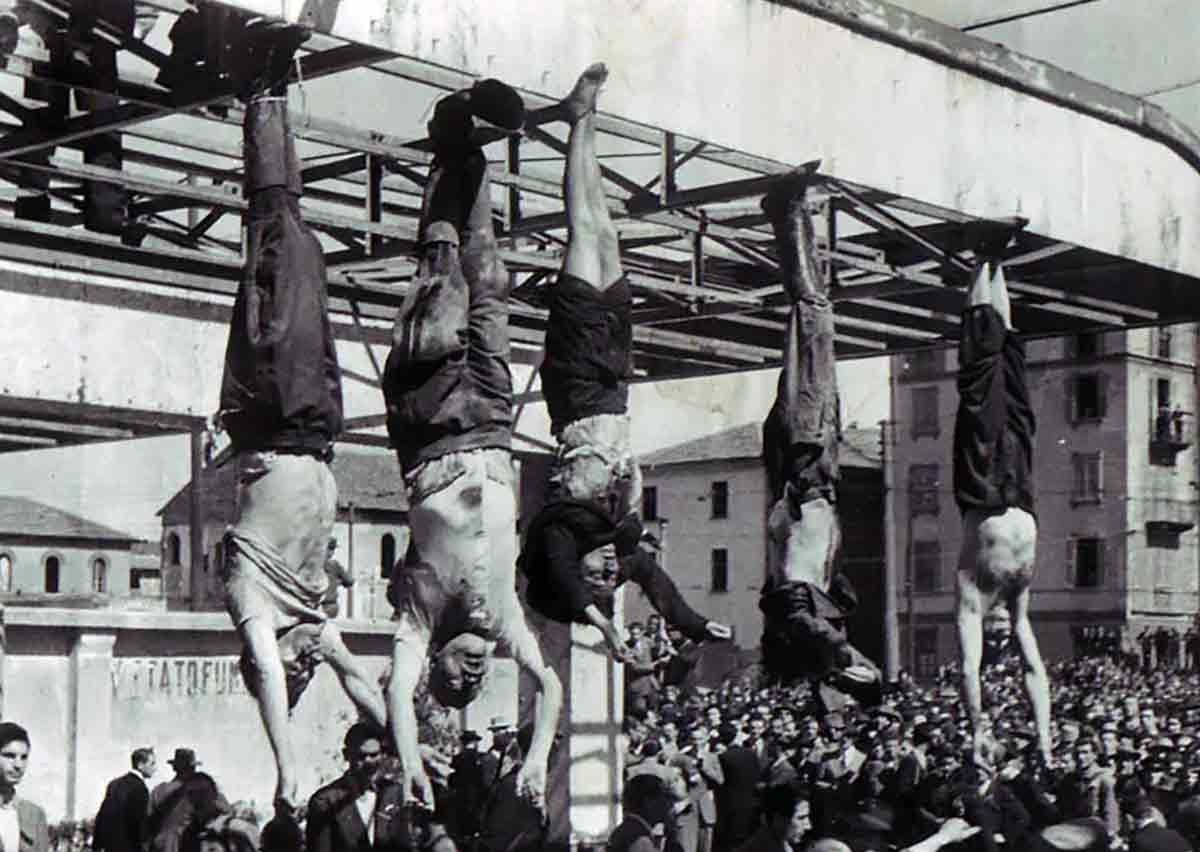
Their bodies were put in a truck and driven to Milan. The partisans there had scores to settle and strung up Mussolini’s and Petacci’s bodies upside down at Piazzale Loreto. Local passersby spit and flung garbage at the bodies until Allied troops arrived to take the bodies away. They were subsequently given an autopsy and buried in an unmarked grave in Milan. In 1957, Prime Minister Adone Zoli allowed for the body to be reinterred and formally buried in his hometown of Predappio, where it remains today.