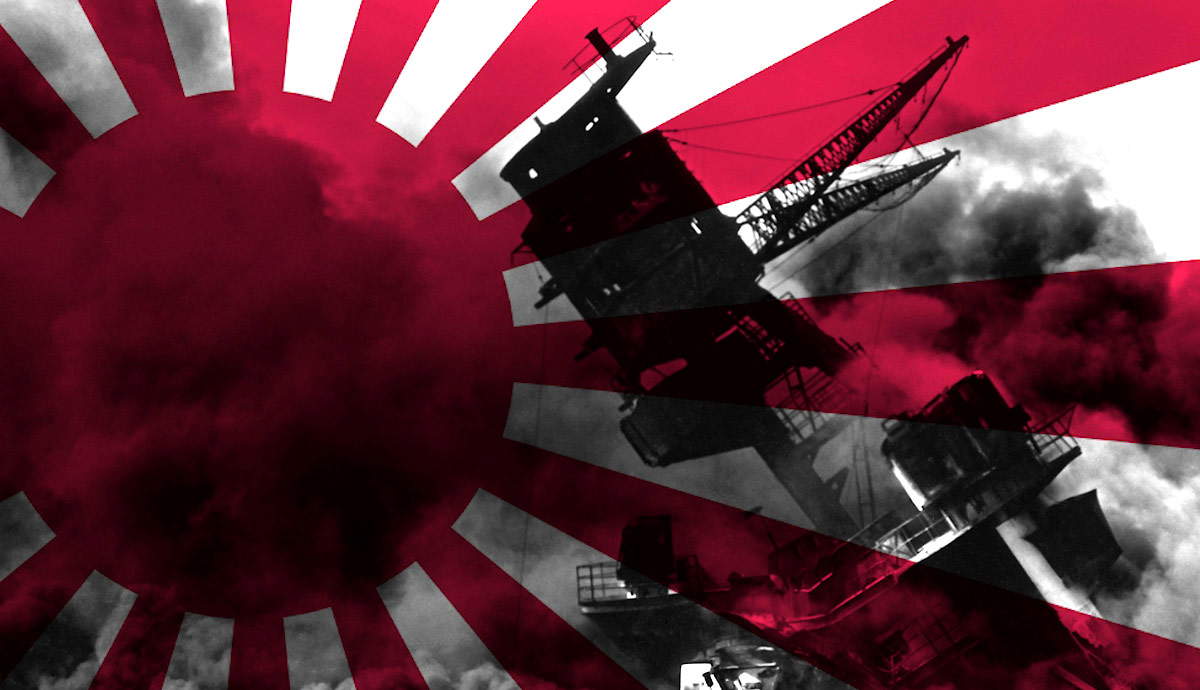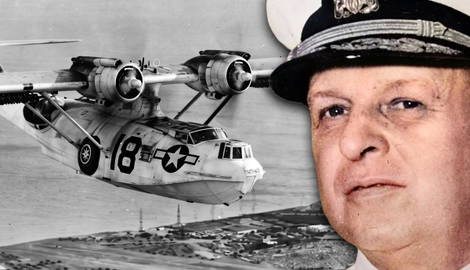

The Pearl Harbor attacks on December 7, 1941 shocked the American people. Within days, Pacific Fleet commander Admiral Husband Kimmel was stripped of his command and blamed for his failure to prepare for the attack. Kimmel later claimed that he was made to take the fall by the federal government, and official files emerged suggesting that Washington withheld important information about threats to Pearl Harbor from Kimmel. Who was right?
The Rise and Fall of Admiral Kimmel
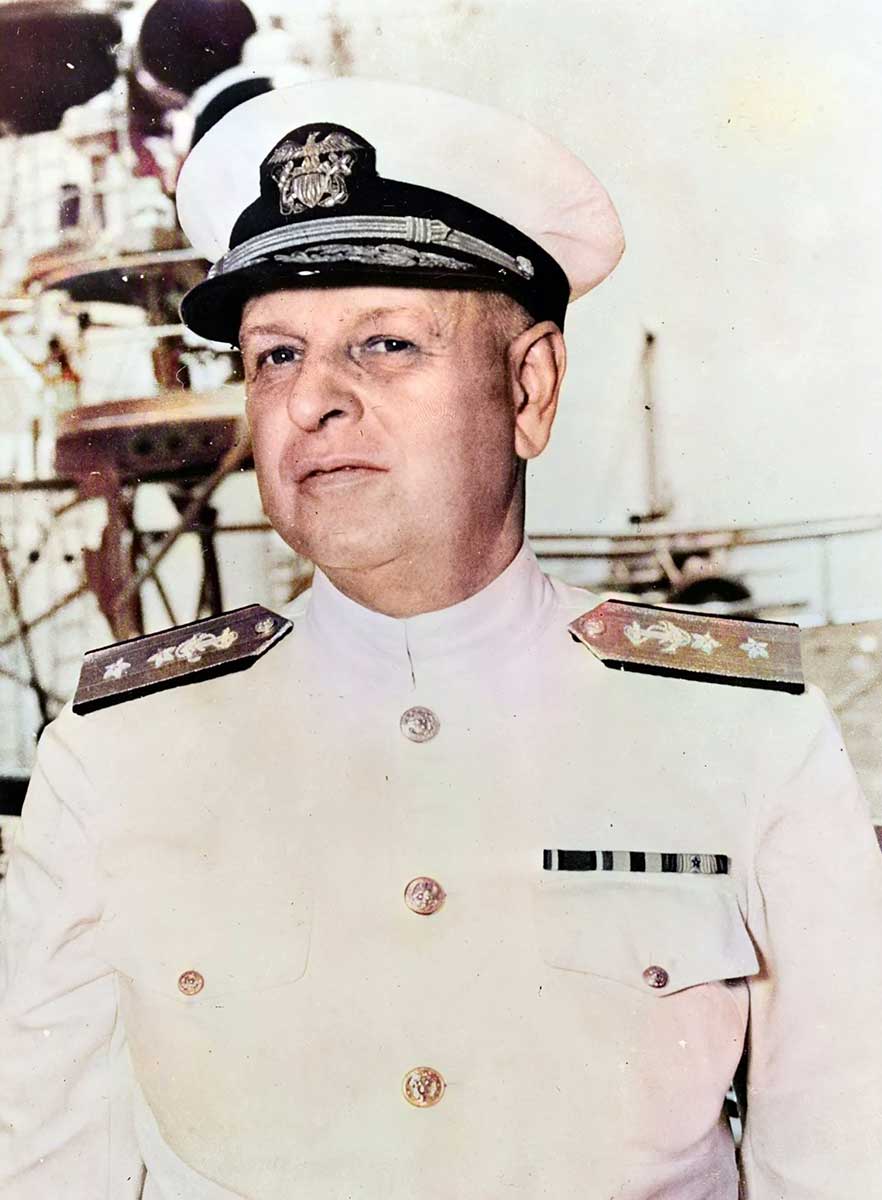
Born in Kentucky in 1882, Husband Kimmel was a Naval Academy graduate who swiftly rose through the ranks due to his astute attention to detail and his ability to impress his superiors. Just prior to WWI, he served as an adviser to the Assistant Secretary of the Navy, who was none other than Franklin Roosevelt. When the United States entered the war in 1917, he transferred to a surface warship as a gunnery officer and continued to gain experience on several ships, including the battleship USS New York.
In 1937, he managed to secure his first stars, becoming Rear Admiral and the senior Budget Officer for the Navy Department. Kimmel was analytical and approachable, with both men under him and overseeing him impressed by his demeanor and skills. This resulted in him becoming the commander of all the cruisers in the Pacific Fleet, based out of Hawaii. When Admiral James Richardson was removed from command for protesting the Fleet’s move to Pearl Harbor, Kimmel leapfrogged several other admirals to become the commander of the fleet with four-star rank in February 1941.
Upon taking command, he began to prepare the fleet for war. Task forces were reorganized to have different ship types, instead of squadrons only having one type of vessel. Target practice was revamped and ships were ordered to spend more time at sea. Islands further west were fortified, like Midway Atoll and Wake Island. All the while, he battled Washington bureaucracy, which insisted on taking a lot of his ships from him and transferring them to the Atlantic Fleet. As storm clouds gathered, he was determined to have his men prepared for the worst.
Why Washington Kept the Pacific Fleet in the Dark
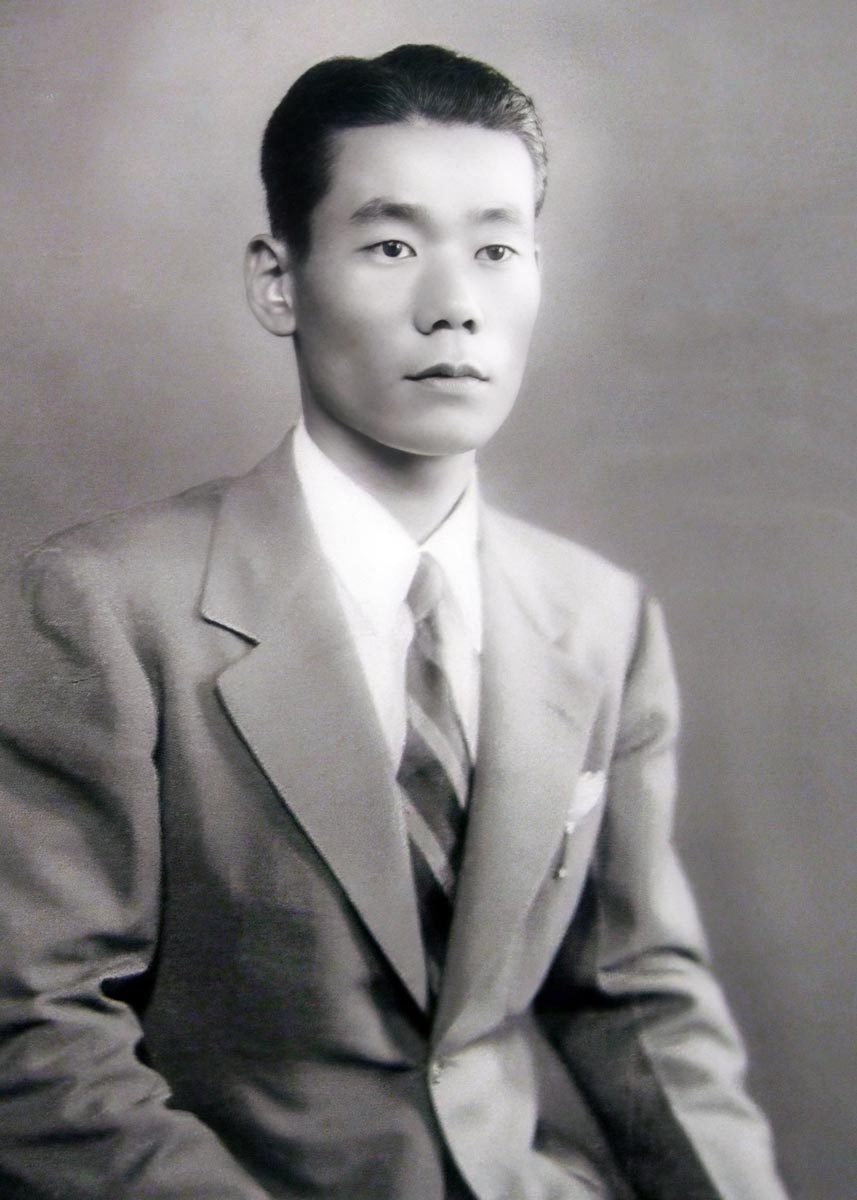
It is often said that surprise attacks are not intelligence failures as much as policy failures. Ample evidence existed to show that Washington received information about Japanese interest in Pearl Harbor. However, the War and Navy Departments failed to ensure that Admiral Kimmel and his subordinates were aware of the extent of Japan’s military buildup or the intercepted messages that exposed Japanese intentions. Thanks to a mix of pride and paranoia, Admiral Harold Stark (Chief of Naval Operations) and General George Marshall (Army Chief of Staff) did not provide a full intelligence picture to Admiral Kimmel.
Japanese agents who were known to be active in Hawaii routinely transmitted messages to their handlers back in Tokyo. This included detailed observations of ship movements, locations of different squadrons on Oahu’s airfields, and other vital information. Additionally, Japanese transmissions between diplomats in Washington and officials in Tokyo revealed increasing anger over American policy. None of this was shared with Kimmel with any sense of urgency.
American spies and cryptographers in Washington had access to tools and information that Station HYPO in Oahu didn’t have until after the attacks. Additionally, intelligence staff in Pearl Harbor had a macrolevel view of the Pacific in which they could see the full extent of Japanese planning. The officers in Hawaii focused more on Japanese tactical developments and did not get the full picture. Admiral Kimmel believed an attack was possible, but he lacked the information to develop a full battle plan.
The Failure of Long-Range Reconnaissance
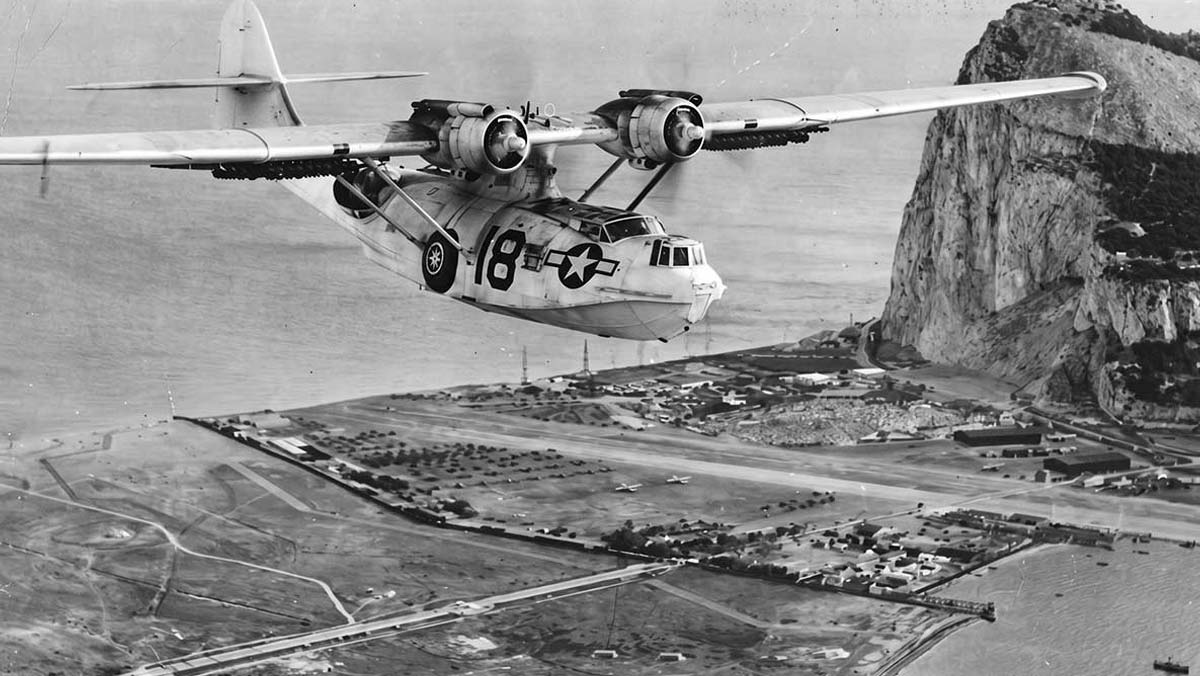
One shortage that plagued the Pacific Fleet in 1941 was the lack of long-range patrol aircraft. Despite requests to Washington by Admiral Kimmel and his staff, Pearl Harbor did not receive sufficient aircraft to maintain a 360° search radius. On December 7, 68 PBY Catalina seaplanes were in Oahu and most were grounded. Because American officials had no idea that the Japanese carrier strike group Kido Butai was actively steaming towards Hawaii, they did not send up planes to monitor its movements. Oahu’s radar stations also could not reach far enough out to identify the launch point for Japan’s carrier aircraft.
Admiral Kimmel also sent his carriers to ferry planes to islands west and south of Oahu. To assist them, some of the land-borne PBYs were assigned to patrol near the carrier groups. This was far away from the Kido Butai’s heading, which was north of Pearl Harbor. Had Washington agreed to provide more reconnaissance aircraft to Kimmel, he could have used them to cover gaps in his search radius. The Americans did not detect the approach of the Japanese fleet because Admiral Chuichi Nagumo ordered his ships to maintain radio silence.
One of the main elements of the American war plan in the event of a Japanese declaration of war was to launch as many long-range planes as possible to target any Japanese bases in range. Kimmel and his subordinates were afraid that using the PBYs too often could leave them unprepared to launch the airstrikes and left most of the planes on the ground. Pearl Harbor was left ill-prepared for the coming onslaught on the morning of December 7.
The Roberts Commission Findings
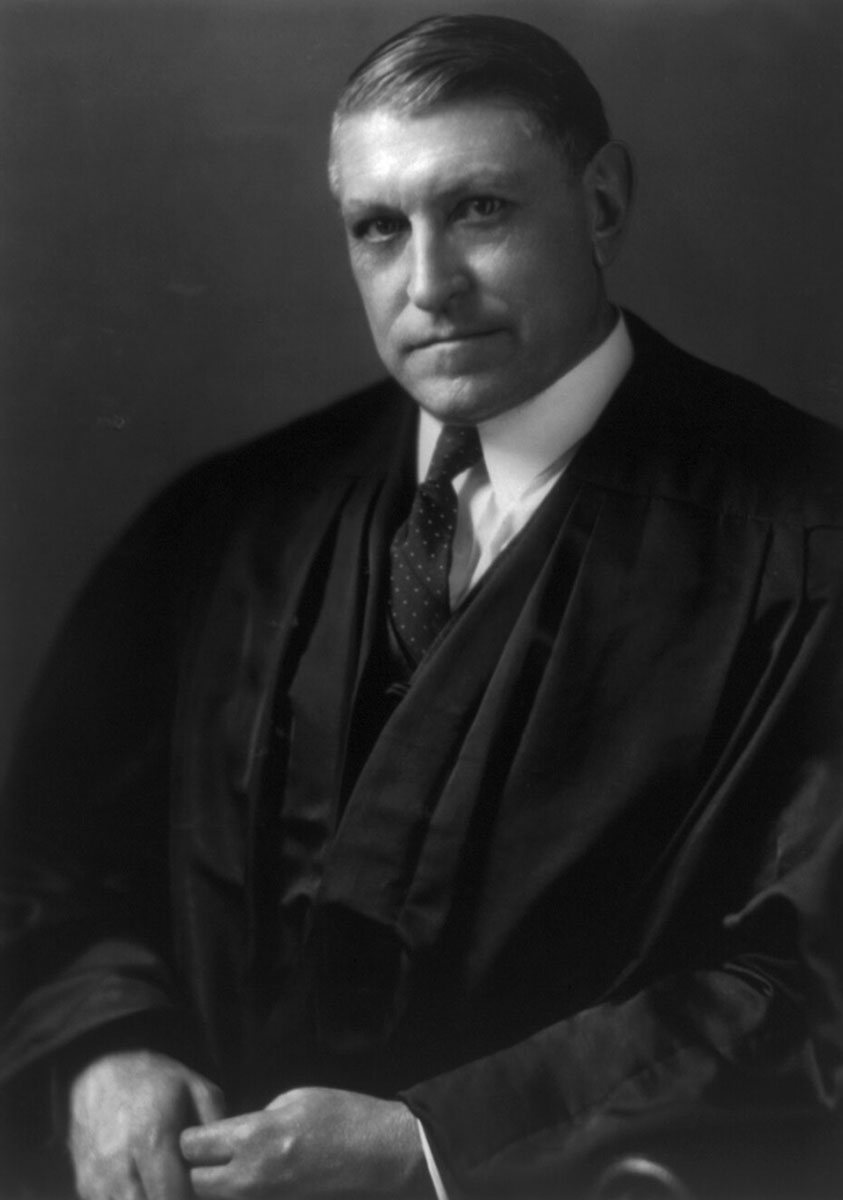
On December 18, 1941, President Roosevelt convened an inquiry into the failures to prepare for the attack. It was chaired by Supreme Court Justice Owen Roberts and had four other members who were retired military brass. In January 1942, the Commission passed its findings on to the White House after a cursory investigation. These findings proved to be very contentious and, despite the Administration’s intentions, did not bury the issue of culpability. On the contrary, it set in motion years of debate over who bore principal responsibility for the American failure to prepare for the attack.
Roberts and his commission argued that Admiral Kimmel and his army counterpart, General Walter Short, were negligent regarding Pearl Harbor’s defenses and failed to act on serious intelligence identifying the threat posed by Japan’s carrier group. One of the most controversial claims was that Washington did not hold back on sharing enough information to predict Japanese intentions. Due to the classified nature of the cryptographic project codenamed Magic, the report could not discuss American cryptography, nor could it discuss high-level decision-making in Washington before the attacks.
Admiral Kimmel, who had been relieved of command and demoted, testified before the commission but received a hostile reception. It became clear that administration officials had set up the commission to absolve themselves of blame. After the report went to the White House, Kimmel’s request to be reinstated to his command was refused, leaving him in limbo until another investigation could take place.
New Evidence Regarding Magic Intercepts
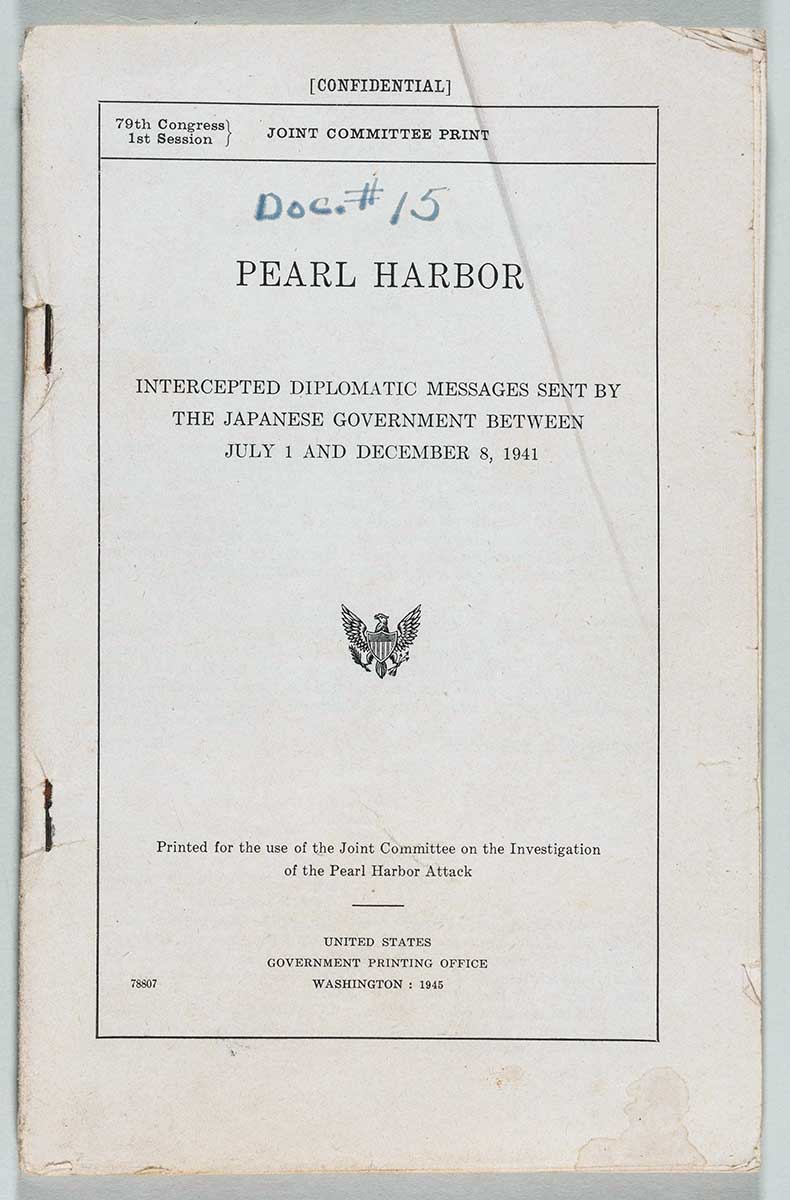
In 1944, more information surfaced that suggested that Washington had not fully warned Kimmel about the dangers of a Japanese attack. A naval court of inquiry revealed that the federal government knew about a cable from Tokyo to a Japanese spy ring asking for specific ship locations in the harbor. This had not been shared with Kimmel. Additional decrypts acknowledged that the Japanese were planning on giving up on negotiations. This court of inquiry not only exonerated Admiral Kimmel, it also pinned the blame on Admiral Stark for not properly warning the Pacific Fleet.
In 1945-1946, a Joint Congressional Committee uncovered further evidence pointing to Washington’s failure to inform the Pacific Fleet. Right before the attacks began, General George Marshall tried to warn the fleet that a Japanese attack was very likely. However, he sent the message via a commercial telegram which only reached Pacific Fleet headquarters while the bombs were dropping, even though Marshall had a specialized telephone that could enable him to speak with Kimmel securely. When the Committee published its full report in 1946, it severely undermined the initial claim that Kimmel and General Short had been negligent in their duties.
One of the main reasons that the initial investigation could not publicize so much information regarding Allied intelligence of Japanese plans was that Magic had not been declassified yet. Magic was a US signals intelligence program that cracked Japanese codes. Initially, only diplomatic ciphers had been cracked; military codes would be broken later in the war. However, the Americans still had significant information warning that an attack was very likely. Because Kimmel was not aware of the full extent of American codebreaking activities, he was kept out of the loop regarding detailed intelligence sharing.
The Decades-Long Fight for Exoneration
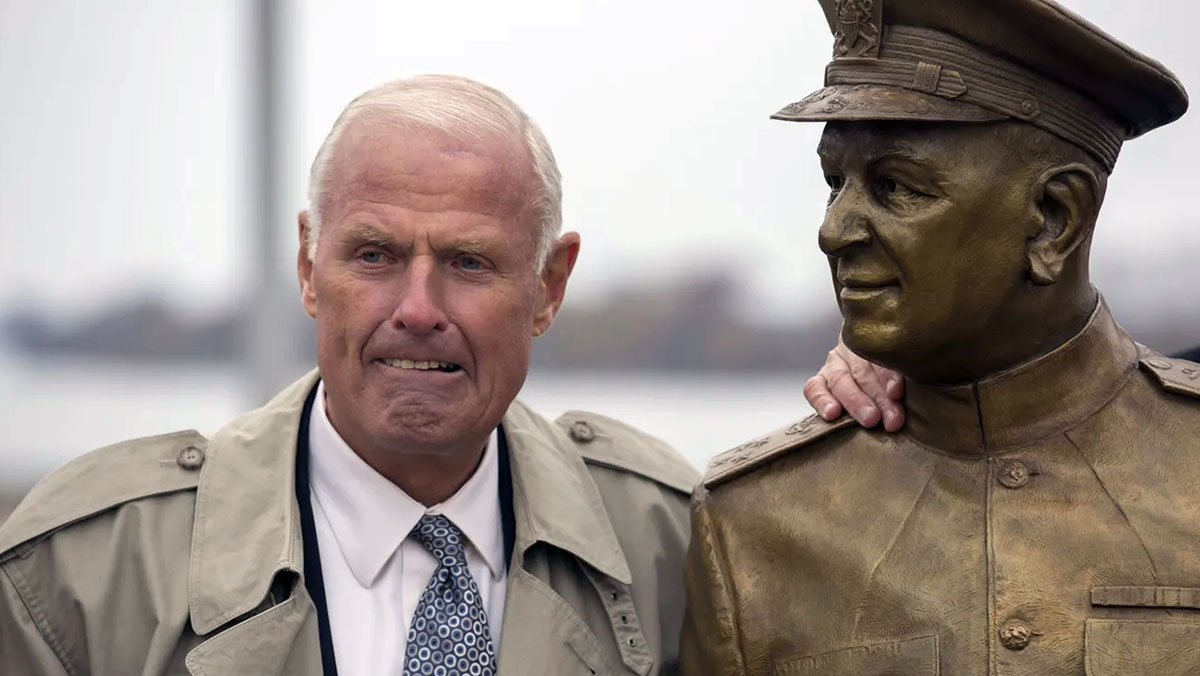
Notwithstanding the findings of this report, Kimmel still struggled to clear his name in the eyes of the public. In the decades after the war, he insisted that the Navy officially acknowledge that it failed him and scapegoated him. In 1955, he wrote a memoir arguing that, had he been given more information, he would not have had the fleet sitting at anchor unprotected. Notwithstanding the revelations made in 1946, the Navy refused to acknowledge its failures. He died in 1968, leading his family to take up the mantle of pushing for accountability.
The admiral’s surviving sons Edward and Thomas Kimmel pushed hard for an apology from the Navy. They, together with grandson Thomas Jr., went to Congress, the Department of Defense, and other governmental bodies to insist on the record being corrected. They had a breakthrough in 1999 when the Senate voted to formally exonerate Kimmel and posthumously restore him to his four-star rank. Provisions were made in an amendment to the National Defense Authorization Act 2001, but neither the Department of Defense nor successive presidential administrations agreed to do so.
The Pentagon insisted that, while information sharing should have been done more efficiently, Admiral Kimmel still bore responsibility for the disaster as fleet commander. To this day, while most historians believe that he was scapegoated, the military still insists that he was responsible for the security failures. The debate over Admiral Kimmel’s culpability is the longest-running dispute regarding military rank in American history.