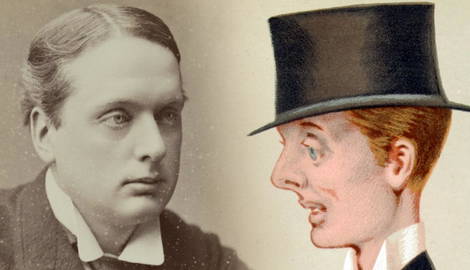

The history of British politics is messy and inconsistent. While some politicians were exceptionally talented and efficient, others were embarrassingly incompetent. Archibald Primrose, who was also known as Lord Rosebery or the Earl of Rosebery, was one of the latter. Having enjoyed a remarkably privileged upbringing, Rosebery’s gateway to the world of politics was relatively simple. Yet his time as the British prime minister was disastrous. After ascending to the position in March 1894, he made a series of blunders and cemented himself as one of the worst politicians in British history.
Archibald Primrose’s Luxury Upbringing
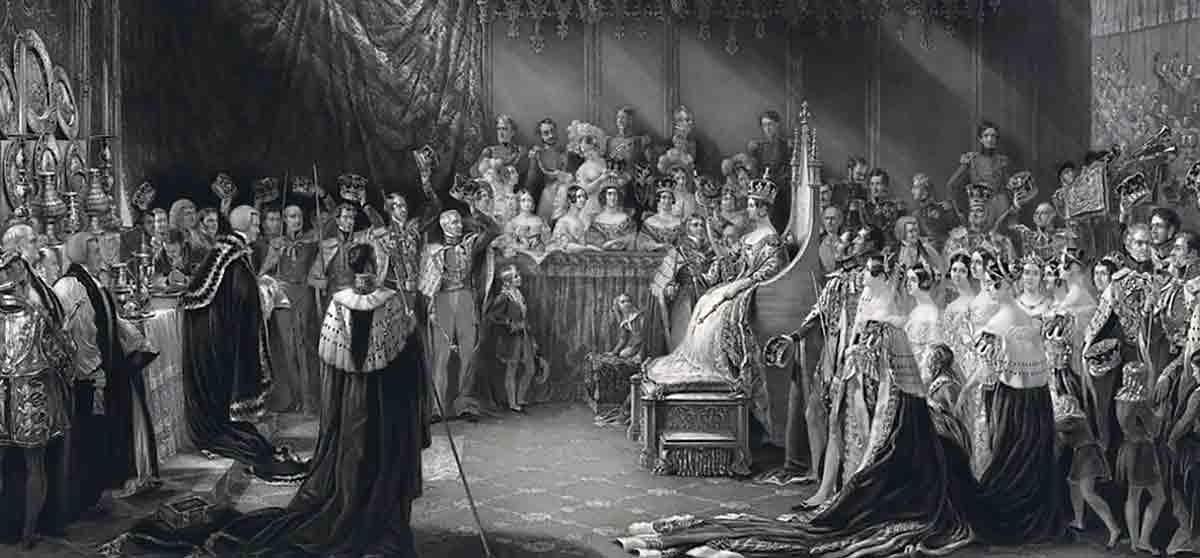
Archibald Primrose was born into a Scottish aristocratic family during the early stages of the Victorian era on May 7, 1847, in Charles Street, London. His father, Lord Dalmeny, was a politician who had worked as a Member of Parliament for the Whigs, representing the constituency of Stirling Burghs between 1832 and 1847. He had also been Lord of the Admiralty under Lord Melbourne, Queen Victoria’s first prime minister. Primrose’s mother, Lady Dalmeny, was a historian and genealogist and the only daughter of the fourth Earl of Stanhope.
Like many well-known British politicians, Primrose experienced the one-two punch of Eton and Oxford, with both institutions offering the finest education in the land. He entered the former in 1860 at the age of thirteen, quickly demonstrating his mighty intellect and romantic love of history.
At nineteen years of age, Primrose arrived at Christ Church, Oxford, to read history. Alongside his friend Randolph Churchill (the father of future Prime Minister Winston Churchill), Primrose was a member of the infamous Bullingdon Club, a group known for its rebellious antics and foul debauchery.
Primrose, despite his intellect, wasn’t a model student. In his first term, he refused to attend obligatory morning chapel, and he even clashed with author and mathematician Lewis Carroll (who penned Alice’s Adventures in Wonderland) after he failed to attend one of his lectures.
Following his grandfather’s death on March 3, 1868, Primrose inherited an impressive title: Lord Rosebery.
A Passion for Horses
Rosebery inherited a vast amount of wealth from his grandfather, for his own father had died when he was a child. He also inherited a seat in the House of Lords, giving him an easy (and unearned) pathway into the world of politics.
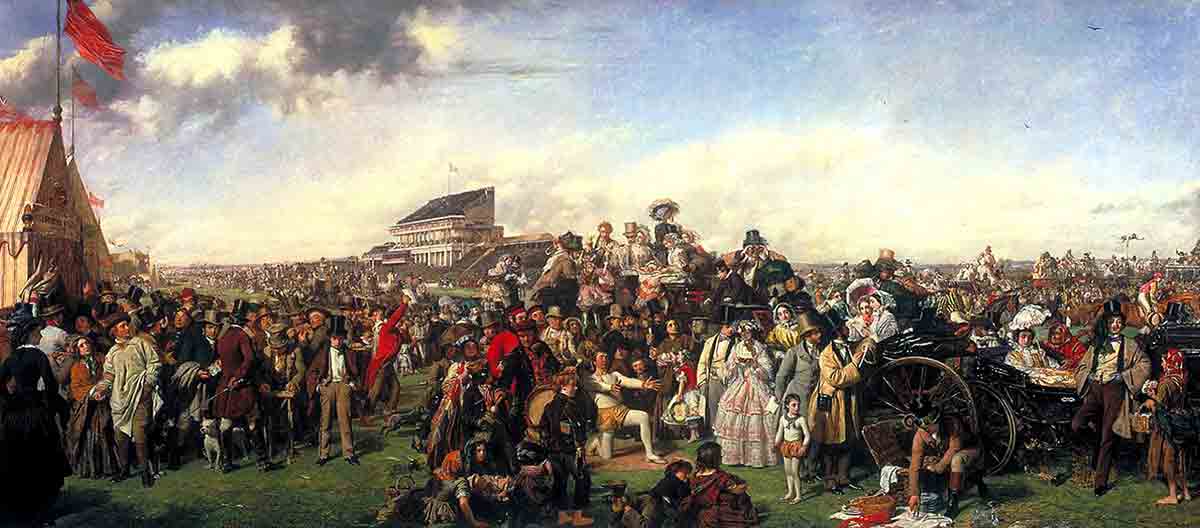
But politics wasn’t Rosebery’s primary concern as a young man. Instead, he jumped at the opportunity to become a racehorse owner for the first time. Fixated by his new hobby (and with plenty of wealth to fund it), Primrose left Oxford without earning a degree, as undergraduates weren’t allowed to own a horse. When it came to horseracing, the future prime minister was confident about his chances. But this early optimism was misguided, for the horses performed poorly in competitions, losing Primrose a substantial amount of money. Despite these early failings, Primrose’s passion never diminished, and he found success later on, winning the Epsom Derby three times.
Other pastimes included gambling, collecting rare pieces of art and literature, and entertaining guests at his estates in England and Scotland. Already blessed with a giant fortune, Primrose’s wealth increased once again following his marriage to Hannah de Rothschild, who was known as the richest woman in Britain. The affluent couple had four children: two sons and two daughters.
The Ups and Downs of the Liberal Party
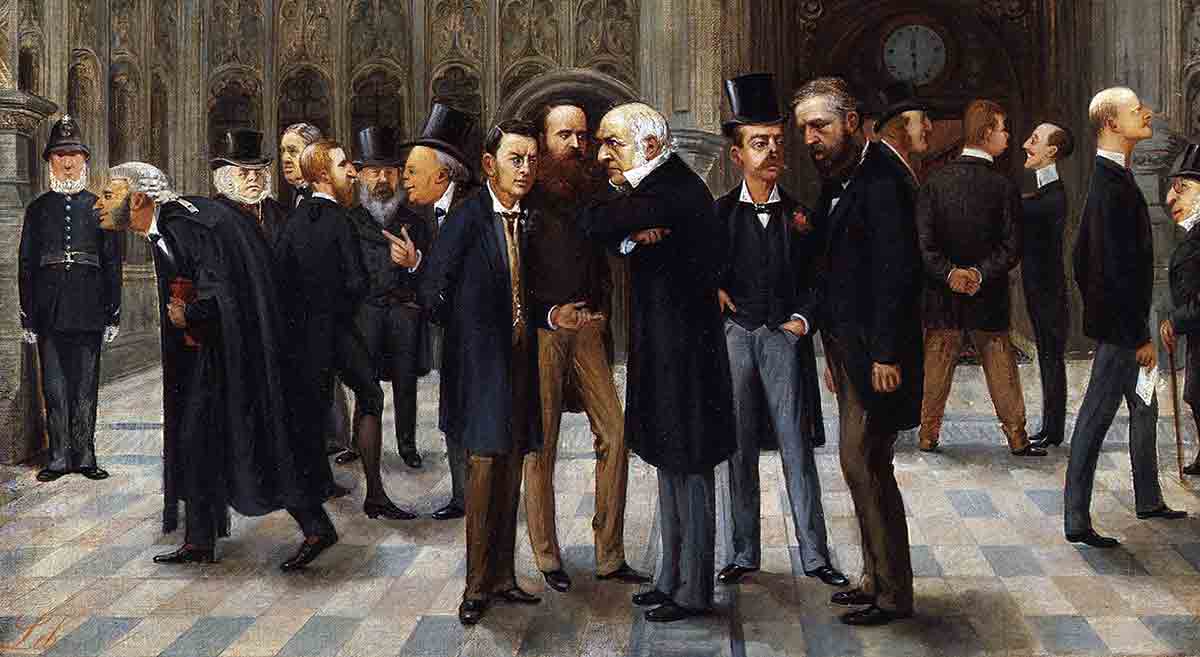
Having made his maiden speech in the House of Lords in 1871, Rosebery was very critical of Benjamin Disraeli’s Conservative government (1874 to 1880). He was particularly hostile to the government’s handling of foreign affairs, including their perceived indifference to the Ottoman massacre of Bulgarians during the April Uprising of 1876.
William Gladstone, the leader of the Liberal Party and arch-rival of Disraeli, was also highly critical of the Conservative government. He made a series of speeches criticizing Britain’s foreign policy, collectively known as the Midlothian Campaign. Rosebery was the primary organizer of this event, which was essential to the Liberal election victory in 1880.
In 1881, Gladstone brought Rosebery into his government as an under-secretary at the Home Office with special responsibilities for Scottish business. Rosebery hoped to move up into a Cabinet position, but Gladstone—who appeared disinterested in Scottish affairs—was not forthcoming, prompting Rosebery to resign in 1883.
However, he joined Gladstone’s Cabinet in 1885 as the Commissioner of the Board of Works and Lord Privy Seal. A year later, he ascended to the position of foreign secretary in Gladstone’s third administration. But he didn’t hold this new position for long owing to the collapse of Gladstone’s government.
The problem for the Liberal Party was the Irish Home Rule Bill, which many Liberal politicians opposed, for they were concerned about the north-south divide in Ireland. They believed the Home Rule Bill would be a disaster for Irish Protestants in the north, for they would be outnumbered by the Catholic majority.
The division inside the Liberal Party triggered the next general election, and Lord Salisbury’s Conservative Party emerged victorious. The Liberal Party lost power, adding to the personal tragedy Rosebery suffered in 1890 when his wife died from typhoid, leaving him devastated.
A Failed Premiership
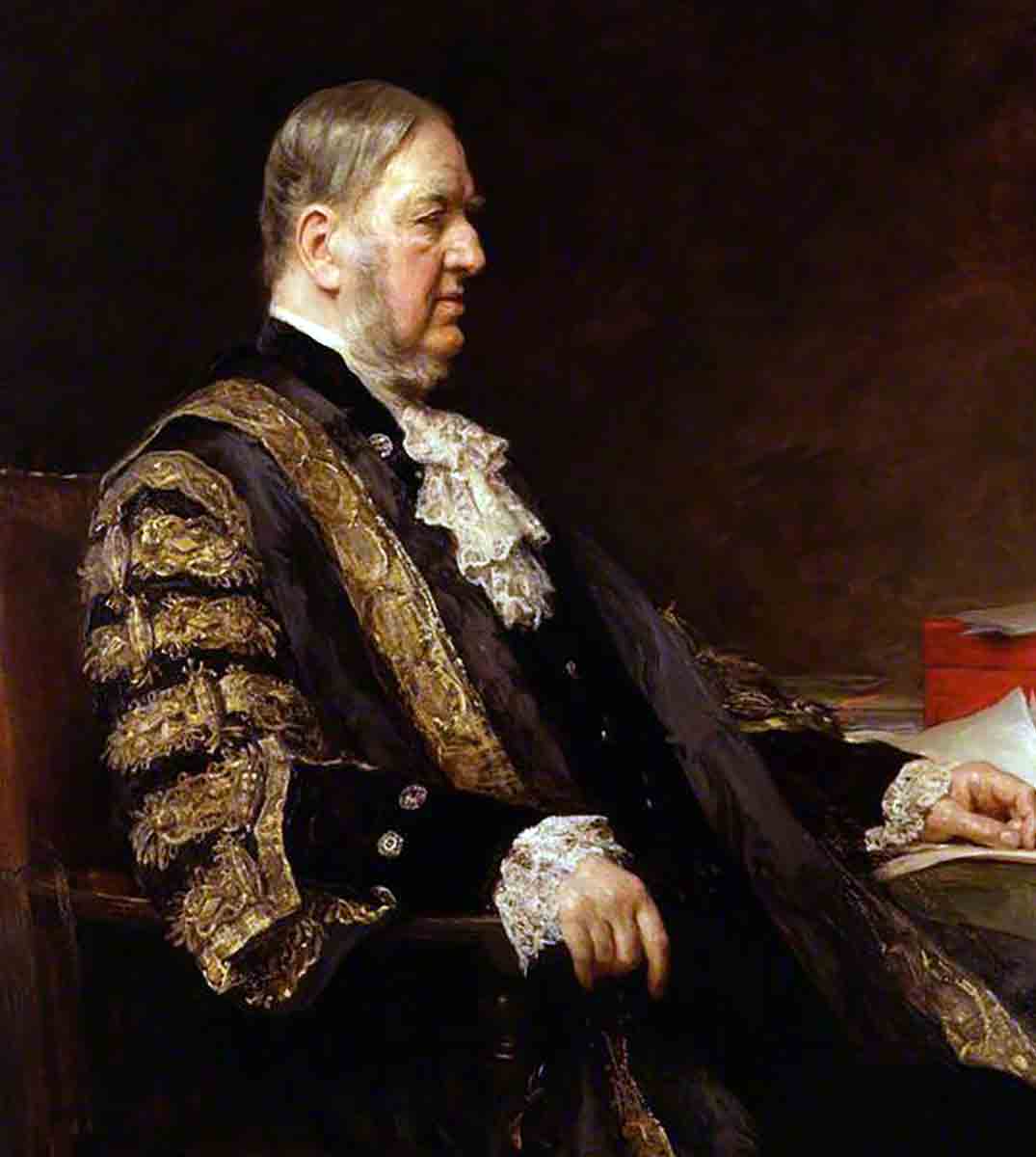
The Liberal Party returned to power in the summer of 1892, and Rosebery held the post of Foreign Secretary once again.
Supported by the Irish Nationals, the Liberal Party commanded a majority in the House of Commons. But the schism was still too great, and the Irish Home Rule Bill wasn’t passed. Following Gladstone’s resignation, Rosebery became prime minister on March 3, 1894. With a divided party in the House of Commons and a small number of Liberals in the House of Lords, passing legislation wasn’t going to be easy.
In British politics, the chancellor of the exchequer is the prime minister’s right-hand man and the second-most important person in the country. But unfortunately for Rosebery, he had a significant clash with his chancellor, Sir William Harcourt.
The source of the clash was inheritance tax. While Harcourt favored more radical reform and taxes on inherited estates, the prime minister was concerned that the new legislation would constitute class warfare. Given Rosebery’s vast wealth, many saw him as a rich man who didn’t want to be taxed.
Rosebery also made scathing comments about the House of Lords but was unclear about any potential reforms. As well as causing confusion inside the Cabinet, his hostility toward the House of Lords alarmed Queen Victoria, who was generally against radical reform (she was even against votes for women!).
Rosebery made another fatal error when he signed the Anglo-Belgian Treaty and leased land in the Upper Nile to the King of the Belgians. The French were not happy because the new arrangement blocked their access to the Congo. This created international tension between the two imperial powers.
With all these blunders mounting up, the Liberal Party’s time in power was limited, and their leader became increasingly haggard. Rosebery started to suffer from insomnia and even had a nervous breakdown at one point.
Defeat and Departure
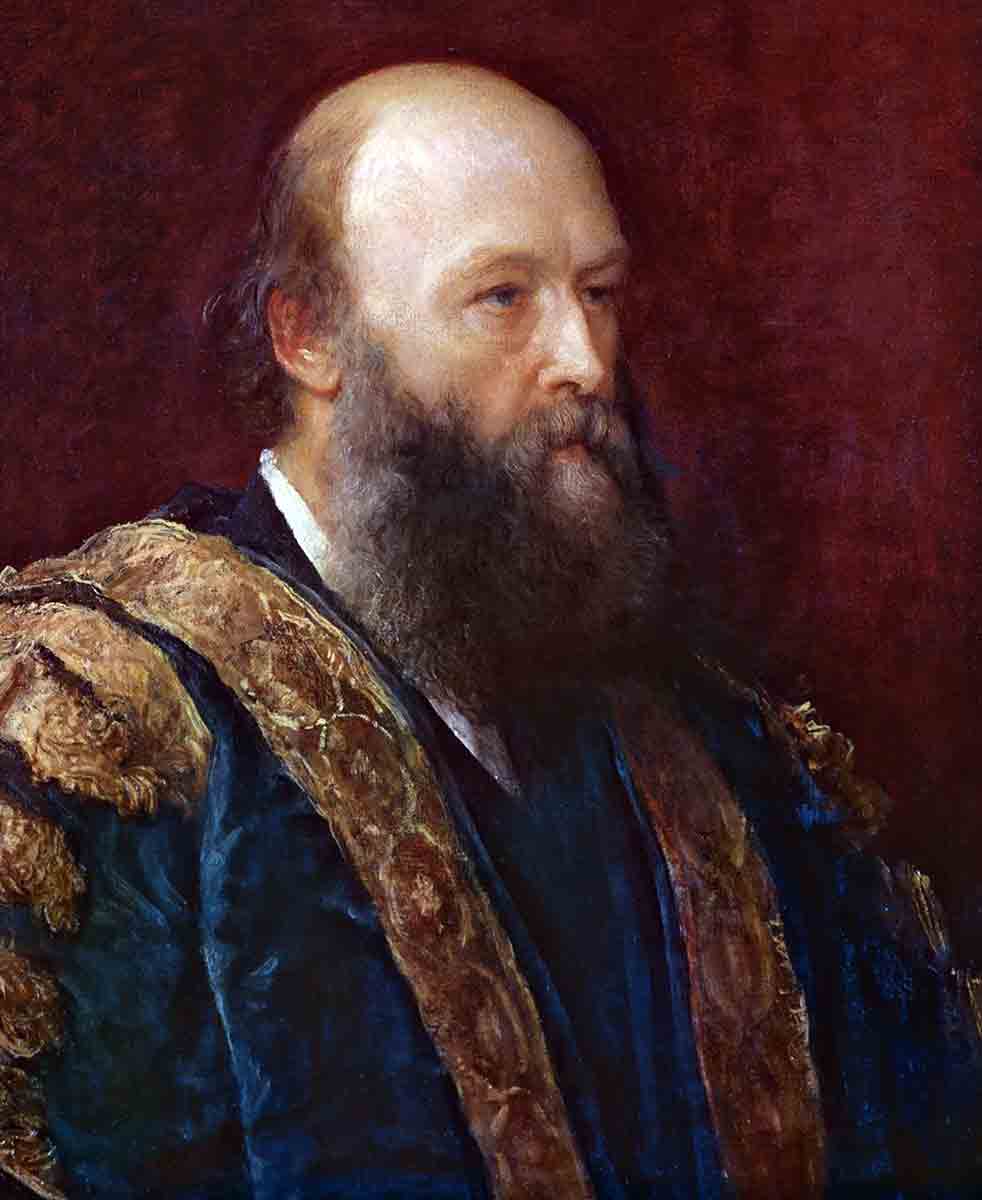
Following a defeat in the House of Commons concerning army supplies, Rosebery knew it was time to step down. He and his ministers resigned, and Queen Victoria invited Lord Salisbury, the Conservative leader, to form a new government. A general election was held in July 1895, and the Conservatives thrashed the Liberals, with the former earning over four hundred seats and the latter earning less than two hundred.
Despite this major defeat, Rosebery remained the leader of the Liberal Party, though not for long. He made yet another blunder, as he was reluctant to condemn the Turkish attacks against the Armenians, unlike the rest of his party, who were outraged by the violence. Having resigned from the leadership of the Liberal Party in October 1896, Rosebery gradually distanced himself from politics, though he did support Britain’s role in the Second Boer War (1899-1902) as a member of the Liberal Imperialists.
In the final decades of his life, Rosebery concentrated on his horses and wrote several political biographies of well-known figures from British history, including Oliver Cromwell, William Pitt the Elder, and William Pitt the Younger.
Archibald Primrose’s Death and Legacy
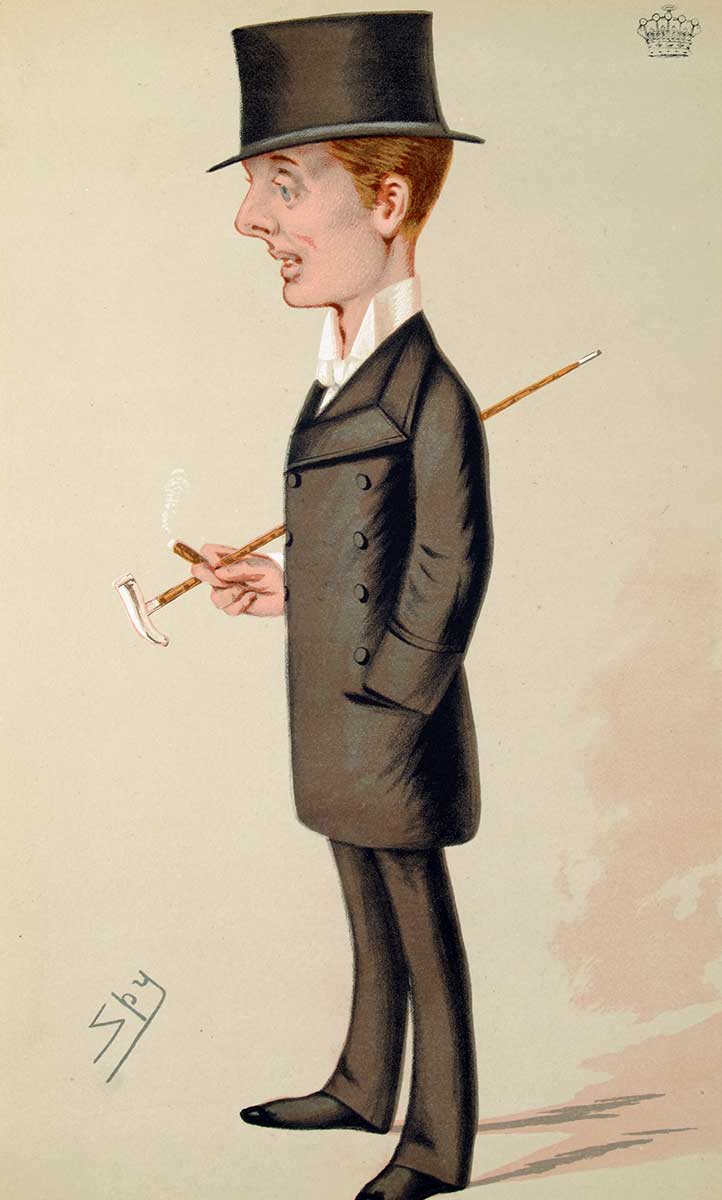
Rosebery suffered a stroke in November 1918 and was left partially disabled. He clung to life for over a decade but eventually died on May 21, 1929, at the age of 82. Despite all his wealth, Rosebery is a somewhat sympathetic figure. He inherited a tough political situation that would have been difficult for any statesman. He also suffered two personal tragedies. In addition to the aforementioned death of his spouse, his son Neil died in 1917 while fighting in Palestine.
At the same time, his political record is abysmal. Rosebery struggled to control the Cabinet and had a significant disagreement with his chancellor when it came to inheritance tax. He also alarmed Queen Victoria with his views on the House of Lords and racked up international tensions by signing the Anglo-Belgian Treaty.
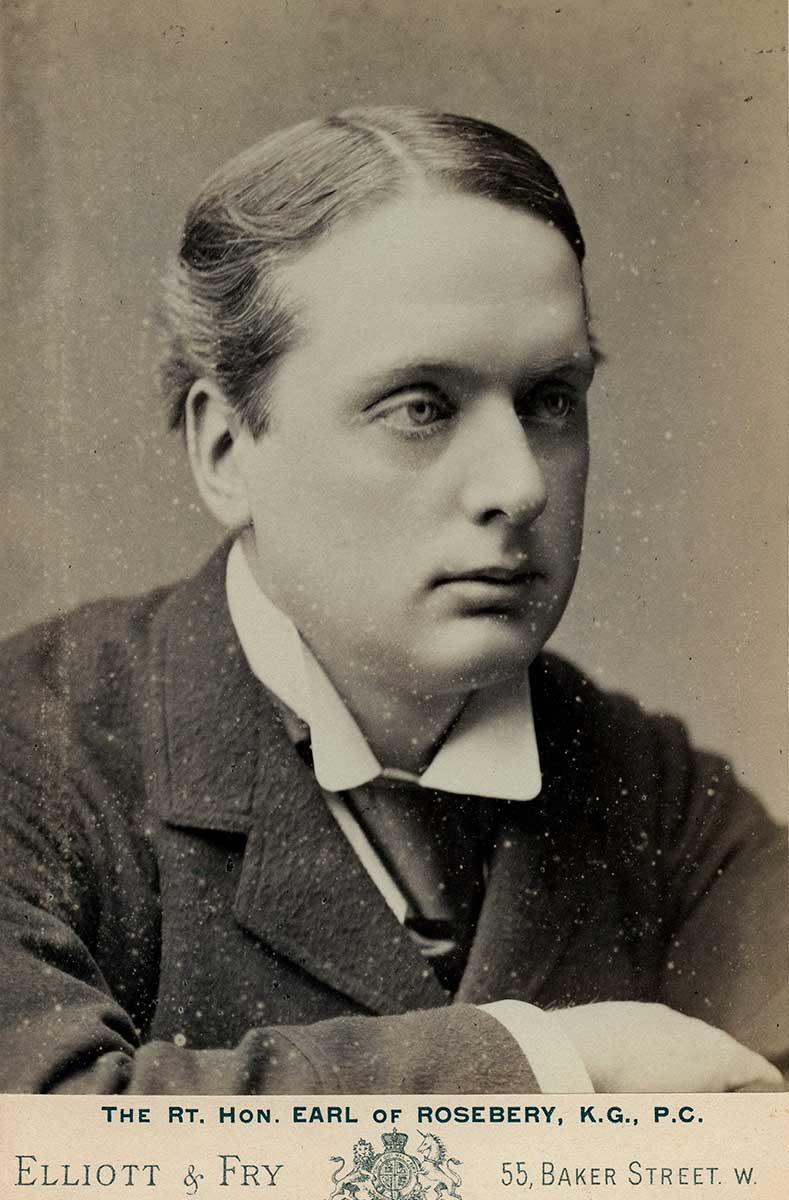
Rosebery may have had access to a top-tier education and an extraordinary amount of wealth, but neither of these things helped when it came to the running of the country. While there will never be a consensus about the worst prime minister in British history, Rosebery will always be part of the conversation.