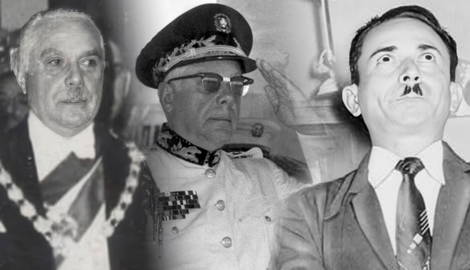

During the 20th century, Latin America played host to multiple dictatorships and authoritarian governments that profoundly shaped its institutions and political landscape. In the context of the Cold War and ideological polarization, its closeness to the United States resulted in support for various military dictatorships. Only Mexico, Costa Rica, and Belize managed to maintain relatively stable democratic institutions. These dictatorships left open wounds that impact the region to this day. Learn more about the lesser-known Latin American dictatorships that shaped Haiti, the Dominican Republic, Nicaragua, Guatemala, and Panama.
1. The Duvaliers in Haiti (1957-1986)
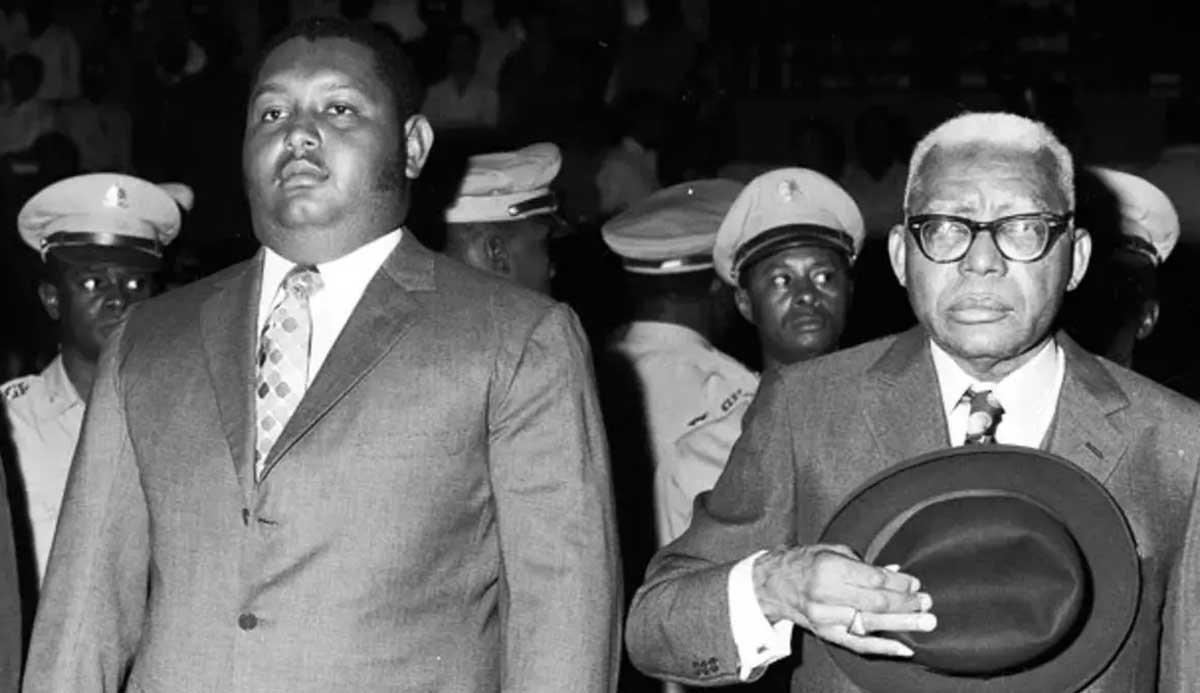
In 1963, the outlook in Haiti was grim: a hurricane had destroyed nearly everything, relief funds were not distributed, strikes were widespread, and a military president abused his power by imprisoning opponents and shutting down newspapers. Hope was renewed during the elections when François Duvalier, a shy rural doctor and advocate for the poor, won. People supported him because they felt that, at last, someone was looking out for them, earning him the paternal nickname “Papa Doc.” However, it wasn’t long before he forgot his roots and promises and began to wield power ruthlessly, without any justification or even an ideology.
He focused on amassing vast personal wealth and eliminating any opposition. He organized popular militias known as the Tonton Macoute, named after a bogeyman in Haitian mythology. These were death squads responsible for disappearing regime opponents. They committed countless murders—some by stoning and burning their victims alive—as well as rapes and robberies. Duvalier also fostered a cult of personality, using the voodoo religion and instilling fear based on popular beliefs in order to control the population.
Near the end of his life, the self-proclaimed “president for life” amended the constitution to appoint his 19-year-old son, “Baby Doc,” as president. His father was more cruel and repressive, while he was openly more corrupt and flaunted a luxurious lifestyle. The situation began to unravel due to international pressures, the withdrawal of U.S. military and economic support, the strengthening of the opposition, and popular protests and movements, culminating in a coup that finally ended the dictatorship in 1986.
2. Rafael Trujillo in the Dominican Republic (1930-1961)
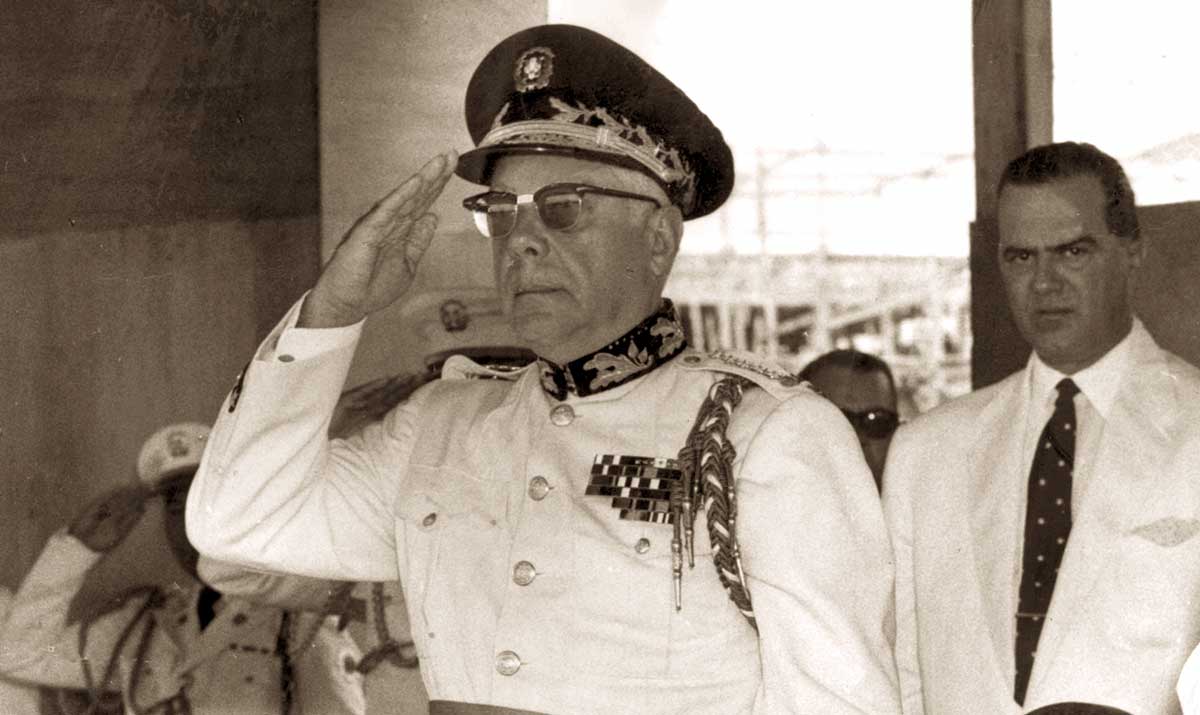
In the army, Rafael Trujillo, born into a large, poor family, found a way to get ahead, eventually becoming a general in the Armed Forces. In 1930, during a revolt against President Horacio Vázquez, he took advantage of the situation to present himself as a presidential candidate. He used his power in the armed forces to violently force other candidates to resign. Throughout his government, he continued this strategy of violence and repression: he prohibited political parties and forced all citizens to join the official party.
He established a cult of personality, promoting an excessive adoration of himself: he renamed Santo Domingo “Ciudad Trujillo,” filling the country with monuments in his honor and streets with his name. He even considered himself a saint and wanted all Dominicans to place his picture next to the altar of Jesus.
The bloodiest event during his dictatorship was the infamous 1937 Parsley Massacre. Over four days, more than 20,000 Haitians, including women and children, were killed, mostly using machetes and knives. The massacre’s perpetrators would test the “Dominicanhood” of their potential victims through the pronunciation of the word “parsley,” giving the event its name. Trujillo promoted an anti-Haitian ideology and covered up the massacre through fear, silencing local witnesses.
His regime ended after an ambush on the road by a group of Dominican armed forces and former collaborators armed with weapons provided by the CIA. He was shot sixty times.
3. Somoza Family in Nicaragua (1936-1979)
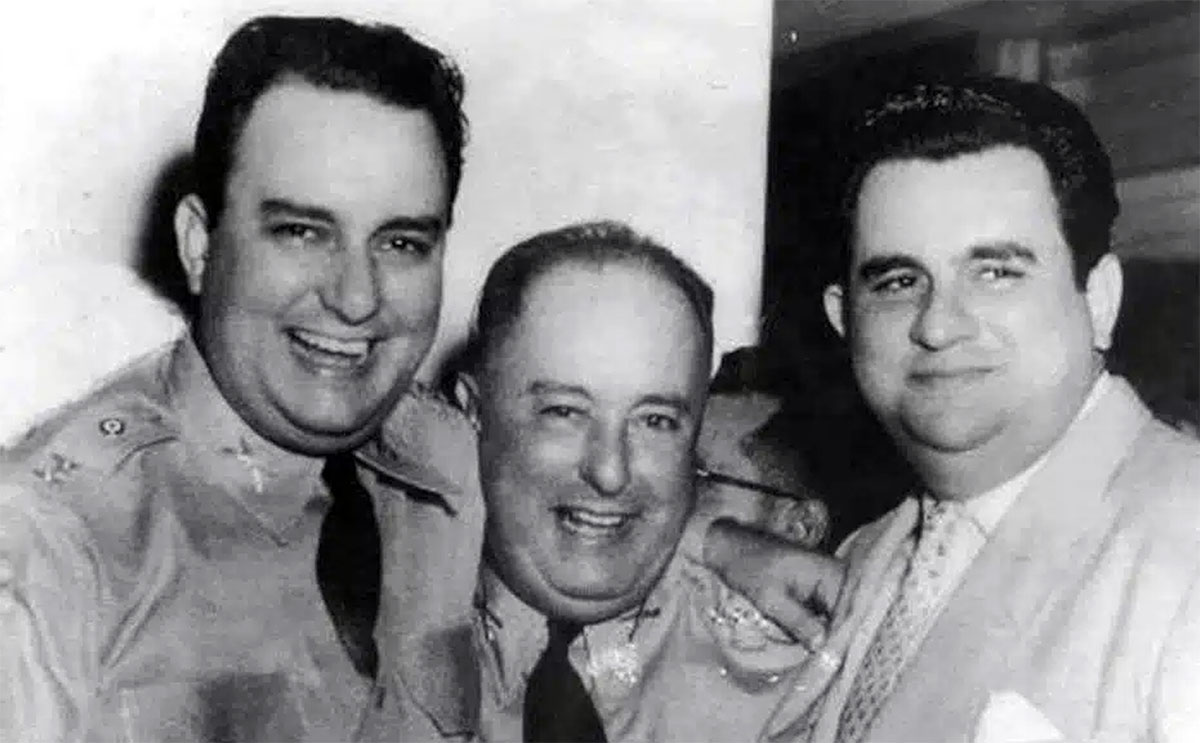
From a wealthy background, Anastasio Somoza made his way as a businessman and in politics. He served as governor, consul, foreign minister, and head of the National Guard. He took advantage of this last position to consolidate his power through political persecution. He perpetrated a coup d’état and managed to stay at the helm of Nicaragua for nearly two decades until he was assassinated by the poet Rigoberto López, a supporter of Nicaraguan freedom and revolution. However, freedom did not last long, as the regime soon fell into the hands of his sons: Luis and Anastasio.
During the Somoza dynasty, the Nicaraguan state, economy, and infrastructure were modernized. But the period was also marked by repression and inequality. The concentration of power and national wealth in the hands of the Somozas was notable. The government was oriented exclusively to their personal interests, with no respect for institutions and no limits. Over four decades, the family accumulated enormous wealth through corruption, corporate bribery, industrial monopolies, land appropriation, and diversion of foreign aid. They owned about 23% of the land in Nicaragua and, in terms of wealth, it is speculated they held the equivalent of half of Nicaragua’s debt and 33% of the GDP.
The regime’s own corruption, particularly after the 1972 earthquake, generated deep discontent that, along with human rights violations, the strengthening of the opposition, armed insurgency, and international isolation, accelerated its downfall in 1979.
4. Carlos Castillo Armas in Guatemala (1954-1957)
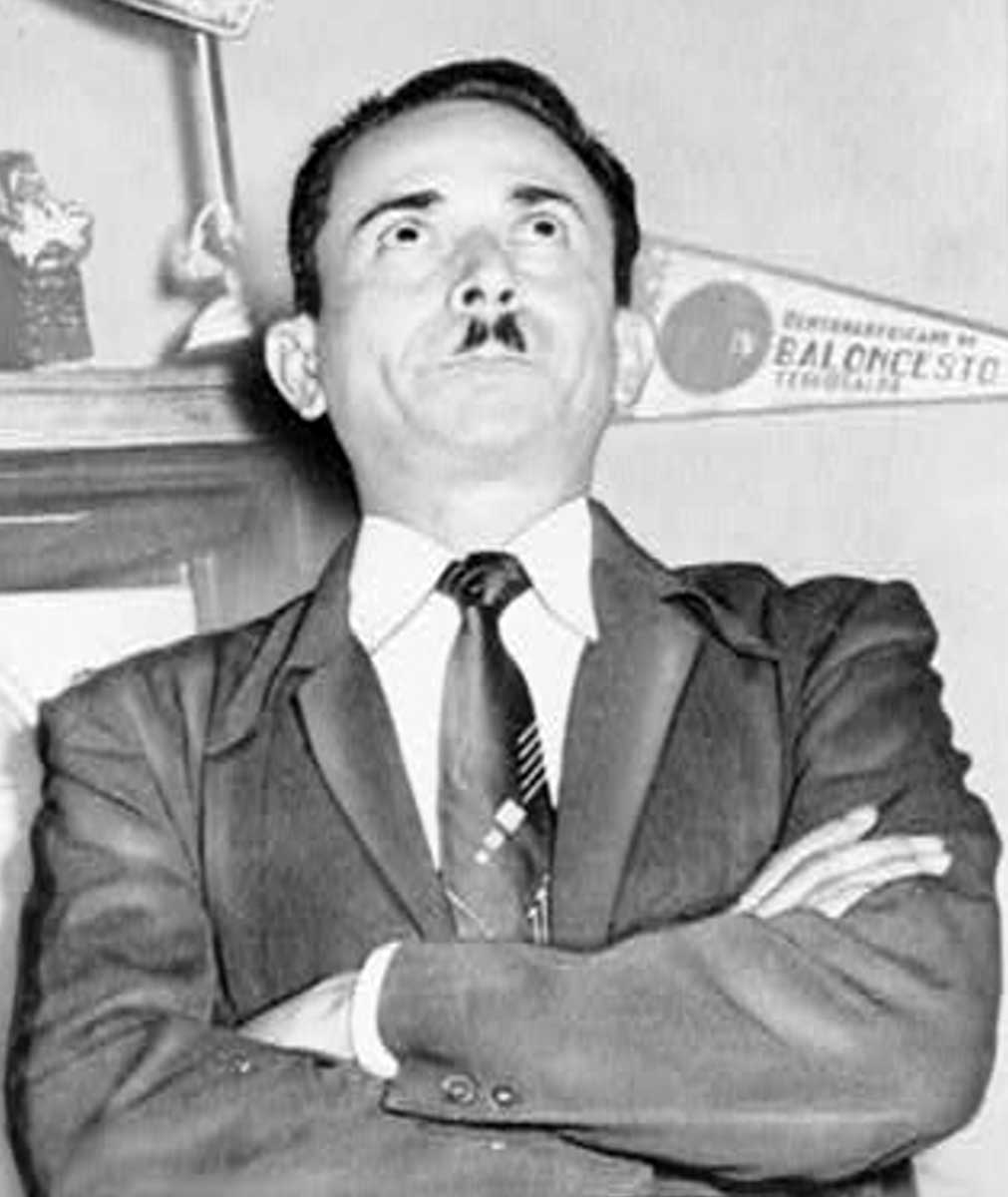
In the mid-20th century, 76% of Guatemalans owned less than 10% of the land, while just 22% controlled nearly three-quarters. Leftist President Jacobo Árbenz promoted progressive policies, particularly agrarian reform, redistributing uncultivated lands, which affected the interests of large U.S. corporations like the United Fruit Company.
In response, the U.S. designed a program called PBSUCCESS, which, with the help of the CIA and a budget of $2.7 million for “psychological warfare and political action” and “subversion,” among other components of a small paramilitary war, launched a brutal invasion specifically designed to instill panic and draw the population and military to their side before defeating them. They accused Árbenz of being a communist, although his policies were quite moderate and inspired by Abraham Lincoln. Leadership was turned over to exiled General Carlos Castillo Armas, who had previously attempted to overthrow the government.
During his rule, a repressive and conservative state was consolidated, aligned with U.S. interests, which supported him economically and militarily. In a climate of censorship, particularly McCarthyism, he persecuted trade unionists, intellectuals, and opponents. He strengthened his relationship with the Church as an ally in the anti-communist struggle, dissolved Congress, and repealed the 1945 constitution, reversing key social reforms.
He was assassinated with two bullets in the presidential house in 1957. He left a legitimacy crisis, internal strife, and a radicalization of the opposition, laying the groundwork for a vicious cycle of violence and repression and a 36-year civil war.
5. Manuel Antonio Noriega in Panama (1983-1989)
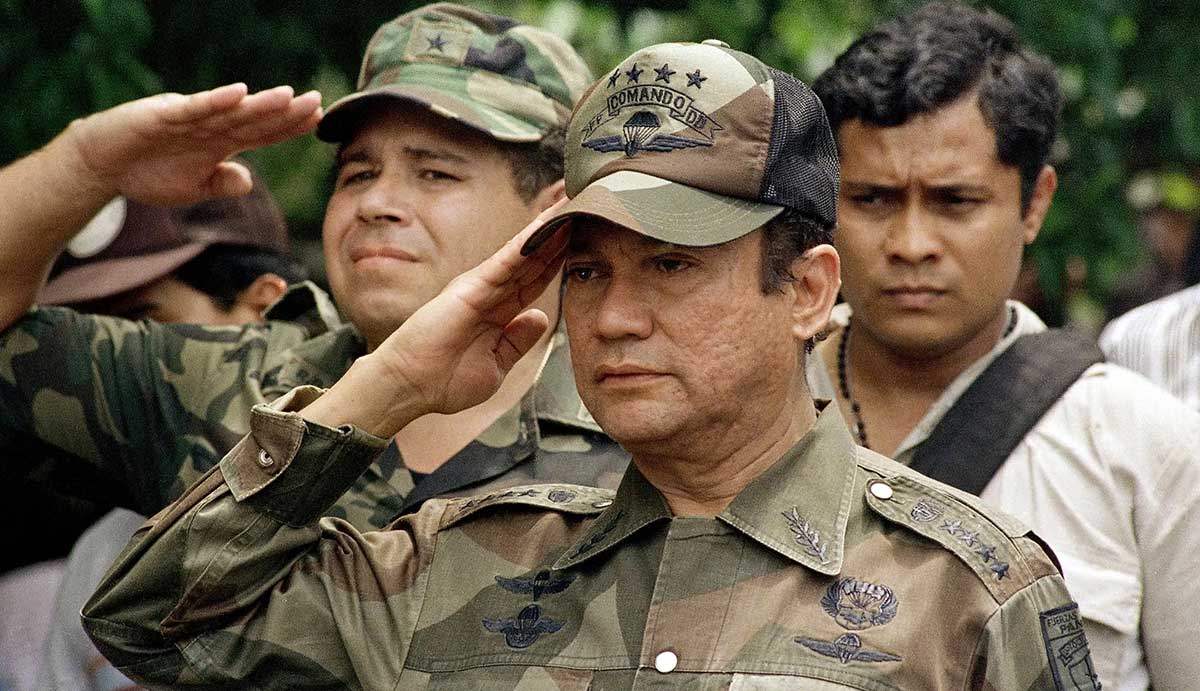
Originating from a poor neighborhood, Noriega made his way to power through the armed forces, becoming a close informant and collaborator of the CIA. In this way, he accumulated power and wove his web of influence. He was never elected president; however, he exercised de facto power by re-electing himself as Commander of the National Guard from 1983 to 1989.
Noriega had an ambiguous relationship with the United States; at times, he was an ally and informant, but he was also an adversary, selling confidential information to Washington’s political enemies, such as drug cartels. While passing secrets about Cuba to the U.S., he sold thousands of Panamanian passports to Fidel Castro for $5,000 each, which were to be used by agents from the island and possibly from Soviet nations as well. He was also heavily involved in drug trafficking, facilitating the drug trade and collaborating with cartels.
It was difficult to know which side he was on; his thirst for power led him to do anything to obtain it, until he ultimately became a tyrant. Tensions with the U.S. peaked in the late 1980s when Noriega refused to cede power. Operation Just Cause was carried out to extradite him; he was subsequently convicted of drug trafficking, money laundering, and organized crime, receiving a 40-year prison sentence. He died in prison. When Capitol Hill cut military and economic aid to Panama’s regime, it fell into debt default, and its economy contracted by 20%.
Latin America’s Legacy of Authoritarianism
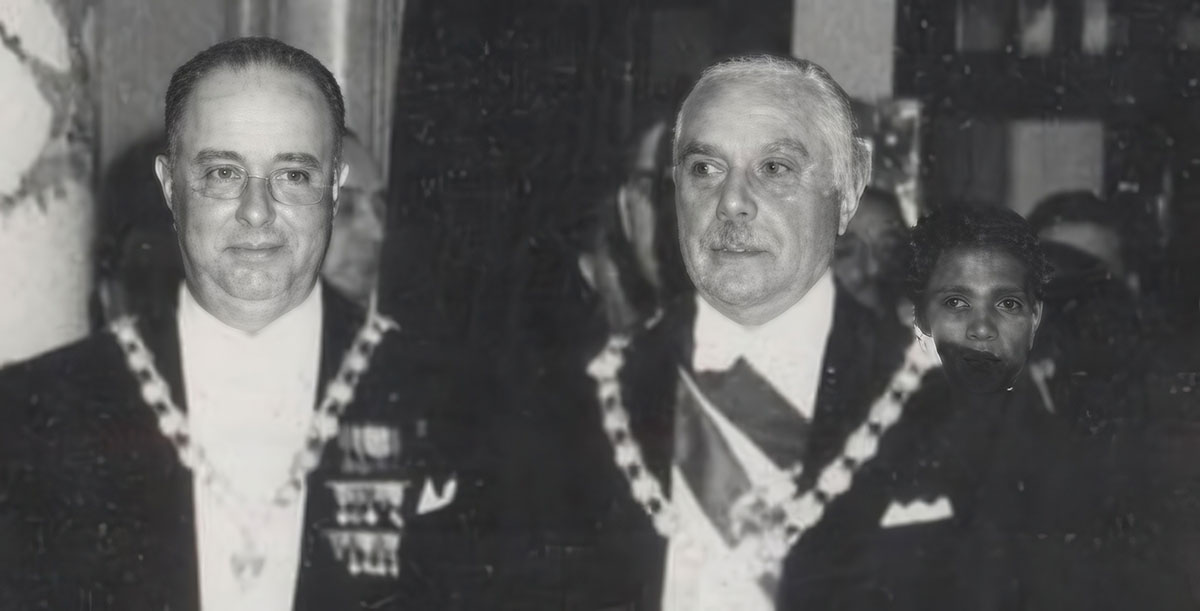
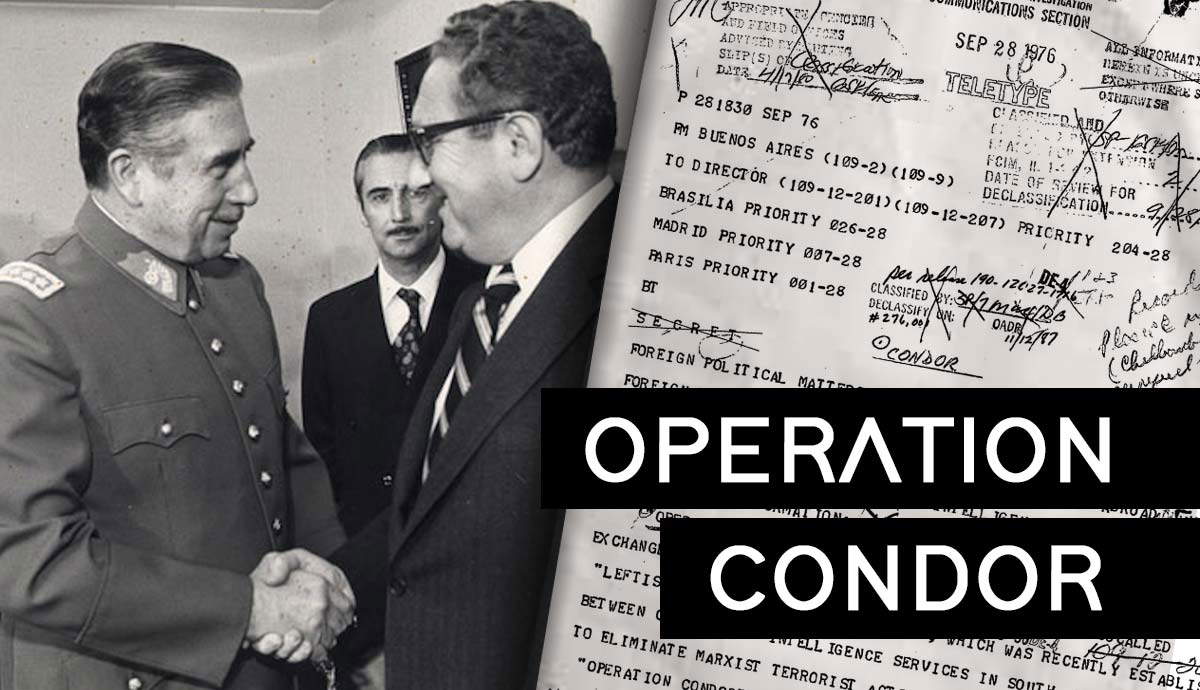
Almost all dictatorships in Latin America maintained a close relationship with the U.S., particularly due to the prevailing anti-communist climate in the region. The U.S., as the predominant power, manipulated the politics of the other countries as part of its geopolitical strategy to ensure its political and economic interests, using the fear of communism as a pretext. Many leaders were puppets, replaced and discarded when they ceased to be useful. This manipulation was also reflected in the international image, promoting narratives that legitimized these regimes while the reality, reflecting a struggle for social justice, was systematically silenced.
This had profound repercussions within these countries, as most were going through periods of economic crises, ideological polarization, and, above all, political instability, marked by a lack of democratic institutions and effective checks on power. This institutional void allowed for numerous coups, and in the absence of checks on power, cycles of violence and repression were perpetuated. The armed forces, seen as guarantors of order and stability, gained legitimacy; moreover, anti-communism justified repression as a measure to safeguard national security.
Over time, the military consolidated their positions within their spheres of influence through their connections with the U.S., access to arms, and control over economic resources. This power allowed them to accumulate wealth through corrupt practices, reinforcing their interest in maintaining power while undermining democratic institutions and human rights. A small elite group enriched themselves at the expense of the suffering of the rest, generating not only economic inequality but also a legacy of impunity.