
In the years after Amin’s downfall, a power struggle broke out for control of the nation. The 1980s would see Uganda’s President Milton Obote battle the rebel forces of Yoweri Museveni. This conflict is known as the Ugandan Bush War.
The Rise and Fall of Idi Amin: How Decades of Turmoil Shattered Uganda
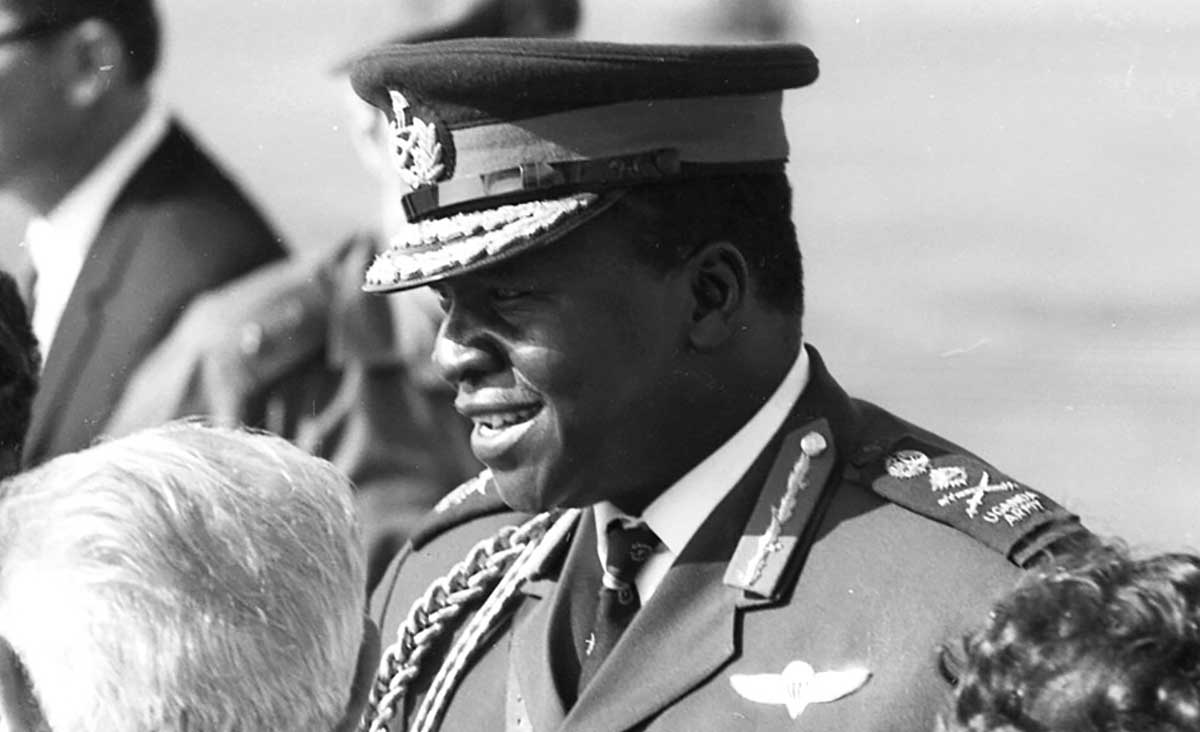
From independence in 1962, Uganda’s political landscape was far from secure. Four years into its independence, a coup was launched by Prime Minister Milton Obote that deposed Uganda’s first president. Obote’s autocratic rule ended in 1971, when an officer by the name of Idi Amin deposed him.
Amin’s time as President of Uganda is infamous. Corruption, ethnic deportations, and forced disappearances all occurred during his time in power. It was only in 1979, after losing a war to Tanzania and Ugandan rebels, that Amin was forced to flee the country. After his defeat, Amin ended up in Saudi Arabia, where he lived out the rest of his days.
Milton Obote’s Comeback: The Disputed Election That Triggered Civil War
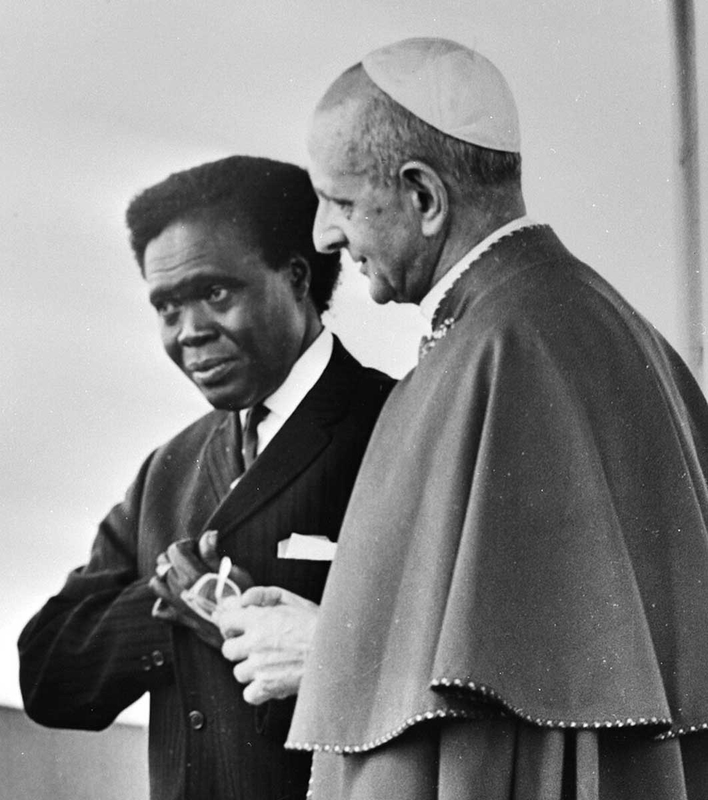
While Amin was no longer in power, Uganda’s problems were by no means over. The country had been devastated by the years of tyranny. The Ugandan economy was in ruins, numerous rebel groups were still active, and the country needed serious work to recover. Ethnic tensions were high, and a power vacuum was present with Amin out of the picture. While a presidential commission governed the country until national elections could be held, Uganda’s fortunes heavily depended on a successful head of state taking office.
It was in this situation that Milton Obote returned to retake power. While he had a reputation as one of the nation’s elder statesmen, many Ugandans opposed his return. They viewed him as a corrupt and autocratic leader, whose rule had indirectly led to Amin taking power.
Despite this, Obote continued on undaunted and campaigned aggressively to regain his old position. On December 11, 1980, Obote’s Uganda People’s Congress won the majority of votes in the country’s national elections, and he reclaimed the presidency. Despite his apparent comeback, Obote’s enemies were not going to accept the results of the election. Numerous rebel groups labeled the election as fraudulent, and war soon broke out between the government and the rebels.
How Yoweri Museveni’s Guerrilla Army Took Down the Government
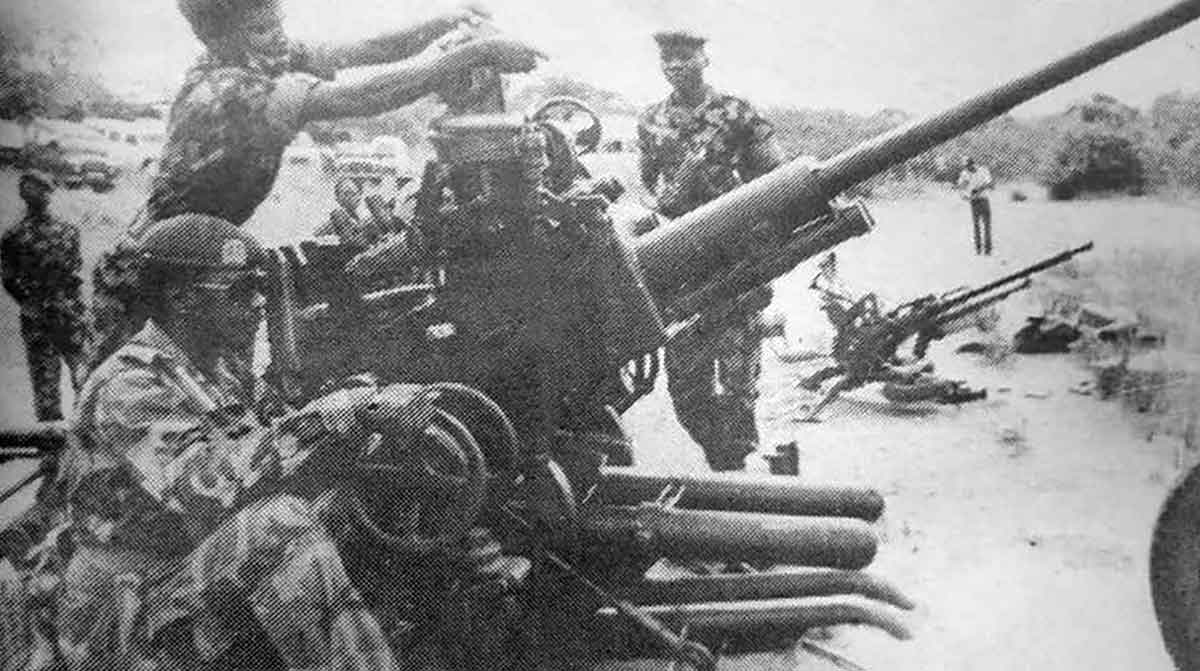
Obote’s main opponent was Yoweri Museveni, the leader of the National Resistance Movement. Museveni was a revolutionary who had spent years fighting Amin. As a youth, he had been educated by the pan-Africanist scholar Walter Rodney, who had stressed the importance of revolutionary struggle. He and his forces were completely opposed to Obote’s presidency, and would fight as long as they had to until he was overthrown.
Initially, the NRM lacked the strength to take on the Ugandan army directly (their first raid in 1981 had been to secure badly needed weapons). Despite this, the skilled guerrilla leader Museveni was more than happy to continue an insurgency in the country’s rural areas.
With his brother Salim Saleh by his side, his rebel soldiers moved by night, their stealth making up for their lack of weaponry. A significant portion of Museveni’s fighters were Rwandan refugees, the most notable of them being the famous soldier Fred Rwigyema and Rwanda’s future president Paul Kagame. These Rwandans had joined the NRM because of Obote’s past attempts at deporting them, and were known to fight with incredible zeal.
How a Fatal Crash and Atrocities Shifted the Ugandan Bush War
Such resolve was greatly needed by the rebel cause. Obote was determined to defeat his enemies and remain in power. In June of 1983, the Ugandan army launched Operation Bonanza, an aggressive campaign to root out the rebels. While Museveni’s forces were able to evade their enemies for the most part, their operations were contained. With Obote securing aid from Tanzania and North Korea, he looked to be on his way to victory.
However, by December of 1983, the tide of the war was changing. David Oyite-Ojok, the Ugandan army’s chief of staff, died in a helicopter crash. He had been a competent commander whose strategies had contained the rebels, and whose leadership had kept the army harmonious. His death massively increased disunity in the Ugandan army.
Additionally, the Ugandan army’s counterinsurgency operations had turned much of the population against it. In their attempts to force civilians to give up the whereabouts of the rebels, they had treated the populace with shocking brutality, particularly in the part of the country dubbed the “Luwero Triangle,” where civilians were subjected to mass arrests and torture at the hands of the army. This, in turn, pushed them to support the NRM, which had largely shown discipline in dealing with civilians.
With the Ugandan army facing mistrust from civilians and increasing infighting, the NRM seized the opportunity. They went on the offensive against disheartened government troops, epitomized by their surprising victory at the Battle of Kembogo in 1985. With the Ugandan army falling apart at the seams, Obote’s commanders launched a coup against him. Tito Okello emerged as Uganda’s new president, and Obote was forced into lifelong exile. The NRM refused to compromise with Okello’s government and continued fighting. By January of 1986, they had captured Kampala, ending a war that had claimed as many as 500,000 lives.
From Rebel Hero to 40-Year President: Yoweri Museveni’s Unbroken Power
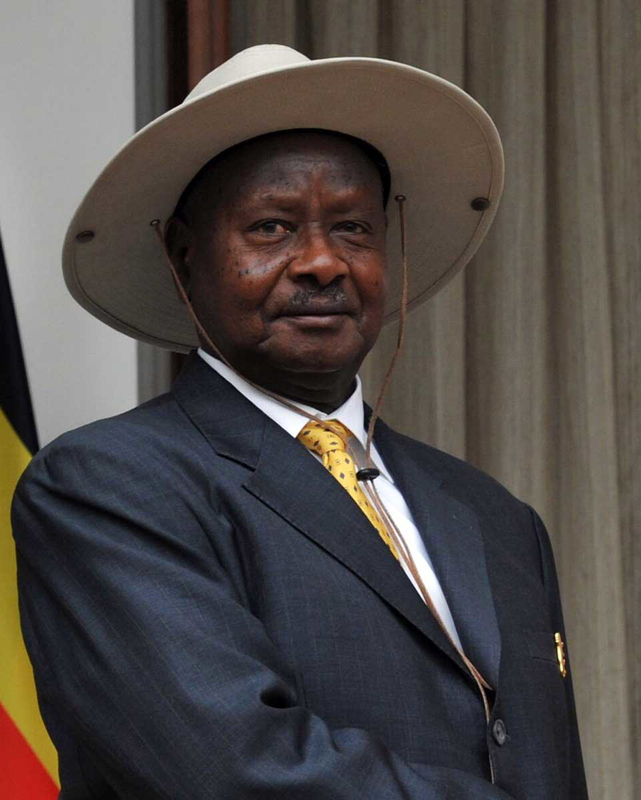
‘‘The problem of Africa in general and Uganda in particular is not the people but the leaders who want to stay in power.’’
Such a statement from Museveni is particularly surprising, given that he has been in power for 40 years. Since his inauguration in January 1986, Museveni has served as President of Uganda, and despite turning 82 later this year, he shows no hurry to step down.
Throughout the major events of Uganda’s history – the RPF’s invasion of Rwanda from Uganda, the Congo Wars, the pursuit of Joseph Kony – Ugandans have only known one leader and one ruling party: that of Yoweri Museveni and the National Resistance Movement.