
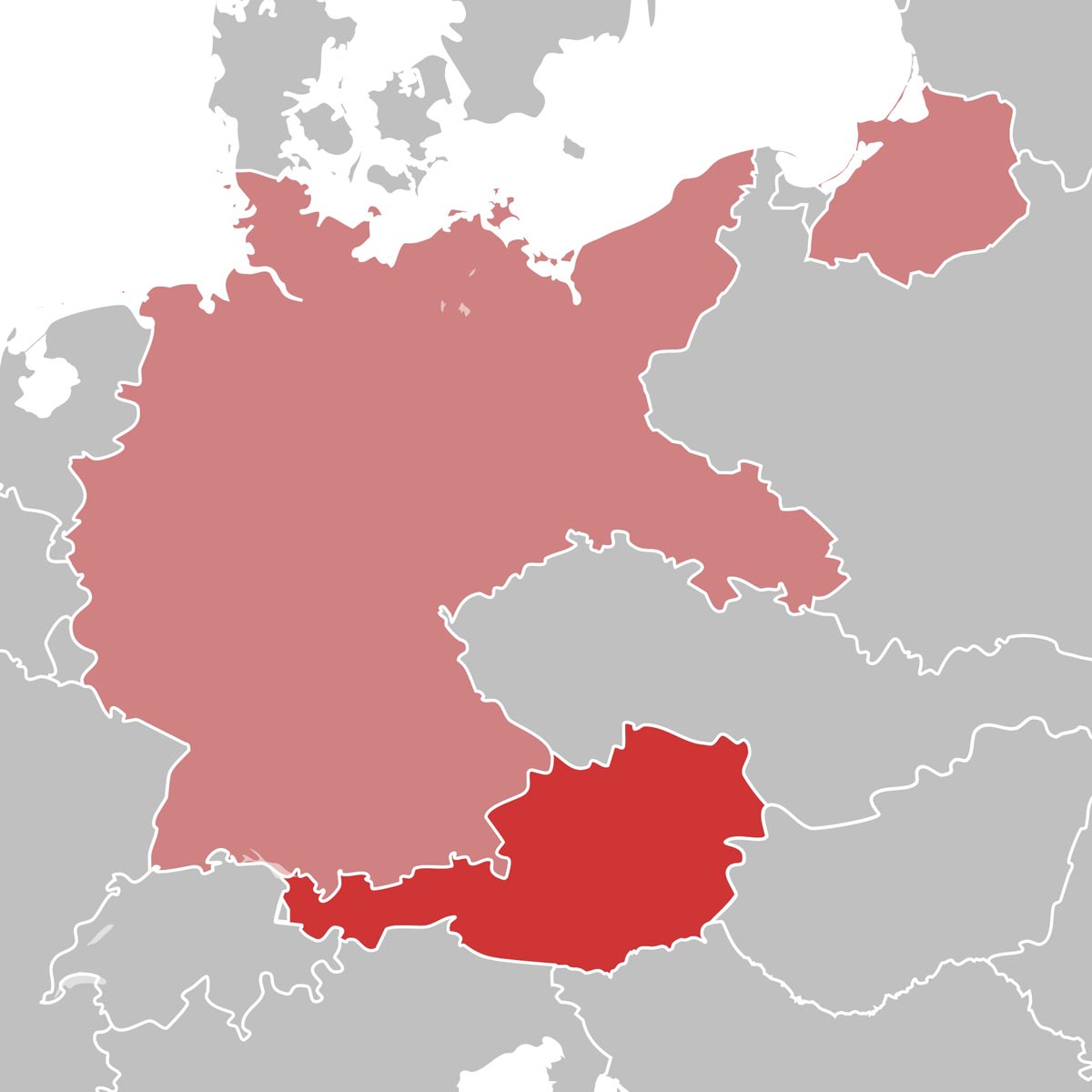
On March 12, 1938, German troops crossed the border and poured into Austria. The next day, the entire country was annexed. Hitler’s dream of a Greater Germany was realized as German-speaking areas of Europe were united as part of the Third Reich.
This territorial aggression sent alarm bells ringing throughout Europe. It was clear that Hitler was willing to take significant risks in his imperial ambitions. It also helped drive Europe to the point where war was unavoidable.
How and why the Anschluss happened is a subject that has garnered much debate.
Anschluss: A Decades-Old Idea
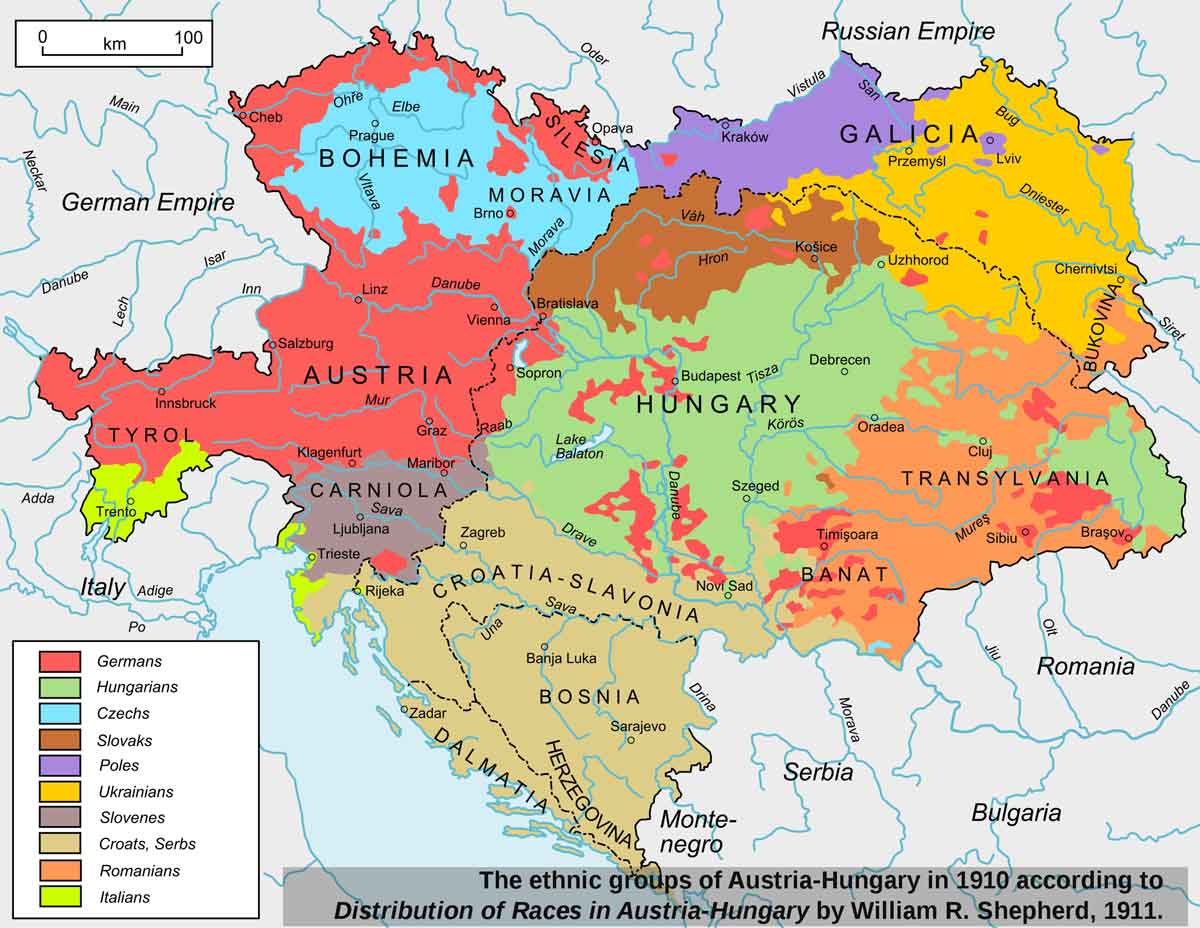
After the Franco-Prussian War (1870-1871), Otto von Bismarck united Prussia with the various German states and formed the German Empire (or the Second Reich). Austria was part of the Austro-Hungarian Empire and was excluded from the new state.
The Austro-Hungarian Empire was a place of many ethnicities and cultures, all ruled over by a German minority. Ethnic Germans and German speakers in the empire had divided allegiances. Some wanted to preserve the Habsburg monarchy and were happy to remain part of the Austro-Hungarian Empire. Many, however, saw themselves foremost as Germans and wanted the German parts of the Austro-Hungarian Empire to be part of the German Empire.
By the end of the First World War, the Austro-Hungarian Empire was in such bad shape that it was already dissolving. For Austrians, the break-up of the empire ushered in an era of desperation. Austria, the heart of the Austro-Hungarian Empire, was now an independent state crippled by economic woes and looming famine. The idea of Anschluss was considered.
The Austrian government first proposed the unification, and negotiations were opened with the German government.
Many Germans wished to take advantage of the situation, but Germany had major troubles of its own. Defeated on the battlefield and suffocated by the harsh terms of the Treaty of Versailles, Germany was powerless to take any action regarding annexation. Mainly at the behest of the French, the Treaty of Versailles forbade any unification between Germany and Austria.
Throughout the next decade, Austria was a country without much direction. Western post-war goals had been to grant self-determination to former members of the Austro-Hungarian Empire, but there was no attempt to provide this for the ethnic Germans outside of Germany.
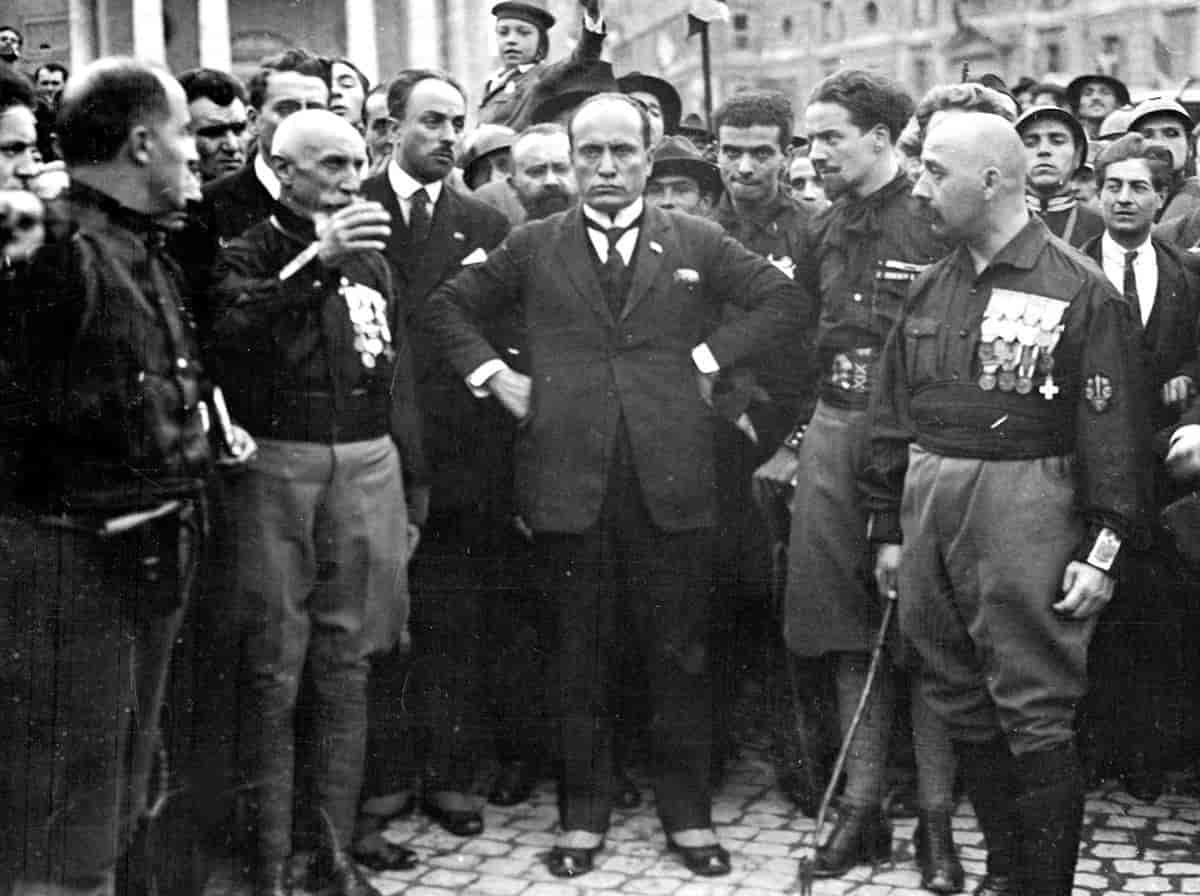
In 1922, Mussolini seized power in Italy. For the Italian government, Austria existed as a buffer state between Italy and the German Weimar Republic. While many Austrians wanted unity with Germany, many supported fascist ideals, which had not yet taken hold in Germany.
With the rise of National Socialism (Nazism) in Germany, however, the ideology spread to Austria as well.
The Rise of the Nazis
Throughout the 1920s, Austria slowly recovered economically. The Wall Street Crash, however, threw the entire world into disarray, and Austria was particularly hard hit. The question of Anschluss again became a popular idea. A step towards unification was taken in the form of a proposed customs union between the two nations. This move finally succeeded after being approved by Germany on March 18, 1931, much to the dismay of France, which was wholly opposed to the idea.
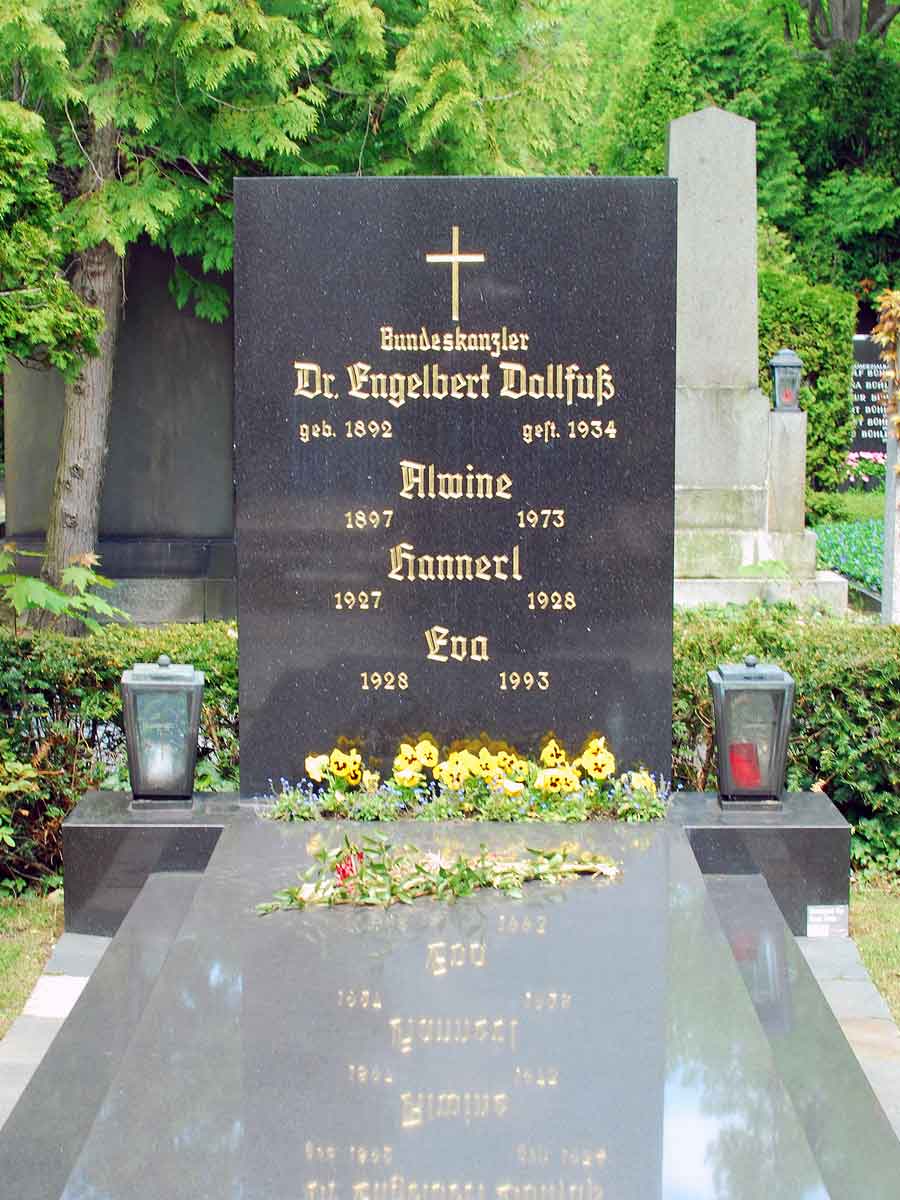
This unity was short-lived, however, and Austria withdrew ties with Germany after the Nazis rose to power. Hitler, who was an Austrian by birth, enjoyed political success in Germany, which spurred the growth of the Austrian Nazi Party. This was in contrast to the Austrian head of state, Engelbert Dollfuss, who, although fascist, wanted to preserve Austria’s independence on the grounds of safeguarding Austria’s unique culture and religious character. Austria was mostly Catholic, while Germany was largely Protestant.
In Bavaria, however, most Germans were Catholic and had no problem preserving their religion and culture. It is likely that Dolfuss simply wanted to preserve his power rather than concede his position to German control. His staunch advocacy of Austrian independence saw him ban the Nazi Party in Austria and put him at odds with a sizable portion of the Austrian populace. On July 25, 1934, Dollfuss was assassinated in a failed coup attempt precipitated by Austrian Nazis, who proceeded to launch a campaign of terrorist attacks on government assets. This terror campaign is estimated to have killed around 800 people between 1934 and 1938.
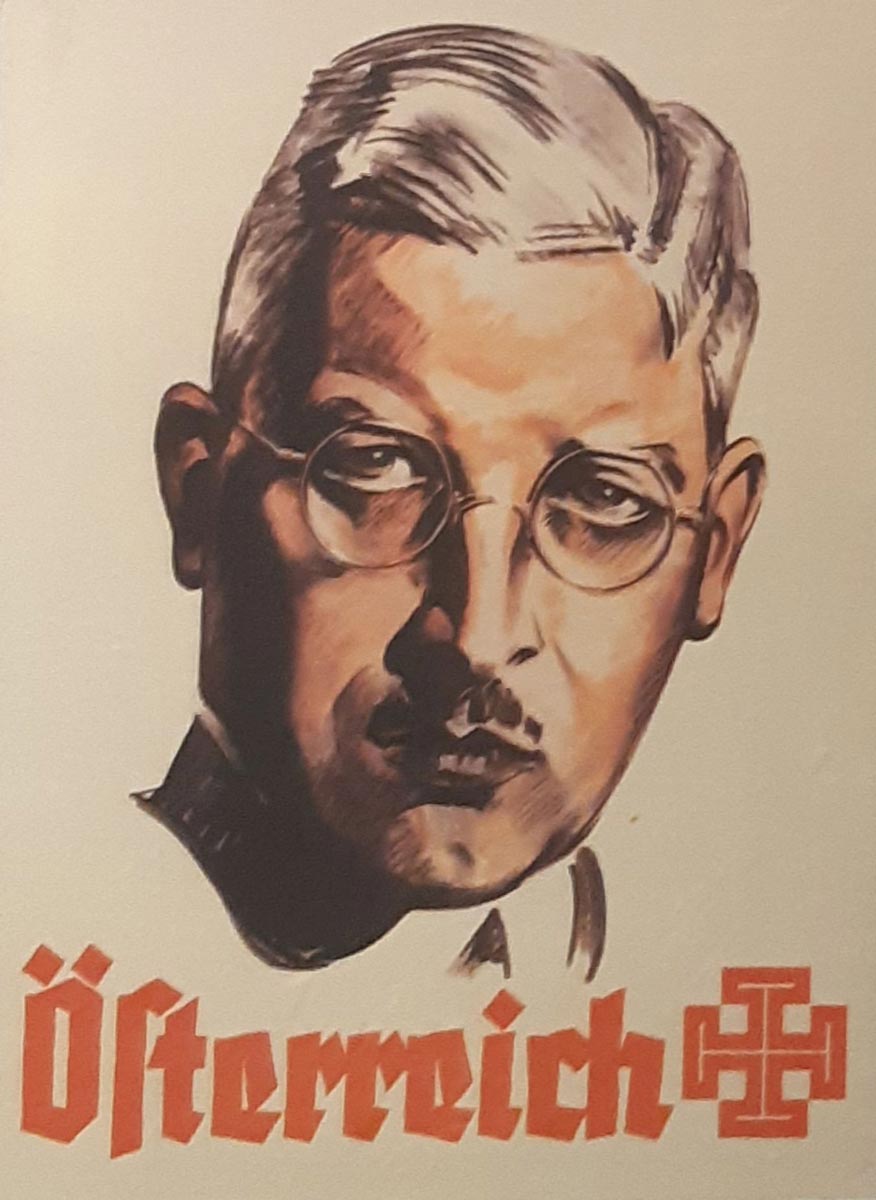
Dollfuss was succeeded by Kurt Schuschnigg, who continued Dolfuss’s policies against Austrian National Socialists by promoting Austrian fascism and the belief that Austrians were “superior Germans.” Many Austrians who supported the Anschluss were interned in camps, much to the dismay of the Germans, who instituted a boycott against the Austrian state.
On May 21, Hitler stated that “Germany neither intends nor wishes to interfere in the internal affairs of Austria, to annex Austria or to conclude an Anschluss.” These words, however, proved to be hollow.
Meanwhile, the boycott did great damage to the Austrian economy, and a deal was struck in 1936 in which it was agreed that Austrian Nazis would be released if Germany respected Austria’s sovereignty. Hitler, however, was not pleased with this development. He knew that Germany’s rapid rearmament would require vital mineral resources, of which Austria had an abundance.
Meanwhile, many Austrian Nazis had already fled across the border into Germany, where they were welcomed by the German state. The Germans armed them, and they became known as the Austrian Legion (Österreichische Legion).
By the latter half of the 1930s, international support for Austria was fading. The German-Italian alliance of 1938 had a major impact. Once a benefactor of Austrian independence, Mussolini began withdrawing diplomatic support, and Western powers saw the union between Germany and Austria as inevitable.
Germany Gets Aggressive
On February 12, 1938, Schuschnigg traveled to Germany to meet with Hitler in what he hoped would be talks to resolve the deteriorating relations between the two countries. Instead, he was treated to a number of demands. Hitler made it clear what he expected of Austria.
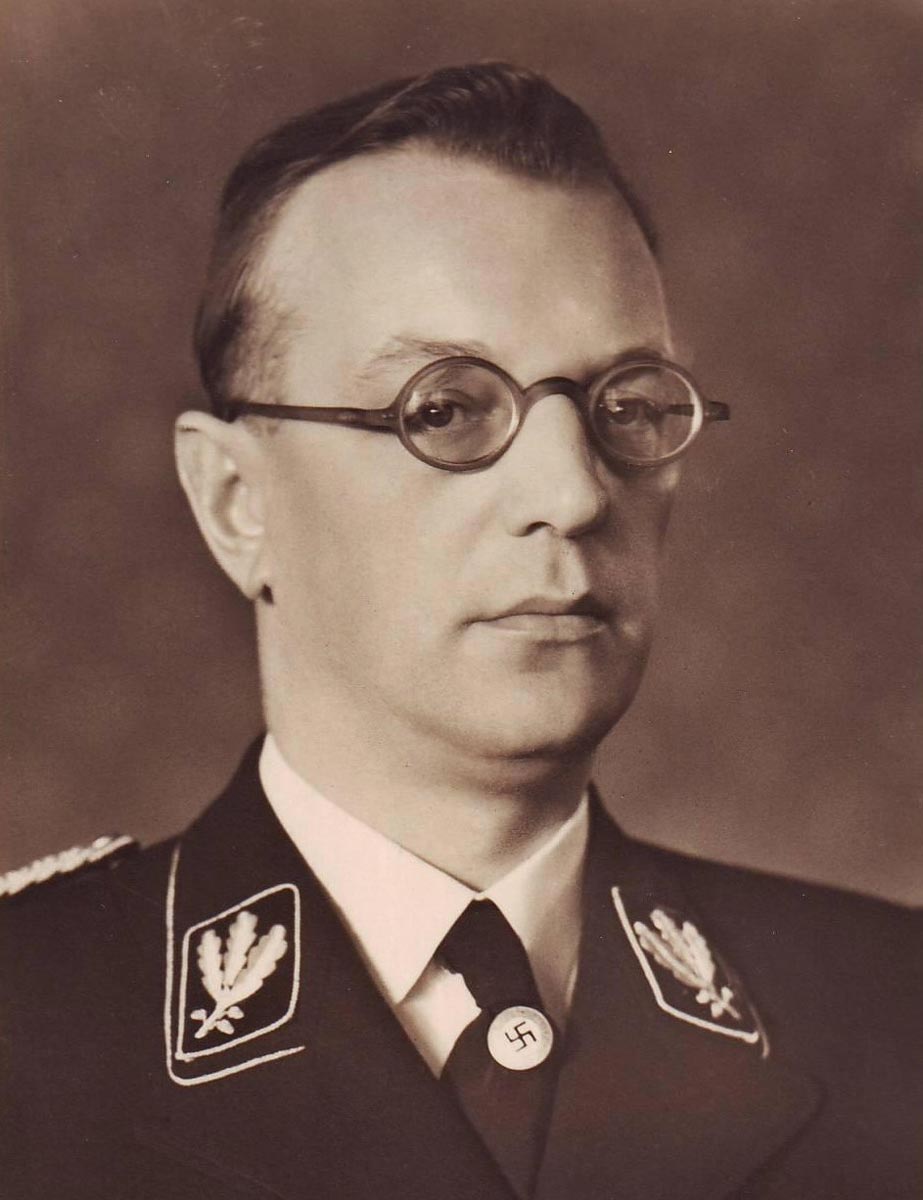
He wanted Austria to coordinate its foreign and military policies with Germany. He also wanted Austrian Nazi Arthur Seyss-Inquart placed in charge of the police. In addition, Hitler demanded that Austrian Nazis who had been interned by the Austrian government be given amnesty.
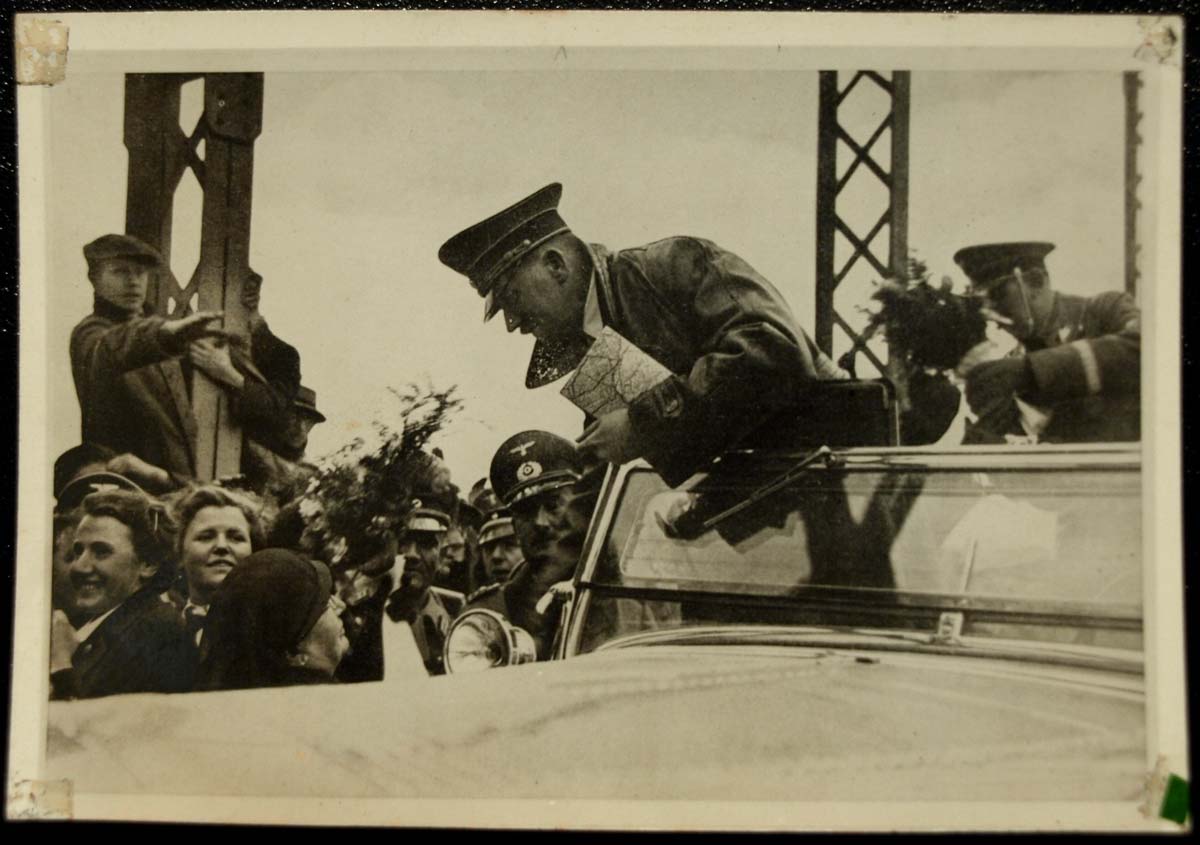
Schuschnigg was compelled to sign the agreement. However, he received an unlikely ally that led him to take one last chance at assuring Austrian independence. The political left wing in Austrian politics saw the opportunity to further their interests and proposed support for Schuschnigg.
As a fascist, Schuschnigg had heavily suppressed the Social Democrats in Austria. Now, the left demanded inclusion in the government in return for their support. Schuschnigg agreed to the terms and announced a referendum to determine whether Austria should remain independent or join Germany. The date set for the referendum was March 13, 1938.
Schuschnigg expected that the referendum would show around two-thirds of the population in favor of retaining independence and hoped that the results would draw support from the international community. When the referendum was announced, Hitler was furious, as it directly impacted his plans for the Anschluss.
On February 20, Hitler declared before the Reichstag, “The German Reich is no longer willing to tolerate the suppression of ten million Germans across its borders.”
The Anschluss: How It Happened
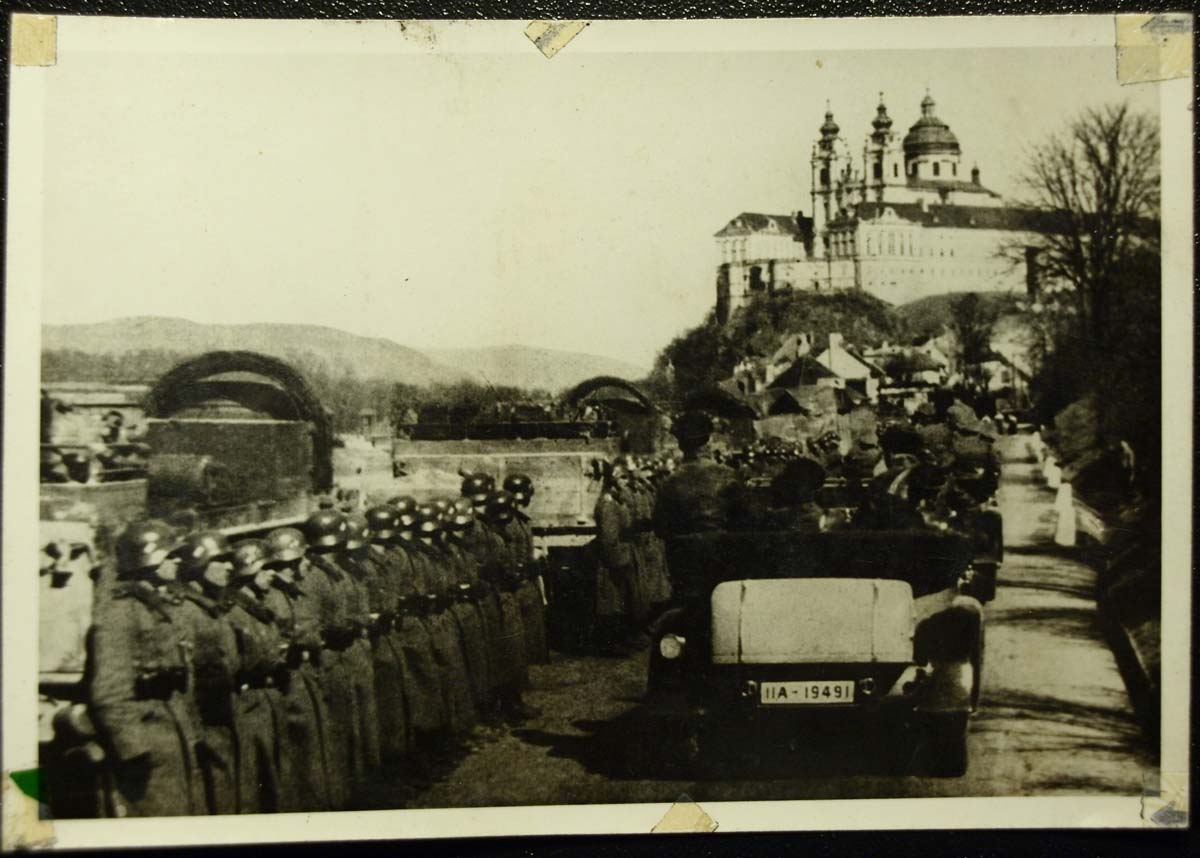
The referendum threatened to upset Hitler’s plans, so he acted immediately, sending an ultimatum to Schuschnigg, demanding he cancel the referendum and resign immediately. With the threat of a military invasion as a consequence of failing to heed Hitler’s ultimatum, Schuschnigg called off the referendum. He also asked Austria not to resist if Germany decided to invade.
Almost immediately, Austrian Nazis sprang into action, seizing government buildings and taking control of the country. Leftists and Jews attempted to flee, but the borders were closed. Schuschnigg was placed under house arrest. On March 11, Schuschnigg resigned, but the president, Wilhelm Miklas, refused to immediately accede to Hitler’s demand to appoint Arthur Seyss-Inquart as the new chancellor. Hitler ordered the invasion to commence, and Miklas, seeing the inevitable, appointed Seyss-Inquart.
Despite this appointment, the invasion had already begun.
Austria Becomes Part of the Reich
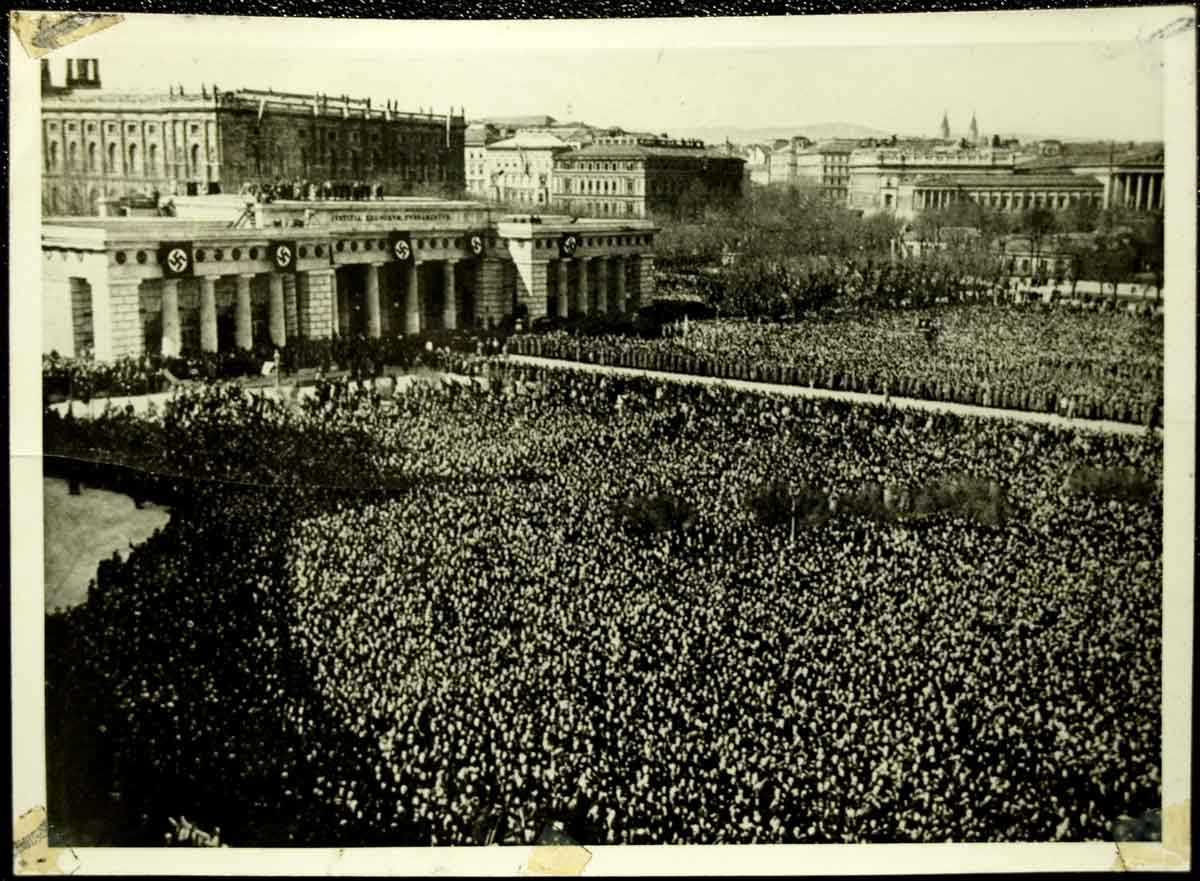
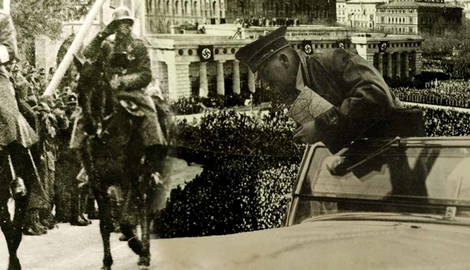
In the early hours of the morning on March 12, 1938, German troops crossed the border into Austria. Their progress was swift. They were not met with any resistance. Instead, they were greeted by jubilant crowds welcoming their presence. In the afternoon, Hitler followed with a bodyguard complement of 4,000 soldiers.
When he arrived in the city of Linz, he was greeted by cheers as people lined the streets waving Nazi flags. Scenes like this played out wherever the German soldiers marched. The reception was a surprise to non-Nazis as well as Nazis, as both sides of the political divide had underestimated the strength of Nazi support.
The following day, Seyss-Inquart signed away Austrian independence, and the country was absorbed into the Reich. Meanwhile, Hitler continued to tour through Germany’s new territory, culminating in a parade in Vienna on March 15. Hundreds of thousands of people gathered to show support for the Führer, who addressed them in the city square of Heldenplatz (Heroes’ Square).
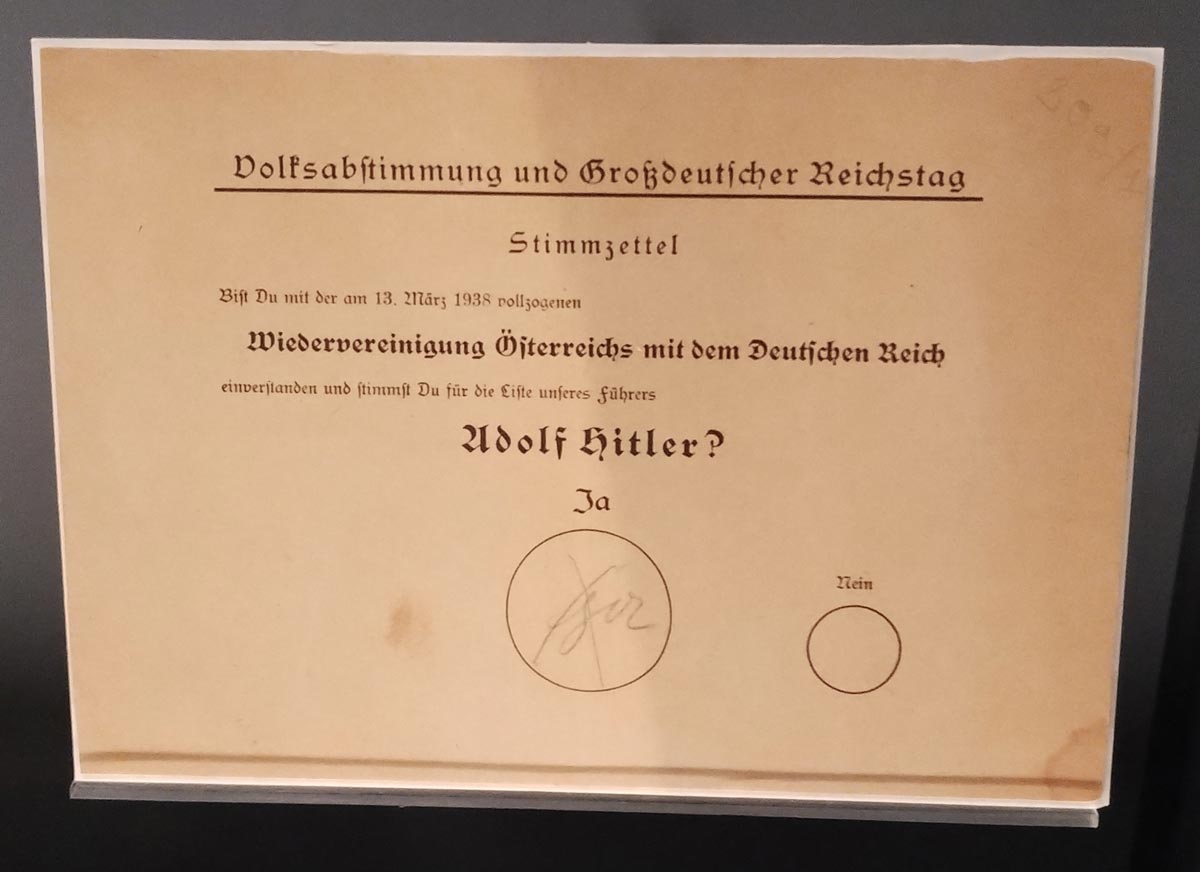
To further affirm Austria as part of Germany, a referendum was held on April 10. Hundreds of thousands were forbidden from voting in this election, including Jewish people and those labeled as political enemies.
The process was not secret, and it is agreed that the referendum was a sham: 97.7 percent of the votes counted showed support for the Anschluss. With the country firmly in the grasp of the Nazis, new laws came into effect immediately, and the Nuremberg Laws were adopted in May 1938. Minorities and political opponents were persecuted with the backing of the government. The first trains to Dachau left Vienna on April 1 and continued for the next seven years. Of the 200,000 Jewish people living in Austria before the war, more than half managed to escape before emigration bans were set in place.
Despite the enthusiastic support the Anschluss received, the US government categorized Austria as an occupied territory, and the country was portrayed as a hapless victim.
Austria remained a federal state of Germany for virtually the entirety of the Second World War until the Allies took control of the region and declared the Anschluss null and void. Schuschnigg, who had survived the war in prison, was released.
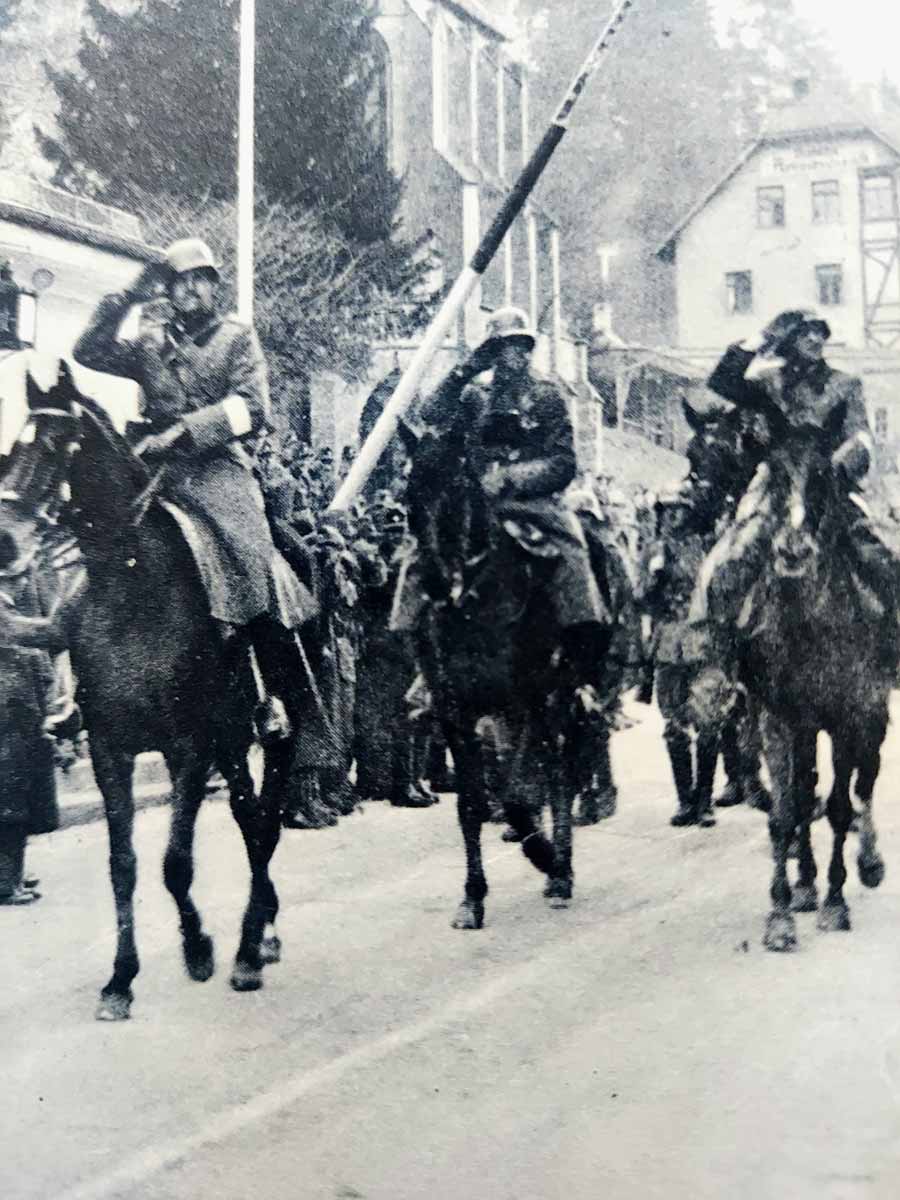
Dismayed by this territorial aggression, it was now clear to Western powers which way the wind was blowing. Averting conflict with Germany was a difficult task. The Reich had become far more powerful, with an additional 7 million people and 100,000 soldiers. Czechoslovakia found itself surrounded on three sides, and Adolf Hitler’s confidence grew to new heights.