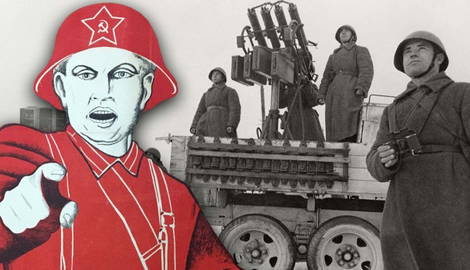

Despite ultimately achieving victory, the Soviet Union lost tens of millions of people during World War II. As the people bled for their country, so did the cities eschew plumes of dust and smoke from deep within the bricks and mortar of their foundations. Moscow, the Soviet capital, was a glittering prize for the German war machine, and one that Hitler attempted to capture by the end of Operation Barbarossa. What happened in Moscow in the winter of 1941/42 and why did it matter?
Moscow During the War
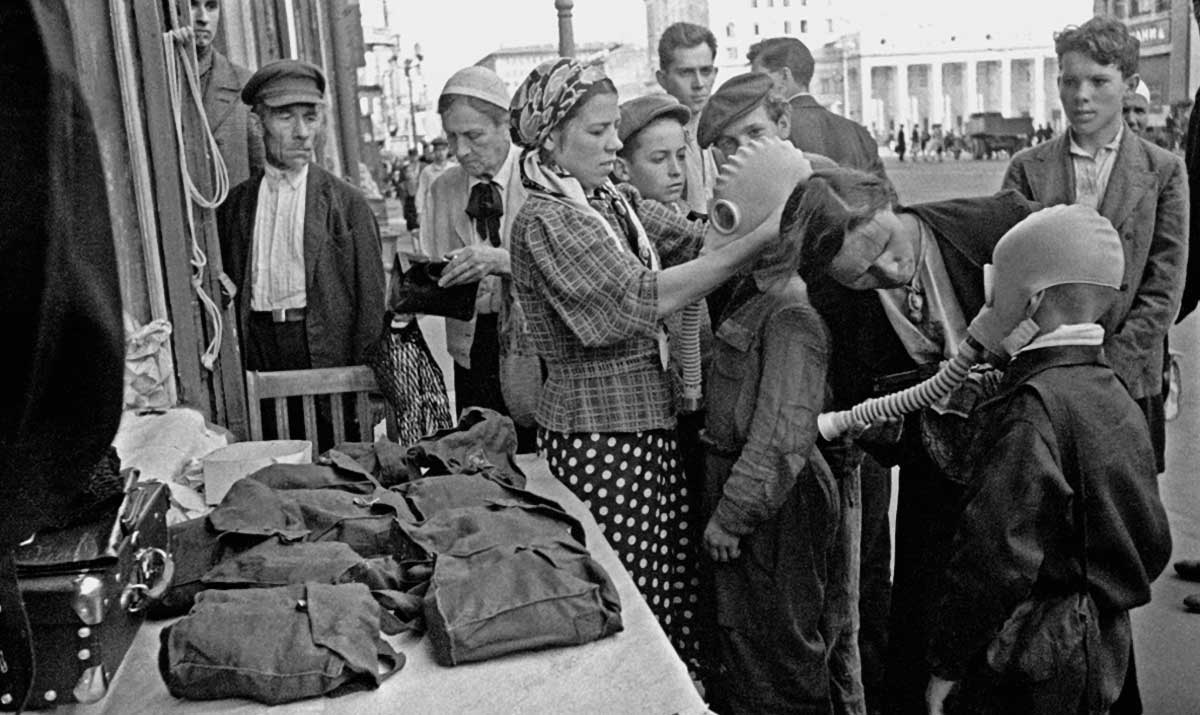
Being the capital of the Soviet Union, Moscow was the main target for the German invasion. They hoped that by capturing the city, they would force the Soviet Union to capitulate. The Soviets, however, were intent on defending the city at all costs.
The Germans had made critical errors in their invasion, believing that Operation Barbarossa—the invasion of the Soviet Union—would be quick and decisive. When it began on June 22, 1941, the Soviets were taken by surprise, and the initial German advances were stunning. Soviet armies were confused and impotent, and quickly surrounded. To the Germans it looked as if the defense of Moscow would be pitiful.
The plan to take Moscow was enacted in Operation Typhoon, a bold pincer movement that the Germans expected would cut the city off from resupply and force the Soviets to surrender.
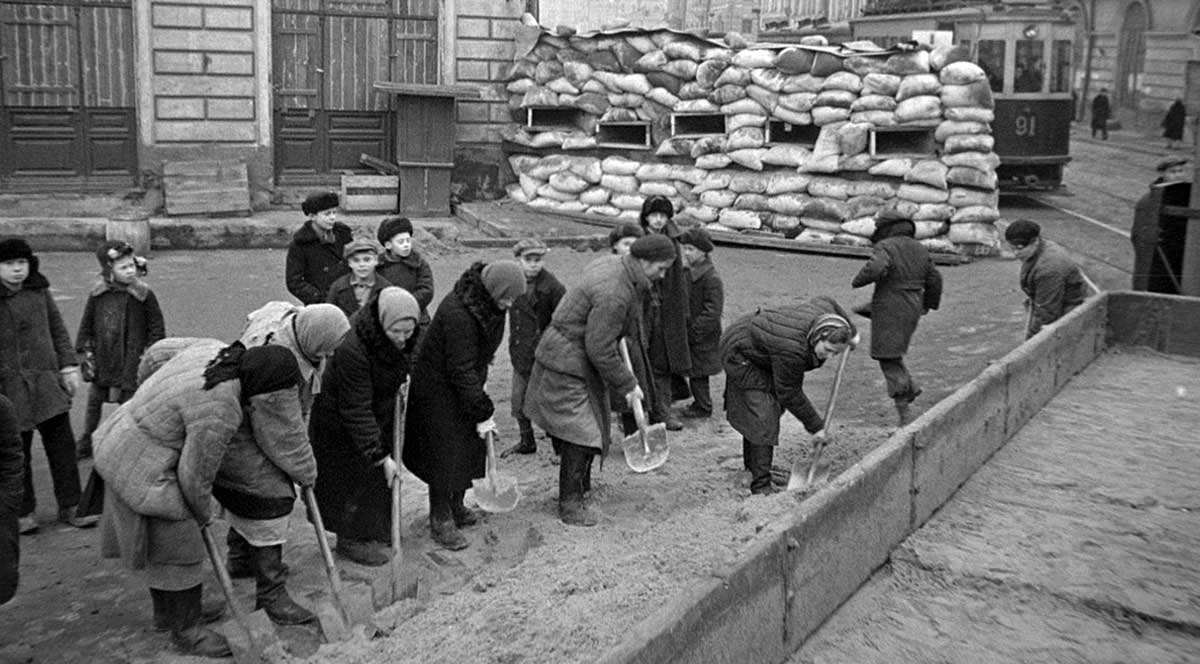
Soviet resolve, however, was a great deal stronger than Hitler had imagined. Soviet divisions were brought in from the east to strengthen the defensive lines, and the German offensive was slowed, giving the Soviets enough time to prepare effective defenses around their capital city.
The closer the Germans got to Moscow, the more the Soviet resistance stiffened, in part due the fact that Stalin refused to leave the city. His presence was a major factor in boosting the morale of Soviet troops.
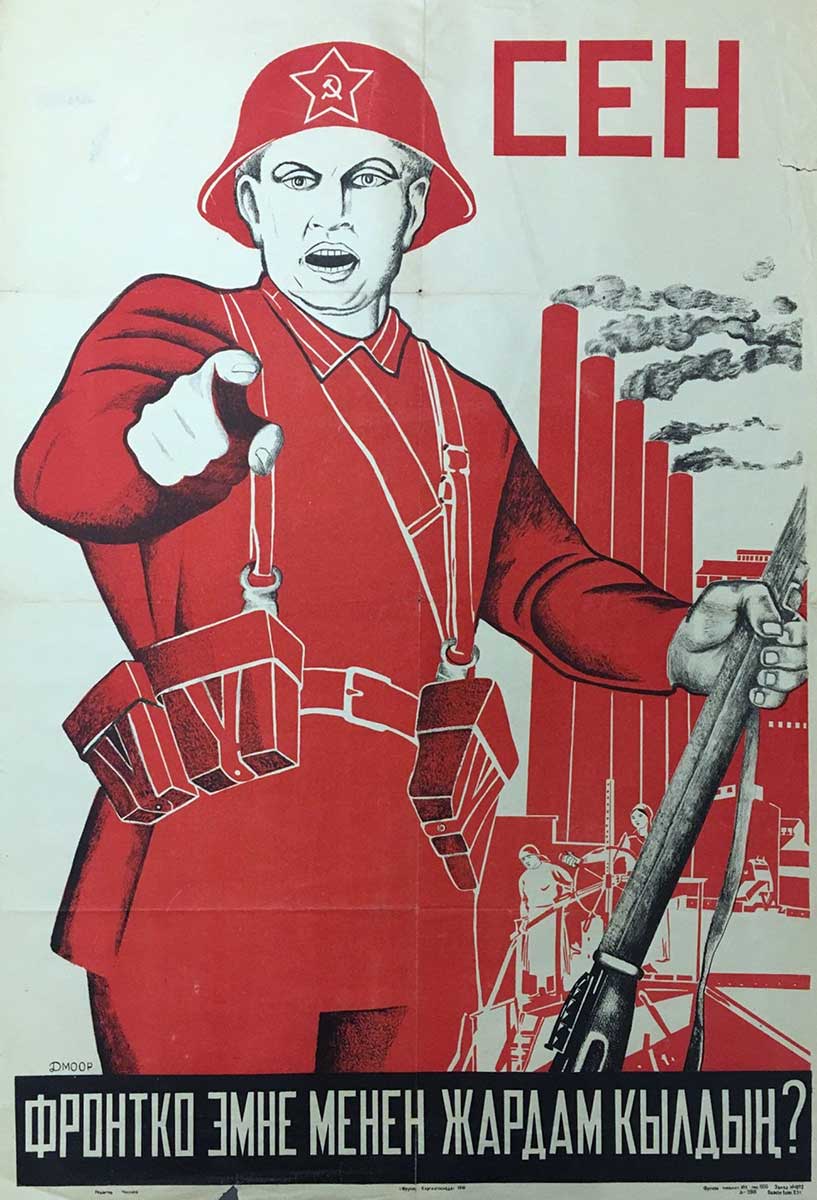
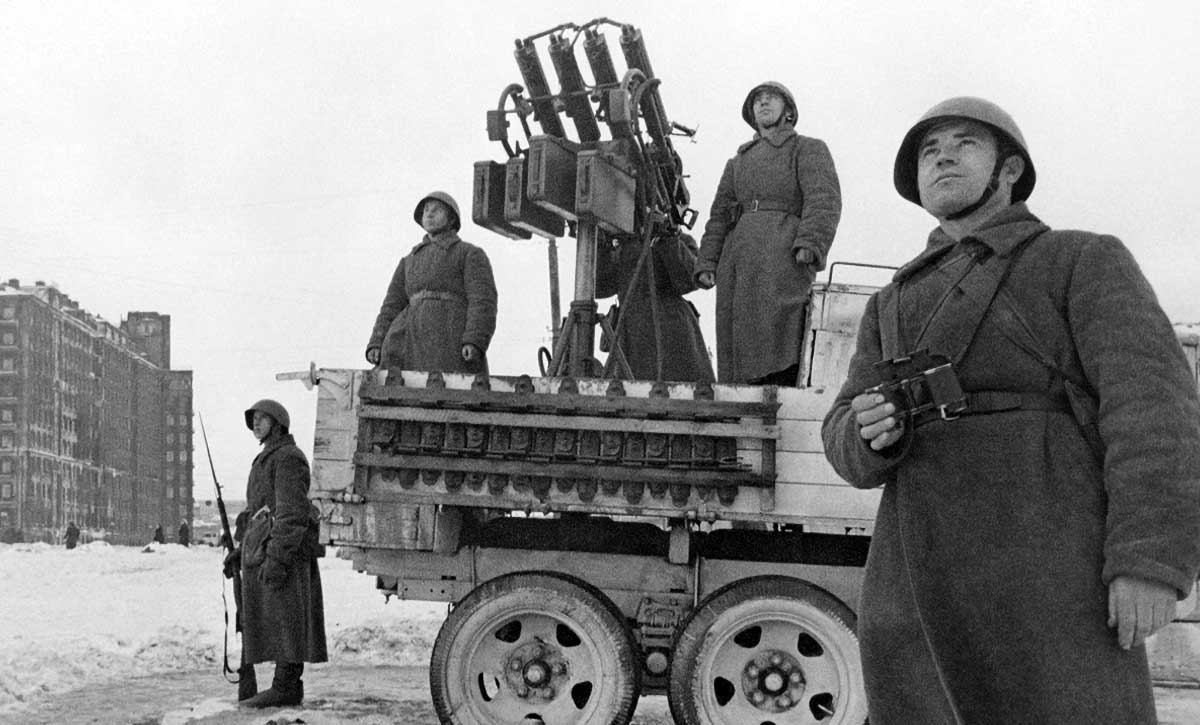
Despite enormous losses, the Soviets continued to harass the Luftwaffe in the skies above, inflicting losses that the Germans could not easily sustain. Every night, the sky above Moscow was lit up with searchlights and tracer rounds from anti-aircraft guns. As the weather turned, air operations were drastically reduced, and the focus turned to the fighting on the ground.
Despite achieving success in the months preceding the attack on Moscow, the German offensive had slowed. German commanders found themselves in a difficult and critical position. The window of opportunity for taking Moscow was closing fast, and the chances of achieving victory were diminishing. Although many officers realized that Moscow was an unattainable target, the operation went ahead. They had rightly feared the onset of the Russian winter, but none were prepared for the harshness it presented.
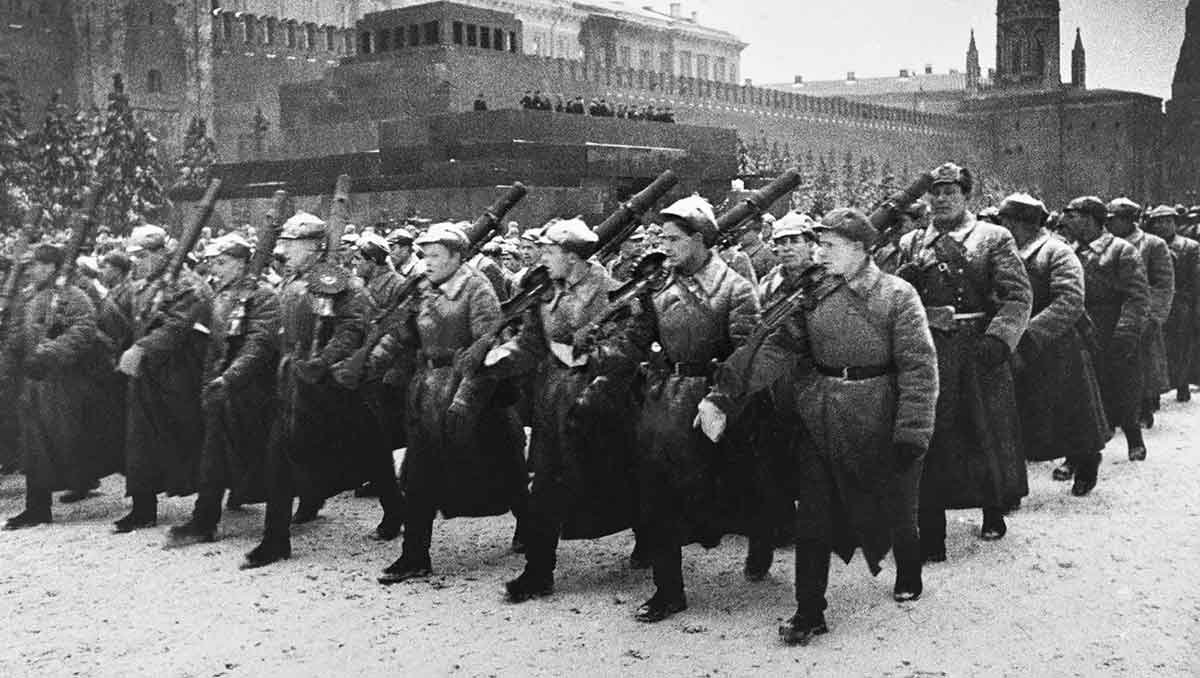
The fighting was fierce, and German forces managed to advance to within a few miles of the city. In the distance, they could see the domes of St. Basil’s Cathedral in Red Square, but they would not be able to advance further. Fresh divisions arrived to bolster the Red Army’s defense, while the Germans were plagued by logistical inadequacies.
With winter approaching, the rains turned the roads to mud, bogging down the advance of German tanks. By early November, a bitter cold had set in. Although the icy cold hardened the ground, easing the logistical difficulties and allowing German armor to advance, it also froze the grease in German guns, and gave the soldiers frostbite. They were ill-equipped for the harsh winter.
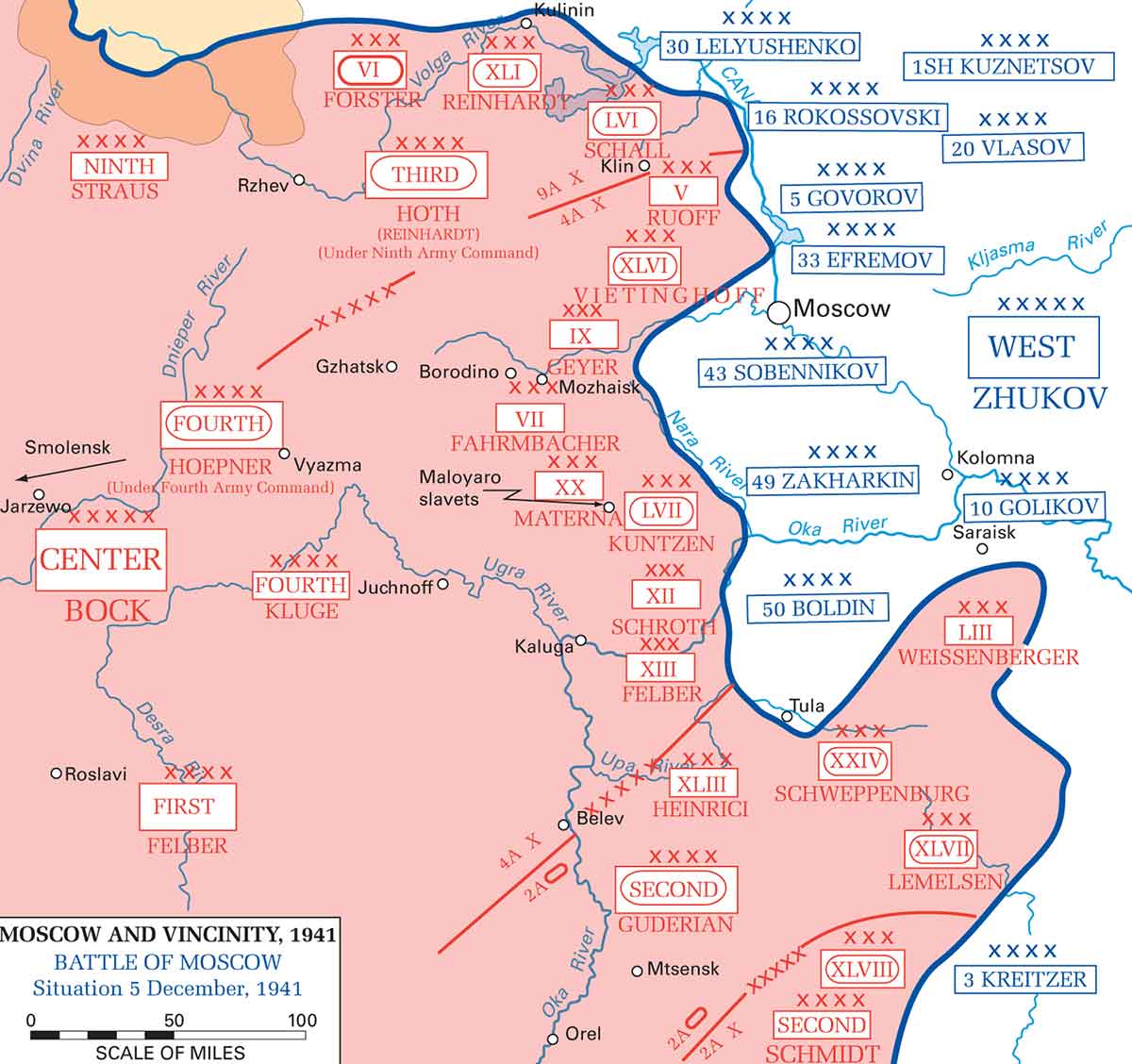
By the beginning of December, it was clear that the German offensive was a complete failure. The Germans, however, continued to underestimate their enemy and expected that Soviet manpower would be so depleted that they would not be able to launch a counteroffensive. They were mistaken.
On December 5, after receiving major reinforcements from the east, the Soviets launched their counteroffensive. Although they failed in their attempts to encircle the German army, they were successful in pushing the Germans back from the capital, hammering a final nail in the coffin of Operation Barbarossa.
Taking Shelter
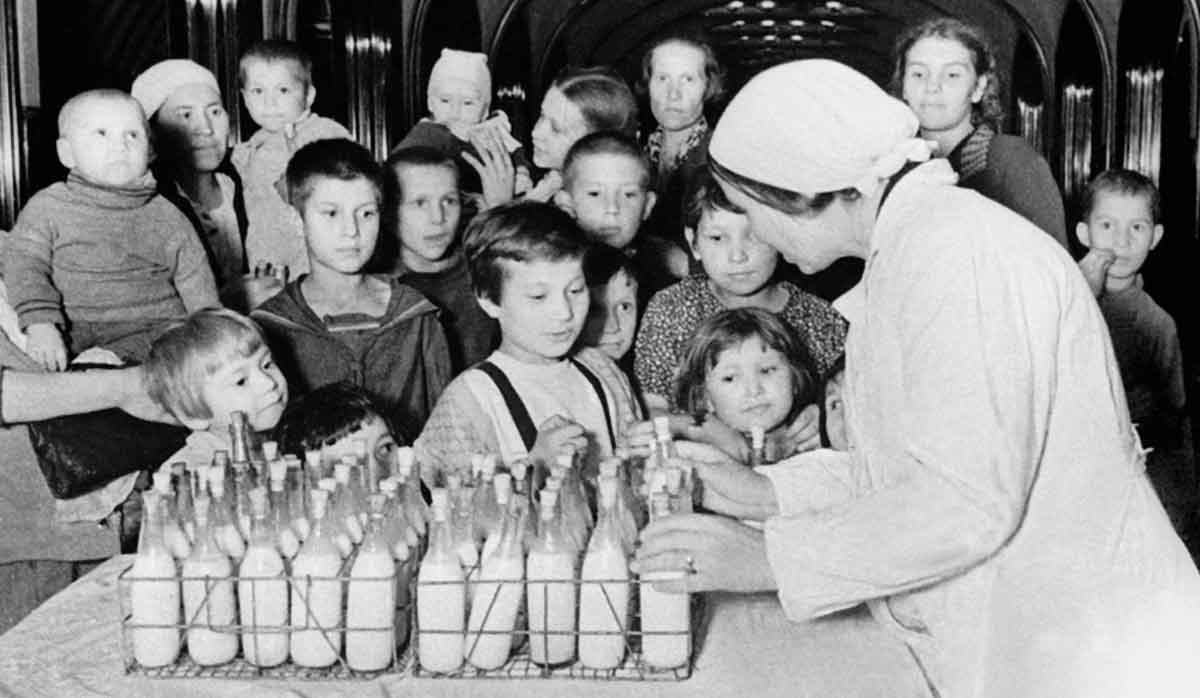
Moscow suffered the worst aerial bombardments from October to November 1941, while German forces on the ground were preparing to assault and capture the city. For the Muscovites, the immediate need was to find shelter from the Luftwaffe’s bombs.
Like London during the Blitz, Moscow was well equipped to provide this shelter, and many made use of the sturdy protection offered by the Moscow Metro.
During the day, Metro trains ran as normal, but during the night, and during air raids, the trains stopped, and the Metro stations took in the people of Moscow, providing shelter from the danger above.
There were attempts to provide basic services. Doctors were on hand and food was distributed. Beds and cribs were installed for those in need, while the majority of people slept in the coaches, on benches, and on the floors. One station even opened a library.
Under the onslaught, the Soviet General Staff was under the impression that Moscow would fall, and the decision was taken on October 15 to evacuate the Metro and flood it. This decision was, however, reversed soon after it was made. The following day, October 16, 1941, is the only day in history when the Moscow Metro failed to open on time.
The Moscow Metro provided protection for many millions of people. After the immediate danger had passed, work began on expanding the Metro, and new lines and stations were opened while the country remained at war.
The Significance of the Battle
From a strategic perspective, the Battle of Moscow was a major turning point in the war, but it was by no means the most important turning point. After steamrolling through Europe on both fronts, the Battle of Moscow was Germany’s first major reversal of fortunes. Despite not being able to capture the city, the German forces were not spent. The Germans focused their attention on other points on the Eastern Front that would culminate in deadlier battles, reducing Germany’s offensive capabilities and putting the Third Reich into a complete defensive posture.
For the Soviets, the victory represented a moral and spiritual triumph rather than a definitive defeat of the German war machine. While Leningrad remained under siege, Moscow was freed from immediate danger, and the Soviet war effort would continue to be directed from the capital.
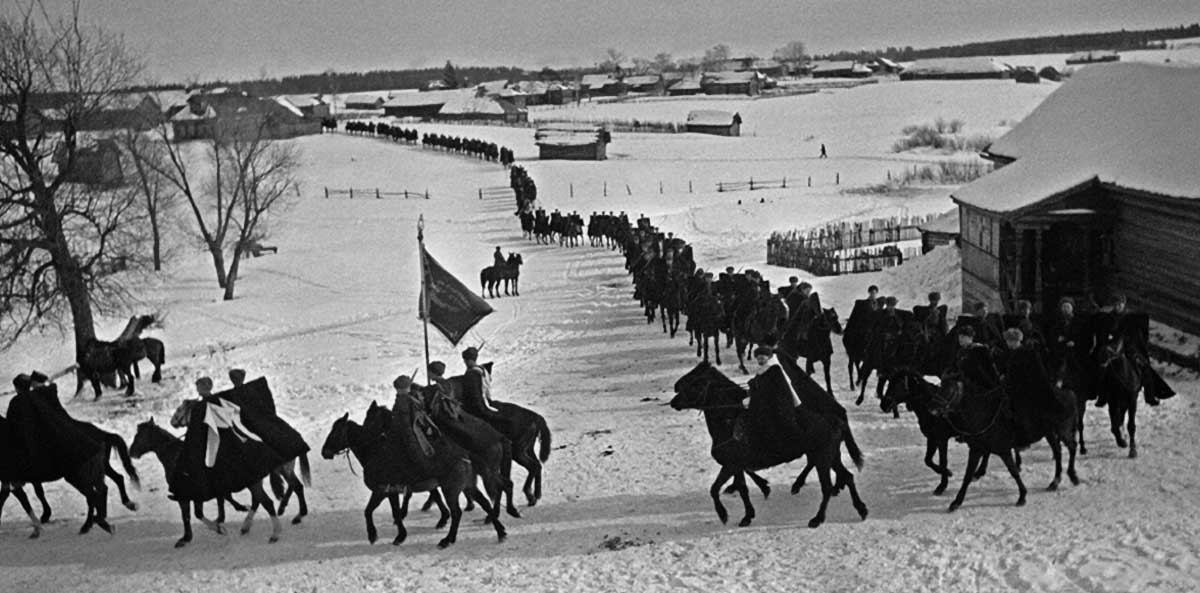
For the Germans, they had encountered the mighty resolve of the Soviet people and the unbelievably harsh conditions of the Russian winter. It certainly would not be the last time they would suffer at the hands of this deadly combination.
Unsurprisingly, Hitler was furious. His plan to knock the Soviet Union out with a quick blow had failed dismally. For Walther von Brauchitsch, the Commander-in-Chief of the German Army, things would not play out well. He had been at odds with Hitler before and the two had argued over military matters.
In November he suffered a heart attack, after which he was informed that he had an incurable heart disease. The following month, after the failure of German troops to take Moscow, Hitler sacked him.
Von Brauchitsch spent the rest of the war in forced retirement.
Today, the victory is celebrated each year on November 7 by a parade through Red Square, and a reenactment of the battle.
Damage and Casualties
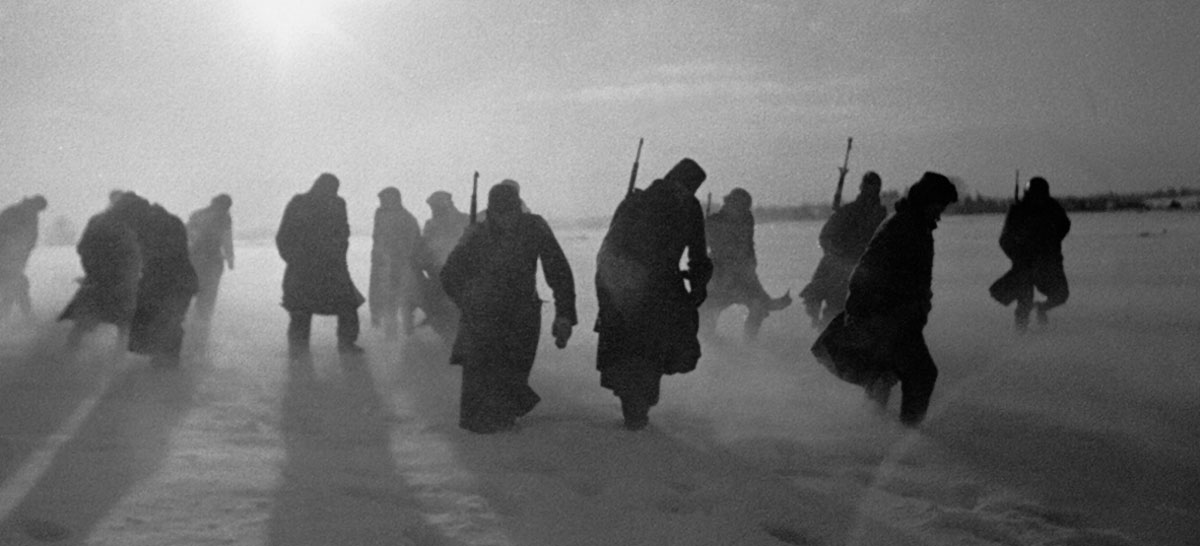
Although some parts of the city suffered severe damage, especially from aerial bombardment, the damage was relatively light when compared with Stalingrad a year later. On the ground, most of the fighting had occurred in the outer suburbs or the surrounding countryside. The battle was massive, and the fighting was brutal. Hundreds of thousands of troops were involved on both sides.
There are many variables in trying to determine losses, as academics debate over when the Battle of Moscow officially started and ended. Additionally, the veracity of certain sources is difficult to verify as both sides had political interests in underreporting or overreporting casualty figures.
Nevertheless, it is generally accepted that the Soviets lost around 600,000 to 700,000 killed, wounded, or missing. Historian David M. Glantz adds another 370,955 to this figure, including the winter counteroffensive, which lasted until January 7, 1942.
The German losses are subject to huge discrepancies, as it is believed that commanders underreported their losses. Official reports at the time put the number of dead, wounded, and missing at under 200,000, while Soviet estimates put the figure at almost 600,000. The truth is likely to be somewhere between these numbers.
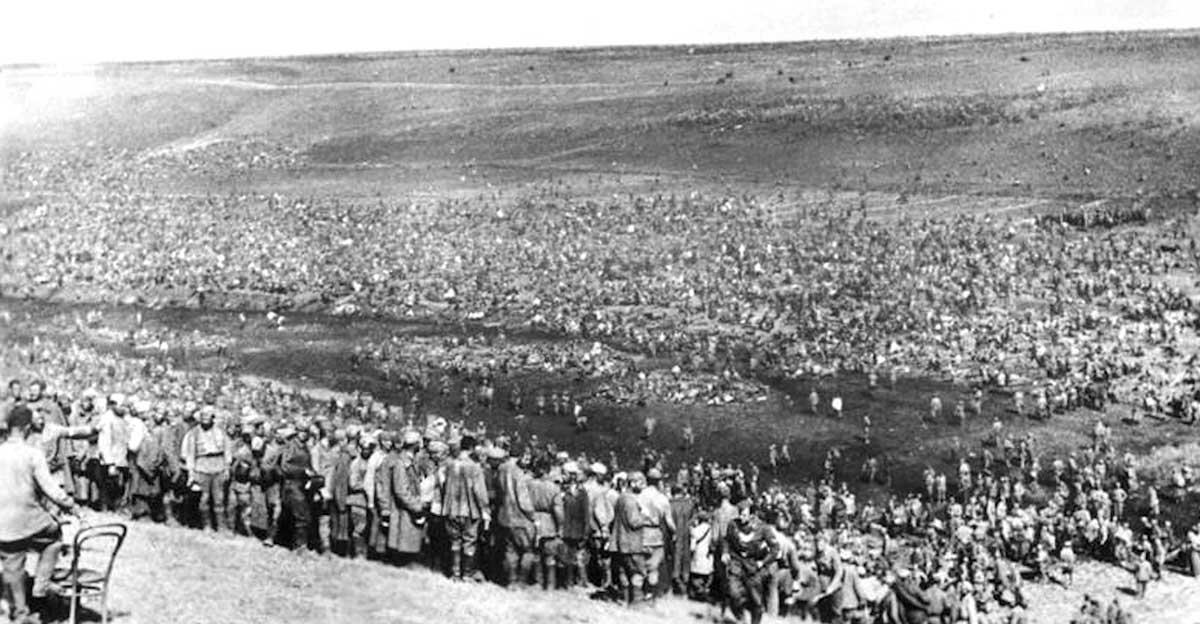
On a wider scale, over the period of Operation Barbarossa from June 22, 1941 to February 1942, the Germans killed an estimated 2.8 million Soviet prisoners of war across the entire front through various means including starvation, and exposure to the elements. This deliberate act was one of the most horrifying cases of genocide and would continue for the remainder of the war. According to the United States Holocaust Memorial Museum, the final total would be 3.3 million Soviet military POWs killed—roughly 57 percent of all those taken prisoner.
The Soviets understood that this was a war of extermination, and as such, they realized that surrender meant death.
A Crucial Step Forwards
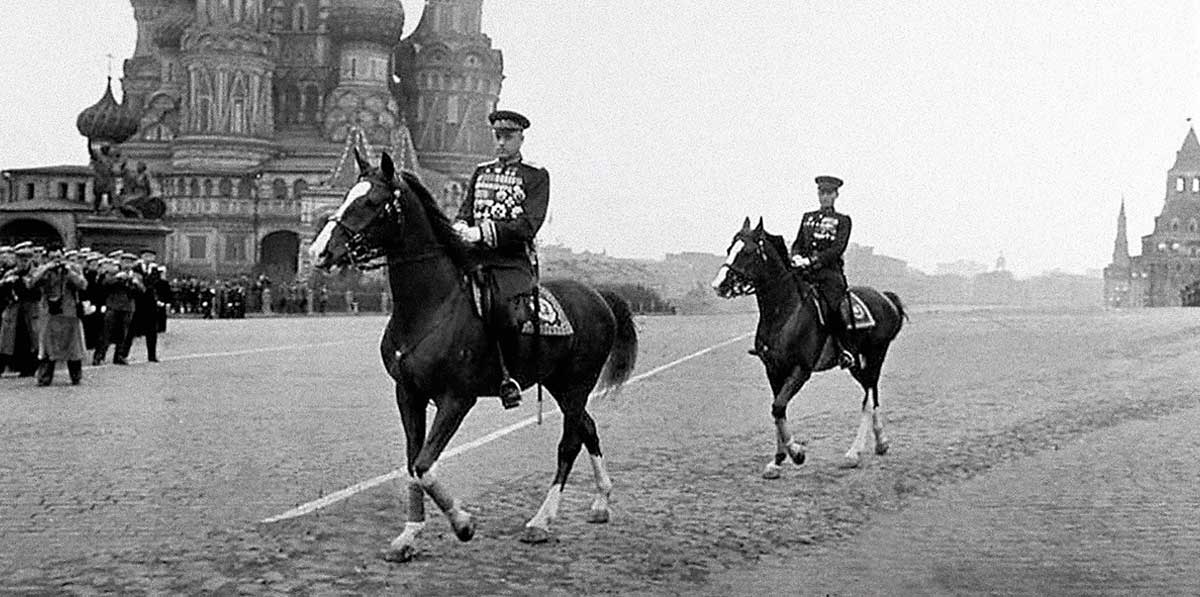
Until the outcome of the Battle of Moscow, Soviet fortunes in the war had been critically poor. Whole armies were encircled and taken captive, while an inability to coordinate movements plagued any Soviet attempts at defense.
Understandably, many Germans thought their stunning advance would continue and Moscow would fall without too much trouble. For the Soviets, too, this seemed like a real possibility.
Debating what would have happened had the Germans succeeded is a major point of academic discourse. Moscow was the capital of the Soviet Union. Some historians argue that its capture would have precipitated the surrender of Soviet armies across the entire Eastern Front, leading to the full capitulation of the Soviet Union, while others believe the war would have simply moved eastwards, and the Soviets would continue the fight with renewed vigor.
The truth of the matter is that Moscow was not captured by the Germans. The Soviets won the battle and drove the Germans back. What this represented was massive. A seemingly unstoppable advance (and the biggest invasion in history) had, in fact, been halted in its tracks.
It bought the Soviets the time they needed to mobilize further. A year later, they would see victory at Stalingrad, and follow it up with another huge victory at the Battle of Kursk. These two events provided the impetus the Soviets needed to turn the tide against the Germans. The Battle of Moscow was the first step in being able to achieve final victory in World War II.