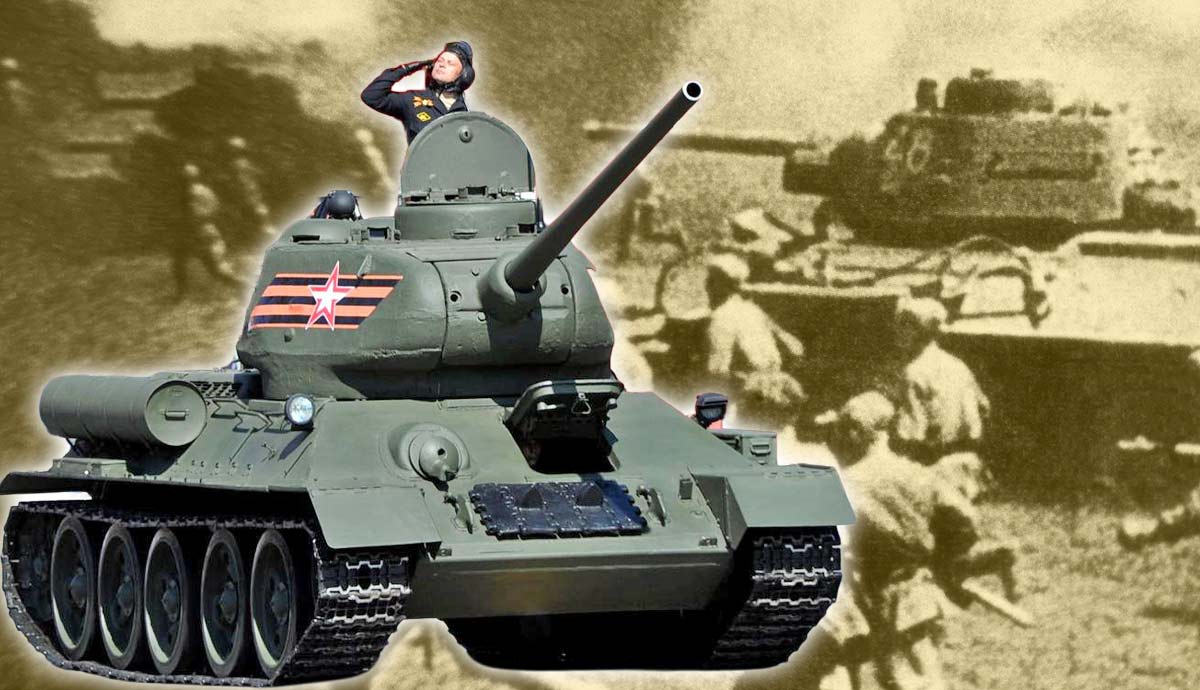
With over 600,000 soldiers lost, the Battle of Stalingrad was an unmitigated disaster for the German war effort against the Soviets. With dwindling supplies, logistics nightmares, and an increasingly powerful enemy, the Germans recognized they needed to achieve a spectacular victory to prevent the Soviets from advancing westward. In June 1943, the Germans threw the dice, gathering all the forces they could muster and striking the Soviet line along the Kursk salient. They faced a determined and well-organized force that outnumbered the Germans two to one. This was the Battle of Kursk, the largest tank battle in history.
Battle of Kursk Timeline
| Strategic Focus | Key Events |
| March-April 1943 – Prelude |
The Third Battle of Kharkiv ends, leaving a massive bulge (salient) in the Soviet lines around Kursk. Both sides begin planning spring/summer offensives.
|
| May-June 1943 – Preparation |
Germany delays Operation Citadel to build up new Panther and Tiger tanks. The Soviets build eight massive concentric defense rings around the Kursk salient.
|
| July 4, 1943 – Preliminary Strikes |
German forces launch preliminary probes and artillery bombardments against Soviet forward outposts in the southern sector.
|
| July 5, 1943 – Operation Citadel Begins |
Germany launches a two-pronged attack: Field Marshal Walter Model attacks from the north, and Field Marshal Erich von Manstein strikes from the south.
|
| July 6-10, 1943 – Attrition & Northern Stalemate |
Model’s northern pincer stalls after gaining only ~7–8 miles due to heavy Soviet defense. The southern pincer makes deeper penetrations against tough resistance.
|
| July 12, 1943 – Battle of Prokhorovka & Counter-Offensive |
One of the largest tank battles in history occurs near Prokhorovka. Simultaneously, the Soviets launch Operation Kutuzov against the German northern flank.
|
| July 13-17, 1943 – German Withdrawal |
Citing the Allied invasion of Sicily (July 10) and heavy losses, Hitler orders the cancellation of Operation Citadel. German forces begin a defensive retreat.
|
| August 3-23, 1943 – Soviet Belgorod-Kharkiv Offensive |
Soviets launch Operation Polkovodets Rumyantsev in the south, capturing Belgorod (Aug 5) and liberating Kharkiv (Aug 23), marking the end of the battle.
|
Preparing for Operation Citadel (March-April 1943)
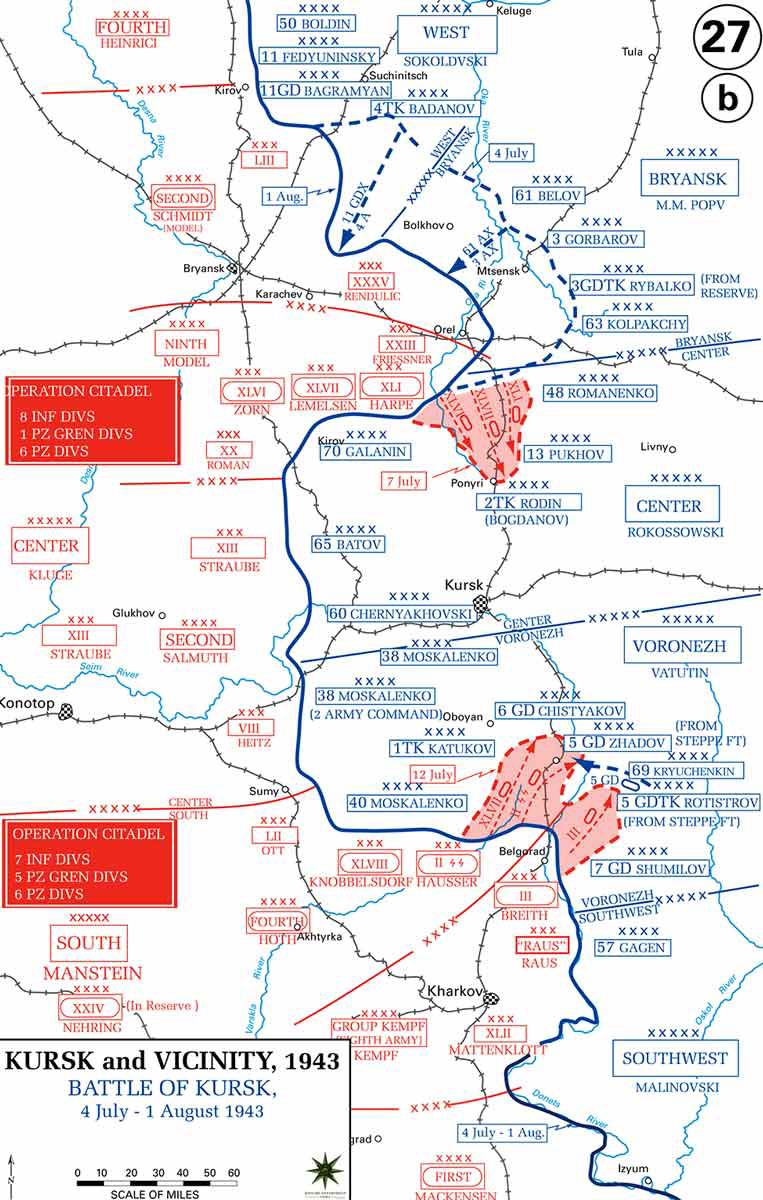
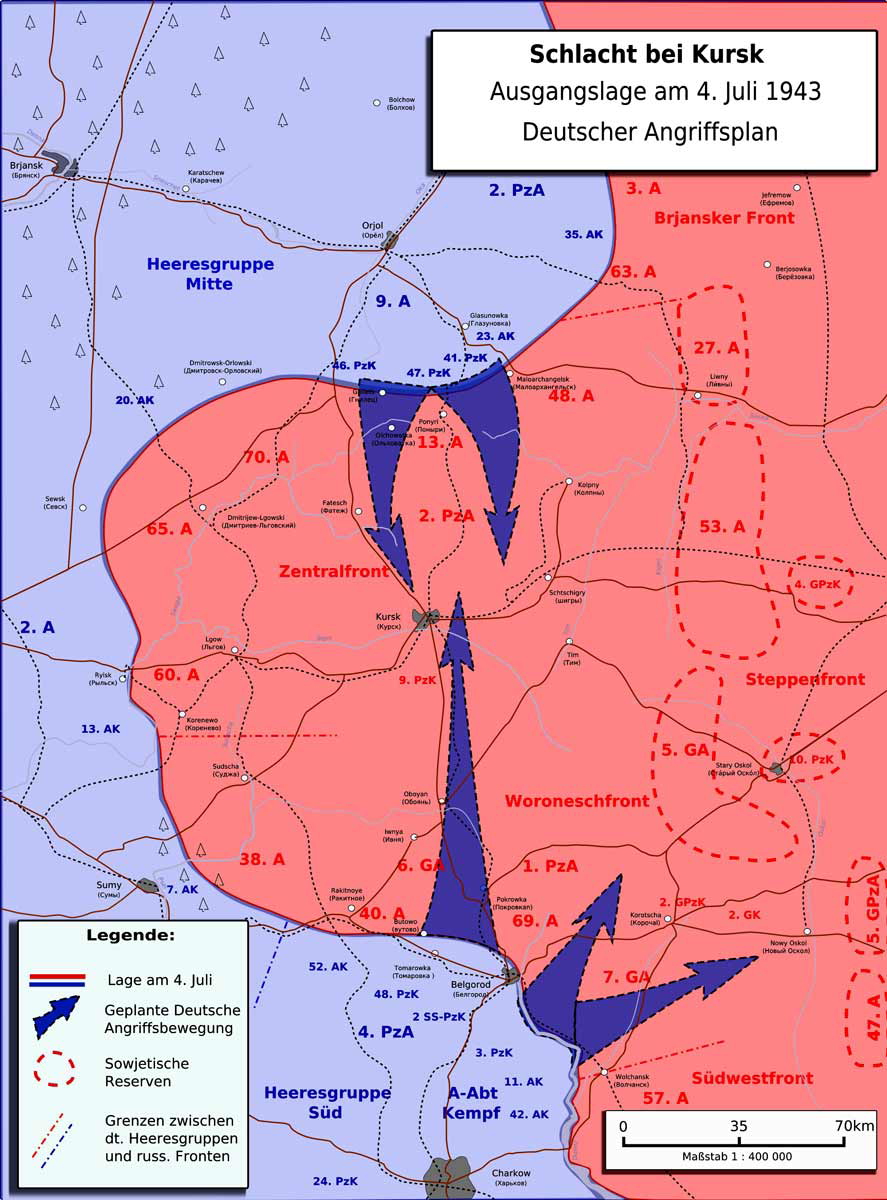
Winter campaigns saw a massive Russian salient extending westwards behind German lines around the city of Kursk. The Germans devised a pincer movement called Operation Citadel that would involve advancing northward from Belgorod and southward from Orel to meet in the middle of a 160-mile stretch at Kursk. This would create a cauldron and cut off all the Soviet soldiers within it, forcing the surrender of a significant portion of the Soviet army.
The Germans wanted to launch the offensive in April, but poor supply meant that they did not finish their preparations until July. By then, they had amassed an army of 780,000 troops, 2,928 tanks, and 7,417 artillery pieces, supported by 1,800 aircraft.
The months of German buildup to the offensive gave the Soviets plenty of time to prepare, and they had a good idea of what the Germans were planning. While the Germans tried to cover their preparations with deceptions such as false troop movements, Soviet intelligence was mostly successful in uncovering their plans. They worked with the Lucy Ring, an anti-Nazi espionage operation headquartered in Switzerland and led by Rudolf Roessler, a German refugee. They transmitted many of the details of Operation Citadel to the Red Army.
Construction of the Deep Soviet Defensive Belts (May-June 1943)
After ditching plans for a pre-emptive attack, the Soviets prepared defensive fortifications and dug in. The Soviets laid minefields and built anti-tank ditches and bunkers. The density of mines was staggering, with up to 1,500 anti-tank mines per square kilometer. They prepared for likely avenues of attack and created defenses to funnel the enemy into kill zones. They were planning an elastic defense strategy that would initially yield ground, drawing the Germans into Soviet territory before surrounding them.
Engineers also constructed tens of thousands of kilometers of trenches and communications lines, ensuring the troops could move and be resupplied under heavy fire.
With defensive positions prepared and masses of reserves ready, the Soviets had almost two million soldiers, 5,000 tanks, 31,000 artillery pieces, and 3,500 aircraft to defend the salient. Both German and Soviet numbers would increase during the battle as more reserves arrived, boosting the strength of both armies.
Resources Deployed at the Battle of Kursk (1943)
| Category | German Forces (Axis) |
Soviet Forces (Red Army)
|
| Infantry / Troops | ~780,000 – 900,000 |
~1,300,000 – 1,900,000+ (including reserves)
|
| Tanks & Assault Guns | ~2,400 – 2,700 | ~3,600 – 5,100+ |
| Artillery & Anti-Tank Guns | ~7,000 – 10,000 |
~25,000 – 30,000+
|
| Aircraft | ~1,800 – 2,000 | ~2,400 – 3,500+ |
Preliminary Strikes (July 4, 1943)
On July 4, 1943, the German attack began in the south with efforts to capture the high ground. These actions were successful, and the Germans established artillery positions. Late in the evening, the Soviets launched a major artillery and rocket barrage of the German forward positions, focusing on the II SS Panzer Corps.
In the north, a major artillery duel started, but the Soviets failed to completely disrupt the German forces. After a particularly heavy artillery preparation, the Germans began their advance. Meanwhile, the Soviet Air Force (VVS) launched a pre-emptive strike on the Luftwaffe airfields, which again failed to achieve any significant results. On the southern flank, the Luftwaffe had air superiority for several days after the start of the operation, while in the north, the air forces were evenly matched.
Operation Citadel Begins (July 5, 1943)
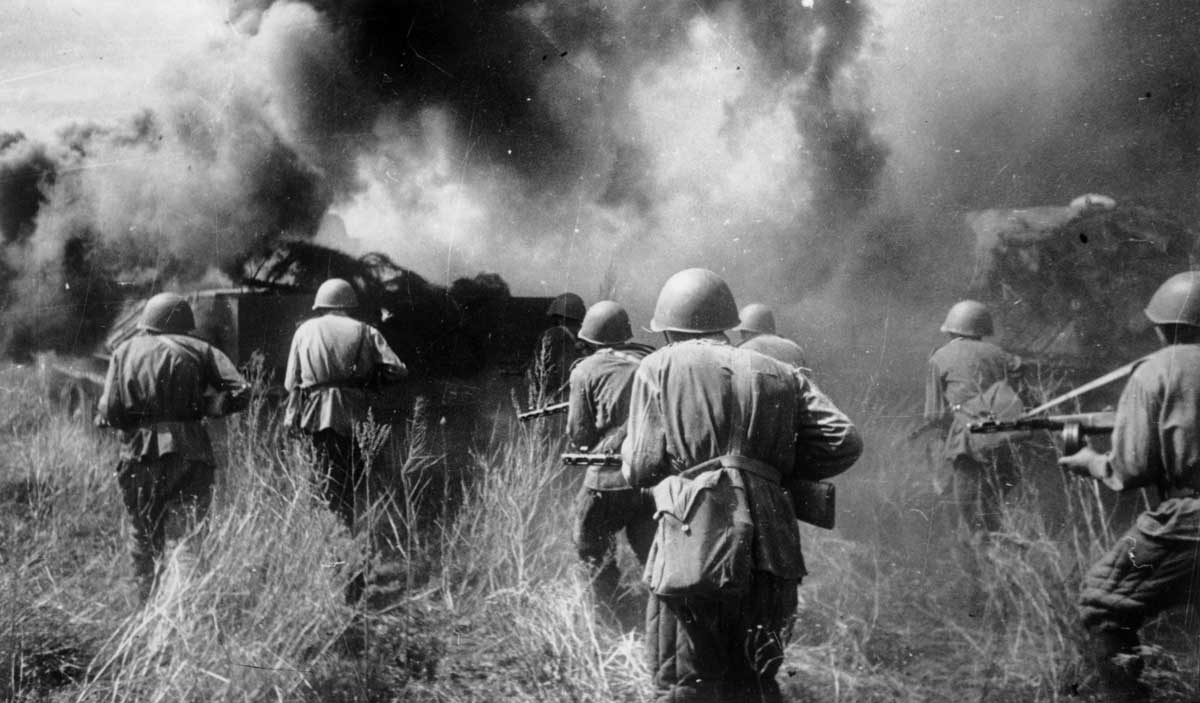
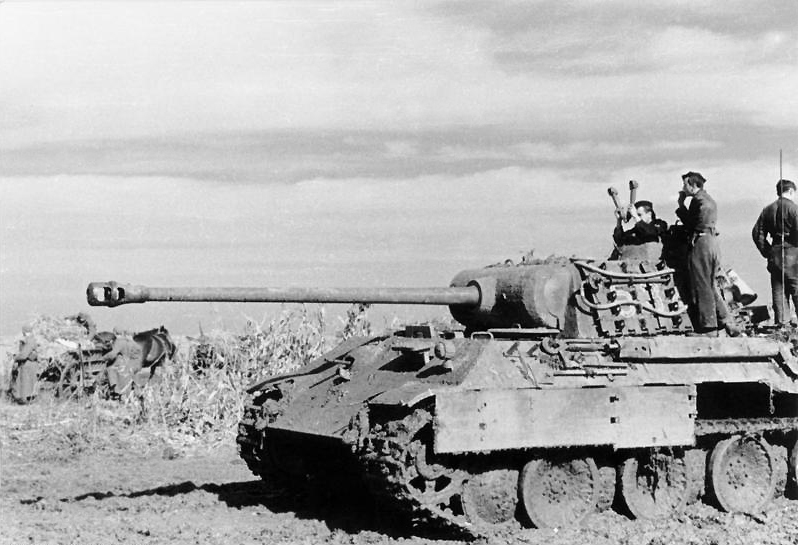
On the morning of July 5, the major offensive began. In the north, Field Marshal Walter Model’s 9th Army pushed southwards with ten divisions. Leading the advance were the unmatched and formidable Tiger tanks. The offensive also marked the combat debut of several new and highly anticipated German armored vehicles. The Panther tank, designed to counter the superior T-34 used by the Russians, boasted a powerful 7.5 cm KwK L/70 gun and thick frontal armor. However, they suffered from mechanical breakdowns early in the operation. Also present were the formidable Ferdinand (Elefant) heavy tank destroyers, armed with a long-barreled 8.8 cm Pak 43/2 L/71gun and boasting exceptionally thick armor, making them nearly impervious to Soviet frontal fire.
Minefields slowed the advance, as did a Soviet counterattack, which was thoroughly defeated. The German attack penetrated about six miles before stalling. Soviet artillery bombardments and minefields slowed the German advance to a crawl. The Soviets adapted their tactics to these new armored threats. They often allowed the German tanks to bypass their forward infantry positions, then unleashed devastating anti-tank gun and artillery barrages from concealed positions. Infantry with anti-tank rifles and grenades also engaged in close-quarters combat, targeting the vulnerable sides and rear of the heavy German tanks.
Attrition and Northern Stalemate (July 6-10, 1943)
The following day, the Red Army counterattacked with 200 tanks, but hampered by poor conditions, the Germans knocked 69 out of action. The Germans then launched attacks of their own against Soviet troops at Olkhovatka and Ponyri, but the Germans were forced back with heavy losses. Both sides viewed these towns as strategically vital, so the conflict renewed on July 7. The battle for Ponyri went back and forth several times, with the Germans finally taking the town on July 10. Both sides suffered heavy losses.
But German attacks on Olkhovatka failed. With high losses, the German command realized they lacked the necessary power to achieve a breakthrough. Field Marshal Günther von Kluge decided to keep up the pressure to draw more Soviet defenses away from the southern front, where it was hoped a breakthrough could be achieved.
On July 5, at the same time as the advance in the north had commenced, the battle for the southern flank opened, with Field Marshal Von Manstein in command of the German forces. The Soviets were prepared with three lines of defense forming the Voronezh front. The German attack along the two-mile front quickly ran into trouble. The left wing of the attack comprised the Panzerfüsilier Regiment, which ran into a minefield and was immobilized and subjected to severe artillery barrages. Engineers were brought up to clear a path through the minefield, and they continued, only to be bogged down again in marshy terrain south of the village of Gertsovka.
On the right wing, the Großdeutschland Panzergrenadier regiment achieved more success, pushing forward with the support of the Luftwaffe, which repulsed attempts by the VVS to slow down the advance. Gertsovka, along with several other settlements, was captured, giving the Germans a strategic wedge through the Soviet defenses.
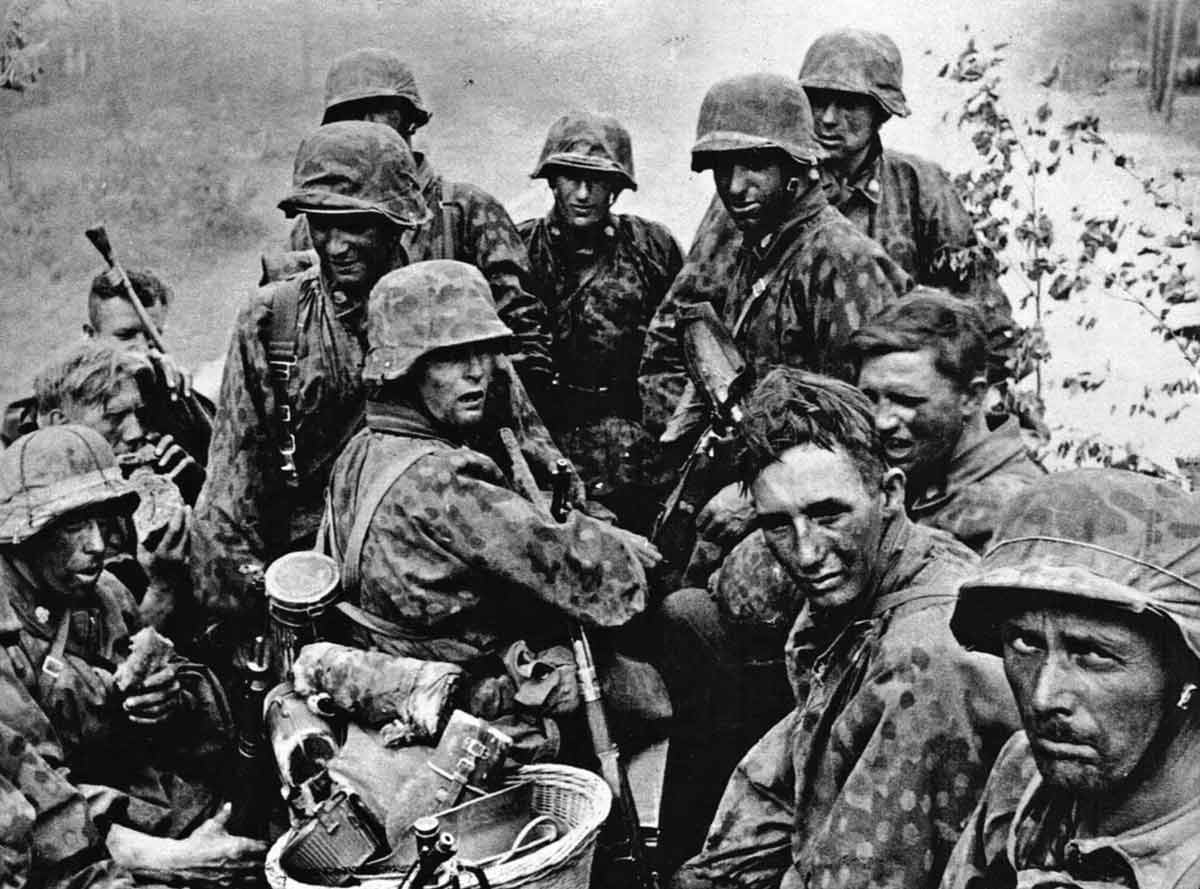
To the east of this advance, another penetration was made by three divisions of the II SS Panzer Corps. With strong support from the Luftwaffe, the SS Panzer spearhead broke through. It was followed by infantry ready to exploit the weakened Soviet defenses. The advance, however, slowed down as stiff resistance, difficult terrain, and bad weather hampered progress.
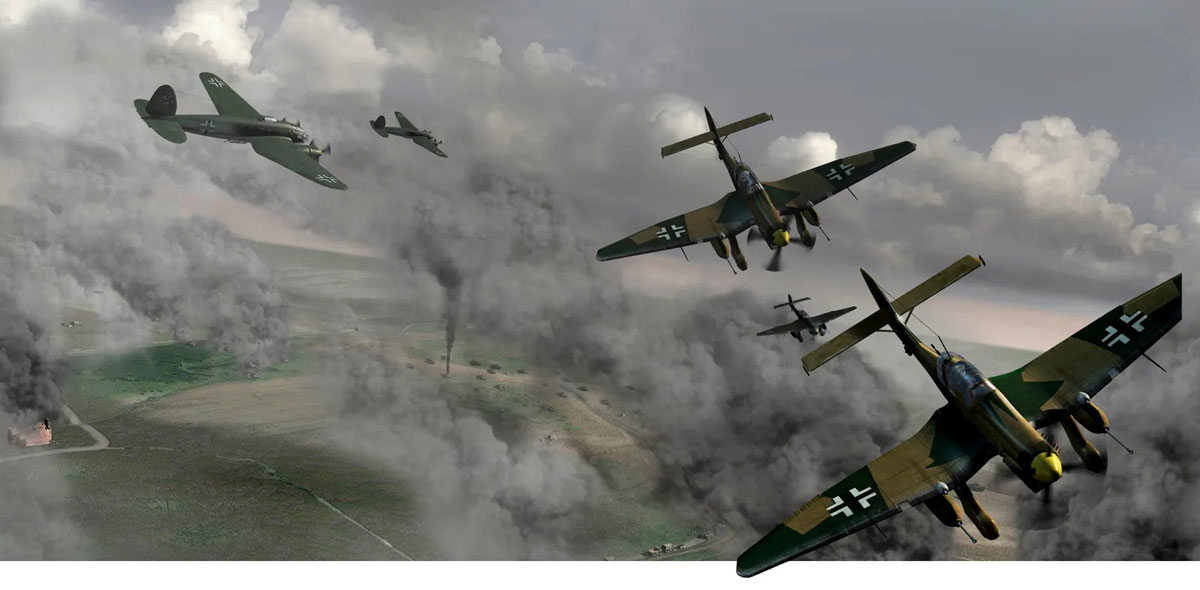
To the southeast of this advance, the III Panzer Corps and Corps Raus launched their operation across the Donets River. The initial progress was slow, and bridges had to be built to support the weight of the heavy Tiger tanks. The Luftwaffe’s help was questionable and caused significant damage by accidentally bombing their own troops. Traffic jams, destroyed bridges, and Soviet artillery barrages added to the woes. Once across the river, the situation got better for the Germans. With two infantry divisions joining the fight, the Germans broke through the first line of defense and repelled a Soviet counterattack.
The slow progress of this advance, however, allowed the Soviets to prepare significant resistance along the second line of defense. The accumulation of German forces along the Voronezh front prompted the Soviets to deploy virtually all their reserves to the area. With all the airpower available on the Voronezh front, the Soviets launched a counterattack comprising almost 600 tanks and self-propelled guns. This massive attempt to stop the advance of the II SS Panzer Corps was poorly coordinated. Disaster ensued as the Soviet counterattack was destroyed. Anti-tank guns and the Luftwaffe made short work of their enemies, inflicting massive casualties and destroying hundreds of tanks.
The Battle of Prokhorovka and Counter Offensive (July 12, 1943)
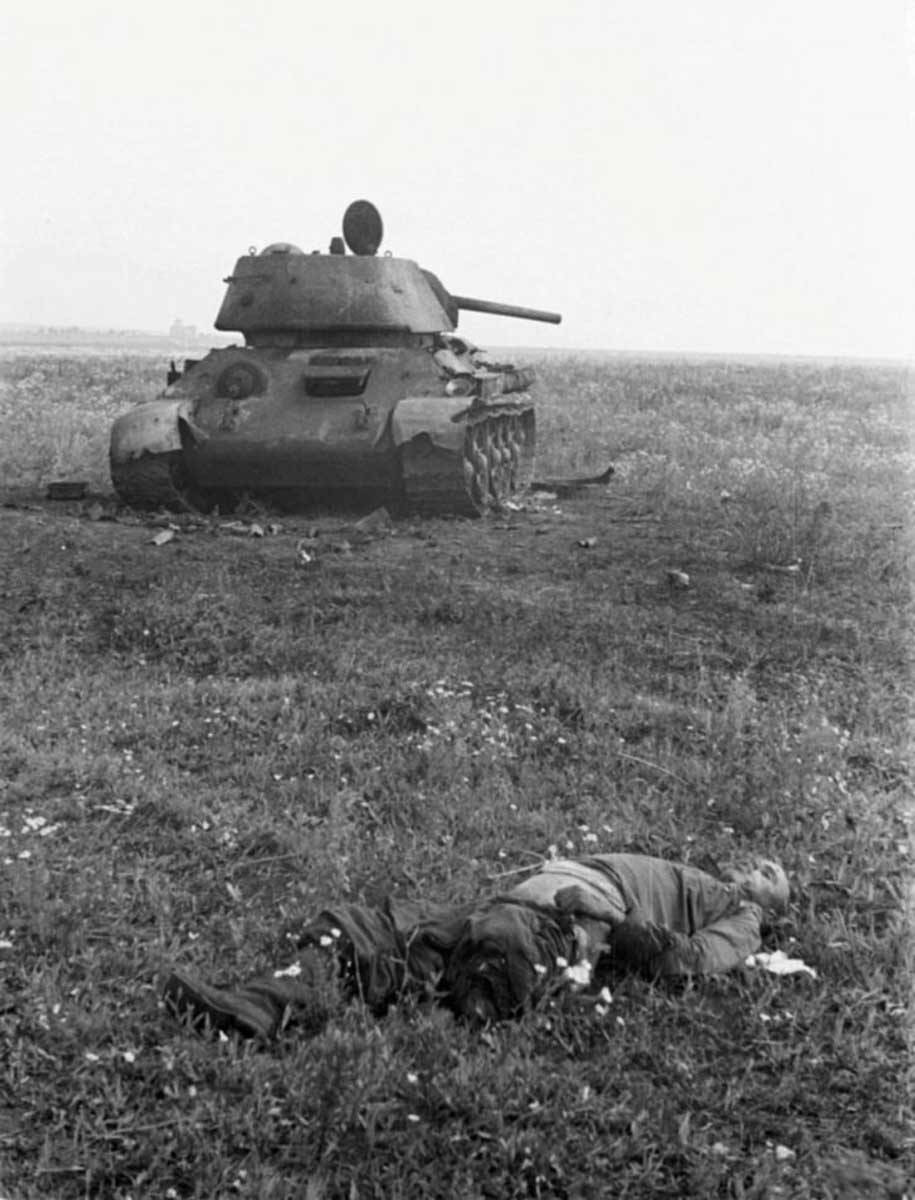
By July 8, II Panzer Corps had broken through the second line of defense and advanced 18 miles. They pushed straight for the key target of Prokhorovka. The Soviets, anticipating this move, bolstered their defenses around the town and prepared to receive the attack. They understood that if the II SS Panzer Corps and the 6th Panzer Division, which had seized a bridge across the Donets, were to link up, the Soviets would lose the 69th Army. Prokhorovka had to be defended at all costs.
II Panzer Corps advanced, planning to flank the Soviet defenses at Prokhorovka before launching their main frontal assault. But before they could attack, the Soviets moved into position and launched a counterattack. At 8:00 on the morning of July 12, the Soviet barrage began. Half an hour later, the rumble of tanks moved toward the II Panzer Corps. Five tank brigades smashed into the German defenses. By nightfall, the Soviets had suffered grievous losses, but they had managed to slow down II Panzer Corps enough to stop the Germans from achieving a breakthrough.
German Withdrawal (July 13-17, 1943)
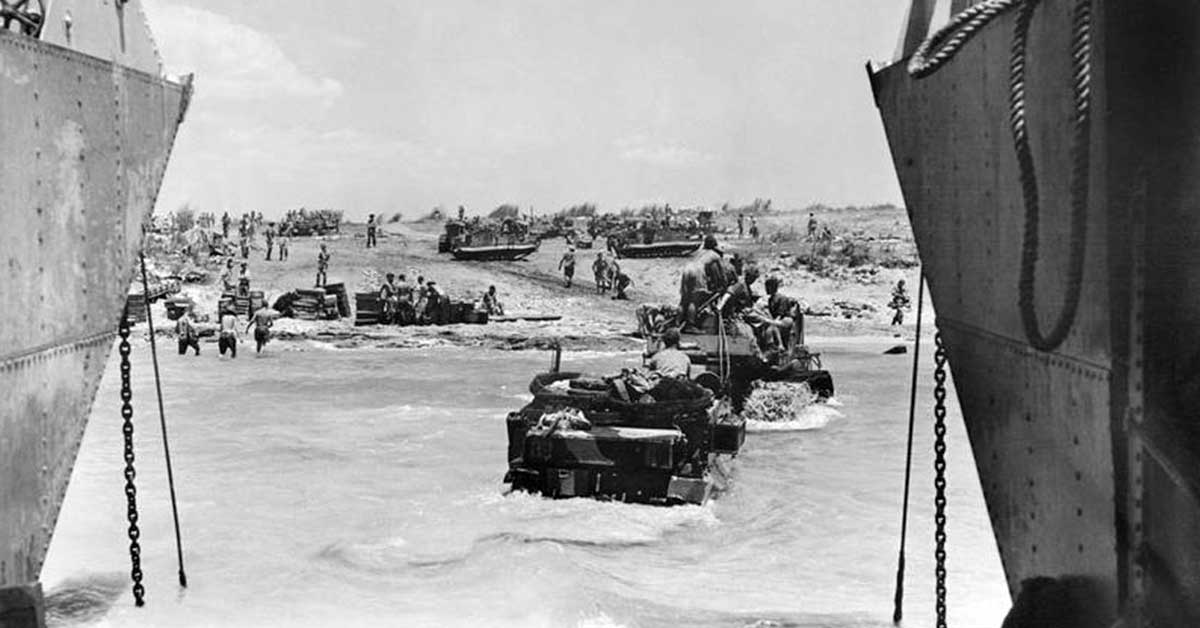
This was enough for Hitler to call an end to the offensive. Sicily had been invaded two days earlier, and forces needed to be transferred to Italy. The Allied landings in Sicily, launched as Operation Husky on July 10, put immense pressure on the Axis’ southern flank, threatening to knock Italy out of the war. Faced with the prospect of a collapsing Italian front and the need to reinforce his southern European defenses, Hitler made the fateful decision to terminate Operation Citadel, despite objections from his field commanders. But the Soviets were not finished with the Germans at Kursk.
The Soviet Offensives: Operation Kutuzov and Operation Rumyantsev (August 3-23, 1943)
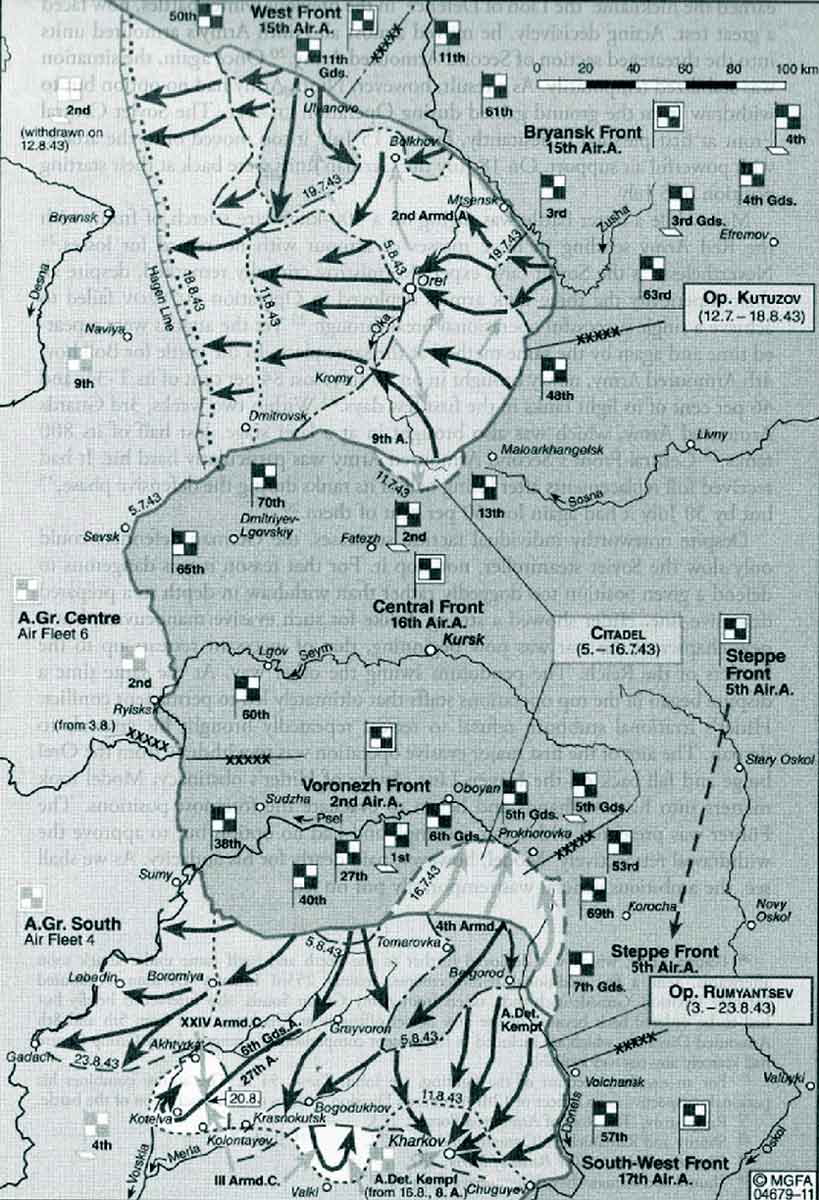
Taking full advantage of the stalled German offensive, the Soviets launched a counteroffensive. To the north of the Kursk salient was the Orel salient, held by the Germans. From the north, south, and east, Soviet attacks (Operation Kutuzov) struck at the German positions, threatening to encircle the German 9th Army. Completely overwhelmed, the German forces pulled back and went on the complete defensive.
In the south (Operation Rumyantsev), the Soviets launched diversionary attacks to tie down the German forces, which comprised the northern wing of Army Group South. The Soviet advance liberated Belgorod on August 5 and Kharkov (Kharkiv) by August 23.
The Aftermath of the Battle of Kursk
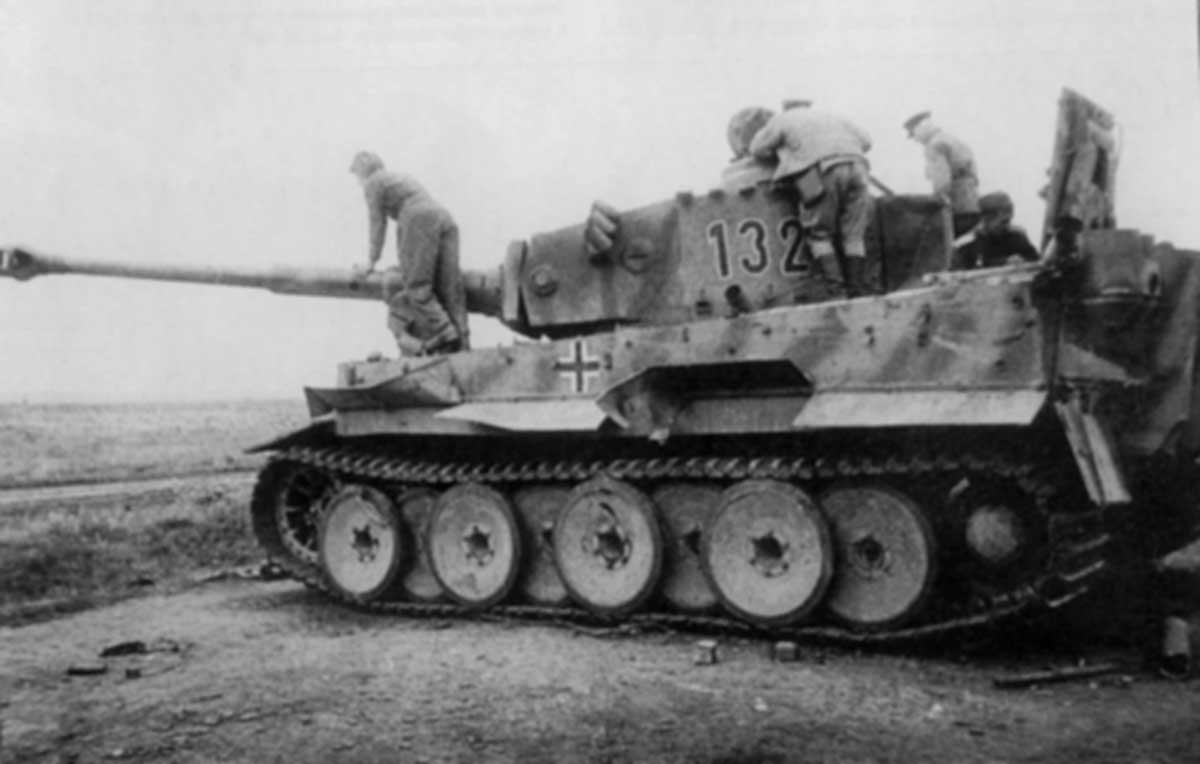
The Battle of Kursk forced the Germans into a defensive position along the entire Eastern Front. Beyond the staggering losses in men and artillery, Kursk changed Germany’s strategic position on the Eastern Front. Henceforth, the Wehrmacht would largely fight a defensive war, constantly reacting to Soviet offensives while stretched thin across a vast front. The ambition of a decisive knockout blow against the Red Army was shattered, replaced by a desperate struggle for survival.
For the Soviets, the victory at Kursk was not merely tactical; it was a profound psychological triumph, cementing their confidence and proving their ability to defeat the German war machine without the aid of winter.
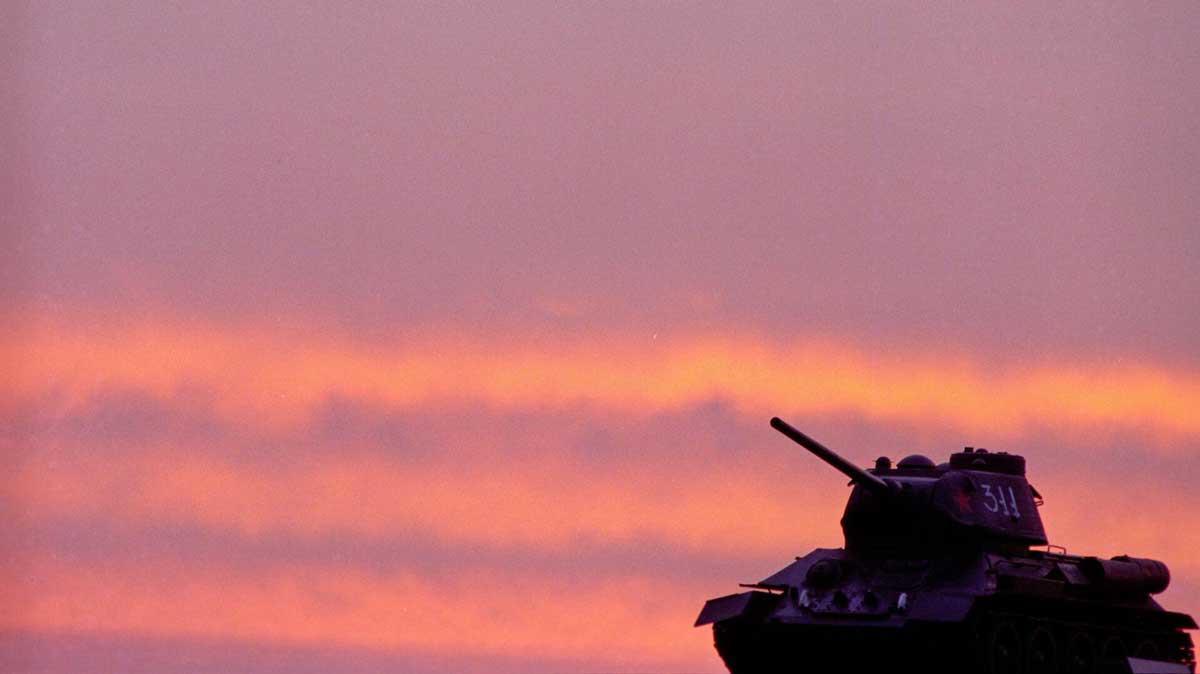
It is difficult to determine the exact losses at the Battle of Kursk. A rough estimate puts the casualties at 200,000 German soldiers killed, wounded, or missing, while the Soviets suffered around four times that amount. In terms of armor, the Germans lost 1,200 tanks and assault guns, while the Soviets lost over 6,000.
As the war continued, the effectiveness of Soviet armies would improve, and the ratio would even out as Soviet soldiers and equipment achieved parity with the Germans.