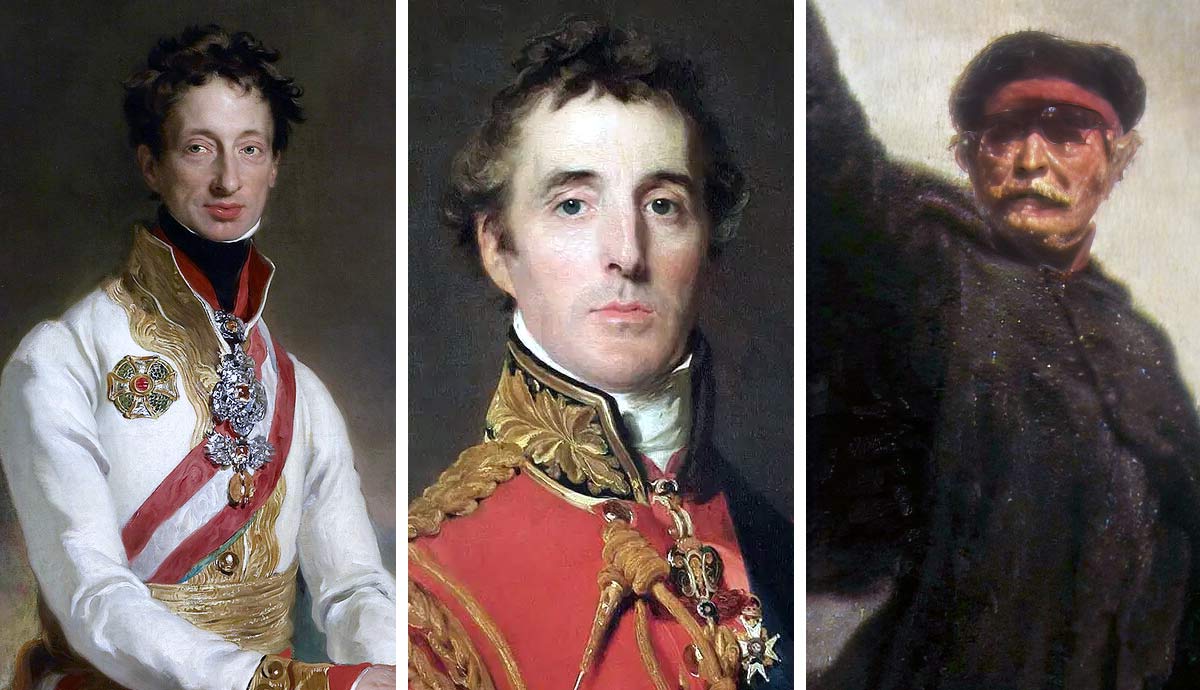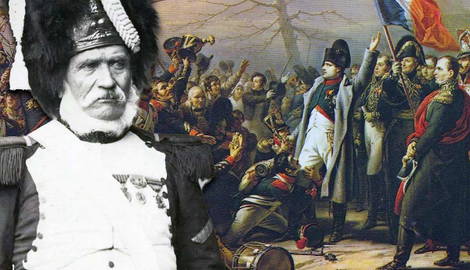

In June 1825, a decade after the Battle of Waterloo, a chilling discovery was made along a riverbank in Belgium. It was the suicide note of a former imperial soldier. He described himself as a deserter before declaring his final words: “I die for Napoleon; I will be reunited with Napoleon.” This tragic message exposes a profound historical reality: for Napoleon’s veterans across Europe, the advent of peace did not bring relief. Instead, it triggered the beginning of a battle for survival under hostile regimes.
Why Peace Was Harder Than War
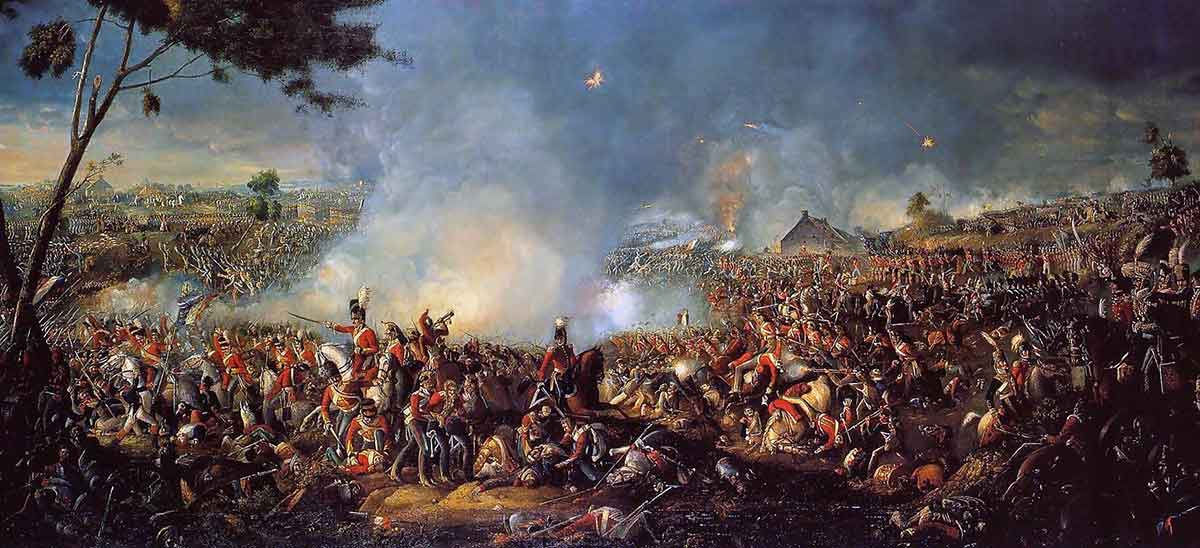
When Emperor Napoleon abdicated for the second time in 1815, nearly a quarter-century of almost uninterrupted warfare came to an end. Millions of civilians across Europe celebrated peace and the promise of a new beginning. The soldiers who had marched under Napoleon’s banner, however, often had a very different experience.
Napoleon’s once formidable Grande Armée disappeared almost overnight. Hundreds of thousands of men suddenly returned to towns and villages transformed by years of war. Many of them were disabled or traumatized and often could not be helped by nineteenth-century medicine. They suffered from amputations or chronic pains that limited them in more ways than one.
Moreover, employment was often scarce, especially for men who had only known the life of a soldier. Whereas modern societies often try to help veterans in their return to civilian life, such systems barely existed in 1815. Many former imperial soldiers lost not only their income, but also the sense of purpose that the army provided. For years, military life had determined almost every aspect of their lives with a daily routine and a strict hierarchy. The new peace stripped them of their status, camaraderie and social identity.
The Belgian veteran’s suicide note was rather exceptional in its outcome, but the experiences that led to his demise were far from unique. Across Europe, many former soldiers struggled to find peace with the adventure of their military past and the uncertainty of their civilian lives in peacetime.
Why Napoleon’s Veterans Never Forgot Him
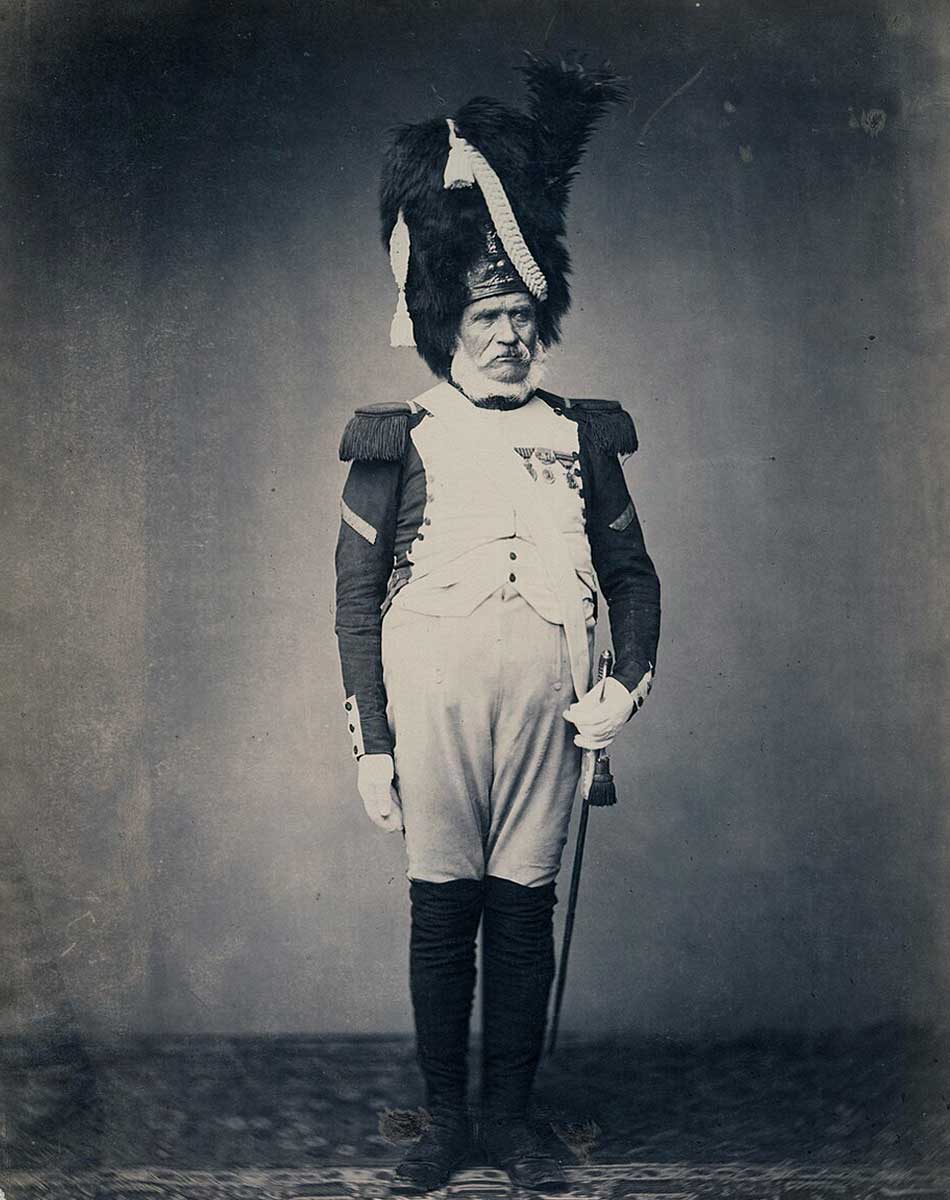
In spite of their troubles, Napoleon’s former soldiers remained attached to the vanquished emperor. They did not do so merely because of Napoleon’s status as a successful commander. The bond between the emperor and his troops ran much deeper. Unlike those of Europe’s traditional monarchies, Napoleon’s army rewarded courage and ability. It allowed young men from all backgrounds to rise through the ranks based on merit, rather than noble birth. A farmer’s son could become a general, which was something extraordinary and revolutionary.
Napoleon himself embodied this ideal. Having begun his career as an artillery officer, Napoleon relied on his military capabilities to rise through the ranks of the revolutionary army and win the admiration of thousands of men who helped him seize power. Napoleon’s experience inspired his men to strive towards greatness. Napoleon even institutionalized this meritocracy by founding the Legion of Honor, a prestigious award for those who had shown courage in the service of the empire.
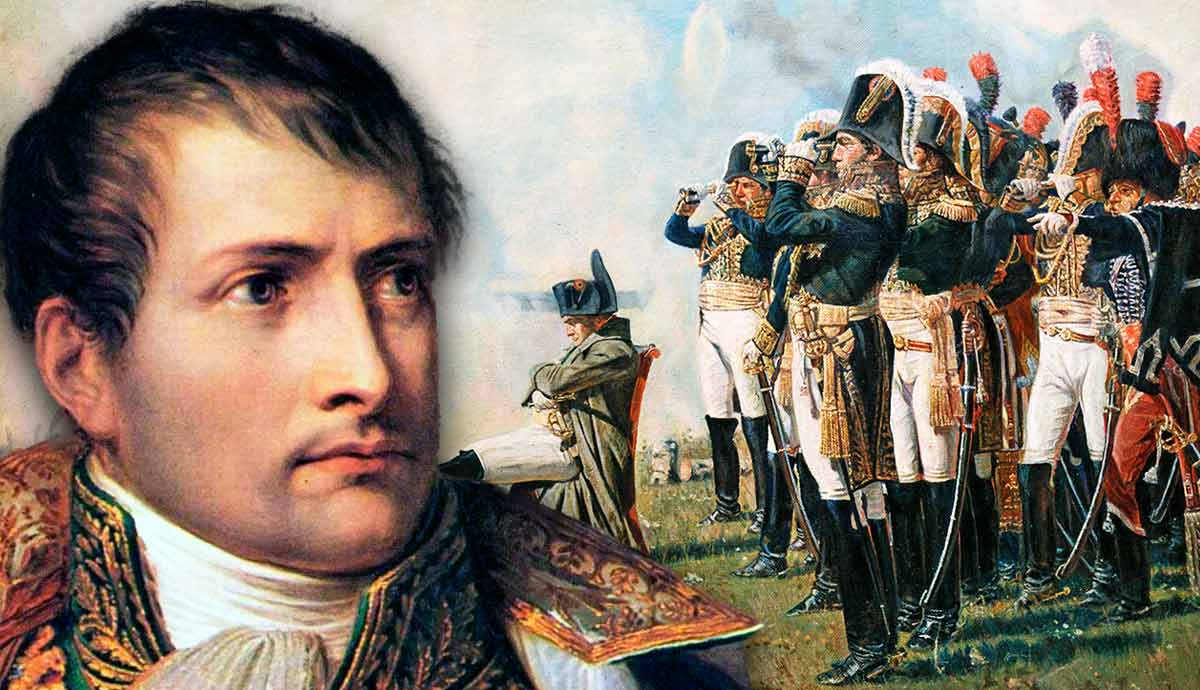
Napoleon’s leadership on the battlefield inspired unusual devotion from his men. The Duke of Wellington, Napoleon’s opponent at Waterloo, famously remarked that the emperor’s presence on the battlefield was worth 40,000 men. Soldiers remembered not only the many victories, but also the confidence that Napoleon gave them along the way. The loyalty and devotion that these men felt, even after Napoleon’s fall, was deeply personal.
Why Governments Viewed Napoleon’s Veterans as Security Threats
After Waterloo, the Napoleonic veterans were a major issue for post-Napoleonic rulers, particularly King Louis XVIII of France. The restored monarchs knew that the soldiers were often deeply attached to the emperor they had followed across the continent. Some governments feared that this loyalty would survive all their efforts to erase the Napoleonic era from memory.
In the aftermath of Waterloo, wounded soldiers recovering from the battle received pamphlets portraying Napoleon as a criminal and outlaw. This initiative reveals that Napoleon’s victors were aware that defeating the emperor did not automatically erase the admiration that many of his veterans still felt for him.
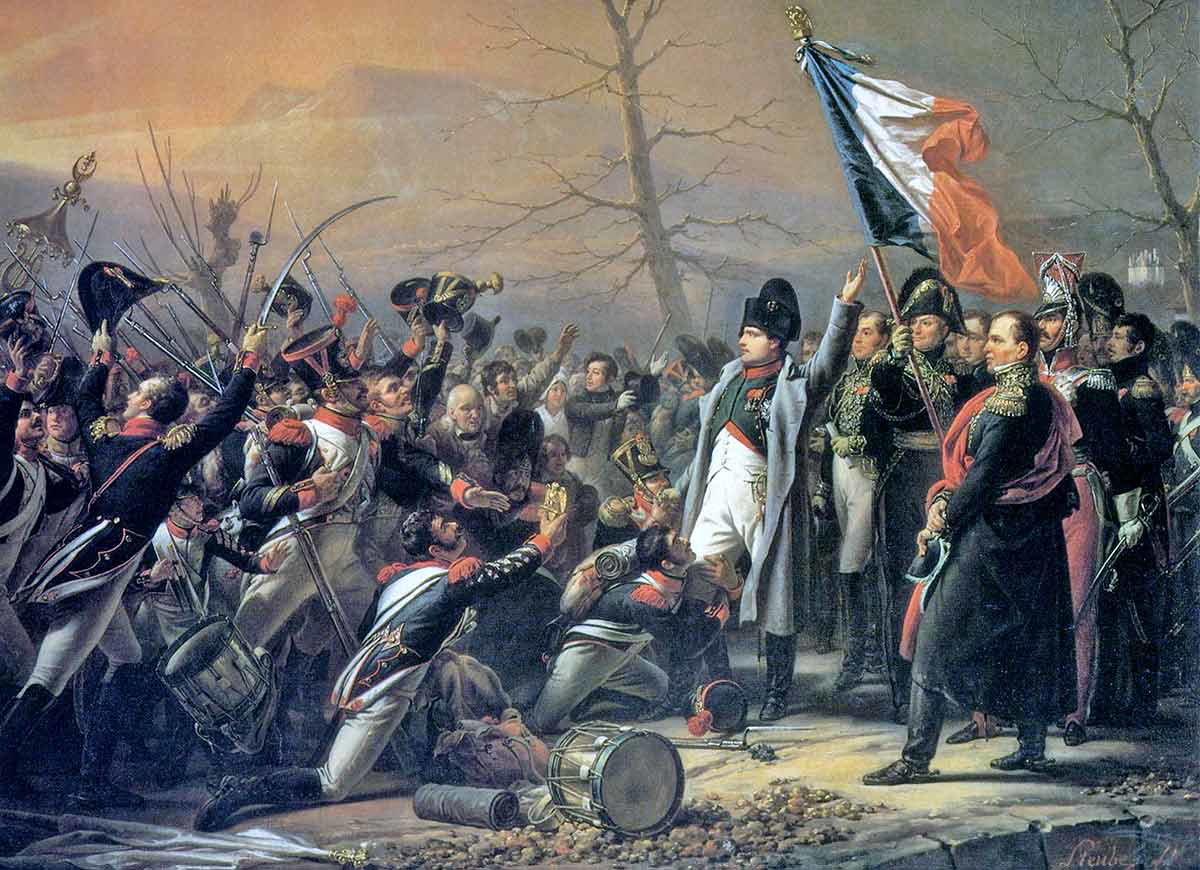
Those worries were rooted in the Hundred Days in 1815, when Napoleon escaped from the island of Elba to return for a final clash. As he marched through France, entire regiments sent to arrest him instead joined him, chanting “Vive l’Empereur!” That march to Paris was perhaps the greatest demonstration of Napoleon’s effect on his troops, as it allowed him to reclaim his throne with little bloodshed.
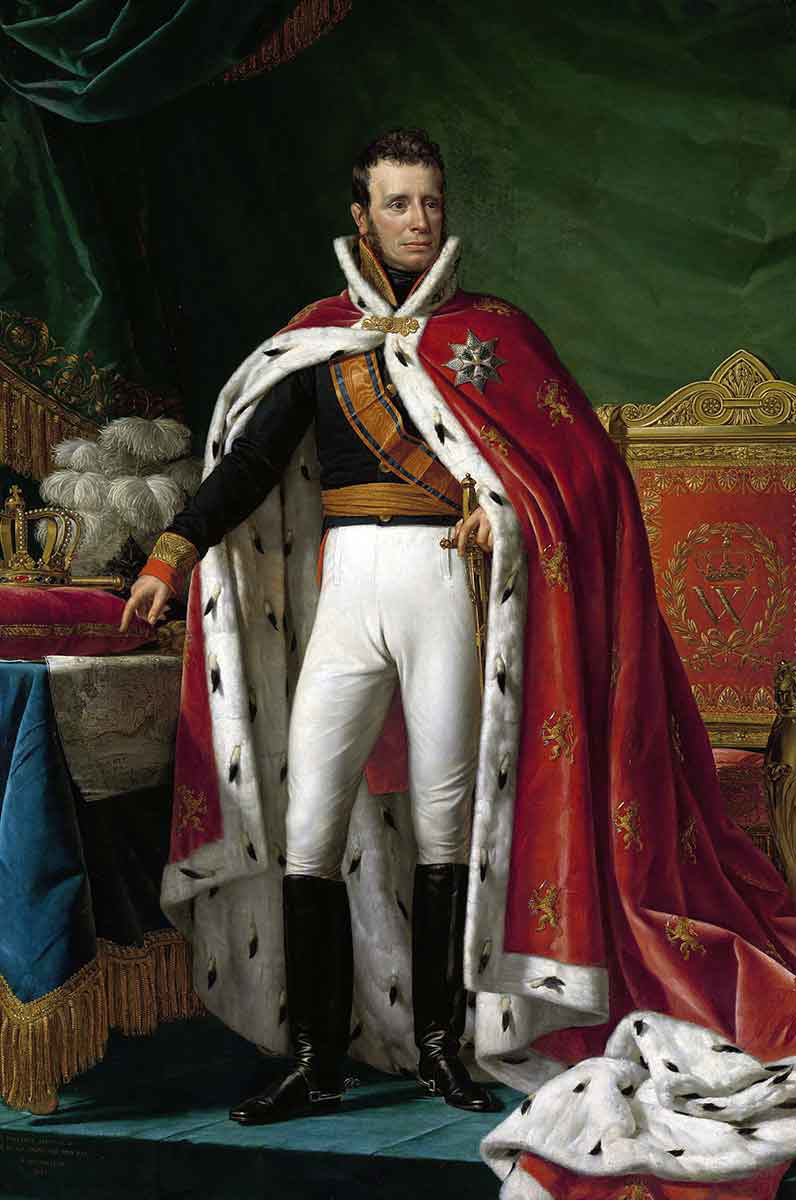
Even as Napoleon languished in distant St. Helena, the restored monarchies continued to be anxious about the resurgence of Bonapartist feeling. Those anxieties existed in many regions previously under the empire, like the Low Countries. In the newly created Kingdom of the Netherlands, which included present-day Belgium, King William I worried about what to do with tens of thousands of troops who had previously fought for the Napoleonic empire. Reports warned that soldiers in the South remained deeply attached to Napoleon. A Prussian diplomat even claimed that this devotion dominated the Dutch army.
Before Waterloo, there had even been rumors that some Dutch battalions might refuse to fight the French. To reduce the risk, the Allies assigned many former soldiers of Napoleon’s army to positions far from the frontier. As a result of that experience, authorities kept a close eye on many of these men, fearing that they might cause political unrest or engage in conspiracies.
Reports from the Restoration era often mention veterans spreading pro-Napoleonic messages. Sometimes these were shouts of “Vive Napoléon!,” but the bigger effect took place beneath the surface. Officials started to realize that former soldiers shared their war stories with relatives, neighbors and younger generations. In the Belgian city of Tournai, more than 600 veterans lived among a population of only 23,000. Their presence helped Napoleon’s legend spread among the local populations.
How Veterans Kept Napoleon’s Memory Alive
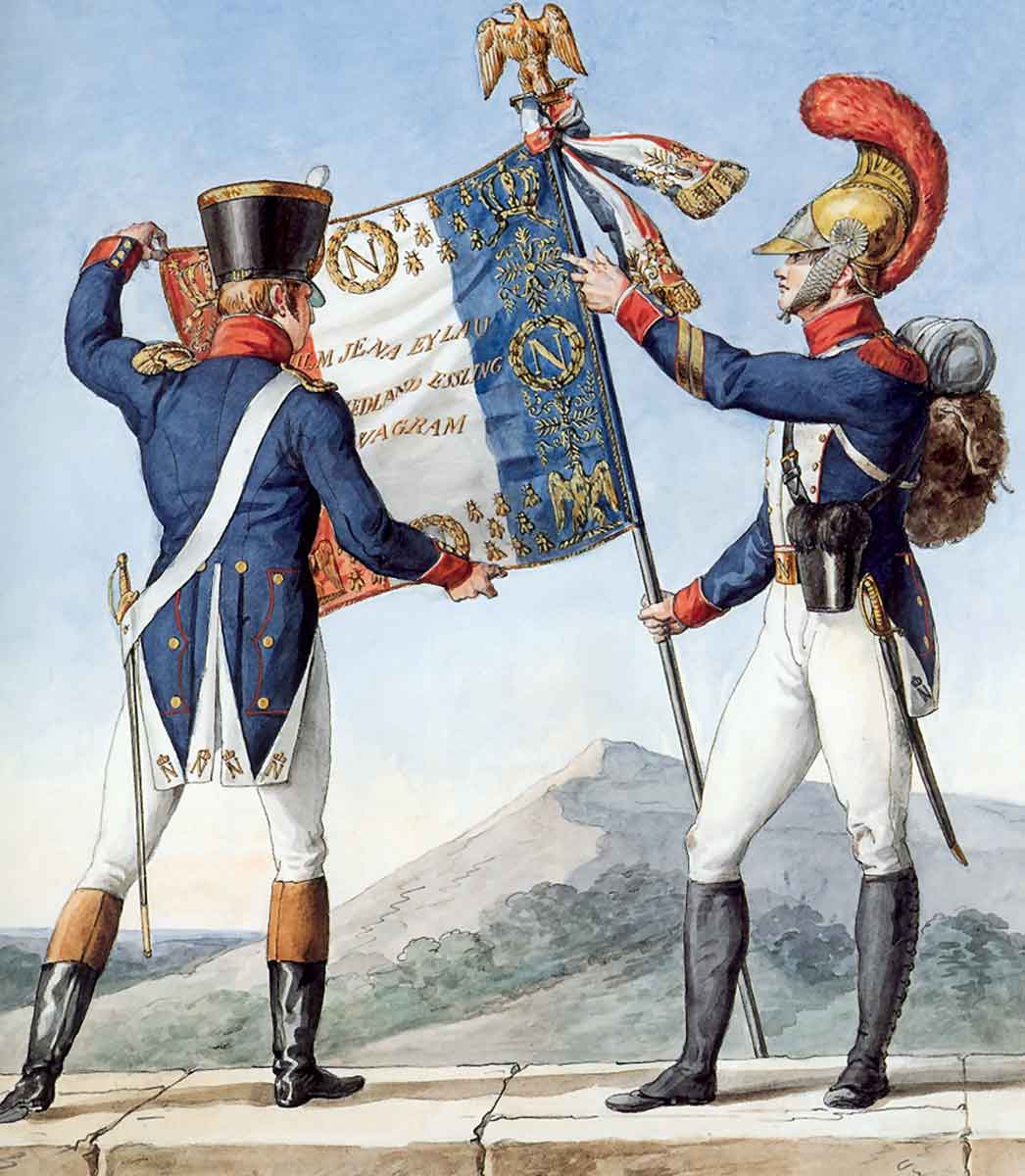
That preservation of Napoleon’s memory took multiple forms. Perhaps the most remarkable was the creation of Napoleonic veterans’ associations. Surprisingly, the first of these organizations was founded not in France but in the Belgian city of Bruges in 1815. Known as the Société des vieux soldats (“Society of Old Soldiers”), it initially welcomed any veterans, but it quickly became a movement devoted to former soldiers of Napoleon. Similar groups appeared in Leuven, Antwerp, and Brussels, before they emerged in France itself.
These associations did much more than preserve memories. Many veterans struggled financially and received practical help from those societies. They also created a sense of belonging in which stories could be shared and fallen friends could be remembered. Members also swore an oath expressing their loyalty to Napoleon’s memory. This continuing devotion remained at the center of their activities. It was almost religious in nature, with gatherings around busts, portraits and other artifacts. The associations also organized anniversaries on Napoleon’s birth and death dates and the date of his coronation and greatest military victory, December 2.
Due to state suspicion, their admiration often had to find discreet ways to express itself. Every August 15, Napoleon’s birthday, small groups of veterans quietly gathered to raise a toast to the emperor. On one occasion, some veterans saw an eagle land on a church tower, which they excitedly interpreted as a sign of the emperor’s return.
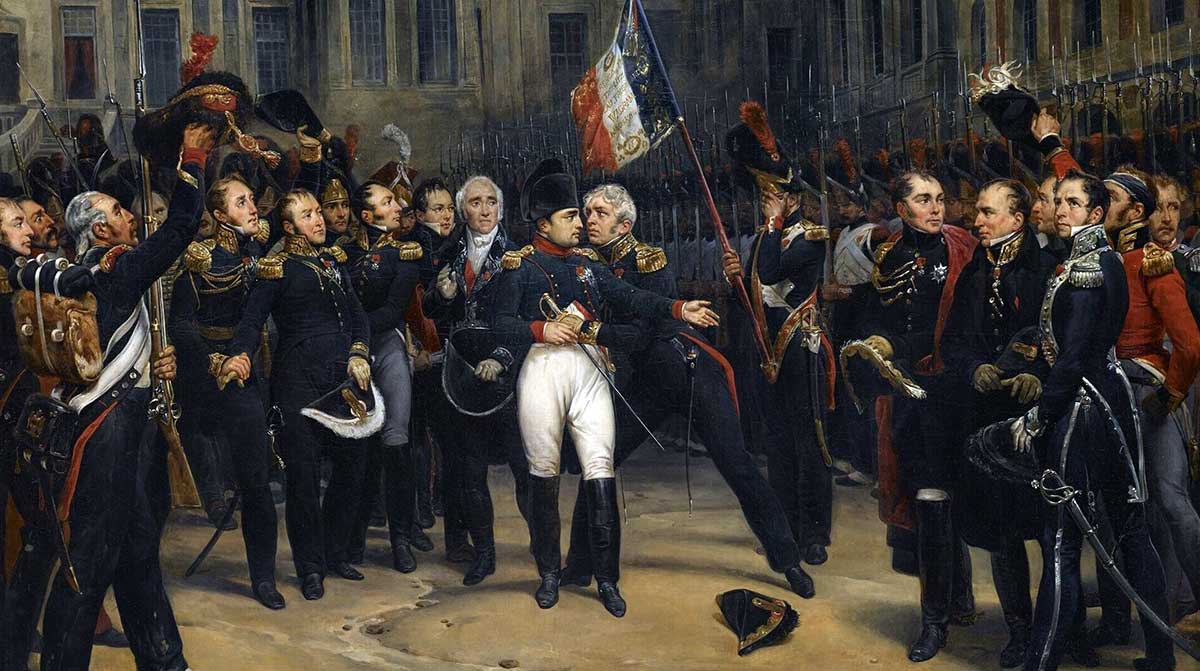
Officially, they could claim to be celebrating the Catholic feast of the Assumption, but authorities remained suspicious. Reports describe celebrations, songs and graffiti messages that were more Napoleonic than Catholic. During the empire, Napoleon had introduced the feast day of Saint-Napoléon on his birthday. After his fall, it was still the most important date on the calendar for his veterans.
While Bourbon France often treated Napoleonic veterans with hostility or outright political persecution, the Kingdom of the Netherlands generally offered more freedom to come together and commemorate. As long as these gatherings remained peaceful, the authorities often tolerated them. That difference helps explain why Belgium was home to Europe’s earliest Napoleonic veterans’ associations.
The Enduring Napoleonic Legend
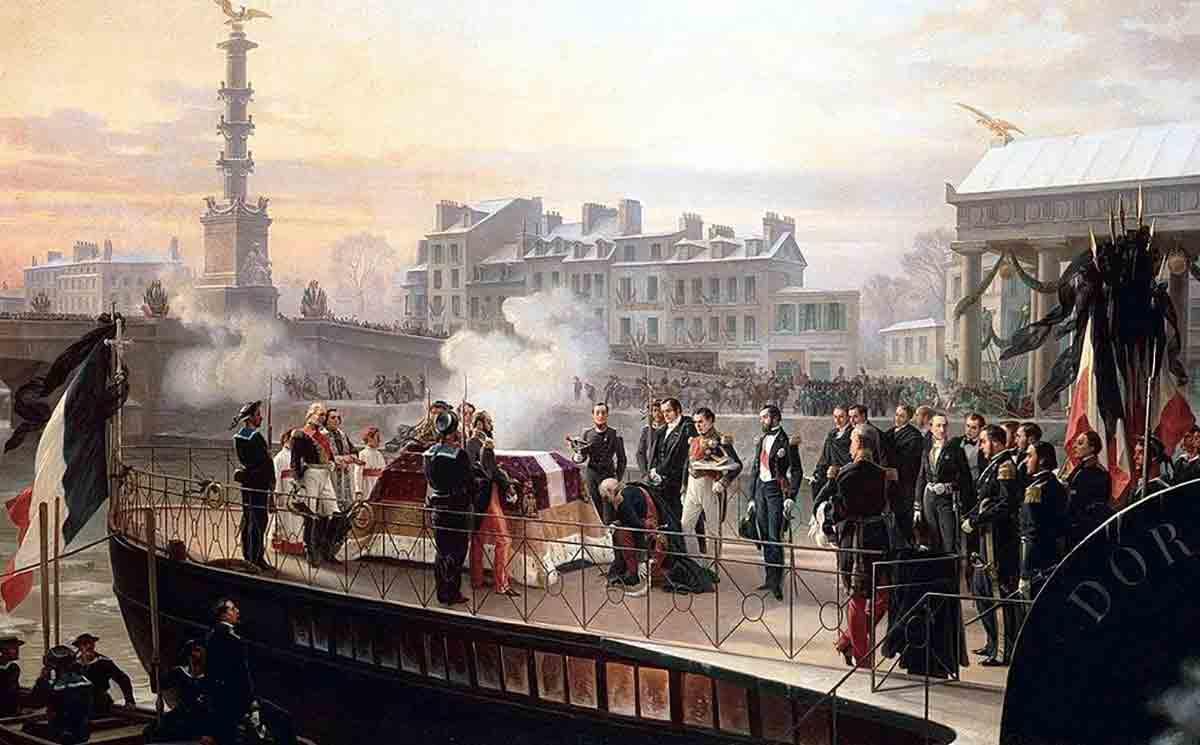
The veterans’ efforts to keep Napoleon’s memory alive eventually became part of a much broader revival, especially in France. During the reign of King Louis-Philippe I (1830–1848), Napoleon was gradually recognized as a national hero. That culminated in 1840, when his remains were returned from St. Helena to Paris. Almost 20 years after his death, great crowds welcomed the late emperor back to France.
What veterans had commemorated in secret could now be openly celebrated. This revival even had political consequences. In 1848, Louis-Napoleon, the emperor’s nephew, was elected president of France, drawing heavily on Napoleon’s enduring legacy. Four years later, he became Emperor Napoleon III.
Napoleon’s memory had lived on and became a political force. His veterans had played an important role in keeping it alive. They showed that Napoleon’s greatest legacy was not simply the empire he built but also the extraordinary loyalty he inspired. That loyalty outlived both the Empire and the Emperor. The anonymous veteran’s final words, “I die for Napoleon,” remind us that for some, it meant everything.