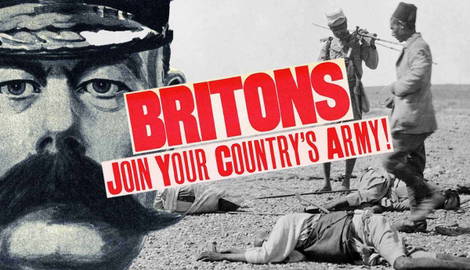

The British media promoted Lord Horatio Herbert Kitchener as a gentleman officer, but the real man was anything but. He was a ruthless pragmatist who used the efficiency of industrialization to win wars, often with horrific consequences.
Prioritizing strategic goals over human cost ushered in a new era in which heroic cavalry charges and the honorable conduct of combatants became a thing of the past. This is how Kitchener defined a new era of combat.
Kitchener’s War in Sudan
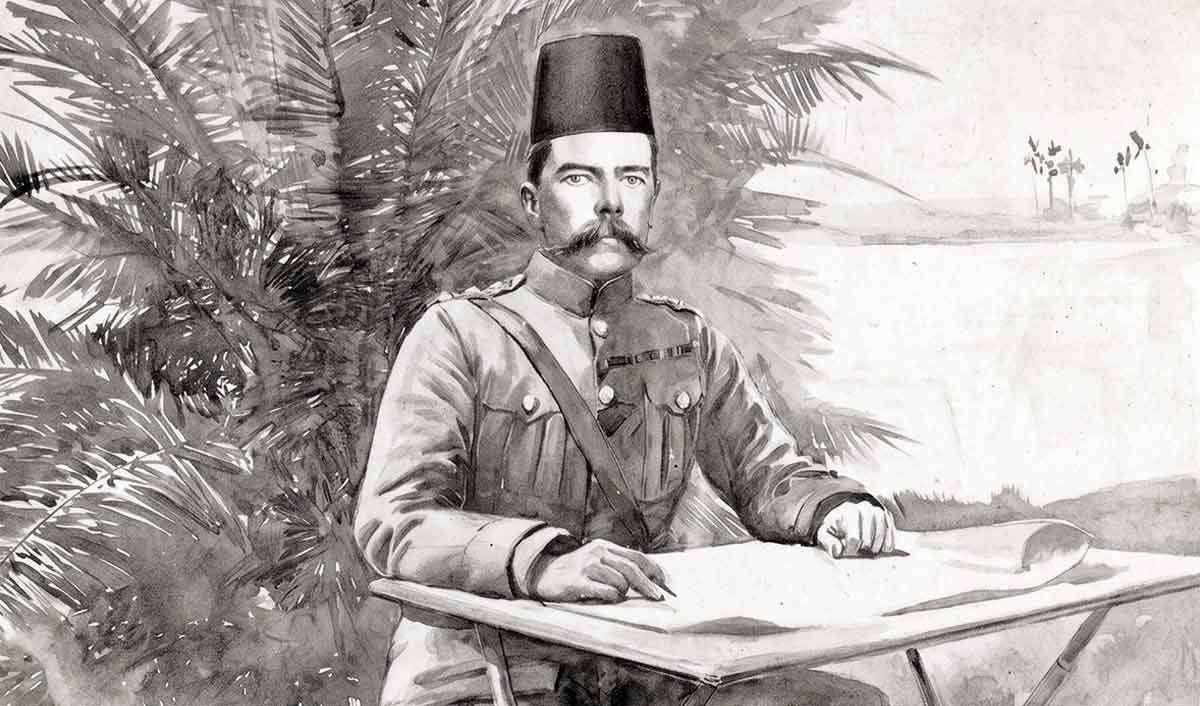
Logistical capabilities have been and always will be a defining feature of achieving tactical and strategic victory. This key component is something that Kitchener was very well aware of, and he knew that technological advances could provide overwhelming superiority in this aspect. This proved to be the case in the Sudan, where Kitchener led the British in the Anglo-Egyptian conquest of Sudan during the Mahdist War.
In 1885, the expedition led by Garnet Wolseley to relieve the besieged Major General Gordon in Khartoum ended in failure, very much due to logistical issues, and Kitchener, aware that his prestige was on the line, made sure his campaign did not repeat the same mistakes. Reliance on river transport and the unpredictable flooding of the Nile would not be a factor in Kitchener’s attempt, as he ordered the construction of a 230-mile railway.
Kitchener used soldiers and convict labor to construct the railway. In the heat of the desert and with only 4 hours of sleep per day, Kitchener worked his men so hard that there were a number of deaths for which Kitchener blamed his subordinates.
Once built, however, the railway was so effective that it cut transport time from northern Egypt to Sudan from 18 days to just 24 hours. Along this railway were also 630 miles of telegraph lines and 19 telegraph stations, ensuring effective communication.
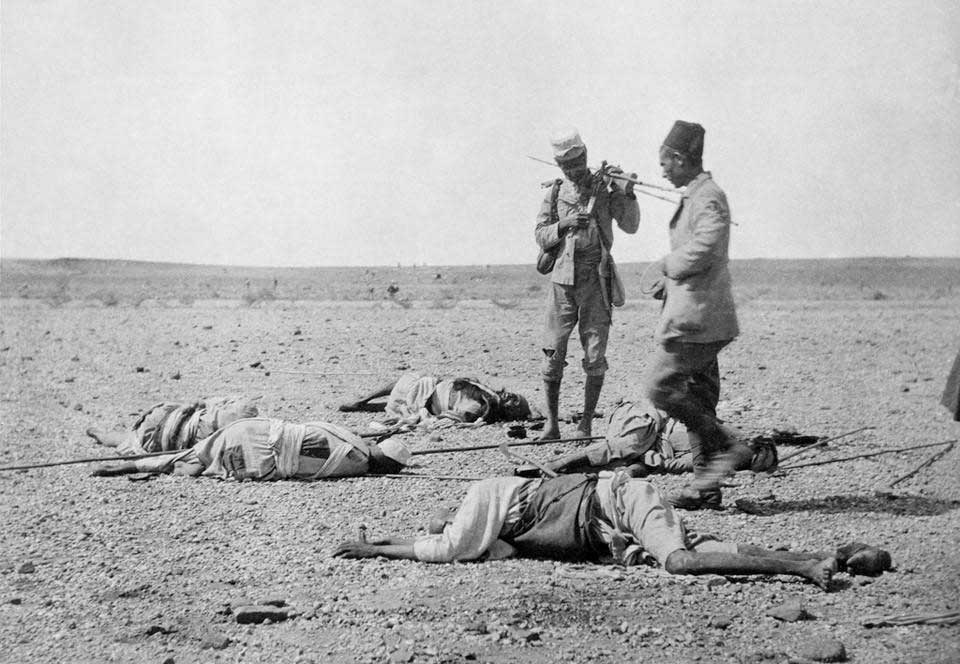
Modern artillery and machine guns were transported along with troops, and their effects in battle were undisputed. In the confrontations that followed, tens of thousands of troops were brought to bear by both sides, and while the Mahdists suffered thousands killed, the British forces emerged from every battle with minimal losses. At the Battle of Omdurman, the Anglo-Egyptian force numbered just over 25,000 but was outnumbered 2 to 1. The slaughter that occurred saw 12,000 Mahdists dead and 13,000 wounded, while the Anglo-Egyptian force suffered just 47 dead and 382 wounded. Such was the efficiency of modern weapons that an eyewitness account claimed, “It was not a battle but an execution.”
At the close of the battle, Kitchener, viewing the carnage from horseback, quipped, “Well, we have given them a damn good dusting,” before ordering his army to press onward. Winston Churchill, who was present at the battle, noted the lack of “dulce et decorum” and dignity, and later stated that war was becoming a “matter of machinery.”
Kitchener’s Horror in South Africa

In 1899, war broke out in southern Africa between the British Empire and the Boer republics of the Transvaal and the Orange Free State. After a series of initial setbacks for the British, who had been unprepared to face a peer-equipped army, Kitchener was sent to help organize the war effort. First as Chief of Staff and then as Commander-in-Chief, Kitchener’s policies brought much moral questioning over the conduct of British forces.
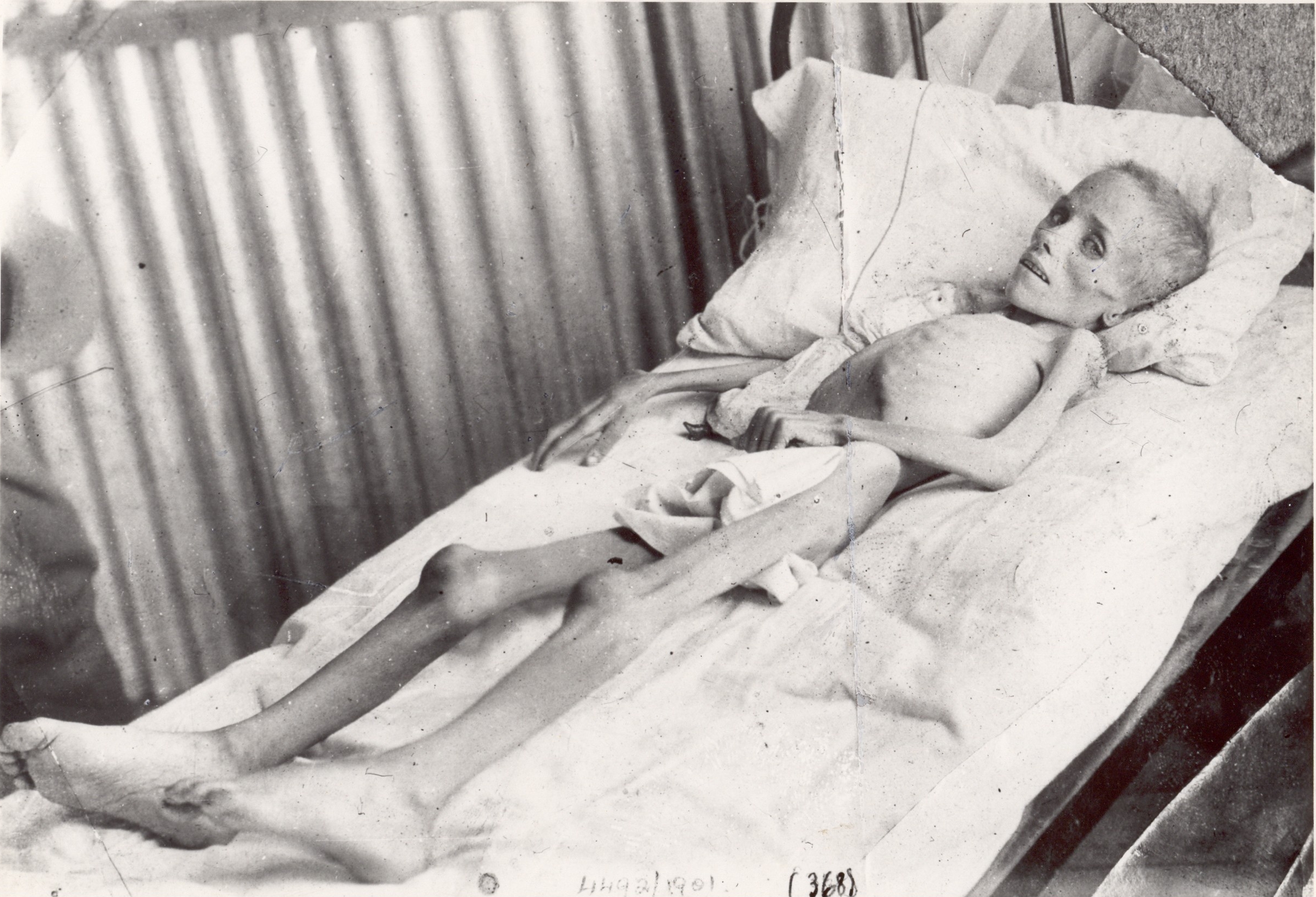
The Boer republics were conventionally beaten by the end of 1900, but many Boers refused to give up their arms and continued waging a guerrilla campaign against British forces. In a bid to eliminate this threat, Kitchener turned to ethically questionable methods. He implemented scorched earth to deny the guerrillas any form of resupply. Civilians became victims, too, and many faced starvation. With their farms and homesteads burned, Boer civilians, most of them women and children, were herded into concentration camps. Kitchener stated that things had to be uncomfortable in the camps to persuade the Boer kommandos to surrender.
“Uncomfortable” resulted in neglect, disease, poor sanitation, and malnutrition. Over 26,000 Boer women and children died. Africans were also targeted and put into separate camps. As many as 20,000 are thought to have died. At night, the dead were taken out and buried in mass graves. While the press sanitized the events, the horrific conditions were brought to light by welfare campaigner and activist Emily Hobhouse, who reported the issues to the British public.
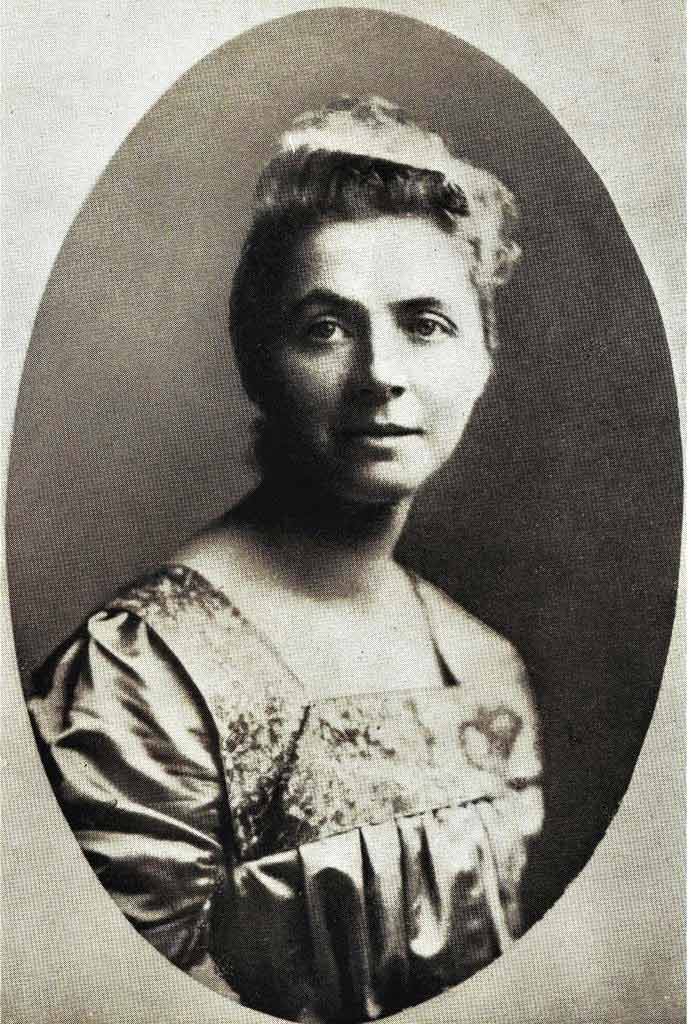
Hobhouse wrote to Lord Kitchener, “To carry out orders such as these is a degradation both to the office and the manhood of your soldiers. I feel ashamed to own you as a fellow-countryman.”
Despite all the criticism, the camps were effective, and Boers in the field, fearing for the safety of their loved ones, began to surrender.
At the end of 1901, Lord Alfred Milner took over the administration of the camps, and the conditions improved drastically, but by then, the damage to the Boer population and to the British reputation had been done. Nevertheless, Kitchener’s career continued on an upward trajectory. He was awarded the Order of Merit and given the title of viscount. In 1909, he achieved the rank of Field Marshal, the highest rank in the military, and in 1914, he was elevated to earl.
How Kitchener’s New Armies Transformed Britain Into a Military Superpower
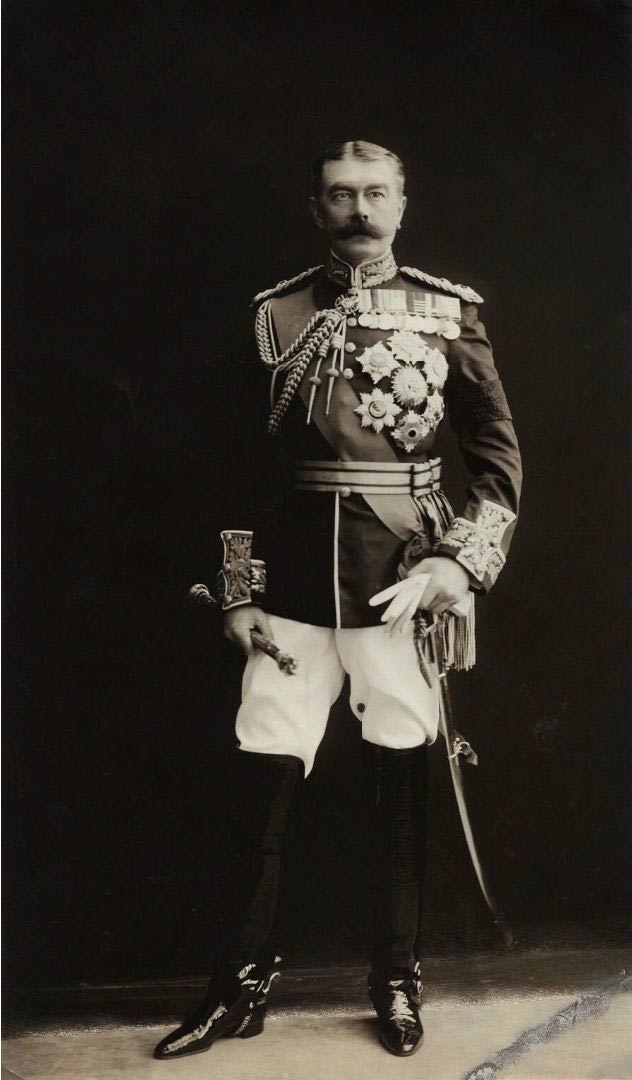
The weapons of the Sudan campaign and the methods used in South Africa hinted at a terrible industrialization of what war would become in the 20th century. This was not lost on Kitchener, who had had first-hand experience in the developments, and after the outbreak of hostilities with the Central Powers in 1914, he correctly predicted that the war would last for years and drain all available manpower. With a solid reputation for getting the job done, Kitchener was made Secretary of State for War in August 1914.
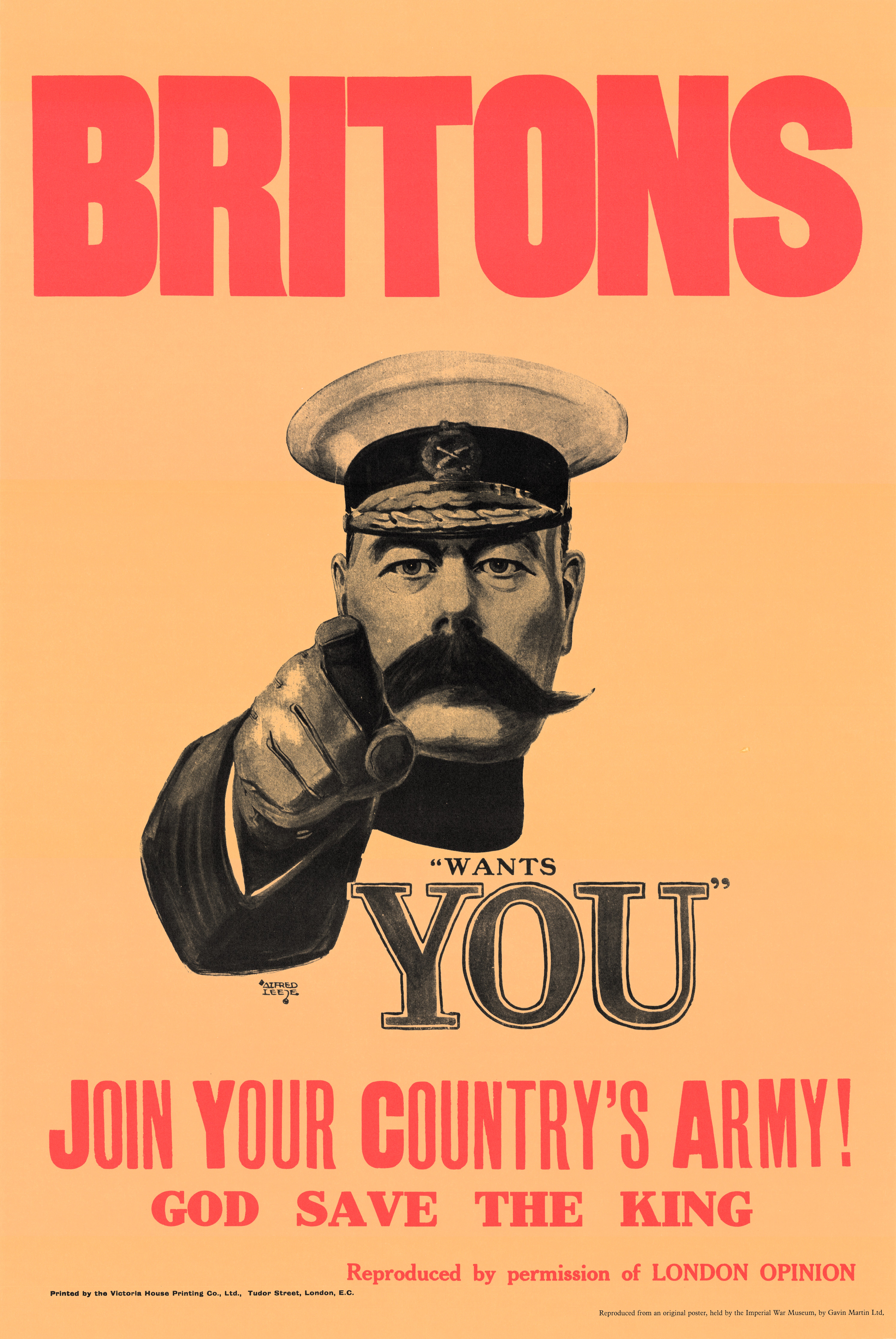
He appealed for volunteers for his “New Armies” and was constantly in the eyes of the public with his face on Alfred Leete’s “Your Country Needs You” poster. For over a year, he helped transform Britain’s industry into one capable of supplying its troops en masse. Initially asking for 100,000 troops, the response was overwhelming, and 175,000 volunteered in a single week alone! With ample experience in command and logistics, Kitchener was able to transform Britain’s army into a fighting force that was able to fulfill its commitments on the continent.
Ironically, Kitchener was stripped of much control for his decision-making, which was criticized for being insufficiently knowledgeable about modern warfare. He had no knowledge of the War Office nor the Cabinet. Despite being acquainted with modern weapons, the few years that followed the Anglo-Boer war had seen even more technological developments that made the weapons of Kitchener’s wars seem primitive by comparison.
Causing quite a scandal, he persisted in ordering shrapnel shells for troops on the Western Front instead of the much-needed high-explosive shells. His reputation had also taken a blow due to the failed strategic considerations of the Gallipoli Campaign, which was an unmitigated disaster.
The End of an Era
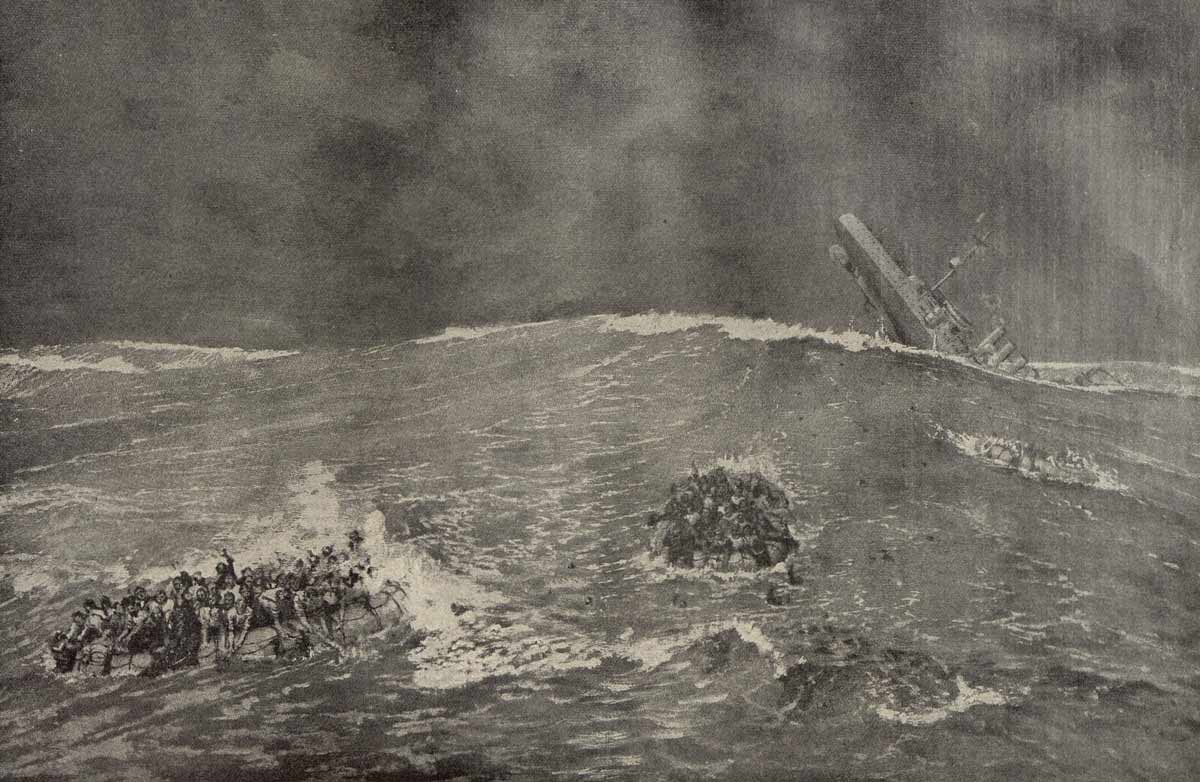
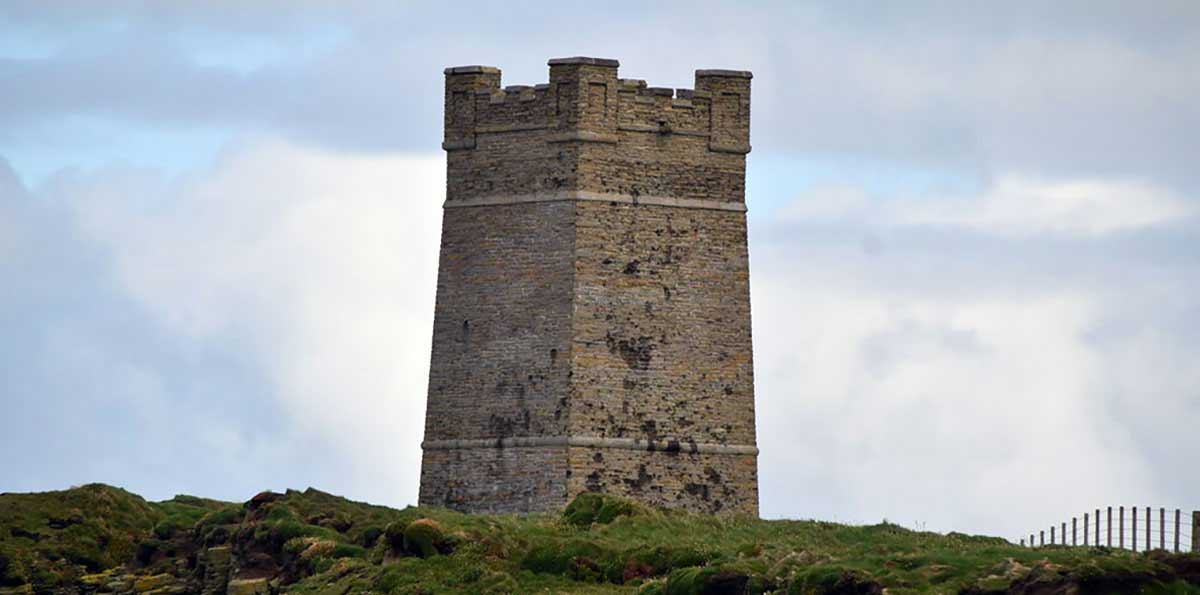
Kitchener’s death has always been viewed as being somewhat mysterious. While traveling to Russia, the ship he was on, HMS Hampshire, struck a mine laid by a German U-boat and sank. 737 crewmen were lost, including Kitchener. Such was his plummeting reputation at this point that the editor of the Manchester Guardian, CP Scott, even wrote, “he could not have done better than to have gone down, as he was a great impediment lately.”
Conspiracies and myths followed his death, and are still debated to this day. Fritz Joubert Du Quesne, a Boer and a German spy, claimed responsibility. German records mention that he assumed the identity of Russian Duke Boris Zakrevsky, who joined Kitchener in Scotland and boarded the vessel. He signaled the U-boat and made his escape on a raft. For his efforts, he was awarded the Iron Cross, though historians widely consider his tale of disguised infiltration and escape to be a self-aggrandizing fabrication.
There are also many other less believable theories. One theory proposes that Kitchener was assassinated by the British government as a convenient way to rid itself of a much-respected but problematic liability. Another theory speculated that the ship was sunk by Irish Republicans who had secreted explosives on the vessel. Perhaps the least credible theory of all was that Kitchener didn’t die, but escaped to Russia and became Josef Stalin.
A Lasting Legacy
Kitchener was a transformative force in how wars are fought. He normalized practices that became commonplace in the 21st century and introduced the British Army to the realities of modern warfare. He helped transform Britain’s military into a modern fighting force of massive proportions in an age of rapid industrialization, fulfilling the theories of Total War in which civilians were a necessary consideration in the quest for victory. This included what many consider to be genocide, if not intentional, then through negligence.
Framing him as a hero is a difficult proposition, and one can argue that the dynamic of Total War existed beyond Kitchener. That being said, the responsibility of the brutality suffered under his command was certainly within his domain to rectify. And there was little compassion shown on his part. Nevertheless, it is impossible to ignore the role he played as the Victorian Era gave way to mass production and world wars, and he stands as an important historical figure for these reasons.