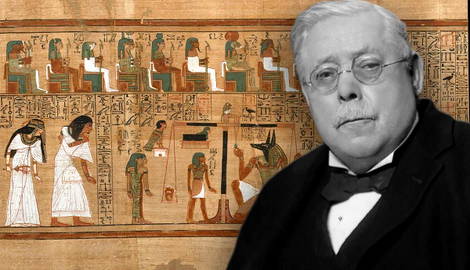

Sailing down the Nile while outrunning the authorities. Deceiving guards and tunneling into buildings to steal priceless artifacts. These were the elements of a gripping tale of archaeological intrigue. But this was not some Hollywood fiction starring Indiana Jones. It was a real drama involving the rogue Egyptologist E.A. Wallis Budge, who retrieved the Papyrus of Ani, the Book of the Dead, for the British Museum, earning fame and villainy in the process.
Who Was Wallis Budge?
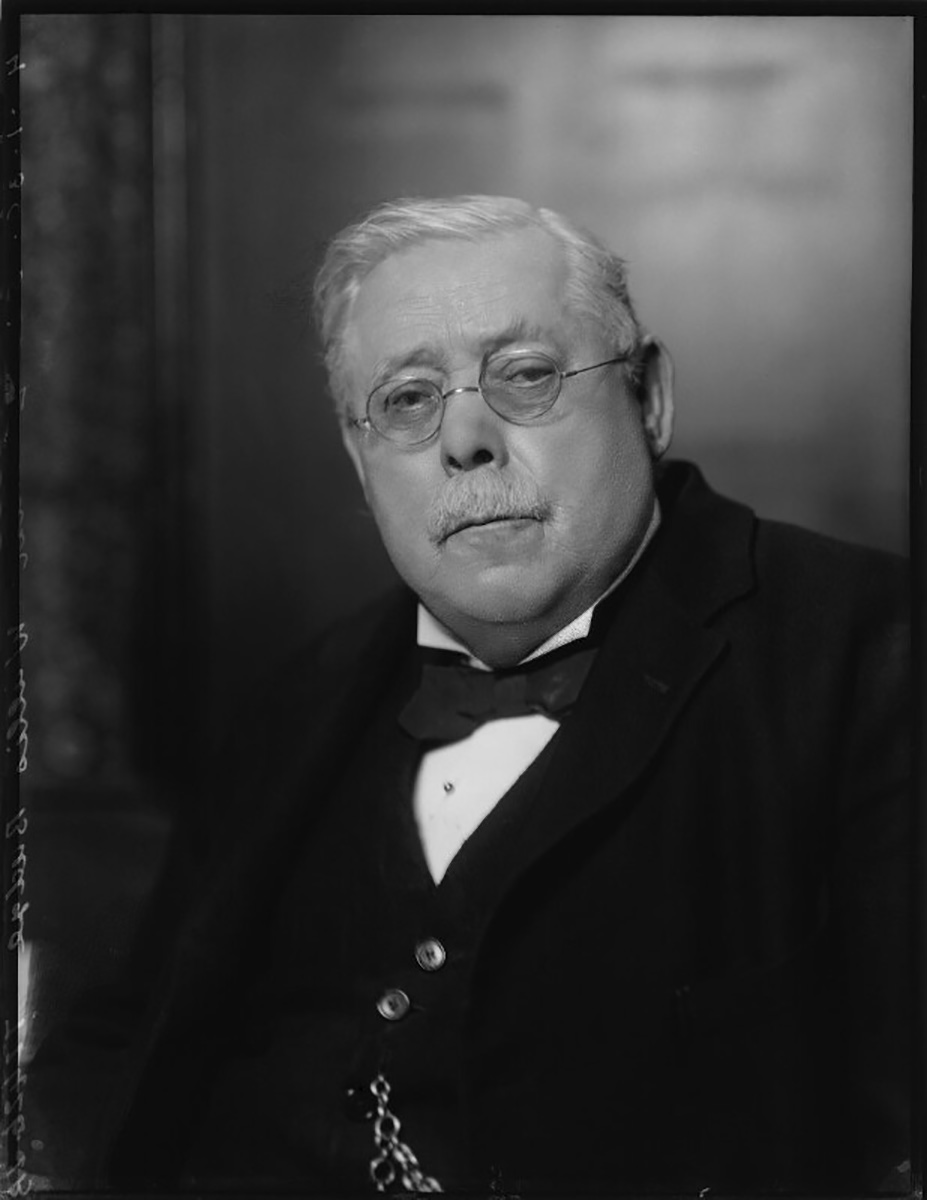
Ernest Alfred Thompson Wallis Budge, born in 1857, was an Egyptologist, Orientalist, and philologist who worked for the British Museum. He had a decidedly adventurous streak and was a major figure in acquiring antiquities. Not only did he find and “recover” artifacts, but he also wrote many books about them, adding significant knowledge to the field and bringing the discoveries to the public’s attention.
For his efforts, he was knighted in 1920. He died in 1934, but lives on as a revered but controversial figure, as his means of acquiring antiquities were often illegal and morally dubious. Professor emeritus of anthropology and author of archaeology books, Brian M. Fagan, labeled Budge as “one of the major illegal looters of antiquities.”
Nevertheless, his actions can be explained (though not necessarily justified) by the age in which he lived, and his views echoed those of wider public opinion in England and the rest of Europe, where it was believed that antiquities were far safer in European museums than in their home countries, such as Iraq and Egypt.
Finding the Papyrus of Ani
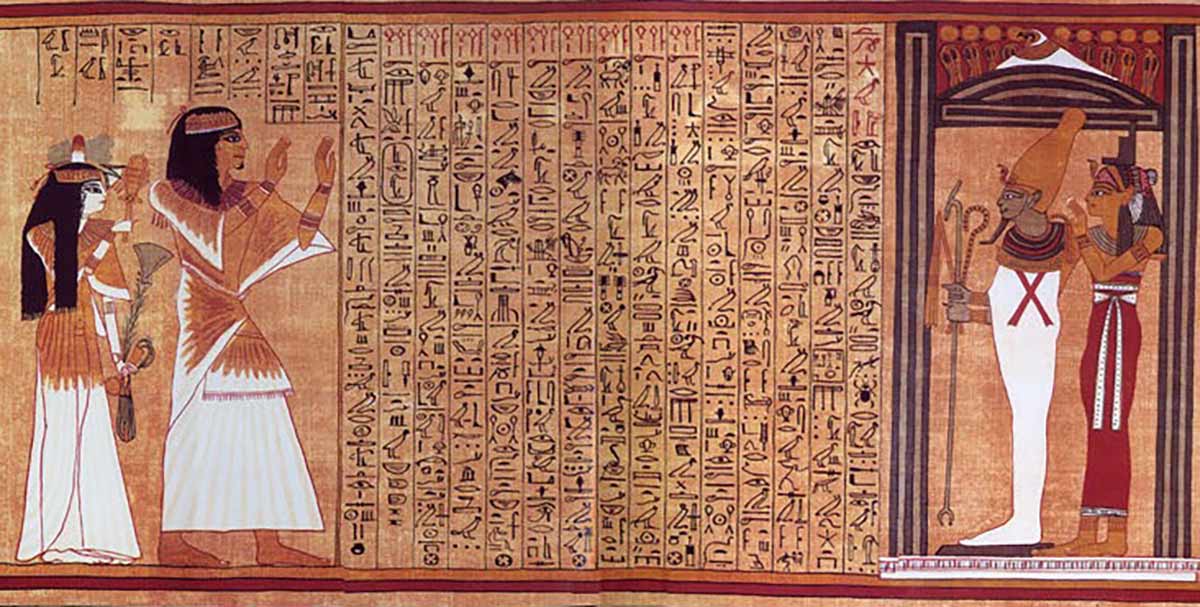
A well-preserved version of the Book of the Dead, the Papyrus of Ani was written around 1250 BC for a scribe and high-ranking administrator named Ani. A stunning example of its kind, the papyrus measured 78 feet (24 meters) and was filled with hieroglyphics and colorful illustrations detailing spells and hymns for Ani’s passage into the afterlife. This funerary scroll was rediscovered in Luxor in 1888 by traders illegally dealing in antiquities. It was, as Budge put it, “the largest roll of papyrus I had ever seen, tied with a thick band of papyrus, and in a perfect state of preservation.”
Budge had heard of a spectacular discovery in Upper Egypt and made his way to Egypt to see for himself. Near Luxor, Budge claims he entered the tomb of Ani and Tutu (Ani’s wife), and found the scroll resting in a niche. The trip was even more productive than he had hoped, and Budge gathered a large number of other funerary papyri along with other artifacts. They were taken back to Luxor, where they sat in boxes in the dealer’s safehouse, awaiting transport to Britain.
A Midnight Heist

Meanwhile, French Director of Egypt’s Antiquities Service, Eugène Grébaut, was hot on Budge’s heels, in the hopes of acquiring the antiquities for the Cairo Museum. He discovered Budge had acquired the artifacts before him, and ordered the local police to arrest all the dealers in Luxor and to take possession of their homes. Budge was arrested again, and the mudbrick storehouse holding Budge’s newly acquired artifacts was among the seized buildings. Not content to await the consequences, some diplomacy and bribery transpired, and Budge was released.
Budge then made a bold play to steal the loot back. Next door to the building where the antiquities were being held was a hotel. Budge convinced the manager to allow him and his team of locals to break through the wall and tunnel into the adjoining building. The hotel sent over a lamb dinner to the guards, keeping them distracted while Budge’s team raced against time. Grébaut was planning to move the artifacts in the morning, but by the time he arrived, they were already on a boat heading down the Nile to Cairo.
Much of the priceless haul was temporarily stored before being transported back to Britain, but the scroll, Budge took directly to Cairo, smuggling it out in the personal baggage of one of his officer friends. Budge then went on to Baghdad before returning to London to decipher it.
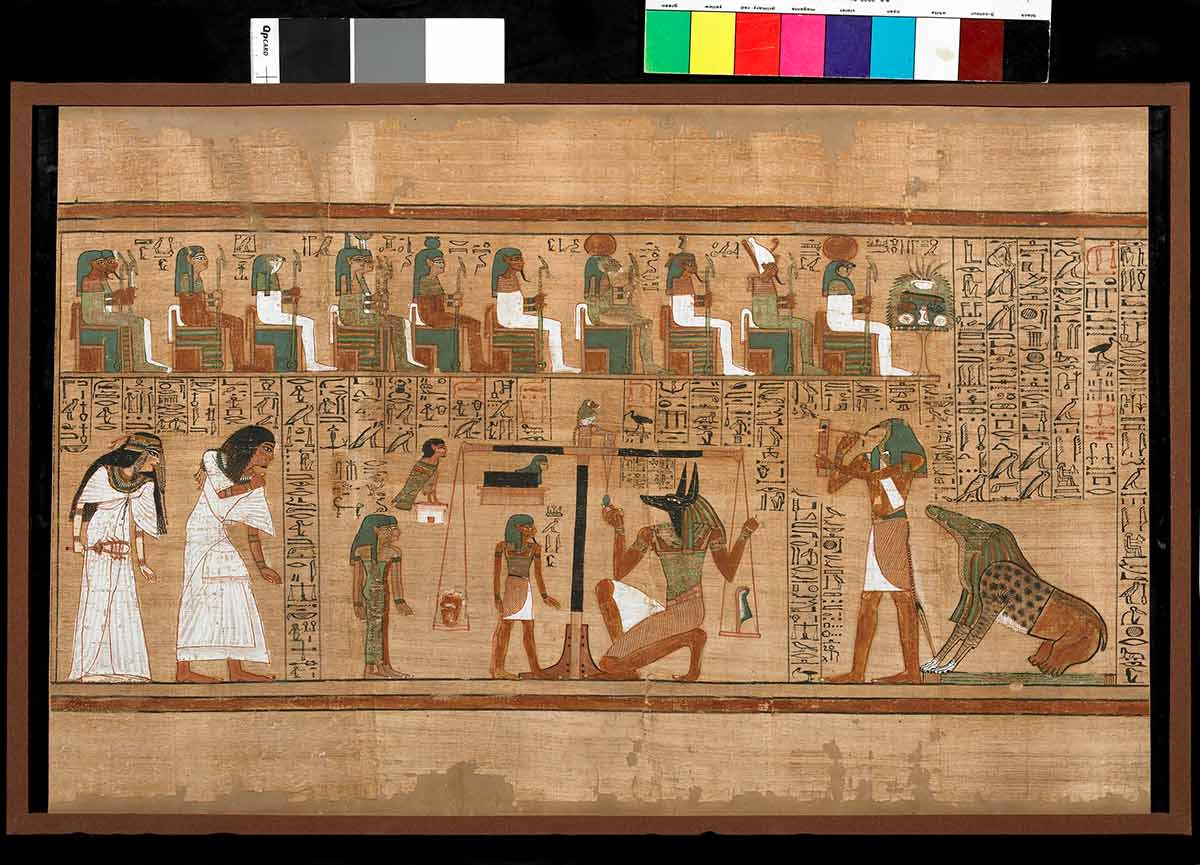
In England, Budge cut the scroll up into 37 pieces for ease of storage and display, and today, the scroll is still in possession of the British Museum. It remains the most well-preserved and famous version of the Book of the Dead, providing a vast amount of knowledge regarding Egyptian funerary rites and beliefs about the afterlife.