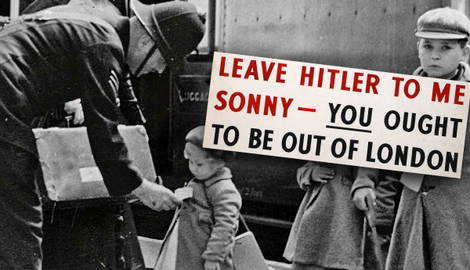

On September 1, 1939, two days before France and Great Britain declared war on Nazi Germany, the British Government launched Operation Pied Piper. During its first four days, 1.5 million British citizens were evacuated, among them nearly 800,000 children. Operation Pied Piper aimed to relocate vulnerable members of society to areas where the risk of bombing attacks was low or nonexistent. Orchestrated by the British government, Operation Pied Piper represents the largest internal migration ever accomplished in British history.
Planning Operation Pied Piper
The threat of another international armed conflict was becoming increasingly apparent by the middle of the 1930s. In 1933, Adolf Hitler established a highly totalitarian regime in Nazi Germany, embarking on the remilitarization of the country. In Italy, the policies of fascist Benito Mussolini were growing more aggressive. By rejecting the Treaty of Versailles, both leaders criticized the post-World War I international order and pursued expansionist strategies centered around the Rome-Berlin Axis.
Japan invaded China’s province of Manchuria in September 1931 and pursued an aggressive, expansionist foreign policy throughout the Pacific and East Asia.
Global economic difficulties and the Great Depression of the 1930s further exacerbated political instability. In this context, some European nations began making preparations for a new global war.
Specifically, in 1938, Great Britain developed the Government Evacuation Scheme. The Ministry of Health was in charge of implementing it. According to the scheme, Great Britain was divided into three zones. The evacuation zones were expected to be bombed or attacked. London, Liverpool, and Birmingham were considered the key target areas of these zones. The neutral zones were categorized as safe. The reception zones, typically away from the evacuation zones, would host the evacuees.
British citizens residing in the evacuation zones were categorized into four social groups deemed non-essential for the war preparations:
1) school-age children;
2) elderly and disabled people;
3) pregnant women;
4) mothers with infants or preschool children (who would be evacuated together).
According to the scheme, British citizens falling in these categories were to be evacuated to safer areas, or “reception areas,” away from the dangers of aerial bombing and invasion.
This scheme became widely known as Operation Pied Piper in reference to the German folklore figure of Pied Piper of Hamelin, who, by using his magical flute, drove rats out of towns. When he didn’t receive the requested payment, he used the same method to drive the children out of the towns as well.
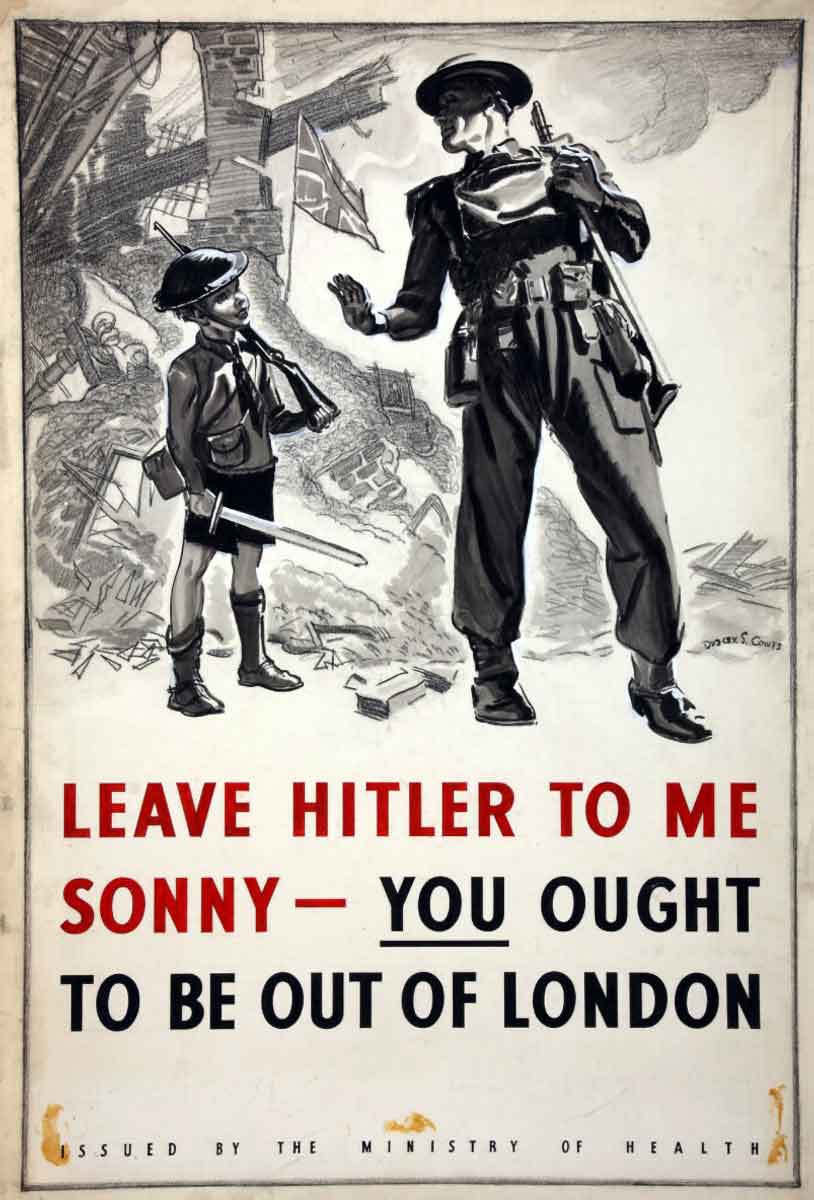
According to Operation Pied Piper, the evacuees were to be placed in private homes located in remote areas rather than camps. The hosts, or owners of these houses, were obliged to take in the evacuees in exchange for six to eight shillings a week as an allowance. If they refused, they would face fines.
The British government made the evacuation scheme public in the early summer of 1939.
At this point, the London County Council initiated the requisition of buses and trains to transport the evacuees. London’s mayor, Herbert Morrison, demanded that the evacuation process be launched in August, but the government, headed by Prime Minister Neville Chamberlain, refused. The prime minister anticipated that the plan would cause unnecessary panic and chaos in British society. However, the geopolitical and international security environment was rapidly changing.
Nazi Germany invaded Poland on September 1, 1939. The invasion of Poland triggered the agreement of mutual assistance, signed on August 25, 1939, between Poland and Britain, also known as the Anglo-Polish Military Alliance. The alliance represented a mutual response to the escalating tensions between Poland and Nazi Germany and implied British military support in case of military aggression against Poland.
Operation Pied Piper in Practice
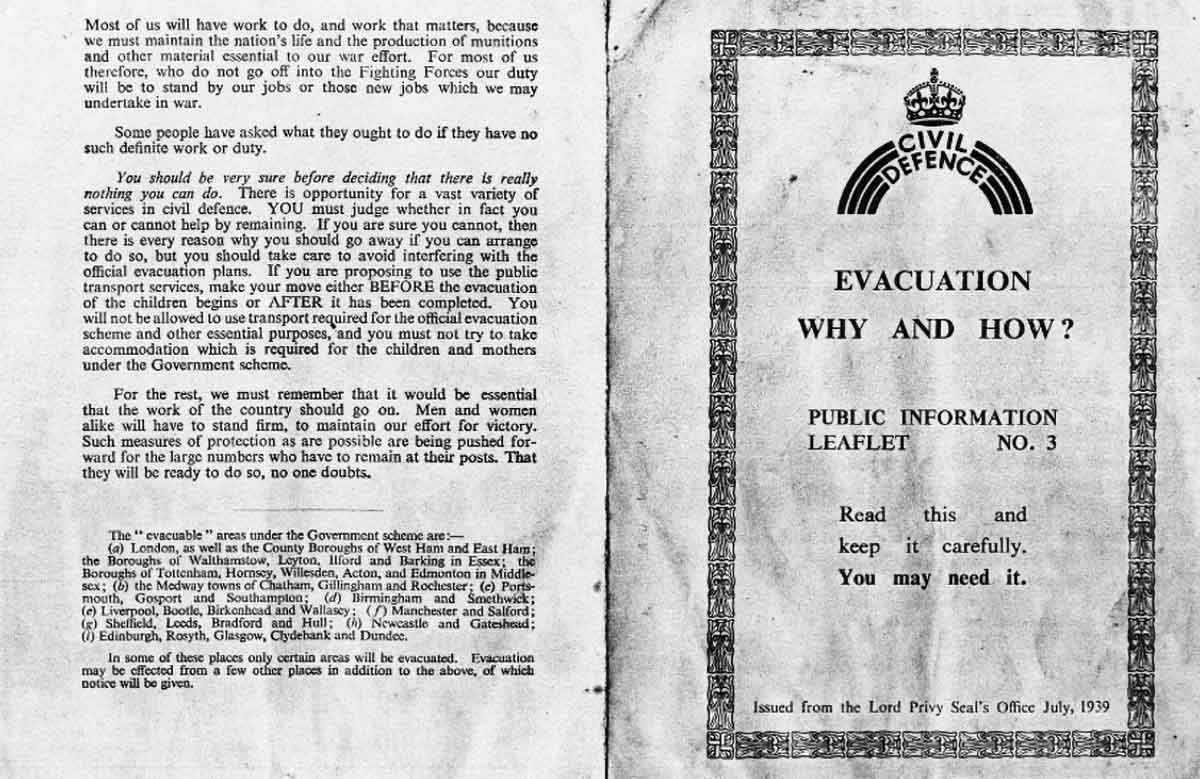
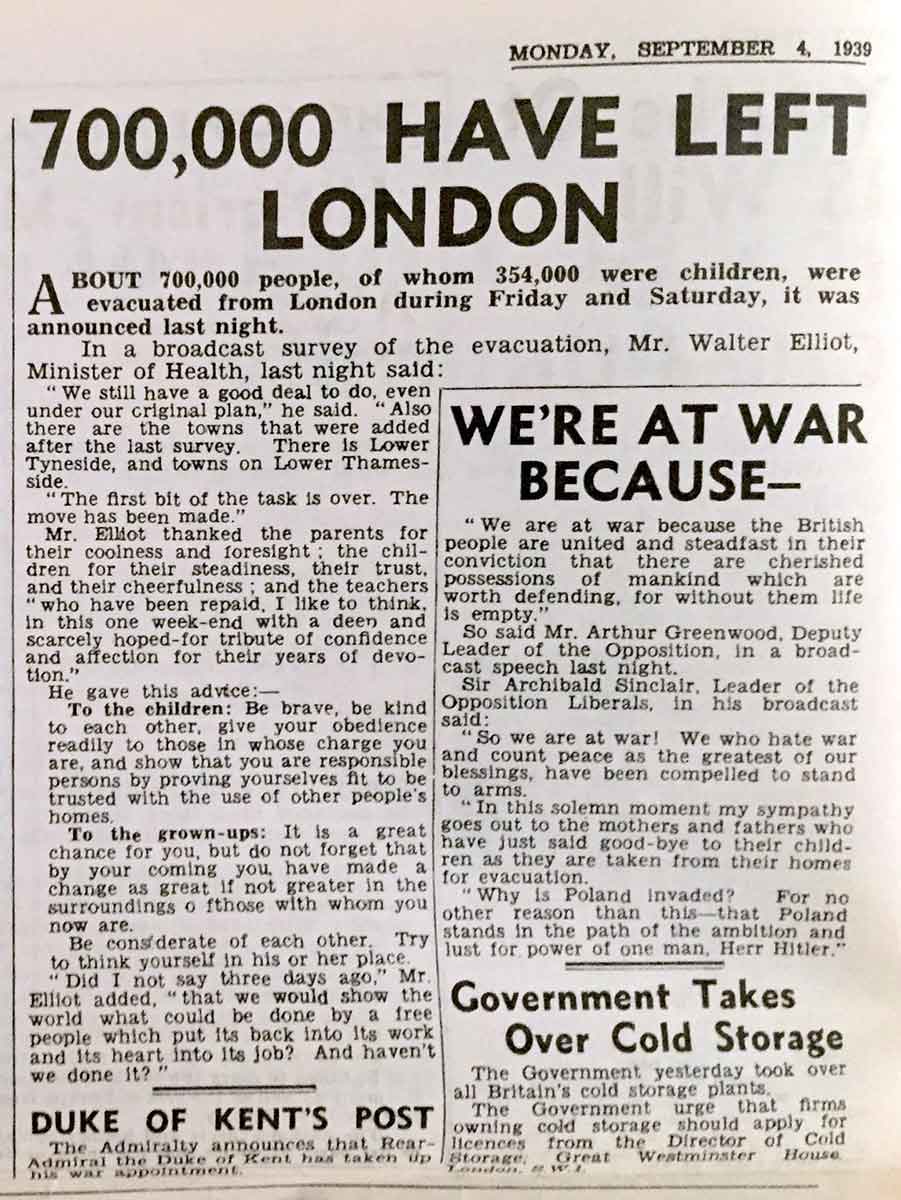
On August 31, 1939, the British government announced via radio, newspapers, and telegrams that Operation Pied Piper would begin the next day.
The same day, various British media outlets reported the launch of Operation Pied Piper. “Evacuation Begins Tomorrow” were the words printed on the front page of the British newspaper Express and Echo. The headline was followed by the citation of the government’s announcement of the evacuation:
On September 1, Nazi Germany invaded Poland. London’s Mayor, Morrisson, tried to persuade Chamberlain’s aide, Sir Horace Wilson, of the urgency of the evacuation. Wilson replied: “But we’re not at war yet, and we wouldn’t want to do anything to upset delicate negotiations, would we?”
In return, Morrison answered, “Look, ’Orace, go in there and tell Neville [Chamberlain] this from me: If I don’t get the order to evacuate the children from London this morning, I’m going to give it myself—and tell the papers why I’m doing it.”
The evacuation began that afternoon.
On the same day, London and other major cities witnessed a long line of children, led by their teachers or policemen, walking to the railway or bus stations to depart to the safer rural areas of the country. Each child was handed a small square cardboard box containing a gas mask. A name card was attached to each child’s coat.
“We marched to Peckham station behind our head teacher, carrying a banner with our school’s name on it. We thought it was a holiday, and I was wildly excited. The only thing we couldn’t work out was why the girls and women were crying,” recalls James Roffey, the founder of the Evacuees Reunion Association.
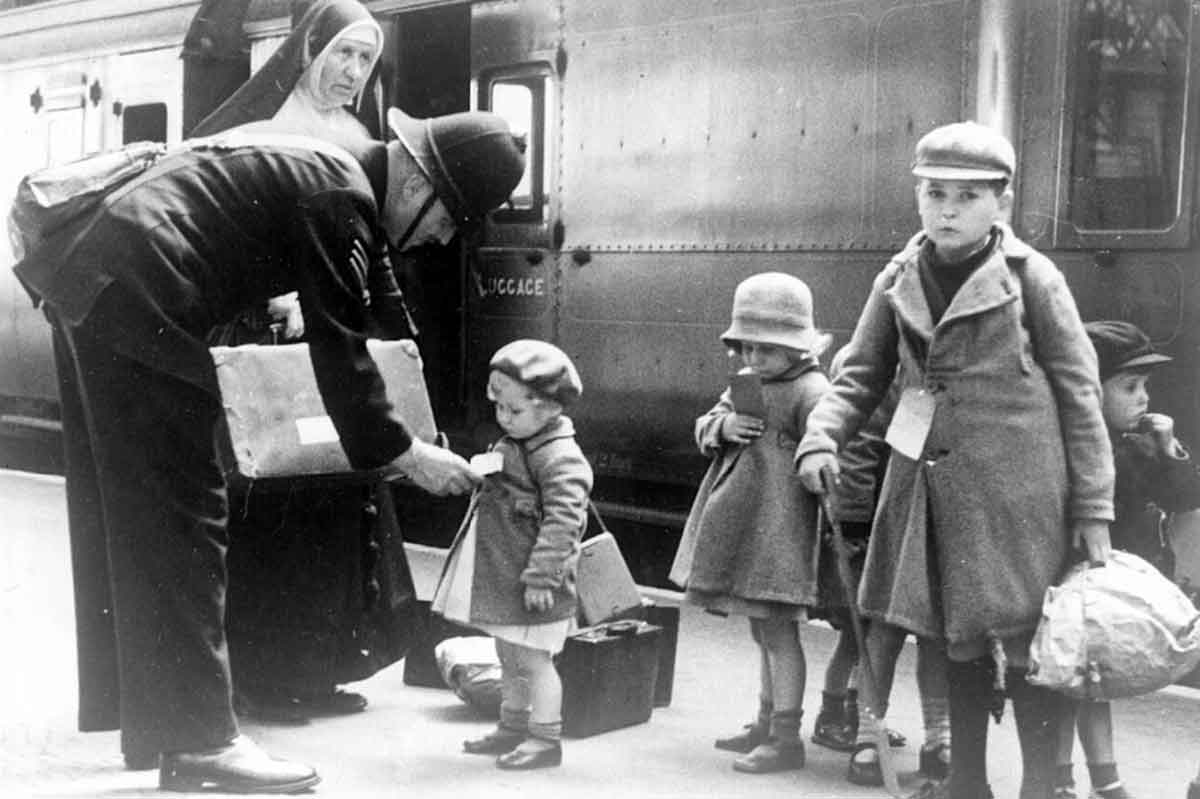
The British government set up assembly points in each evacuation zone and recruited thousands of volunteers: teachers, local officials, railway staff, and 17,000 members of the Women’s Voluntary Service (WVS). Reportedly, London alone had 1,589 assembly points.
To try and ease the emotional and traumatic experience of being separated from their parents, a special song was written for children in 1939 by Gaby Rogers and Harry Philips, titled Goodnight Children Everywhere. The BBC broadcasted the song every night:
Goodnight Children Everywhere
Sleepy little eyes in a sleepy little head,
Sleepy time is drawing near.
In a little while you’ll be tucked up in your bed,
Here’s a song for baby dear.
Goodnight children everywhere,
Your mom thinks of you tonight.
Lay your head upon your pillow.
Don’t be a kid or a weeping willow.
Close your eyes and say a prayer.
And surely you can find a kiss to spare.
Though you are far away, she’s with you night and day.
Goodnight children everywhere.
Soon the moon will rise and caress you with its beams.
While the shadows softly creep.
With a happy smile, you will be wrapped up in your dreams.
Baby will be fast asleep. Goodnight, children everywhere.
Reportedly, within the first three days of the evacuation, 1.5 million civilians had been relocated to the “reception” zones of Great Britain, most of them being children, pregnant women, mothers with infants, teachers, caregivers, and disabled and elderly people.
Life in the Reception Zones
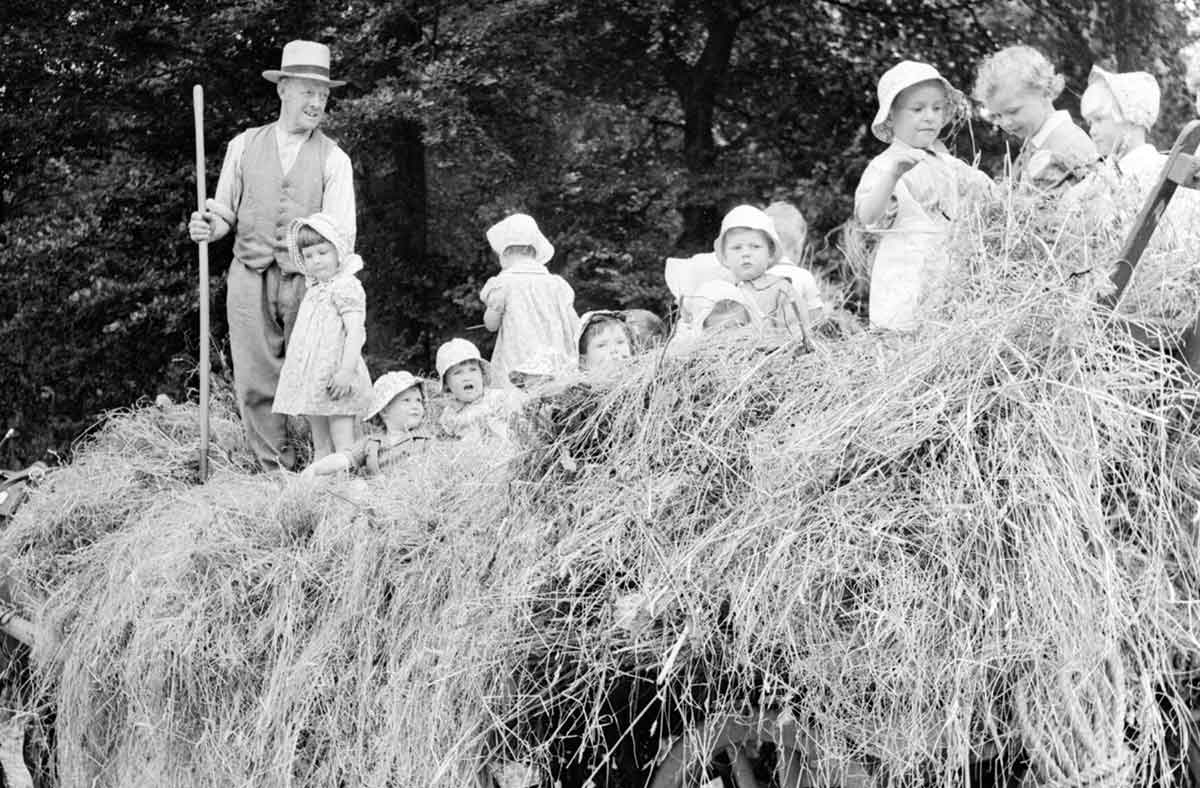
Even though some evacuees, especially children, were feeling excited at the prospect of exploring new surroundings, the long hours of travel and the challenges they faced when arriving at the reception areas faded their excitement.
In practice, many rural areas were overwhelmed by the influx of evacuees, struggling to find sufficient housing and resources. As a result, the reception areas were overflowing with tired, upset, and homesick children. Many groups of children were forced to relocate to another village.
Most of the host families were also reluctant to take in the evacuees. Many recall that the process of distributing children to their host families turned into a “cattle auction.” Children were lined up against the wall. When the host family members arrived, they announced their decision by pointing out to the child, declaring, “I’ll take that one”— words clinical psychologist Steve Davies said were “the first of many moments that caused upset and humiliation for the evacuees.”
The process also suffered gender bias. Girls were most likely to be selected first, as it was perceived that they were better behaved and could assist in household chores. At the same time, most rural families selected boys to work on their farms.
While the selection process was stressful, some evacuees reported feeling happy and content with their host families. They formed friendships with them and acquired new skills in agriculture.
For the majority of the departed children, however, the relocation was associated with homesickness, fear, and confusion. Along with these feelings, many faced bullying, abuse, and mistreatment from the host family. For these children, World War II did not end in 1945, as the wounds of forced relocation would persist for the rest of their lives.
The Results of Operation Pied Piper
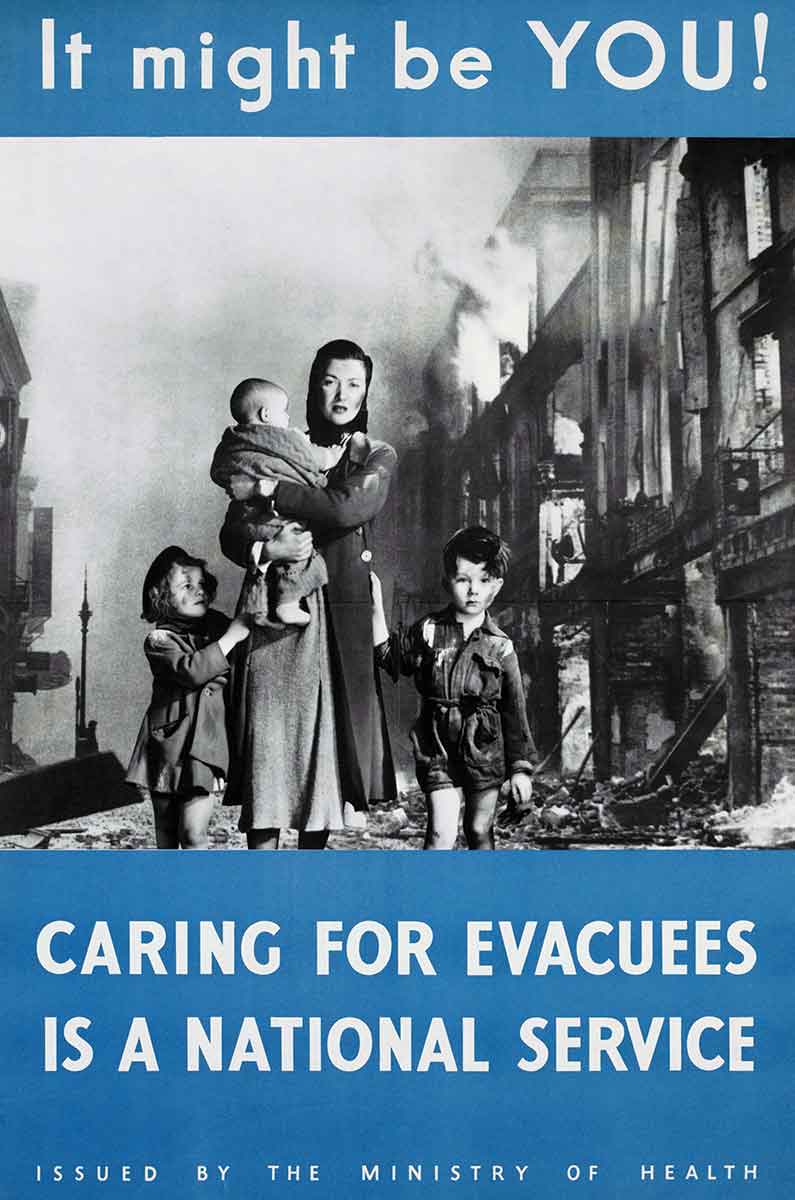
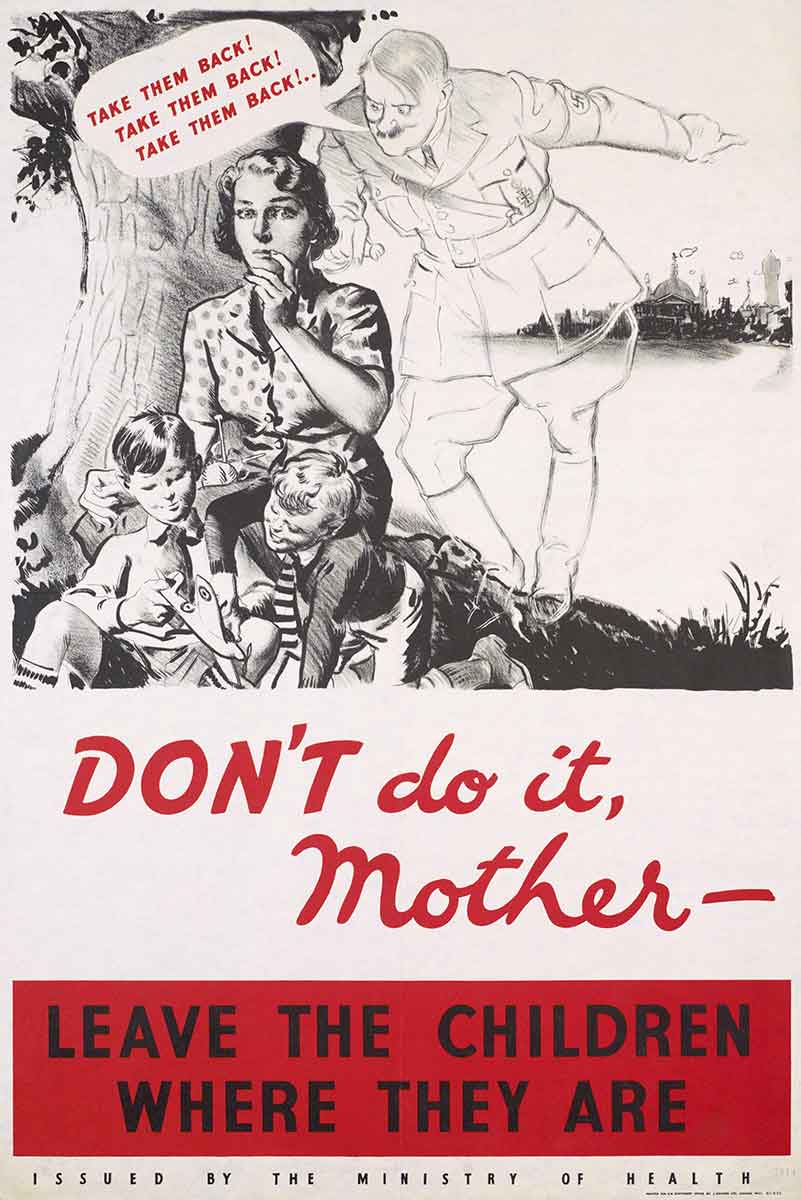
The British government endured strong criticism for the logistical challenges and the financial resources the implementation of Operation Pied Piper required.
The first mistake made was the miscalculation of the numbers of citizens to relocate. The government expected nearly 80% of the children to be evacuated, while only half were actually evacuated. The reason behind the miscalculation lies in the voluntary nature of the operation. Many families chose not to send their children and family members to the reception areas, despite the active propaganda campaign across the country.
The anticipated aerial bombing did not arrive as soon as the government thought. For this reason, the first months of World War II in Europe were described as “phony war.” It was a period characterized by minor armed confrontations despite the declaration of war.
The “phony war” persuaded many parents to bring their children back home, though against the advice of the government. As a result, four months after Operation Pied Piper’s launch, only about 40% of the evacuees actually remained in the reception areas.
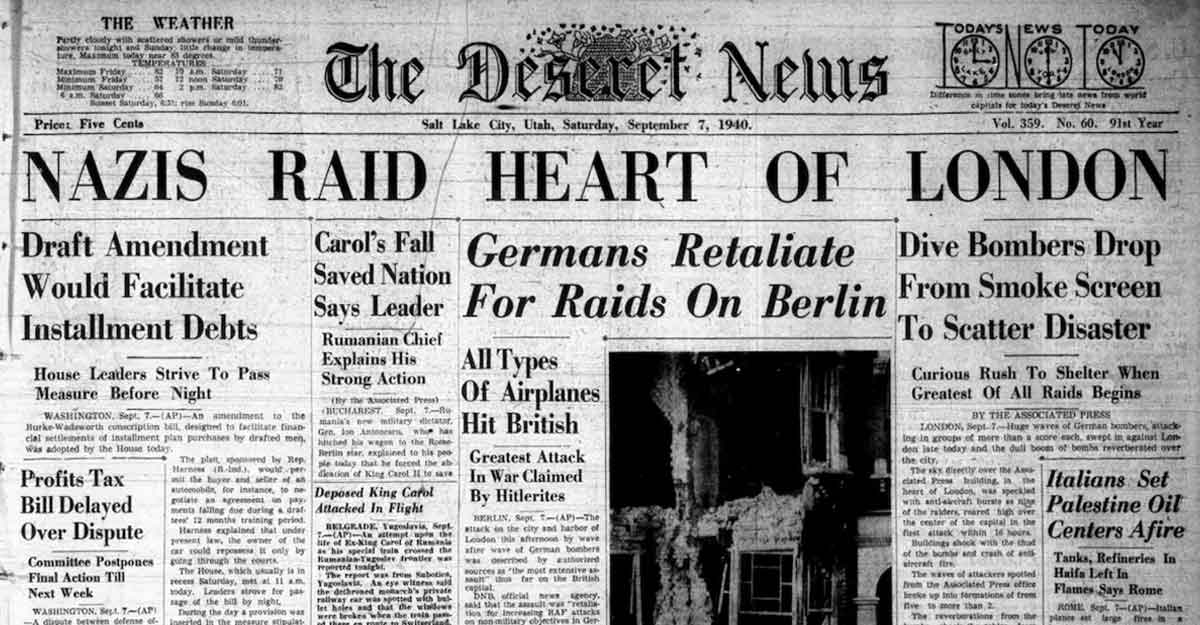
When Nazi Germany invaded France in June 1940, the anticipated aerial bombings hit Great Britain’s major cities like London, Hull, Birmingham, Glasgow, Liverpool, and Manchester; However, a large-scale relocation did not happen. Instead, smaller evacuations were carried out until September 1944.
The British government officially ended Operation Pied Piper in 1946, though the return of the evacuees to their homes was officially approved in 1945.
Operation Pied Piper inspired many scholars in their scientific and literary endeavors. One of the best-known examples is the study executed by Anna Freud, the daughter of Sigmund Freud, the founder of psychoanalysis. In December 1941, she authorized a twelve-month study with the participation of the evacuees. The study concluded that the “separation from their parents is a worse shock for children than a bombing.” The research outlined that the separation from parents, even brief, might result in long-lasting trauma, depression, anxiety, and post-traumatic stress disorder.
Yet, without Operation Pied Piper, the death toll in World War II would undoubtedly have been much higher.