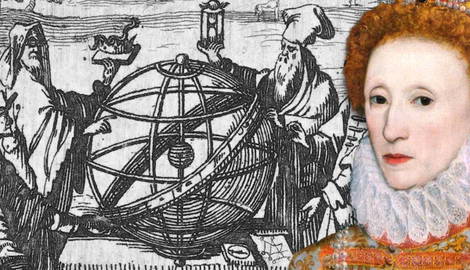

Horoscopes were more than an amusing pastime in post-medieval Europe. They were seen as true testaments of science and God’s will. The problem with horoscopes is that while they were used to predict auspicious dates or the sex of a child, they could also be used as loaded weapons. If horoscopes were taken as fact, they would justify political coups, economic upheavals, and give assassins whatever clearance they needed to murder a monarch. To cast a horoscope to predict a ruler’s death was considered treasonous, so during the reign of Elizabeth I, she made a law making it a capital offense to cast a horoscope to find the death date of herself. Later English monarchs passed laws to make it illegal to do the same.
The Weaponization of Celestial Mechanics
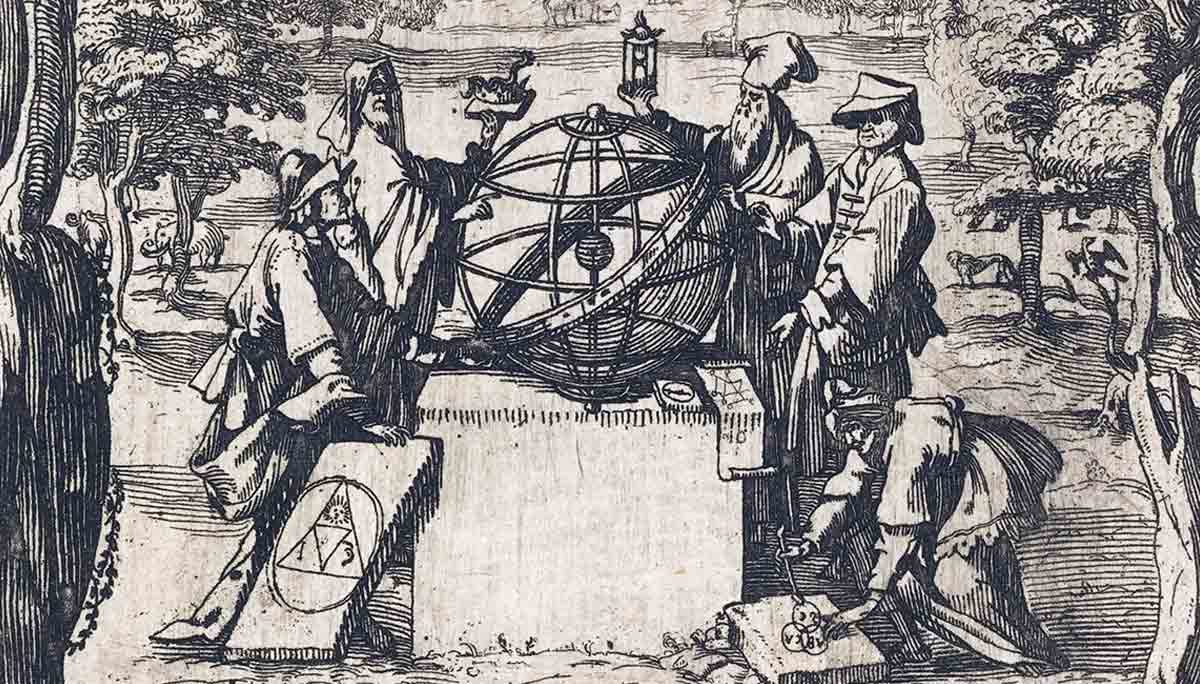
Medieval astronomy and astrology were one and the same. They were a married science that believed the universe was a clean, predictable geocentric system controlled by God’s will. It was deeply interwoven with mathematics to divine the future. However, when there was political upheaval in the land, astrology was used as a means to predict the monarch’s death. These horoscopes encouraged domestic rebellions and political coups under the belief that they were acting on God’s will. It was also bad economically to predict a monarch’s demise, because merchants would hoard goods, raise prices, international trade would stop, and peasants would be forced to bear the brunt of fallout. Unhappy peasants meant they would augment rebellion.
How Predicting a Royal Death Became High Treason
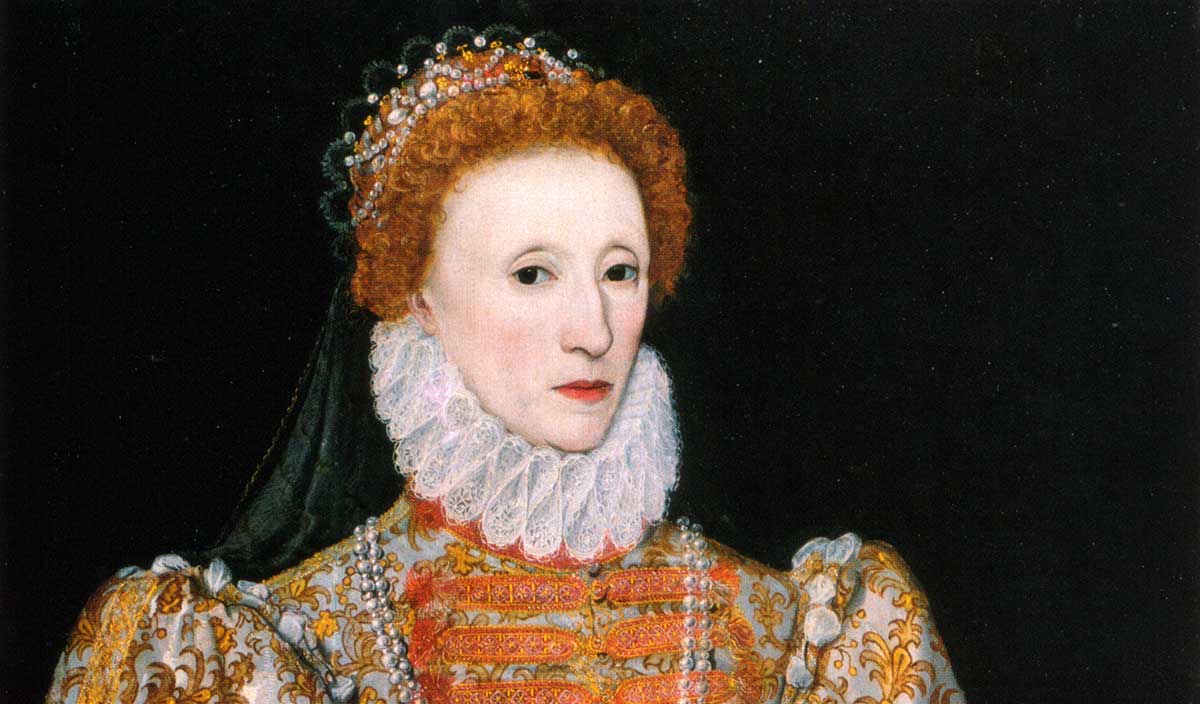
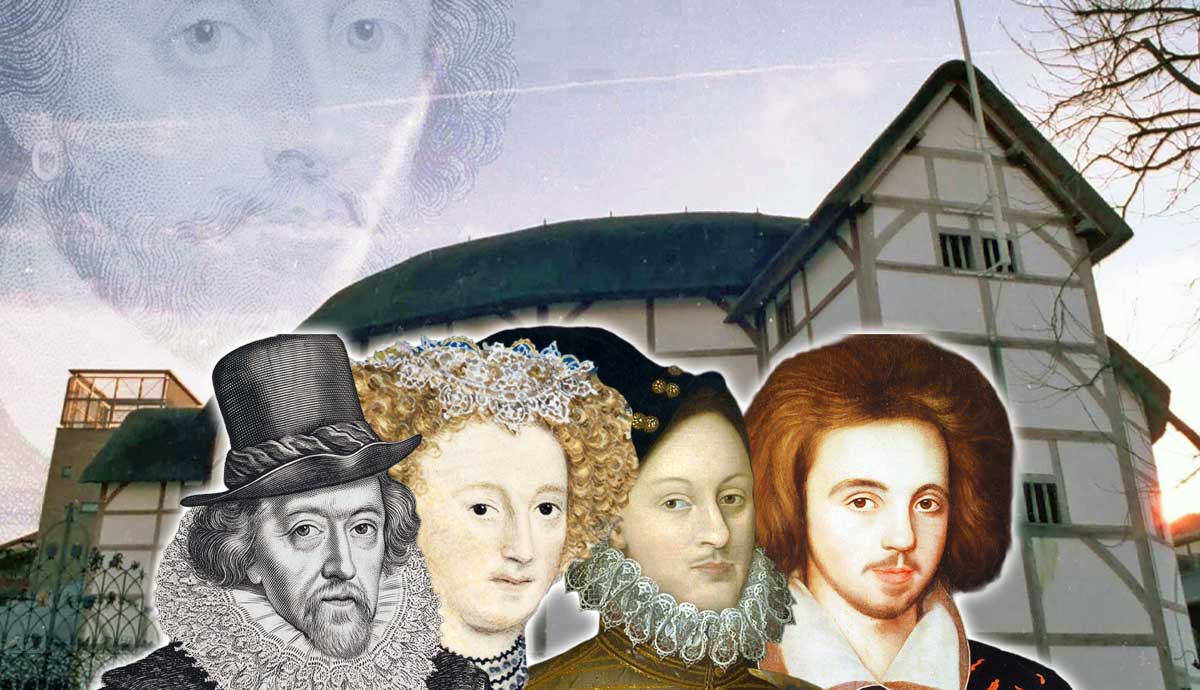
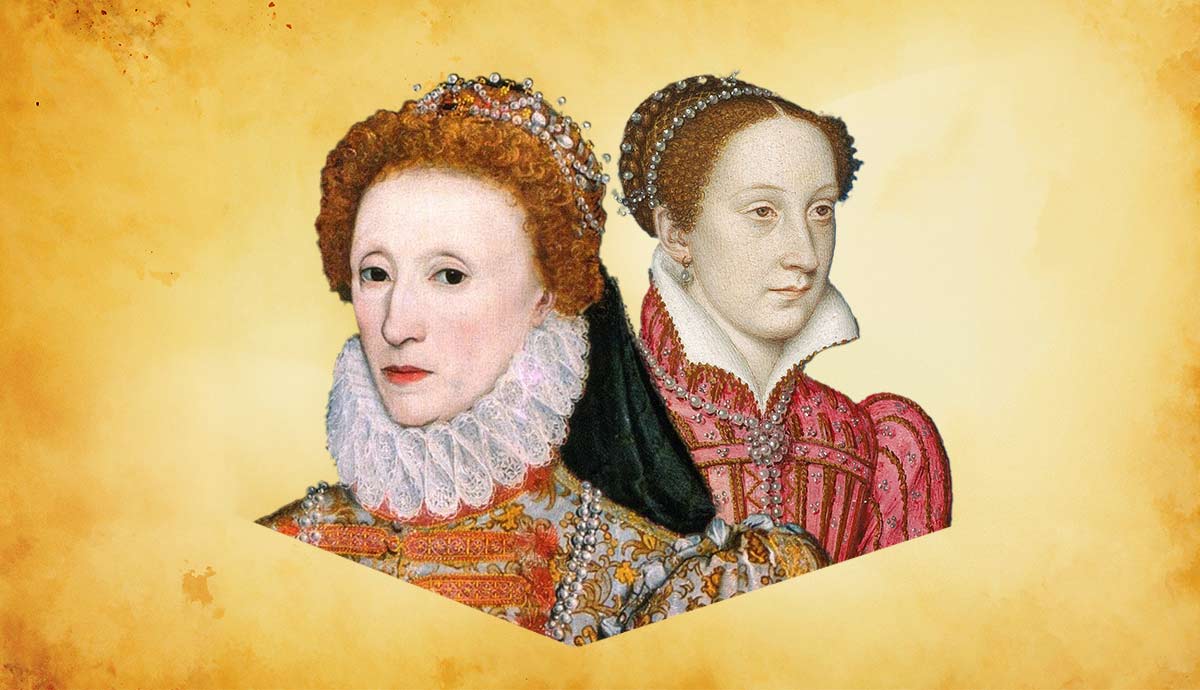
A well-known example of horoscopes being used to divine a monarch’s death was during the reign of Elizabeth I. Elizabeth was a Protestant queen, which rankled the ire of British Catholics. Catholic factions wanted a sympathetic sovereign, so they cast horoscopes for Elizabeth’s death so they could replace her with Mary Queen of Scots. These horoscopes would be used as justification for assassination plots or political coups against the queen. As a result, Elizabeth I enacted the 1581 Statute that criminalized casting a monarch’s horoscopes for nativity and death, making it go from heresy to a high-level felony. Elizabeth’s successor, James I, was so paranoid about the occult that he actually instituted the hunting of astrologers who were bold enough to cast the astrological charts of anyone in the royal family.
Why Roman Emperors Set the Precedent for Banning Horoscopes
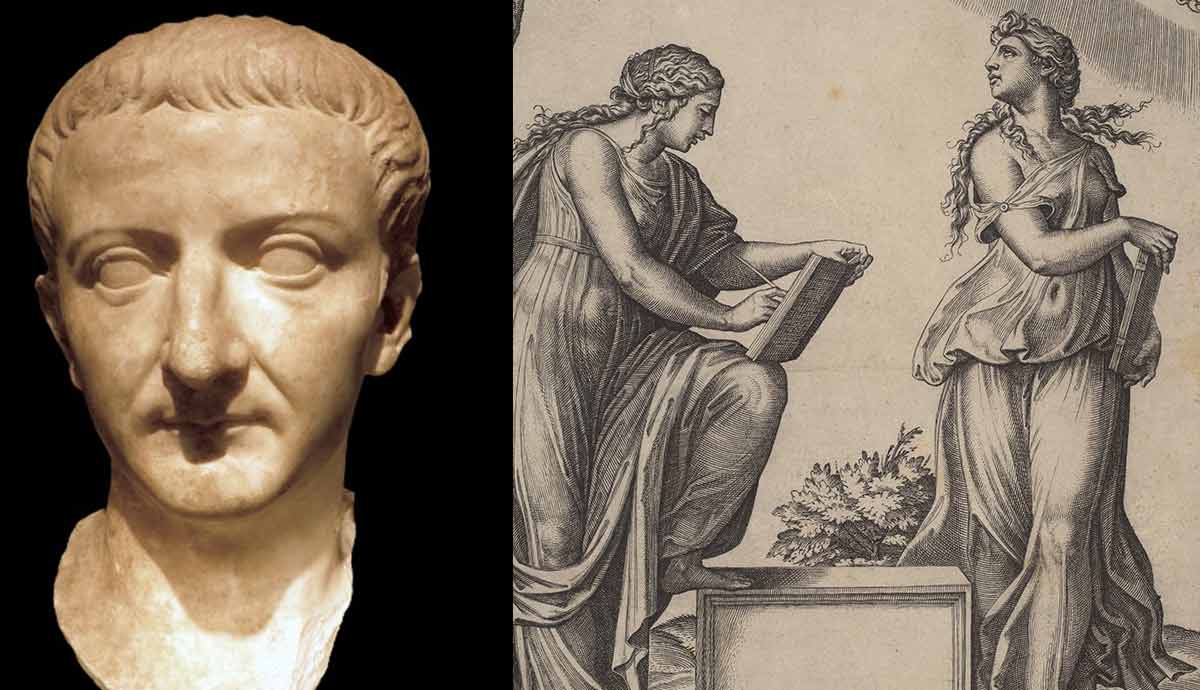
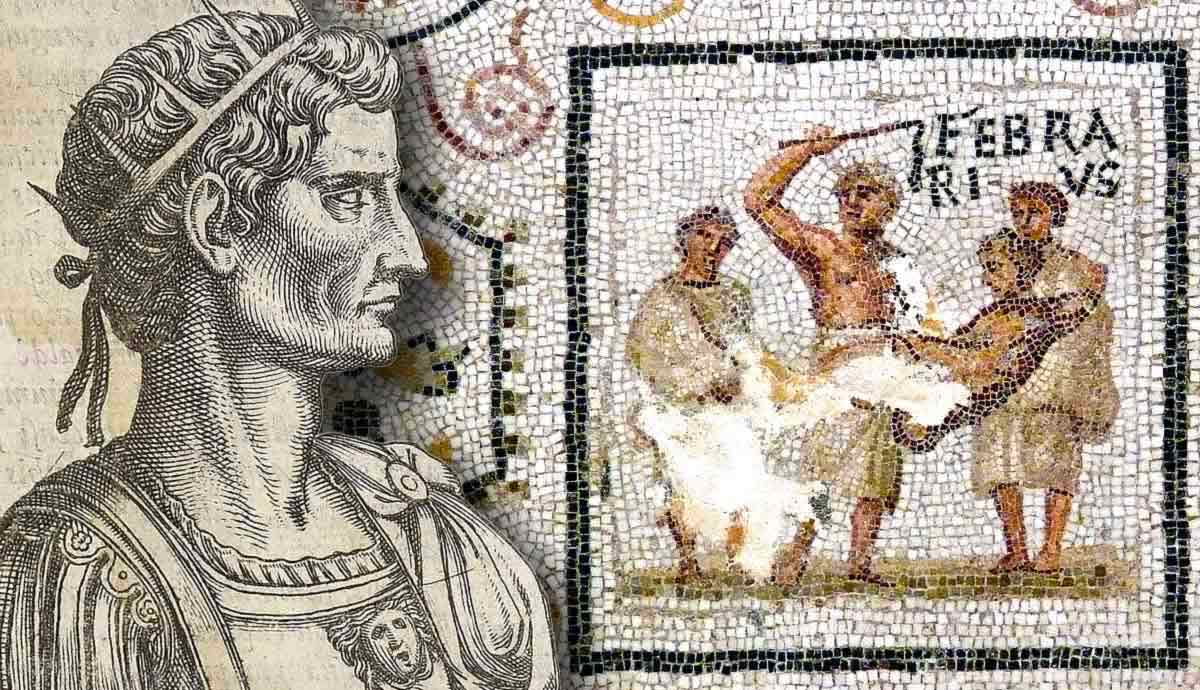
While Elizabeth I is a more modern example of how astrology was outlawed, in 11 CE Emperor Augustus was the first to ban using the stars to predict death when his rivals were casting his horoscope to determine when he would die. Emperor Tiberius was another great believer in astrology, but instead of worrying about assassination attempts, he used horoscopes to justify the murder of his political opponents. It wasn’t a surprise when Roman laws were enacted that banned the prediction of a ruler’s horoscope because it was seen as plotting his assassination.
The Papal Crusade Against Political Divination
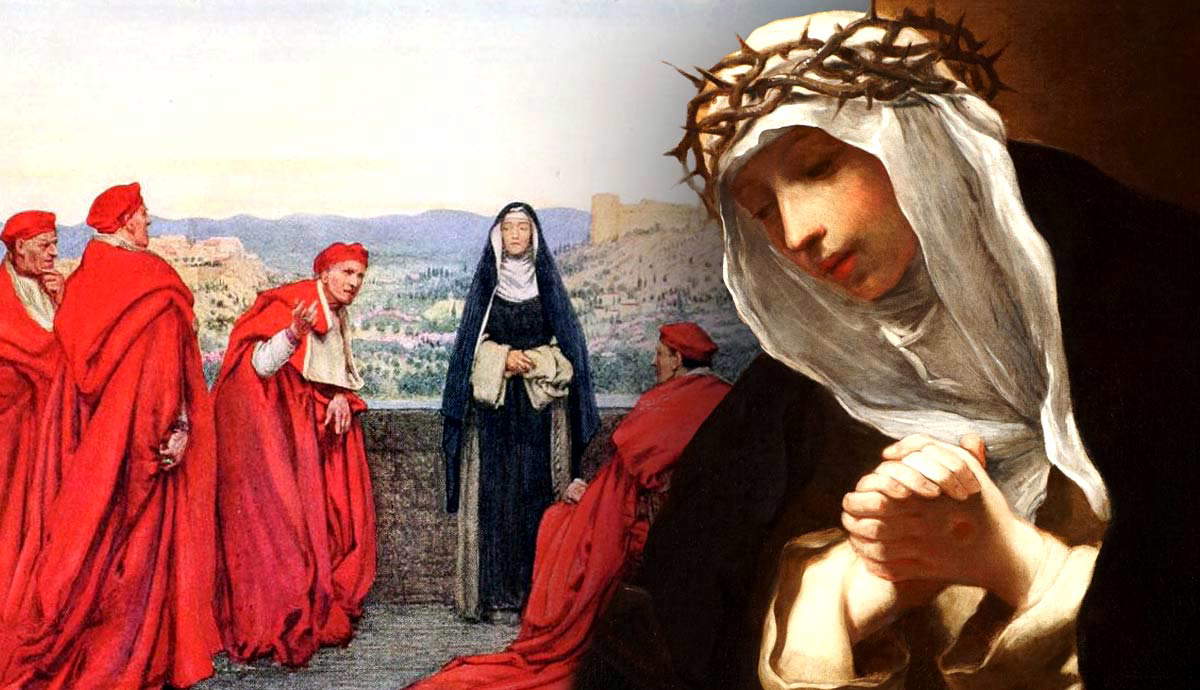
Italy was its own bastion of horoscope horrors. Astrologers were keen on predicting the death of cardinals and determining the outcomes of papal elections. They were master manipulators who crashed the Italian economy more than once. Pope Sixtus V was so fed up with Italian astrologers that he made the Coeli et Terrae decree that stripped astrologers of their protections and made judicial astrology heretical.
Judicial astrology is used to predict the future, while other forms of astrology are used to study how celestial bodies move. It was viewed as demonic to predict the future because it went against God’s doctrine of free will. It became very wild when, in 1631, an astrologer accurately predicted the death of Pope Urban VIII. He wasn’t happy about that.
The Shift From Court Science to State Threat
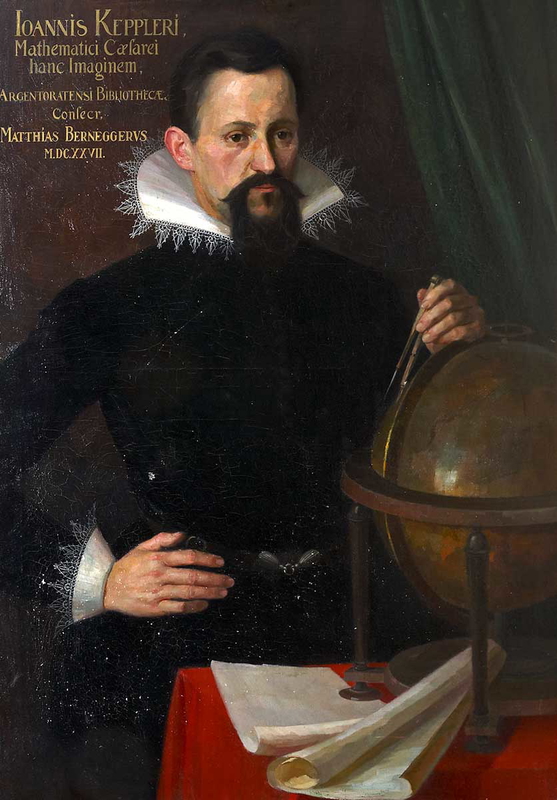
Johannes Kepler was a firm believer in astrology and set out to prove that it was a true science, but as he studied the skies and used rational mathematics, he learned that the universe was a chaotic place with elliptical orbits. He published his findings in the Rudolphine Tables, which brought physics and astronomy together, and it was one of the beginnings of scientific rationalism against spiritual occultism. This gave rise to the Enlightenment in the 17th century, when King Louis XIV of France made an edict in 1682 that stopped the prosecution of astrologers. Instead, they were decreed charlatans who would be punished with lighter sentences. Monarchs’ fear of death was one of the reasons, teamed with Johannes Kepler and the Vatican’s Inquisition, that ended astrology’s reign as a science.