As we hear the words so frequently, it is easy to take for granted the names of each month. But did you know that it was the Romans who originally made most of the key decisions regarding what they should be called?
The Cycle of Our Lives: Roman, Julian, Gregorian

Whether or not we appreciate it, most of our days are ruled by the calendar. Whether it hangs on our wall, sits in our bag in the form of a diary, or reminds us of our activities with a sharp notification from our phone, it is always in the background, informing us about what we should be doing each moment of our lives.
Our customs, traditions, celebrations, and anniversaries are all dependent on an endless cycle of minutes, hours, weeks, and months. Even our daily habits and behaviors are dictated by what time of the year it happens to be. All of the events we annually anticipate fall into one of twelve months. When presented together as they currently are, in an endless and rotating system, these months form what is known as the Gregorian Calendar.
The Gregorian Calendar was not the first attempt at a successful method of timekeeping. The first calendar was created by the Romans around 753 BC, and featured only ten of our twelve months. The additions of January and February, which we will discover more about a little further on in the article, were made by King Numa Pompilius almost seven centuries later. His neatly refurbished calendar included all twelve months and remained active and dominant for around 1,628 years.
In 1582, Pope Gregory XIII introduced the new Gregorian Calendar to all Catholic countries. His differences concerned mainly the frequency of the leap year, for although it seemed an insignificant detail previously, the Julian Calendar had managed to slip ten days out of time due to this one single issue.
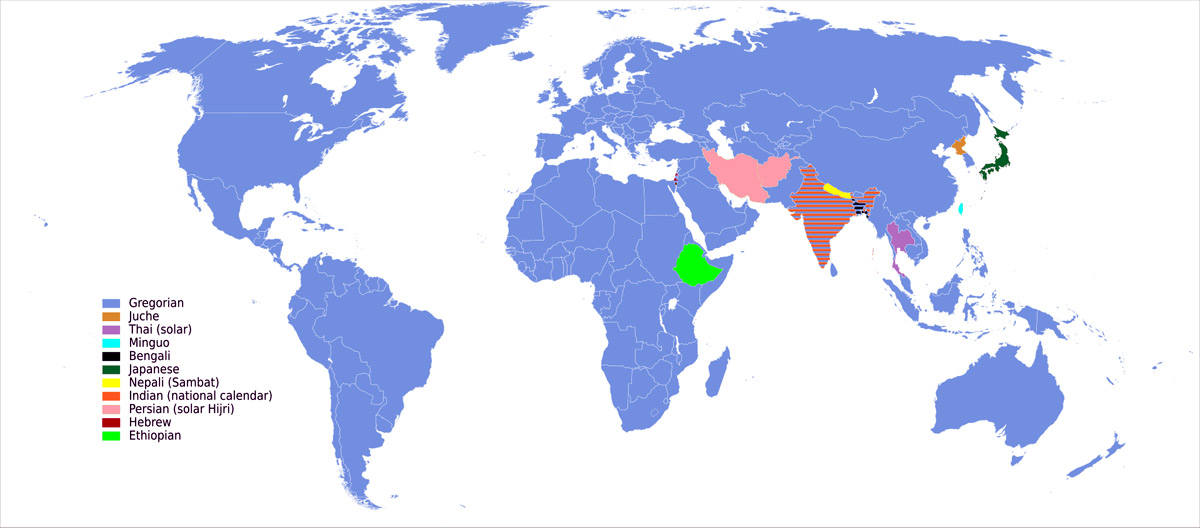
The Gregorian concept slowly spread into Protestant regions, eventually taking its place as the dominant calendar, and it has been in permanent use in almost every country ever since. The importance of the Gregorian Calendar in its present form should not be underestimated, for approximately 90 percent of the world’s population uses it as their primary calendar in the year 2026.
January

The month of January represents not only the beginning of another year, but also the hope of happy times to come and the inevitable transition from old to new. Naturally, when selecting a name for a month of fresh starts and anticipation for the future, the Romans thought of Janus. He was the god not only of openings and commencements, but also gates, doorways, passages, time, duality, endings, frames, and natural motions.
The Encyclopaedia Britannica describes Janus as “the god of all beginnings,” and informs us that “the beginning of the day, month, and year, both calendrical and agricultural, were sacred to him.” In Roman culture, Janus was thought to preside over major life events such as births, marriages, and deaths.
Janus is usually depicted with two faces, which reinforces the idea that he was the god of both new and old, and that every chapter of life that ends is also representative of one that is soon to begin.
February
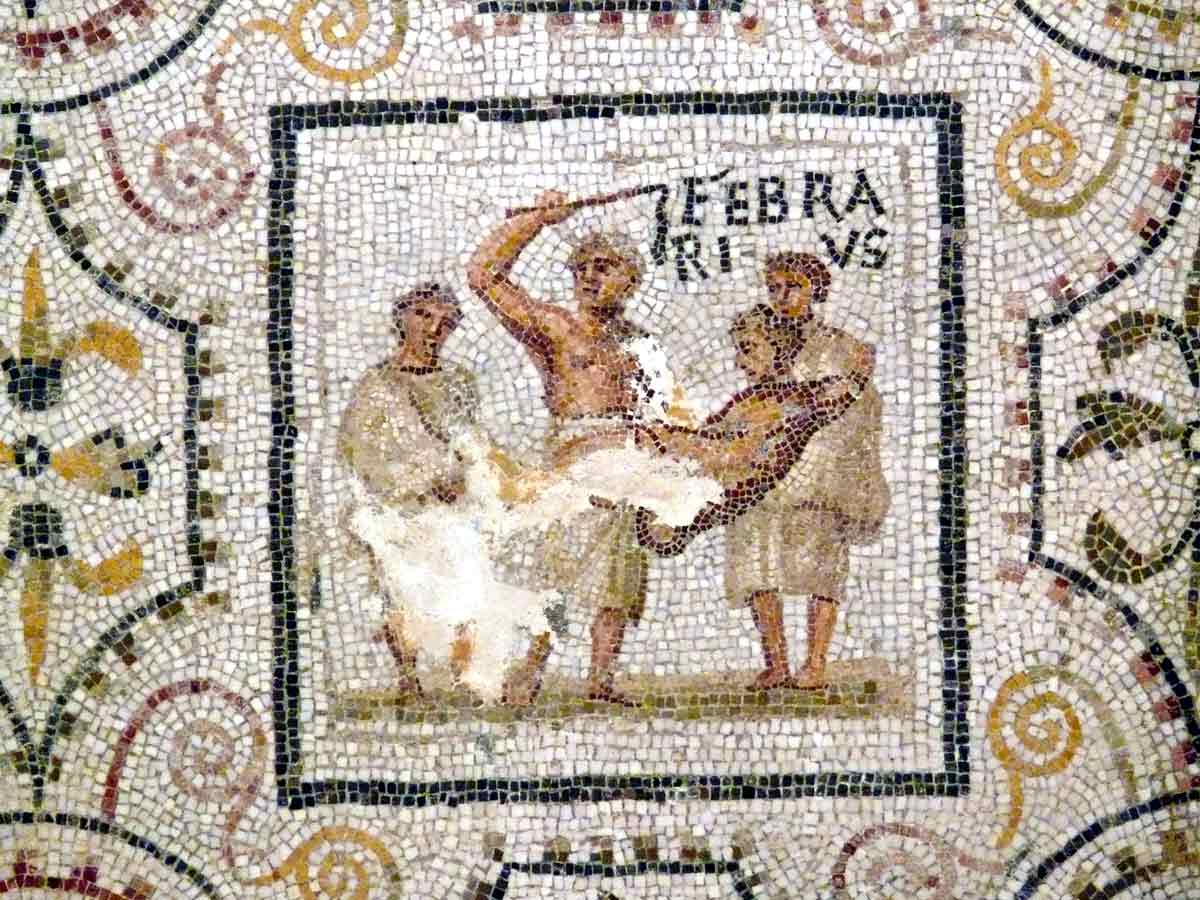
In the 21st century, perhaps in honor of Saint Valentine’s Day, February is often associated with romantic love. February is also a time for occasions such as Groundhog Day and Candlemas, and even for general acknowledgment that the long winter is almost over and the new season of spring is not so far away.
However, during the Roman era, February was a time for ritual cleansings and renewals. This is why they chose the name “Februarius,” which is closely linked to the word “Februum,” meaning purification. The Romans even celebrated a festival in mid-February known as Februalia, in which they engaged in a variety of purification activities in order to satisfy their gods, and therefore cleanse and prepare the community for the year ahead.
March

March is another of the several months that have been named after a Roman god. March is named after Mars, whose Greek counterpart was Ares. Mars is best known as the Roman god of war, but was also associated with agriculture and farming. It is worth remembering that some millennia ago, March marked the beginning of each new year. At the time at which the Roman Calendar was created, March was the first month on a ten-month calendar. January and February were yet to be added.
A publication named the Menologium Rusticum (a version of the calendar that was openly displayed in Rome for public use) informed the Roman citizens to expect twelve hours of daylight and twelve hours of darkness in the month of March. The spring equinox at this time occurred on the 25th.
April

The English name April is derived from the Latin word “Aprilis.” It is very likely that Aprilis came from the Latin word “aperire,” meaning to open. Although this choice of name is mysterious, it seems probable that it was selected to highlight the fact that trees and flowers would begin to blossom during those four weeks.
In the Roman world, April was also associated with the goddess Venus, whose beauty was thought to be reflective of the appearance of nature during the first few weeks of spring.
May

Next on the calendar, we have the happy month of May. But when it comes to the question of where its name originated, there is no definitive or conclusive answer. It is possible that it was named after Maia, who appears in both Greek and Roman mythology. Maia was the goddess of the earth and the mother of Mercury. Just like many other women of her kind (Terra, Fauna, Ops, Juno, Cybele, Bona Dea), she was associated not only with the season of spring but also with health, natural growth, and fertility.
On the other hand, it is also possible that May was not named after a goddess of any kind, but instead a Latin word. The Roman poet Ovid suggested that the month of May was named for the word “majores,” which translates from Latin to English as “elders.” He also speculated that the following month, June, was named after the word “iuniores,” which translates as “youths” or “young people.”
Since its creation and inclusion in the calendar, May has been celebrated as a month of fun and merrymaking. These sentiments are reflected in art and literature alike, and appear notably in works such as The Sweet and Merry Month of May by William Byrd (1590) and The Merry Month of May by Thomas Dekker (1599).
June
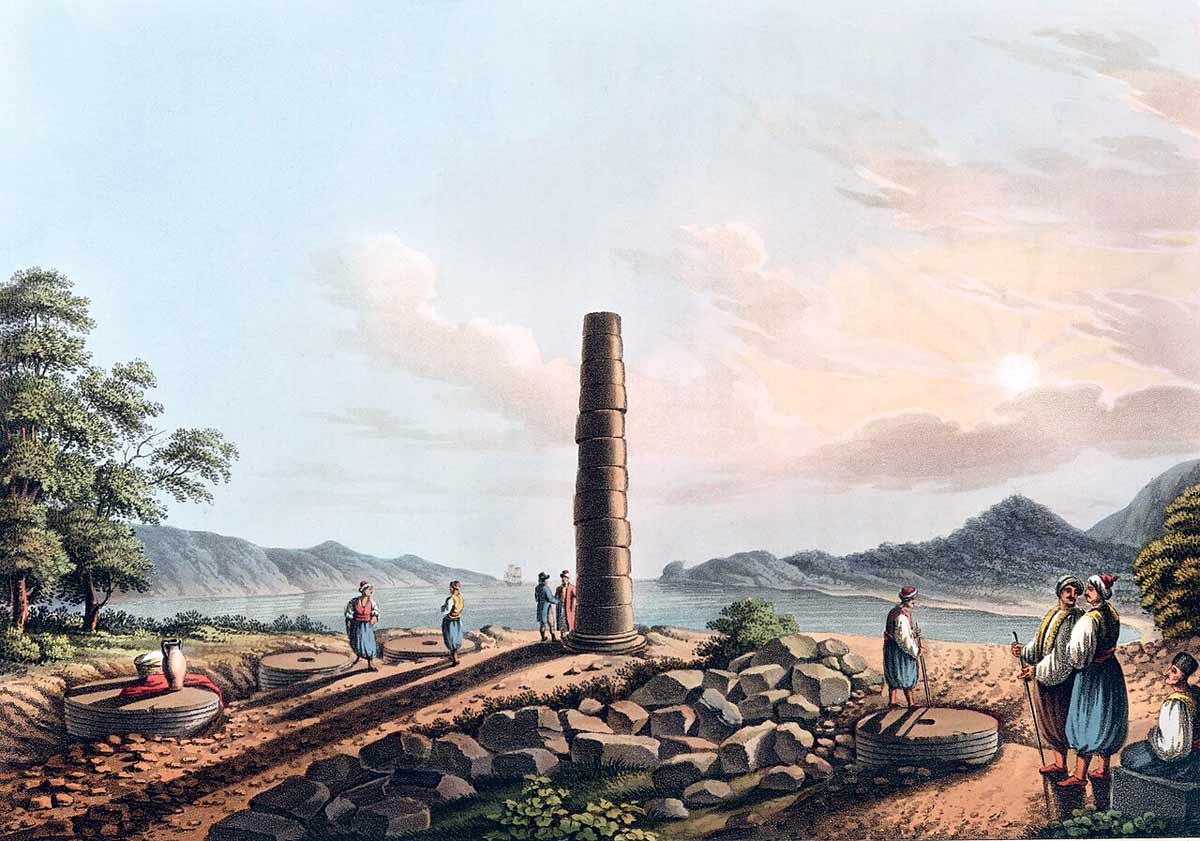
The English word June comes from the Latin words “Iunius” and “Iuno,” both of which refer to the Roman goddess Juno (Hera). She was a powerful deity in her own right, but is also remembered for being the queen of the gods, the wife of Jupiter, and the goddess of marriage, childbirth, and fertility. It is for this reason that June was a traditional month for weddings in Roman culture, and to some extent, this tradition still stands even in the 21st century.
July
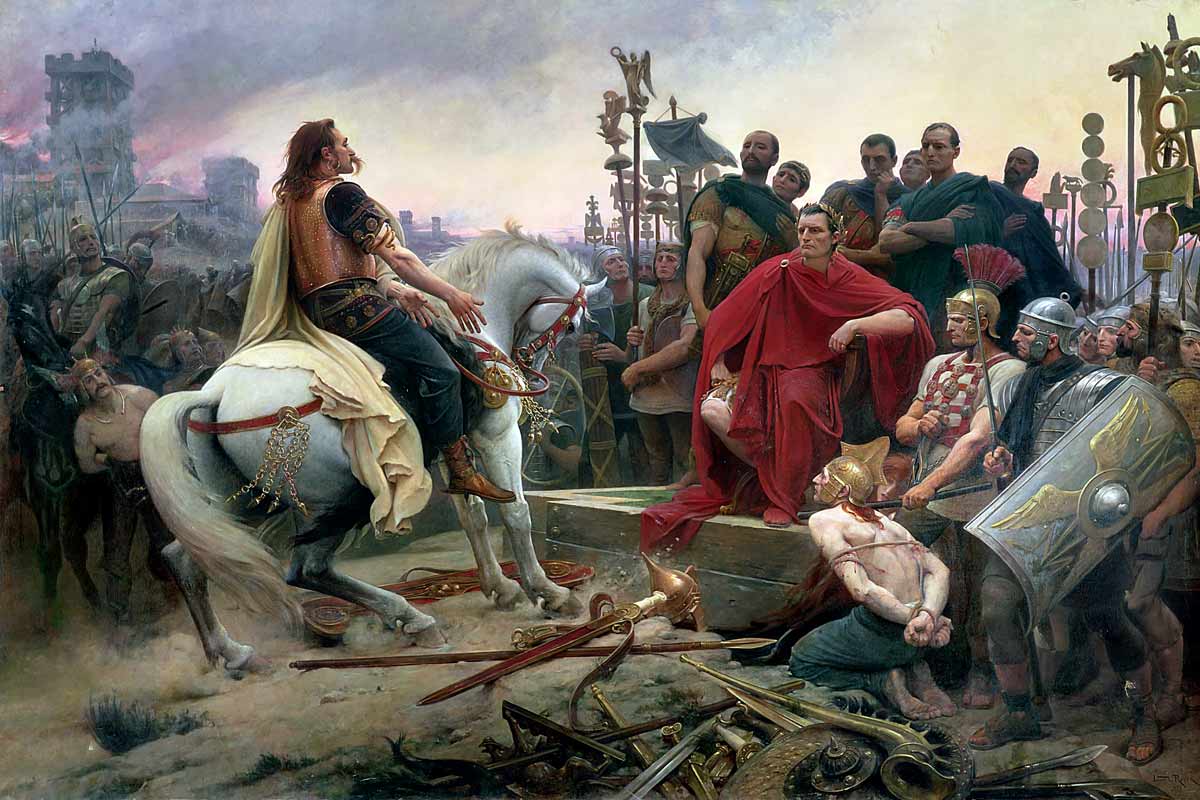
Everybody loves the month of July. It is renowned for its hot weather, its placement in the midst of the summer season, and the fact that it is the perfect time for holidaymaking. It was named after the one and only Julius Caesar, probably the most famous namesake on this list.
The name July (Julius in Latin) was chosen to honor the legacy of Julius Caesar and his crucial role in the great reform of the Roman calendar. It was the desire of Caesar to ensure that the months of the year were based solely on the apparent cycle of the sun, and so it is he who we have to thank for the reasoning behind our present-day calendar.
August

The month of August was named after Augustus Caesar, the first of the Roman Emperors. It is little wonder that the Romans selected him for this honor. The Encyclopaedia Britannica tells us that August is “the eighth month of the Gregorian Calendar,” but that it was originally named “Sextilis, which is Latin for ‘sixth month,’ indicating its position in the early Roman Calendar.” Presently, August consists of 31 days, located at the end of the summer season.
September

Now we move on from months that are named after historical and mythological figures. The final four months of the year comprise those that are named after numbers. The word September, for example, comes from the Latin word “Septem,” which means seven. This name reflects the position of September in the original Roman calendar. Before the later additions of January and February, September was not the ninth but the seventh month of the year. Although September’s position shifted a few places over the years, its name remained unchanged. This can lead to much confusion in the present day, as many people may question why exactly the ninth month of the year is named after the number seven.
According to the meteorological office, September is the first of the three months of autumn, and it arrives each year with an abundance of seasonal changes.
October
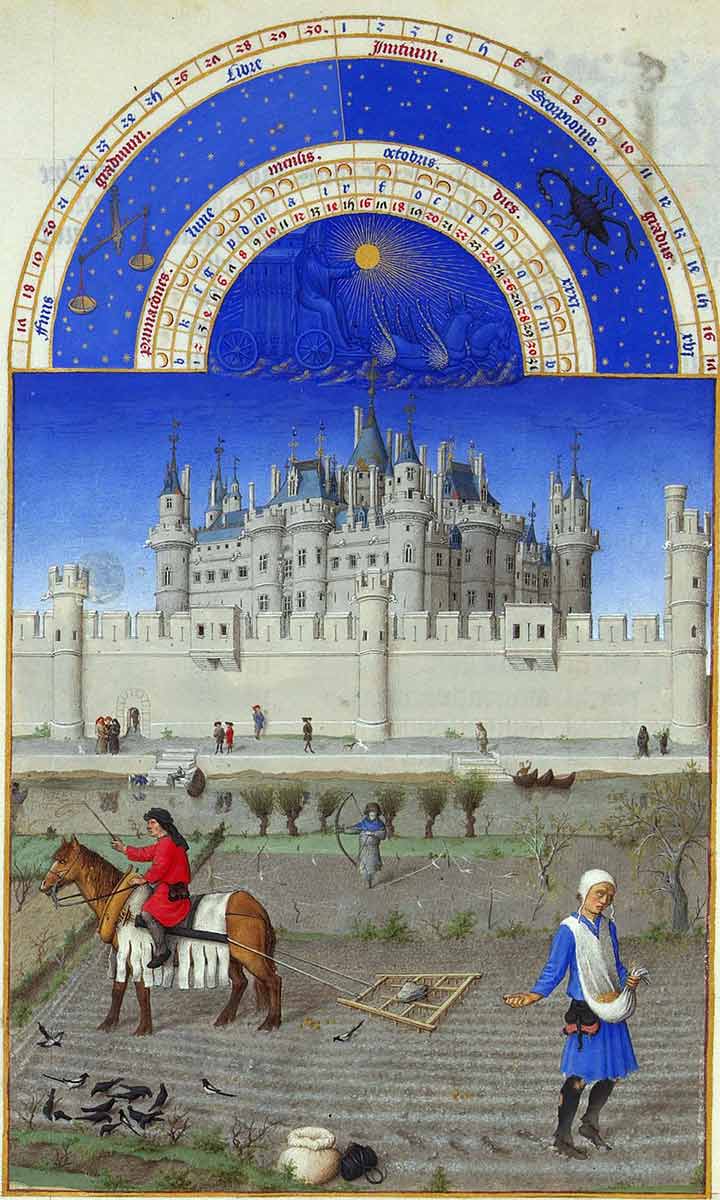
Over the last few decades, the month of October seems to have become synonymous with the celebration of Allhallows. The most important day of this three-day-festival is Allhallows Eve, more commonly referred to as Halloween, which is now marked by many with a whole month of spooky tradition. While we busy ourselves each October with Halloween, the Roman population took part in some very different customs performed in honor of the gods. These included Kalendae Octobres (at the beginning of the month), Ieiunium Cereris (4th), Meditrinalia (11th), Fontinalia (13th), and Armilustrium (19th).
October is named after the word “octo,” which translates from Latin to English as eight. In a similar way to the aforementioned September, October is named for its original position in the Roman Calendar, and has not been altered during the centuries since its relocation.
November

The month of November is rich with cultural and religious observances. The modern population celebrates All Saints Day (1st), All Souls Day (2nd), Guy Fawkes Night (5th), Remembrance Day (11th), and even Thanksgiving (the fourth Thursday of the month). However, in the Roman era, November revolved around ancient festivals such as Epulum Jovis (13th) and Brumalia (24th).
November is named after the Latin word “novem,” meaning nine.
Over the last 2,000 years, the celebration of Christmas has grown to such an extent that it now begins commercially in the middle of November.
December

There is so much to be said about the month of December.
“December is a month that is rife with nostalgia. If there’s anything deep in your heart that you want to keep buried, you can count on December to bring it to the surface” (Lois Duncan). “December is a month of invitation to forget ourselves in the service of others” (Robert Louis Stevenson). “Of all the months of the year, there is not a month one half so welcome to the young, or so full of happy associations, as the last month of the year” (Charles Dickens).
It seems that December is everybody’s favorite month. To many, there is something about this season of warm, joyful festivity that makes it feel different from every other month of the year.
In present times, December is dominated by the joyous celebration of Christmas. In the Roman era, the main event of December was participation in a period called Saturnalia, a yearly festival held in honor of the god Saturn. Due to the similarities in its location on the calendar and in its customs and traditions, Saturnalia has become known as the Roman version of Christmas.
The word December comes from the Latin word “decem,” which translates into English as ten.
December is the final month of the year on the Roman, Julian, and Gregorian Calendars. Its last day is the 31st, which is more commonly called New Year’s Eve. After December has ended, January immediately follows, and the whole cycle of the year begins once again.