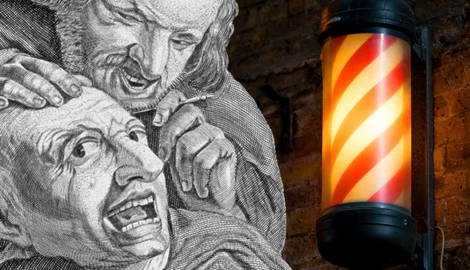

The barber pole, with its red, white (and often blue) rotating lines, is a cheerful symbol of tradition, marking where people can go to get a smart haircut and a neat beard trim. This common practice, however, has a very dark history, characterized by pain and soaked in blood.
In the past, barbers didn’t just cut hair…
The Council of Tours and the Birth of Barber-Surgeons
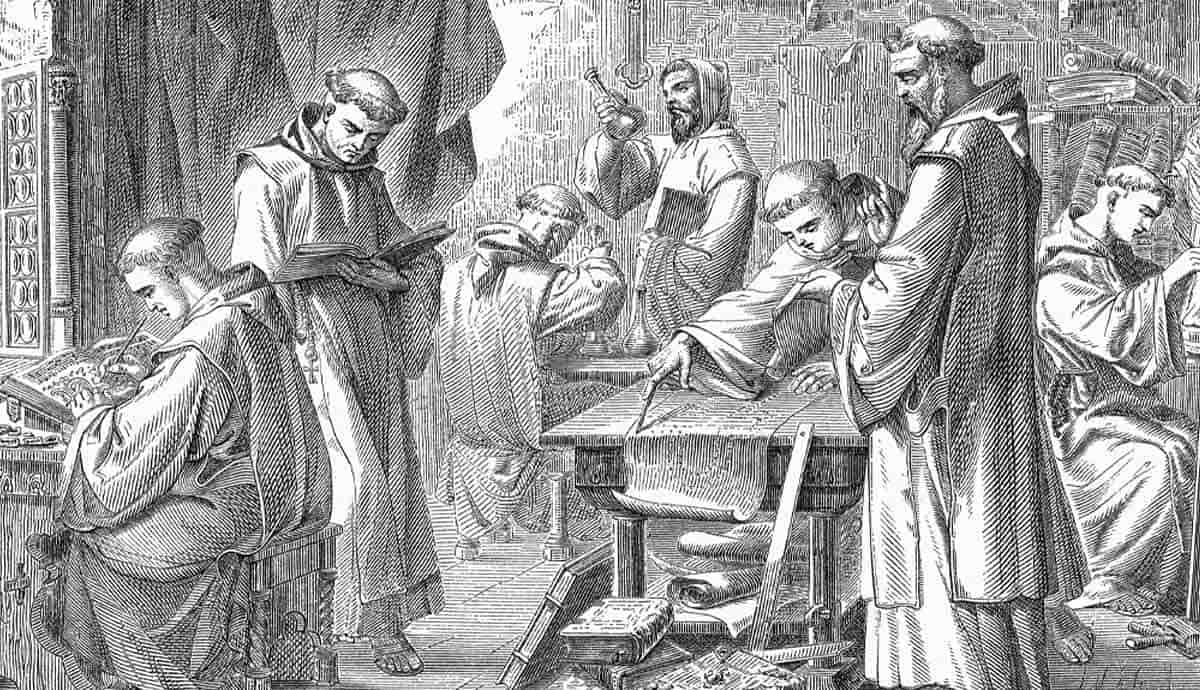
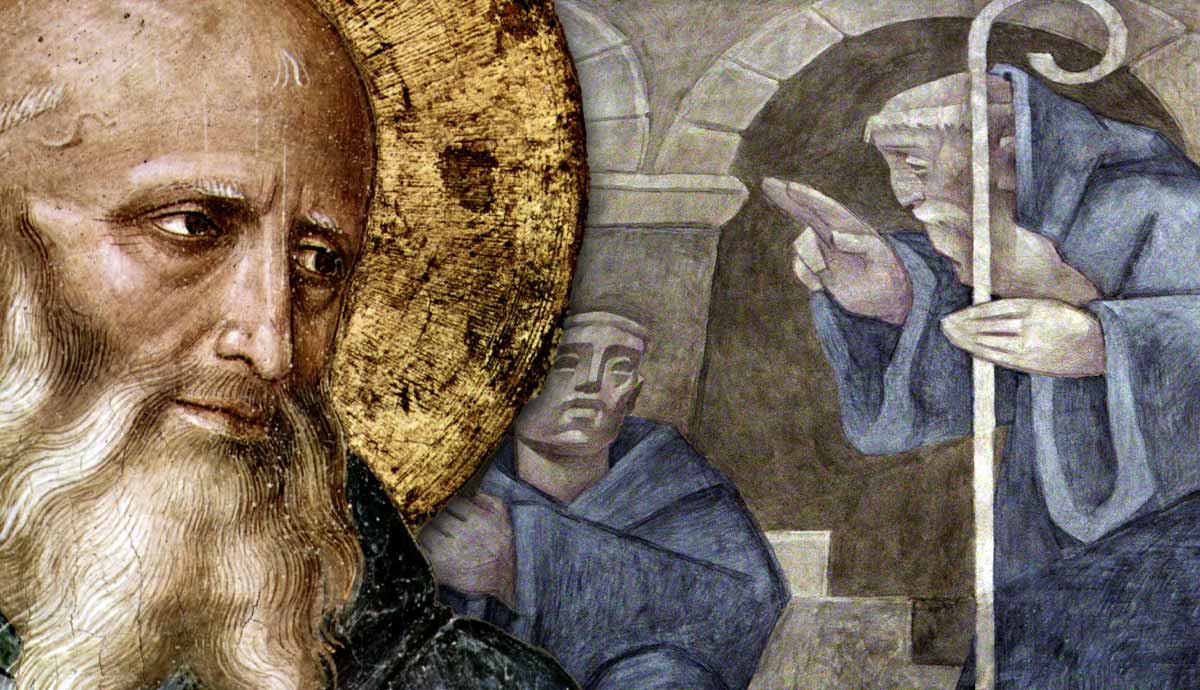
In the early Middle Ages, the domain of learning was preserved almost exclusively in monasteries. So too was medical knowledge, and medicine was practiced by monks and nuns, although there were many lay practitioners not directly related to the church.
Nevertheless, the ecclesiastics held a monopoly on written medical academia. Monasteries were regarded as places of health and healing, and monks attended to those seeking spiritual as well as physical cures to their ailments. Thus, monks and nuns gained a reputation for administering medical treatments.
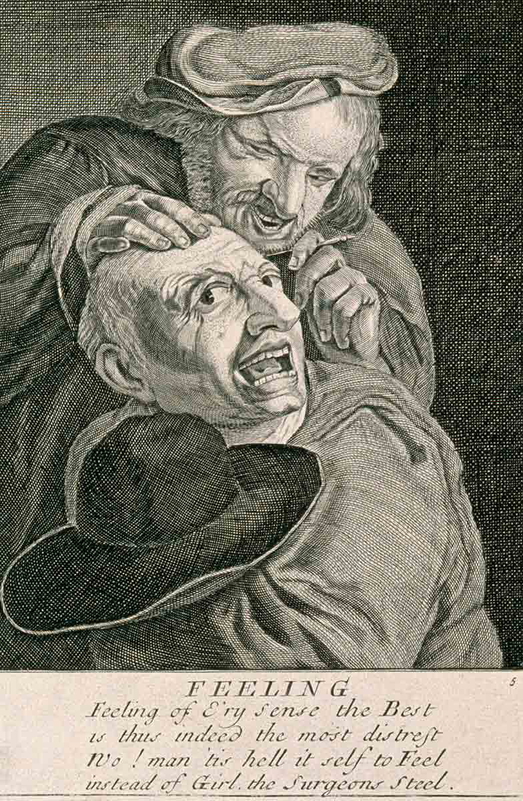
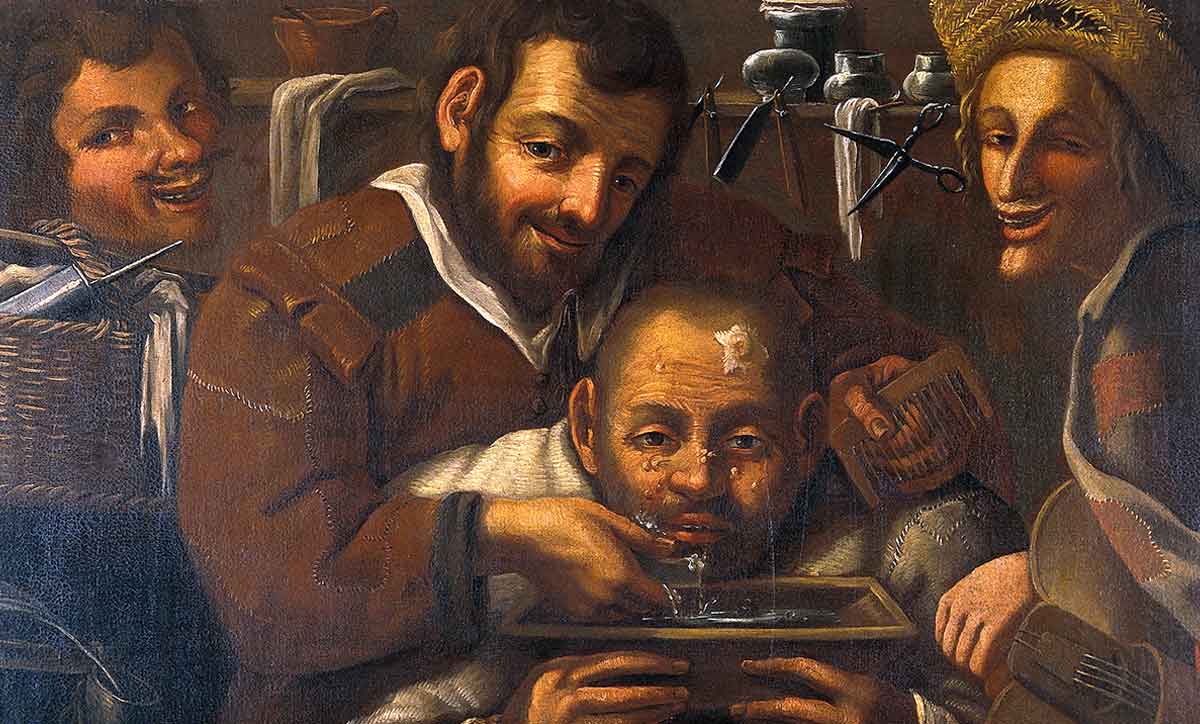
A drastic change came in 1163 with the Council of Tours, in which it became strictly forbidden for the clergy to practice surgery, as it involved the spilling of blood. As such, different sets of steady hands would have to perform it. As luck would have it, barbers had steady hands as well as a set of finely honed razors. And many were already skilled in the required elements of minor surgery. This is because barbers, hired by monasteries to maintain the monks’ tonsures (the stereotypical haircuts), also practiced bloodletting, pulled teeth, and prepared salves for the clergy.
Barbers who took on guild apprenticeships and, later in the medieval period, courses in medical procedures became “barber-surgeons” who were permitted to perform minor surgeries, while a class of surgeons also evolved to focus on major surgery. In England, the two classes were merged in 1540 when the Fellowship of Surgeons joined with the Barbers’ Company to form the Company of Barbers and Surgeons. The rise in professionalism over the decades prompted the formation of the Company of Surgeons in 1745, and the two professions were separated.
What Surgical Procedures Did Medieval Barbers Perform?
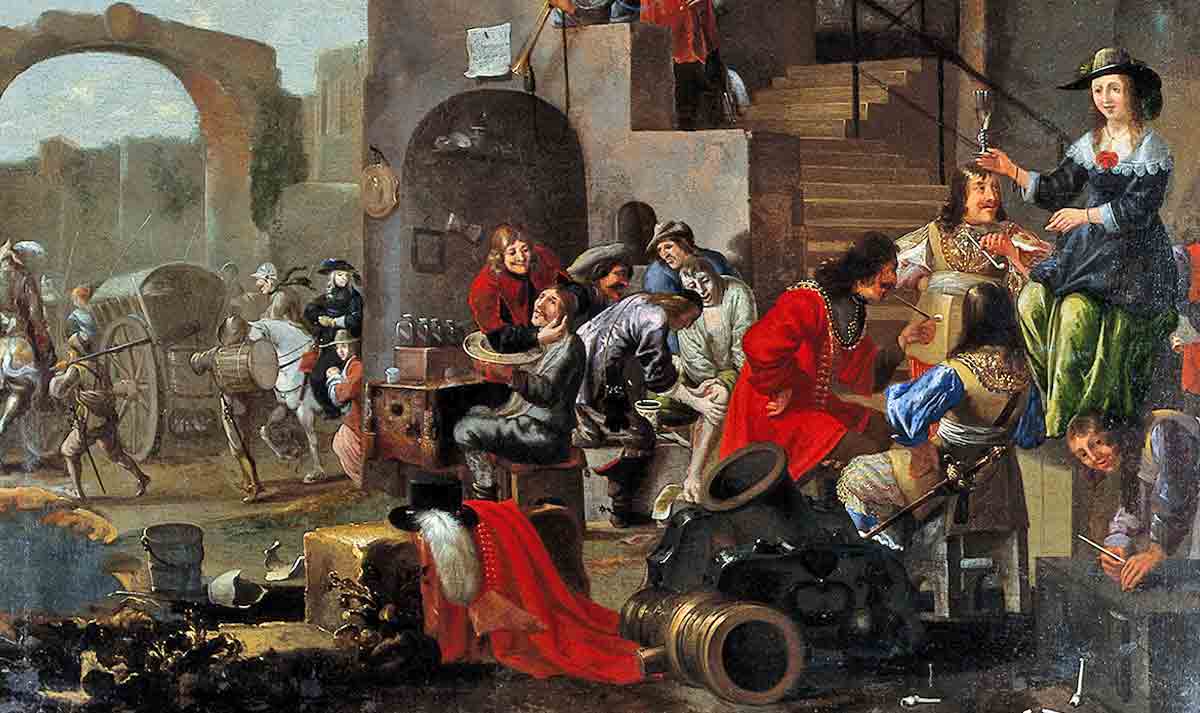
Ideological beliefs and the steady march of scientific discovery have changed the medical profession over the centuries. For barber-surgeons of the medieval period, the dominant theory was that of humorism, which focused on the balance of phlegm, black bile, yellow bile, and blood. Maintaining a balance of these elements was believed to be necessary for health.
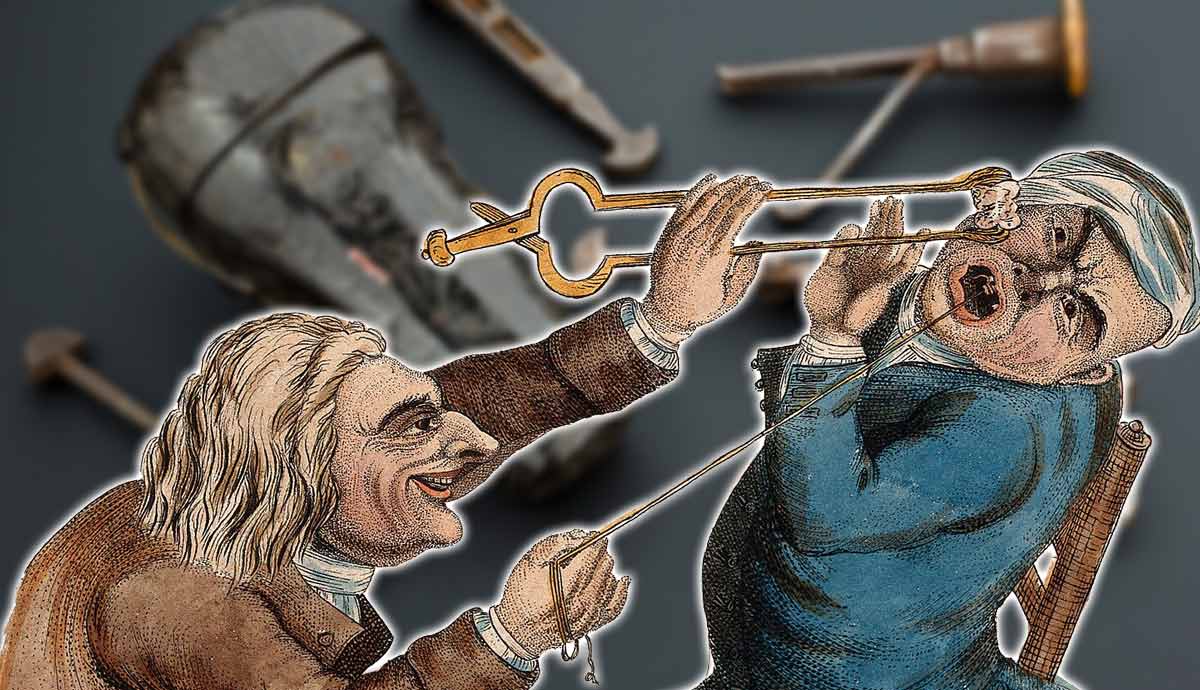
Bloodletting was a common practice in this regard and involved the deliberate removal of blood or other bodily fluids from the patient, usually by making incisions or using leeches. This, the most common medical practice, had been practiced since antiquity, and remained a standard practice until the 19th century. Among their many other duties, barber-surgeons lanced abscesses, set bones, extracted teeth, and even performed trepanation (drilling holes in the skull).
Until the late 18th century, barber-surgeons formed the bulk of medical personnel and practiced their trade in civilian hospitals as well as field hospitals on the battlefield, where they routinely tended to dire wounds, often involving amputation. The practice lingered in rural areas well into the 19th century.
Deconstructing the Anatomy of the Bloody Totem
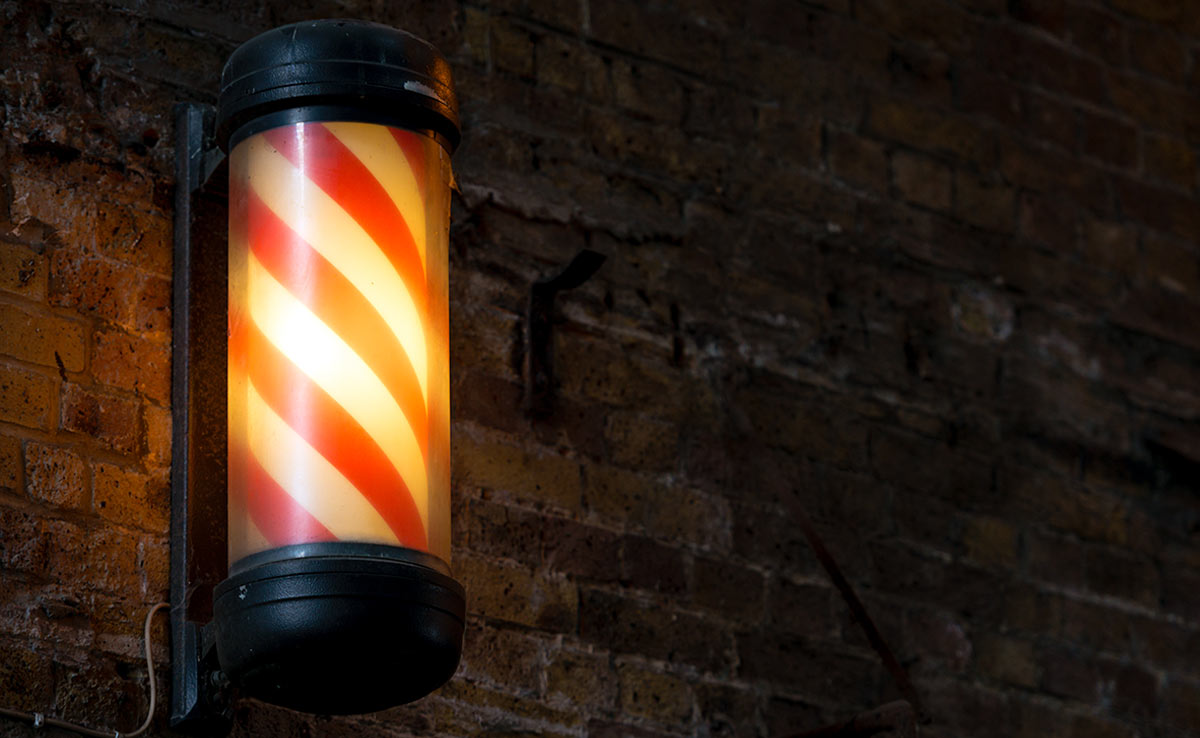
Originally, barber-surgeons in London advertised their services to an illiterate public simply by putting a bowl of blood outside the shop. When this practice was banned in the early 14th century, barber-surgeons needed a new symbol.
The origin of the famous barber’s pole is thought to derive from the staff that patients gripped in order to make their veins stand out. Washed rags, stained red with blood, were wrapped around the pole and left outside to dry. With the wind, these rags twirled around the pole, creating the symbol that later became adopted as a tradition.
While the alternating red and white stripes are common in Europe, in the United States, a blue stripe was added, thought to represent the veins, but likely a patriotic addition to a mass-produced item.
While some barber poles are topped with a ball, it is suggested this is an evolution of a bowl which held leeches for bloodletting, while the original poles also had basins at the bottom, used for catching blood.
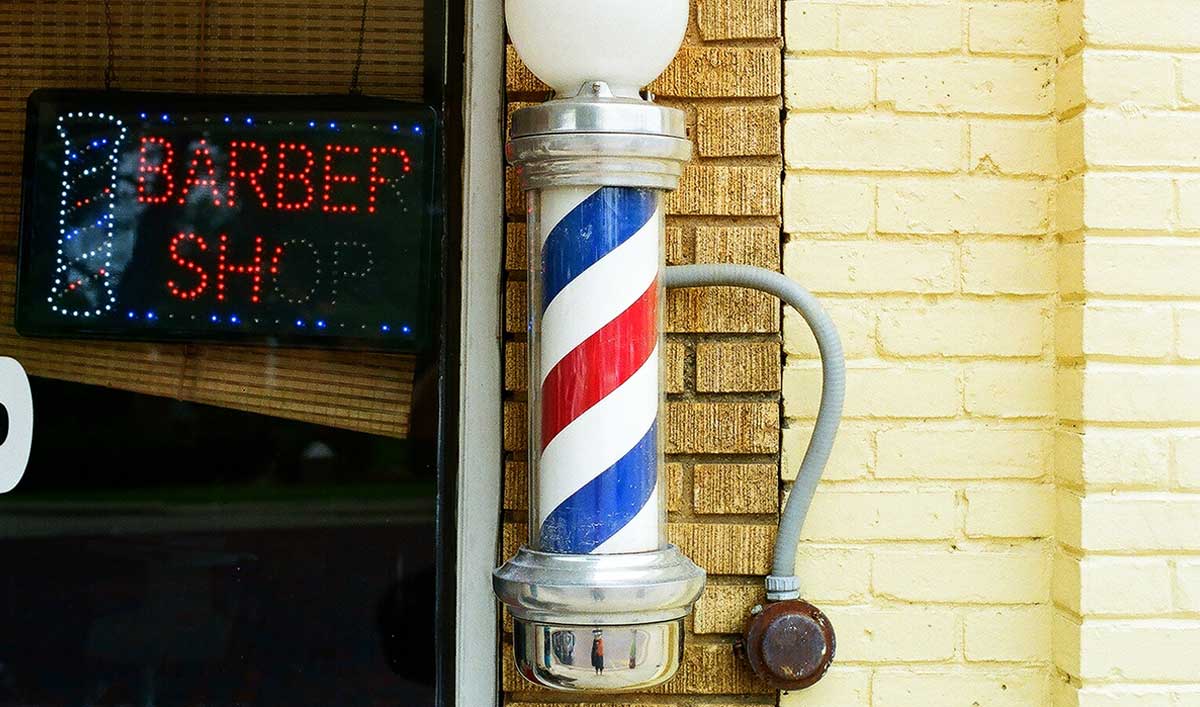
In the mid to late 18th century, the professions of barbery and surgery were legally separated—France in 1743, England in 1745, and the rest of Europe in the following decades. The traditional symbol of barber-surgeons, however, remained with the barbers and they continued to advertise their services with poles painted red and white (and later, blue).
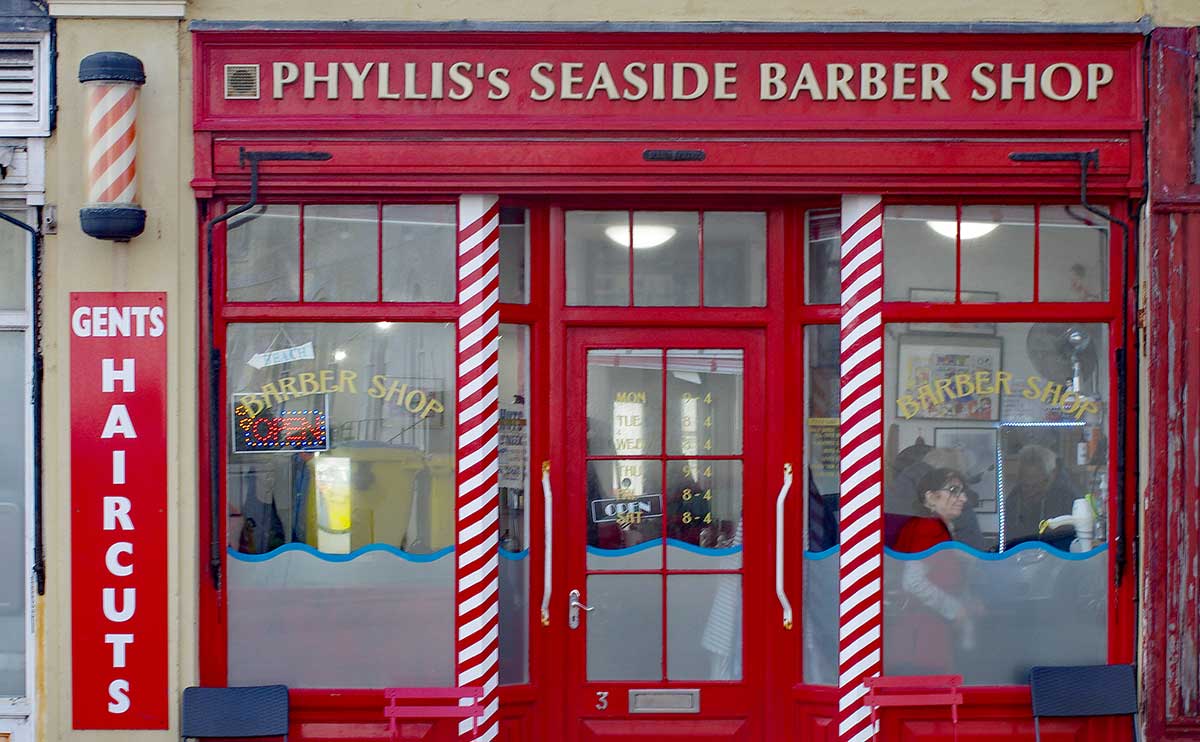
Today, these poles have spread across the whole world from Europe to America, Africa, and Asia. Many barber shops even dispense with the actual pole and simply paint a representation of it on the shop window or the wall.