
Throughout history, the leaders of cities, civilizations, and armies have made decisions that changed not only the world around them, but what the world would look like in the future. While it is challenging to choose just a dozen political leaders who have left an indelible mark on the world, these infamous rulers, spanning from the 5th century BC to the 20th century AD, may be the most important leaders of all time.
| Leader | Legacy |
| Cyrus the Great, Achaemenid Persian Empire (6th Century BC) |
Founding the Achaemenid Persian Empire (the first global superpower), conquering Lydia and Babylon, ending the Jewish Babylonian Captivity, and establishing the world’s first postal relay system.
|
| Alexander the Great, Macedonian Empire (356-323 BC) |
Overthrowing the Persian Empire through undefeated military conquest, expanding his realm from Greece to India, founding cities like Alexandria, and spreading Hellenistic culture.
|
| Ashoka the Great, Mauryan Empire (268-232 BC) |
Unifying most of the Indian subcontinent, renouncing military conquest after the bloody Kalinga War to embrace Buddhism, broadcasting moral Dhamma edicts on stone pillars, and turning Buddhism into a global religion.
|
| Emperor Augustus, Roman Empire (27 BC-AD 14) |
Becoming the first Roman Emperor after defeating Mark Antony and Cleopatra, restoring stability after civil wars, establishing the 200-year Pax Romana, and formalizing the empire’s borders.
|
| Emperor Constantine the Great, Roman Empire, AD 306-337 |
Becoming the first Christian Roman Emperor, legalizing Christianity, founding Constantinople as the new imperial capital, convening the Council of Nicaea, and introducing the gold solidus coin.
|
| The Prophet Muhammad, Early Islamic Realm, AD 570–632 |
Founding Islam, unifying the Arabian tribes, receiving the divine revelations compiled in the Quran, and laying the administrative and religious foundations for the global Arab Conquests.
|
| Genghis Khan, Mongol Empire, AD 1206–1227 |
Unifying the nomadic Mongolian tribes, creating the vast Mongol Empire spanning from Korea to Central Europe, establishing the Pax Mongolica trade era, and leaving a massive global genetic legacy.
|
| King Ferdinand II & Queen Isabella I, Spanish Kingdoms, 1469–1516 |
Unifying Spain through their marriage, completing the Reconquista in 1492, establishing the Spanish Inquisition, and sponsoring Christopher Columbus’s voyage that initiated European colonization of the Americas.
|
| George Washington, United States of America, 1732–1799 |
Commander-in-Chief who led the Continental Army to victory in the American Revolutionary War, served as the first U.S. President, and set enduring precedents for republican civic virtue by twice voluntarily surrendering power.
|
| Vladimir Lenin, Soviet Russia, 1917–1924 |
Leading the 1917 Bolshevik Revolution, founding the world’s first Communist state, introducing the New Economic Policy (NEP) to restore agrarian stability, and institutionalizing vanguard single-party rule.
|
| Mao Zedong, People’s Republic of China, 1949–1976 |
Founding the People’s Republic of China, adapting Marxist revolution to the rural peasantry, and driving radical, high-consequence social transformational campaigns like the Great Leap Forward and the Cultural Revolution.
|
1. Cyrus the Great, Achaemenid Persian Empire, 6th Century BC
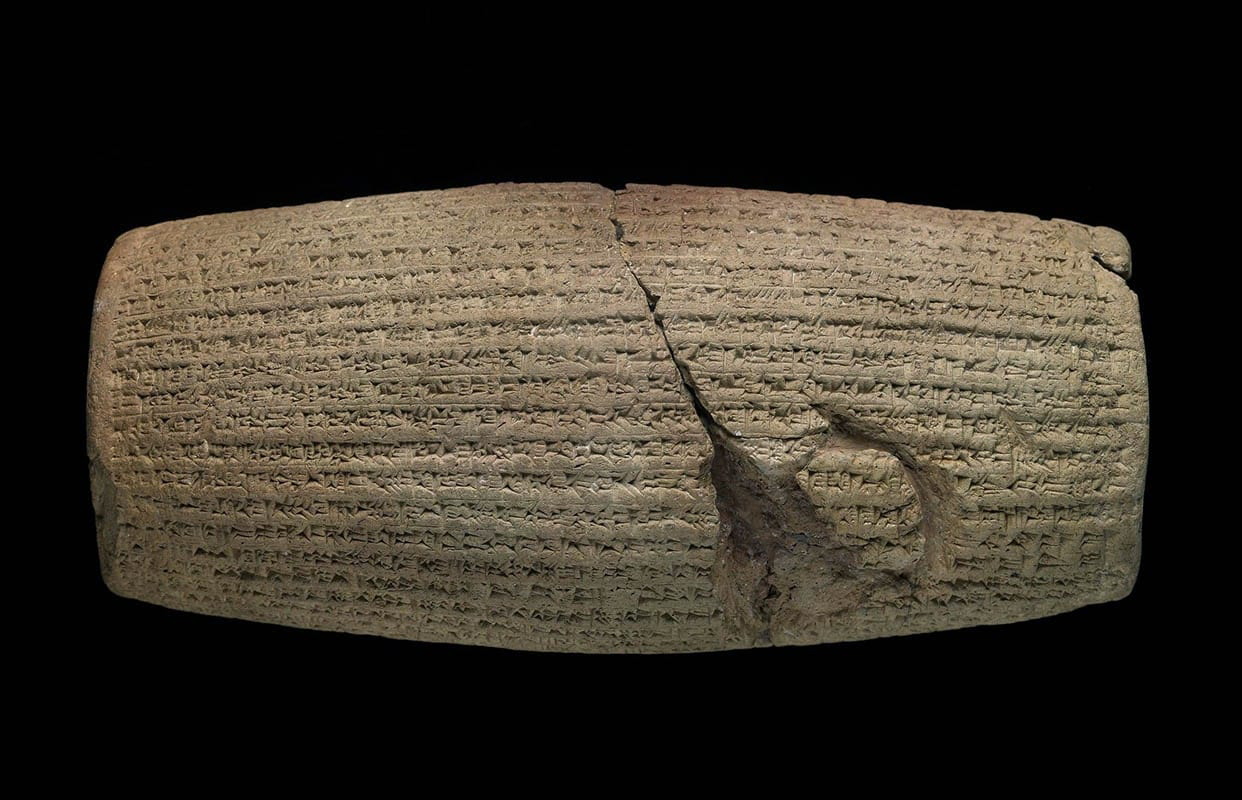
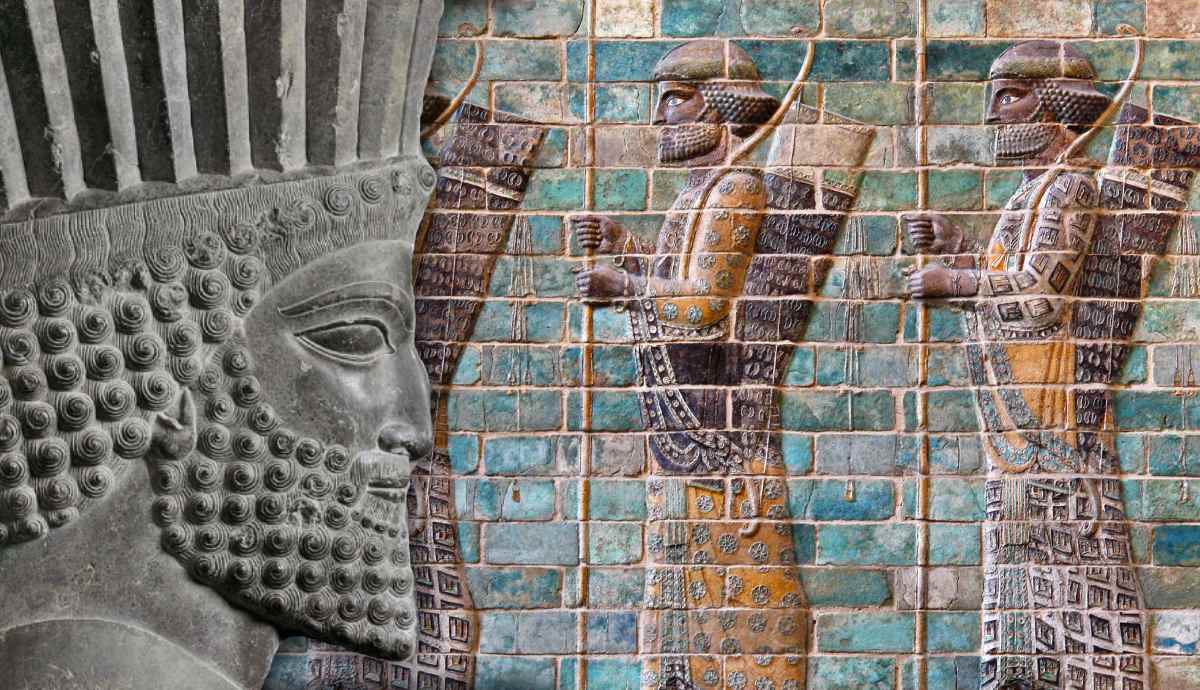
Cyrus the Great is known as the founder of the Achaemenid Persian Empire, the first global superpower.
Cyrus was born into the ruling family of the kingdom of Persia around 600 BC and was a vassal of his grandfather Astyages, ruler of the Median Empire. In the 550s BC, he rebelled against Astyages and conquered his empire, claiming the title of Shahanshah, or “King of Kings.”
Cyrus’s growing power alarmed King Croesus, the ruler of the fabulously wealthy kingdom of Lydia in western Turkey, who declared war on the Persians. Within a couple of years, Persian armies marched through central Anatolia and sacked the Lydian capital of Sardis. Persia’s subsequent expansion to Ionia created the conditions for the Greco-Persian Wars.
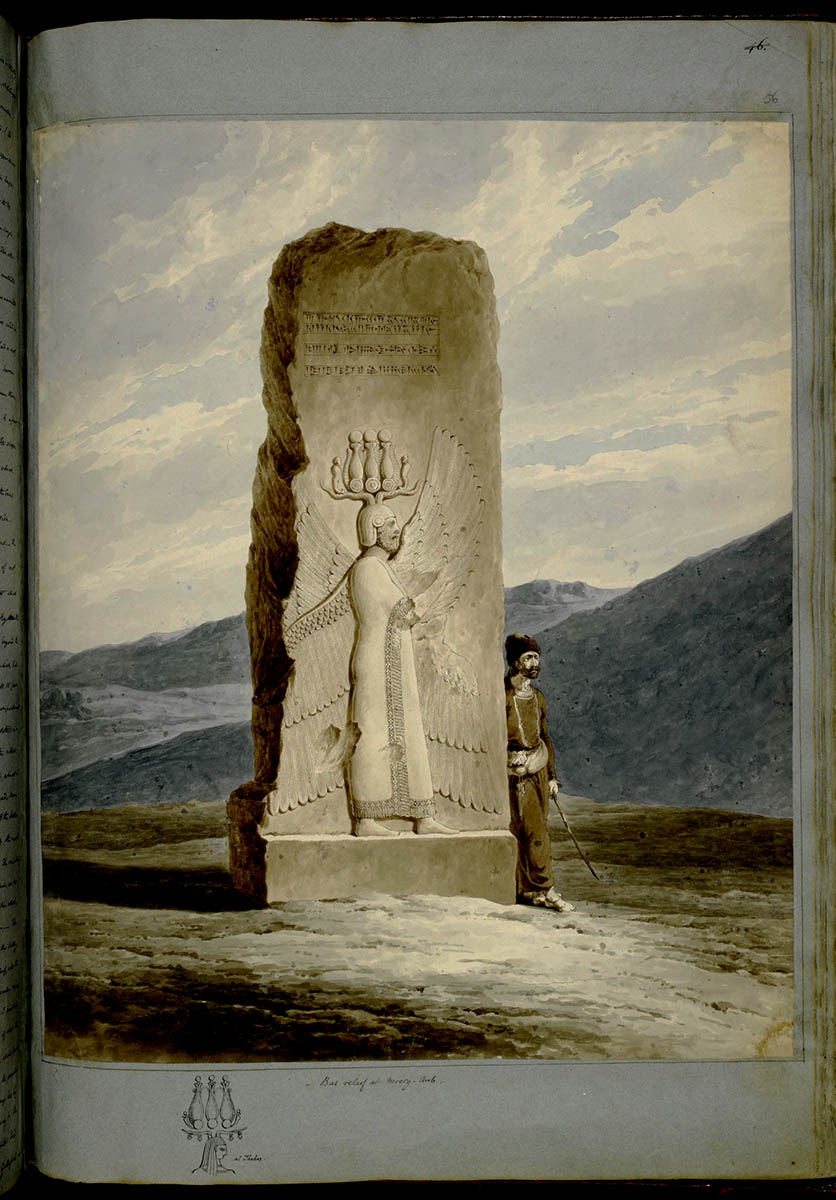
In 539 BC, Cyrus expanded his realm even further by conquering Babylon and vanquishing the Neo-Babylonian Empire. He was praised in the Hebrew Bible as a wise and just ruler who ended the Babylonian Captivity and allowed the Jewish people to return to Jerusalem and rebuild the Temple of Jerusalem.
Although Cyrus was killed in battle while campaigning against Queen Tomyris of the Massagetae around 529 BC, he left behind the largest empire the world had ever seen. The Persian Empire reached its greatest extent some 20 years later under King Darius the Great, whose realm stretched from northern Greece to the Indus Valley.
2. Alexander the Great, Macedonian Empire, 356-323 BC
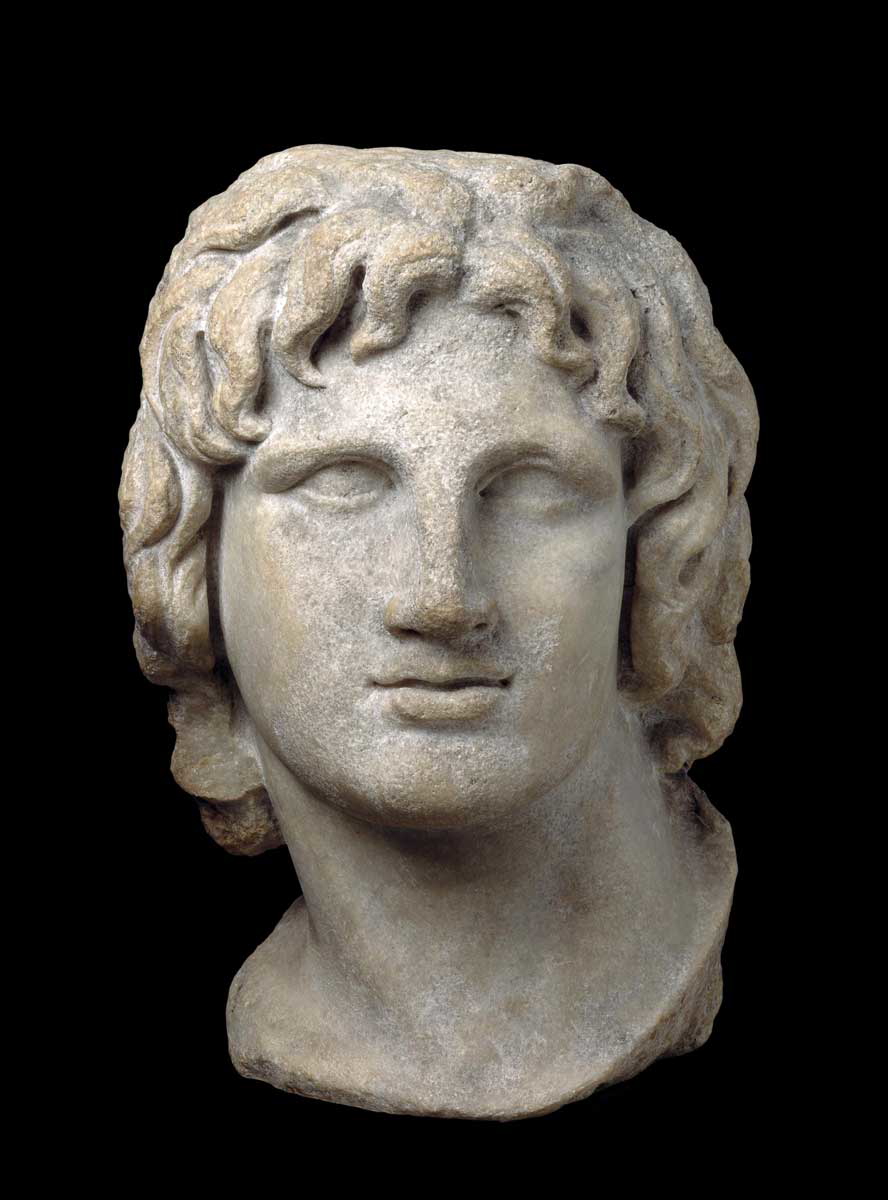
King Alexander III of Macedon, popularly known as Alexander the Great, is often regarded as one of the greatest generals and conquerors in world history. The son of Philip II of Macedon, who reformed the Macedonian army and formed the Hellenic League after conquering the Greek city-states, Alexander inherited his father’s army at the age of 20 after Philip’s assassination in 336 BC.
Alexander invaded Persia in 334 BC and defeated a Persian army at the Battle of Granicus in May, paving the road for the conquest of Asia Minor. The following spring, Alexander met King Darius III of Persia and defeated him at the Battle of Issus in southeastern Anatolia. Alexander defeated Darius again at the Battle of Gaugamela in 331 BC, opening the road to Babylon. In both battles, Alexander trusted the veteran general Parmenion to hold his left flank while he and his companion cavalry landed the decisive blow against the Persian left.
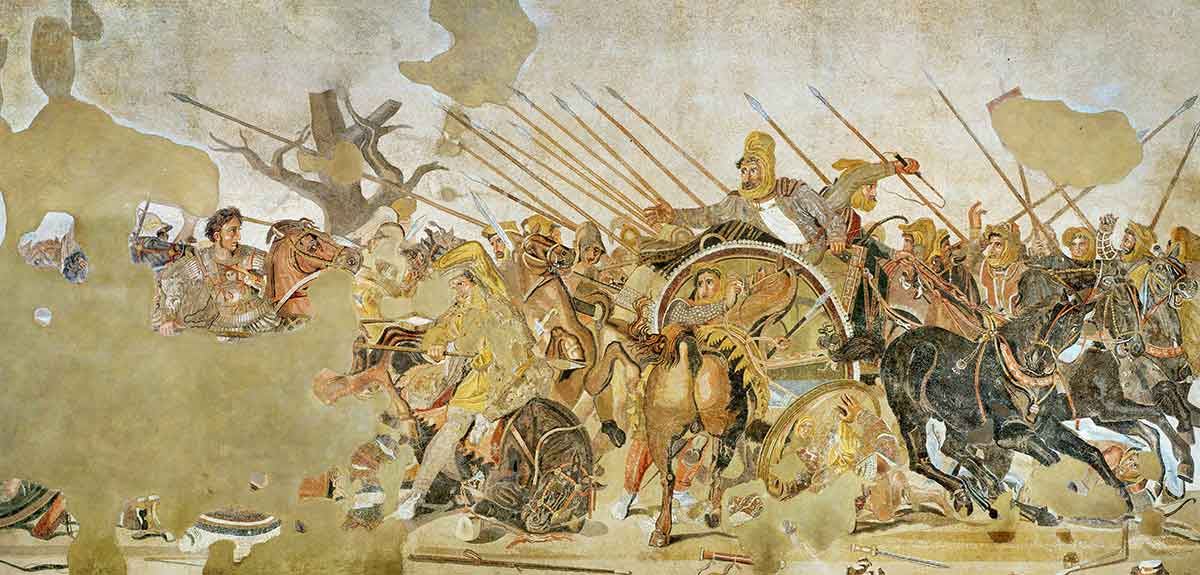
Alexander’s conquests would take him all the way to India. Although he achieved victory at the Battle of Hydaspes in Pakistani Punjab in 326 BC, his men were exhausted by a decade of campaigning, and Alexander reluctantly acquiesced to their demands to return home. After returning to Persia, Alexander fell ill in Babylon and died in June 323 BC at the age of 32.
Although Alexander’s empire fragmented after his death, his conquests resulted in the spread of Hellenistic culture as far as Bactria in Central Asia. Alexander was responsible for the foundation of a host of cities, most notably Alexandria in Egypt, one of the greatest cities of the ancient and modern world. His prowess in battle served as an example for generations of Roman military leaders and for the likes of Napoleon Bonaparte some 2,000 years later.
3. Ashoka the Great, Mauryan Empire, 268-232 BC
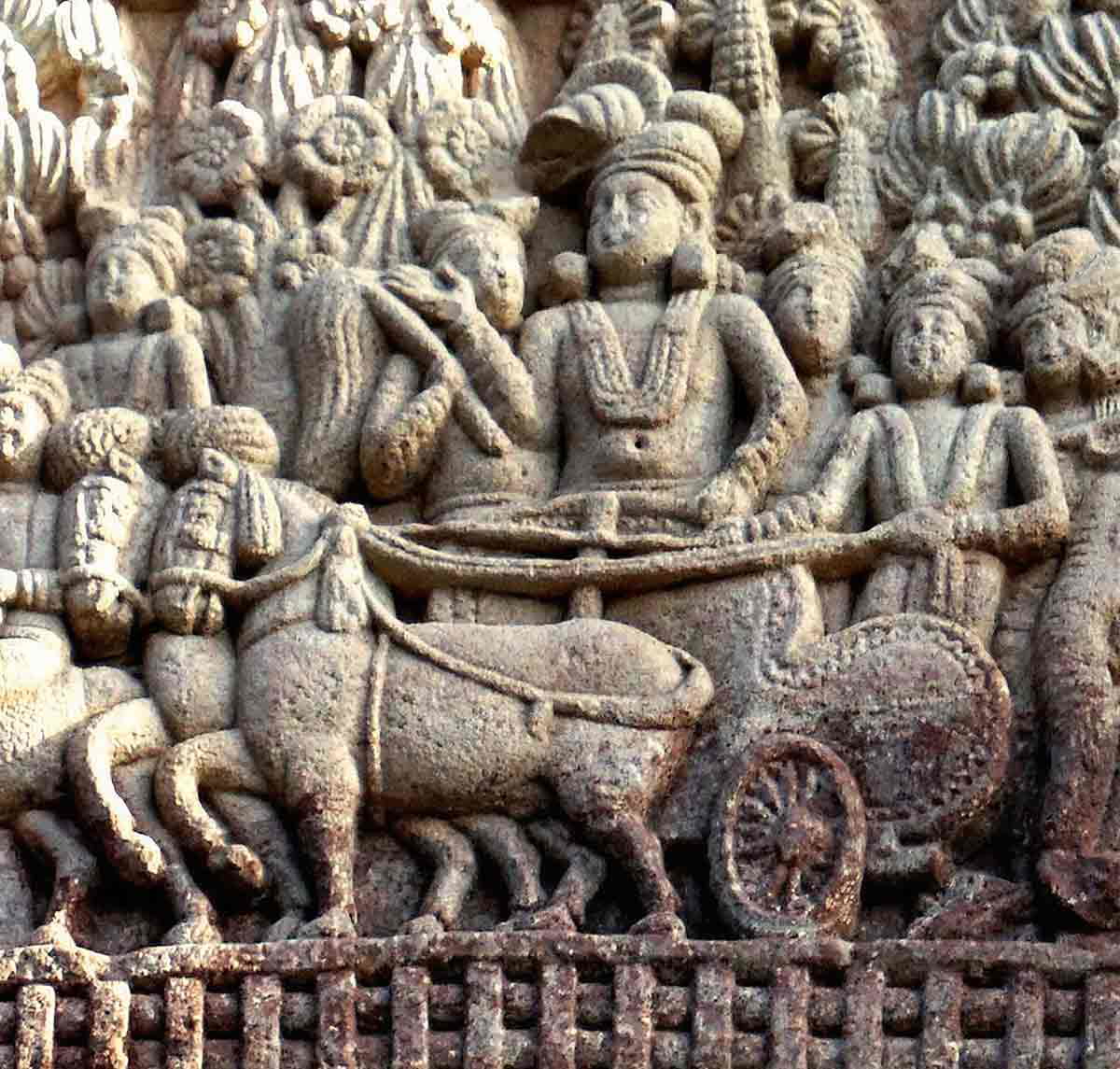
Ashoka the Great is considered one of the greatest rulers in Indian history and played a major part in the spread of Buddhism.
Born around 304 BC, Ashoka was the grandson of Chandragupta, the founder of the Mauryan Empire. The realm extended from Afghanistan in the west to Bangladesh in the east and incorporated much of the Indian subcontinent.
Ashoka was the second son of Bindusara, the second Mauryan emperor. As a young man, he was given various military and administrative duties by his father. When Bindusara fell ill, his ministers favored Ashoka as his successor and made him emperor.
After becoming emperor in 268 BC, Ashoka was reportedly a ruthless despot. In around 260 BC, he invaded the Kingdom of Kalinga on the east coast of India and led a destructive campaign that claimed hundreds of thousands of lives. According to Buddhist accounts, Ashoka was shocked by the scale of the carnage and converted to Buddhism.

It is likely that Ashoka was already familiar with Buddhist ideas, but the Kalinga campaign encouraged him to mend his ways. He abandoned hunting, became a vegetarian, and went on pilgrimage. Ashoka promoted the Buddhist doctrine of dhamma or “good conduct” and governed his realm for the benefit of all. He sent Buddhist missionaries to China, Thailand, Sri Lanka, as well as the Hellenistic kingdoms to the west, transforming Buddhism into a global religion.
Ashoka’s empire collapsed within 50 years of his death in 232 BC, and his name was lost to history until being rediscovered in the 19th century. The Lion Capital of Ashoka, part of a column erected by Ashoka at Sarnath in 250 BC, was adopted as the state emblem of India upon its independence in 1947, while the dhamma wheel on the monument adorns the nation’s flag.
4. Emperor Augustus, Roman Empire, 27 BC-AD 14
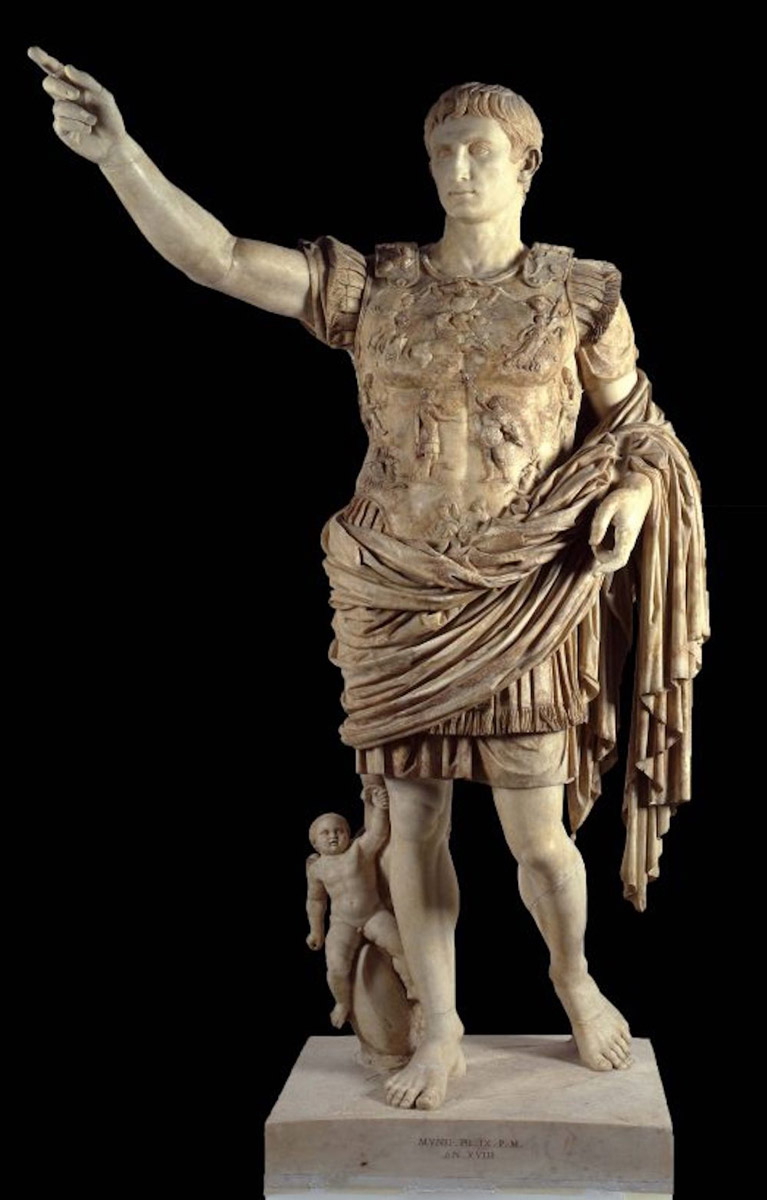
Born in 63 BC as Gaius Octavius or Octavian, he was the heir and great-nephew of Julius Caesar, and came to power as a young man after Caesar’s assassination in 44 BC by joining with Caesar’s allies Mark Antony and Marcus Aemilius Lepidus in the Second Triumvirate.
After the triumvirate collapsed, Octavian went to war with Antony and Cleopatra and defeated them at the Battle of Actium in 31 BC. Octavian’s victory enabled him to consolidate power and assume the titles of Augustus and Princeps (First Citizen) in 27 BC.
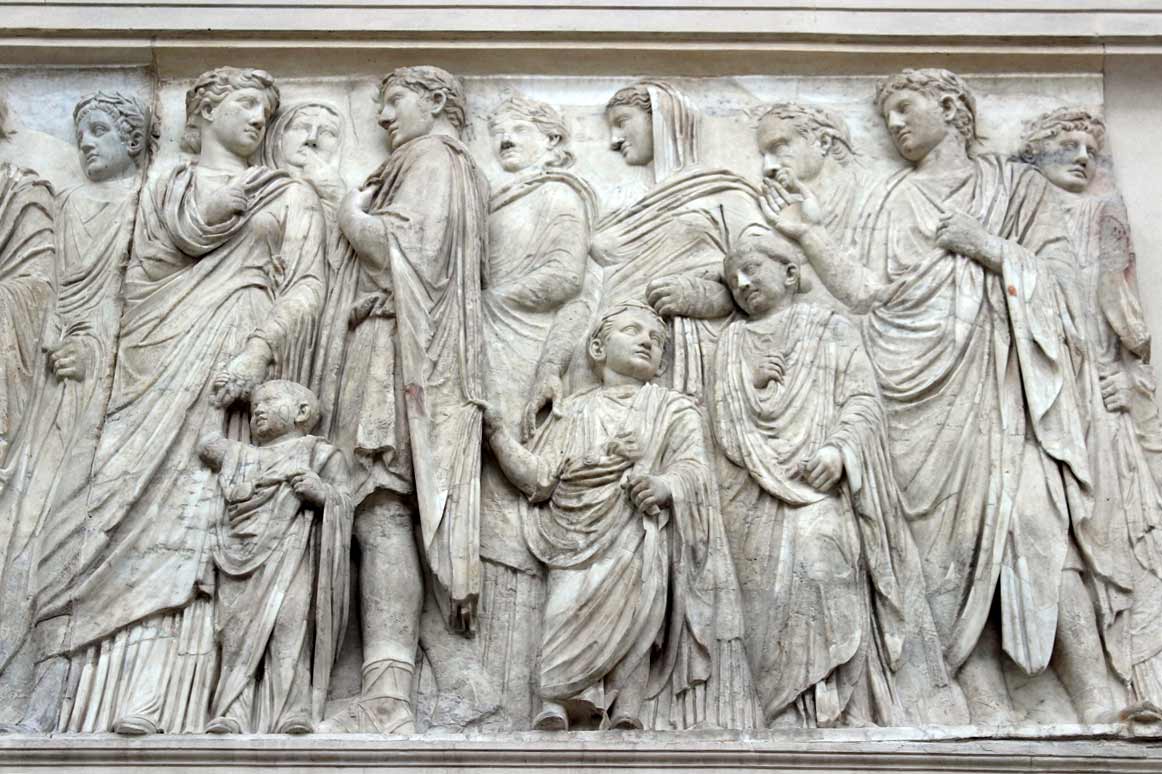
Unlike Caesar, whose royal pretensions led to his assassination, Augustus was careful to preserve Republican institutions such as the Senate and the consulship. For the next three centuries, Augustus and his successors ruled the empire by being awarded the imperium maius (supreme command) and tribunicia potestas (tribunician power), which gave them military and political authority respectively.
Despite military reverses such as Varus’s infamous defeat at the Battle of Teutoburg Forest in 9 AD, Augustus was credited for restoring peace to Rome after decades of civil war and for establishing the Pax Romana, a 200-year period of relative peace in the Mediterranean world.
5. Emperor Constantine the Great, Roman Empire, AD 306-337
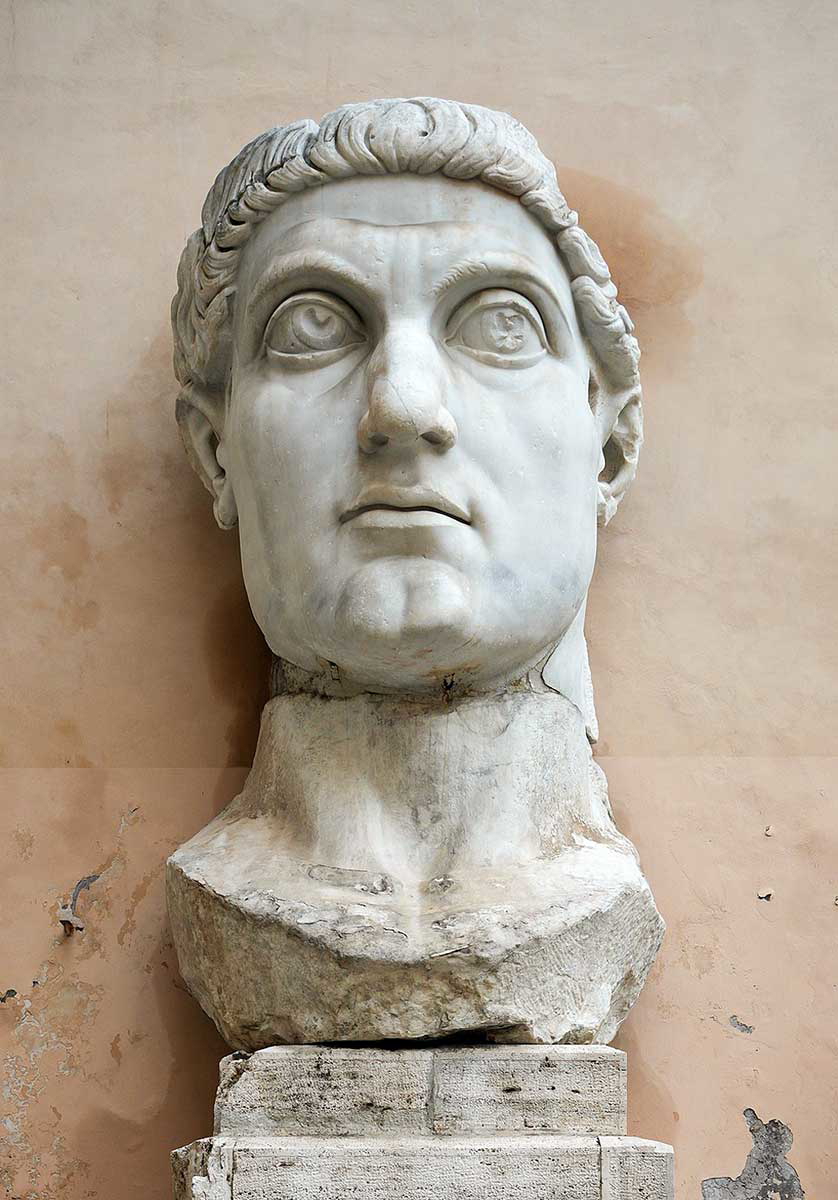
Constantine the Great is known as the founder of the city of Constantinople, present-day Istanbul, and as the first Roman Emperor to adopt the Christian faith.
Born in 272 AD in present-day Serbia, Constantine was the son of Emperor Constantius I, who had been named junior emperor or Caesar by Diocletian when he founded the Tetrarchy in AD 293. Constantius was elevated to Augustus in 305 but died in York the following year.
After succeeding his father, Constantine campaigned to reunite the empire under his sole rule. His most famous victory came in 312, when he defeated his rival Maxentius at the Battle of the Milvian Bridge. According to Constantine’s biographer Eusebius, on the eve of the battle he saw a cross in the sky and the message “in this sign you will conquer.” He duly ordered his men to paint the Greek letters Chi and Rho symbolizing Christ on their banners.
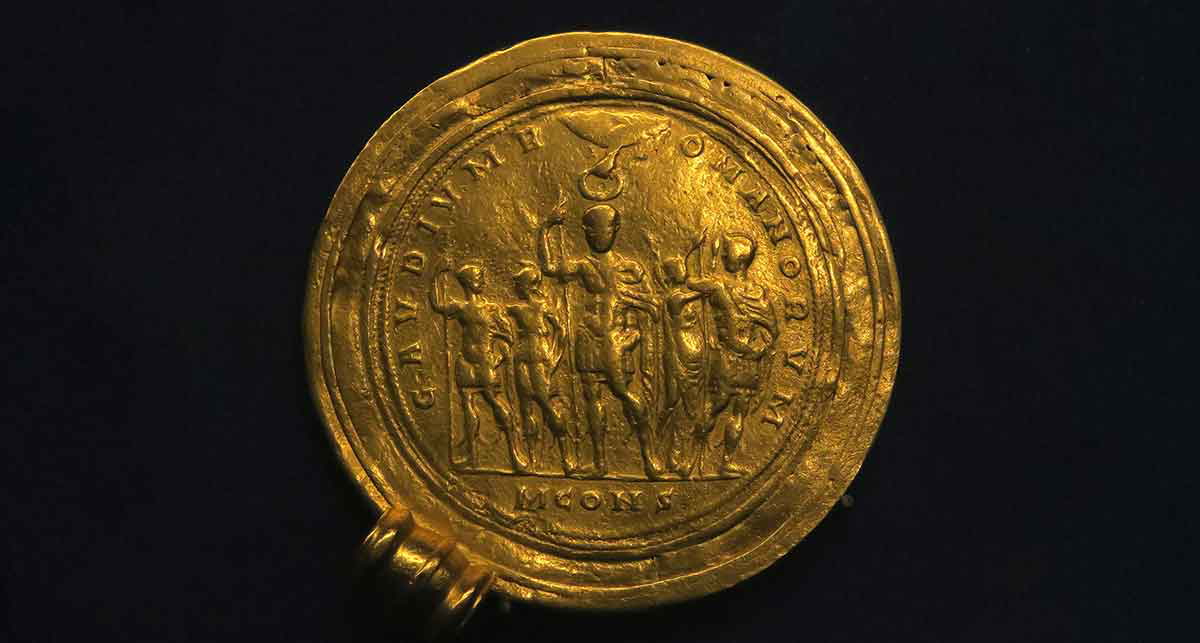
Like Diocletian, Constantine recognized that the empire’s wealth and power had shifted eastward and in 324 established his new capital at the Greek city of Byzantium, which he renamed Constantinople. The city flourished over the coming centuries and was nicknamed the New Rome. After the fall of the Western Roman Empire in the 5th century AD, the Eastern Roman or Byzantine Empire endured until the fall of Constantinople to the Ottomans in 1453.
While Constantine continued to use pagan images after the Battle of the Milvian Bridge, he patronized the Christian community in Rome and authorized the construction of the Church of the Holy Sepulcher in Jerusalem and Old St Peter’s Basilica in Rome. He convened the Council of Nicaea in 325, which deemed Arianism a heresy. While Constantine was only baptized on his deathbed in 337, his patronage of Christianity ensured that it would become the dominant religion in Europe.
6. The Prophet Muhammad, AD 570-632
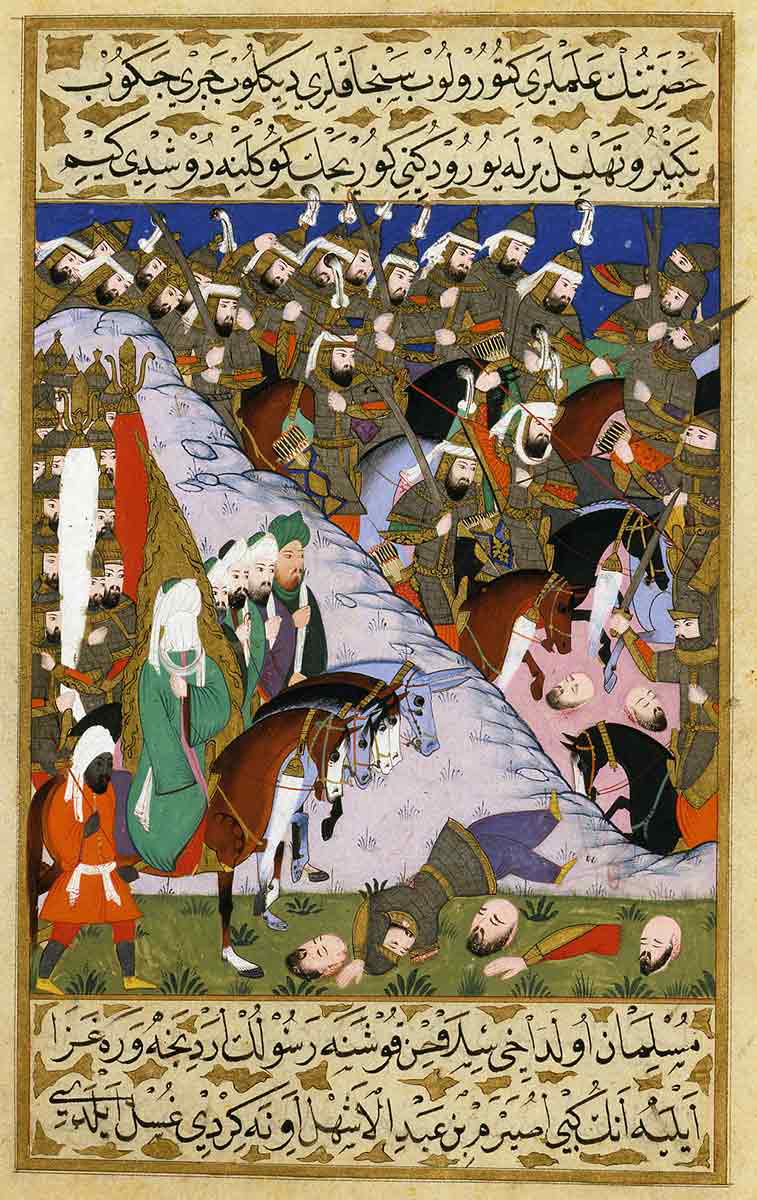
The Prophet Muhammad founded the religion of Islam and united the Arab tribes, laying the foundations for the Arab Conquests that began in the 7th century AD.
Born in 570 AD in Mecca, an important pilgrimage site in western Arabia, Muhammad was orphaned at a young age and was brought up by relatives who taught him about business. As a teenager, he gained a reputation as a trustworthy merchant.
Muhammad later worked for a wealthy widow 15 years his senior named Khadija, whom he married at the age of 25. The pair had six children together and were happily married until Khadija’s death in 619.
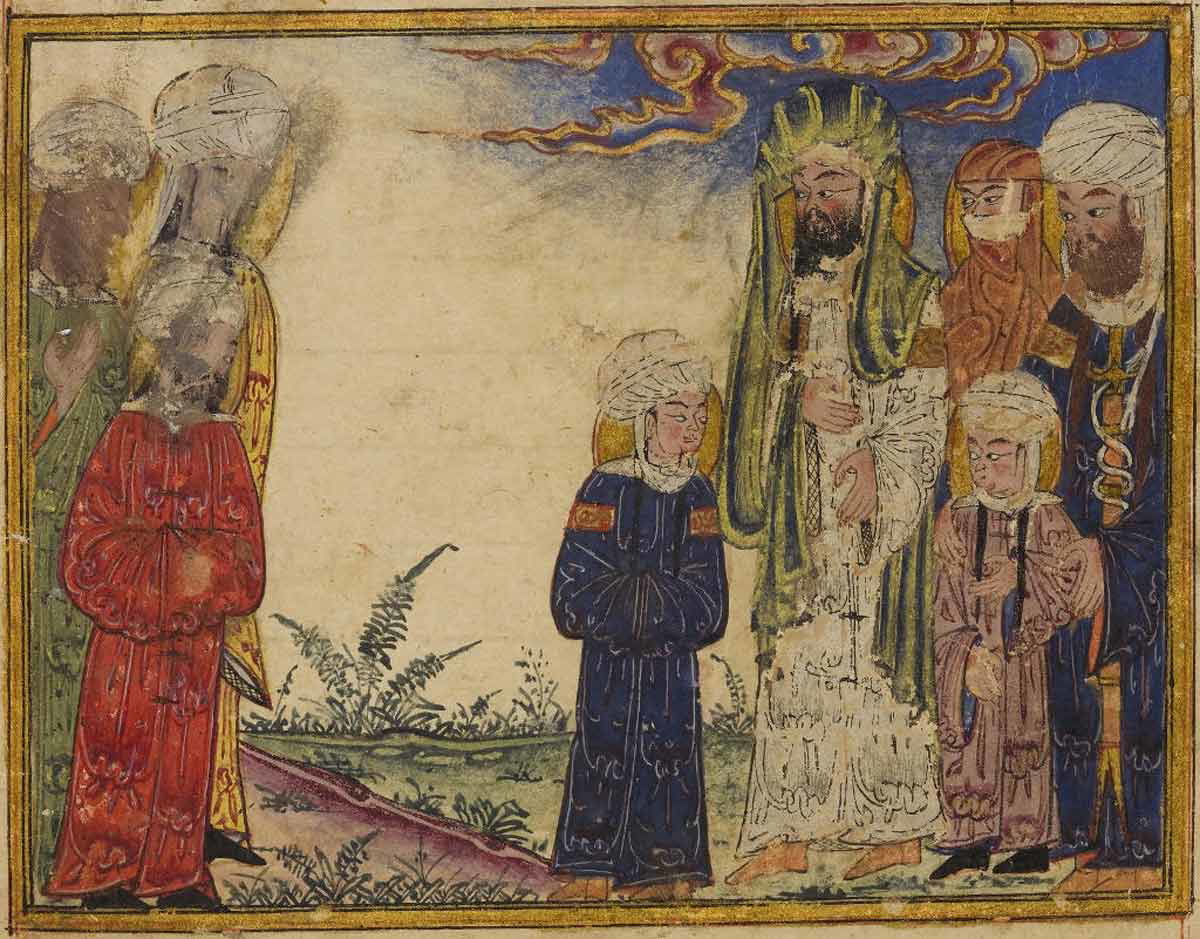
Muhammad often meditated at the cave of Hira in a nearby mountain, where in 610 he received a visitation from the Archangel Gabriel, who commanded him to recite revelations from God. He feared that he had encountered a demon, but Khadija persuaded him that the revelations were genuine. Muhammad continued to pray at the cave to receive further revelations, which were later codified in the Quran.
Muhammad’s new belief system challenged the authorities in Mecca, who refused to trade with him and his followers. In 622, he was forced to emigrate to Medina, where his reputation for fair dealing saw him become the city’s new ruler after a civil war.
The Muslim community expanded while Muhammad was ruler of Medina, and the city was soon attacked by Meccan forces. In 630, Muhammad led a Muslim army to conquer Mecca, whose inhabitants converted to Islam. He proceeded to destroy the idols of the Arabian gods at the Kaaba, the city’s main religious shrine.
7. Genghis Khan, Mongol Empire, AD 1206-1227
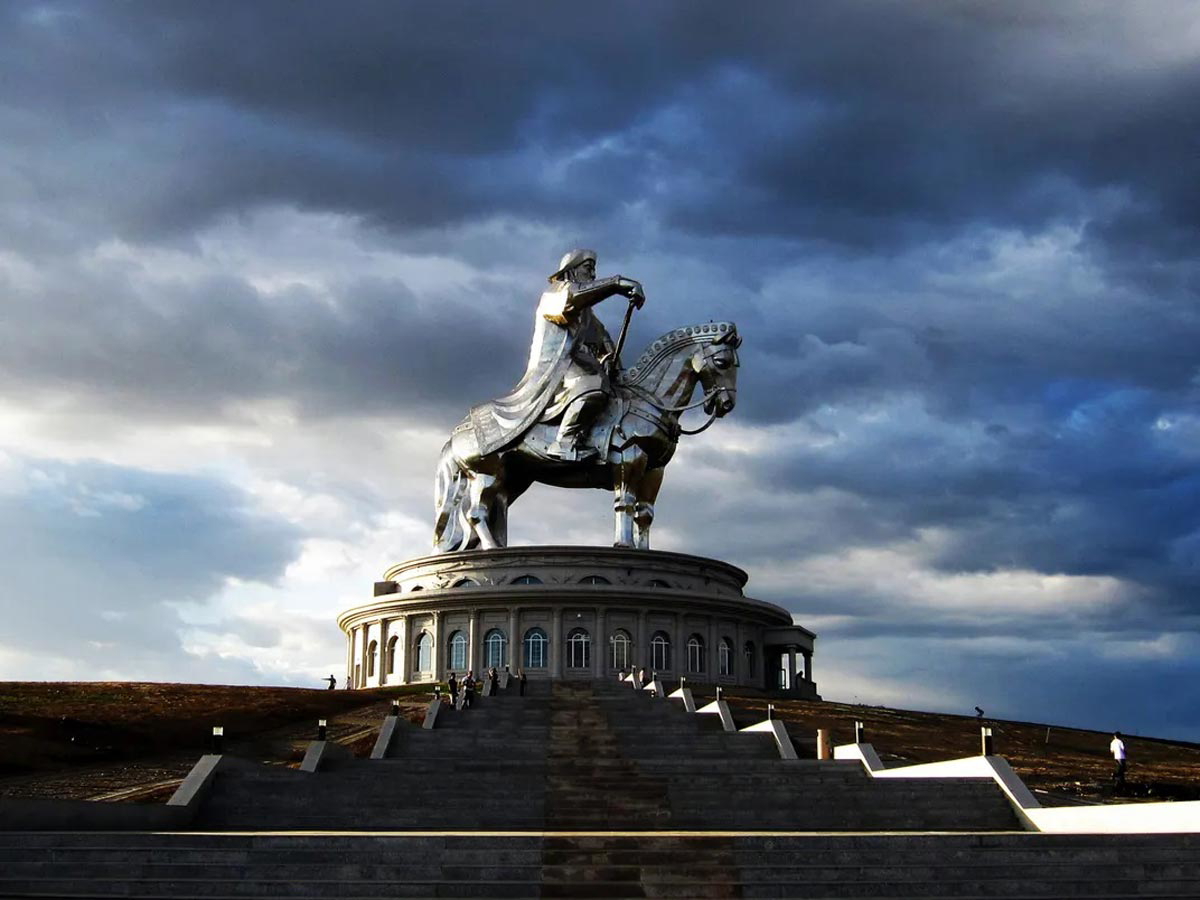
Genghis Khan is known as the fearsome founder of the Mongolian Empire, which extended from Korea to Central Europe at its height.
Born Temujin around AD 1160, Genghis overcame great adversity in the cutthroat world of Mongolian tribal politics until he united the Mongolian tribes in 1206 and adopted the title Genghis Khan or Universal Ruler.
While consolidating power in Mongolia in the early 1200s, Genghis began raiding the Western Xia or Tangut Empire in northwest China. Genghis was familiar with the wealth of the Jurchen Jin in northern China and launched full-scale operations in 1211, capturing and sacking the Jin capital of Zhongdu (present-day Beijing) in 1215.
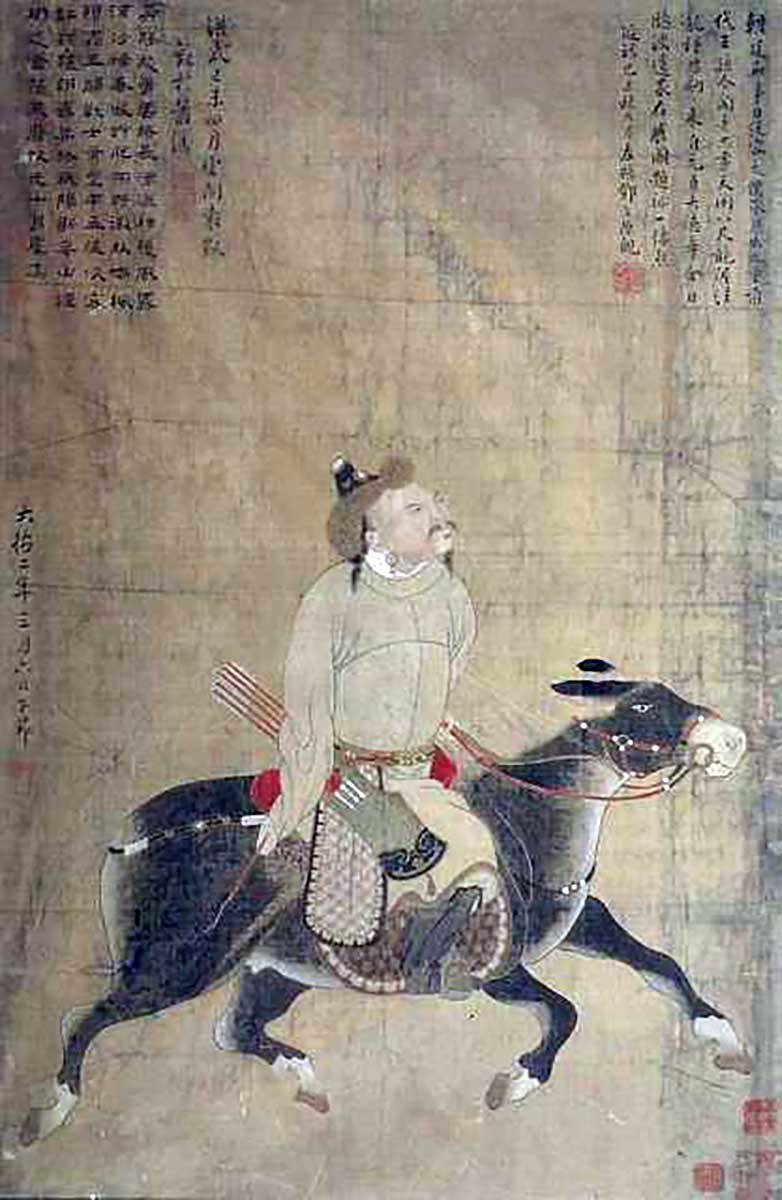
With a host of formidable warriors at his disposal, including his legendary Dogs of War, Genghis subjugated the Central Asian khanate of Qara Khitai between 1216-18 and proceeded to conquer the vast but short-lived Khwarazmian Empire in 1219-1221, extending the Mongol empire to Persia and India.
Genghis returned to Mongolia and died in 1227 while leading the campaign that resulted in the conquest of the Western Xia. In the decades after his death, Mongol armies would reach central Europe, capture Baghdad, and reunite China by defeating the Song Dynasty.
Despite their reputation for brutality in battle, the Mongol khans offered local rulers considerable autonomy, and Mongol military power guaranteed the Pax Mongolica, a period of peace that encouraged trade and commerce from Eastern Europe to China.
8. King Ferdinand of Aragon and 9. Queen Isabella of Castile, Spanish Kingdoms, 1469-1516
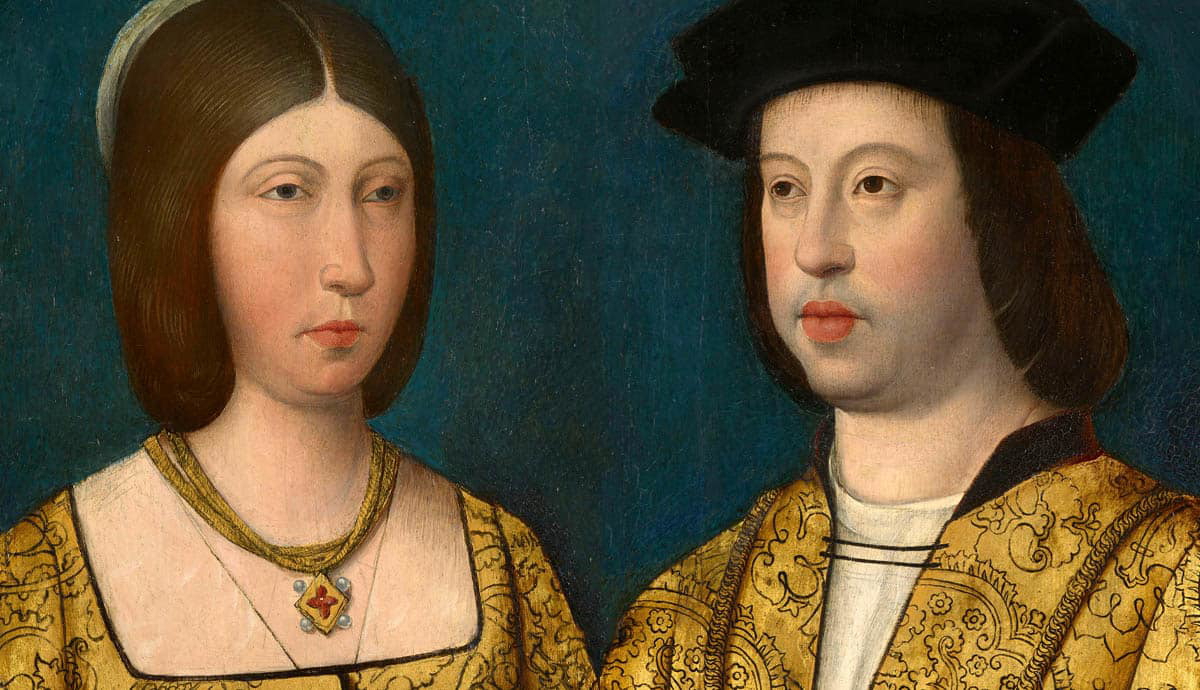
Ferdinand of Aragon and Isabella of Castile united Spain with their marriage, completed the reconquest of the Iberian Peninsula, and launched the European colonization of the Americas.
Known collectively as the Catholic Monarchs, King Ferdinand II of Aragon and Queen Isabella I of Castile were the ultimate power couple in world history. Their marriage in 1469 paved the way for the unification of the Spanish kingdoms after Isabella became Queen of Castile in 1474 and Ferdinand became King of Aragon in 1479.
Although Aragon and Castile remained legally separate kingdoms until the early 18th century, Ferdinand and Isabella’s union resulted in the de facto creation of the kingdom of Spain. This enabled the conquest of the kingdom of Granada, the last remaining Muslim state on the Iberian Peninsula, in 1492.
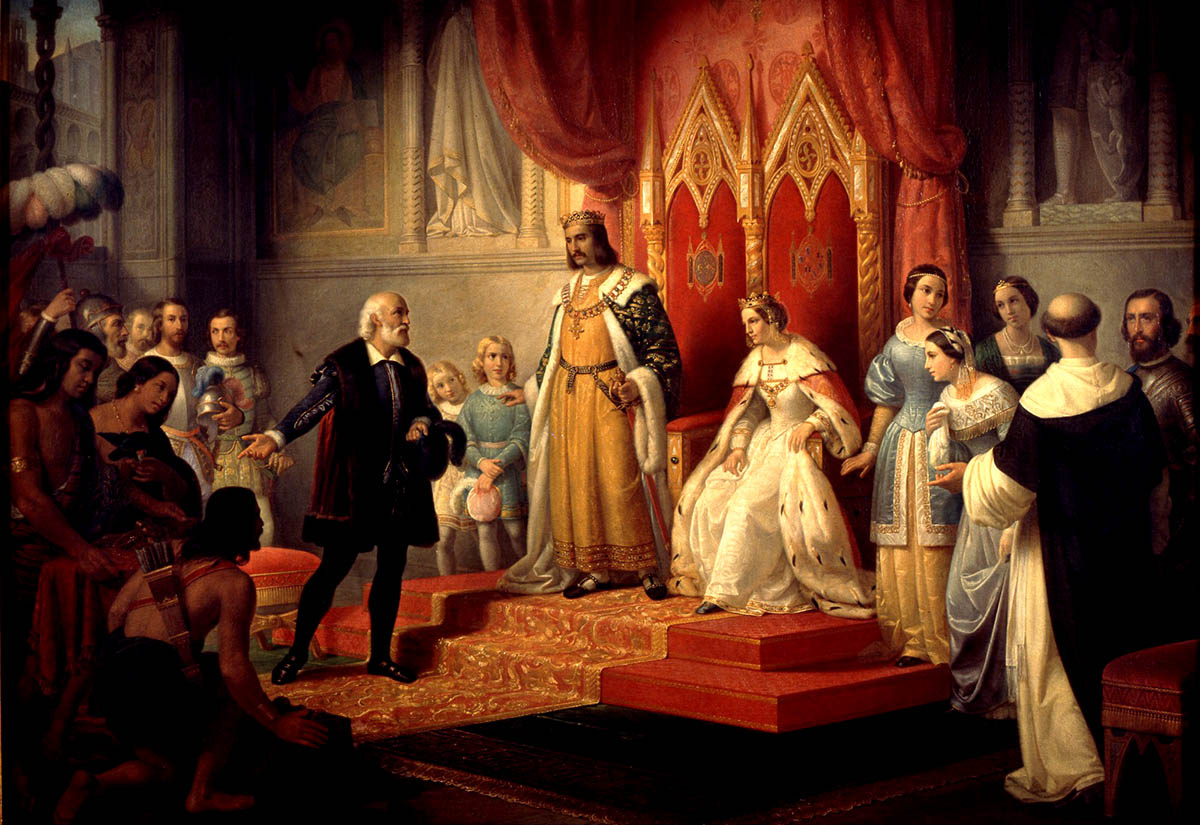
A few months after their triumphal procession through Granada in 1492, Ferdinand and Isabella agreed to sponsor Christopher Columbus’s scheme to find a western route to the East Indies. While Columbus was mistaken in his thesis, he stumbled upon the Americas and claimed the land for Castile.
While Columbus was not the first European to set foot in the Americas, his “discovery” stimulated European colonization and exploitation of the New World, a major historical development that marked the transition to the early modern world.
10. George Washington, United States of America, 1732-1799
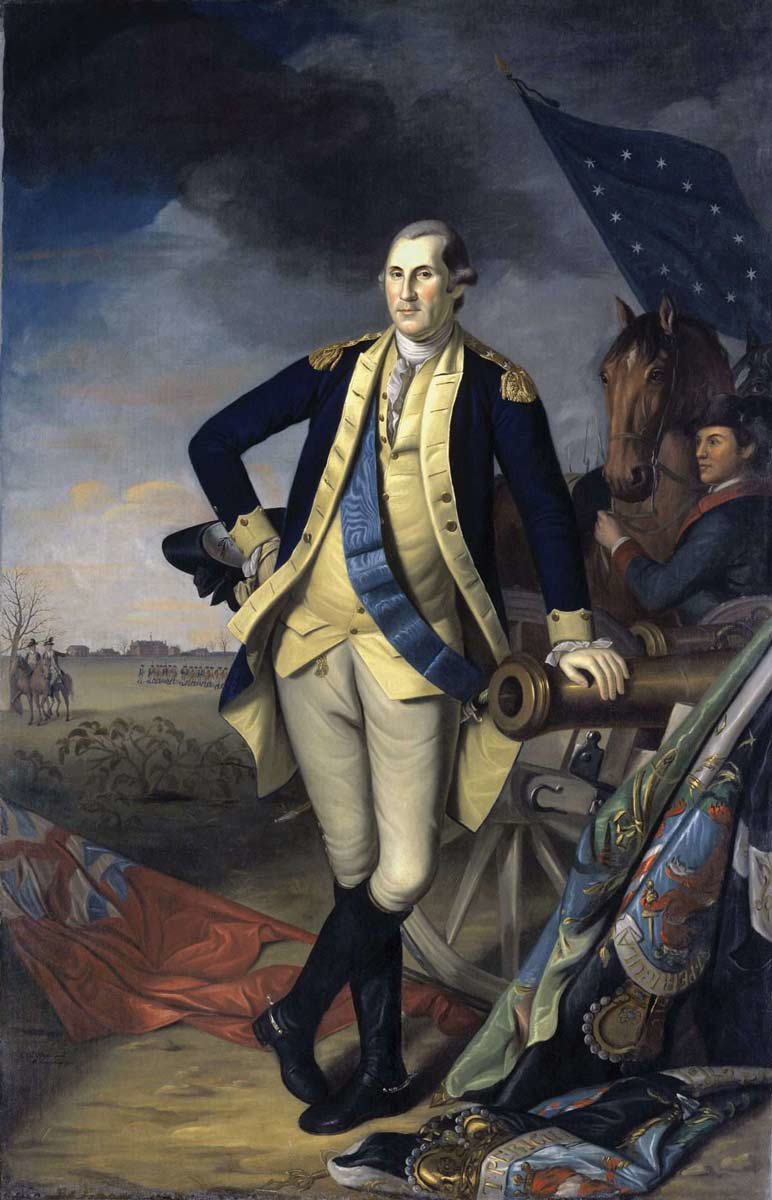
After leading the Continental Army to victory against British forces, George Washington set an example for civic virtue as president of the United States.
Born in Virginia in 1732, Washington had served as a militia officer and was instrumental in triggering the French and Indian War. After colonial elites in North America rebelled against London’s authority, Washington was named commander of the Continental Army in June 1775. Washington’s small and inexperienced army endured a series of hardships but remained in the field to ultimately defeat the British at the Siege of Yorktown in October 1781 with French support on land and sea.
By the end of the war, Washington had a sizable army at his disposal and could have seized power as a dictator or king. Instead, he relinquished command and retired to his estate at Mount Vernon. He continued to follow political developments and recognized that disunity between the states threatened the viability of the new republic.
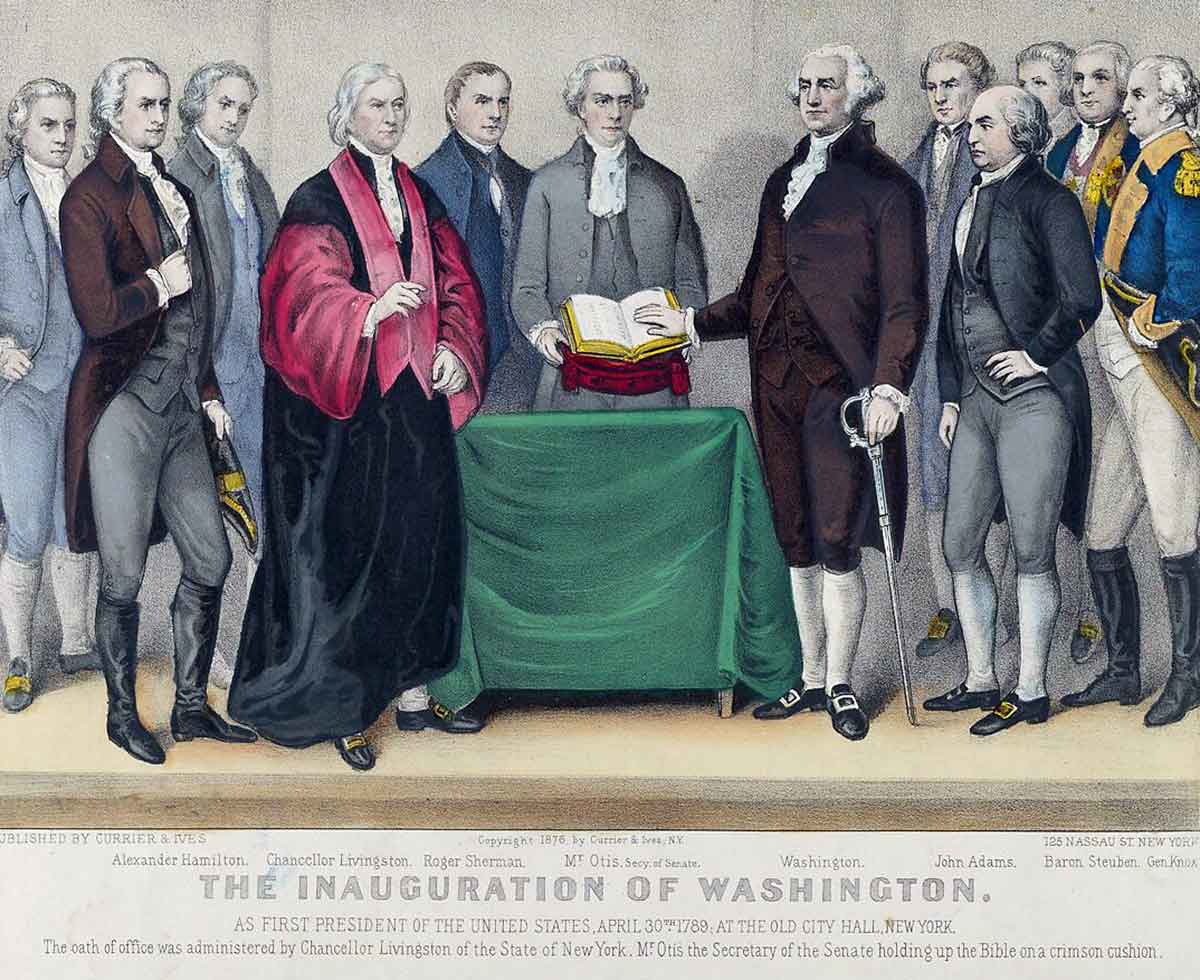
In 1787, Washington was persuaded by his friend Alexander Hamilton to chair the Constitutional Convention in Philadelphia, which produced a new constitution that strengthened the powers of the federal government. He was unanimously elected the first president of the United States under the new constitution and served two terms between 1789 and 1797.
While Hamilton was the driving force of Washington’s presidency as Secretary of the Treasury, Washington’s support was crucial in enabling Hamilton to enact some of his most ambitious plans, such as the creation of the US national debt (and the market for US Treasuries), and the establishment of the Bank of the United States.
In 1797, Washington left office after two terms, once again demonstrating his commitment to republican government and setting an important precedent for the country’s political leaders.
11. Vladimir Lenin, Soviet Russia, 1917-1924
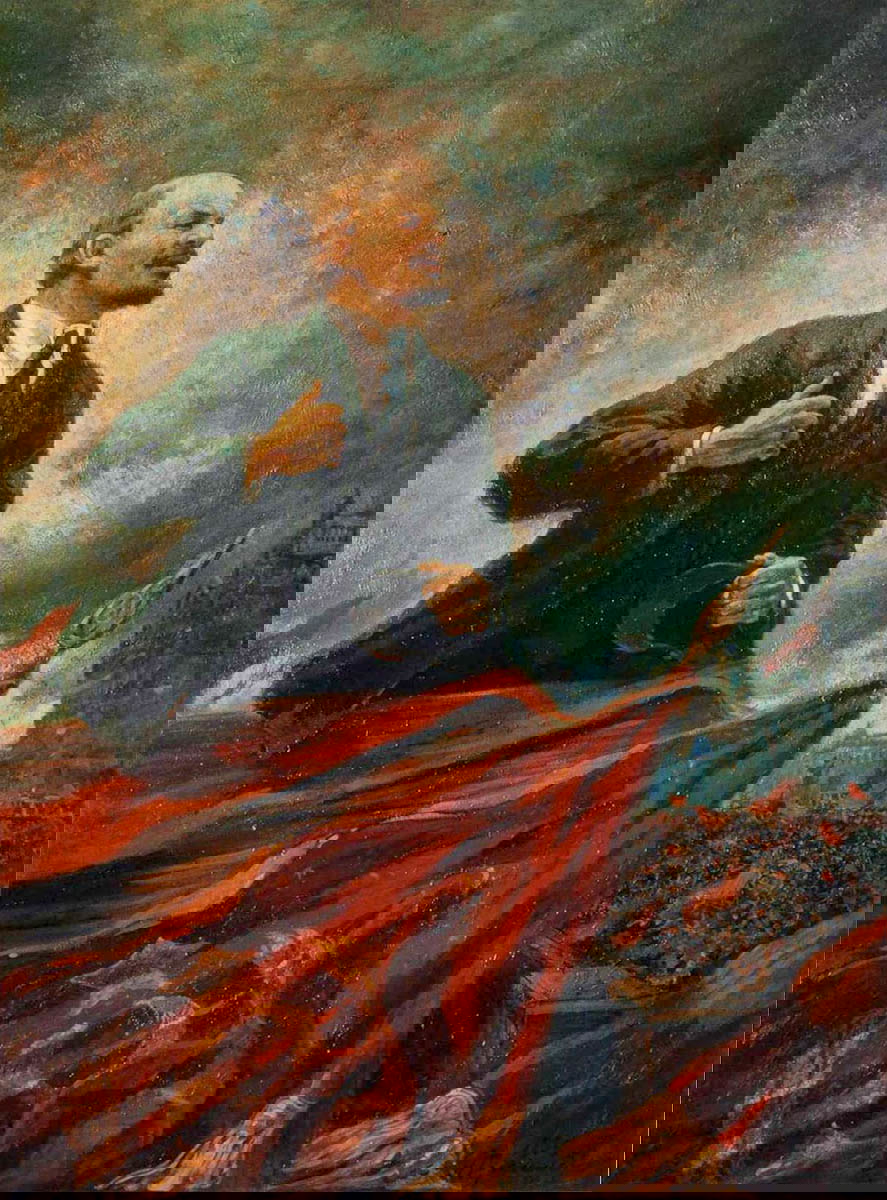
Vladimir Lenin led the Bolshevik Revolution in 1917 and founded the world’s first Communist state in Russia.
Born Vladimir Ilyich Ulyanov in April 1870 in the city of Simbirsk (now Ulyanovsk) on the Volga River, Lenin began involving himself in radical politics after his elder brother Alexander was executed in 1887 for plotting to assassinate Tsar Alexander III.
By 1900, he was a leading member of the Russian Social Democratic Labor Party in St Petersburg, where he edited the party’s mouthpiece Iskra and adopted the pseudonym Lenin. Lenin’s belief that socialist revolution should be led by a small dedicated group of revolutionaries led to a split in the party between his Bolshevik faction and Julius Martov’s Mensheviks in July 1903.
Lenin’s radicalism was unpopular, and he was in exile in Switzerland when World War I broke out. Military defeats and rampant inflation led to the February Revolution and Tsar Nicholas II’s abdication in early 1917. Lenin hurried back to Russia in a sealed carriage and arrived in April.
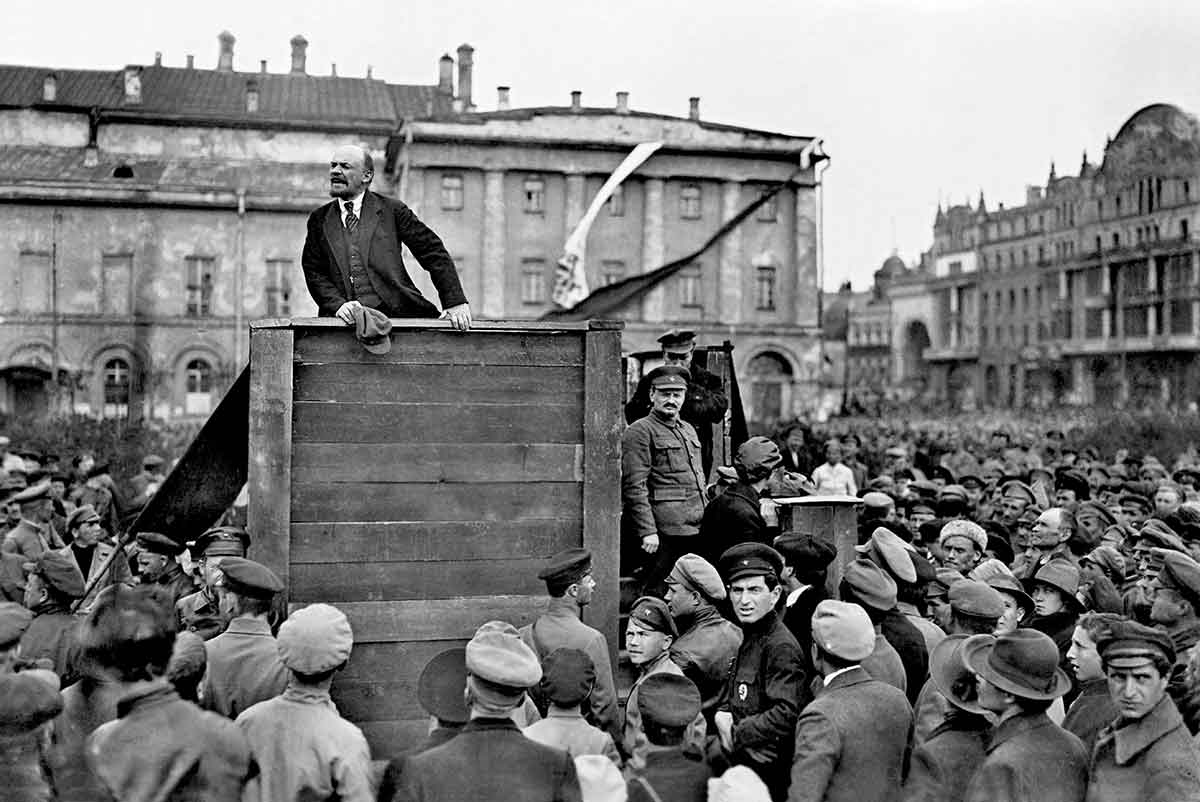
As the Provisional Government continued to fight the unpopular war, the Bolsheviks received a surge in support. By November, Lenin was ready to seize power and overruled party colleagues to stage the Revolution on November 7, 1917.
After taking power, Lenin quickly began transforming Russia along ideological lines and defeated anti-Bolshevik forces in the Russian Civil War. After recognizing that the forcible requisition of grain in wartime crippled the agrarian economy, Lenin launched the New Economic Policy in 1920 to reintroduce a market economy at the local level.
A series of crippling strokes beginning in 1922 prevented Lenin from attending to political matters, and he died in January 1924. After a lengthy power struggle, Party General Secretary Joseph Stalin emerged as the undisputed leader of the Soviet Union by the end of the decade.
12. Mao Zedong, People’s Republic of China, 1949-1976
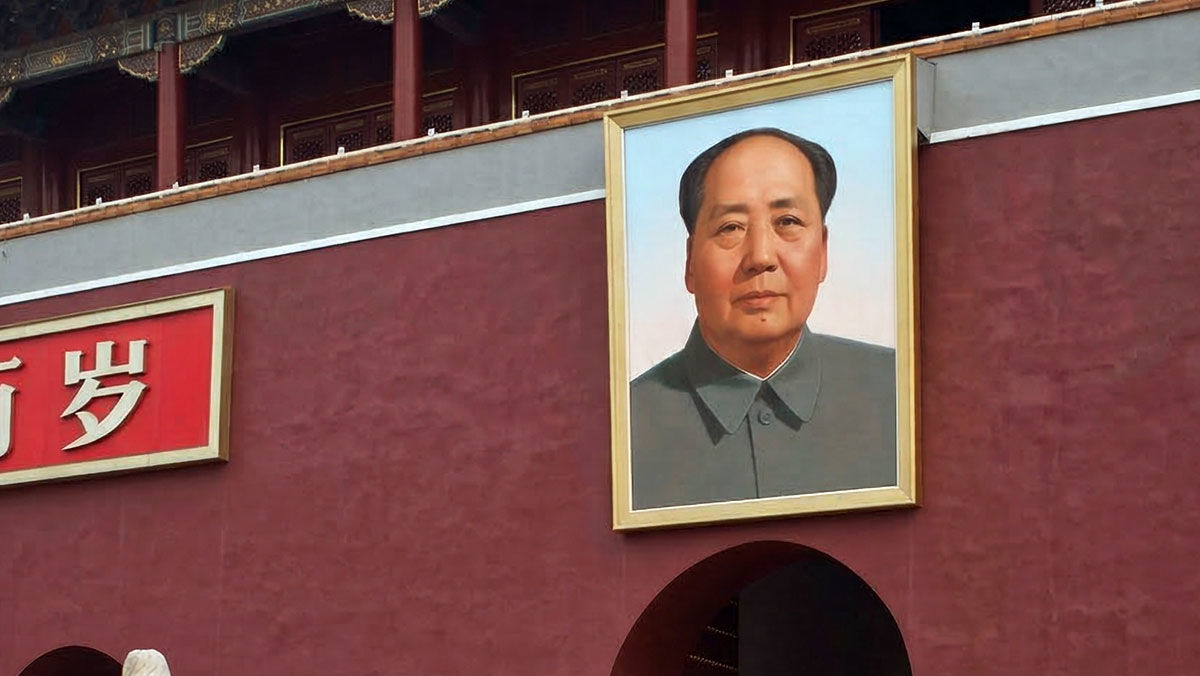
Communist revolutionary Mao Zedong founded the People’s Republic of China in 1949, laying the foundations of modern China with heavy human consequences.
Born in Hunan province in 1893, Mao was introduced to revolutionary ideas at a young age and became a founding member of the Chinese Communist Party in 1921. The party was initially allied to Sun Yat-Sen’s Chinese Nationalist Party (Kuomintang), which controlled southern China.
Following Sun’s death, the new Nationalist leader Chiang Kai-Shek purged the Communists in 1927. While Chiang conquered much of northern China by 1928, the Communists continued their resistance. In 1934, Mao was forced to embark on the Long March from his base in southeastern China to link up with a Communist base in Yan’an in the northwest. During this period Mao emerged as the senior leader of the Chinese Communist Party.
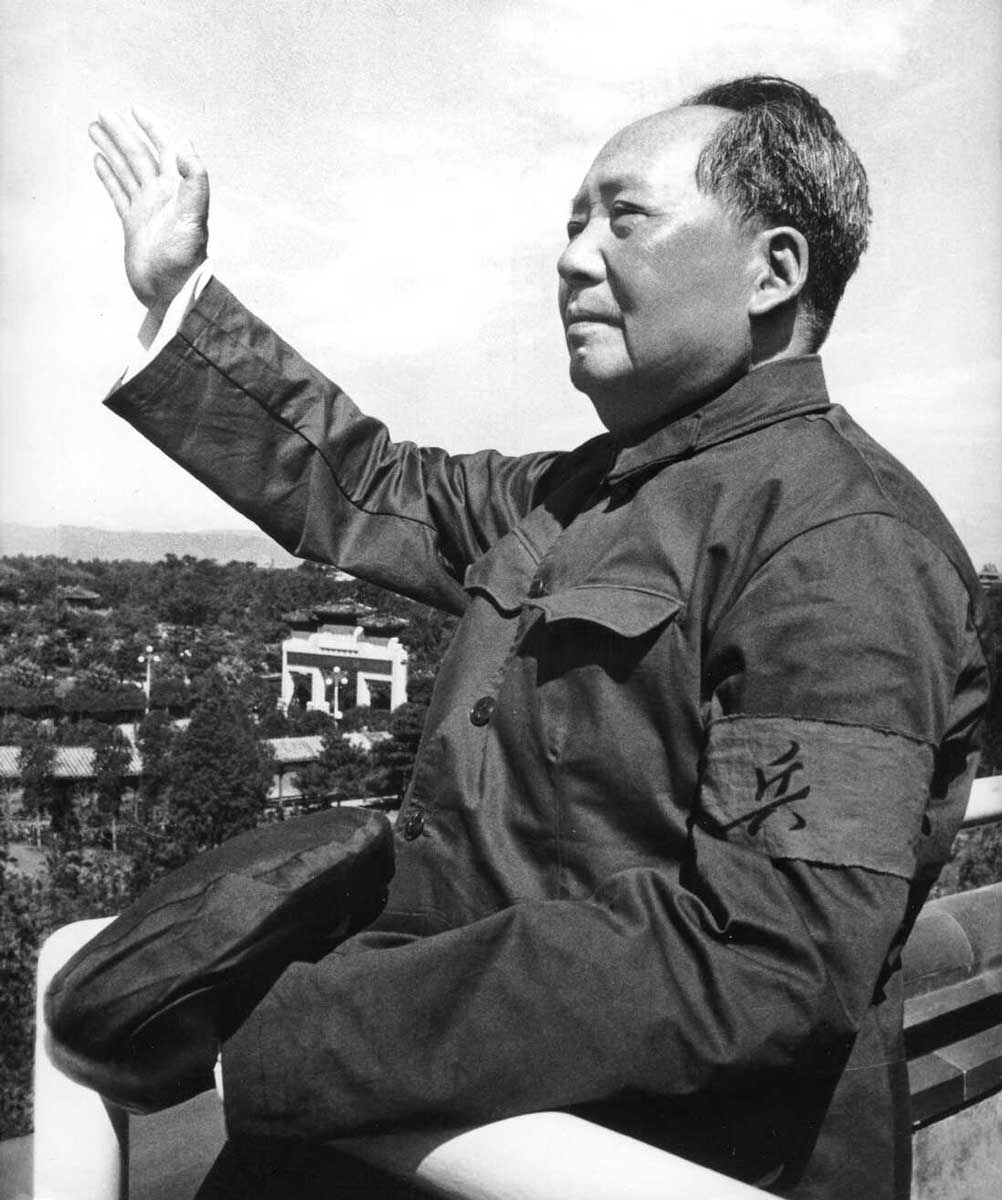
While the Second Sino-Japanese War of 1937-45 forced the Nationalists and Communists to cooperate, the Chinese Civil War resumed after the Japanese defeat. By 1949, the Communists had taken control of mainland China, and Mao proclaimed the foundation of the People’s Republic of China on October 1, 1949.
Mao’s quest to transform China exacted a terrible human cost. Mao’s Great Leap Forward of 1958 to 1962, designed to rapidly industrialize the country, led to the Great Famine that claimed millions of lives. After a temporary retreat from radicalism, Mao launched the Cultural Revolution in 1966, resulting in the destruction of priceless cultural artefacts and the persecution of political, social, and intellectual elites.
Mao ended the Cultural Revolution in 1969 and began pursuing diplomatic and economic relations with the Western world, leading to US President Richard Nixon’s landmark visit to China in 1972. After Mao’s death in 1976, market reforms introduced by his successors Hua Guofeng and Deng Xiaoping transformed China into a global economic powerhouse.