
George Washington lived a life of many firsts. Fellow Virginian “Light-Horse” Harry Lee described Washington as “first in war, first in peace, first in the hearts of his countrymen” (O’Brien, 2010, 3). Lee could have mentioned several concrete firsts. For starters, in April 1789, Washington became the first American to assume the office of president.
Washington’s life has been the subject of much mythmaking and legend, and was the subject of many tall tales even in his lifetime. This article answers some of the most common questions about George Washington’s life and legacy.
1. When Was George Washington Born?
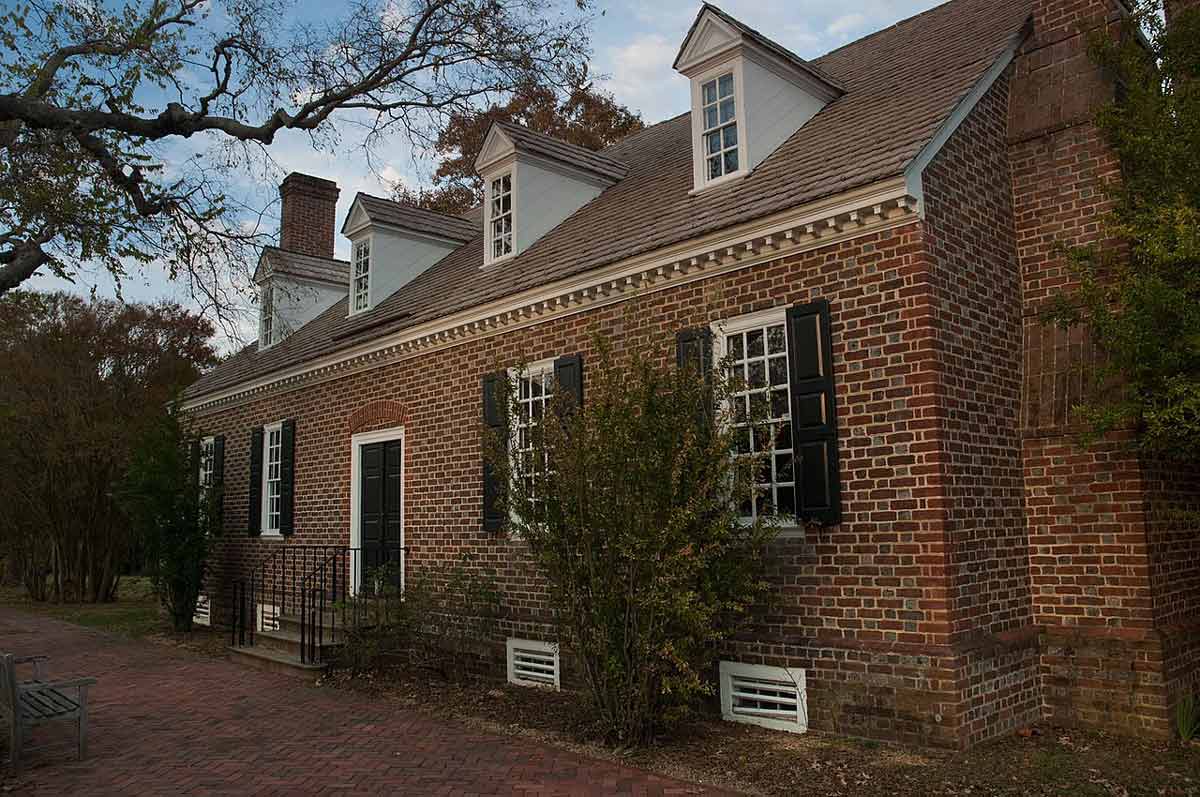
George Washington was born along the Potomac River near Popes Creek, Westmoreland County, Virginia, in February 1732.
Washington was born into a prominent Virginia family with roots in the colony going back to the 1650s. By the time Washington was born on February 22, 1732, his family had been established in the area known as the Northern Neck in Virginia for more than three generations (Johnson, 2009, 5).
Historian Alexis Coe points out that Washington’s mother, Mary, encouraged young George to become a land surveyor (2020, 9). Land surveying became a passion for Washington and a common activity he pursued throughout his life.
According to Paul Johnson, Washington saw himself from a young age as a member of a ruling elite used to managing its own affairs without interference from London. Therefore, any change in that power arrangement required resistance (2009, 5).
Historians do not know precisely where Washington’s birth took place. The current memorial site at Popes Creek features a reconstruction of a home typical of the region at the time of Washington’s birth. The house and historic site were founded on the occasion of the bicentennial of Washington’s birth in 1932.
2. Was George Washington British?
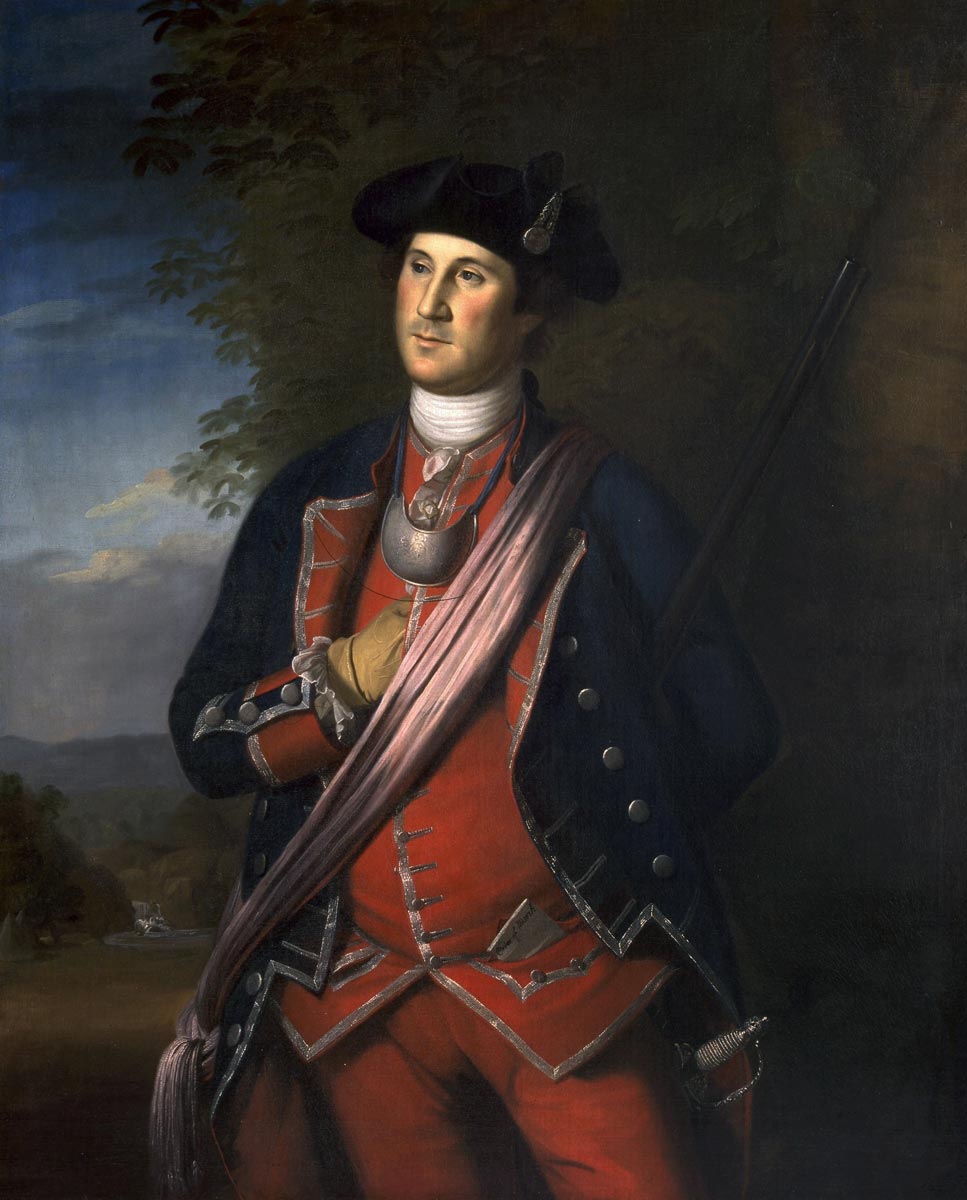
George Washington was a (mostly) loyal subject of the British Crown for much of his life.
Indeed, the young George Washington wanted nothing more than to become a British officer. Historian Fred Anderson points out that it can be difficult today to appreciate that George Washington once considered himself a loyal British subject (2005, xxiii).
However, in the 1750s, Washington hoped his military service to Virginia would translate into a commission in the regular British army during the French and Indian War (1754-1763).
Earlier, we mentioned the many firsts in George Washington’s life. One of those firsts involved Washington’s pivotal role in the first battles of the French and Indian War, the second phase of the Seven Years’ War fought in North America.
Unfortunately for Washington, these early battles were British disasters. Washington ultimately became a colonel in the Virginia militia and retired from Virginia military service in 1758 (Anderson, 2005). He never received a British officer’s commission.
Even in the 1760s, when unpopular British taxation policies caused turmoil across the colonies, Washington took a moderate position.
However, British policies increasingly brought Washington to support a decisive separation from Britain. Ultimately, historian David Hackett Fischer explains that the battles of Lexington and Concord in April 1775 drove Washington to support the American Revolution (2004, 16). Two months later, in June 1775, Washington assumed command of the American forces outside Boston, preparing to resist the British army.
3. Where Did George Washington Live?
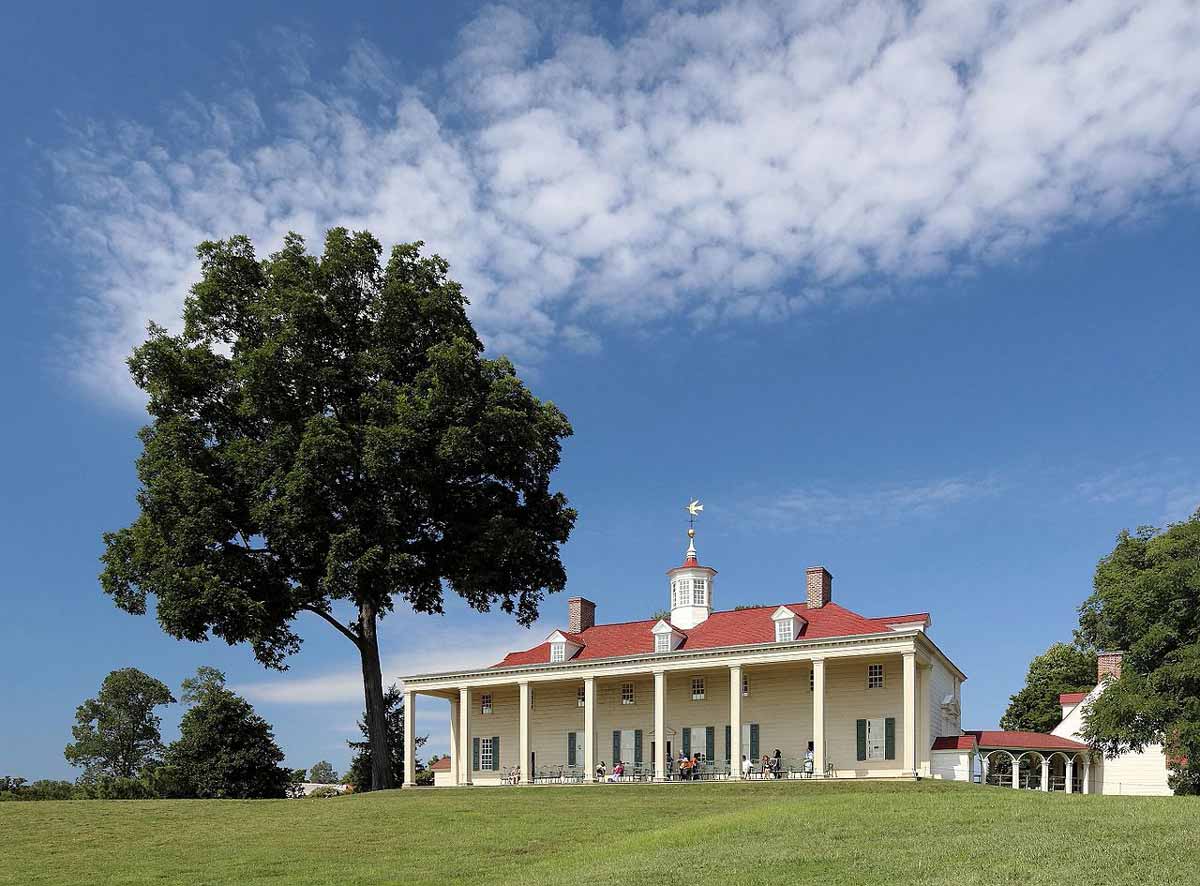
Washington inherited the estate of Mount Vernon outside Alexandria, Virginia, from his half-brother, Lawrence, upon the death of his widow in 1761. Washington had been leasing the property from Lawrence’s widow since the early 1750s. In 1759, Washington married the wealthy widow Martha Dandridge Custis.
Joel Achenbach points out that Mount Vernon boasted five distinct farms over nearly 8,000 acres of land along the Potomac River (2004, 2).
According to Achenbach, during the Revolutionary War (1775-1783), Washington only visited Mount Vernon briefly on two occasions. Both visits occurred during the Yorktown campaign in late 1781 (2004, 3). Martha Washington oversaw the day-to-day running of Mount Vernon in Washington’s lengthy absence.
Despite being among the most well-traveled Americans of his generation, Washington only left the shores of the future United States once to visit Barbados with his half-brother Lawrence. As historian Nathaniel Philbrick explains, Washington would have preferred to stay at Mount Vernon, but he was repeatedly called upon to serve in a leadership role in the young United States. He oversaw many renovations and expansion projects, including a piazza and the iconic cupola on the roof (2021, 13).
4. How Tall Was George Washington?
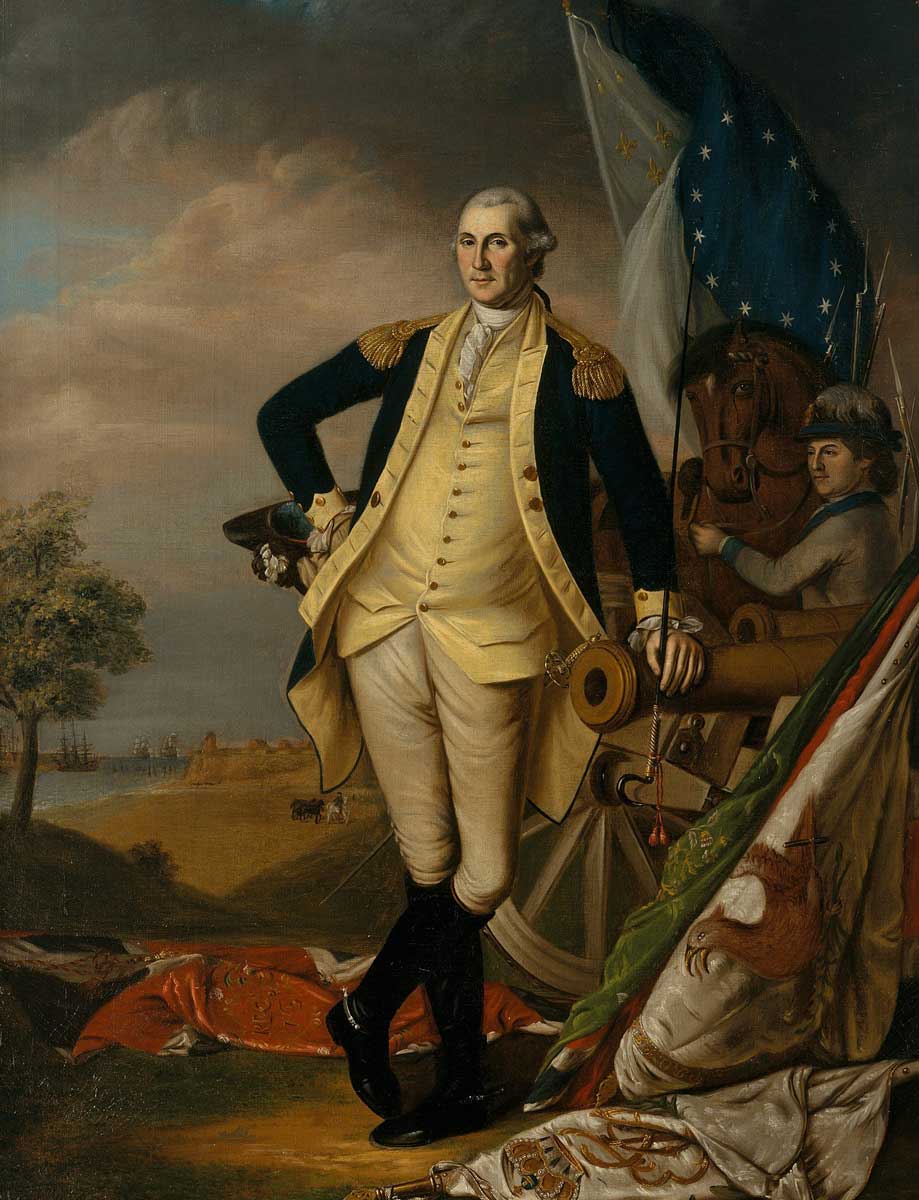
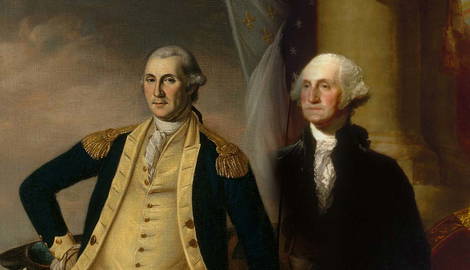
George Washington was quite tall for someone living in Colonial America. According to journalist and historian Joel Achenbach, Washington “stood at least 6 feet 2 inches tall, and no one ever looked more like a general, more naturally commanding” (2004,3).
Indeed, Washington’s height impressed most people he met. Many contemporaries wrote about his imposing height and military bearing. Nathaniel Philbrick notes that Abigail Adams described how Washington’s dignified bearing “mixed with an easy affability that creates love and reverence” (2021, 30).
5. Did George Washington Have Children?
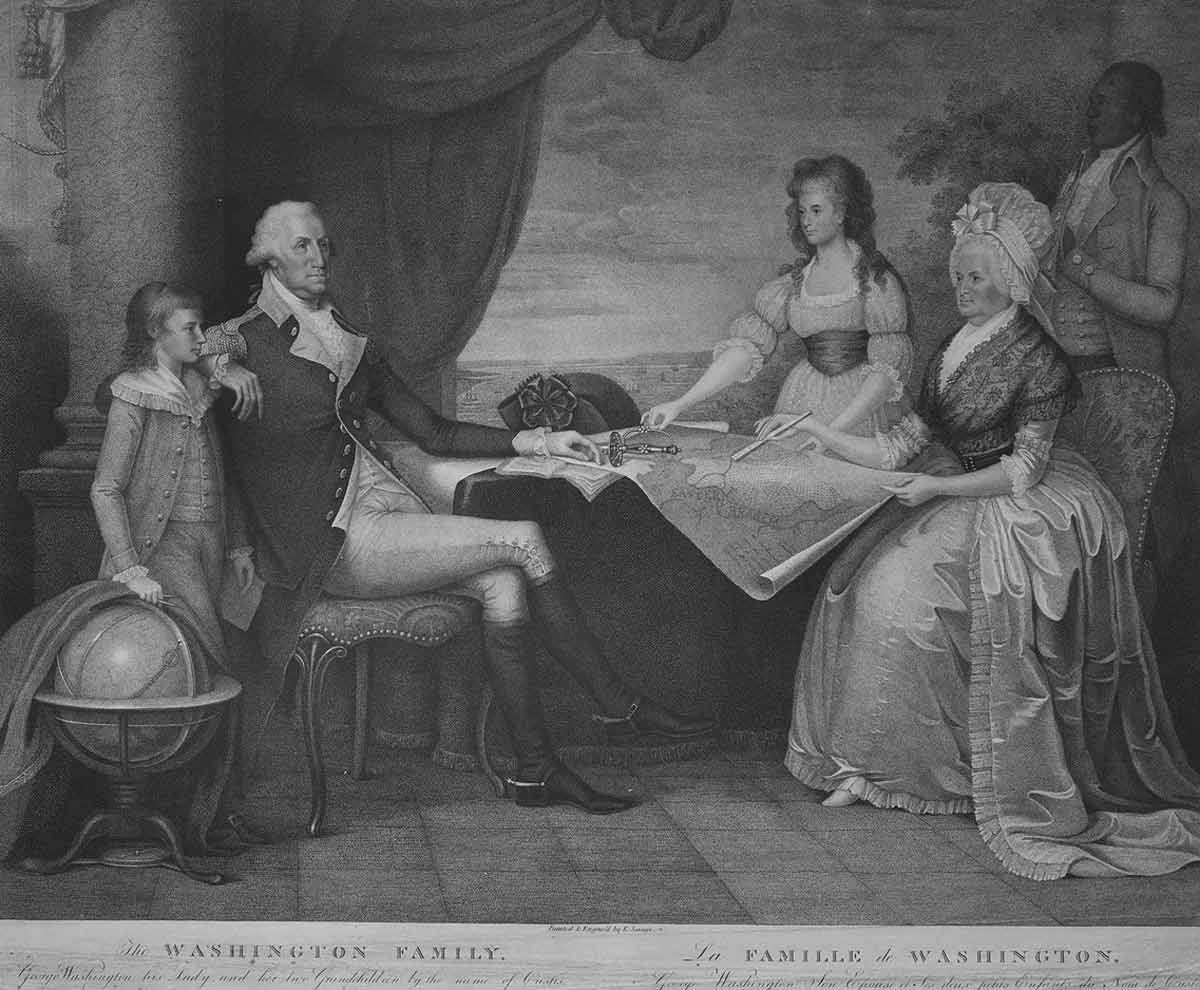
George Washington had no biological children. However, he was stepfather to his wife Martha Dandridge Custis’ children, John Parke (Jacky) and Martha Parke (Patsy). Nathaniel Philbrick points out that Washington was also very fond of his step-grandchildren, George Washington Parke Custis (Washy) and Eleanor Parke (Nelly) Custis (2021, 30).
George Washington Parke Custis’ daughter married Robert E. Lee, a future Confederate commanding general in the American Civil War (1861-1865).
During the Revolutionary War, in addition to his family at Mount Vernon, Washington embraced what he called his “military family.” According to historian David Hackett Fischer, at first, these were his closest aides, who mostly came from similar class backgrounds in Virginia and Maryland (2004, 17).
Over time, Washington became close to several senior officers in the Continental Army, including Nathanael Greene, Henry Knox, and the Marquis de Lafayette. Indeed, as historian David A. Clary notes, Lafayette became like an adopted son to Washington (2007).
6. When Did George Washington Die?
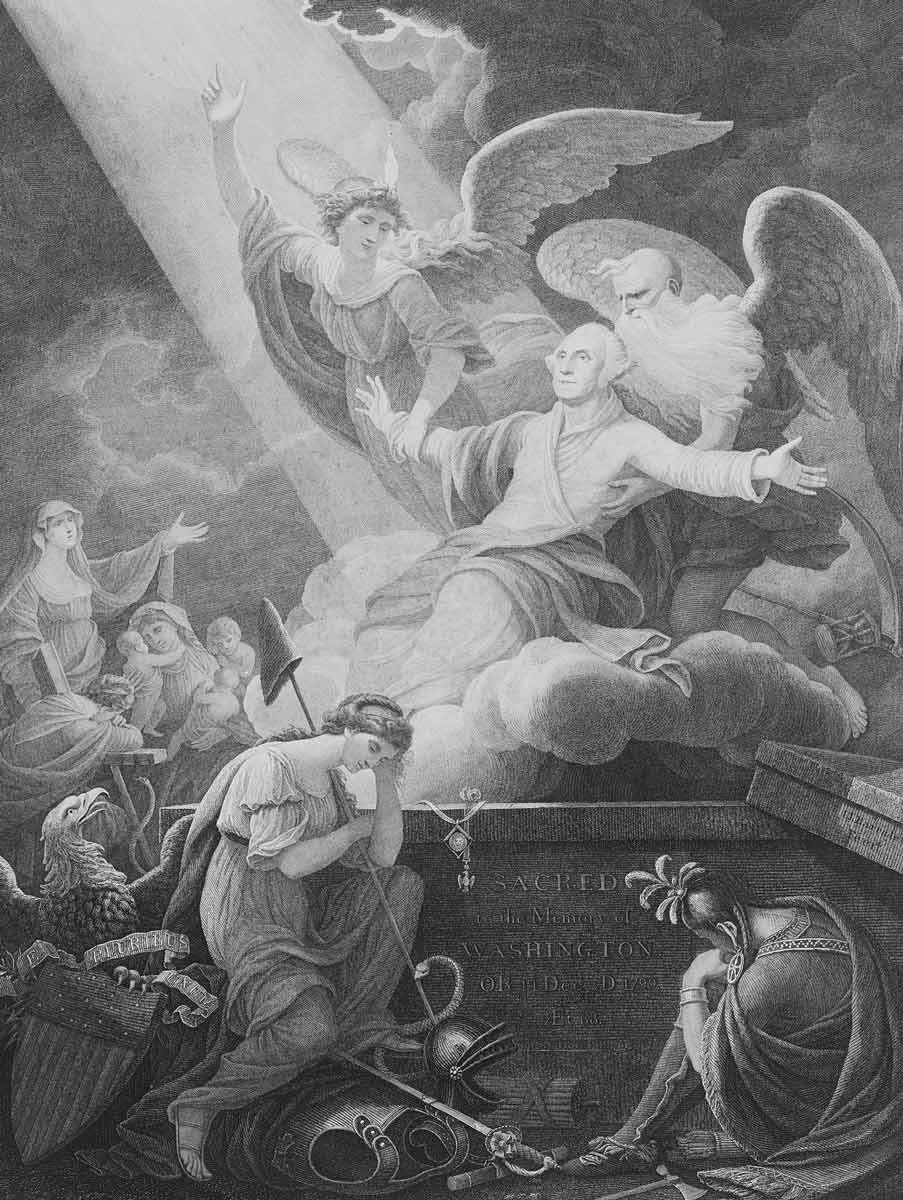
George Washington died on December 14, 1799. He was buried four days later at Mount Vernon. As stipulated in his will, Washington provided for the eventual emancipation of his (but not Martha’s) slaves (Philbrick, 2021, 115).
The nation plunged into mourning following the news of Washington’s death did not immediately grapple with the question of slavery’s future in the United States. According to Joel Achenbach, by the time of his death, Washington believed slavery to be morally wrong and desired the institution to slowly disappear from American society. However, abolition came only after over 600,000 American lives were lost in a bloody civil war in the 1860s (2004, 272).
7. How Old Was George Washington When He Died?
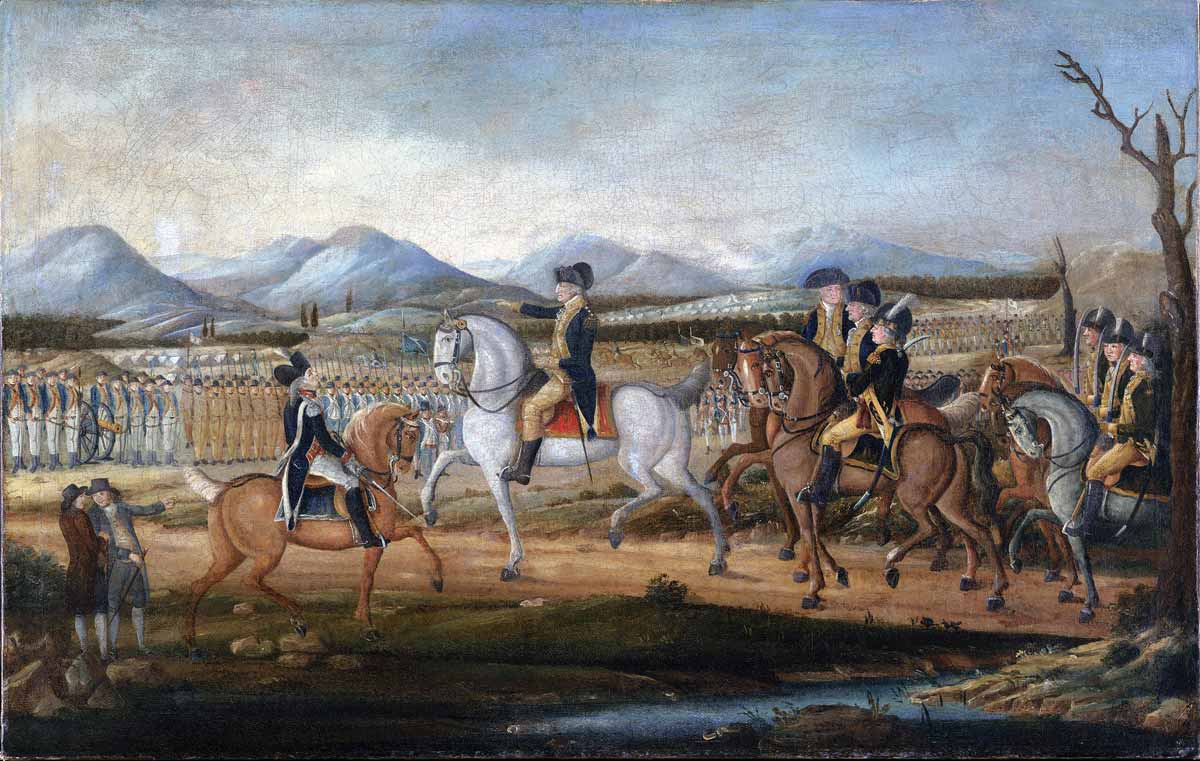
George Washington died in December 1799 at the age of 67. According to Joel Achenbach, he endured many brushes with death in his lifetime. For example, Washington was nearly killed on an arduous winter diplomatic mission to meet French officials in the Ohio Country in 1753 (2004, 16-17).
For Achenbach, “Washington’s ability to survive adventures that would surely be lethal to others had given him the aura of an immortal. He believed he had a special destiny” (2004, 15).
Washington risked his life multiple times while commanding the Continental Army during the Revolutionary War. He was nearly killed in battle on several occasions during the struggle for American independence.
8. How Did George Washington Die?
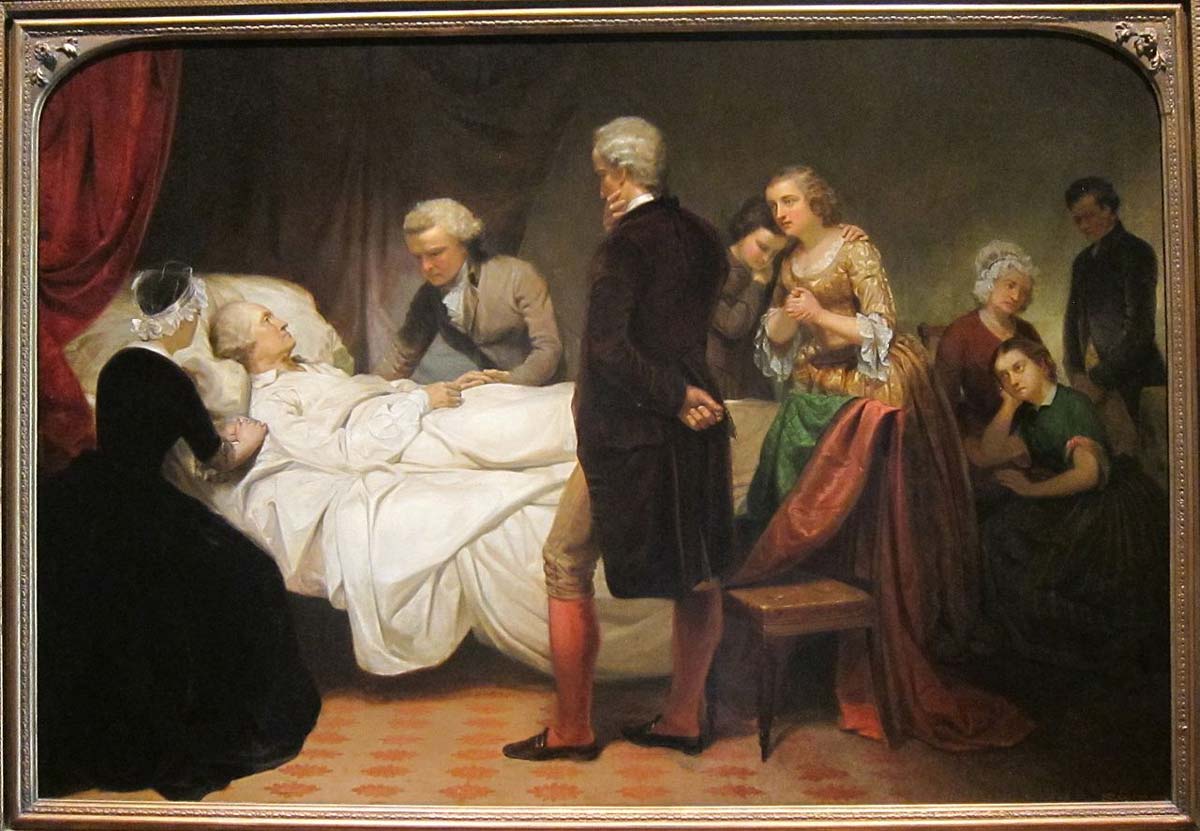
Modern medical experts believe George Washington died from a throat infection called epiglottitis. Many agree that he died as much from the treatment he received as much as the illness. Washington received a typical treatment of the day for many diseases: bleeding. However, this only made his condition worse.
Washington fell ill after riding for several hours amid cold rain, developing a sore throat and fever. According to historian David Clary, near midnight on December 14, 1799, Washington spoke his last words, “’Tis well,” and died (2007, 432).
9. What Is George Washington’s Legacy?
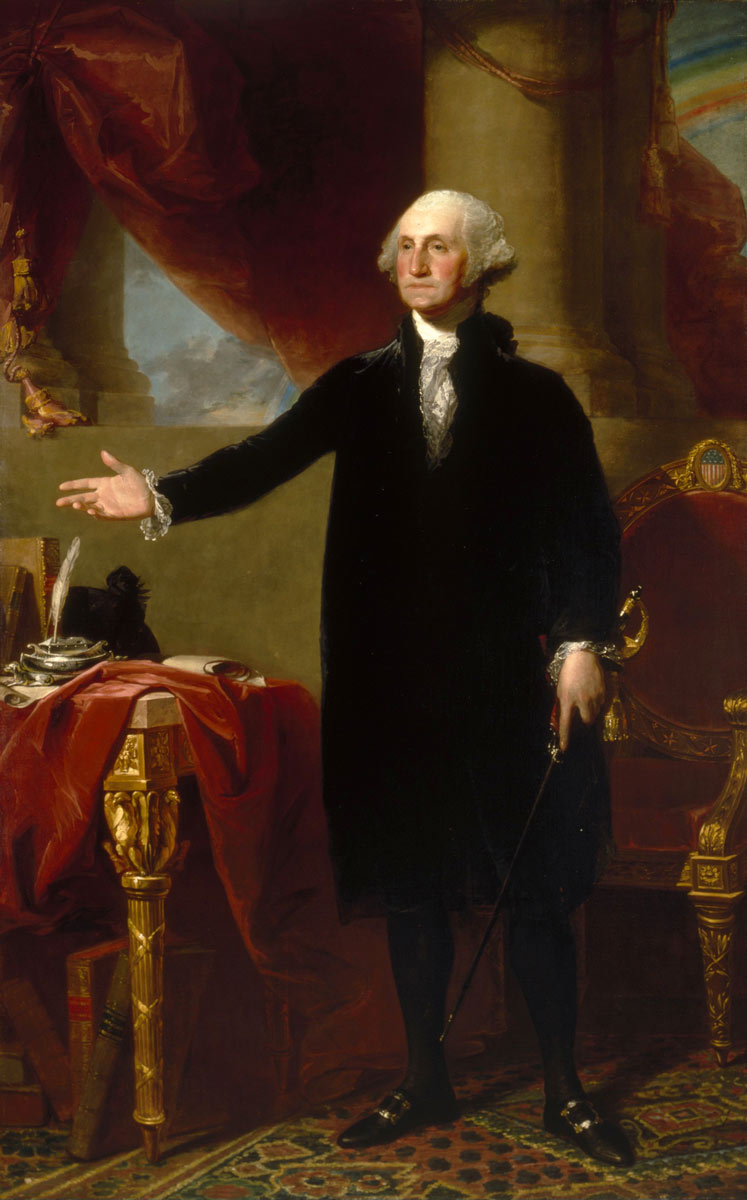
Generations of Americans idolized George Washington in the 19th century. They revered him as the father of the country, a noble, dignified war hero who forged America’s destiny as a republic with a future focused on westward expansion.
Historian Paul Johnson described Washington’s legacy in terms of his central role in the American Revolution, drafting, ratifying, and enacting the US Constitution, and serving as the first president to put that federal Constitution to work (2009, 1).
Scholars today view Washington’s life as mirroring many important threads in the larger story of the United States’ highest and lowest moments. Washington reflects many of the country’s triumphs and shortcomings, from the lofty ideals expressed in the struggle for independence and the Constitution to the inherent inequalities and contradictions in American society.
Like generations of Americans, Washington wrestled with the paradox of forging a nation of liberty while upholding the fundamentally unequal institution of slavery.
Moreover, historian Colin G. Calloway argues that George Washington prioritized seizing Native American lands for the country’s westward expansion projects (2018). Indeed, the first conflicts fought by the United States during Washington’s presidency involved Native American coalitions attempting to resist American conquest of tribal lands.
Historian Nathaniel Philbrick explains that while Washington was far from perfect, his ability to unite Americans from across the diverse former colonies deserves to be remembered (2021, 311-312).
References
Achenbach, J. (2004). The Grand Idea: George Washington’s Potomac and the Race to the West. Simon & Schuster.
Anderson, F. (2005). The War that Made America: A Short History of the French and Indian War. Penguin.
Baer, F. (2022). Hessians: German soldiers in the American Revolutionary War. Oxford University Press.
Calloway, C.G. (2018). The Indian World of George Washington: The First President, the First Americans, and the Birth of the Nation. Oxford University Press.
Clary, D. A. (2007). Adopted Son: Washington, Lafayette, and the Friendship That Saved the Revolution. Bantam.
Coe, A. (2020). You Never Forget Your First: A Biography of George Washington. Viking.
Fischer, D.H. (2004). Washington’s Crossing. Oxford University Press.
Johnson, P. (2009). George Washington: The Founding Father. Harper Perennial. Original Work Published 2005.
Krebs, D. (2013). A Generous and Merciful Enemy: Life for German Prisoners of War During the American Revolution. University of Oklahoma Press.
Morrissey, B. (2003). The American Revolution: The global struggle for national independence. Thunder Bay Press.
O’Brien, C.C. (2010). First in Peace: How George Washington Set the Course for America. Read How You Want.
Philbrick, N. (2021). Travels with George: In Search of Washington and His Legacy. Penguin.