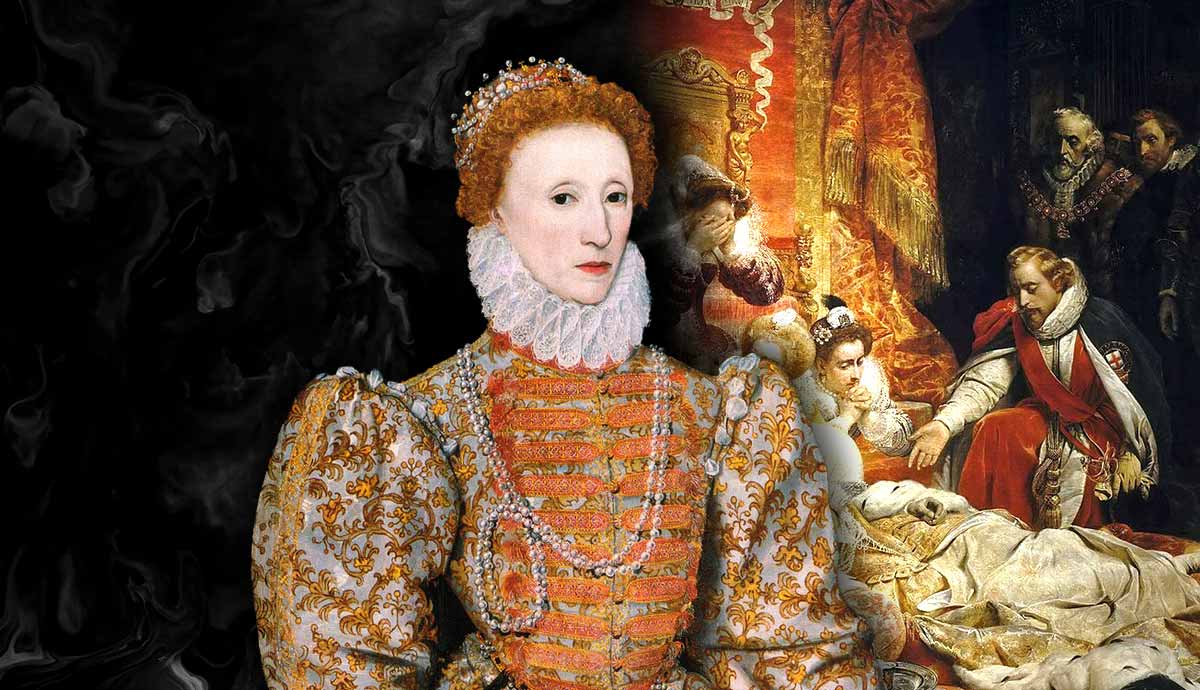
Elizabeth I Tudor ascended to the throne in 1558. Since her father, Henry VIII, had broken with the Catholic Church in Rome, England had experienced decades of religious conflicts between Protestants and Catholics. The new queen, while restoring England to Protestantism, sought to create a stable situation. The relative calm of her reign allowed the flourishing of artistic and literary culture and saw a sharp rise in population. Not all, however, prospered during the so-called “Golden Age”: for many, life in the Elizabethan Era revolved around the (desperate) search for work, the worship (attendance at Sunday service was not an option), and, for those on the margins of society, navigating local suspicions of witchcraft.
Economic Expansion & Poverty in the Elizabethan Age
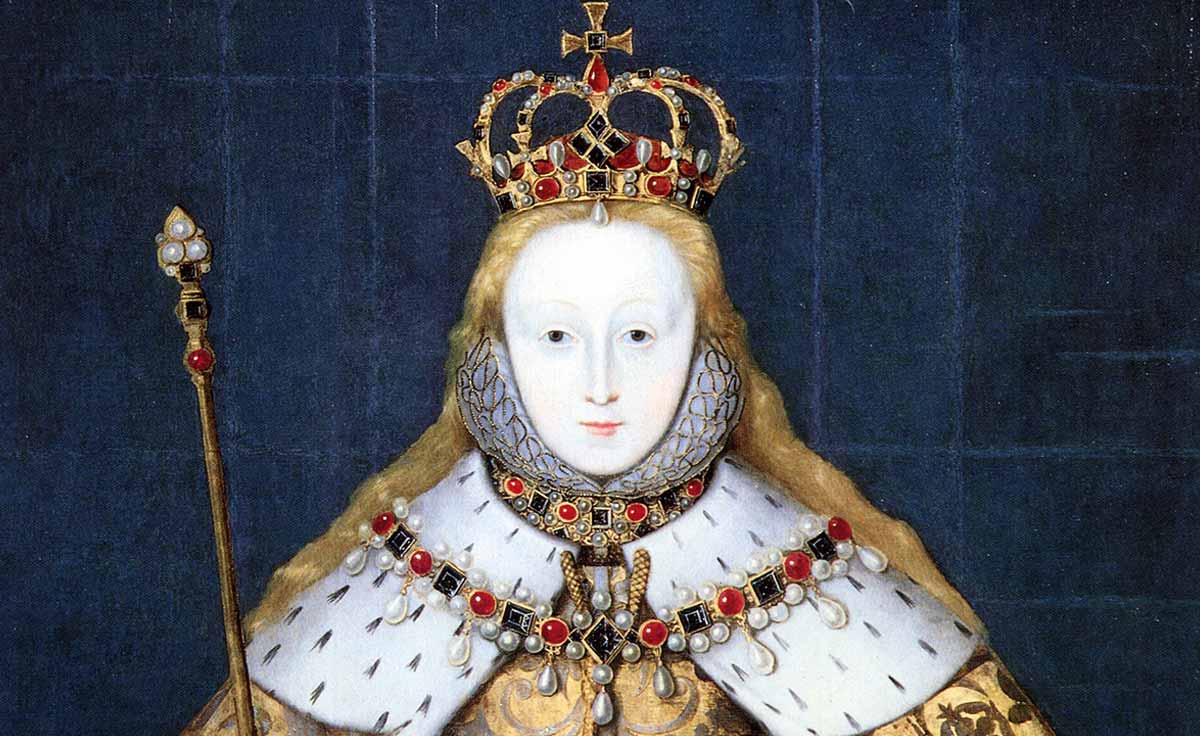
Between the late 16th and early 17th centuries, England experienced a period of economic expansion and population growth. In 1561, shortly after Elizabeth I was crowned queen, the population was about three million. Forty years later, toward the end of the Elizabethan Age, it would reach more than four million.
A rising population, combined with significant urban growth, meant more demand for goods, and, indeed, grain output increased by about 38% between 1550 and 1600. This was largely achieved by extending the cultivated area, mainly through plowing wasteland and clearing woodlands, and introducing changes in crop rotation.
While some areas specialized in agricultural production, others became distinctive for their industrial activity. Despite the decline in the cloth trade, which was straining under stiff competition from the Dutch, the textile industries continued to expand. As part of an effort to reduce the reliance on importation for many manufactured goods, the Privy Council encouraged the development of new industries, such as iron production. Moreover, rapidly growing urbanization increased the demand for fuel, resulting in the expansion of coal production.
The economic expansion in the Elizabethan Age provided opportunities for prosperity, but the growing national wealth was unequally distributed. In fact, despite the positive economic situation, this period saw an increase in prices that, coupled with falling wages, resulted in inflation and the decline of the purchasing power for many workers.
A Golden Age (For the Lucky Few)
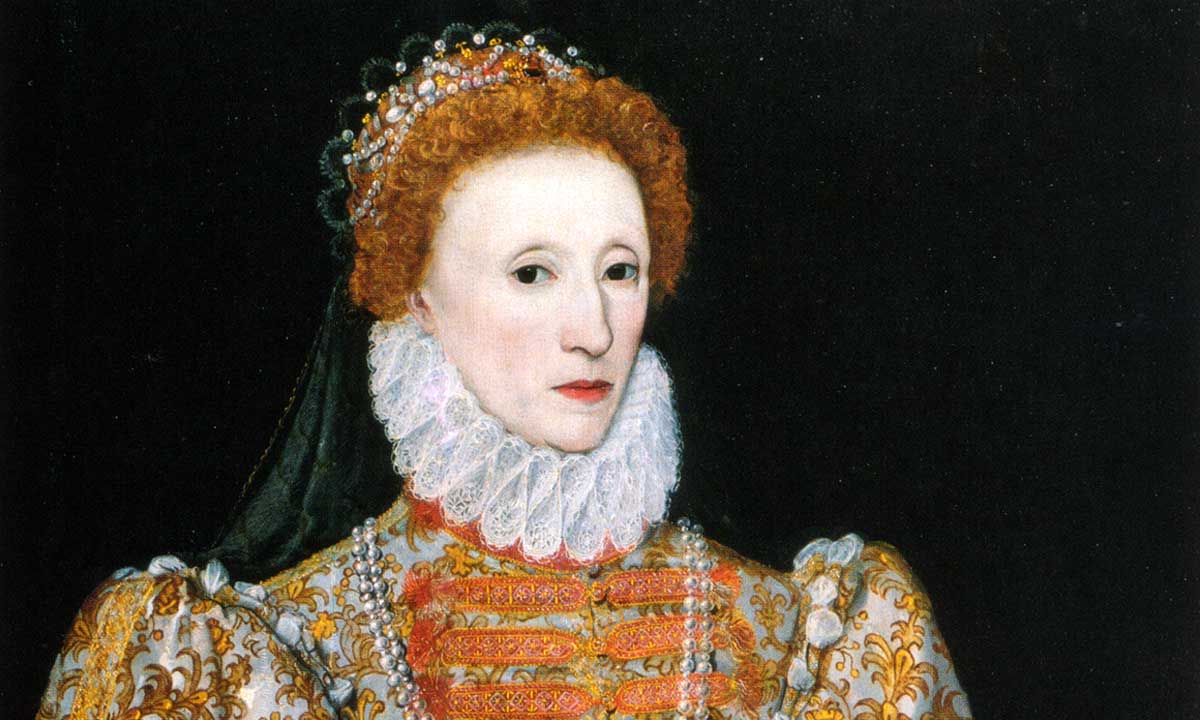
Alongside the flourishing arts, theater, and literature, Elizabeth Tudor’s reign was also the age of the “Great Rebuilding.” The reorganization of their estates into enclosed farms allowed the gentry to get higher rents, and many landlords used the funds to renovate their manor houses.
The yeomanry, a class between the gentry and the laborers, also benefited from the economic expansion and remodeled their farmhouses. William Harrison, a clergyman documenting the late years of Elizabeth’s reign, commented that in his area the yeomen were able to “find the means to obtain and achieve such furniture as heretofore hath been unpossible.”
The reality of small farmers and laborers was, however, very different, and far harsher. Lacking capital and producing smaller crops, they were also vulnerable to the aftershocks of bad harvests that usually landed them in debt. In the 1590s, four consecutive years of failing harvests caused widespread misery and, in some of the more vulnerable areas, famine.
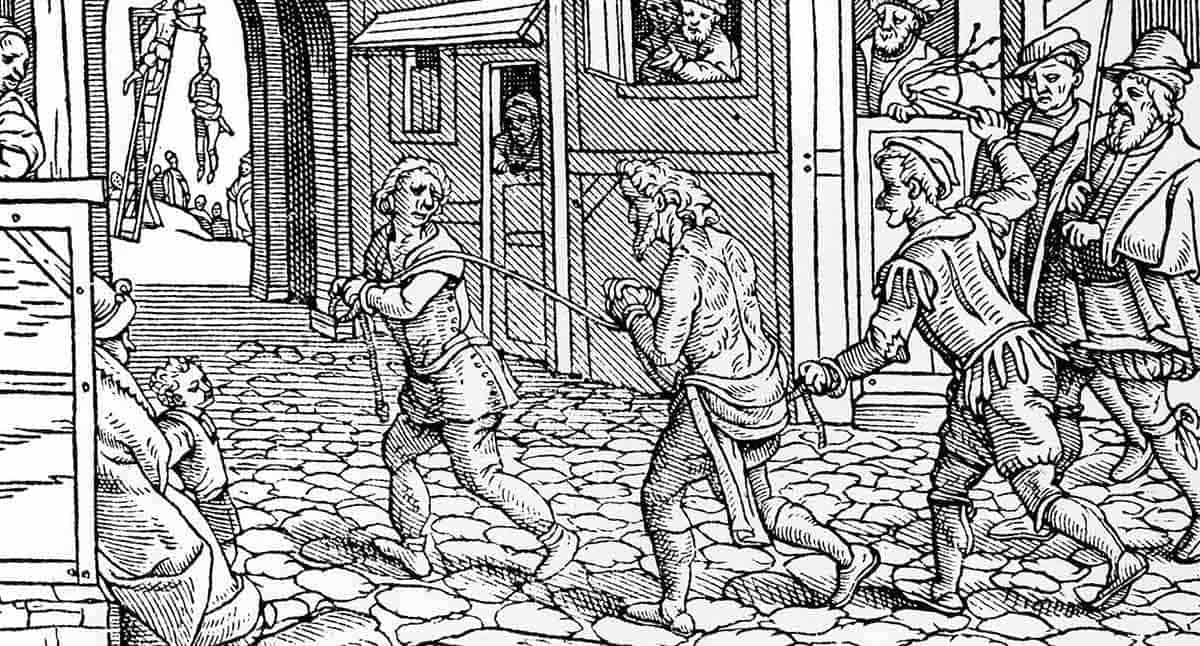
As the number of small farmers decreased, a wage-dependent class emerged. Known at the time as the “laboring poor,” these men and women could often find only seasonal work (both in industry and agriculture. British historian Olwen Hufton described their reality, marked by financial insecurity and under-employment, as “an economy of makeshifts.”
In 1509, Edmund Dudley, a minister of Henry VII awaiting his execution, praised the peaceful coming together of the different social orders in The Tree of Commonwealth. In his view, the three main groups of the commonwealth (meaning both the body politic and the common good), the clergy, the chivalry, and the “commonality,” should each contribute and share the benefits “in its degree.” In this rigid social hierarchy, poverty was mostly considered the person’s own fault.
As new economic and social forces started to bring changes to the old medieval society, attitudes and values also experienced a shift. The change in attitude can be found in the so-called Poor Laws issued toward the end of the Elizabethan Age. Partly fueled by the fear that the growing number of poor people might gang together to threaten the social order, the government created a system of poor relief funded by compulsory local taxation. While the Poor Laws were a mixture of charity and discipline (the 1572 Vagabonds Act introduced harsh punishments for vagrants), they were a primitive predecessor of the welfare state.
One Nation, Two Faiths: Worship After the Settlement
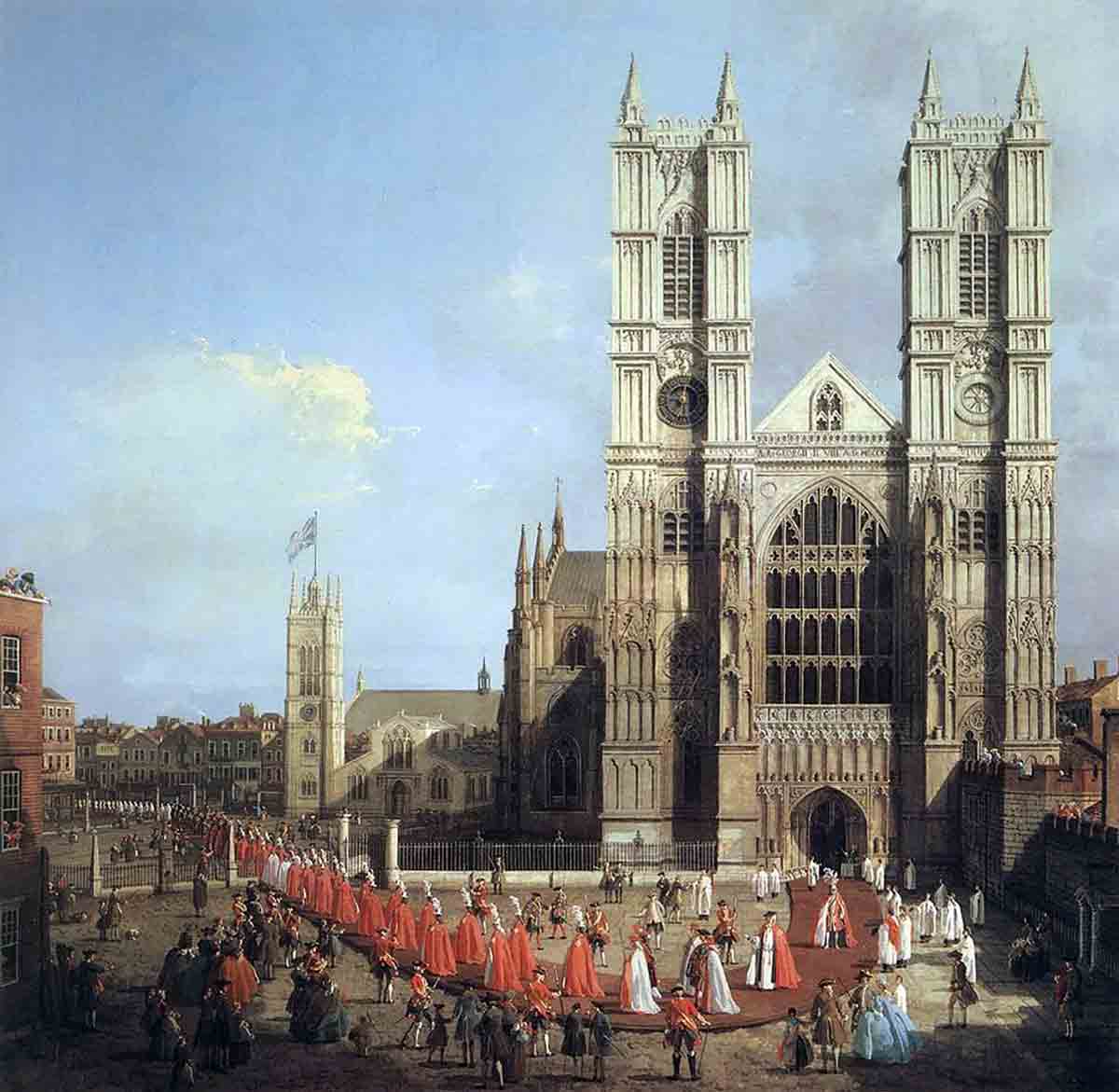
If the number of poor people was considered a potential threat to social stability, the violent tensions brought about by religious divisions were among the biggest issues faced by the Tudor queen. After her half-sister, Mary (commonly referred to as “Bloody Mary”), tried to restore Catholicism, Elizabeth, the daughter of Anne Boleyn, sought to restore the country to Protestantism while bringing about stability. Because of the prominent role played by the queen and Parliament in setting up worship rules, religion in the Elizabethan Age is often described as “by law established.”
A key move to ease the chaos of the previous 25 years was the 1559 Religious Settlement, comprising the Act of Supremacy and the Act of Uniformity. The first act declared Elizabeth the “Supreme Governor” of the Church, a term deliberately chosen to avoid offending Catholics (her father had taken the title “Supreme Head”). Clergymen, government officials, and university students were required to swear the oath; refusing to do so could result in imprisonment or even execution (for repeated offenders).
The Act of Uniformity established the rules of religious services, including the use of an official Prayer Book, based on a revised version of the one issued by Edward VI. Those who did not attend Sunday service were fined one shilling per missed service (about one day of wages), and were known as “recusants.”
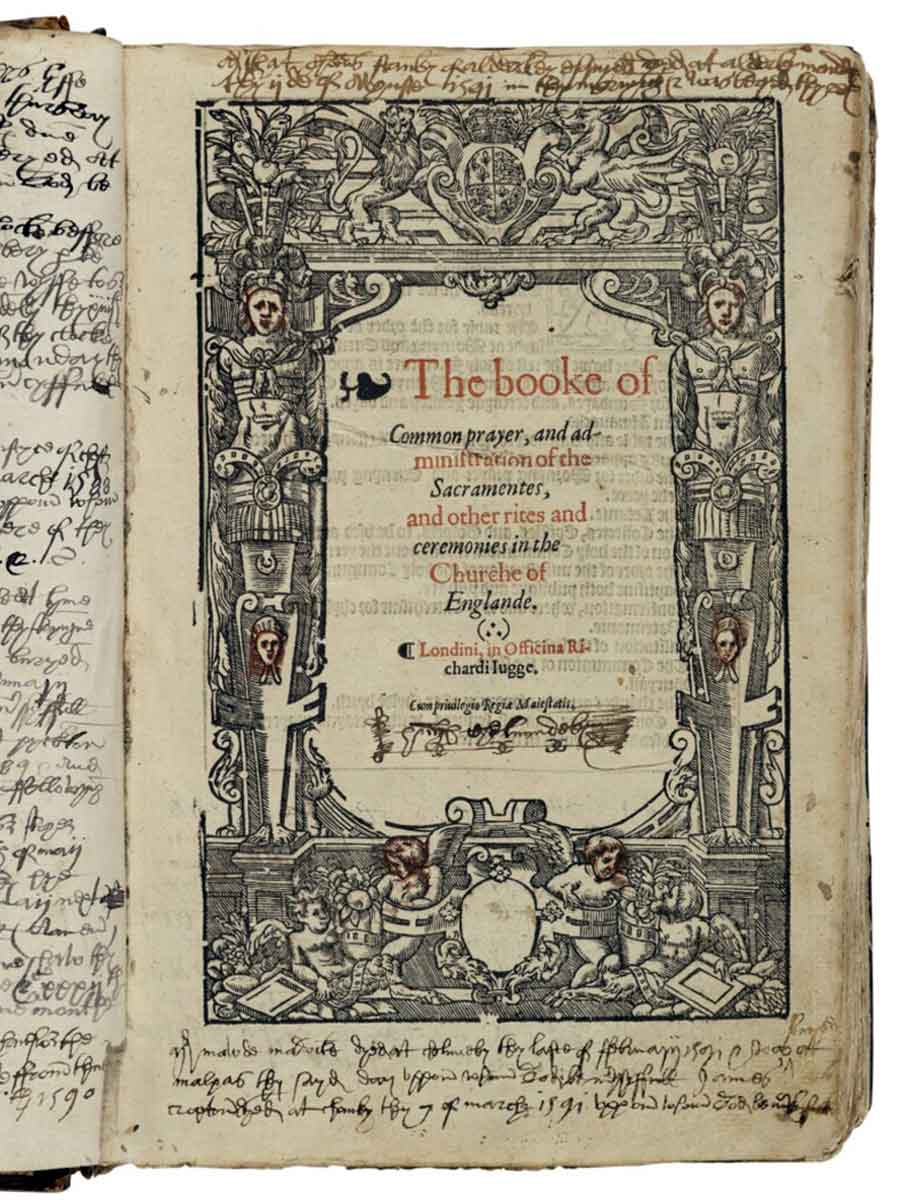
While the Religious Settlement left no doubt that England was, once again, firmly in the Protestant field, the church set up by the queen and Parliament reflected a moderate form of Protestantism. Despite protests by militant Protestants, who called for the Church to be “purified” of any traces of “popery” (a derogatory term for Catholicism), Elizabeth I feared that additional reforms would weaken the kingdom’s stability.
Moreover, the queen was more interested in order and outward conformity than inner convictions of her subjects: “I will not make windows into men’s souls,” she declared. Indeed, British historian Christopher Haigh believes that many Catholics engaged in a sort of “survivalism”: while they appeared to conform to Elizabeth’s religion, they retained their traditional faith. Others, on the other hand, feared that this conformity would eventually erode the Catholic presence in the kingdom.
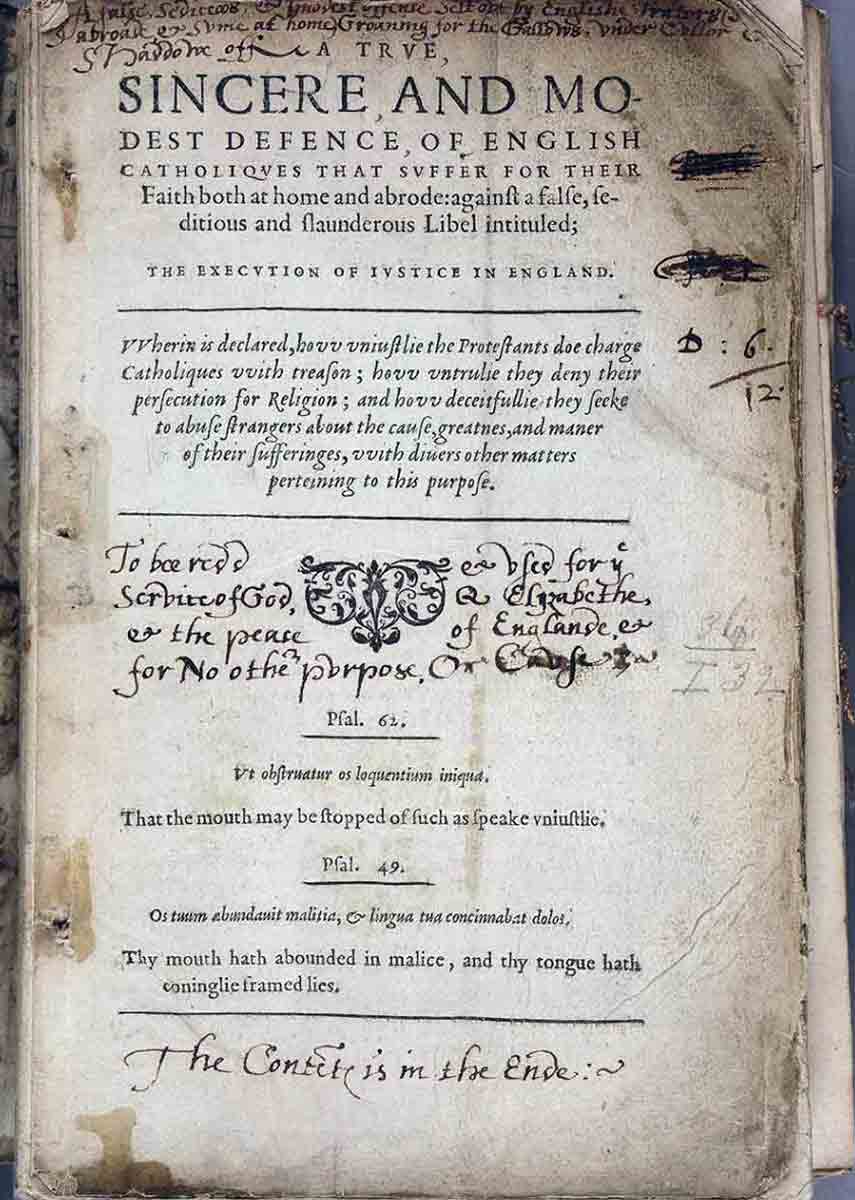
In the late 1560s and early 1570s, a series of crises revealed the still-strong divisions bubbling below the surface. In 1570, Pope Pius V even excommunicated Elizabeth, and, in the following years, hundreds of Catholic priests were smuggled into the country.
In an atmosphere of increased insecurity, worsened by plots to replace Elizabeth with the Catholic Mary, Queen of Scots, and war with Spain, the government introduced harsher measures against Catholic subjects. Recusants were fined 20 pounds a month; for a Catholic priest entering England was considered an act of treason (between 1581 and 1603, 131 ordained priests were arrested and put to death). While the majority of English Catholics were not directly involved in the plots, a general distrust spread against the Catholic community.
When Your Neighbor Was a Witch
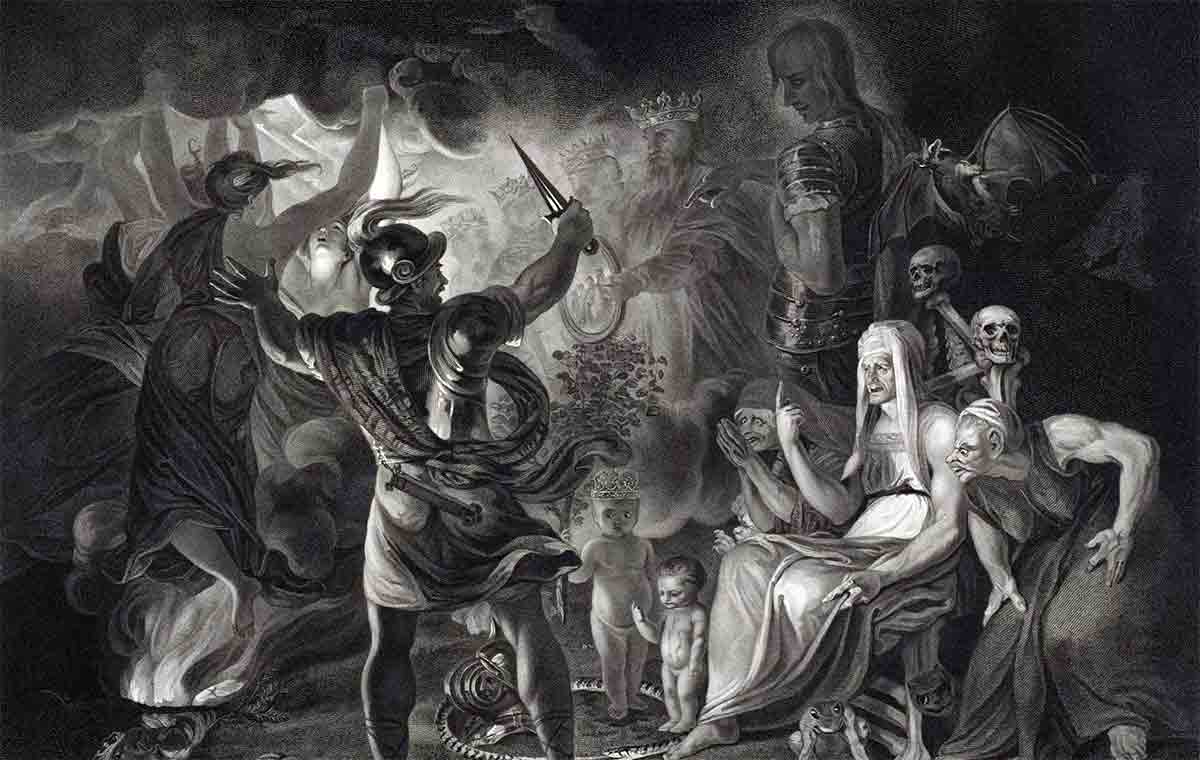
In 1566, three Chelmsford women (Elizabeth Francis, Agnes Waterhouse, and Joan Waterhouse) stood before the queen’s judges on charges of witchcraft. The author of the witchcraft pamphlet documenting their trial, The Examination and Confession of certaine Wytches, reported that alleged witches confessed to keeping a black cat called “Sathan” (a familiar spirit), fed with the blood of Agnes. The pamphlet also hinted that Agnes used Catholic prayers (in Latin) to summon the devil.
In 1563, the Act agaynst Conjuracons Inchantments and Witchecraftes (commonly known as the Witchcraft Act) formally declared the malicious use of supernatural powers, a practice called maleficium, a crime. In early modern England, magic was a way to cope with everyday anxieties and misfortunes, and people asked specialists (the so-called “cunning folk” or “wise women”) to use their magical knowledge to alleviate bad luck or medical reasons. Witchcraft, however, was commonly believed to be deployed to cause injury or death. Those found guilty of witchcraft faced, in certain circumstances, the death penalty by hanging. Among them was Agnes Waterhouse.
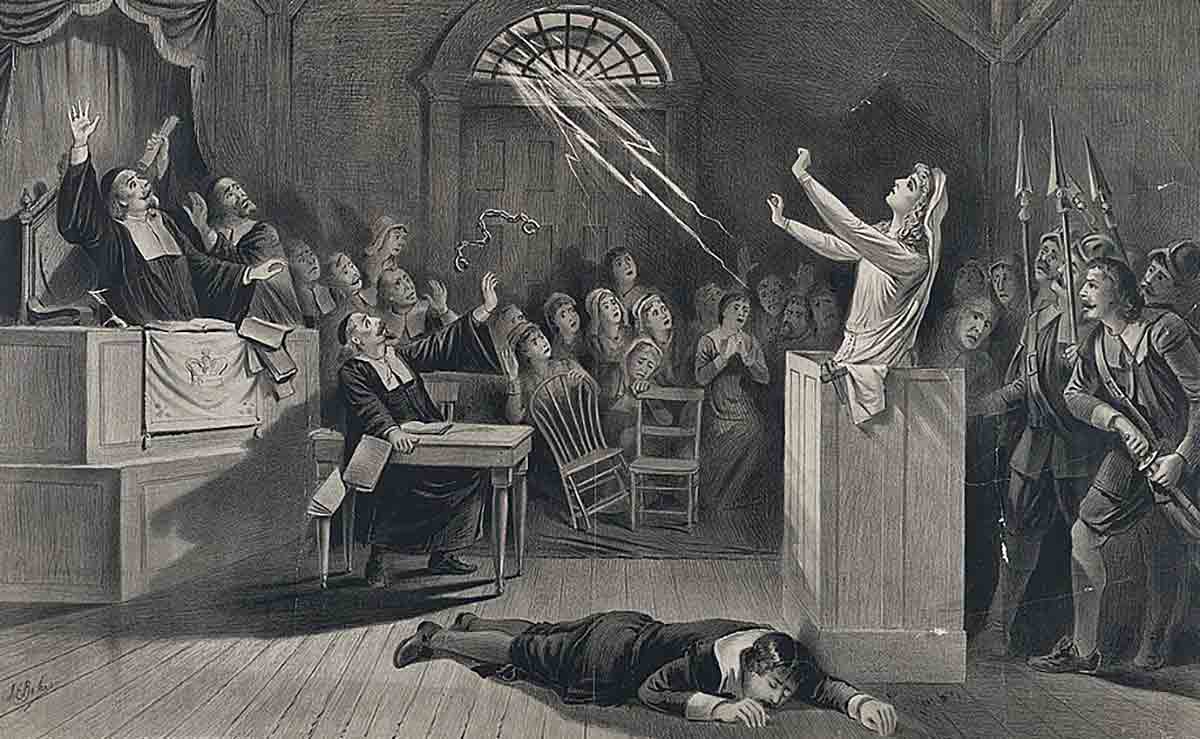
Historians have often drawn attention to the underlying anti-Catholicism of witchcraft literature, citing the increasing religious tensions as the context for the passing of the Witchcraft Act. Indeed, it was alleged that some Catholic conspiracies against Queen Elizabeth made use of some kind of magic. Others, however, believe that “a strong common law interest” brought about the 1563 legislation, arguing that the comparative mildness and absence of the stereotype of witchcraft as a diabolical cult resulted from jurisdictional caution.
Professor Keith E. Wrightson, drawing on the works by Keith Thomas and Alan Macfarlane, notes how those tried for witchcraft were usually women or elderly women accused by their (often wealthier) neighbors. This, argues Professor Wrightson, suggests that the accusations were the result of “personal rivalries in local politics” that emerged during a period of economic difficulties.
The peak of witchcraft persecution took place toward the end of the 16th century, and Parliament repealed the 1563 Act in 1736. Overall, it is estimated that about 500 people were executed for witchcraft.