
Having settled in present-day northern France, the Normans began expanding their reach to the British Isles and southern Europe. As they drifted into southern Italy as hired swords in the 11th century, Norman rulers ended up enlisting as mercenaries in the armies of the quarrelsome local rulers. By the 12th century, having defeated the Arabs, the Norman hired swords had built their own realm: the Kingdom of Sicily. Known for its multicultural and intellectually stimulating court, the Norman kingdom would outlast its founders by more than six centuries, surviving (in name, at least) until the Italian unification. Here is how it happened.
Setting the Stage: Lombards, Byzantines, Popes, & Arabs
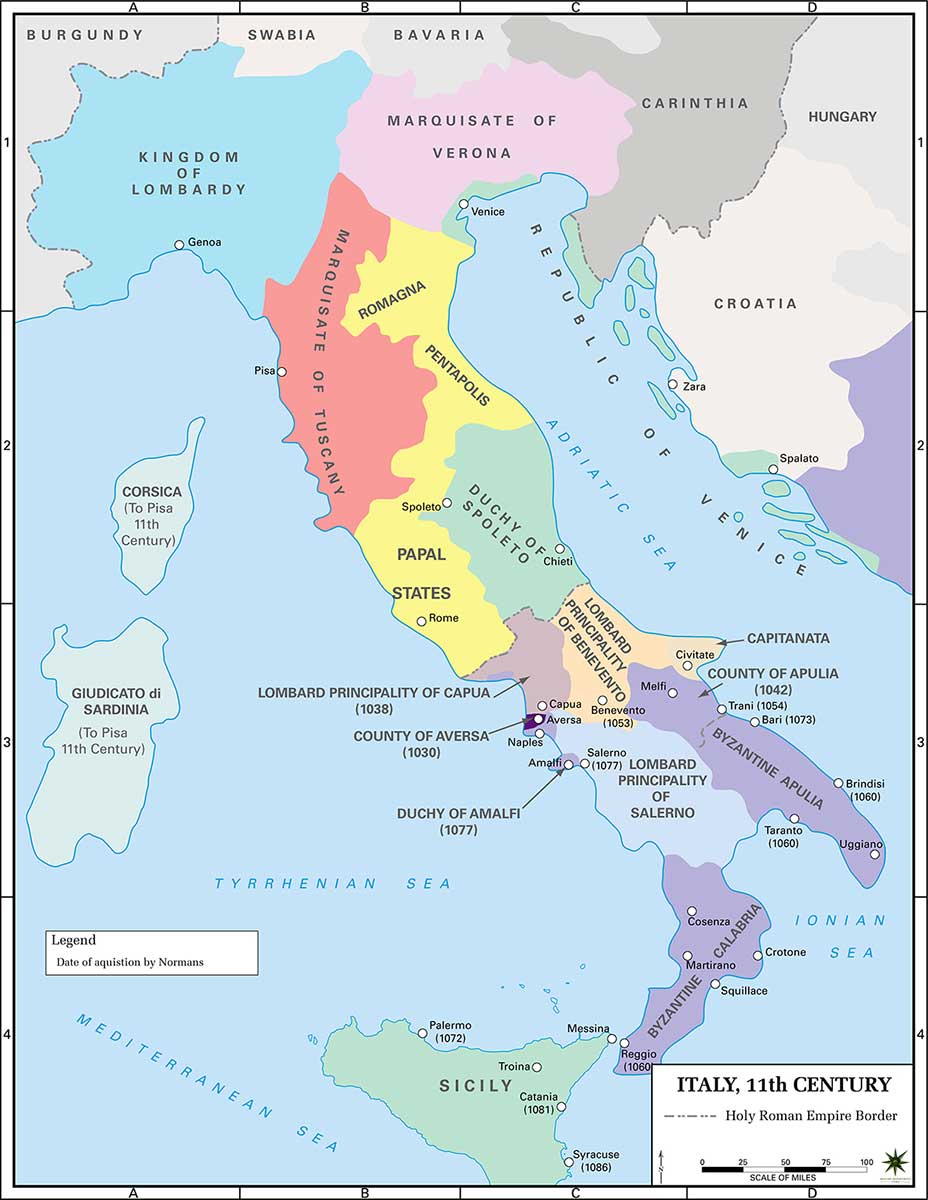
After Charlemagne conquered central and northern Italy in the 8th century, the Lombard rulers managed to retain their control over the southern portion of the peninsula for the next 300 years, until the arrival of the Normans.
In the 6th century, the Lombards, a Germanic tribe, established their control over the northern Italian territories previously under Byzantine rule. From their capital in Pavia, the Lombard rulers had then continued their expansion, eroding the Byzantine Empire’s hold in the south. The mountainous southern lands, however, were difficult to control; a situation worsened by the presence of independent-minded local gastalds.
The 9th century witnessed continued struggles between the two powers in southern Italy. At the same time, the Arabs conquered Sicily and from there moved to the mainland, sacking great monasteries and establishing a stronghold in Bari, Apulia. In the following century, the conflicts between the Byzantines and the Lombards significantly decreased, as their spheres of influence stabilized.
During this peaceful period, a so-called process of incastellamento developed in the region, with local rulers building castles that became fortified settlements. As a result, in the areas under Lombard control, the landowners greatly extended their influence, often fighting among themselves. While the southern coastal cities came to dominate long-distance trade in the Mediterranean, their constant quarrels eased the Norman conquest of the Italian south in the 11th century.
From Hired Swords to Landholders: The Normans Arrive in Southern Italy
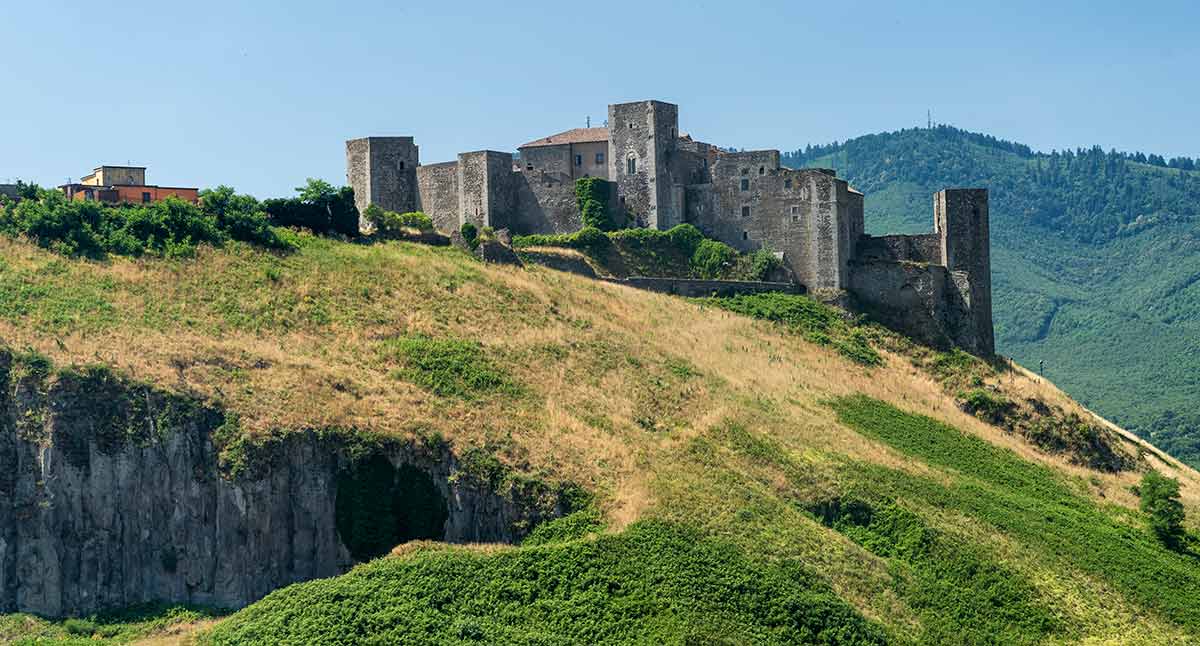
The Normans first arrived in southern Italy before 1020, perhaps during their return voyage from the Holy Land. This first wave of Normans saw them involved as hired swords in local struggles between the Lombard rulers and the Byzantines. In return for their services, they were granted territories, such as Aversa, Gaeta, and Capua.
Among the Normans who flocked to southern Italy, the three sons of Tancred of Hauteville (Altavilla in Italian), a minor Norman lord, began to emerge. As their power and military strength grew, Pope Leo IX felt threatened by their rapid expansion and formed an anti-Norman alliance with the Byzantine forces. The two factions met at Civitate on June 16, 1053, where the Normans, under the overall command of Humphrey of Hauteville and featuring Robert Guiscard, defeated the papal troops, forcing the pontiff to sign a peace after taking him as prisoner.
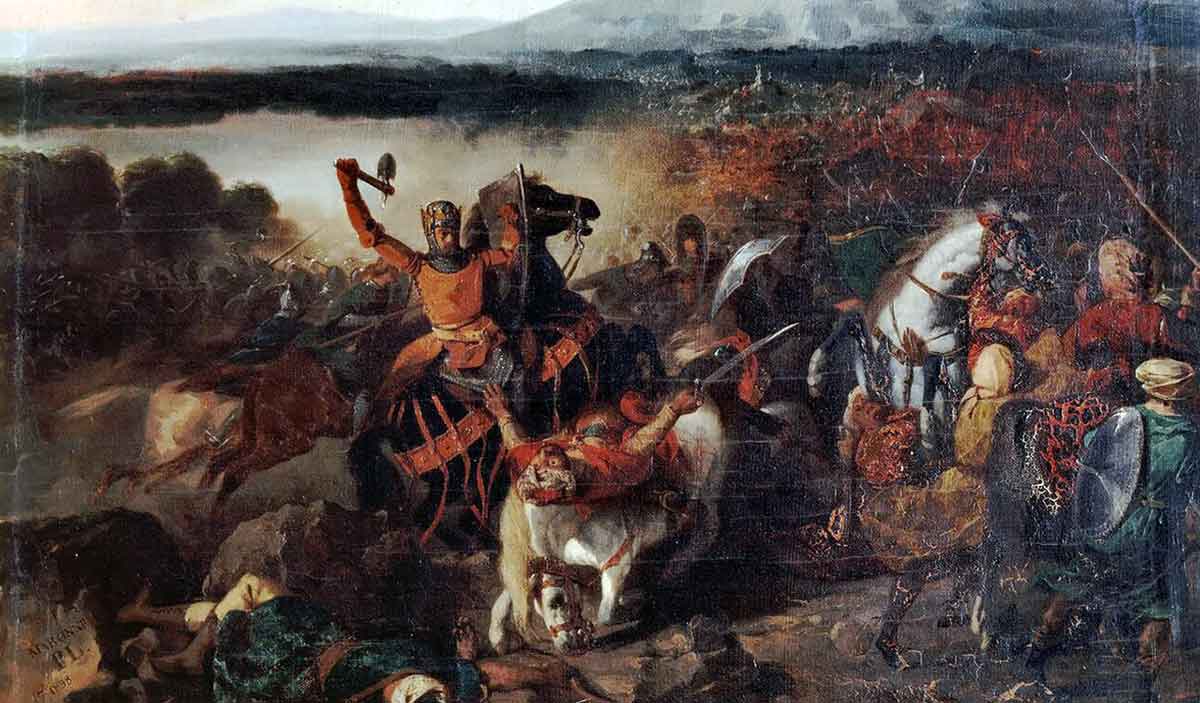
The following year, the schism between the Eastern and Western churches led to a shift in the papal policy. By then, Robert the Guiscard’s efforts to undertake a full-scale conquest of southern Italy were well underway. In 1059, the Norman leader managed to enter into an agreement at Melfi with Pope Nicholas II, who invested Robert as duke of Calabria, Apulia, and Sicily. In exchange, the newly invested duke promised to restore Christianity to the Arab-controlled Sicily and regain control of the papal territories.
In 1071, the capture of Bari (Apulia) ended the Byzantine rule in southern Italy, further cementing the Normans’ hold in the region. The following year, Robert and his brother, Roger, conquered the Sicilian port city of Palermo. Robert then turned his attention to the Byzantine Empire, but the pope recalled him to Italy for assistance against Henry IV’s Italian campaign. He died in July 1085 during the siege of Cephalonia.
How Roger II Established the Kingdom of Sicily
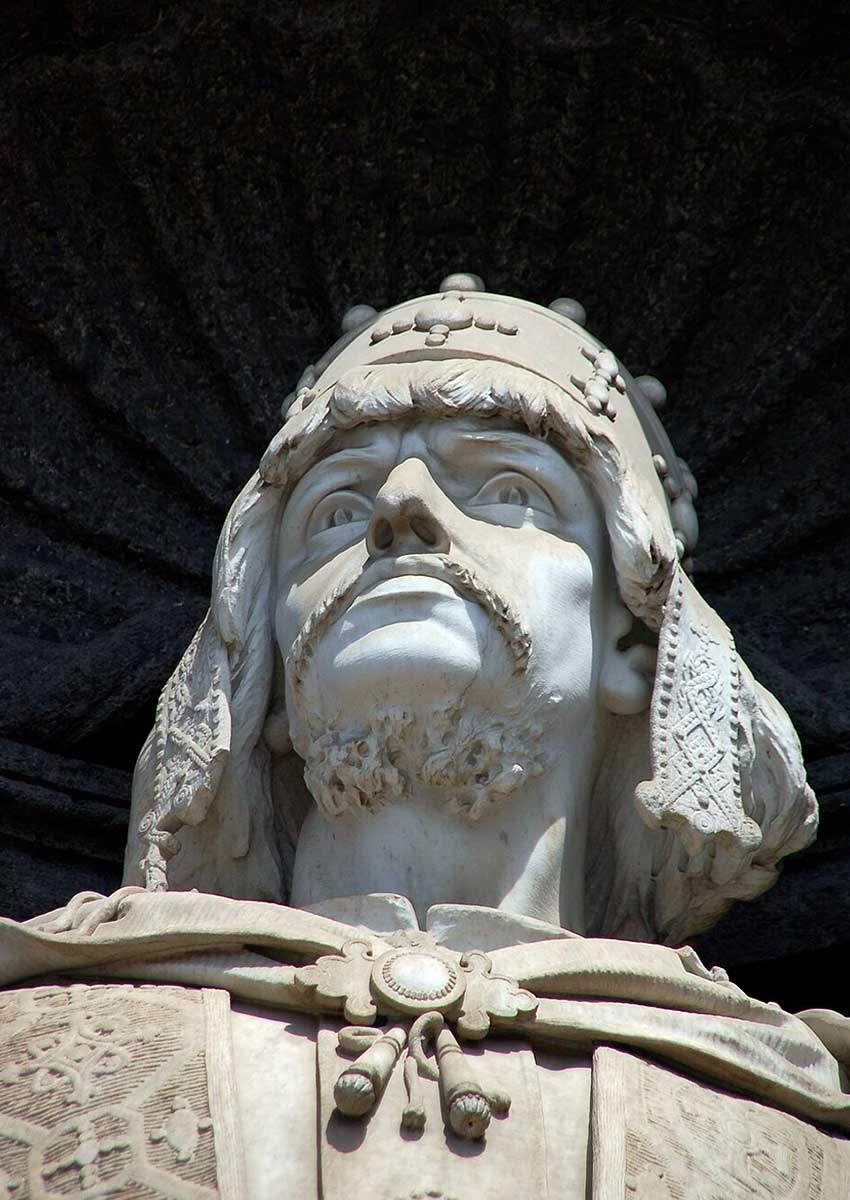
The son of Count Roger I of Sicily, Robert the Guiscard’s brother, Roger began to acquire the mainland territories owned by his cousins. By 1122, he controlled all Calabria, and, five years later, he laid claim to Apulia. Resented by local barons, who held no sympathy for the Hauteville family, and the papacy, Roger relied on his ambition and skills in diplomacy to secure his influence. In 1128, Pope Honorius II invested him as duke of Apulia, Calabria, and Sicily.
Now 32 years old, the Norman duke sought to turn his duchies into a single kingdom. The opportunity to achieve his goal presented itself in 1130, when Honorius’s death led to a dispute over the papal succession. The antipope Anacletus II turned to Roger for help against his rival, Innocent II. In return, Anacletus crowned him king of Sicily on Christmas Day 1130 in Palermo.
Nine years later, following the death of the antipope, Roger defeated a papal army and took Innocent II captive, forcing him to acknowledge Roger’s title as king of Sicily. Over the following years, Roger II strengthened his hold over the mainland territories of the newly formed Kingdom of Sicily, where his vassals were in a state of permanent insurrection. After the pacification of the realm, Roger II promulgated the Assizes of Ariano in 1140, a body of legislation that addressed every aspect of his rule, from royal rights to military service, and from ecclesiastical matters to marriage. The Assizes also granted rights to Jews, Muslims, Greek Orthodox, and non-Catholic Christians.
A Multicultural Court & the Debate Around It
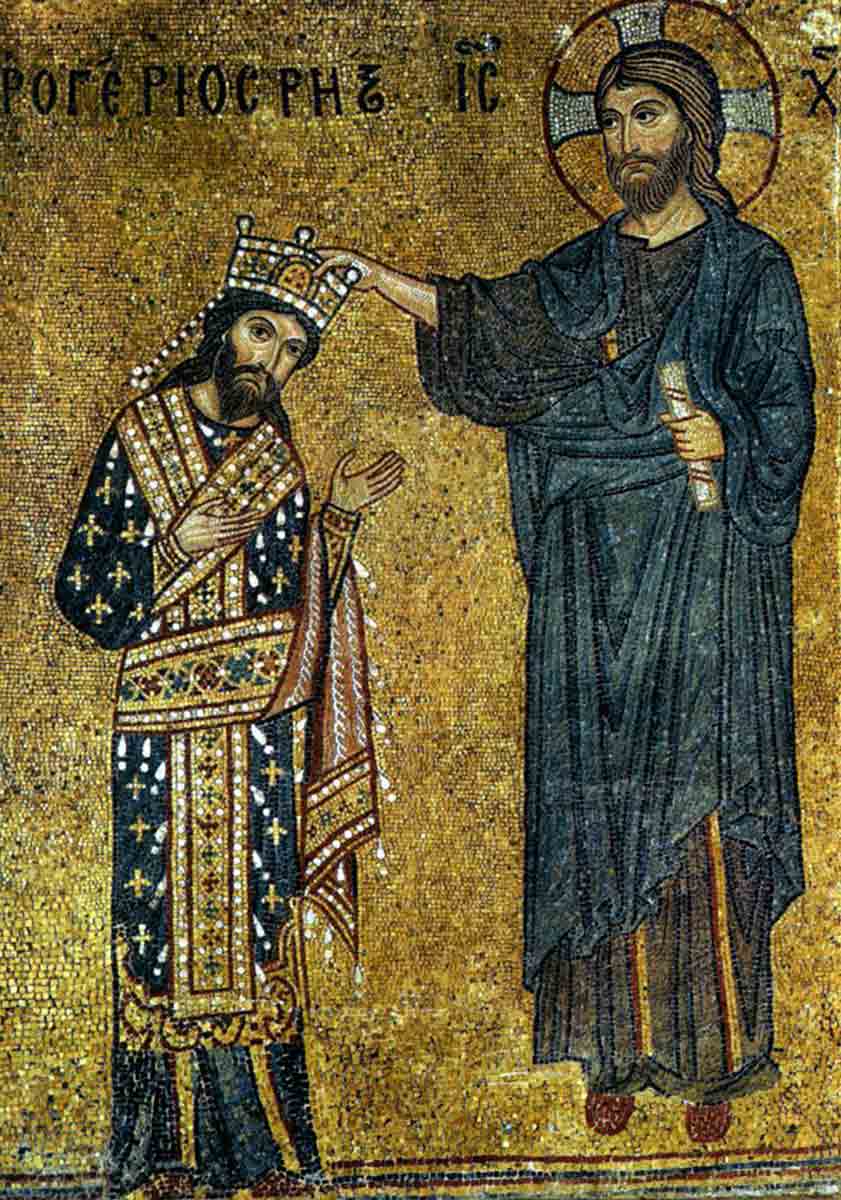
During his reign, Roger II ruled following a political philosophy based on the Byzantine model of monarchy: kings had a divine right to rule. It is no coincidence that the 1150s mosaic in the Santa Maria dell’Ammiraglio church (Palermo) shows Roger II, clad in Byzantine robes, being crowned directly by Christ.
At the same time, aware of Sicily’s diverse society, Roger II created a multicultural court where scholars of different origins and religions could interact on equal footing. The kingdom’s finances, for example, were entrusted to Arab subjects, while the Greeks formed the majority of the navy. In his 1196 Liber ad honorem Augusti, Peter of Eboli famously described Norman Palermo as a “fortunate city, endowed with a trilingual people.”
In Norman Sicily, Islamic scholars were also crucial in translating core texts of their scientific, philosophical, and literary knowledge into Latin or Greek. Similarly, the king formed a circle of advisors composed of Byzantine and Muslim subjects, such as geographer and cartographer Abu Abdullah Mohammed al-Edrisi.
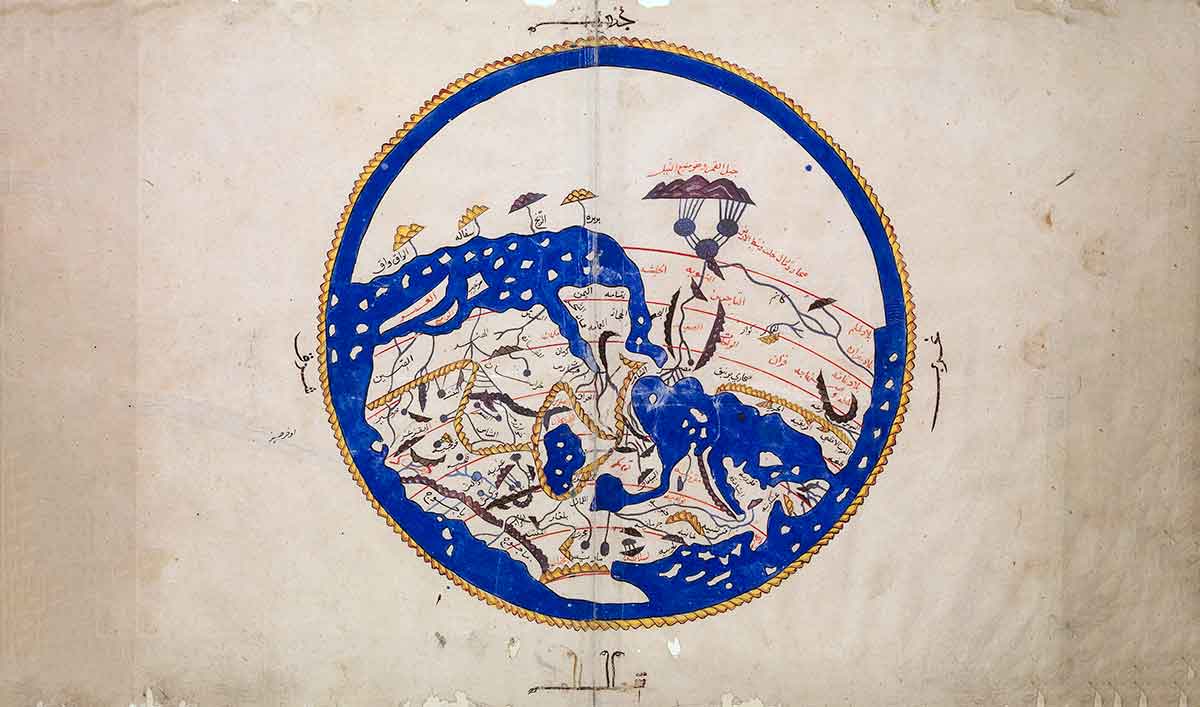
Historians have long praised the Kingdom of Sicily’s multiculturalism, crediting the Normans for their tolerance toward religious minorities. More recently, however, scholars have begun to question the depiction of Norman Sicily as a medieval utopia of diversity and equality. It has been suggested, for example, that the coexistence of people from different faiths served a clear political purpose.
Indeed, when the Normans conquered Sicily, one-third of the island’s inhabitants were Byzantine, and two-thirds were Arab Muslims. Given the large number of people from different religious backgrounds, it was crucial for the Christian Normans to create a “strategic tolerance.” It should also be noted that, despite this multicultural image, religious violence persisted in the kingdom.
While the idea of the Norman Kingdom of Sicily as an idyllic golden age of tolerance may be simplistic, the socio-cultural syncretism between Islamic, Byzantine, and Western cultures in 12th-century Sicily is undeniable.
Mosaics & Cathedrals: Norman Arts in Sicily
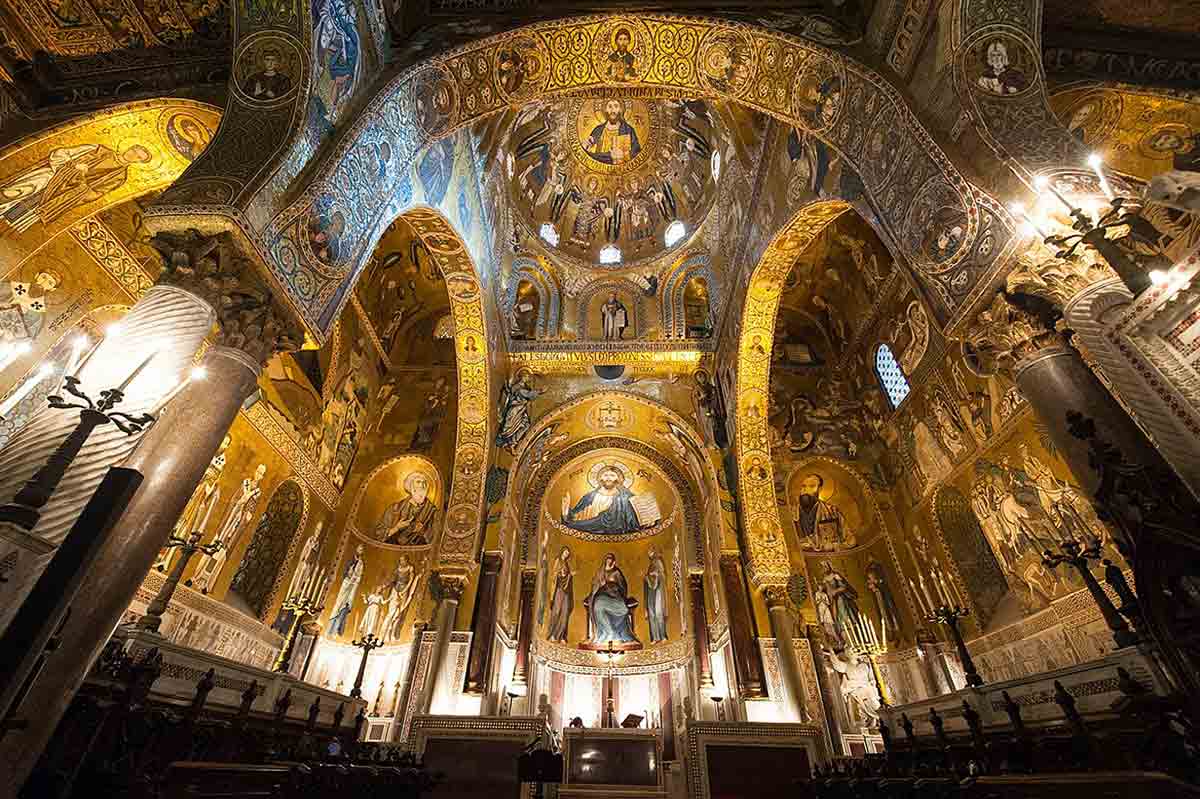
The mixture of different cultures in the Norman Kingdom is perhaps most clearly visible in the art and architecture the Normans left behind. A perfect example of cultural syncretism is the Cappella Palatina, the royal chapel of the Palazzo dei Normanni, a palace built during Roger II’s rule in Palermo, the capital of present-day Sicily. Featuring Islamic muqarnas ceilings, Byzantine mosaics on the walls, and Roman pillars, the chapel embodies the image of the Norman court as a multicultural landscape.
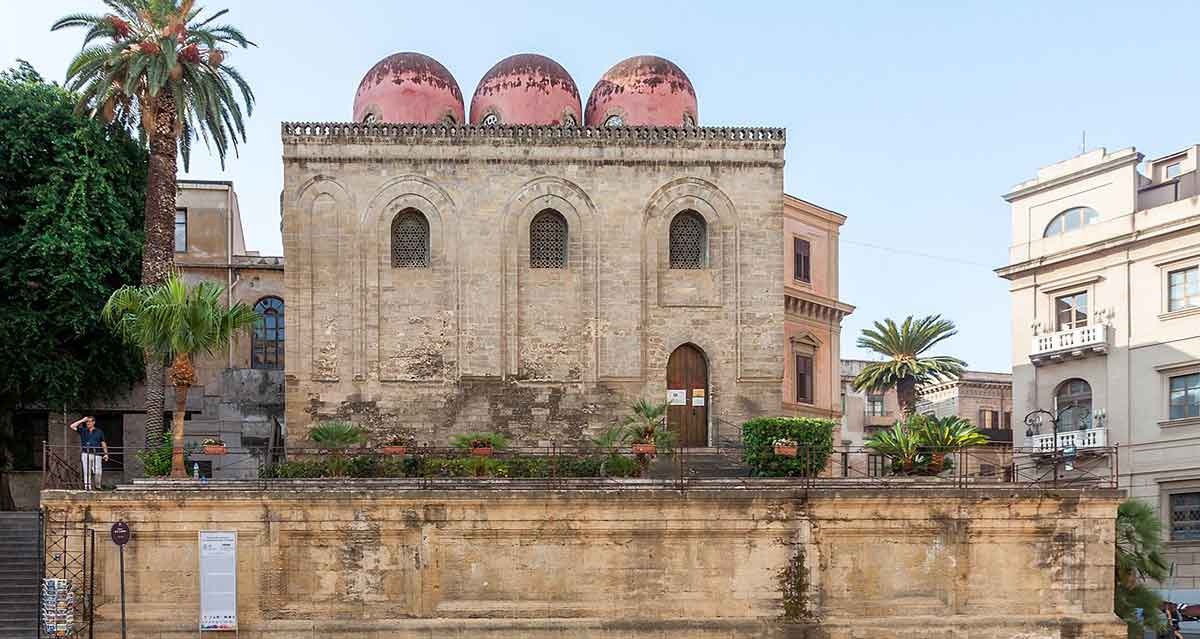
The so-called Arab-Norman style is visible in many other buildings dating to the Norman period, such as the Cathedral Churches of Cefalù and Monreale and the Zisa in Palermo. The latter, a summer palace, derives its name from the Arabic term al-ʿAzīza (the Dear One, or the Splendid One) and was built by Arabic craftsmen. The Church of San Cataldo in Palermo, erected in 1154, is another typical example of the Arab-Norman style. Alongside its three red, bulbous Arab domes, the church features some elements of the Norman architecture that developed in northern France and England.
The Long Afterlife: From the Normans to the 19th Century
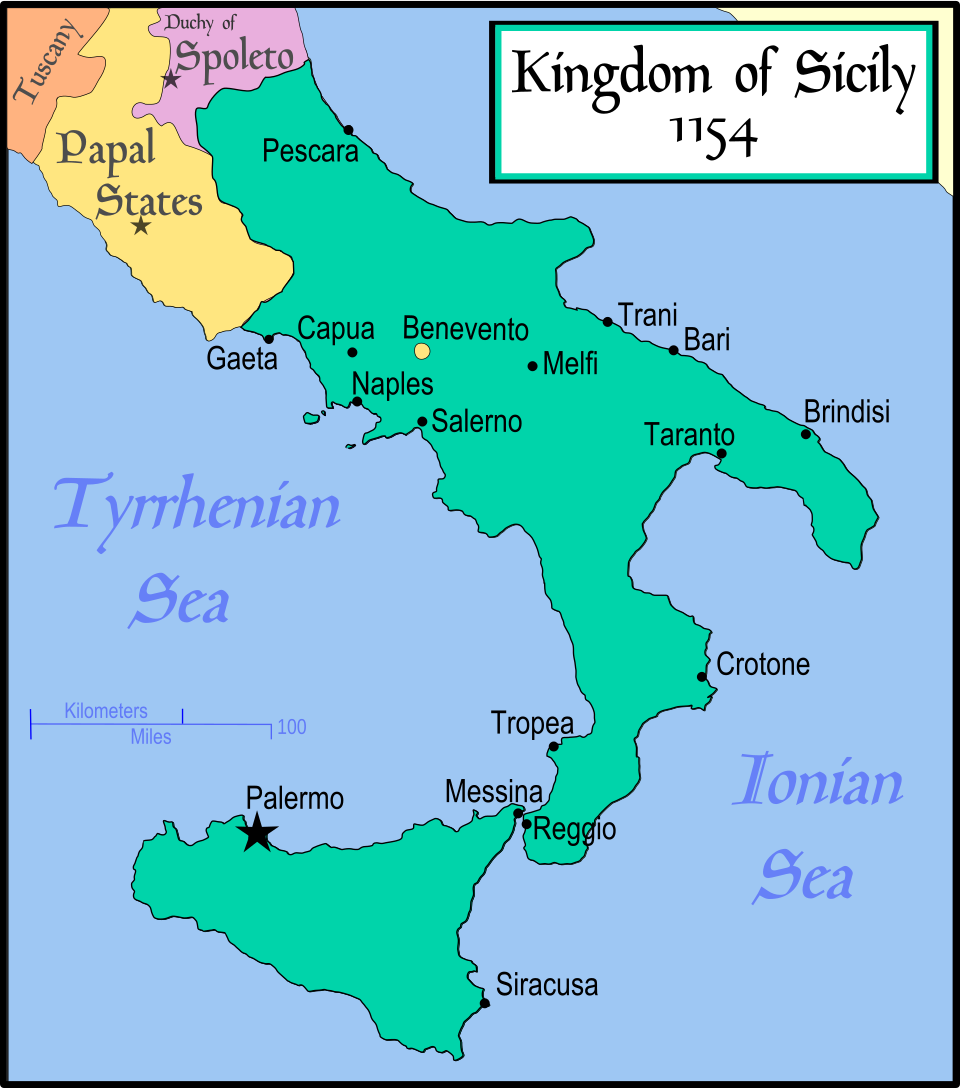
After Roger II died in 1154, the Kingdom of Sicily continued under his descendants. While they managed to maintain their hold on southern Italy, the Norman golden age had already peaked, and their reigns were marked by crises and instability.
In 1189, following the death of William II “The Good,” the kingdom went through a succession crisis. When Henry, Prince of Capua and brother of William, died prematurely, the only member of the Hauteville family with a claim to the throne was Constance, daughter of Roger II and his third wife. However, a prophecy had predicted that her marriage would destroy the reign, and she had spent most of her life confined in a monastery.
In 1186, William II finally consented to her union with Henry VI, son of Frederick I (Barbarossa) Hohenstaufen, to prevent his rebellious cousin Tancred, illegitimate son of Roger III, from inheriting the Sicilian throne. Tancred, however, supported by the Sicilians, managed to be crowned king in 1190 and imprisoned Constance. At his death, four years later, Constance and Henry VI ascended to the throne after defeating Tancred’s three-year-old son.
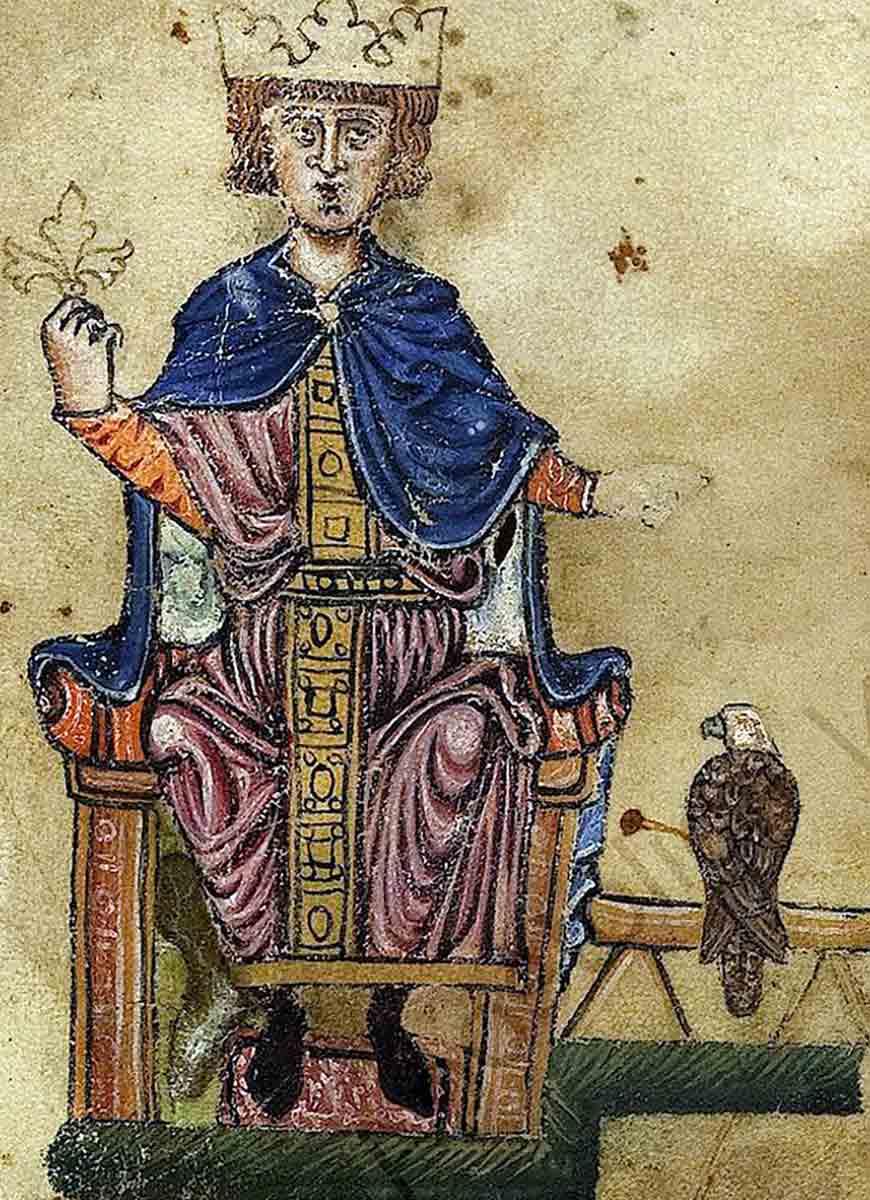
Henry VI died in 1197, with his wife following him a year later. Their only heir was Frederick, aged four (the future Emperor Frederick II), who, under the protection of Pope Innocent III (his guardian), was crowned king. The kingdom, however, experienced a long period of unrest until the young monarch was declared of age.
The last Hohenstaufen king of Sicily, Conradin, was captured and executed in Naples in 1268, and the Kingdom of Sicily went to Charles of Anjou. In 1282, unhappy with French rule, the Sicilians revolted (an event known as the Sicilian Vespers), and the Anjous were replaced by the Aragons of Spain. After that, the old Norman realm split into the Aragonese Kingdom of Sicily and the Angevin Kingdom of Naples on the mainland. In 1443, Alfonso V of Aragon conquered Naples, assuming the title of rex Utriusque Siciliae (king of the Two Sicilies).
Centuries of foreign rule followed before the Spanish Bourbon took over in 1735. Then, in 1815, Sicily and the mainland were united in a single realm, now officially called the Kingdom of the Two Sicilies. The end came with the Risorgimento: Giuseppe Garibaldi’s 1860 campaign and the plebiscite that followed merged Sicily and Naples into a newly unified Kingdom of Italy in 1861.