
Straddling the boundary between Kazakhstan and Uzbekistan in the former Soviet Union, the Aral Sea was a natural wonder of Central Asia. Teeming with life, it sustained animals and plants and formed the economic foundation for communities along its shores.
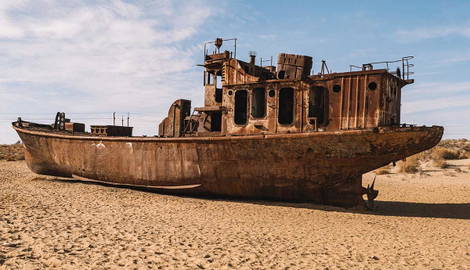
In the 1960s, however, growing industries needed its waters, and the sea began to shrink. Today, virtually all of the sea is gone, and in its place there is a dry, dusty wasteland, filled with the rusting hulks of the boats that once sailed its waters.
How Soviet Engineering Diverted the Great Rivers
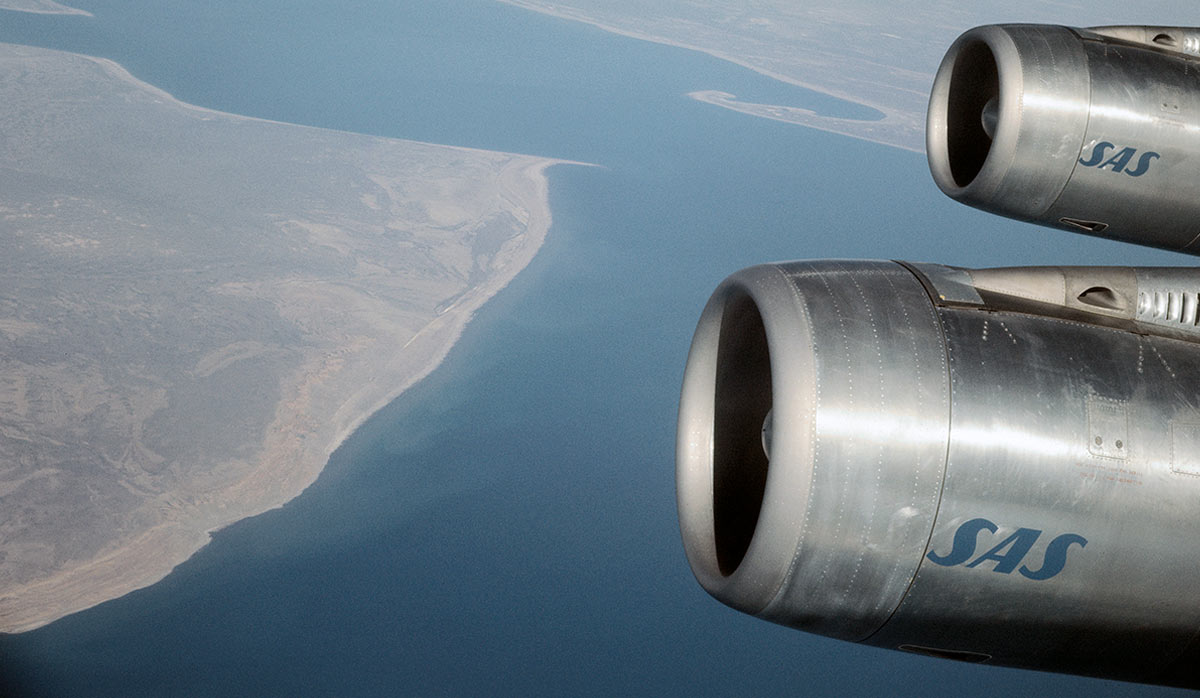
In 1960, the Aral Sea covered an area of around 26,300 square miles (68,000 square km), which is slightly larger than West Virginia. But the instruments of its demise had been laid as early as the 1940s. Feeding the Aral Sea, the Amu Darya and Syr Darya rivers were diverted for agricultural purposes. Alfalfa, cotton, and rice crops soaked up water that would have drained into the Aral, while poorly built canals resulted in water loss through evaporation and leakage. By the 1960s, it was clear the sea was shrinking.
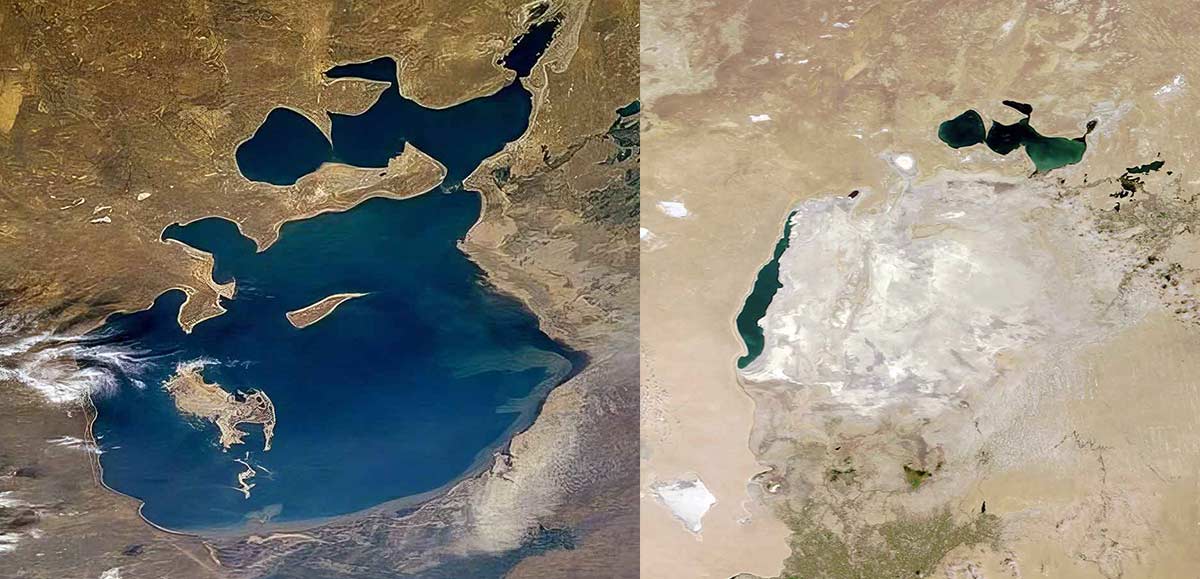
By the 1980s, the trickle of water reaching the Aral Sea completely dried up. With no replenishing waters, the Aral Sea began to shrink even faster. By 1989, the sea had split into two parts, both with massively increased salinity levels.
Stranded Ships and the Collapse of Local Economies
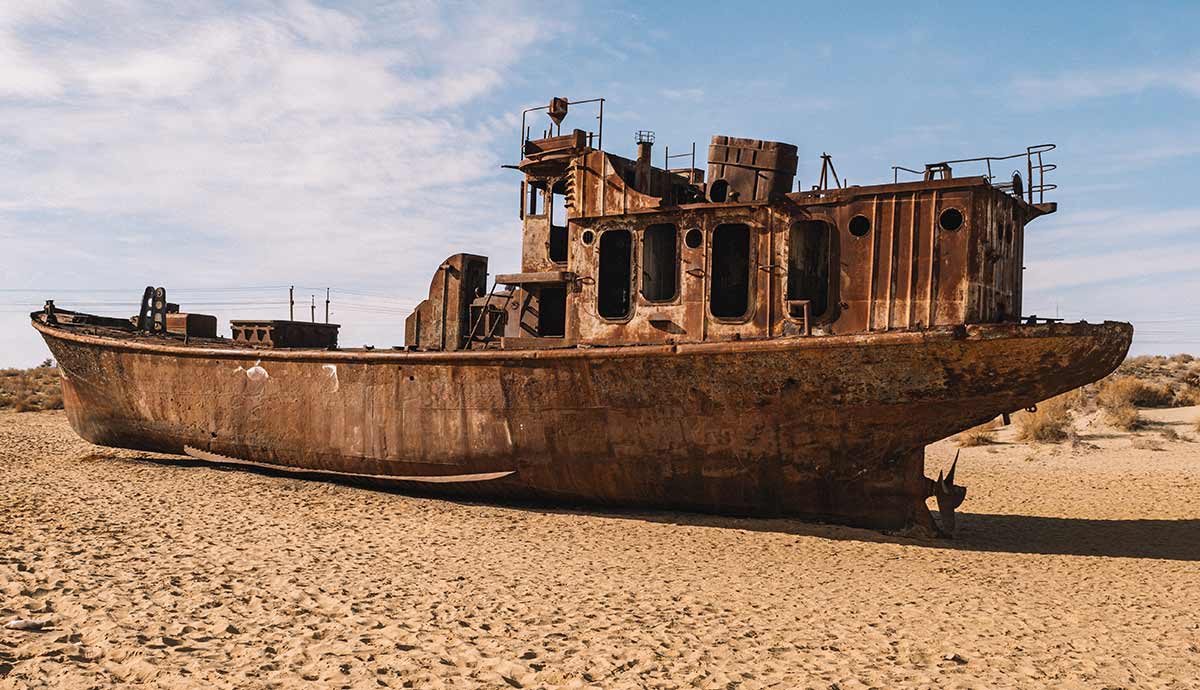
A once flourishing fishing industry collapsed quickly. Species went extinct in the high salinity, and retreating waters left fishing towns many miles from the shore. Today, the main fishing port of Aral lies nine miles from the water’s edge. The fishing industry disappeared, and the lifeblood of whole communities turned into desert, dotted with the rusting hulls of their former lives.
The Aralkum Desert and Toxic Dust Storms
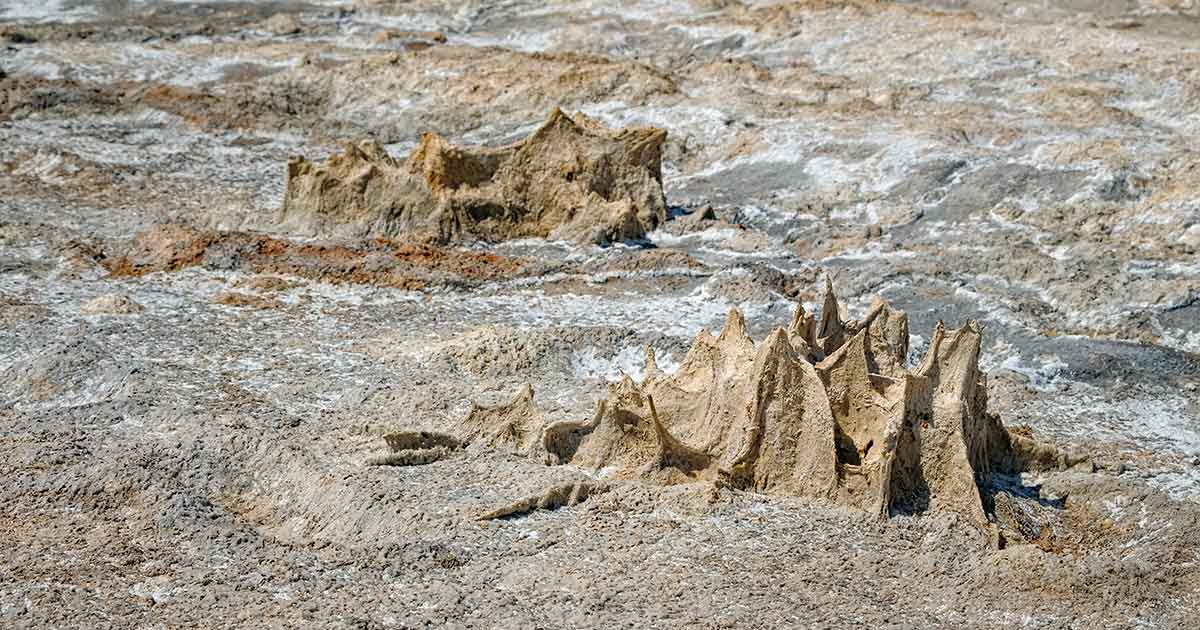
In the place of a sea, there is now the Aralkum Desert—the youngest desert in the world. But it is more than just a desert. It represents a completely man-made ecosystem collapse, and the effects are deadly.
Runoff pesticides have mixed with the harmful results of weapons testing and chemicals from industrial projects. It is now an apocalyptic hellscape with toxic dust storms. Such poisons have entered the food chain, increasing mortality and lowering the life expectancy in nearby communities.
Much of the agriculture that the sea supported, and for which the waters were diverted, has collapsed as well. In addition to the water loss, the climate is now drier, with hotter summers and colder, longer winters that make growing crops more difficult. Dust storms deposit salt on agricultural lands, and farmers try to flush it off with water, which carries even more pollutants back into what is left of the Aral Sea.
Divergent Paths and the Search for Restoration
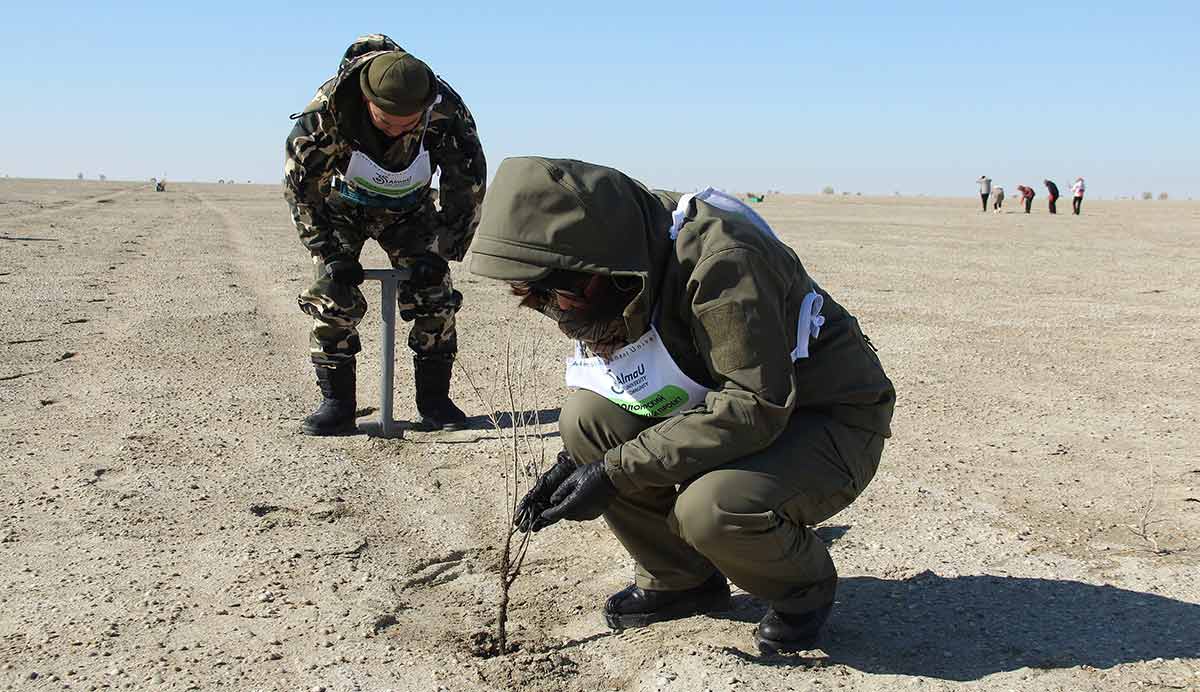
Despite efforts to restore parts of the Aral Sea, it will never be the vast body of water it once was.
In the northern part of the sea, the Kazakhstan government has made great strides in restoration, with irrigation works increasing the flow of water into the North Aral Sea. A dam now separates the North from the South Aral Sea. Such efforts have reduced salinity, and reintroduced fish species are flourishing, spurring a resurgence in the fishing industry. Rain clouds now appear in once-dry skies, providing hope for a restored ecosystem.
Sadly, in the south, on the Uzbekistan side of the sea, the primary focus is on the cotton industry, and there is little incentive to restore that section. In fact, the government has been prospecting the dry seabed for oil.