
It goes without saying that the natural ecosystem is intrinsically linked to the survival of all species, including human beings. Tampering with such delicate systems can have disastrous consequences, making life extremely hard and, in some cases, deadly.
Here are five times human beings made the wrong choice with nature.
The Four Pests Campaign and the Great Chinese Famine
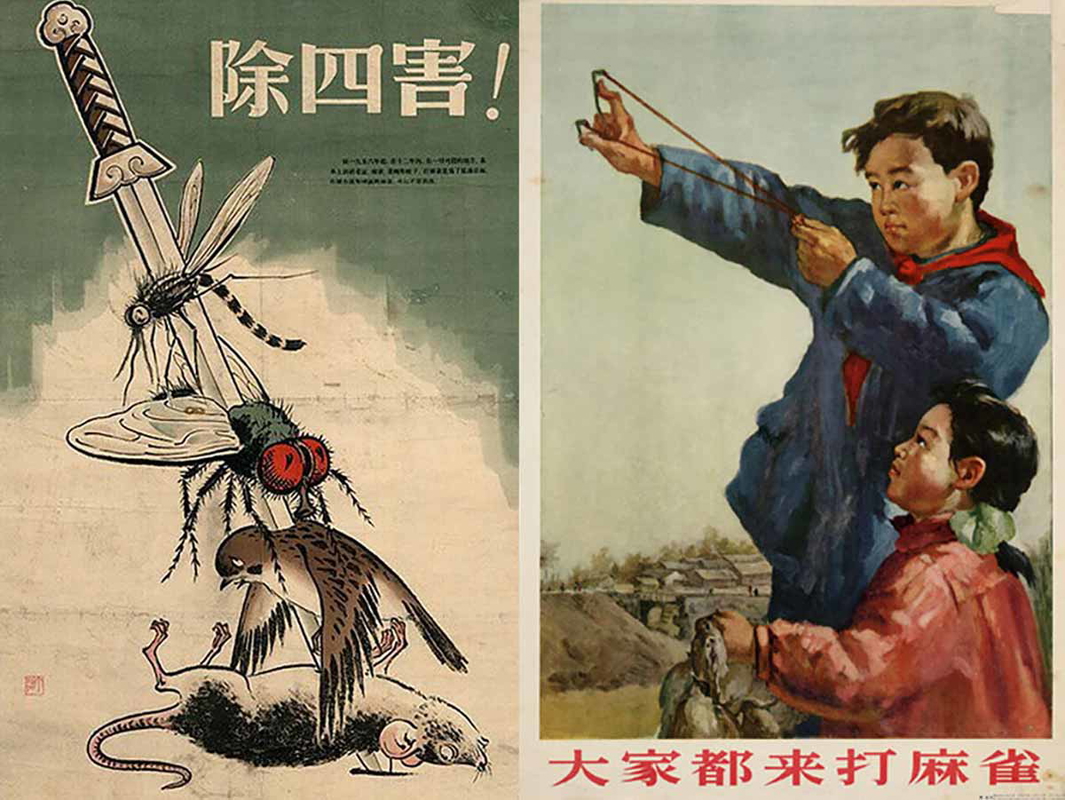
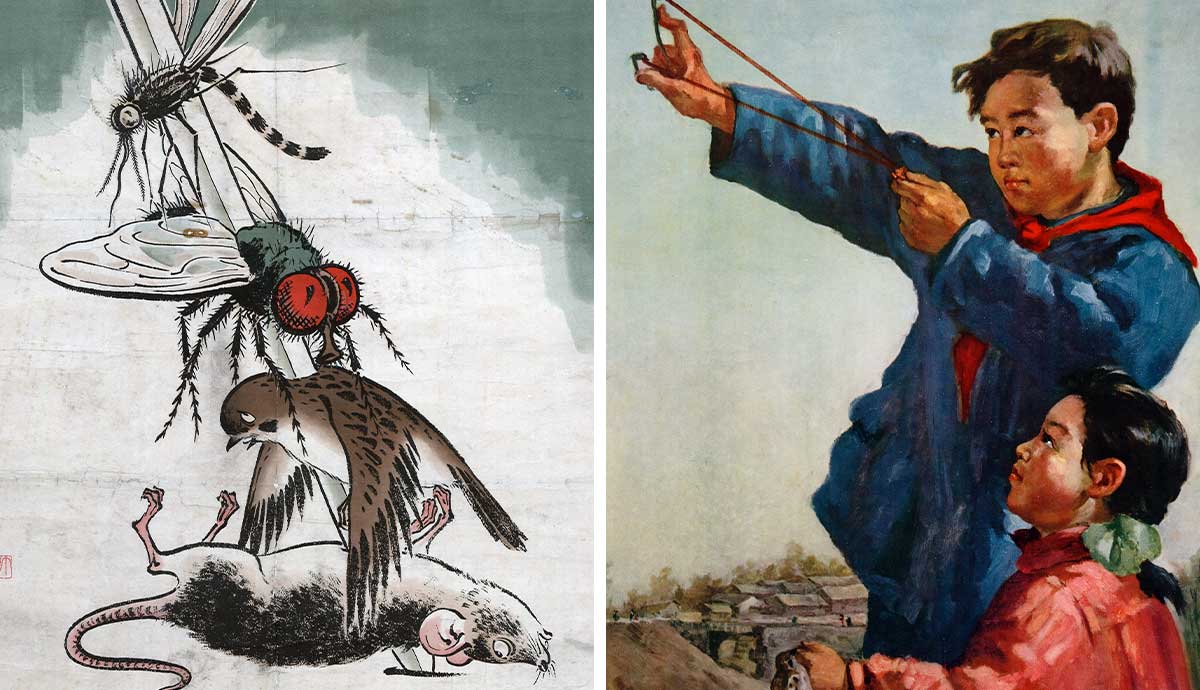
Certainly one of the greatest disasters of all time, and the result of naivety, arrogance, and bad planning, well over a million people died directly because of the decision in China to kill pests that were a vital part of the ecosystem.
From 1958 to 1962, significant implementation of the Four Pests Campaign resulted in dire consequences. Rats, mosquitoes, flies, and sparrows were targeted for elimination, and tens of millions of people across the country slaughtered their way to a severe ecological imbalance that few could foresee.
Most significant was the decision to kill sparrows, which resulted in the death of over 2 billion of the birds, according to some sources. For several hours every morning, children and adults alike caught and killed sparrows, knocking down their nests and beating gongs when the birds tried to rest. Glue traps, nets, and poisoned bait accompanied the destruction of eggs and the murder of chicks.
The result was a surge in locust swarms, as there were no sparrows to eat them. Worsened by the misuse of poisons, crops failed, which helped plunge the country into the Great Chinese Famine. Killing sparrows resulted in the death of two million people among the 30 to 40 million who died in total.
Sparrows were removed from the extermination list, and realizing their massive mistake, the Chinese imported hundreds of thousands of sparrows from the Soviet Union in a bid to restore ecological equilibrium.
The Agricultural Overexpansion of the American Dust Bowl
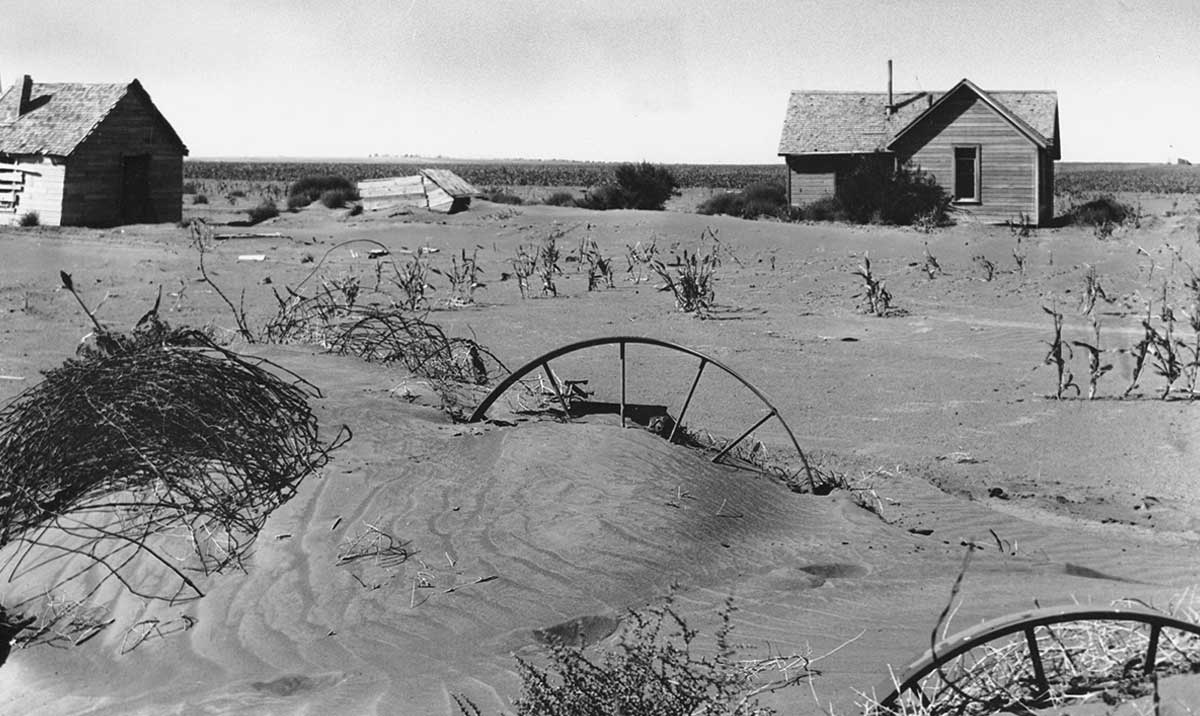
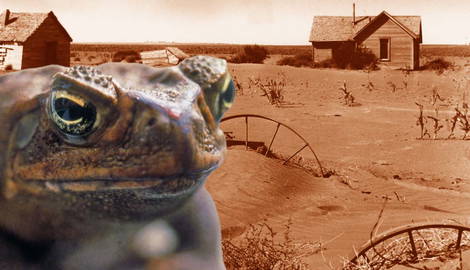
In the 1920s, understanding of the impact of disturbing massive ecosystems was minimal compared to what is known today. Good rainfall, mild winters, and favorable conditions led to an influx of settlers and farming over the Great Plains during this period. Deep plowing stripped vast areas of the native deep-rooted grasses that held soil and trapped moisture.
Over an area that covers much of Colorado, Kansas, New Mexico, Oklahoma, and Texas, the result of destructive farming methods and the onset of a major drought culminated in the Dust Bowl. Crops failed as the soil dried out and turned to dust. Whipped up by winds, huge black clouds swept through the plains, reaching as far north and east as New York.
Adding to the misery of the Great Depression, the impact on the ecosystem was a huge lesson in proper farming methods and the consequences of destructive interaction between human beings and their environment.
The Introduction of Cane Toads to the Australian Outback
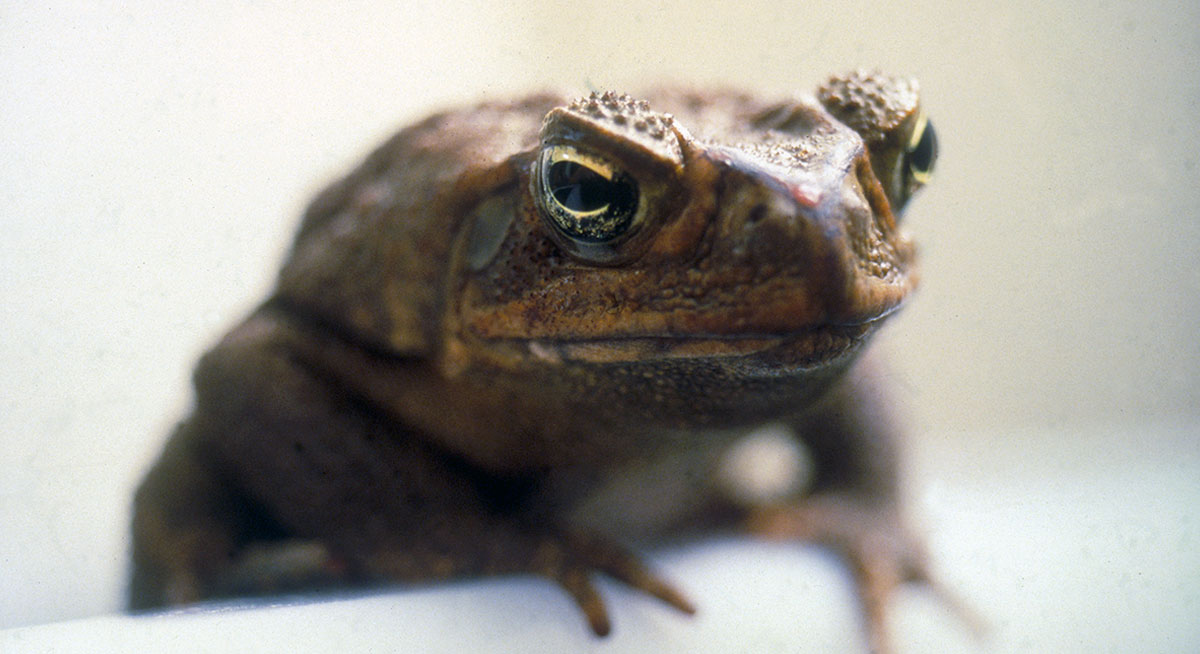
Introducing a toxic predator into a delicate ecosystem in Australia had major consequences that, decades later, show no signs of improving.
Seeking to protect their cane crops from cane beetles, the cane toad was introduced into Queensland in 1935. No studies on the potential impact had been carried out. With predators unable to control its numbers, this invasive species quickly spread.
A ban on releasing the toads came into effect in 1935 but was rescinded the following year, amid lobbying from the government and the media, who dismissed the worries. The spark of ecological disaster had been lit.
Of major note are the toxins emitted by the toad, which make it highly unpalatable to most predators, and an extreme danger to humans and pets. Spreading their range by 40km to 60km (25 miles to 37miles) per year in recent years, these toads have already anchored themselves firmly across the northeastern part of the continent and are spreading rapidly beyond control.
With native wildlife being outcompeted and poisoned by cane toad toxins, many species face extinction, while the toads’ voracious appetite disrupts delicate ecosystems that have been in place for tens of thousands of years.
The Soviet Diversion of the Aral Sea Rivers
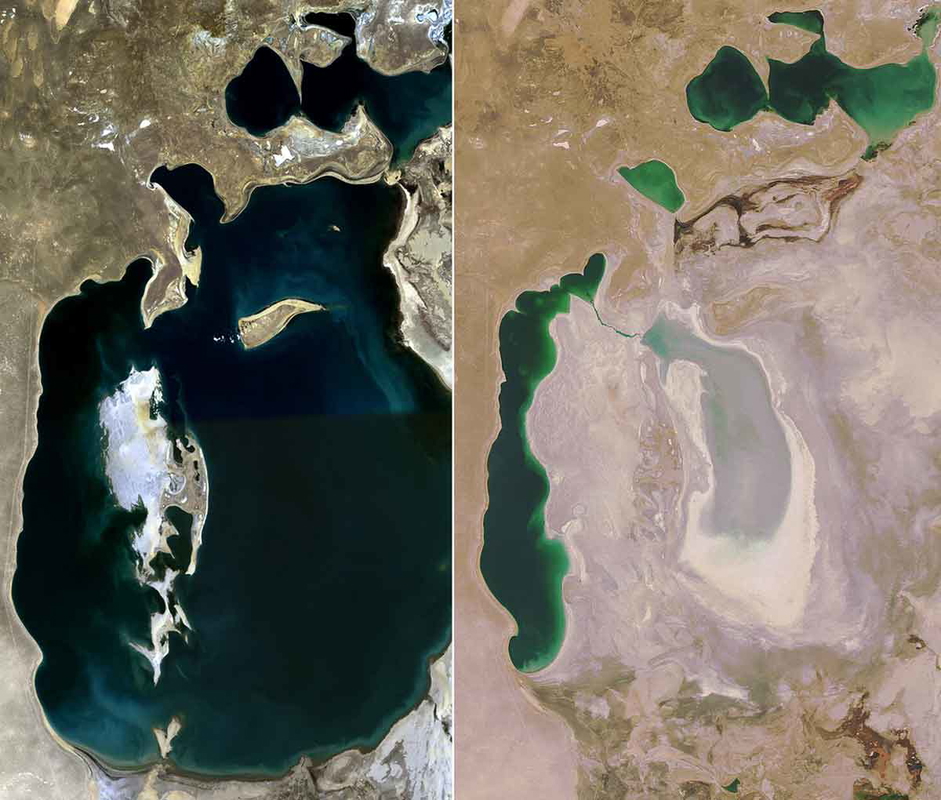
Considered an example of complete ecosystem collapse, the Soviets began diverting water from the Aral Sea in the 1960s to fund irrigation projects. Once a flourishing lake that was one of the largest in the world, by 2007 it was just a tenth of its original size. Most of it had become a dry, almost lifeless desert.
High salinity and toxic chemicals from weapons testing have destroyed the ability to support life. Species have gone extinct, and once vibrant fishing communities have been abandoned. The impact on human health has also been felt, with high rates of cancer and tuberculosis, while people in the area also suffer from high levels of eye problems as well as kidney and liver damage, partly due to toxic dust storms, which also contribute to water shortages.
The Systematic Draining of the Mesopotamian Marshes
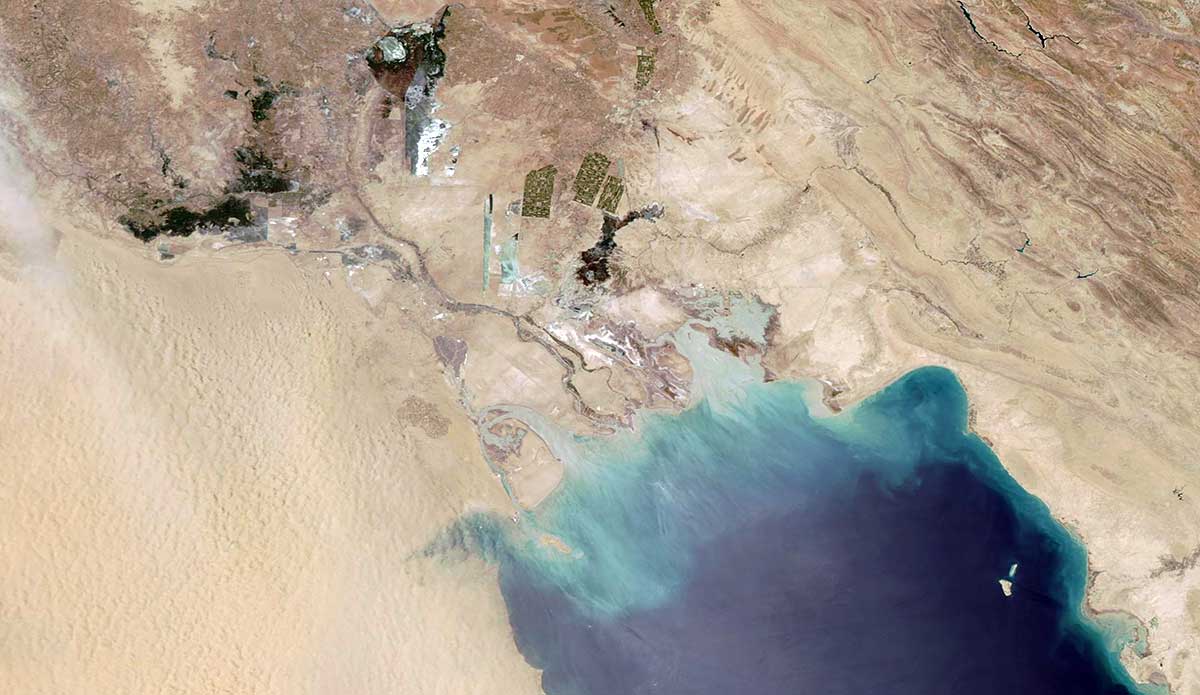
From the 1950s to the 1990s, the marshlands in the Tigris-Euphrates river system, once covering 20,000 square kilometers, were cleared as a result of several efforts with various intentions. The most infamous of them was in the early 1990s when Saddam Hussein drained vast tracts of marshlands. The government’s stated reason was for agricultural reclamation and eradication of mosquitoes.
The widely accepted truth is that it was as revenge against the people who lived there, the Ahwaris, who had risen up against Hussein in 1991 after the Gulf War. Hussein’s actions resulted in the displacement of 200,000 people and are considered an example of ethnic cleansing and ecocide.
By 2000, 90% of the marshlands had been erased, and this has been likened to the deforestation of the Amazon. Although efforts have been made to reintroduce water and wildlife to the region, the area’s high salinity, along with the damming of rivers in Turkey and Iran, has made it a daunting challenge.