
A common belief about the word “crap” is that it came from Thomas Crapper, a plumber and businessman often cited as the inventor of the flush toilet. This is actually a folk etymology and is incorrect on both counts. The word existed in medieval times. And Thomas Crapper did not invent the flush toilet.
The real story goes back many centuries, long before Thomas Crapper made his contributions to the design of the porcelain throne.
How “Crap” Existed Centuries Before Thomas Crapper
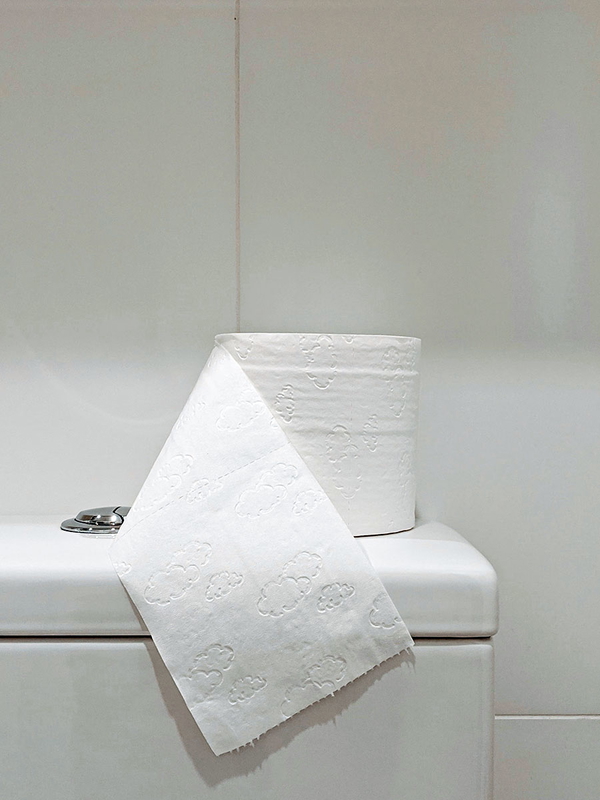
The word “crap” likely comes from the Middle English “crappe,” which refers to chaff or grain husks, and thus residue or refuse, and has its roots even further back in French. Used as such, it is likely that this was the word that evolved into “crap,” meaning to defecate. Another theory is that it comes from the Middle Dutch “krappen,” meaning to pluck off, cut off, or separate.
The first recorded use of crap referring to bodily waste, according to the Oxford English Dictionary, is in 1846, just 10 years after Thomas Crapper was born. Today, the word is considered vulgar and mildly offensive.
The Truth Behind the Thomas Crapper Legend
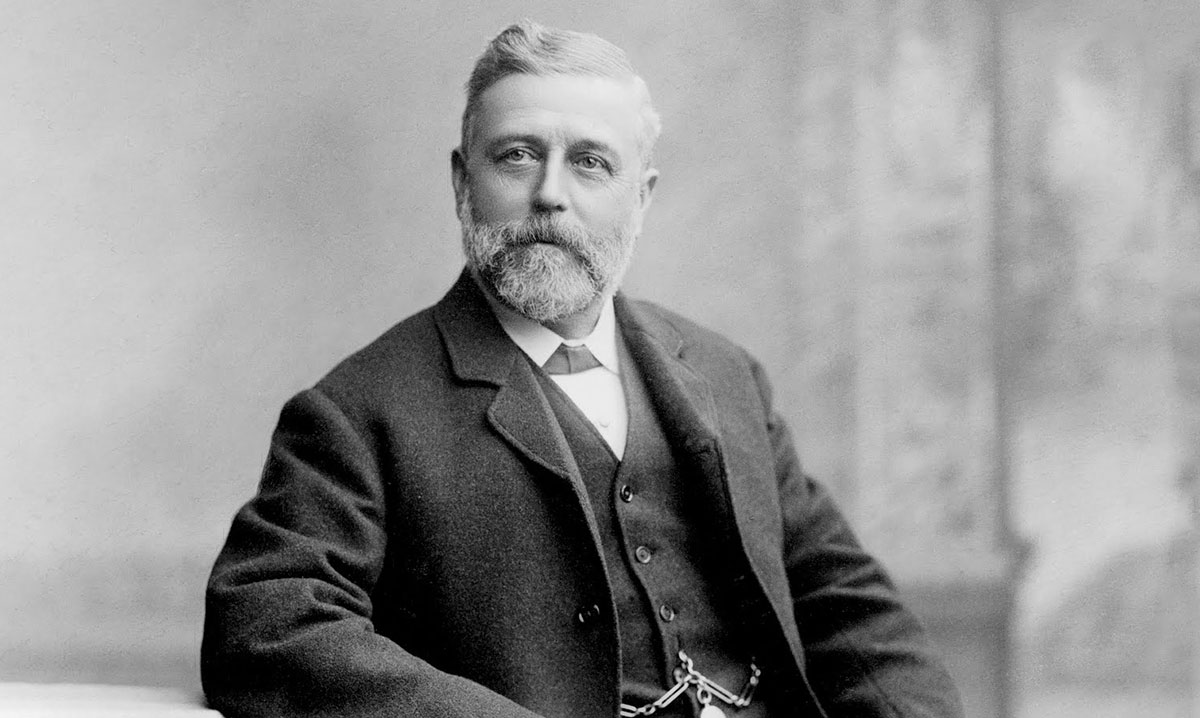
The other half of the myth is Thomas Crapper, who was a plumber in Victorian England. He ran a successful plumbing business, which included the installation of lavatories. Such devices were stamped with the company logo: Thomas Crapper & Company. It was a reputable company and even supplied services to Sandringham House for Prince Albert Edward (later King Edward VII).
A common version of the legend is that American servicemen stationed in England during the First World War saw the word “crapper” on cisterns and started referring to toilets as such. While the veracity of this is not proven or disproven, it is conceivable that the word became widely used as a noun as a result.
Even so, as a noun, “crapper” related to Thomas Crapper, and the verb meaning to defecate have similarities that are coincidental. The last name “Crapper” is a variant of “Cropper,” referring to a person who harvested crops, so even the etymology of the last name is unrelated to toilets and human waste management.
Sir John Harington and the Tudor Toilet
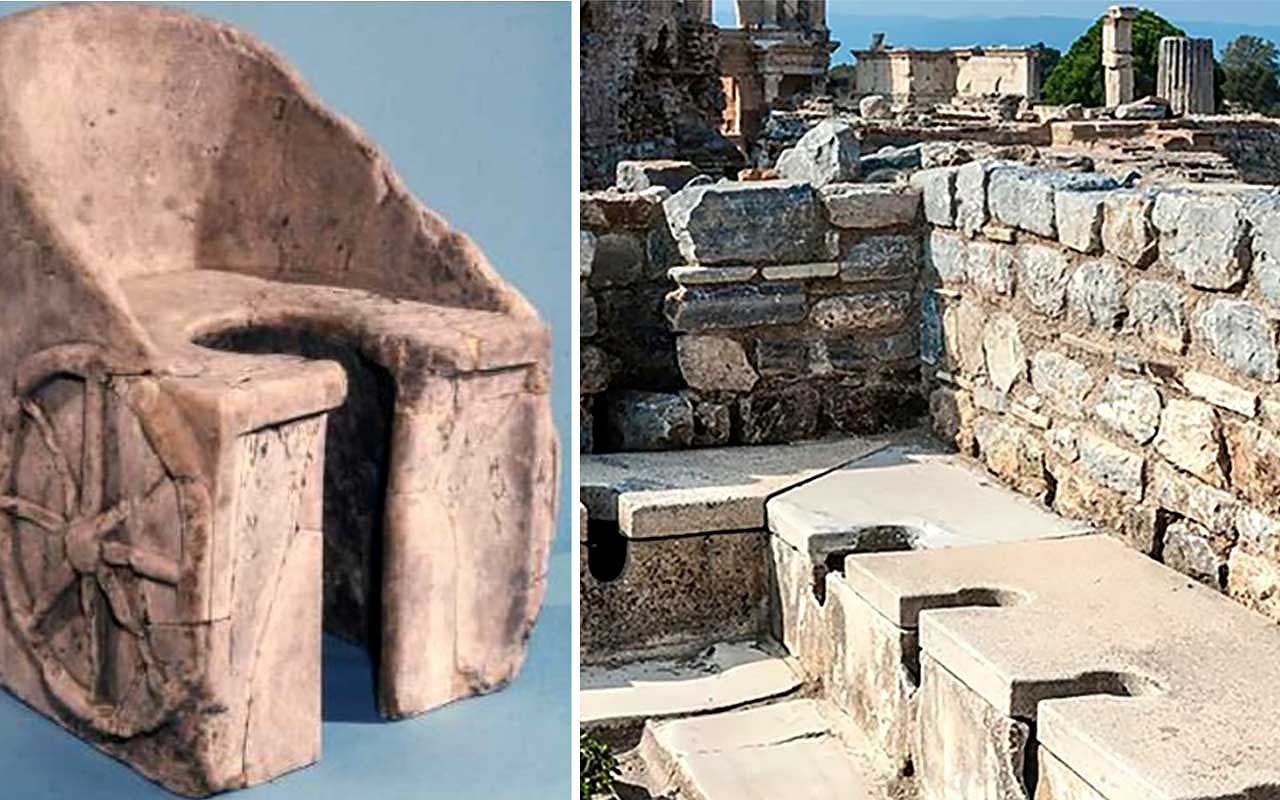
While the idea of using water to flush away effluence is an idea thousands of years old, from a modern perspective, the Tudor Era is a good place to start when considering the birth of the modern flush toilet.
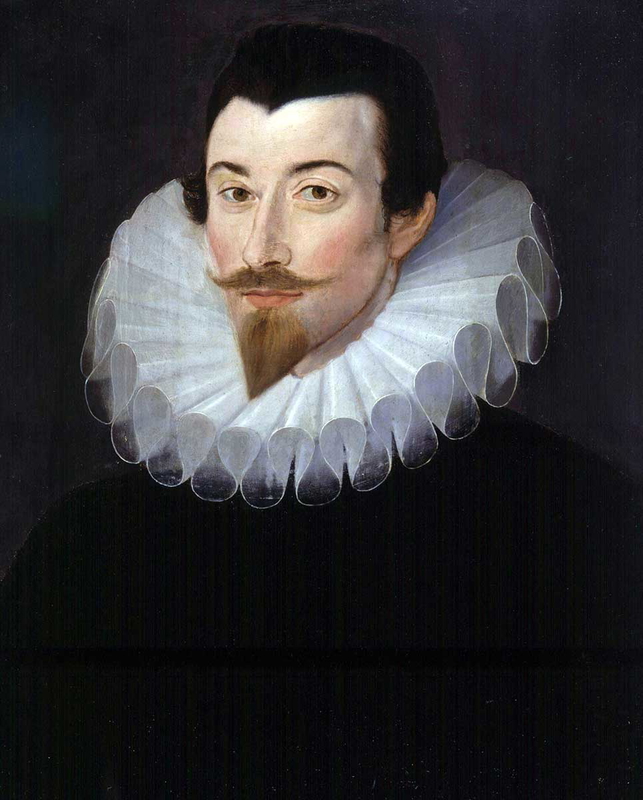
Sir John Harington was a writer and translator known for his ribald poetry. Such a reputation got him barred from Elizabeth I’s court for a time. He also invented the forerunner to modern flush toilets. He built his remarkable device, which he named the “Ajax,” and which was a play on words. A “jakes” was slang at the time for a privy.
The system included a pan with a leather-faced valve, and a system of levers that operated the flow of water from a cistern. A popular account states that around the end of the 16th century, when the Queen visited Harington’s house, where the device was installed, she tried it herself and was so impressed that she ordered an ajax to be installed in her palace.
Alexander Cumming and the Revolutionary S-Trap
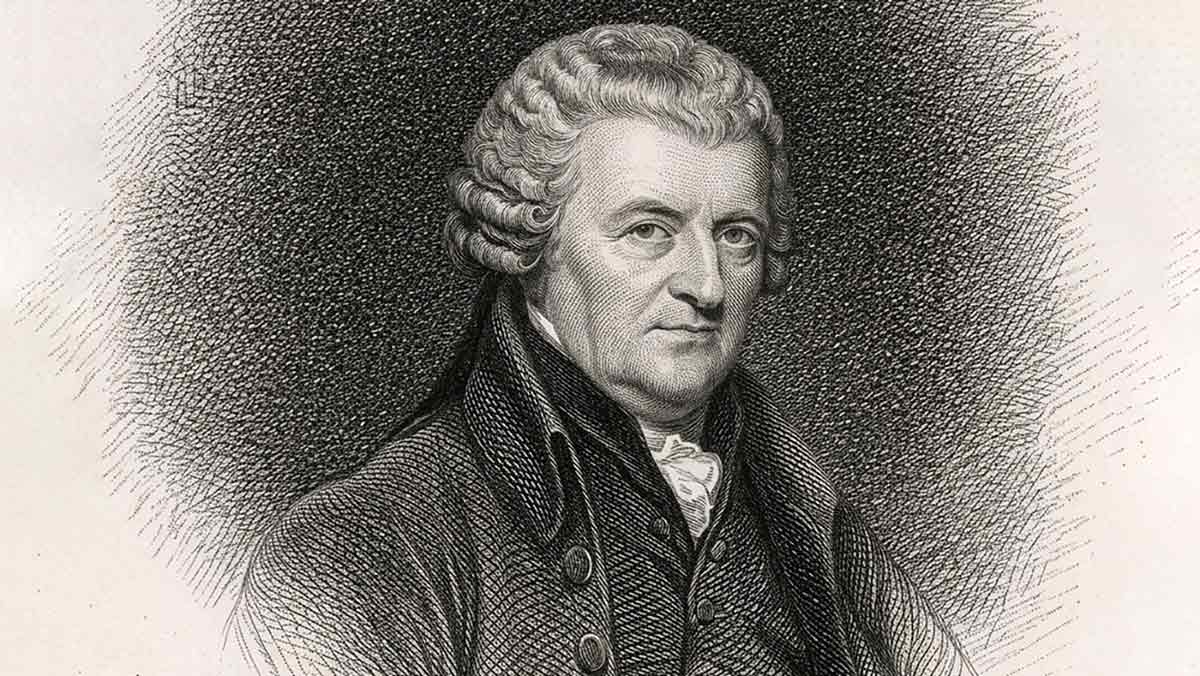
A massive leap in flush toilet design came in 1775 with the addition of an S-trap in Alexander Cumming’s flush toilet. This allowed water to be kept in the pipe, blocking off foul odors and dangerous gases from entering the house. Along with this hygiene improvement, Cumming’s version also linked the water inlet valve to the flush mechanism. This allowed the pan to be emptied and refilled by pulling a single lever – a process we are all familiar with today.
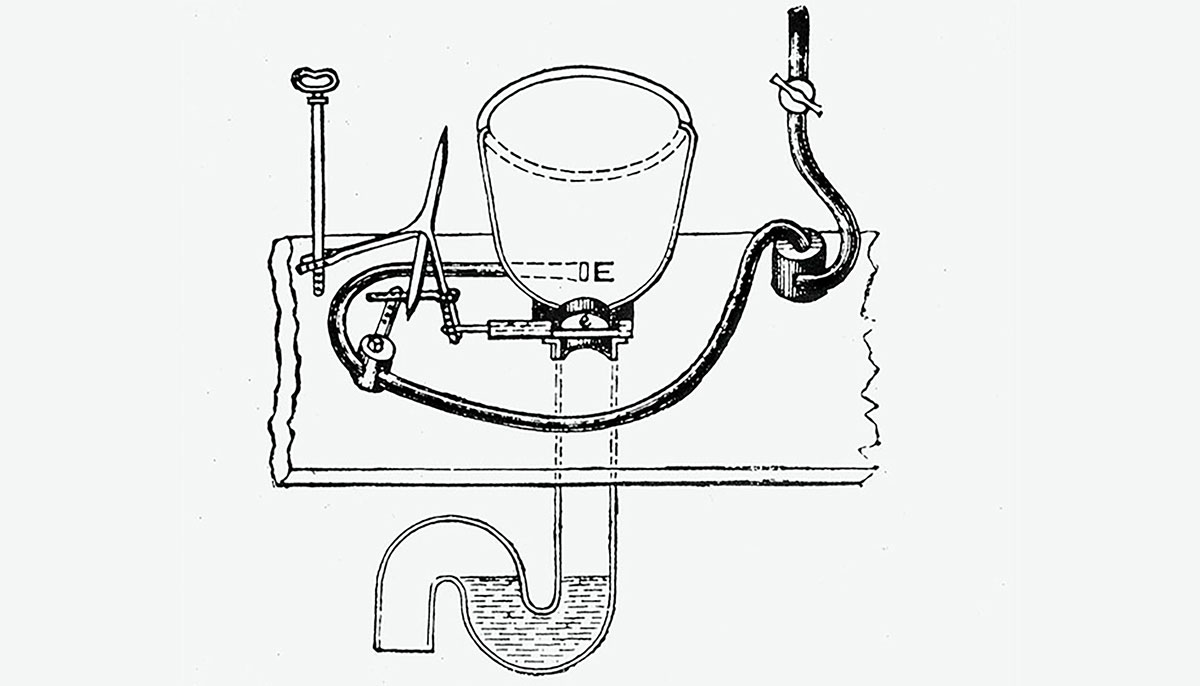
Cumming was the first to patent a flush toilet, and since then, design tweaks have been applied here and there, culminating in the toilet systems we have today.
Thomas Crapper was behind some of these designs.
The Real Innovations of Thomas Crapper & Co.
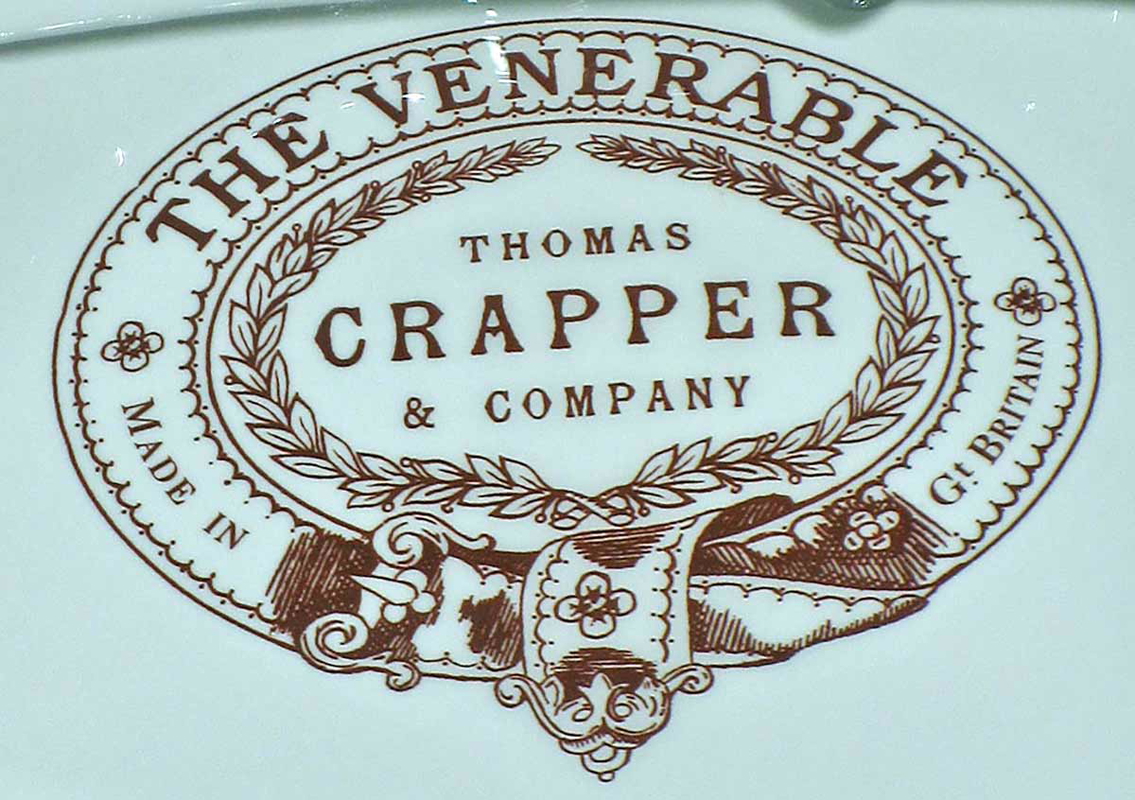
Thomas Crapper had a foundry where he experimented with improvements to plumbing design. He improved on the S-trap, creating a more efficient U-trap. He also held a patent for an improvement to the floating ballcock, which is a common feature in cisterns as a method for refilling the tank.
He was a huge advocate for the adoption of toilets in people’s homes, and helped popularize the movement from chamber pots to modern plumbing solutions. He had several royal warrants and was known for his quality work, which garnered him a very respectable reputation.