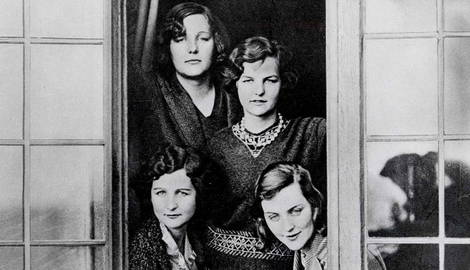

The six Mitford sisters epitomized the British aristocracy at a time when its power and influence were in steady decline. The sisters’ lives diverged dramatically: Diana married British fascist leader, Sir Oswald Mosely, while Unity forged a close friendship with Adolf Hitler. Jessica rejected her aristocratic roots, became a communist, and eloped with her cousin to fight in the Spanish Civil War. Nancy wrote novels lampooning the absurdities of aristocratic life and defining the Mitford style. Pamela embraced rural life as a chicken breeder and Deborah became the Duchess of Devonshire. The lives of the Mitfords offer a fascinating glimpse into the polarized politics, profound cultural shifts, and enduring inequalities of the 20th century.
The House of Mitford
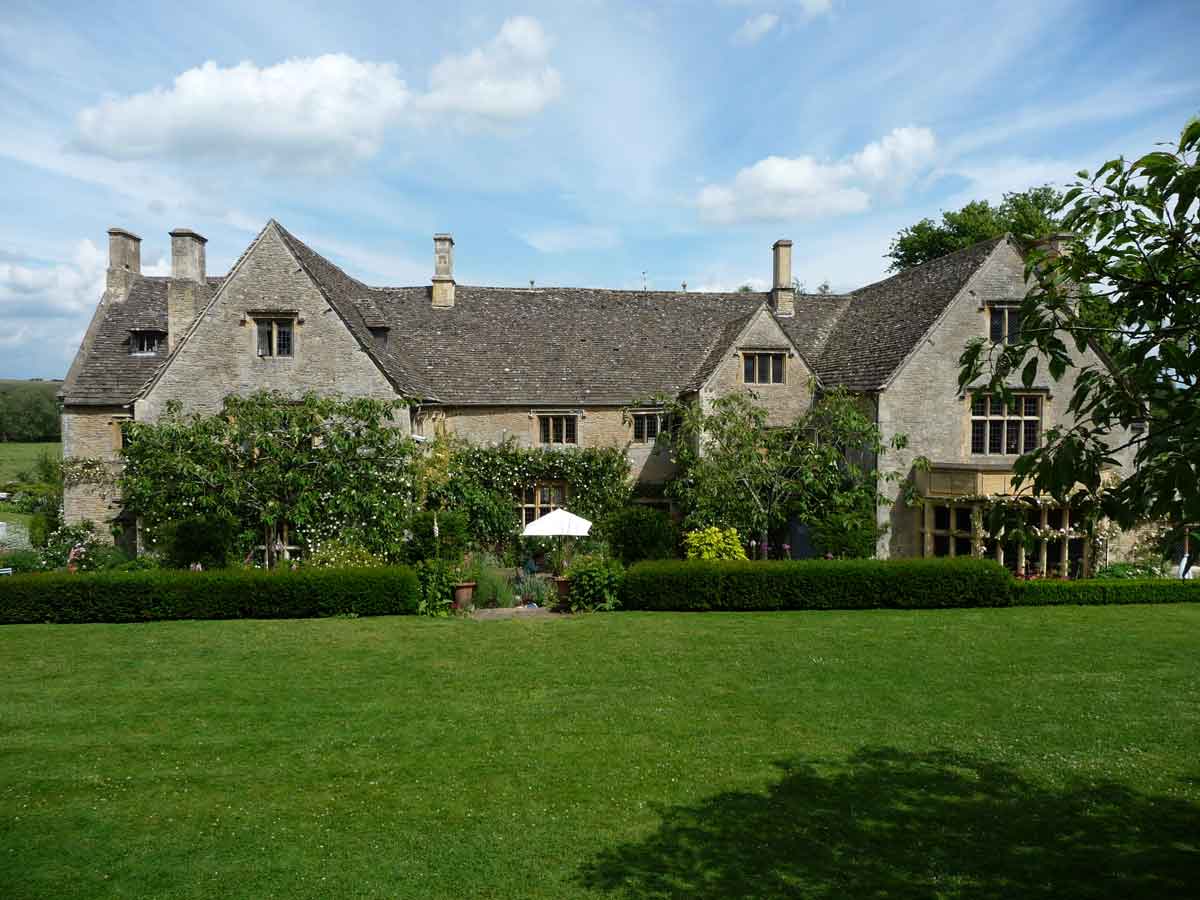
The early lives of the Mitford children were marked by a paradoxical blend of extreme privilege and social isolation. Raised in the rarefied microclimate of English stately homes, they enjoyed the freedoms of a “posh-feral” upbringing in the deep countryside, yet were confined by their own aristocratic bubble. The children were forbidden from associating with “common” neighbors. They received no formal education outside of the home (though Unity briefly attended Queen’s Gate School in Kensington and St Margaret’s School in Hertfordshire, but was expelled from both). By and large, their only childhood companions were each other.
Their father, Lord Redesdale, was a xenophobic menace. Prone to explosive fits of rage, his daughter Nancy referred to him as the “poor old sub-human.” Redesdale infamously supported Adolf Hitler before renouncing Nazism on the outbreak of war in 1939. In the intervening years, he spoke in the House of Lords in favor of the Nazi annexation of Austria and the return of Germany’s colonies. A series of terrible business decisions and financial mismanagement on his part steadily eroded the family’s wealth. At home, he spent much of his time storming around the house while occasionally entertaining the children by hunting them with his bloodhounds across the family estate.
Lady Redesdale, was an emotionally distant mother, earning her the nickname TPOF (“the poor old female”) from her daughters. She banned the children from eating pork and forced them to rinse in cold water after baths, revered Adolf Hitler (he had “such good manners”), wrote public letters praising National Socialism, and opted to spend her last years in solitude on the remote Hebridean island of Inch Kenneth, Scotland. Altogether she was rather strange.

Tom Mitford, the sole brother, studied law in Berlin in 1920 and attended the Nuremberg rally of 1933 with his sisters Diana and Unity. He enlisted on the outbreak of war but opted to fight in Italy and Burma, to avoid combat with Germany. He was killed in action in Burma in 1945.
Pamela, the quietest sibling, devoted her life to rural pursuits. She famously introduced the Swiss Appenzeller Spitzhauben breed of chicken to Britain, after smuggling its eggs through British customs inside a chocolate box.
Deborah, the youngest, rose to prominence after marrying Lord Andrew Cavendish and becoming the Dowager Duchess of Devonshire. She subsequently became the public face of Chatsworth, one of England’s grandest stately homes.
The Mitfords captivated the public imagination of their time with their unique mix of glamor, eccentricity, and scandal. In some ways the proto-Kardashians of their time—titled, wealthy, and perpetually mired in controversy—the Mitfords were symbols of aspirational yet wayward aristocracy at a time when the fortunes of their class were rapidly dwindling. A strong cultural fascination with the Mitford sisters remains today—especially the lives of Nancy, Diana, Unity, and Jessica. However, this fascination often downplays the darker, more troubling aspects of their history. The typical focus on their glamor, fame, and allure obscures the more unsettling aspects of their story, from class snobbery to the family’s pro-fascist history and connections with Adolf Hitler.
Nancy, Writer in the Mitford Style
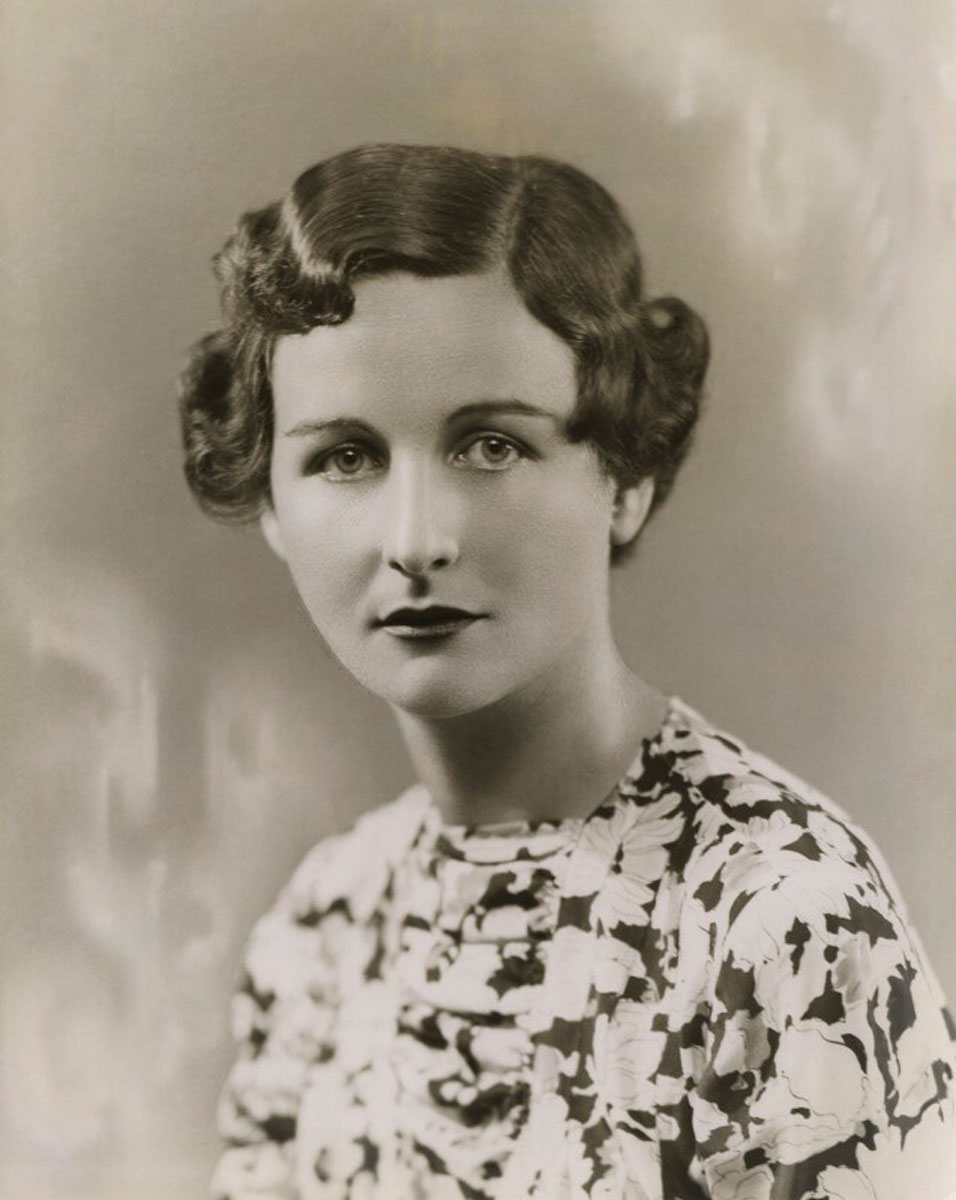
Nancy Mitford, the eldest of the Mitfords siblings, is best known for a series of novels inspired by her family life. Works such as Wigs on the Green (1935), The Pursuit of Love (1945), and Love in A Cold Climate (1949), featuring characters such as the “sub-human” Uncle Matthew (a parody of her father), not only solidified her literary reputation but also served to amplify the Mitford family fame. As is aristocratic tradition, a great “coming out” ball was held for her in 1922 on her 18th birthday, marking her entry into society.
Nancy quickly became associated with the so-called Bright Young Things, a bohemian aristocratic social group beloved by the tabloid press. Though she was married to Peter Rodd, a seemingly rather boorish aristocrat, between 1933 and 1957, the great love of her life was Gaston Palewski, a Free French Officer and close associate of Charles de Gaulle. She lived for the vast majority of her life in Paris.
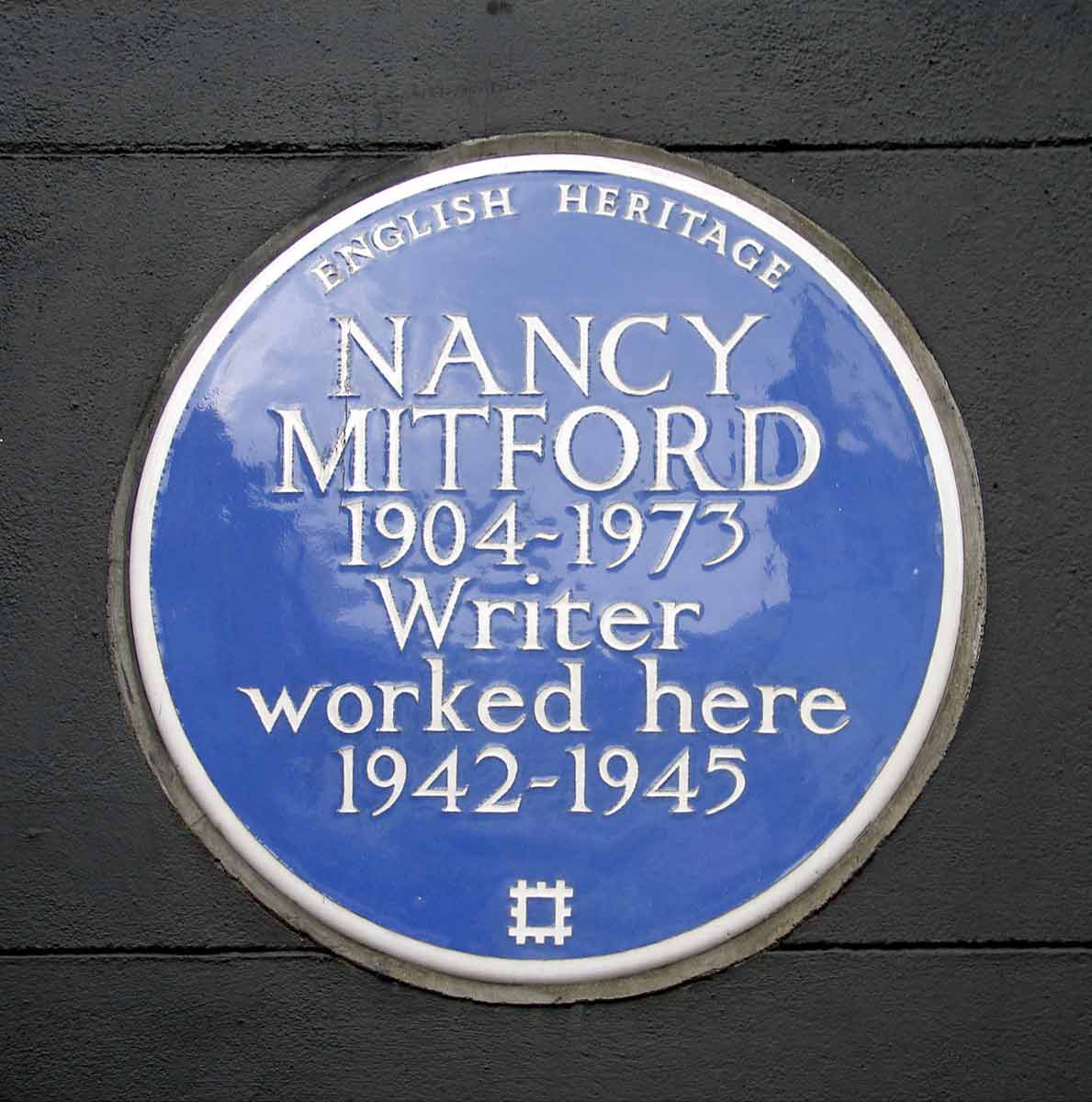
More than any other Mitford, Nancy’s unique writing style and distinctive voice—the aristocratic “Mitford drawl,” biting humor, ruthless barbs, and apparent inability to take anything seriously—has come to define the enduring allure of the Mitford mystique. Her self-admittedly “vile” humor was often at her sister’s expense. Deborah was told that “everyone cried when you were born,” and was referred to throughout her life as “Nine,” for her supposed failure to transcend the mental age of the same number. Jessica was told that she “looked like the eldest and ugliest of the Bronte sisters.” Most amusingly, Nancy once wrote teasingly to her devout Nazi sister Unity in Berlin, claiming to have discovered a great-grandmother “Fish,” meaning that they were one-sixteenth Jewish.
Nancy’s novels sparkle with humor and wit, transporting the reader into a vivid and seemingly authentic world of high society charm. At the same time, her work bellies a posh aesthetic that is quintessentially Mitford. The language is clichéd and the humor typically lands at someone else’s expense, snobbery is dressed up as common sense. Yet downstream from Downton Abbey (2010-2015), her writing, themes, and the characters of her novels remain oddly relevant. Across her long and successful literary career, she wrote a wildly popular treatise on English upper-class language usage, Noblesse Oblige (1954), and an acclaimed historical biography of Louis XIV, The Sun King (1964). Nancy Mitford died in Paris in 1973.
Diana, Lady Mosley
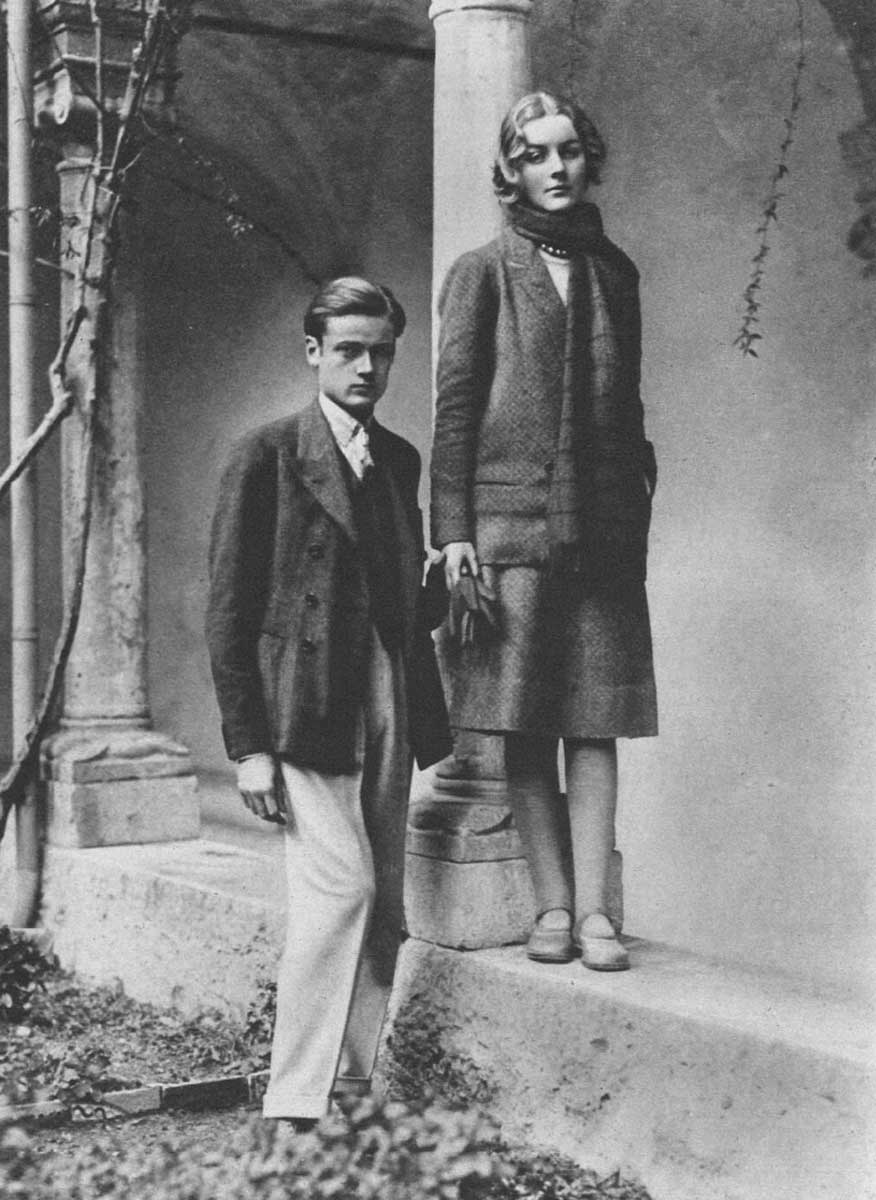
Diana Mitford rose to prominence amidst the mass political upheavals of the 20th century. Born in 1910, in Belgravia, London, she was celebrated as the most glamorous, intelligent, and beautiful of the Mitford sisters. In her late teens, she became a dazzling figure of London high society. In 1928, she met Bryan Guinness—heir to the Guinness brewing family fortune—at a society ball, and in a bid to escape the family home, they married. The marriage was short-lived. In 1932 she met Sir Oswald Mosley and began a passionate affair.
Once a popular Labour Party MP, Oswald Mosley had recently left the party and founded the British Union of Fascists (BUF). Diana was intoxicated by Mosley’s charisma and radical political ideas. She gave up on her marriage and filed for divorce. Alongside her sister Unity, Diana became deeply involved with the politics of Nazi Germany, she became acquainted with Hitler’s inner circle, attended Nuremberg Rallies, and was an honorary guest at the 1936 Berlin Olympics. Leveraging her connections with senior Nazi figures, she worked to secure financial and political support for the BUF.
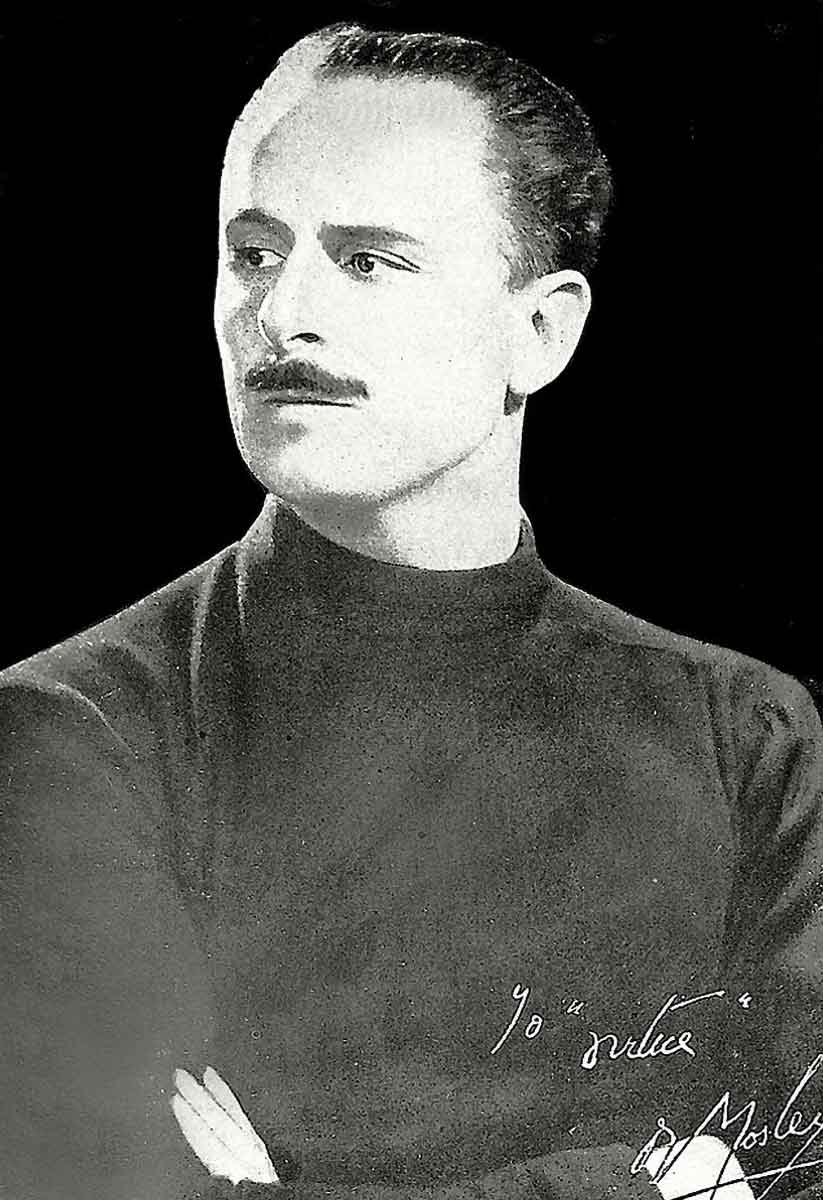
After his wife, Lady Cynthia Curzon died in 1933, Oswald and Diana secretly married. Their wedding was held in 1936 at the Berlin home of German Propaganda Minister, Joseph Goebbels, with Adolf Hitler as guest of honor. Following the outbreak of war, the Mosleys were deemed a national security threat, arrested, and interned in prison without trial between 1940 and 1943. Widely reviled by the British public, they left for France in 1950 and lived just outside Paris for the rest of their lives. Sir Oswald died in 1980.
In 1989, Diana made a controversial appearance on the BBC Radio 4 program, Desert Island Discs, where she denied the true extent of the Holocaust and seconds later chose a piece of music from notorious antisemite Richard Wagner’s Die Walkure (The Valkyrie). During the interview, she labeled Hitler “extraordinarily fascinating and clever” and claimed to have “admired him very much.” Diana, Lady Mosely, died in 2003 at the age of 93.
Unity, Hitler’s Valkyrie
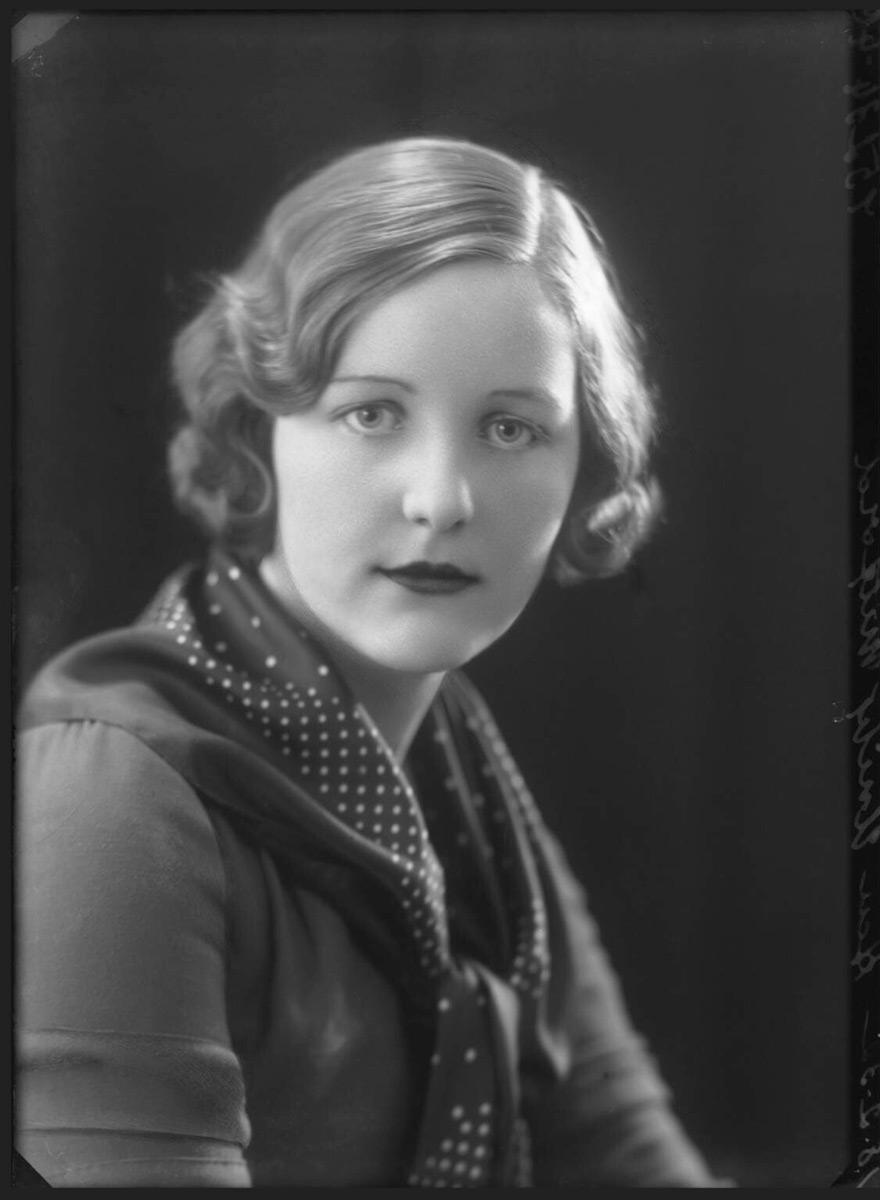
Unity Valkyrie Freeman-Mitford (1914-1948) was born in the small mining town of Swastika, Ontario, where her father was prospecting for gold. The fifth of seven Mitford siblings, Unity found her childhood awkward and difficult in the shadow of her older, more accomplished sisters. Seeking to assert herself she turned to a fixation on Nazism as a way to distinguish herself.
Standing at an imposing six foot one inch tall, Unity cut a striking and unconventional figure. Her mother once described her as “rather enormous.” Mitford biographer Mary Lovell (2001) recounts her childhood delight in all things mischievous, from pulling all the tiles off the roof to eating all the strawberries before family gatherings, her eccentric choice of pets (a rat called Count Ratula and a grass snake called Ednid, whom she would release at family gatherings when she got bored), and obsessive rivalry with her younger sister Jessica. Sharing a bedroom, the two drew a dividing line in chalk, Jessica’s side was decorated with communist iconography, and Unity’s with Swastikas and a picture of Adolf Hiter—a childhood “game” that turned deadly serious in later life.
In 1932, Unity joined the British Union of Fascists and in 1933 was selected to attend a Nuremberg Rally in Germany with her sister Diana. She heard Hitler speak and never looked back. In 1934, she moved to Munich to pursue what became an obsessive infatuation. She spent months frequenting the Osteria Bavaria, a cafe Hitler was known to visit until she finally caught his attention. Hitler invited her to dine with him and picked up the bill. Unity wrote to her father that “it was the most wonderful and beautiful day of my life.”
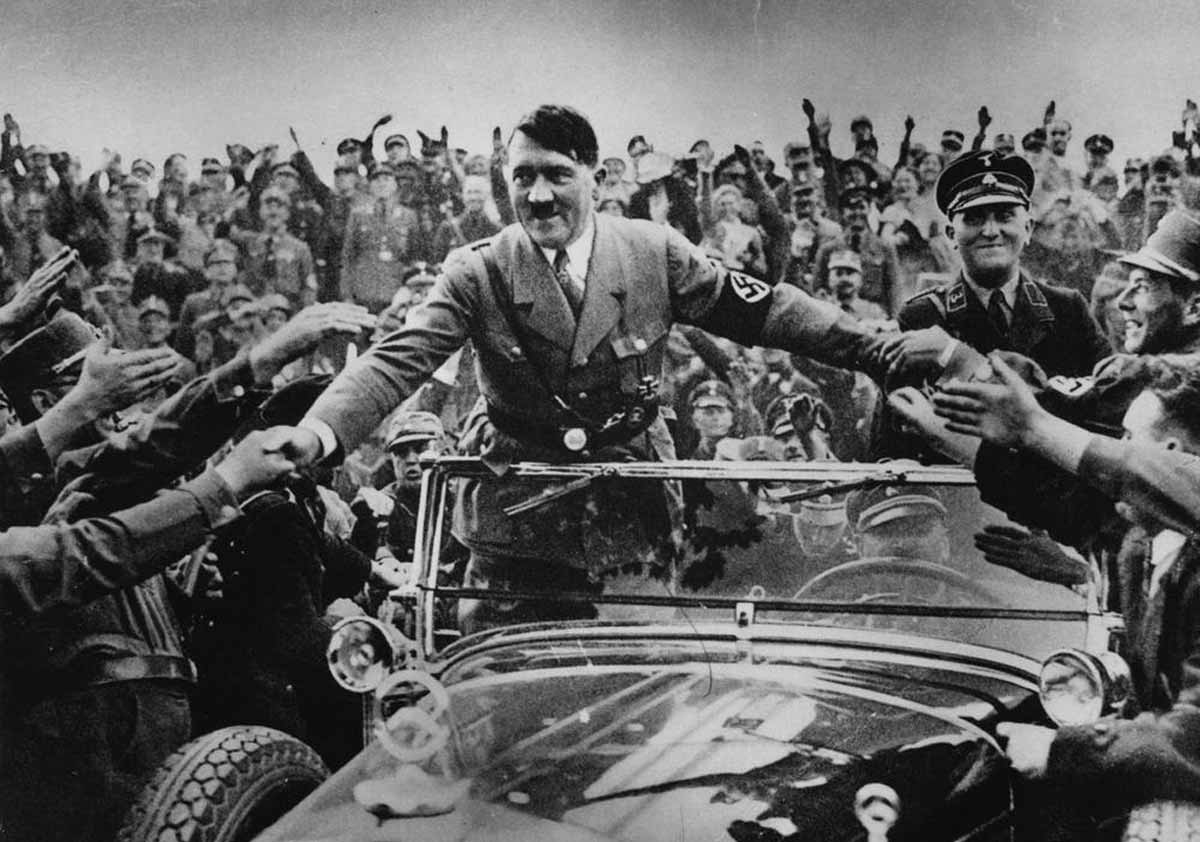
Over the next five years, she became part of Hitler’s inner circle. Struck by her Aryan looks and her curious connections to Nazi culture—her middle name was Valkyrie and she was born in a town called Swastika—he declared her to be the “perfect specimen of Aryan womanhood.” During their time together Unity begged Hitler to avoid conflict with Britain, but in 1939, he warned her that war was inevitable.
When Britain declared war on September 3, 1939, Unity was devastated. That same day she went to the English Garden in Munich and shot herself in the head with a pearl-handled pistol given to her by her “darling Fuhrer.” Miraculously she survived and was hospitalized before Hitler had her moved to neutral Switzerland and repatriated to England. Incapacitated, incontinent, and left with the reported mental age of a ten-year-old, Unity died nine years later of meningitis caused by the bullet left lodged in her brain.
Jessica, the Red Sheep
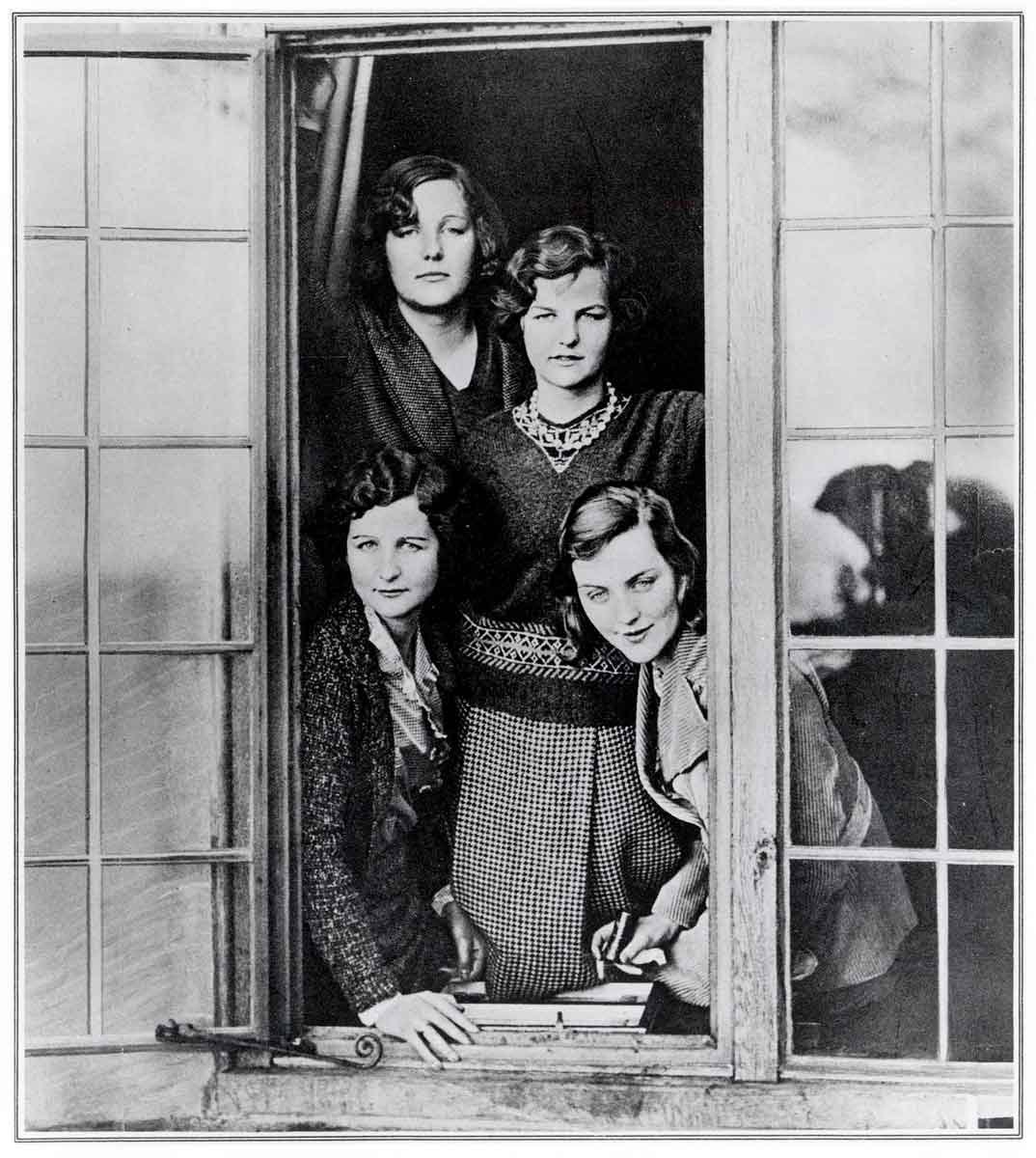
Jessica Lucy Freeman-Mitford, the sixth of the seven Mitford siblings, stood apart from her family from an early age. Her closest childhood friend was a sheep called Miranda, whom she took to church and snuck into her bed at night. At the age of twelve and set on rebellion, Jessica set up a “running away” fund at the family bank. In response to her family’s pro-fascist leanings, and Unity’s fervent Nazism, Jessica became a communist and the self-styled “red sheep” of the family.
In 1937, Jessica fell in love with her cousin, Esmond Romilly, Winston Churchill’s nephew. The pair eloped to Spain to join the International Brigades in the Spanish Civil War. Soon after, Churchill and her father enlisted the Foreign Secretary Anthony Eden to intervene, and the couple were pressured to return to England onboard a British warship sent to collect refugees. After a brief stint in London, the couple moved to the United States. Though Jessica corresponded with her mother throughout her life she never saw her father again. Romilly nicknamed Lord Redesdale “The Nazi Baron.”
Jessica and Esmond lived for a time in London, married, and then emigrated to the US before the outbreak of World War II. Esmond joined the Canadian Air Force but tragically was killed in action in 1941. Devastated, Jessica moved to Washington D.C., working briefly in the US Office of Price Administration before meeting her second husband, Civil Rights Lawyer Bob Treuhaft. Together, they joined the Communist Party of the USA.
Like her sisters, Jessica reveled in attention, was prone to exaggeration, and enjoyed playing to the public gallery. In 1956, she wrote a satirical guide to socialist jargon, Lifeitselfmanship or How to Become a Precisely-Because Man, poking fun at her sister Nancy’s best-seller, Noblesse Oblige. With charismatic wit, Jessica declared that understanding left-wing (L) versus Non-L terminology was far more useful for those looking to ally with progressive causes than knowing the aristocracy’s preference for the word “napkin” over “serviette.” She later refused to testify to the House Un-American Activities Committee, before resigning from the CPUSA in 1958.
After moving with Bob to Oakland, California, Jessica became immersed in the civil rights movement and carved out a successful career as a “muckraking” investigative journalist. She released a popular memoir Hons and Rebels (1960). Her groundbreaking 1963 expose, The American Way of Death, a sharp critique of the commercial funeral industry, became a best-seller. She even dabbled in music with her band Decca and the Dectones, recording two albums and a duet with Maya Angelou. Like Diana and Unity, Jessica remained unwavering in her political convictions until death. She died from lung cancer in 1996 at the age of 78.