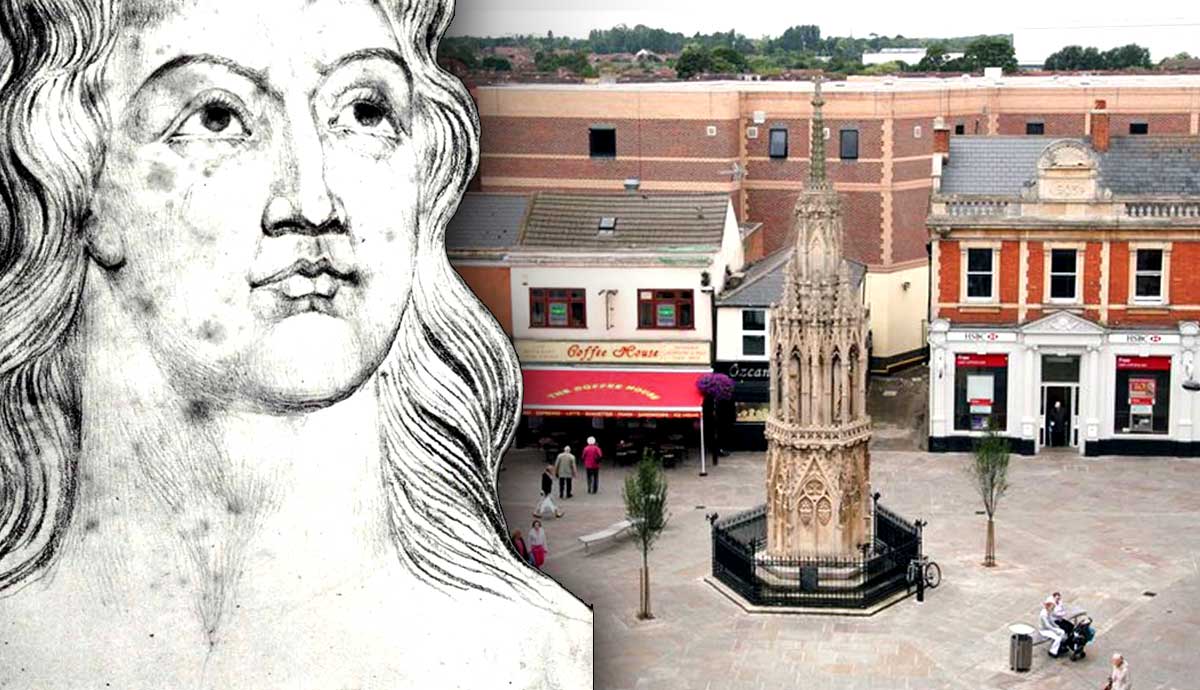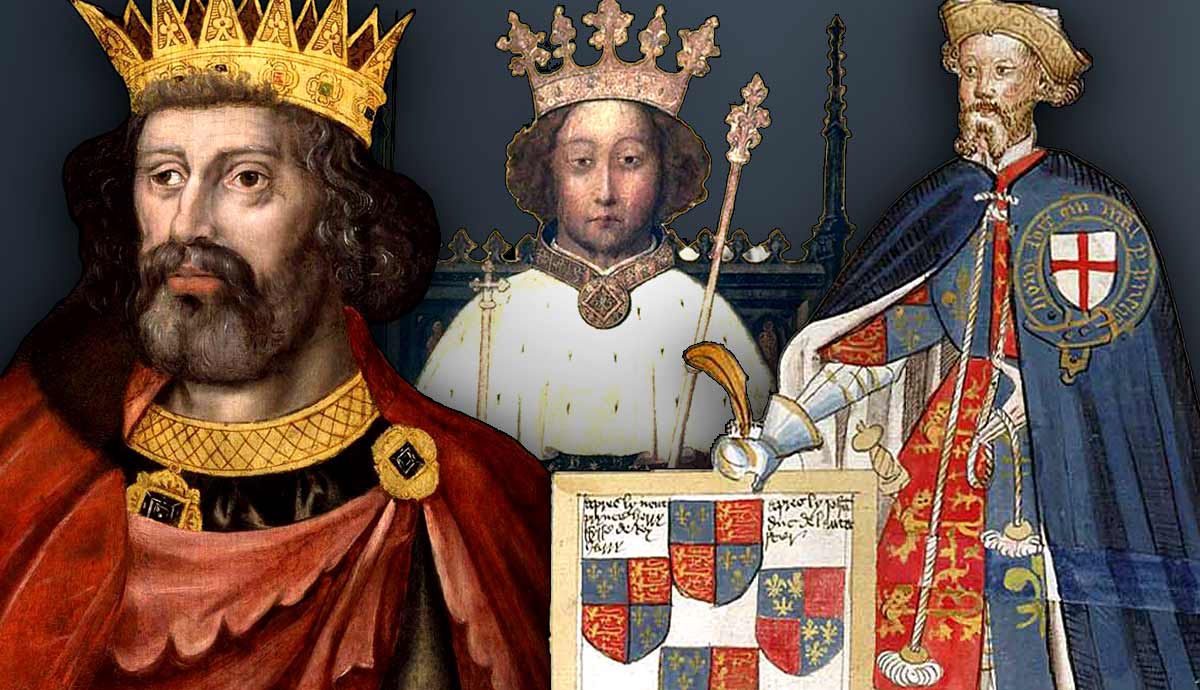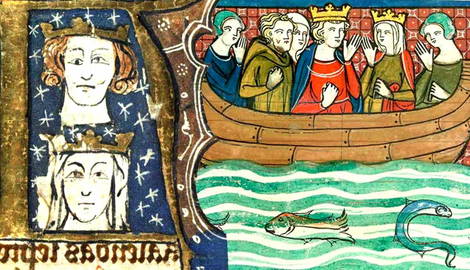

The crusades are often synonymous with armored knights, zealous kings and brutal warfare. However, crusading was not solely a masculine activity. Three medieval queens of England—Eleanor of Aquitaine, Berengaria of Navarre, and Eleanor of Castile—traveled to the Holy Land and accompanied their husbands on crusade. Their experiences were markedly different, yet they all challenge notions of crusading as an exclusively male activity. Their reigns and their legacies were shaped by experiencing the perilous dangers of crusading firsthand.
Could Women Go on Crusade?
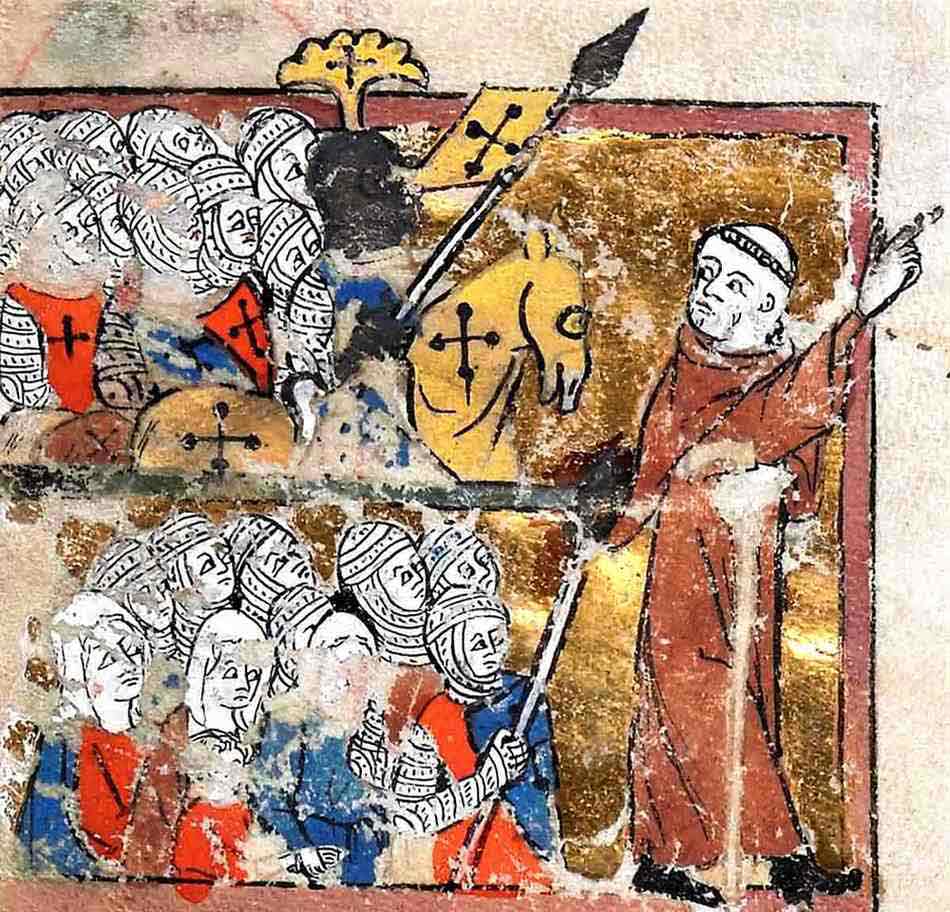
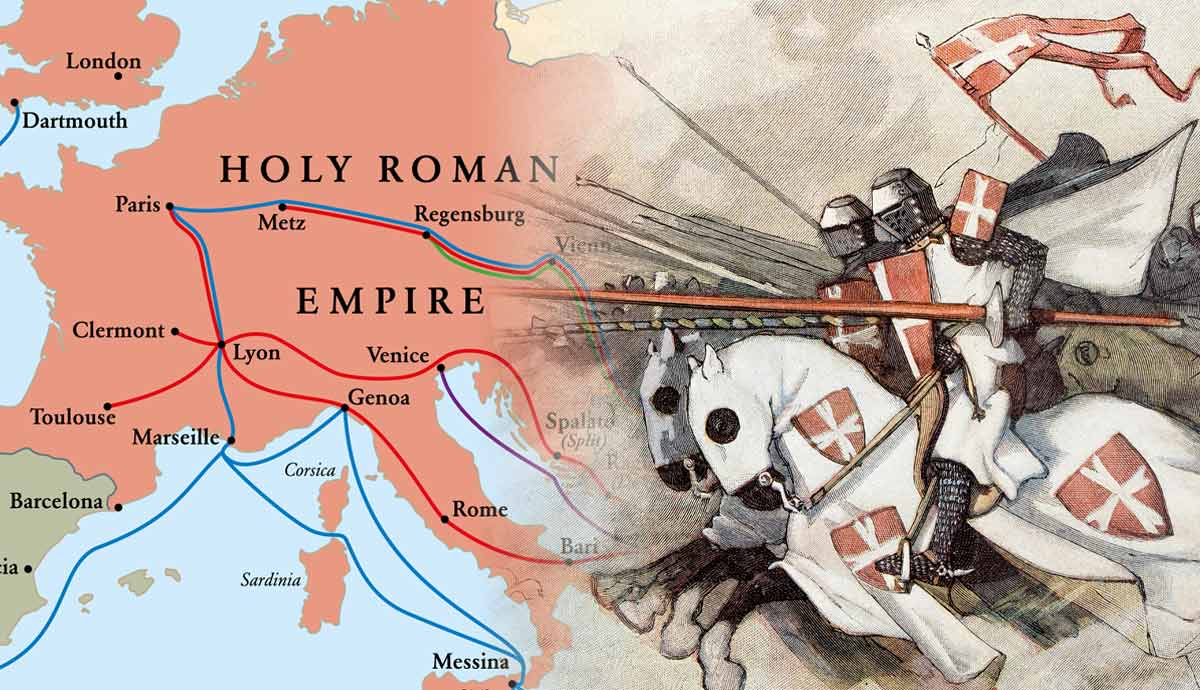
From its conception at the Council of Clermont in 1095, women were not explicitly barred from participating in crusades. As the movement was framed as a form of pilgrimage, it proved difficult to exclude women from an activity open to all Christians, regardless of sex. Nevertheless, ecclesiastical authorities were often uneasy about their presence. Popes attempted to discourage women from undertaking the hazardous journey to the East, not only because of concerns for their safety but also because crusades functioned as military expeditions in which non-combatants could hinder mobility and discipline. Measures were therefore introduced to limit female participation, including the requirement that women obtain their husbands’ permission before going on crusade.
Despite such restrictions, many women seized the opportunity to travel and accompanied their husbands on campaign. From the First Crusade onwards, thousands of women left Western Europe to undertake the arduous journey to the Holy Land. They endured the same hardships as their male counterparts and, despite contemporary assumptions about female weakness, played active and practical roles within crusading armies. Women are recorded as tending to the wounded and sick, carrying water and supplies, and, on occasion, even engaging directly in combat.
Why Did Queens Go on Crusade?
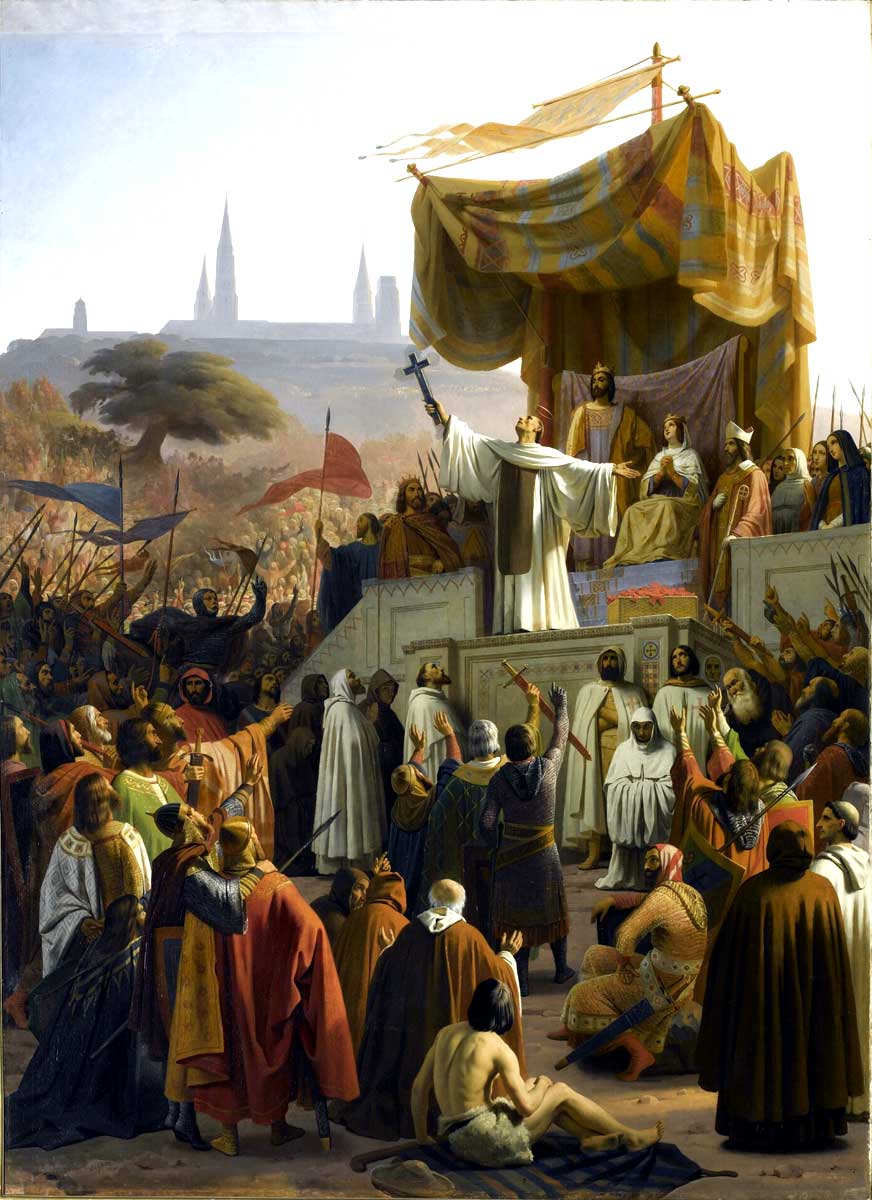
A queen’s duty was to further the interests of the dynasty into which she married. Her roles were varied and included providing the king with heirs, offering counsel to the king, interceding with the king on behalf of his subjects, and tempering her husband’s wrath. She was expected to be the perfect wife and a model for other women. Only in exceptional circumstances did her duties extend to military affairs. We might then question why three medieval English queens accompanied their husbands on crusade.
Certainly, medieval queens could still perform their duties as royal consorts while on crusade. If left behind at home, a queen could not produce heirs for her husband during his prolonged absence, and the continuation of sexual relations was undoubtedly a motivating factor. Some kings feared the political influence of their wives and considered it dangerous to leave them at home while they were campaigning abroad. Some queens supported their husbands’ military expeditions financially, and their presence was necessary lest the mission be cut short due to financial constraints.
We must also consider the queen’s personal motivations; crusading was the adventure of a lifetime. It gave participants the opportunity to travel to far and distant lands. Queens could expect to visit other royal courts along the journey, such as the court of the Byzantine Emperor, famed for its beauty and culture. Some queens were as equally pious as their husbands, and the opportunity to undertake the ultimate pilgrimage, to the most holy of sites in Christendom, to Jerusalem itself, was a tantalizing prospect. Queens also had a desire to save the Holy Land for Christendom, and their personal piety and sense of duty cannot be overstated.
1. Eleanor of Aquitaine: The Trailblazer
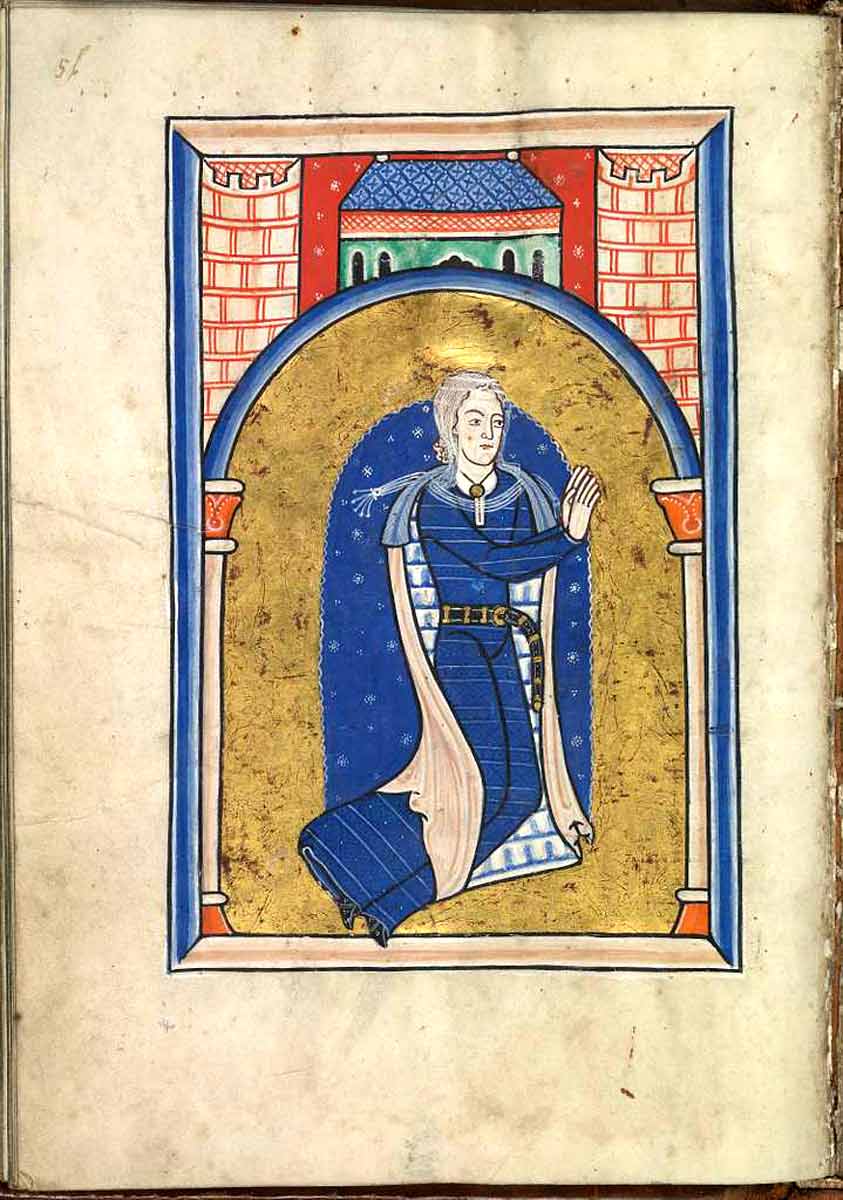
Eleanor of Aquitaine participated in the Second Crusade not as Queen of England, but as Queen of France while married to King Louis VII. She took the crusading vow alongside her husband at Vézelay in 1146, inspired by the impassioned preaching of Bernard of Clairvaux following the fall of Edessa. Eleanor’s involvement encouraged other noblewomen to join the expedition, significantly increasing the number of non-combatants accompanying the army. Moreover, Louis relied heavily on Eleanor’s financial resources, without which the crusade would have struggled to proceed.
On their journey east, the royal couple visited the court of Eleanor’s uncle, Raymond, Prince of Antioch, where they were warmly received. Raymond advised that they should attack Aleppo, as Edessa was already lost. While Eleanor supported this strategy, Louis rejected the proposal and insisted on continuing straight to the holy sites of Jerusalem. When Eleanor initially resisted leaving Antioch, rumors circulated among contemporaries that she was engaged in an affair with her uncle. Louis later joined the King of Jerusalem in an attack on Damascus, but the campaign failed. The crusade achieved little of value, and Louis was forced to return to France.
Louis’ decision to take Eleanor on crusade was likely influenced by their lack of a male heir. Although a daughter was conceived during their return journey and later born in France, this did little to secure the succession. The absence of a male heir, combined with rumors of Eleanor’s alleged affair with her uncle, contributed to the breakdown of the marriage. In 1152, Louis secured an annulment, leaving Eleanor free to marry Henry II of England a mere eight weeks later. Eleanor’s participation in the crusade thus exposed and intensified the existing rift between the couple, ultimately paving the way for her transition from Queen of France to Queen of England.
2. Berengaria of Navarre: The Invisible Queen
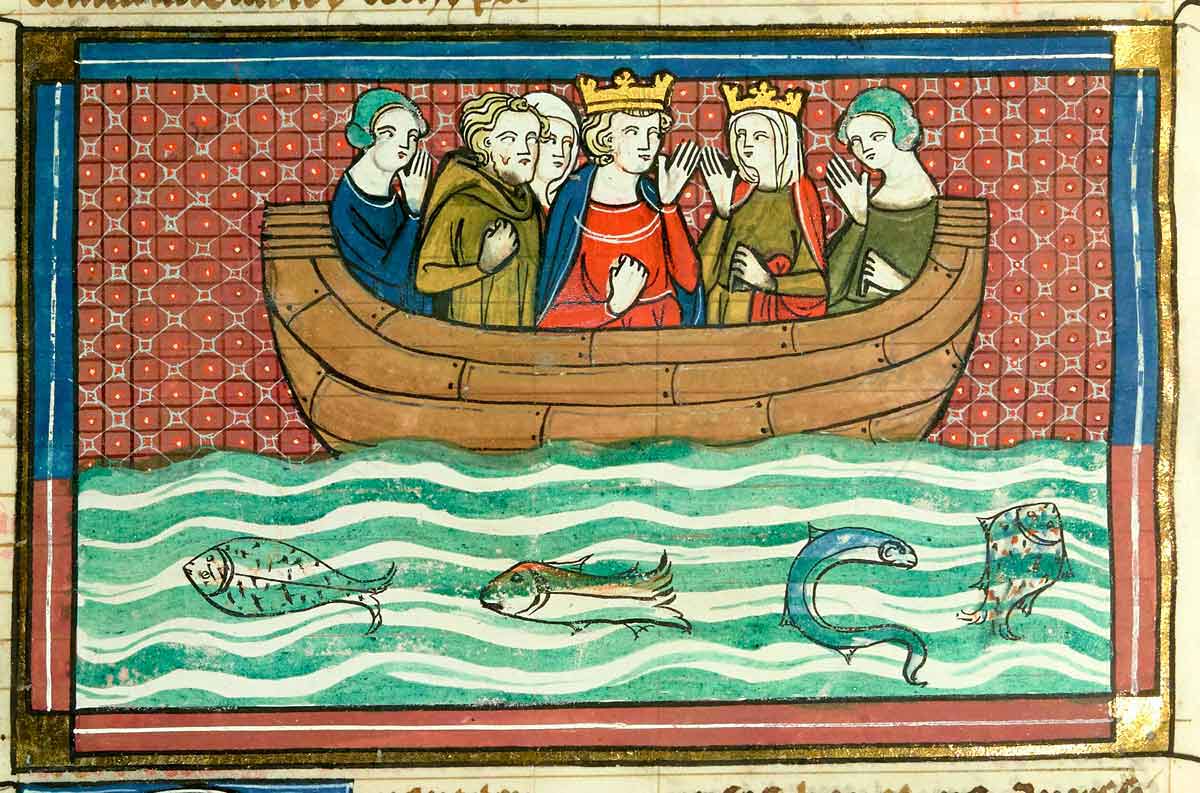
Berengaria of Navarre is one of the lesser known queen consorts in English history, despite the fact that she was married to one of England’s most famous medieval kings, Richard the Lionheart, son of Eleanor of Aquitaine. When Richard departed for the Holy Land in the summer of 1190 to take part in the Third Crusade, his marriage to Berengaria, a princess of Navarre in Iberia, had not yet been finalized. To secure the alliance, his mother, Eleanor of Aquitaine, traveled to the kingdom of Navarre to conclude the arrangements and escort Berengaria to join her future husband in Sicily. Eleanor, now in her sixties but no stranger to adventure, led Berengaria across the Pyrenees and across the Alps in winter. They met Richard in Sicily, after which Eleanor returned home while Berengaria accompanied Richard to Cyprus, where they were married in Limassol in May 1191.
Richard decided that his new wife would remain with him as he embarked on the crusade, presumably to try to produce an heir. Berengaria was joined by her new sister-in-law, Joanna, the former queen of Sicily, as the royal party traveled to the Holy Land. Traveling on different ships to Richard, the two royal women evaded capture by the ruler of Cyprus, an island Richard later conquered. Richard kept his new queen safe and secured a military victory by recapturing the port of Acre. Richard came within sight of Jerusalem but failed to recover the Holy City. After making a truce with Saladin, Richard embarked on his return journey in 1192.
Berengaria traveled home by a different route and consequently was not captured by the Archduke of Austria alongside her husband. The couple spent little time in each other’s company thereafter and did not produce any children. Berengaria was not at Richard’s side when he died in 1199 after being mortally wounded at the Siege of Châlus. Perhaps the time the couple spent together on crusade had convinced Richard of their incompatibility.
3. Eleanor of Castile: Loyal Wife and Nurse
Eleanor of Castile enjoyed one of the most harmonious and enduring marriages among English medieval royal couples. Married to Edward I of England in 1254 while both were still in their teens, the pair spent much of their lives together, and Eleanor bore at least 14 children, although many did not survive into adulthood.
Before ascending the throne, Prince Edward resolved to join the Eighth Crusade, led by Louis IX of France. In 1270, he sailed to Tunis accompanied by Eleanor. Following the death of Louis at Tunis, which effectively brought the campaign to an end, Edward chose to continue to the Holy Land with a smaller force. Upon arriving in Acre, in what is sometimes known as the Ninth Crusade, Eleanor remained in relative safety while Edward conducted a series of military engagements against the Mamluk Sultan, Baibars. Eleanor shared in her husband’s disappointment when the nominal king of Jerusalem signed a ten-year truce with Baibars in May 1272.
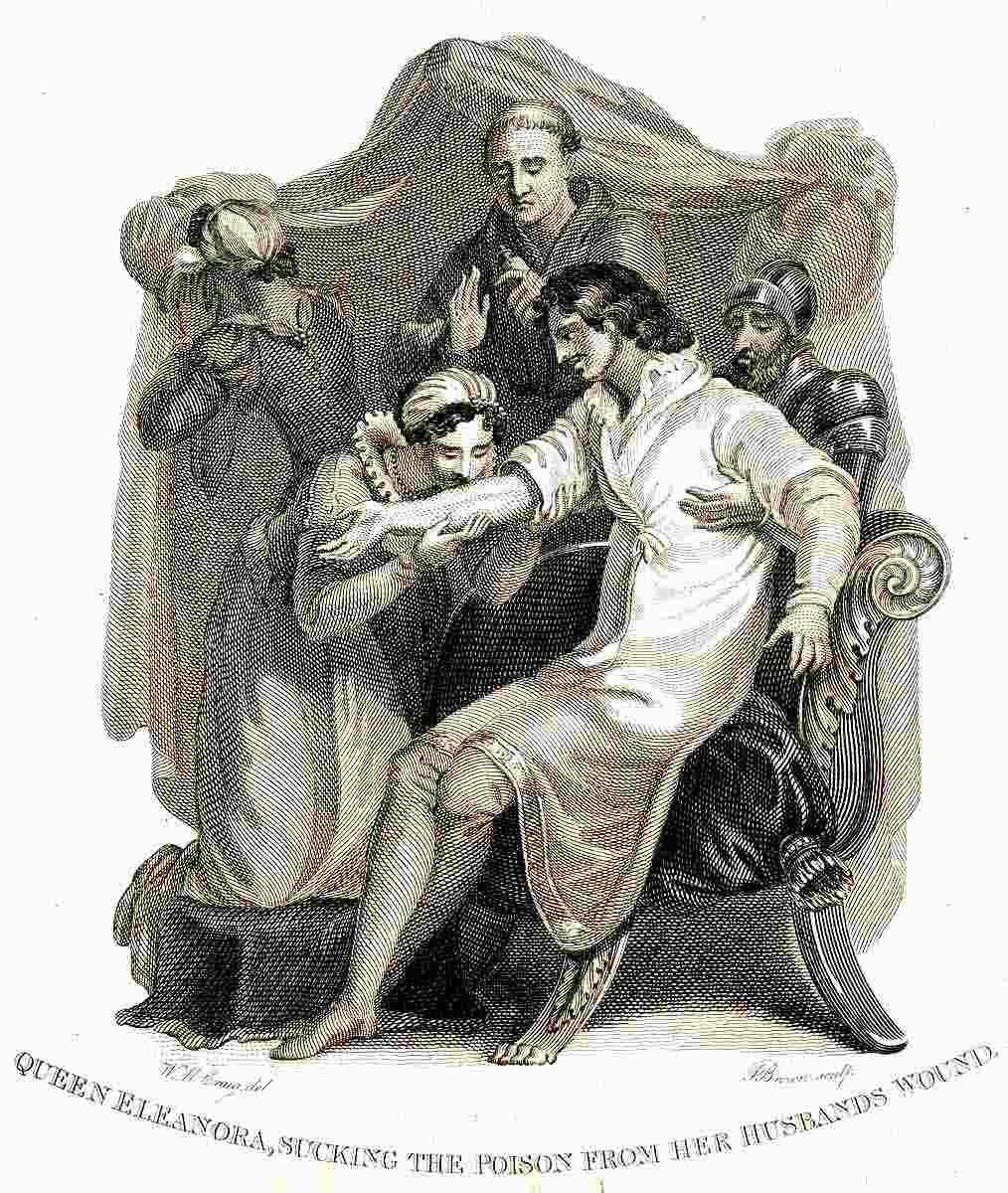
As the couple prepared to depart, an assassin snuck into Edward’s tent, disguised as a messenger. Carrying a poisoned dagger, he thrust the blade into Edward’s arm. Edward, nicknamed “Longshanks” for his stature, disarmed and perhaps killed the assailant with an almighty kick. In a likely apocryphal tale, Eleanor rushed to his side and sucked the poison from Edward’s arm, thereby saving his life.
After several months recovering, the royal couple departed the Holy Land and made the journey home, only to learn during their travels of the death of Edward’s father, King Henry III. The pair returned to England as anointed monarchs, and Eleanor had earned a reputation as a fiercely loyal wife to the extent that she would risk her own life to save that of the king.
The Legacy of the Crusading Queens
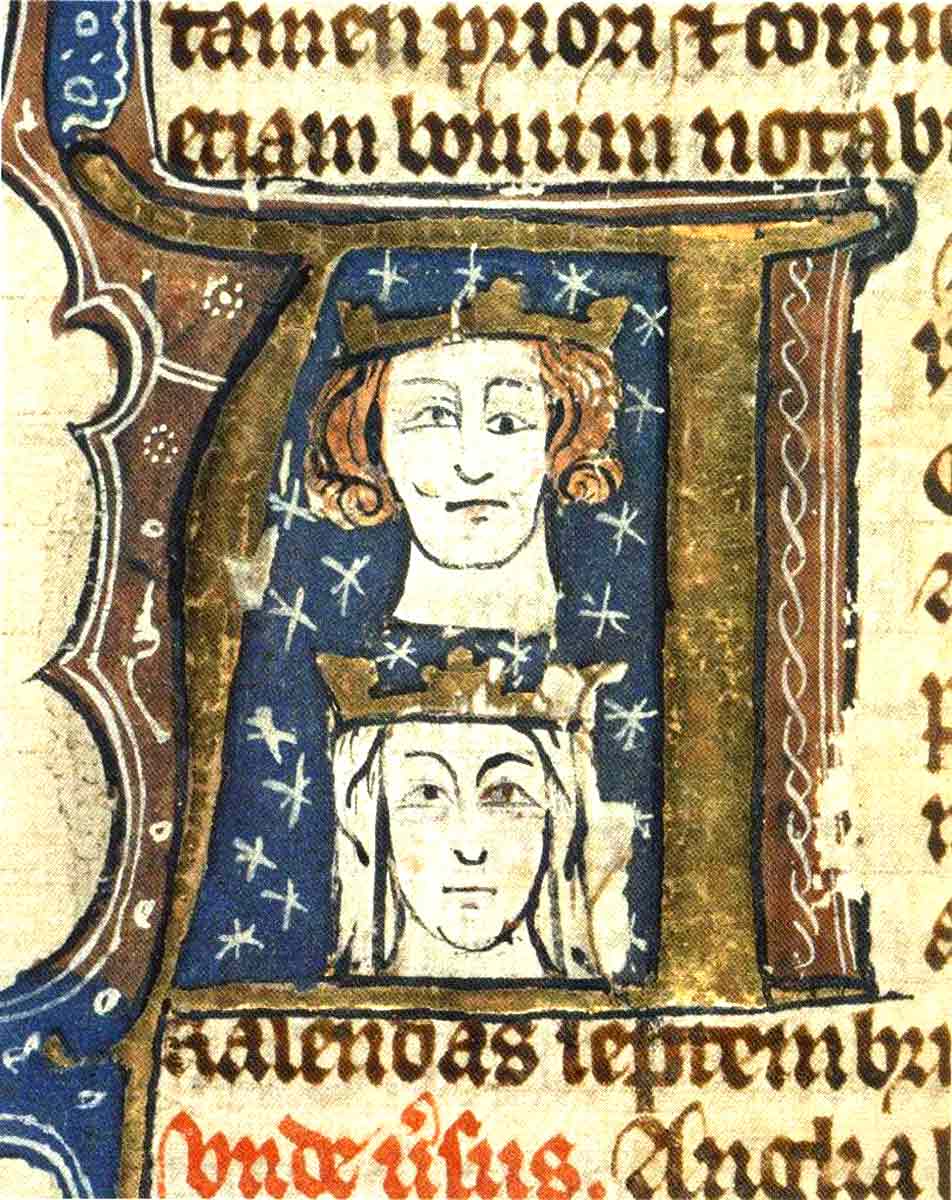
The crusading queens of England offer a rare glimpse into women’s experiences on crusade. While each of these women had differing motives for undertaking such expeditions, all were ultimately present for dynastic purposes, particularly the production of heirs. Some, however, exercised far greater political influence than others and could even be perceived as a threat to their husbands.
Eleanor of Aquitaine exemplifies this dynamic. Politically independent and immensely wealthy in her own right, she provided Louis VII with crucial financial support and actively involved herself in strategic decision-making. It was this assertiveness that brought her into conflict with Louis over the proposed attack on Aleppo, contributing to scandal and ultimately the breakdown of their marriage.
By contrast, Berengaria of Navarre appears to have exercised little political influence; her role was largely confined to dynastic expectations. Eleanor of Castile, on the other hand, seems to have offered personal and emotional support to her husband, Edward I, whose evident affection for her suggests that her presence was of great comfort during the campaign. The birth of their daughter, Joan of Acre, during the crusade further highlights the importance of maintaining dynastic continuity, even during a religious expedition that required chastity from its participants.
For Eleanor of Aquitaine and Berengaria, the crusade seemingly identified weaknesses within their respective marriages. Conversely, the crusade solidified Eleanor of Castile’s reputation as a dutiful wife. The nature of their involvement in the crusades and their true influence during their respective expeditions remains a matter of historical debate. Myths, legends and scandals continue to plague the narrative of their time on crusade. Despite the damage to her reputation, Eleanor of Aquitaine appears to have set a precedent of acceptability for royal women and especially English queens to embark on one of the most perilous journeys of the Middle Ages.