
In medieval England, the birth of a royal heir was a moment of immense national relief. The safe arrival of a healthy prince promised stability and averted the prospect of civil war. Yet succession was never secure in a world shaped by disease, warfare, and sudden tragedy. Many princes who were raised from birth to rule died prematurely, plunging the realm into uncertainty. From fatal shipwrecks to illness on campaign, the untimely deaths of these heirs altered the course of English history.
Why Did So Many Medieval Heirs Fail to Inherit the Crown?
Medieval communities lived in constant proximity to death. Children were particularly vulnerable to disease and accident, with some estimates suggesting that as many as a third died before the age of five. Such high infant mortality significantly reduced overall life expectancy, and those who survived childhood could live much longer. Aristocratic men reaching the age of 21 between 1200 and 1745 might expect to live into their sixties or even seventies, except during the 14th century, when the Black Death caused a dramatic decline, with life expectancy hitting a low of 45.
Medical knowledge remained rudimentary, and even minor illnesses could prove fatal. Dysentery, for example, now prevented through improved hygiene and treated with antibiotics, was especially deadly in medieval armies, with some contemporaries claiming mortality rates reached 80%. It claimed the lives of King John and King Henry V. Epidemic disease more broadly posed an ever-present threat, most notably during the Black Death, which killed up to half of Europe’s population. Even royalty could not escape the pervasive dangers of illness and death.
Extra care was taken during and after the birth of royal children, particularly heirs to the throne, whose primary role was to secure the dynasty. The death of an heir could plunge a kingdom into uncertainty and instability, leaving the succession unclear and exposing the realm to both internal conflict and external threats. For this reason, it was essential for kings to produce at least two sons; a spare heir provided crucial security against the ever-present risks of premature death, though too many surviving children also risked instability. With high mortality rates, there were many princes who predeceased their fathers.
1. William Adelin and the Disaster of the White Ship
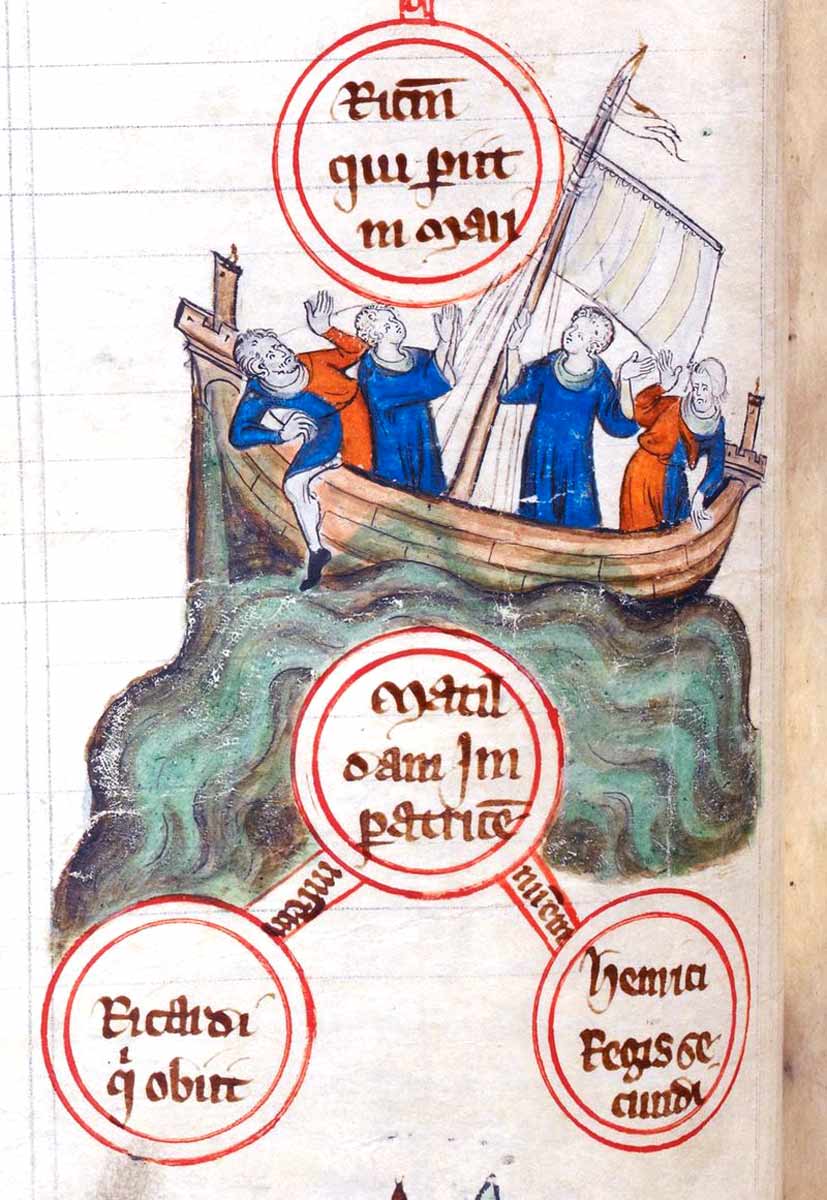
William Adelin was born in 1103 to King Henry I of England and his wife, Edith-Matilda. As the youngest son of William the Conqueror, Henry himself was not expected to inherit the English throne. After outmaneuvering his eldest brother Duke Robert of Normandy, Henry became king of England in 1100 after the death of his childless brother, William Rufus, in a hunting accident.
The birth of William Adelin symbolized the unification of his father’s house of Normandy and his mother’s old Anglo-Saxon and Scottish line. His birth was celebrated throughout the realm, and hopes of a new and bright beginning in English dynastic history at the turn of the century were pinned on William. He was given an education that would prepare him for his intended role as king, and he was given a prestigious bride, Matilda, daughter of Count Fulk of Anjou, to ensure a smooth succession.
While crossing from Barfleur, Normandy to England on November 25, 1120, Henry travelled on a different ship from that of his son. William sailed in the White Ship, built by Thomas FitzStephen, son of Stephen FitzAirard, who had captained the Mora in which William the Conqueror had sailed to England in 1066. William was joined by 300 other passengers, and there was something of a party atmosphere on board. Disaster struck when, in the darkness, the ship hit a rock and sank, leaving only one survivor. William, aged 17, drowned and left no heirs.
Henry was devastated. With no legitimate son, he named his daughter Matilda as his successor. Yet upon his death in 1135, her claim was challenged by her cousin Stephen of Blois, who seized the throne. The resulting civil war, known as the Anarchy, plunged England into prolonged instability and was resolved only when Stephen agreed to adopt Matilda’s son, the future Henry II, as his heir.
2. Henry the Young King and His War Against His Father
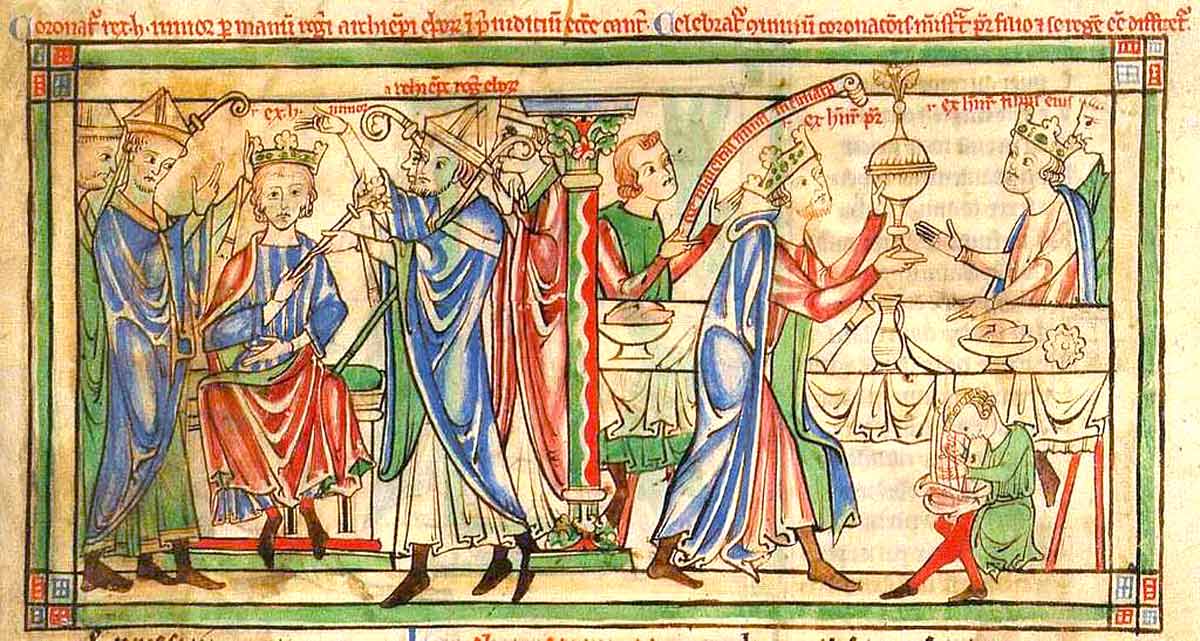
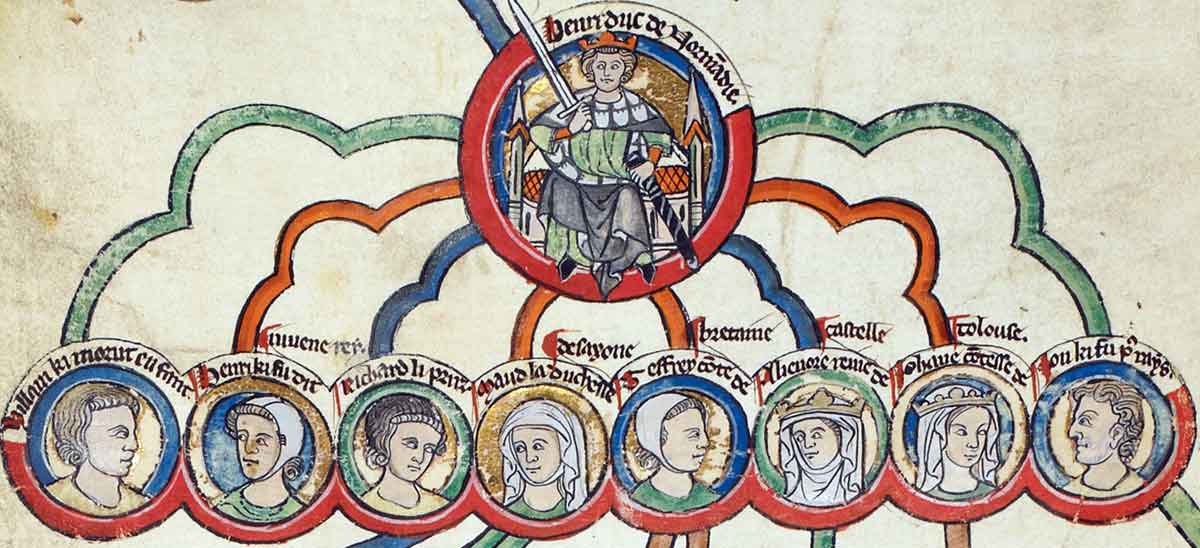
Born in 1155 to Henry II, King of England, Duke of Normandy and Count of Anjou and his wife Eleanor, Duchess of Aquitaine, Henry the Young King was the eldest of the couple’s sons to survive infancy. As such, he was educated in the house of Thomas Becket from 1162 in preparation for his role as king. In a measure to secure the succession of his son, in 1170 Henry arranged for his eldest son to be crowned king during his own lifetime. Henry the Young King had three younger brothers, and his early coronation left no doubt as to who would be the next king. But this arrangement also had negative ramifications.
Although anointed king, the Young King would be forced to wait for his father to die before he could assume any real power. His younger brothers could enjoy their patrimonies during their father’s lifetime, but Henry remained in the shadow of his father. Consequently, the Young King demanded that his father relinquish to him either the Duchy of Normandy, the County of Anjou, or the crown of England. When Henry II flatly refused, the Young King rebelled against his father with the support of his younger brothers and his mother. The rebellion tore the Angevin Empire apart, and although father and sons were reconciled in 1174, the Young King continued to clash with his father intermittently for the rest of his life.
In 1183, the Young King contracted dysentery while leading another rebellion against his father. He begged for his father’s forgiveness on his deathbed. The Young King was married to Margaret of France but the pair had no children, and when Henry II died in 1189 he was succeeded by his eldest surviving son, Richard the Lionheart. After Richard died without legitimate issue, the throne passed to their youngest brother John, arguably the worst king in English history.
3. Alphonso of England and the Tragedy of High Mortality
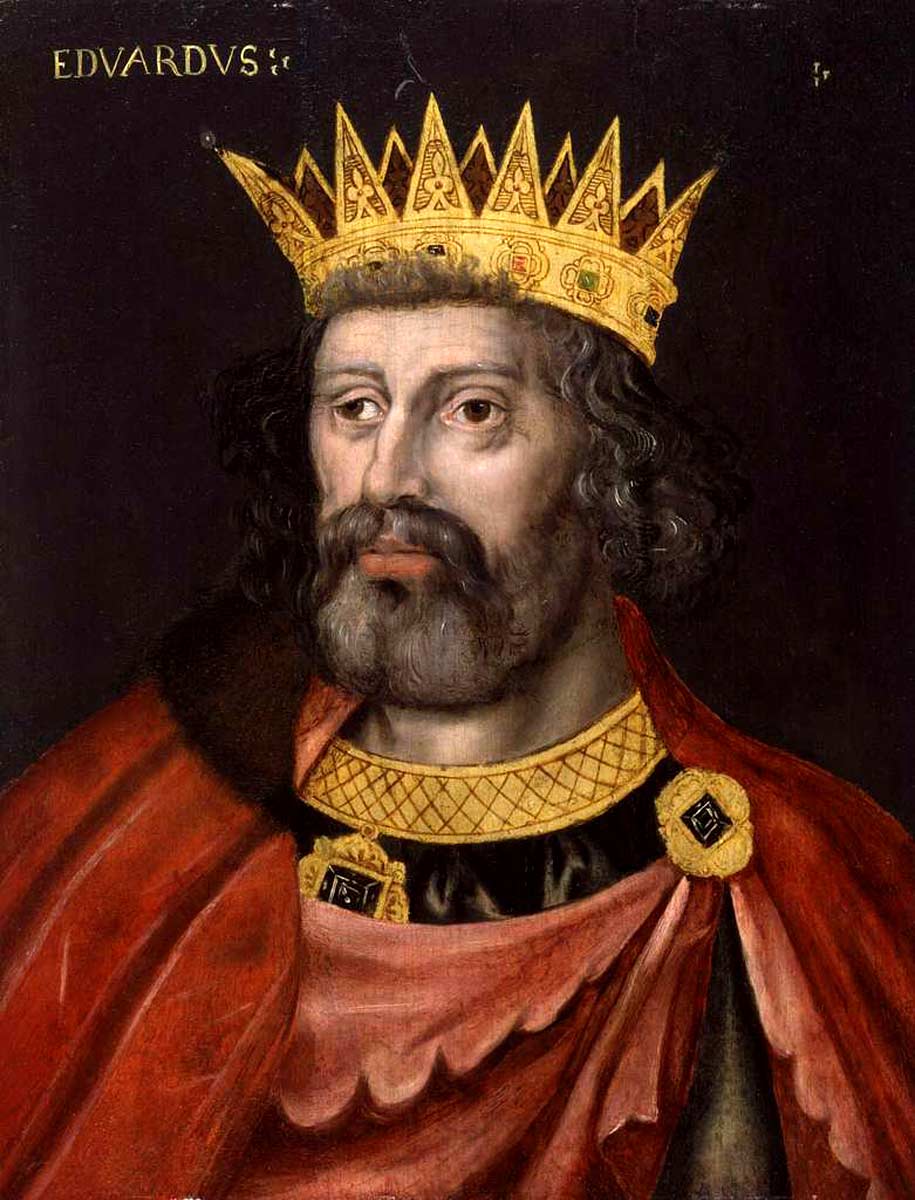
Of the 14 or more children born to Edward I of England and his first wife, Eleanor of Castile, most did not survive into adulthood. Alphonso of England was one such child. He enjoys perhaps the most unusual name of a medieval English prince. His mother named him after her brother, King Alphonso X of Castile. Born in 1273, a year after the succession of his father, Edward I, Alphonso was therefore “born in the purple” and thereby destined for a prominent role. His elder brother, John, had died in 1271, and when, in 1274, his eldest surviving brother, Henry, died, Alphonso was declared his father’s heir.
Little is known of Alphonso’s short life; he was made the Earl of Chester and was given his own household, as was befitting of the heir to the throne. At the age of ten, Alphonso was betrothed to the daughter of the Count of Holland. It was about this time that the boy took ill. He died at Windsor Castle in 1284. His heart was buried at Blackfriars, London, and his body was laid to rest in Westminster Abbey. The only consolation to his grieving mother and father was that their youngest son, Edward, had been born some months prior to Alphonso’s death and assumed his place as heir to the throne.
Edward II succeeded his father in 1307 and proved to be an extremely unpopular king who generously rewarded his royal favorites and ignored the rest of the nobility. His popularity waned to such an extent that his barons rebelled against him and his wife led an invasion of the kingdom and successfully deposed him.
4. Edward the Black Prince and a Legacy Forged in Battle
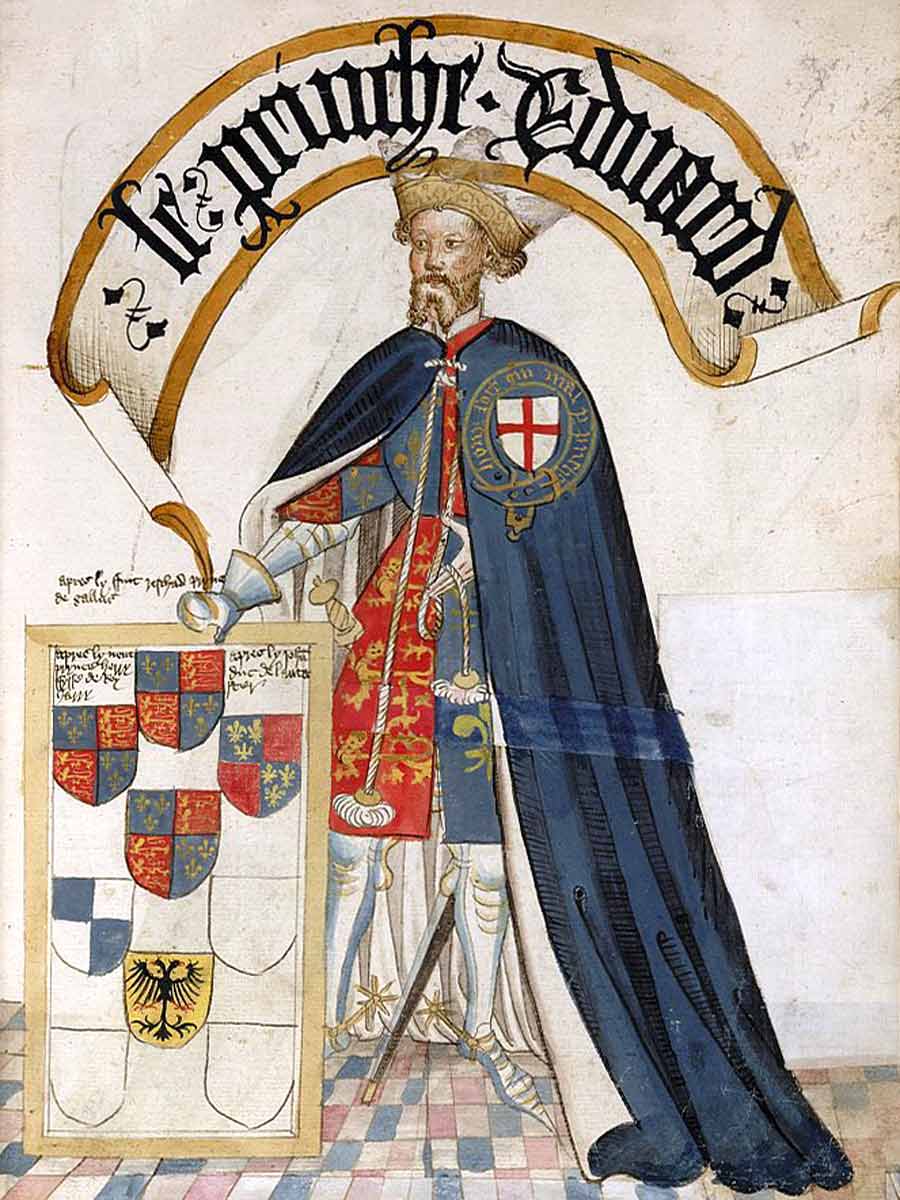
Edward the Black Prince continues to be remembered as one of the greatest English military commanders and princes of the Middle Ages. Born in 1330, the eldest son of Edward III of England and his wife, Philippa of Hainault, he showed military promise from a young age. At the age of seven, he was gifted a full suit of armor and attended his father’s court from a young age. Taking a role in his father’s reign from childhood, he represented his father on the international stage and was entrusted with the symbolic but important role of Guardian of the kingdom at the ages of ten and twelve while his father was campaigning on the continent.
The Black Prince attended his father’s court at Windsor, where in 1348 the king founded the Order of the Garter, a retinue of 24 distinguished knights (alongside the King and the Prince of Wales) inspired by King Arthur’s round table. The Black Prince’s name was second on the list after his father’s. Growing up in such an atmosphere undoubtedly had a profound impact on the Prince, who is often regarded as a model of chivalry.
Made the Prince of Wales in 1343, Edward began to accompany his father on his military ventures abroad from the age of 16. Edward III’s reign was characterized by his wars with France, known to history as the Hundred Years’ War. The Black Prince distinguished himself during the conflict. Leading the English vanguard at the Battle of Crécy, the teenage prince was in the thick of the action as the English won a resounding victory. What followed was a glittering military career. The Black Prince won his most famous victory at Poitiers in 1356, where he defeated a larger French army and made King John II of France his prisoner.
The Black Prince fell seriously ill on campaign in Castile in 1367 without making a full recovery. Nevertheless, his death at the age of 45 in 1376 came as a great shock to the English nation. His ageing father would die the following year, and the throne passed to the Prince’s ten-year-old son, Richard. Ill-prepared for kingship and with a reign driven by faction, Richard II was deposed by his cousin Henry IV in 1399.
How These Lost Princes Shaped English History
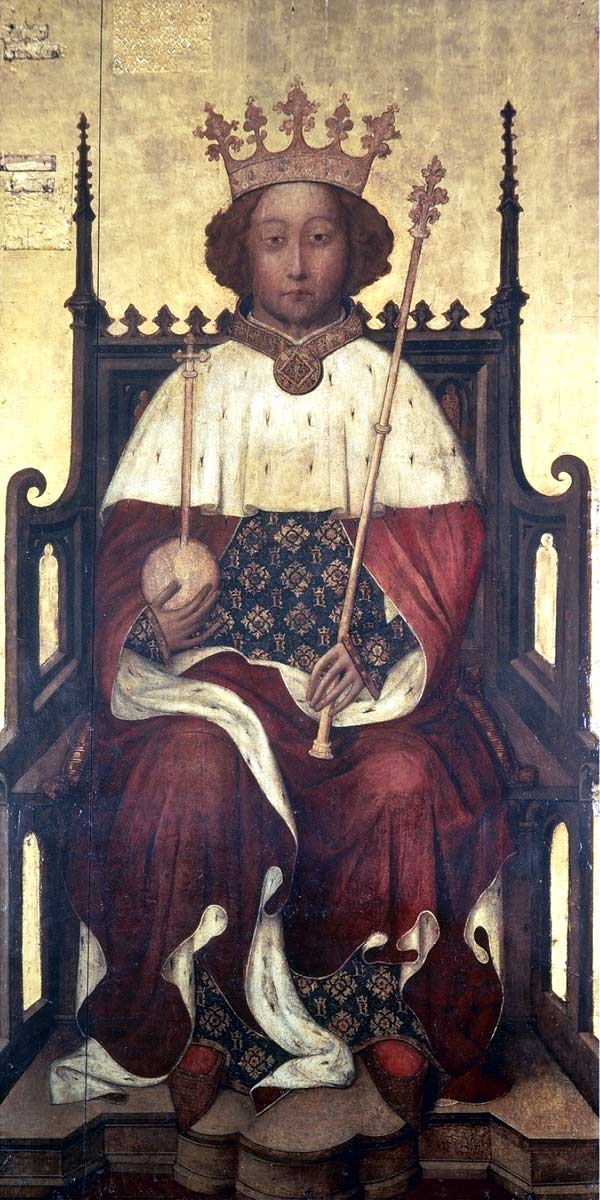
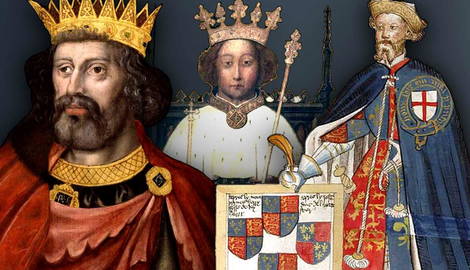
The premature deaths of William Adelin, Henry the Young King, Alphonso of England, and Edward the Black Prince were each followed by moments of political crisis. Civil war, invasion, and instability often followed the loss of an heir. While the death of a son was a personal tragedy for royal families, it also represented the loss of dynastic security and the disruption of political continuity.
William Adelin’s death precipitated a prolonged civil war that divided the kingdom for over a decade. Henry the Young King showed considerable promise, yet his rebellion against his father led to his early death and weakened the stability of the realm. The death of Alphonso of England underscores the vulnerability of children to disease, reflecting a broader pattern of high mortality within royal families and, in particular, among his siblings. Edward the Black Prince, celebrated as a model of chivalry, was mourned not only as an individual but as the lost future of England’s ambitions in the Hundred Years’ War.
Accordingly, these princes, who never became kings, reshaped the course of English history. William Adelin’s death ultimately enabled the rise of the Angevin dynasty, while the earlier death of Edward the Black Prince contributed to the deposition of his son and the accession of his nephew, Henry IV, establishing the Lancastrian regime. How these men would have exercised their royal powers had they outlived their fathers will forever remain a mystery, but English history would certainly have turned out differently had they lived longer.