
When one reads the history of the early leaders of the Christian church, one must take a good deal of what we learn on faith. Regardless of what source you consult, a good deal of what you will read comes to us in the form of legends and folklore rather than hard history.
The reality is that there are just so few surviving sources from the time that we are forced to rely on writers and historians who were centuries removed from these men because there are no words penned by the early popes themselves, with one very notable exception: Pope Clement.
So significant was Clement, that, according to legend, under the Emperor Trajan, he was punished with exile, then a watery grave.
The Paper Trail of the First Documented Pope
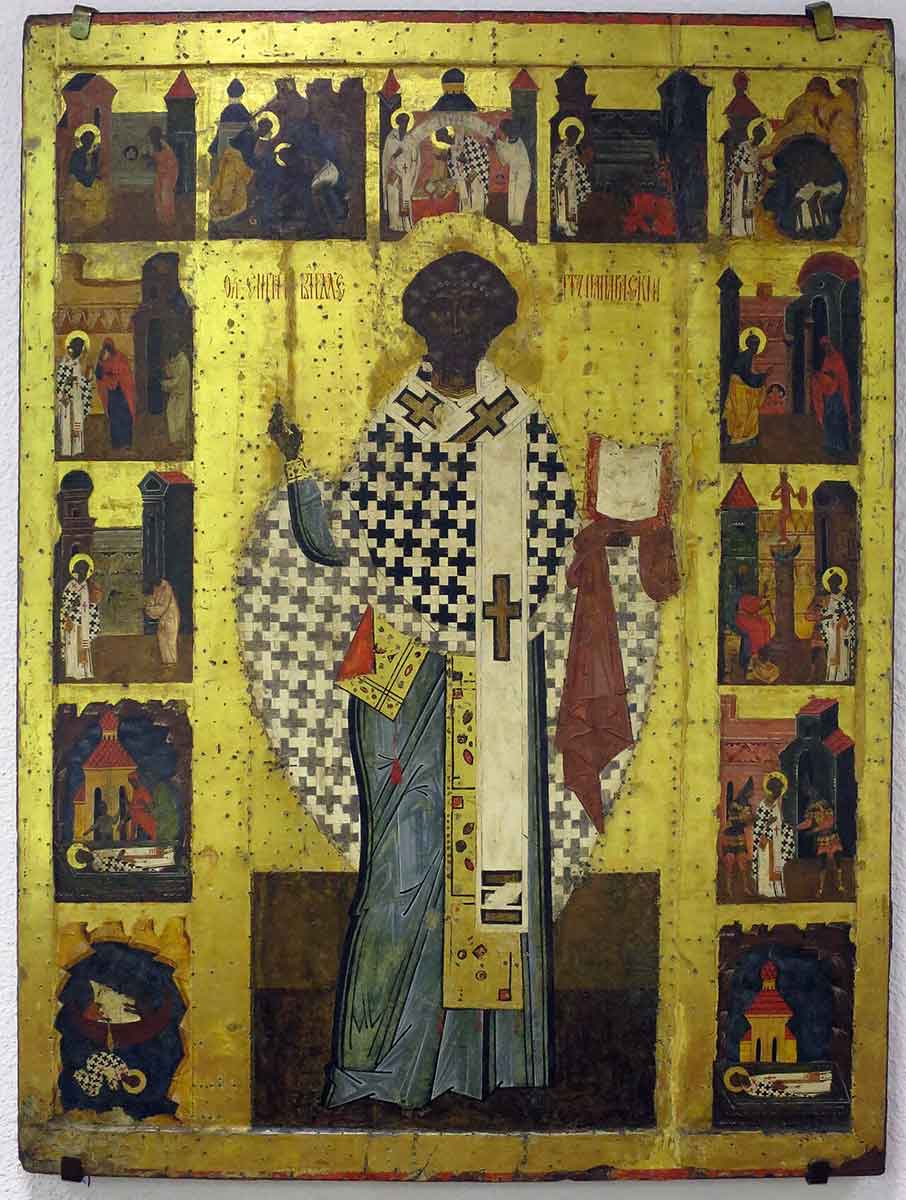
Clement I is an extremely important figure not just for his leadership, but because, unlike many of his predecessors and successors to the early Papacy, there is widely accepted historical evidence of his leadership in the form of writing we still have today. Saying it provides a solid anchor from which we can better explore the early Christian world is both true and, as you’ll see—somewhat ironic.
Like most early Church Fathers, everything that we know about the early life of Clement I is based on a mixture of conjecture, legend, and the assertions of dueling sources. Some records claim that he was ordained by St. Peter himself or that he was descended from Roman nobility, but there is little in the way of factual evidence to support this.
There are sources that assert that he was of Jewish ancestry, but this too is impossible to confirm. There are even early church historians such as Tertullian and Jerome who suggest that Clement was meant to be the direct successor to Peter and even name him as the second pope, but official church sources like the Liber Pontificalis put him as fourth in the line of succession.
If we are to take these sources at face value, then Clement was an important early leader in the Church who knew not just Peter, but the Apostle and prolific writer Paul before their martyrdom in Rome.
This is again based not on hard historical fact, but on writing that came much later, which would serve as the foundation for what we know of his early life before taking on the role of pope.
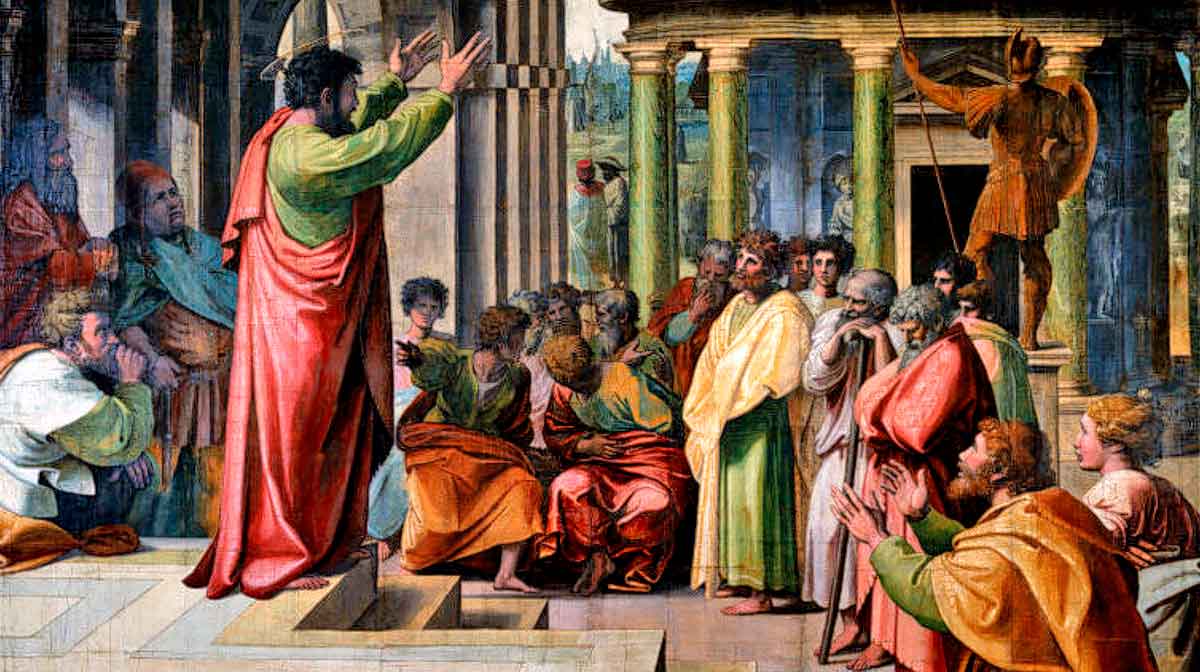
What we do know for certain is that he lived in Rome and was an early leader at a time of great growth and development for the Roman church. Christianity was spreading throughout the Mediterranean World, but it was still a small and often persecuted movement made up of satellite churches anchored by the largest congregation in the Eternal City.
Rome was emerging as an important source of leadership at a time when there wasn’t a clear and uniform leadership structure, and the person who served as its bishop was an influential voice. Clement’s appointment to this role around the year AD 91, which saw him writing and responding to crises and conflicts in the Christian world, is why he became the first documented pope.
Around the year AD 96, the church of Corinth had descended into bedlam. What exactly the problem in Corinth was is uncertain, but it is thought that some sort of upheaval had overturned the established leadership of the church known as presbyters. Perhaps it was a younger generation trying to assert itself over the old guard, or maybe a wealthy donor decided that he should have an official position. Whatever the situation, we know it wasn’t the first time that the Corinthian church had been in an uproar, since we know that the Apostle Paul had written at least four letters to the troubled church, with two of them ending up in the New Testament.
The letter that Clement wrote to the Corinthians, known today as his First Epistle, is of great historical value as it is the oldest surviving document written by a pope that just about every scholar agrees is legitimate and actually written by the author to whom it was attributed. This is important because there are many other writings attributed to Clement or others whom scholars have determined were not written by the hand of the supposed author, so to have even this one is a historical miracle.
The letter itself is a lengthy appeal to the Corinthian church to stop their infighting and coalesce around its presbyter leaders, which is itself important because there is still debate today about how much structured leadership there was in the early church. But its true significance is that this letter separates Clement from his semi-mythical predecessors, for which we have no historical evidence, cementing him as the first historical pope.
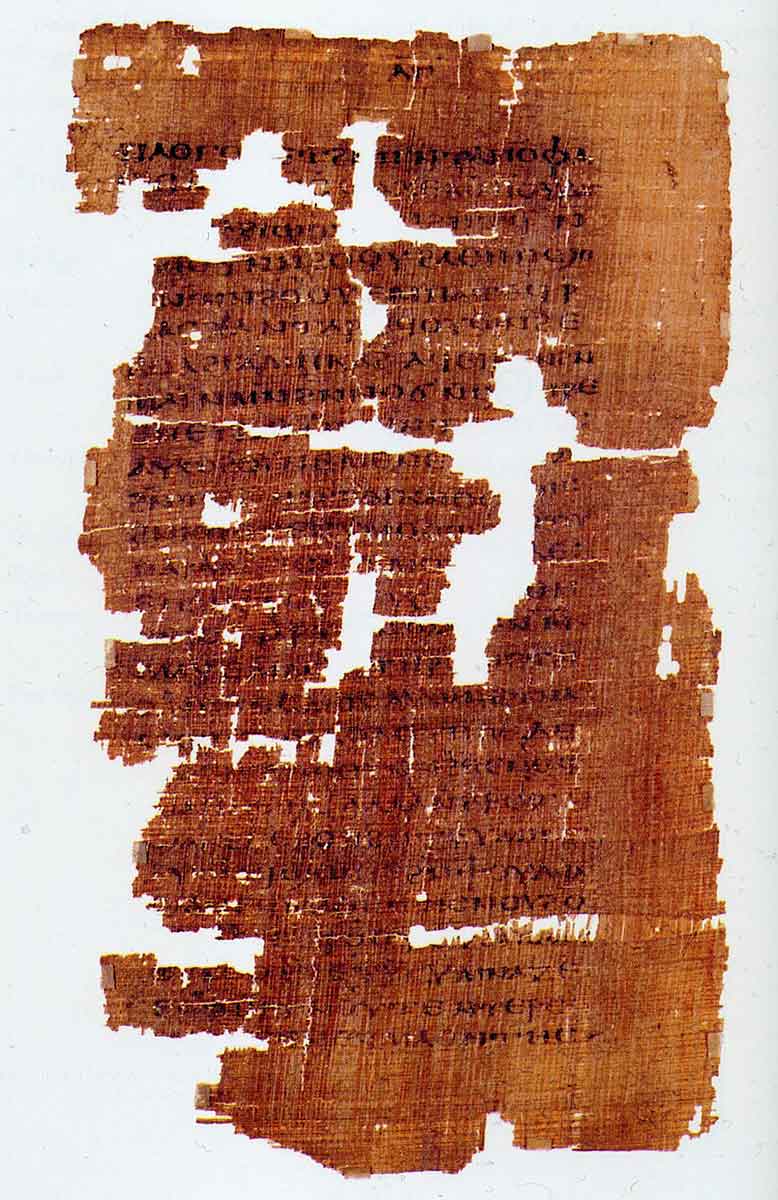
The letter also shows an important inflection point in the history of Christianity. At the time of its penning it was likely that some of Jesus’s apostles were still alive, and yet the Corinthian church sought out Clement as a mediator. This marks an important transition in church history where authority begins to transition from the apostles to what would become known as the Apostolic Fathers—the next generation of leaders who would help carry on what Jesus and his apostles began.
Unfortunately for Clement, being a leader in the early Christian Church meant almost certain persecution, and he was unable to dodge the power of Rome for long.
Converting Guards in a Black Sea Labor Colony
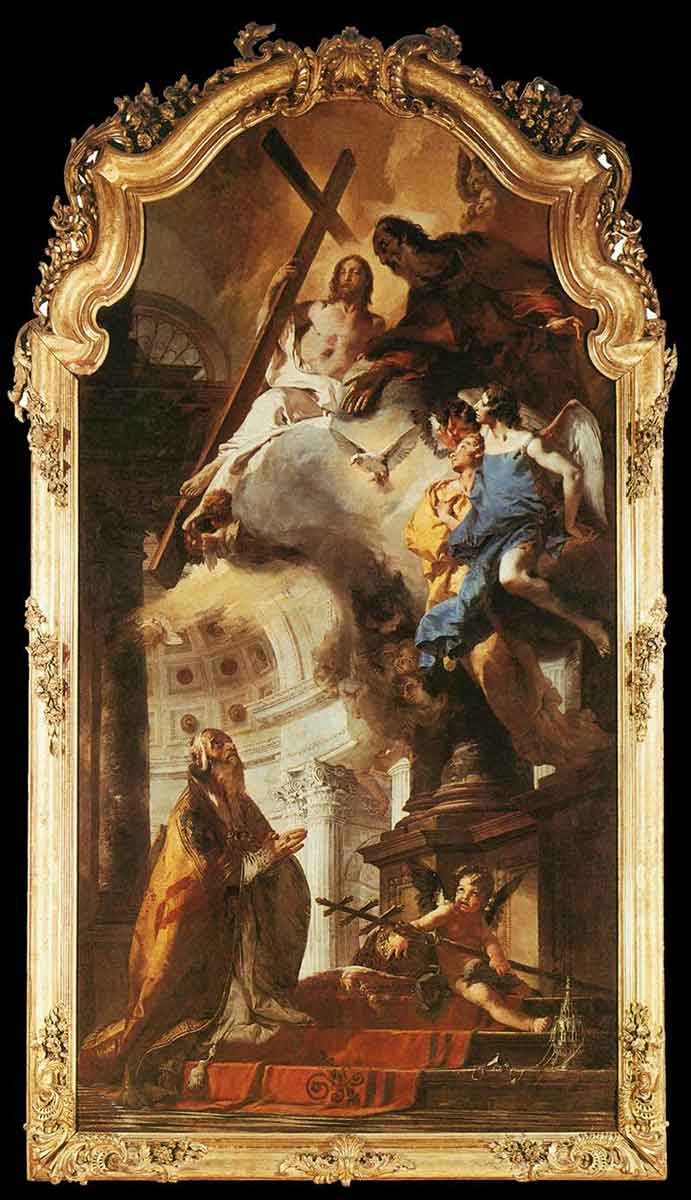
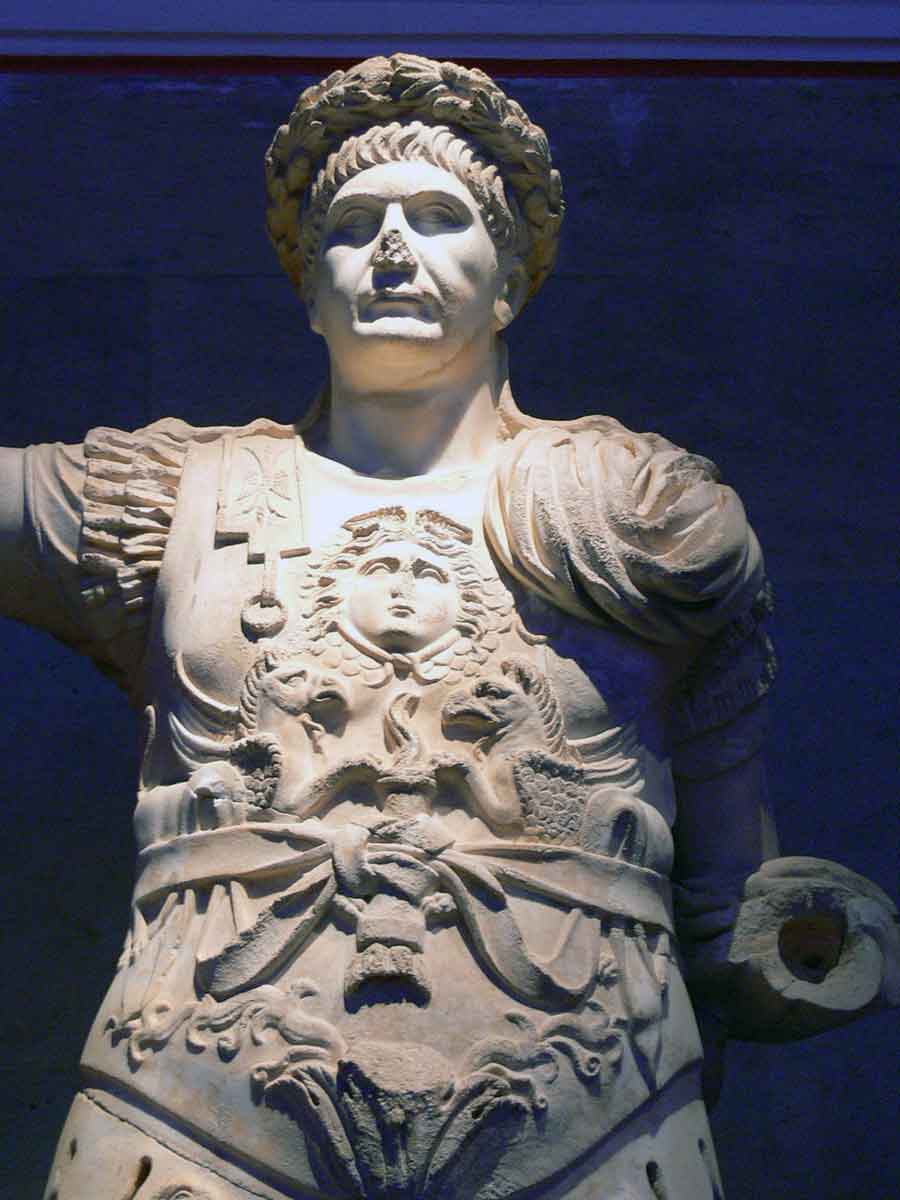
Clement had the great misfortune to occupy the Papacy during the reign of Roman Emperor Trajan.
While Trajan didn’t outright hunt them, he did make it illegal to practice, and anyone who was accused of the practice and didn’t immediately recant was subject to extreme measures under the law, including execution. Pliny the Younger, who was serving as governor of modern-day Turkey, wrote about how Trajan viewed Christianity as “stubbornness” the same way as a parent might view the actions of a rebellious teenager, but the consequences were severe.
While there were no massive purges like under Nero, Trajan did put several prominent church leaders on trial. Ignatius, the bishop of Antioch, was thrown to wild animals in the Colosseum.
Clement, being the leader of the church of Rome, was also rounded up but, according to apocryphal accounts, was not executed, instead finding himself banished to the edge of the Roman world in Crimea, where he was forced to labor in the stone quarries near the main Roman naval base at Chersonesus.
Again, the evidence to support even the existence of quarrying activity in the area during the reign of Trajan and the life of Clement is dubious at best, but the reality of such a sentence would have been nothing short of Hell on Earth.
Working in a stone quarry was backbreaking and dangerous labor that took place for long hours with little in the way of food or water. It would have stretched Clement’s physical and mental faculties to the breaking point. But if the emperor thought this would diminish Clement’s influence, he was mistaken.
Soon after arriving in the remote outpost, Clement began a new spiritual quest. According to legendary accounts, he ministered to both the prisoners and the guards, converting many despite the seriousness of his sentence. Tales of his miraculous work, including how he was able to produce a spring for the thirsty laborers, won him many converts and are still told in the area to this day.
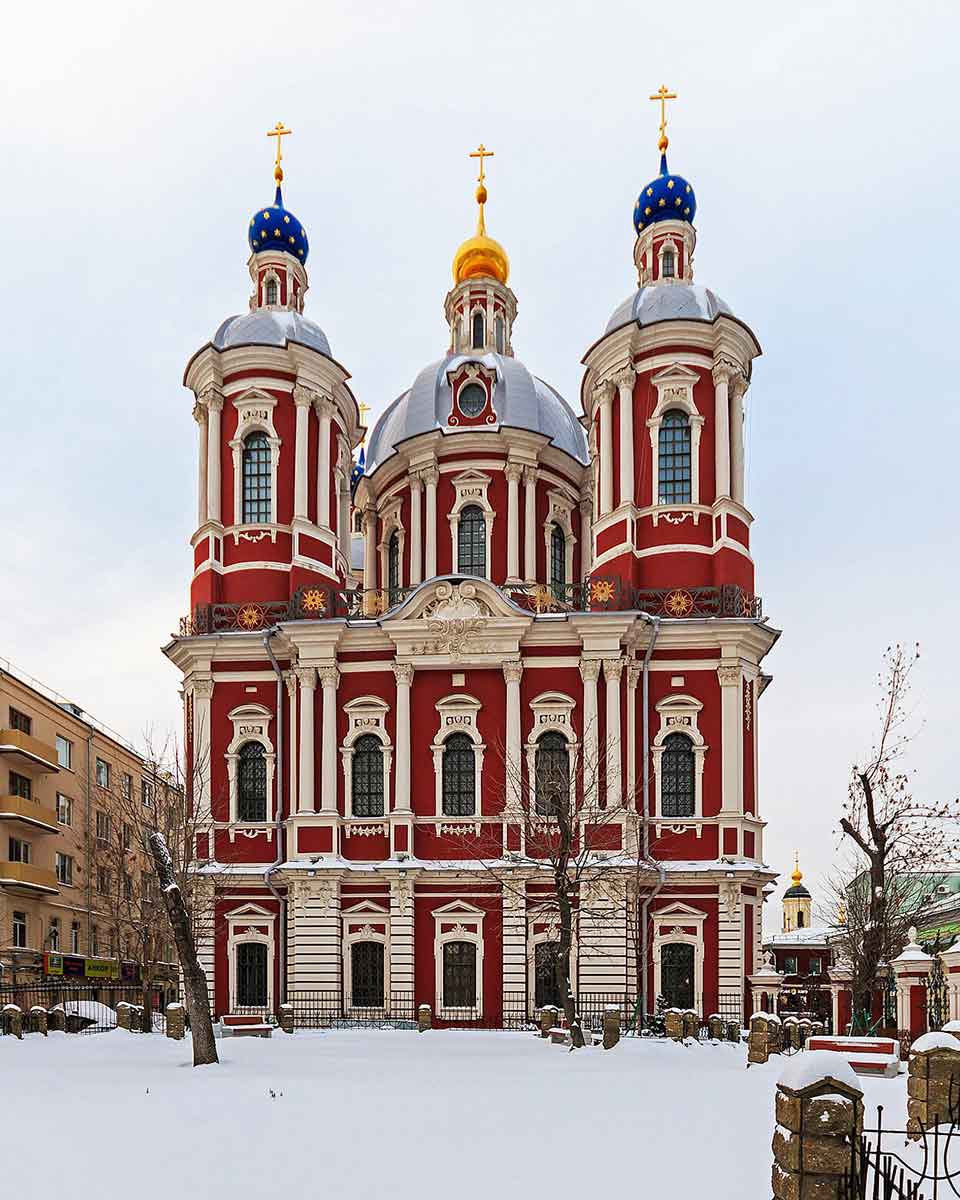
Because of this work, Clement is one of the only popes to have churches dedicated to him in what would one day become part of the Eastern Orthodox Church. But as his new congregation grew, so did the ire of the local Roman governor, who saw that exile had done little to stymie Clement’s influence. This led to the most well-known and brutal chapter of Clement’s life—his martyrdom.
The Brutal Drowning of Pope Clement
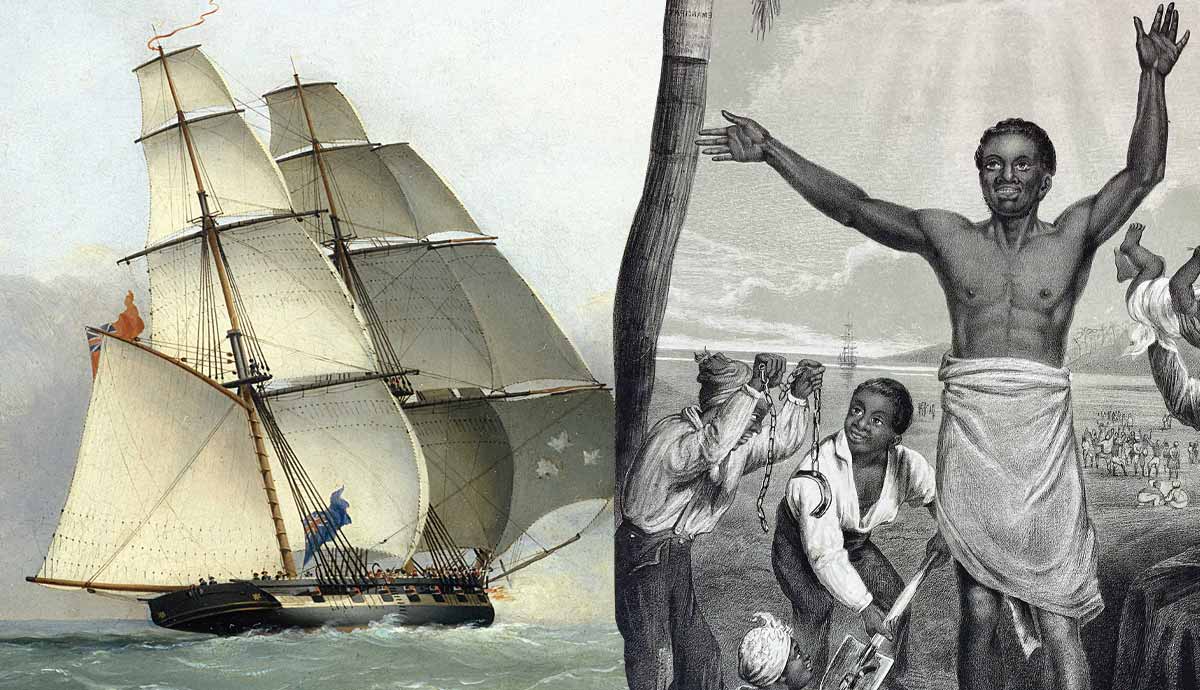
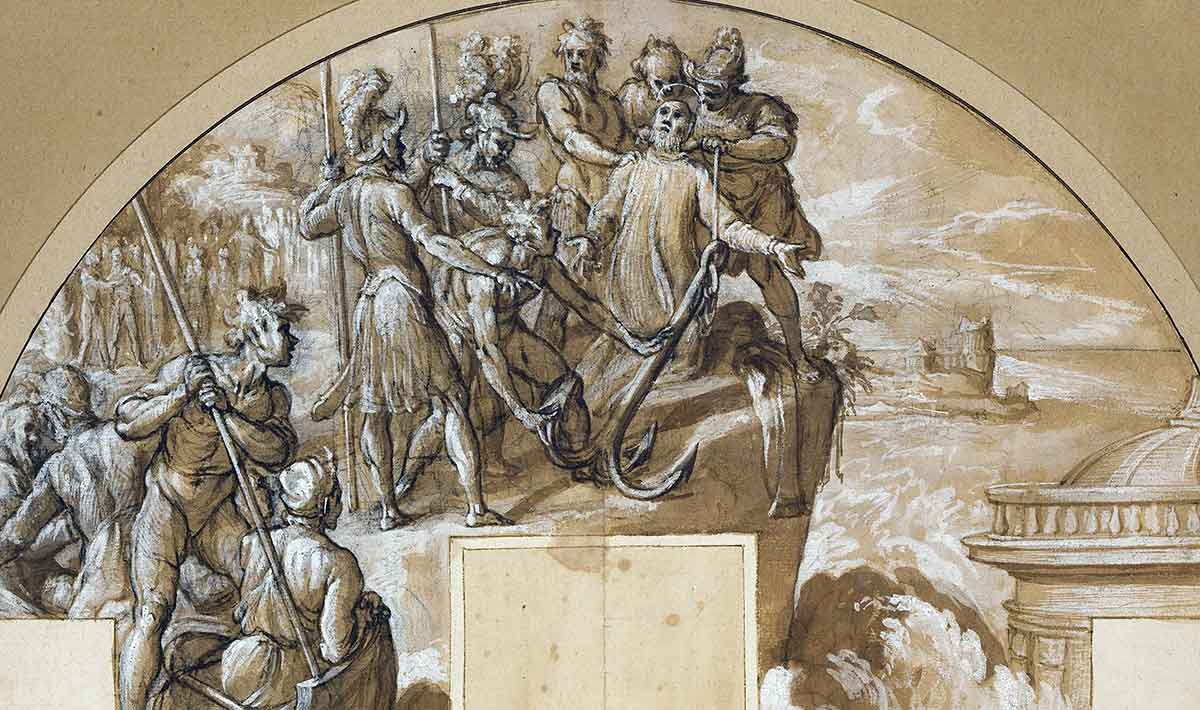
Legend has it that in an effort to remove his influence for good, the Emperor Trajan ordered that Clement be tied to an iron anchor and thrown into the Black Sea. This was not just meant to end his life and terrify any other members of the Church who witnessed it, but to place his body beyond the reach of any other members of the church so that his relics could not become focal points for continued worship.
Today, the symbol of the anchor itself has become a focal point of worship, with some Christians even calling it “the Cross of St. Clement.”
While his martyrdom is an important event in Christian doctrine, there is little real evidence to support it and the oldest sources we have on Clement’s life don’t mention it. But true or not, thinking that Clement’s bones were lost forever beneath the waves turned out to be a grave miscalculation.
Hunting for Submerged Bones in the 9th Century
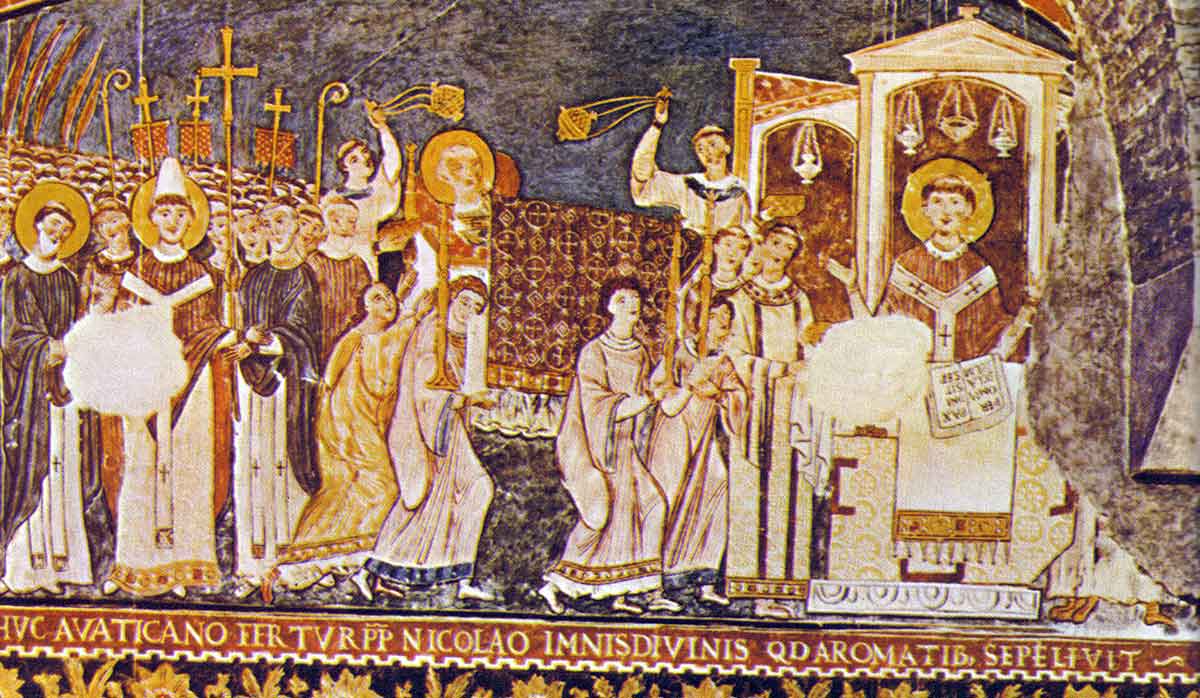
Around the 9th century, a former Imperial governor turned Christian monk and his brother were doing missionary work among the Khazars of southern Russia. These two men would themselves one day be venerated as St. Methodius and St. Cyril and are best known for their instrumental work in the formation of the alphabet used in Russia today.
While doing this work, they claimed they were able to recover the remains of Clement and bring them back to Rome, where they were enshrined in the Basilica di San Clemente. Other sources insist that some of his relics, including his head, remain in what is today Ukraine or were taken to Spain.
Regardless of the amount of his story founded on myth, Clement remains one of the most important figures in the early Christian church because, unlike many of his contemporaries, his writing helps provide a reliable bridge between legend and historical reality.