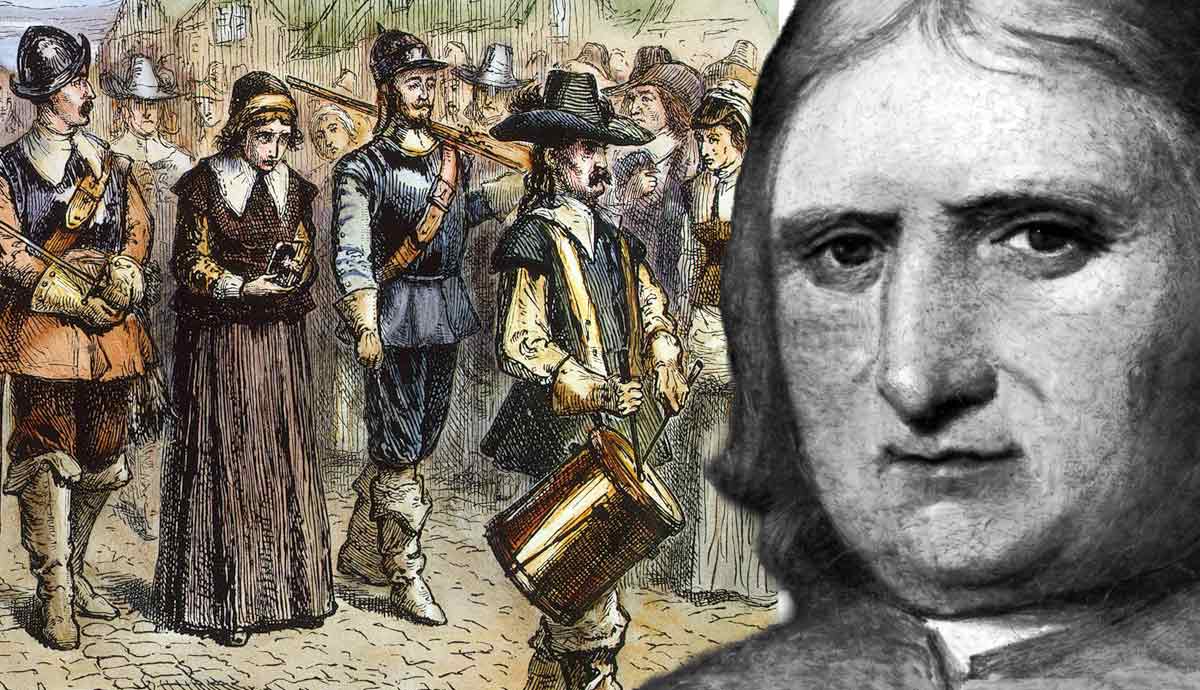

The fight to end slavery was a centuries-long battle, and its location was primarily the Atlantic Ocean. With Great Britain outlawing the slave trade in 1807, it would go on to use its navy to end the crime for good.
Great Britain’s Heavy Expansion of the Transatlantic Slave Trade
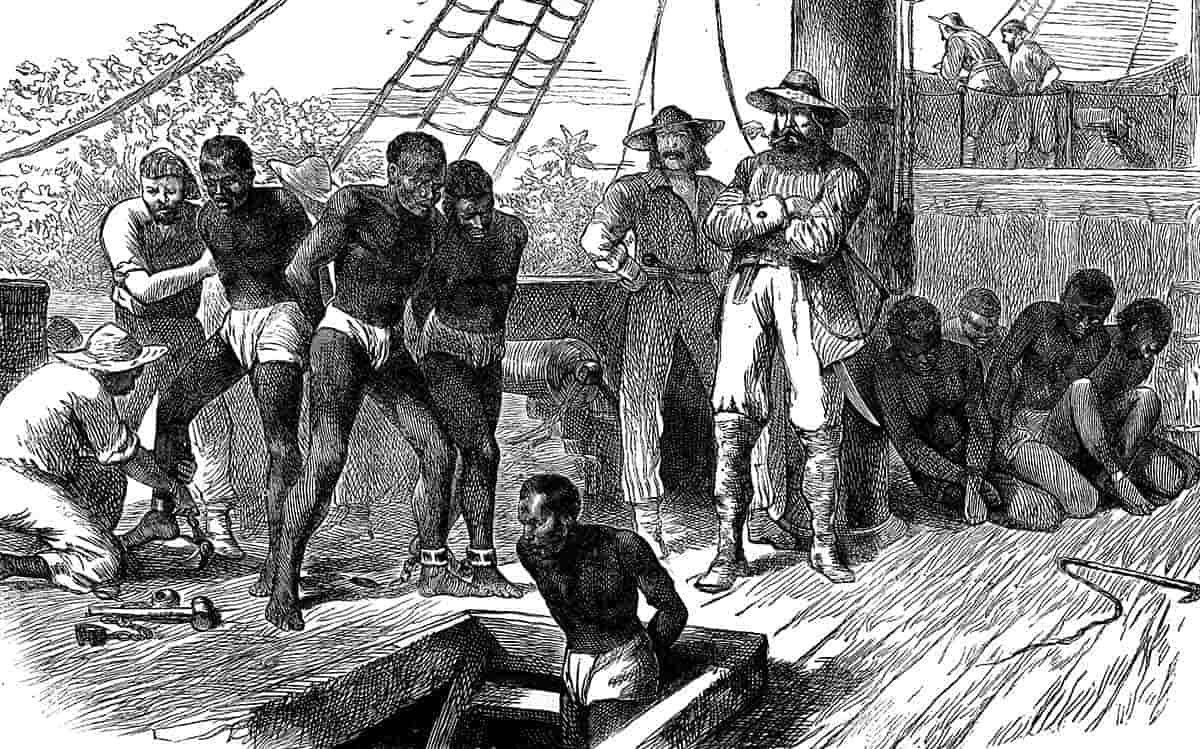
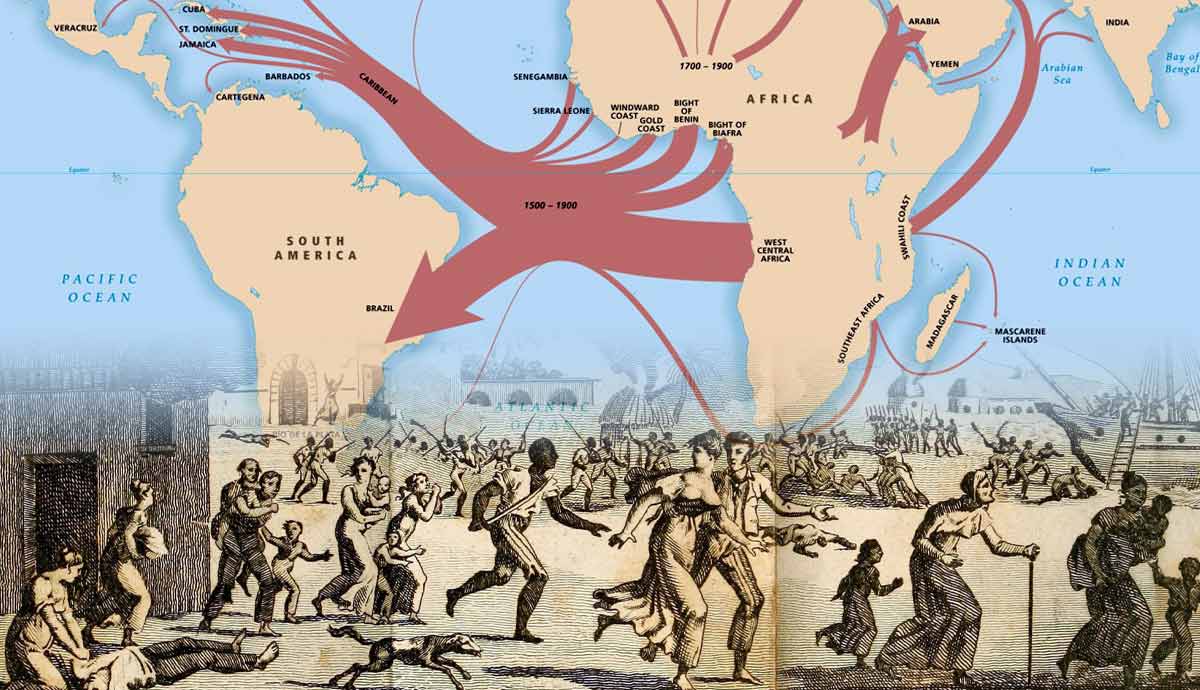
Beginning in the 15th century, the Transatlantic Slave Trade devastated an untold number of lives, with millions of West Africans being kidnapped and sold into slavery. With the 1619 arrival of enslaved Africans to the colony of Virginia, Great Britain began its own large-scale enslavement of Africans in the New World.
As Great Britain’s territory increased, so too did its need for slave labor. The slave trade in West Africa worsened as more and more slaves were needed to work on colonial plantations
British Abolitionists Forced Parliament to Outlaw the Slave Trade
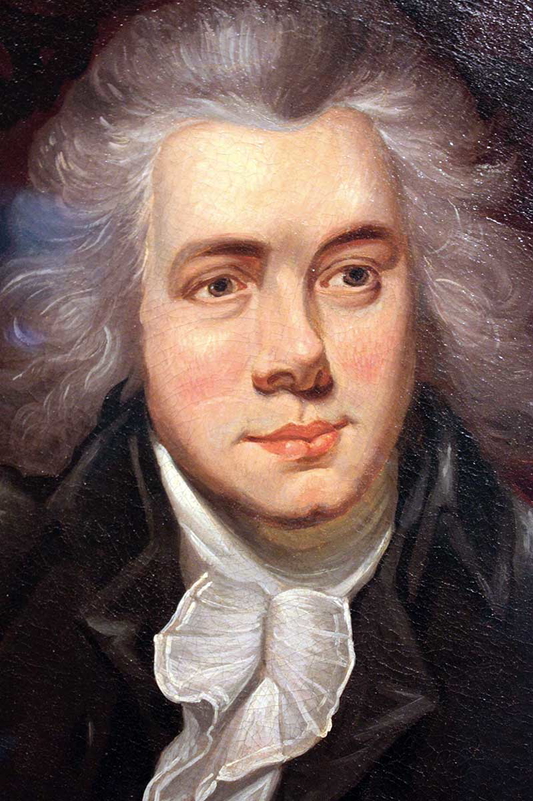
While slavery had become an ingrained way of life in Great Britain and its colonies, there were still those who stood against it. Beginning in the early 18th century, numerous religious groups such as the Quakers and Evangelical denominations opposed slavery on moral grounds. They were not alone in their stance, as the institution of slavery began to be attacked more and more as the 18th century progressed.
The Christian convert John Newton famously condemned his past profession as a slave trader and spoke out against the cruelty of the practice. The formerly enslaved individuals Ottobah Cugoano and Olaudah Equiano helped form the Abolitionist ‘Sons of Africa’ group in 1787. Composed of Black Britons, the group worked to begin the process of ending the enslavement of Africans. The writer Ignatius Sancho, the businessman Josiah Wedgwood, and the politician Thomas Clarkson all stood as fierce opponents to slavery and worked to spread awareness of the inhumanity of the institution.
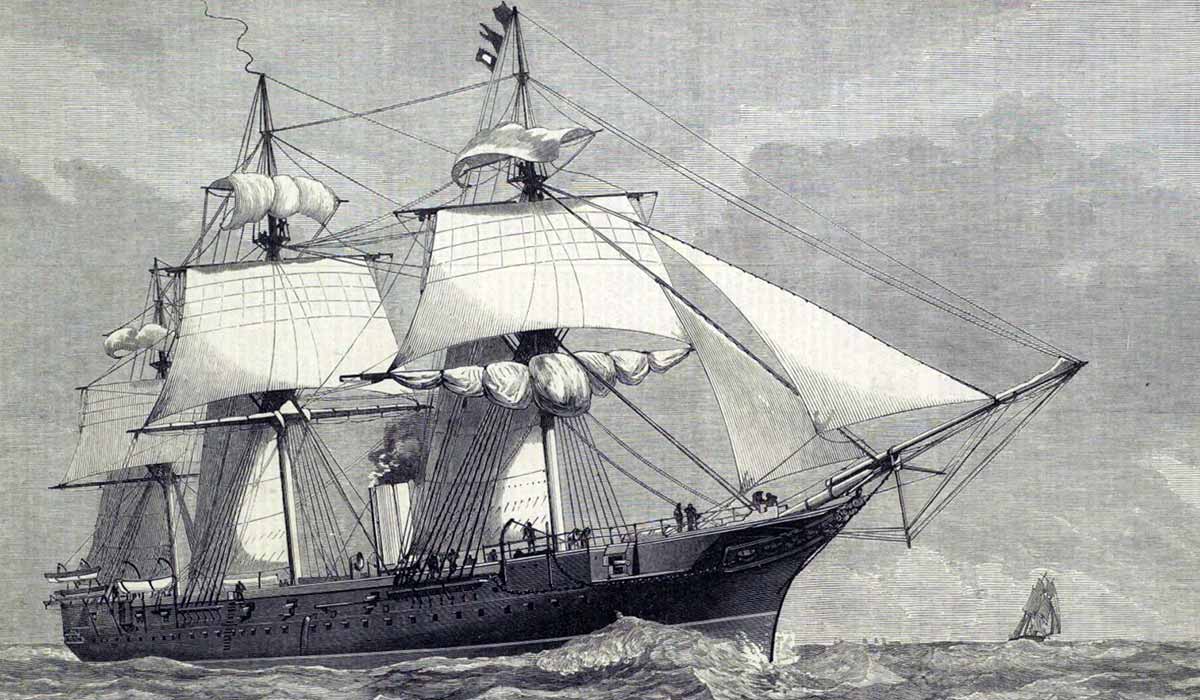
By the dawn of the 19th century, the British abolitionist movement began to achieve successes. Organizations such as the Committee for the Abolition of the Slave Trade had begun to turn public opinion against slavery. Where politicians were once able to outright ignore the issue of slavery, they were now forced to confront the matter head-on due to the abolitionist movement’s relentless pressure on the issue. On February 23, 1807, after many attempts to take on the issue of slavery had been shot down in Parliament, success was finally achieved. William Wilberforce’s Slave Trade Act passed, outlawing slave trading in the Atlantic.
The Royal Navy Deployed Ships to Blockade Atlantic Slavers
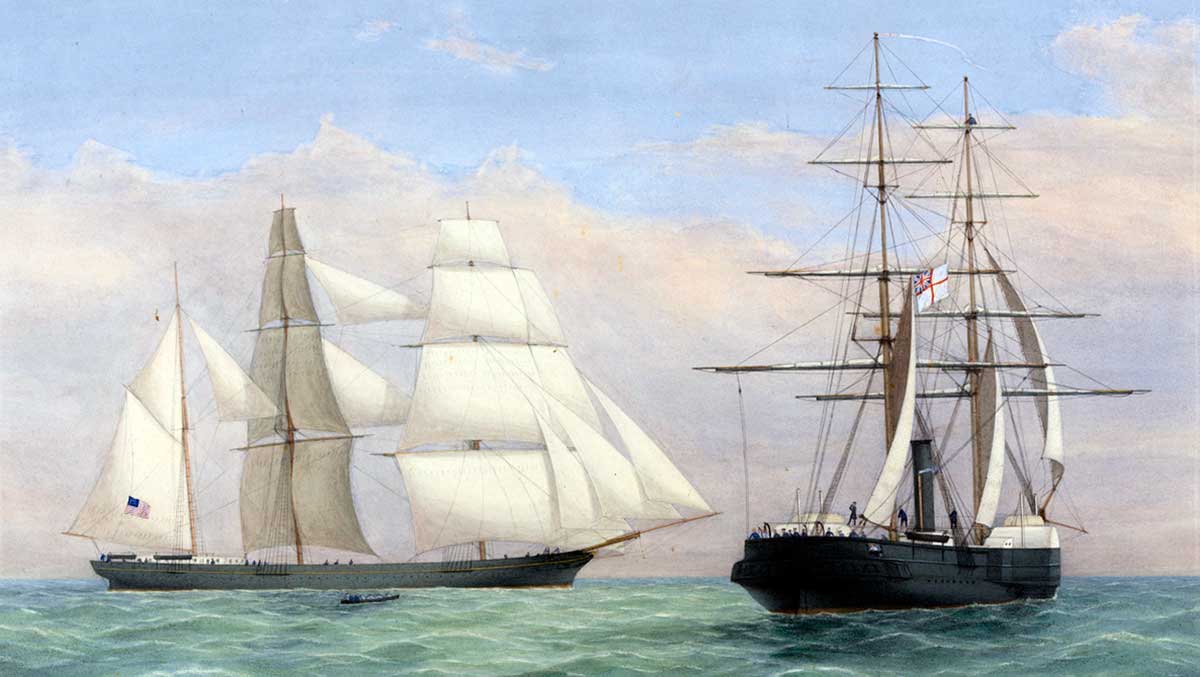
While passing the bill was a major achievement, it did not immediately change the global landscape. Even though it was now illegal to import new slaves, slavery was still legal in British colonies in the Caribbean. Furthermore, slave traders from neighboring countries continued to trade unhindered. To enforce its ban on the slave trade, Great Britain turned to its renowned navy. The recent victors at Trafalgar would now be tasked with taking on slave traders.
Dubbed the West Africa Squadron, a detachment of ships was sent to the Atlantic to patrol for slave traders. Composed mostly of British sailors, its members also included Kran and Kru tribesmen who worked as freemen on board the ships. The Kru people were known for their excellent maritime ability, while the Kran had a reputation as being among the finest traders in West Africa. Both of their skill sets would be needed to help British sailors prevent slave traders from reaching their goals. While the West Africa Squadron’s initial task was to apprehend British merchants who were ignoring the law, their role soon evolved into putting a stop to the slave trade as a whole.
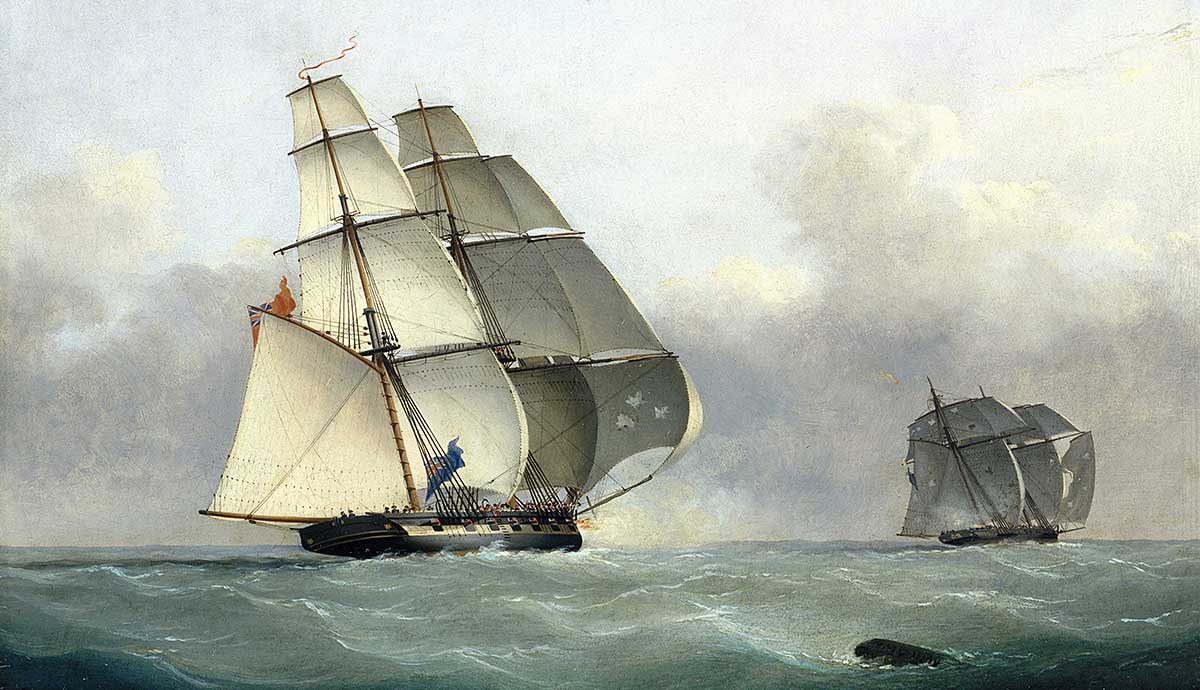
The West Africa Squadron faced a daunting task. Sailors had to patrol incredible distances in the Atlantic and faced exposure to deadly tropical diseases. Furthermore, the slave traders that they pursued had no problems with skirting the law to avoid detection. They planned routes to break through the squadron undetected; they often flew an American flag in the hopes of deterring an inspection, and would resort to dumping their slaves in the ocean if boarding was imminent. Oftentimes, slave traders had the support of their home governments, who refused to crack down on their actions, and would even support them legally if they were caught. The great distance they had to cover, along with a lack of cooperation, made the West Africa Squadron ineffective in its early years. For the most part, they were unable to significantly disrupt the Transatlantic Slave Trade.
Despite these challenges, the Royal Navy did not give up. It continued with its mission, aggressively pursuing slave trading ships regardless of what flag they flew. By the mid-19th century, the situation began to improve. The Royal Navy’s introduction of steamships made its patrols more effective. Furthermore, the British government could pressure foreign governments to cease these activities. With the start of the American Civil War in 1861, and the cooperation of the American Navy in enforcing the ban on slave trading, it was clear that victory was finally at hand.
The West Africa Squadron Seized 1,600 Ships and Freed 100,000 Captives
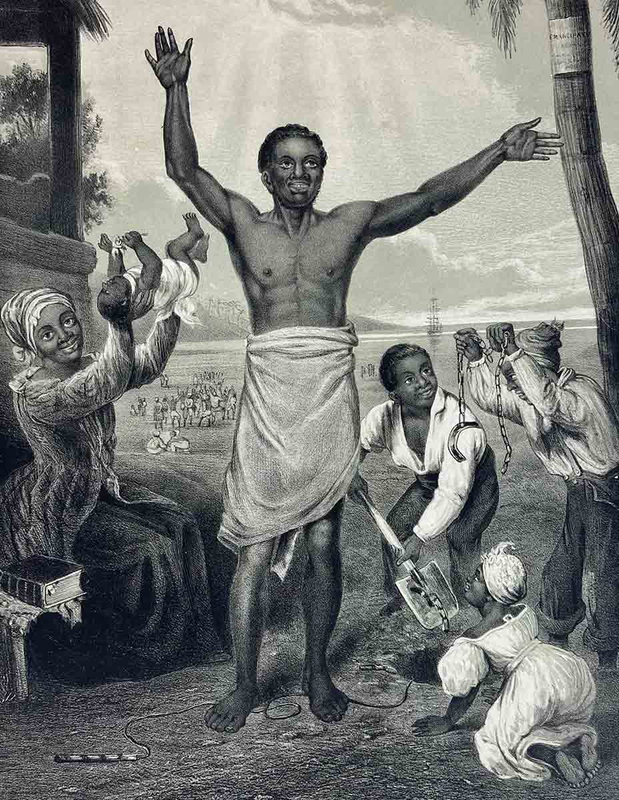
In 1867, the West Africa Squadron retired from its mission. Although it could not completely combat the slave trade during its time, it still made a difference. During its almost 60 years on patrol, the squadron seized 1,600 ships and helped to liberate an estimated 100,000 Africans.