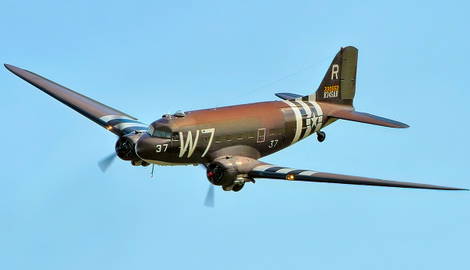

World War II showed that not all air wars involve sleek fighters and bristling bombers like the Focke-Wulf, Spitfire, and Thunderbolt. The vital, unglamorous roles fell to aircraft like the C-47 Skytrain, a plane with a decades-long lifespan.
How Engineers Transformed a Civilian Airliner in Just Two Months
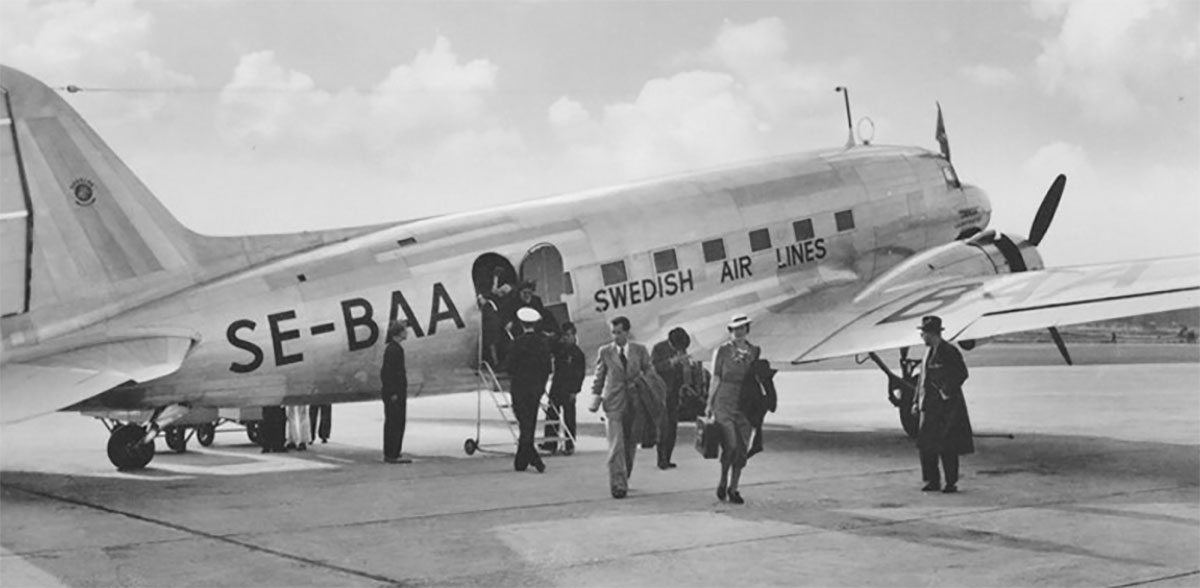
The C-47’s design came from the productive mind of Douglas Aircraft’s chief engineer, Ed Heinemann. Adapted by Heinemann from the civilian DC-3 airliner in October 1941, the military version took to the skies two months later. This showed the basic airframe’s adaptability. The C-47’s roots began in 1935 with the DC-3’s first flight. Heinemann modified the DC-3 to handle the rough life of military transport.
With production started, the C-47 immediately began showing its usefulness. Built with clever features like a large cargo door, winch, and hoist, the C-47 easily moved people and supplies. The plane was used in all World War II theaters, usually for cargo transport. It also towed gliders, transported troops, and performed medical evacuations. Its rugged airframe and reinforced landing gear meant the C-47 could land on unprepared airfields.
How C-47s Dropped Thousands of Paratroopers on D-Day and Beyond
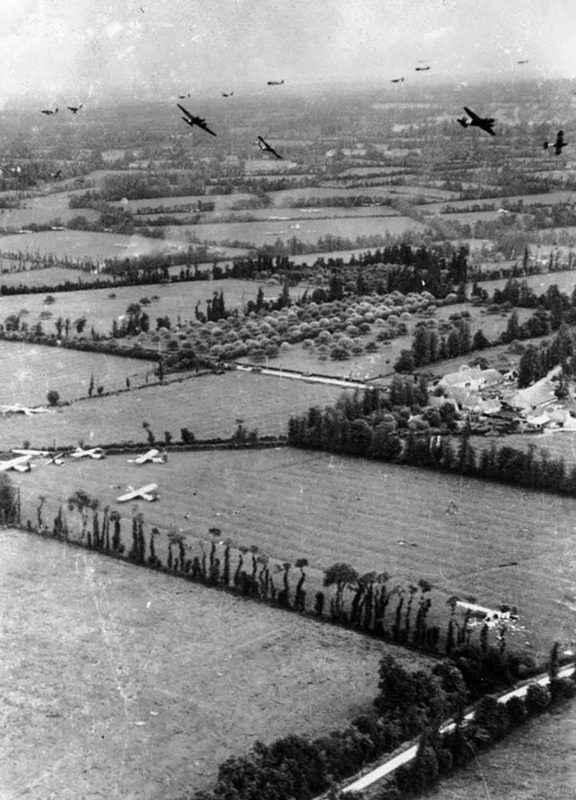
On July 9, 1943, the C-47’s big debut came with Operation Husky. Flying from North African bases, 370 Skytrains dropped thousands of Allied paratroopers into Sicily. C-47s were also used on D-Day, dropping three divisions of paratroopers and towing gliders over the invasion beaches.
The C-47’s finest moments came with the September 1944 Operation Market Garden and the March 1945 Operation Varsity. Few losses came from flak or enemy fighters. In fact, Operation Varsity deployed the greatest number of aircraft in an airborne operation. 1,500 Skytrains dropped 40,000 paratroopers over the Rhine into Germany.
How the Goony Bird Conquered the Himalayas and the Pacific
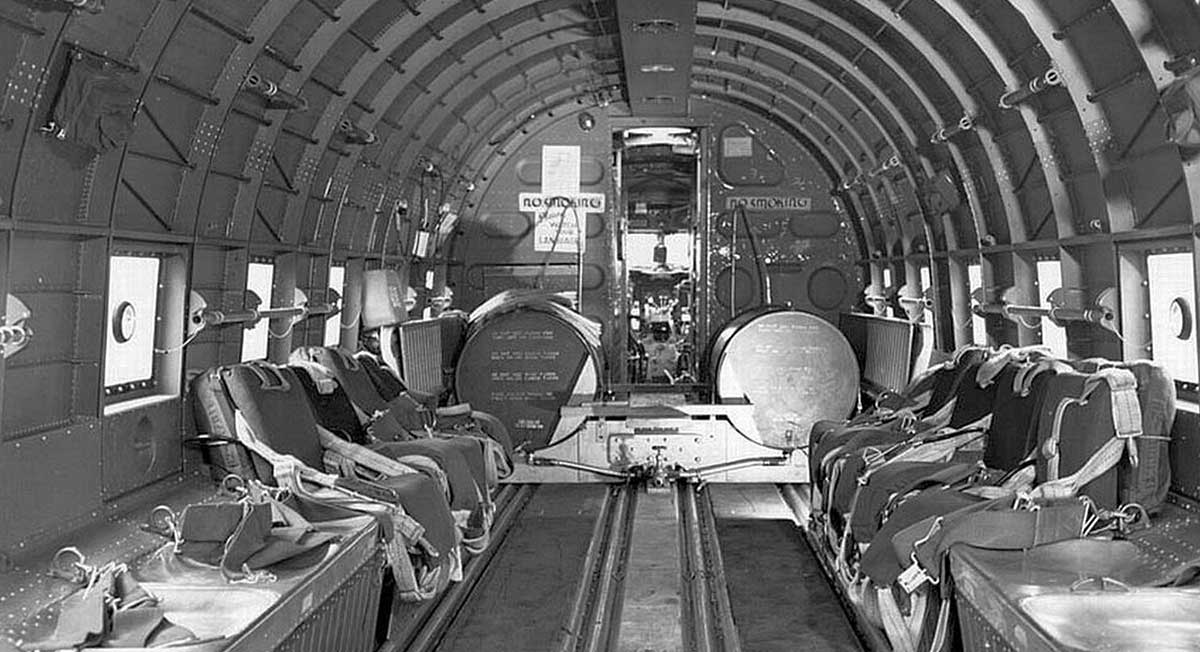
The C-47 also operated in Southeast Asia and the Pacific theaters. In Europe, planes needed performance and reliability; the range became equally important here. The India-China Airlift of 1942-1945 would show the C-47’s range.
The Airlift resulted from Japan closing nearly all supply lines to China in World War II. The Allies organized the Airlift to keep Nationalist China supplied. Getting supplies there meant flying over the Himalayas’ 14,000-foot heights in awful weather. These trips got called “The Hump.”
The C-47’s three-ton payload proved only adequate. By mid-1943, the C-46 Commando’s superior ceiling, power, and range made it the primary transport. Despite this, the C-46’s great complexity and the C-47’s great numbers kept the Skytrain more popular. The Skytrain, nicknamed the Goony Bird, contributed to all the major Pacific War campaigns in Guadalcanal, New Guinea, and Okinawa.
How the C-47 Rescued Berlin and Served in the Cold War
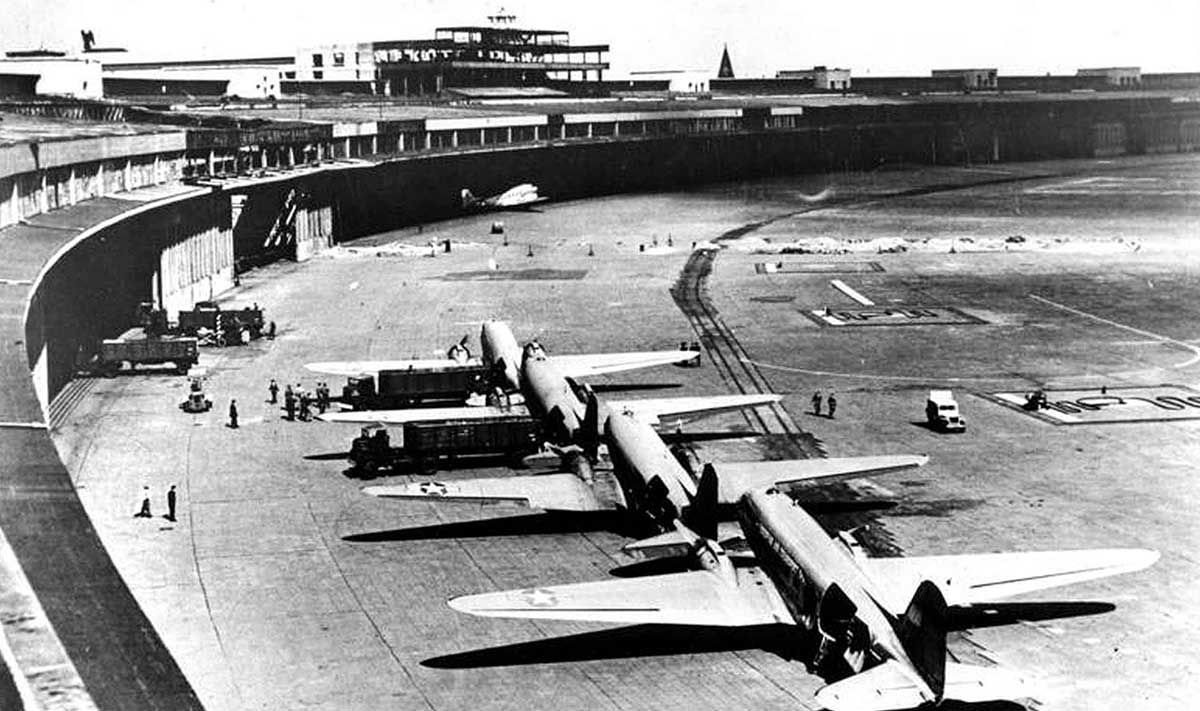
The end of World War II didn’t mean the end for the C-47, and its versatility prolonged its service life even as four-engine transports like the C-130 Hercules emerged.
The 1948 Berlin Crisis happened when the Soviet Union blockaded all routes into and out of Berlin. Britain and America responded with an airlift, bringing in necessary supplies like coal or food. The C-47 Skytrain got there first, being readily available. As the Crisis leveled off, the Skytrain’s three-ton capacity hampered it. Four-engine models, like the C-54, replaced their smaller competitors to keep up. Nevertheless, the C-47 again showed its versatility.
During the Korean War in 1950, the C-47 flew again. With United Nations air dominance, Skytrains flew at night over North Korean and Chinese lines, dropping leaflets and broadcasting propaganda. Others dropped illumination flares at night to help UN troops fighting.
How the Lethal “Puff the Magic Dragon” Reinvented the Aircraft for Vietnam
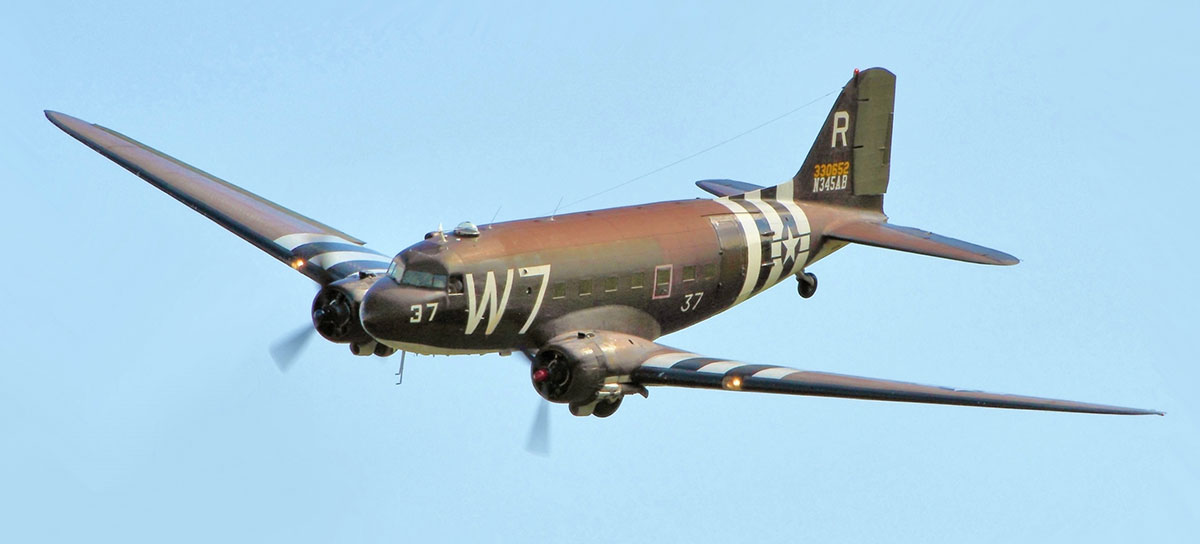
In 1964, the C-47 served again, 25 years after its debut. C-47s used in Vietnam received the nickname “Puff the Magic Dragon.” Needing fire support, C-47s carried three six-barreled miniguns out the side. These deadly guns spat up to 6,000 rounds a minute, which looked like a dragon’s fire. Again, the C-47 showed how it could be used in nearly any role. Officially dubbed the AC-47, American troops felt reassured when “Puff” flew overhead, ready to fight.
Why This World War II Legend Is Still Flying Today
The US sent hundreds of C-47s to its Allies during and after World War II; others were sold to civilians. They, too, used the Skytrain’s adaptability. In the final task, a number flew as water bombers into the 1980s. Some even fly today, upgraded with new engines or electronics. Not bad for an airplane that started life in 1940.