
The trials of the Osage Nation echoed Native American treatment in 19th-century America. Like many others, the US government forced their removal to “Indian Territory,” now Oklahoma. Moved from Kansas, the Nation possessed the foresight that few Native tribes had. During government negotiations, the Osage insisted on purchasing the reservation land directly.
The government agreed, deeming the reservation’s rocky, hilly section “undesirable” for white settlement. The Osage only knew of excellent grazing, not oil. But the land was theirs, not federally owned. By 1906, pressure to allot their lands increased. Again, the Osage negotiated wisely, creating a legal document Congress endorsed. Known as the Osage Allotment Act of 1906, this created collective ownership of all mineral rights. Tribal members received headrights, or shares of mineral revenue.
How Sudden Oil Wealth Made Osage Families Targets for Murder
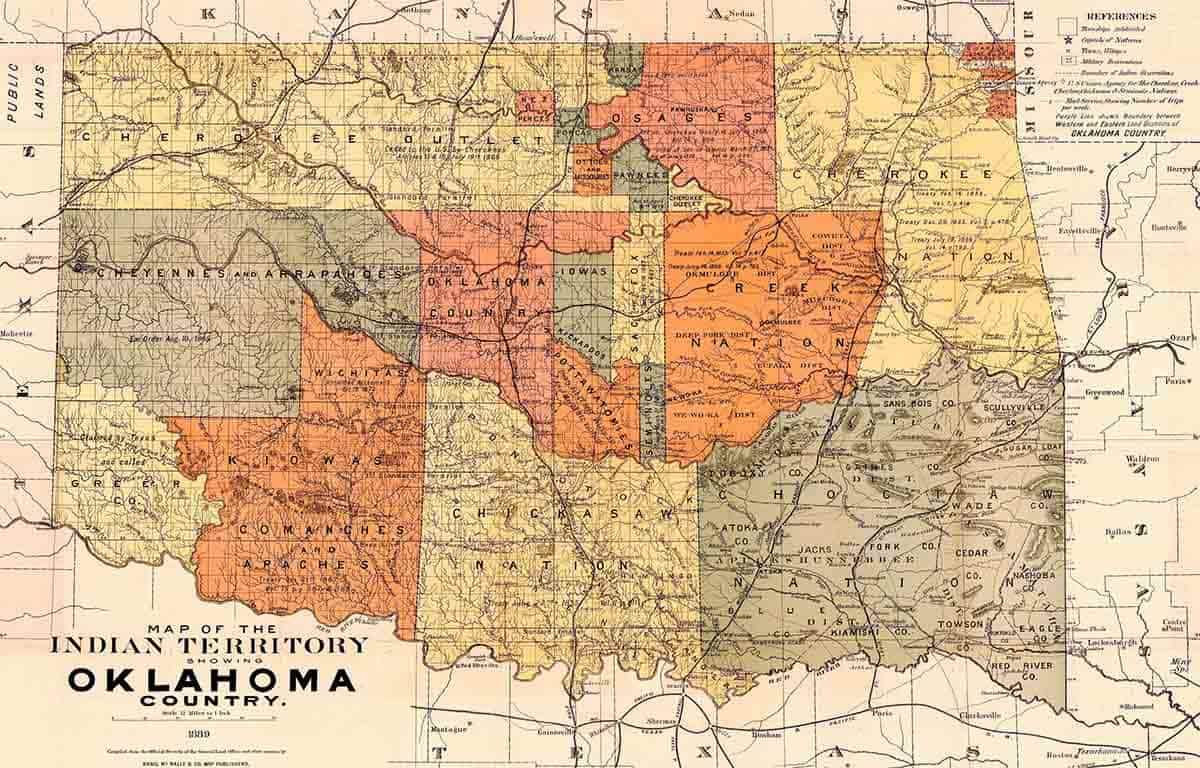
The Osage’s real oil wealth started in 1917. But drilling began in the late 1890s, though it was never profitable. 1917 changed all that, as the Osage Nation publicly leased the drilling wells. Soon, Osage Nation members became staggeringly wealthy; in 1923 alone, the Osage earned $30 million ($540 million in 2025). And sudden wealth breeds jealousy, greed, and corruption. The nearly decade-long Reign of Terror started soon after.
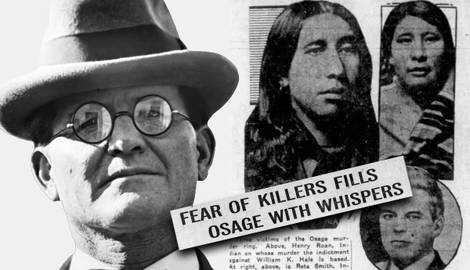
Minnie Smith became the first to perish in 1918 of “wasting illness.” Over several years, her two sisters died too. Anna Brown died by gunshot (1921), Rita Smith died in a home explosion (dynamite, 1923), and two other sisters died in 1921. Similar odd deaths occurred during these years. The Reign of Terror’s high point hit between 1918 and 1925 with at least 60 deaths. Historians put the number much higher, possibly into the hundreds. Numerous factors drove these killings, starting with the Federal government.
Federal Guardianship Laws Turned Oil Royalties into a Deadly Incentive
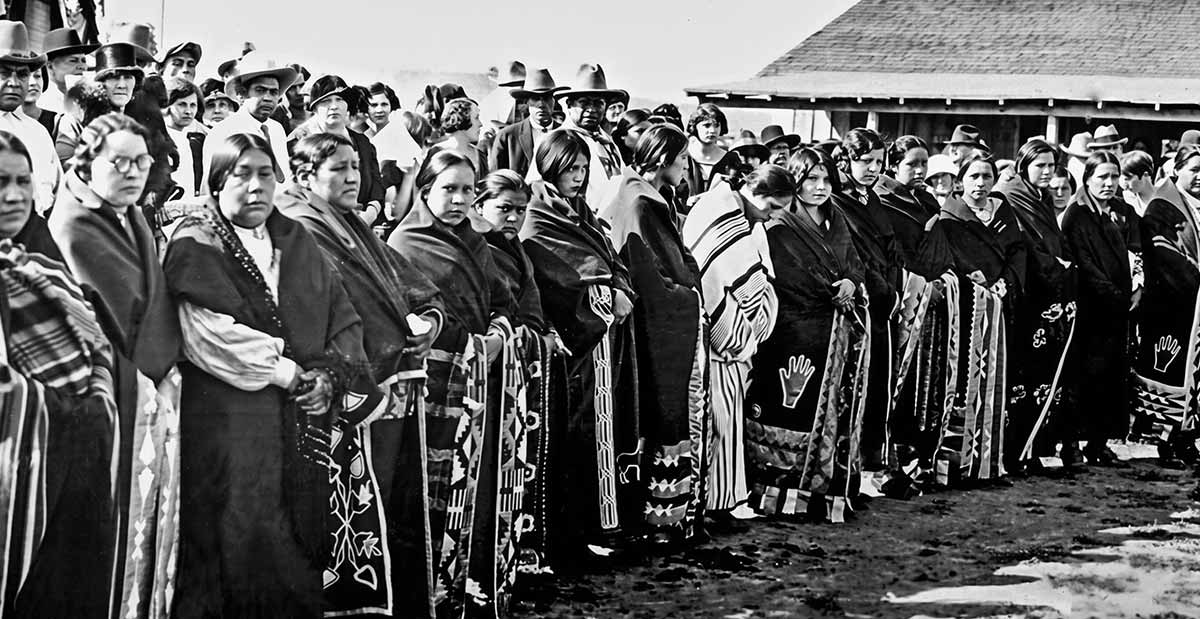
Unwittingly, Federal laws doomed many Osage people. First, the 1906 law created “headrights,” meaning only Osage Nation members received oil royalties, but the law also declared that the Federal Government controlled oil leases and royalties. The 1921 Guardianship Laws passed by Congress required all Native Americans to pass a competency test. Failing the test allowed the court to appoint a white guardian for the Osage member.
The guardian ruled the Osage members’ financial lives. They siphoned money, overcharged for services, or stole funds. The main exploitation came from the Osage members’ inheritable headrights. Under Oklahoma law, non-tribal member spouses became headright heirs. Soon, married Osage partners started dying. Despite suspicious circumstances, local courts quickly approved the recipient of the valuable headright. This deliberate conspiracy became a process as the 1920s wore on. Driven by corruption, this easily manipulated structure became an incentive.
William Hale and the Calculated Plot to Inherit Osage Headrights
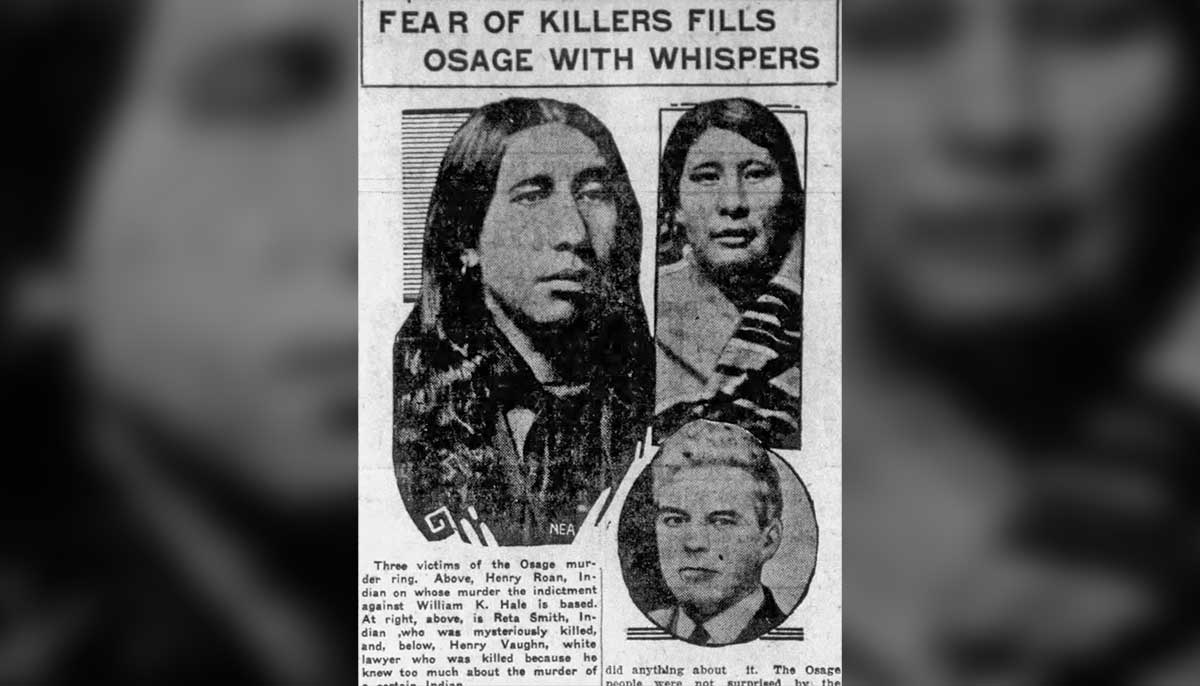
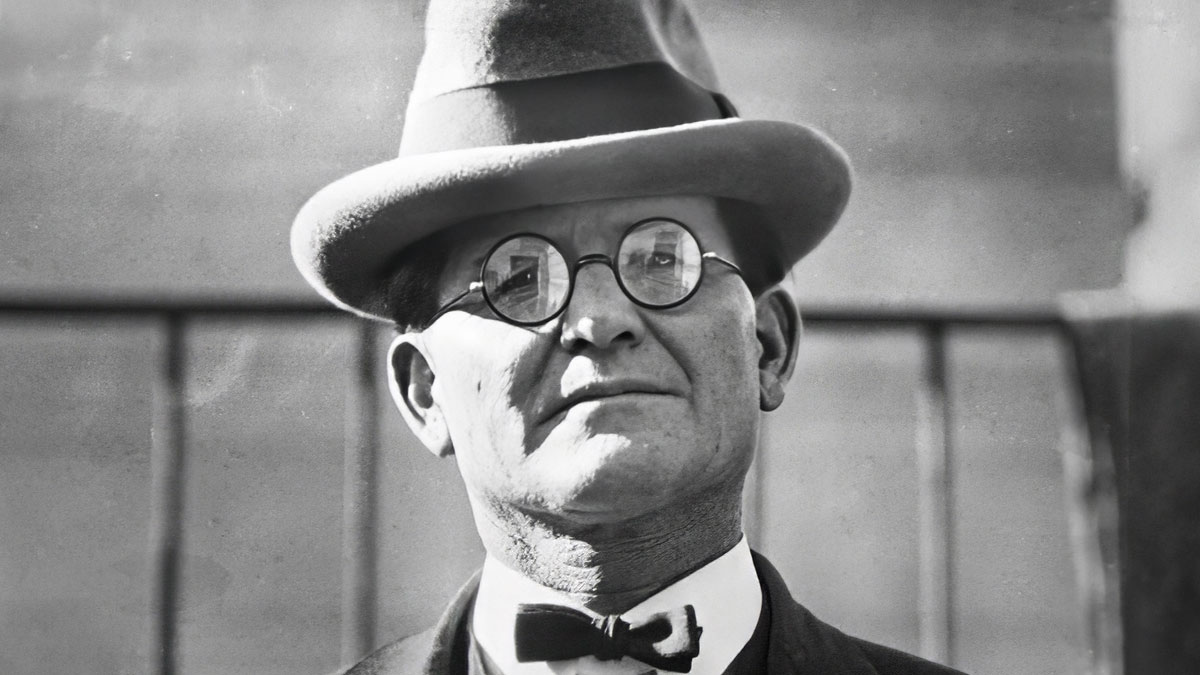
Though exploitation became widespread, cattleman William Hale emerged as the mastermind. Known as the “King of the Osage Hills,” he portrayed himself as an Osage Nation benefactor. Yet he carefully established his control over local courts and law enforcement. He skillfully exploited the guardianships, marrying whites with Osage partners. Upon their deaths, he gained the oil headrights during the height of the Reign of Terror (1918 to 1925).
Hale worked through henchmen to intimidate, bribe, poison, and even dynamite a house. Ernest Burkhart, Hale’s nephew, became Hale’s organizer. Notably, Burkhart married Mollie Smith in 1917, and soon her family began dying.
Hale’s directed killing spree included white victims. The deaths resulted from witnessing events, incriminating information, or people who sought Osage justice. Known victims include Barry McBride, murdered in Washington, D.C., seeking Federal help, and investigating attorney W.W. Vaughn, thrown from a train.
Undercover Federal Agents Unraveled the Conspiracy and Convicted William Hale
By 1923, the insidious murder mysteries began to unravel. The March 1923 calculated explosion by dynamite of an Osage woman, Rita Smith, and her husband Bill’s home went too far. Four people died. Rita’s Osage headrights would pass to Ernest Burkhart (married to Rita’s sister) or William Hale. For Hale, Bill Smith needed to die. Bill knew every death benefited Hale’s nephew, Burkhart.
In 1923, thwarted by local corruption, the Osage Tribal Council appealed to the FBI. Director J. Edgar Hoover sent in undercover agents. Disguised as cattlemen or oil workers, the agents traced the money trail. They quickly established the inheritance line, tracing it back to Bill Hale.
From 1924 to 1925, Federal agents unraveled the corruption, fake guardians, and the conspirators. They arrested Bill Hale and others, and trials followed. Hale and his main accomplices either confessed or were convicted. Despite these high-visibility convictions, most murderers remain unprosecuted. The true death toll still remains a mystery.