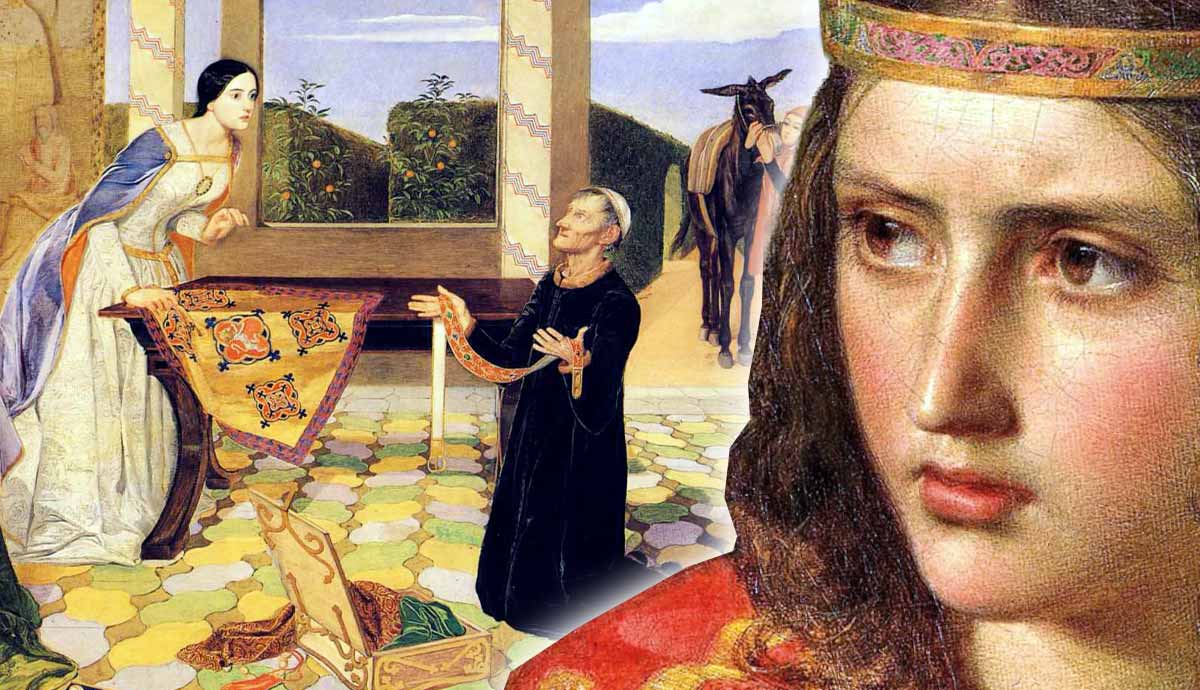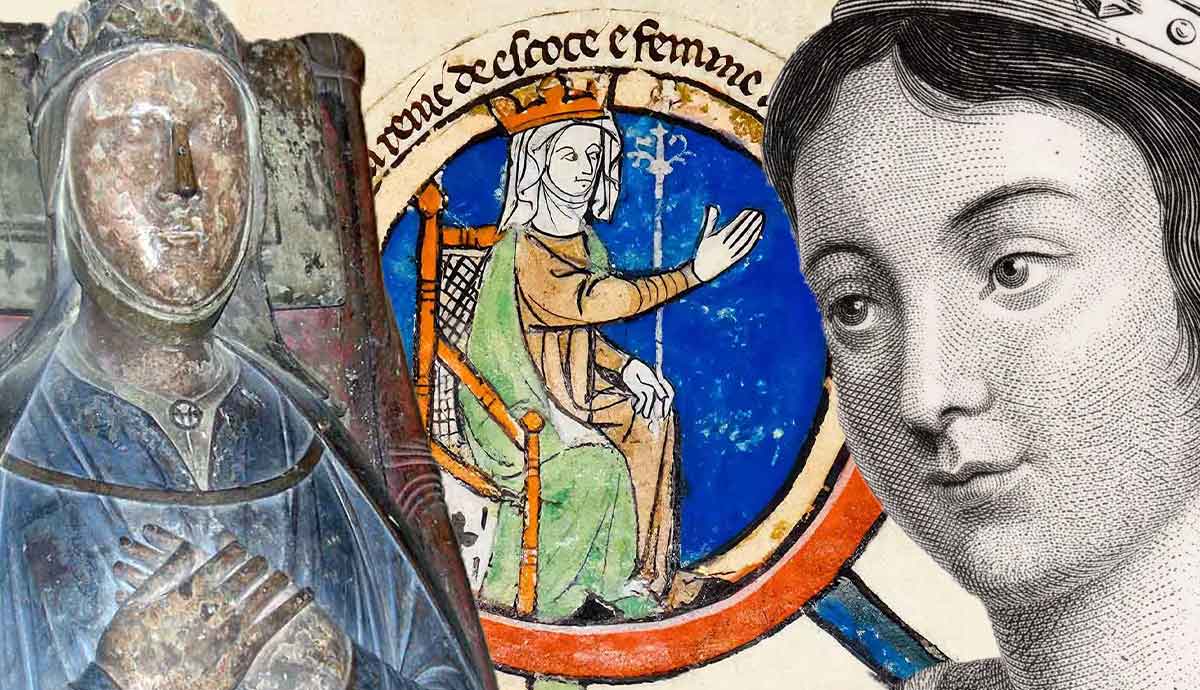

Did Eleanor of Aquitaine really invent the modern idea of romance? As one of the most powerful women of the Middle Ages, Eleanor has long been associated with troubadours, courtly love, and the twelfth-century literary renaissance. Legends of her “Courts of Love” and her patronage of poets helped shape her reputation as the Queen of Romance. But how much of this image is based on fact? This article explores Eleanor’s influence on medieval romance and asks whether her romantic legacy is history or myth.
Who Was Eleanor of Aquitaine?
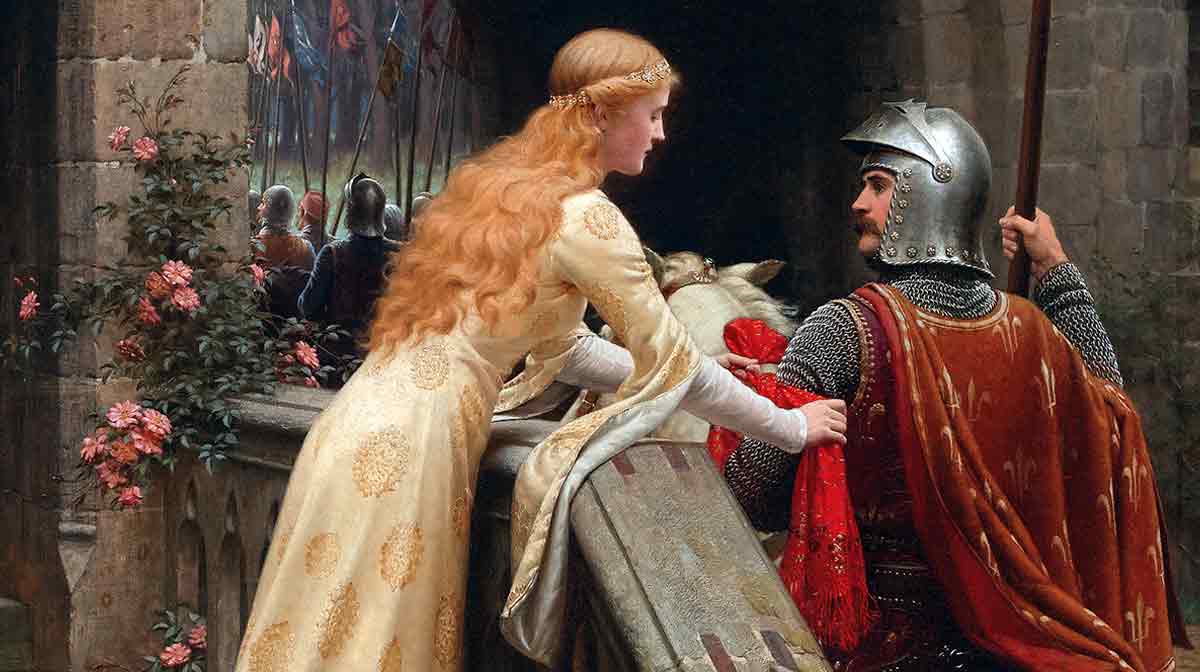
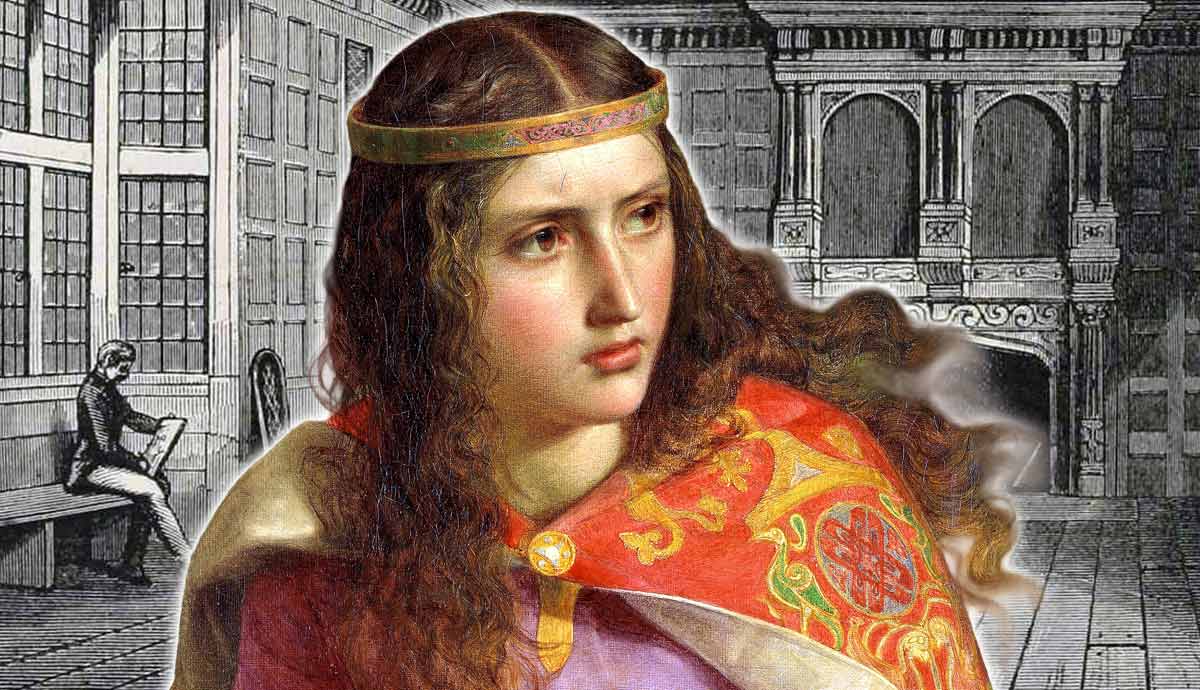
Heiress to the vast and wealthy Duchy of Aquitaine, Eleanor of Aquitaine was one of the richest and most influential women of the Middle Ages. Born in 1124, she was thrust unexpectedly onto the political stage when her father died young, leaving Eleanor a powerful heiress and highly desirable bride at just 14 years old.
She was quickly married to the heir to the French throne, who became King Louis VII within a year, with Eleanor crowned as his queen consort. Yet Eleanor’s marriage to Louis fell far short of any romantic ideal she may have imagined. Contemporary writers described Louis as more monk than monarch, hardly the image of a dynamic medieval king or ideal husband.
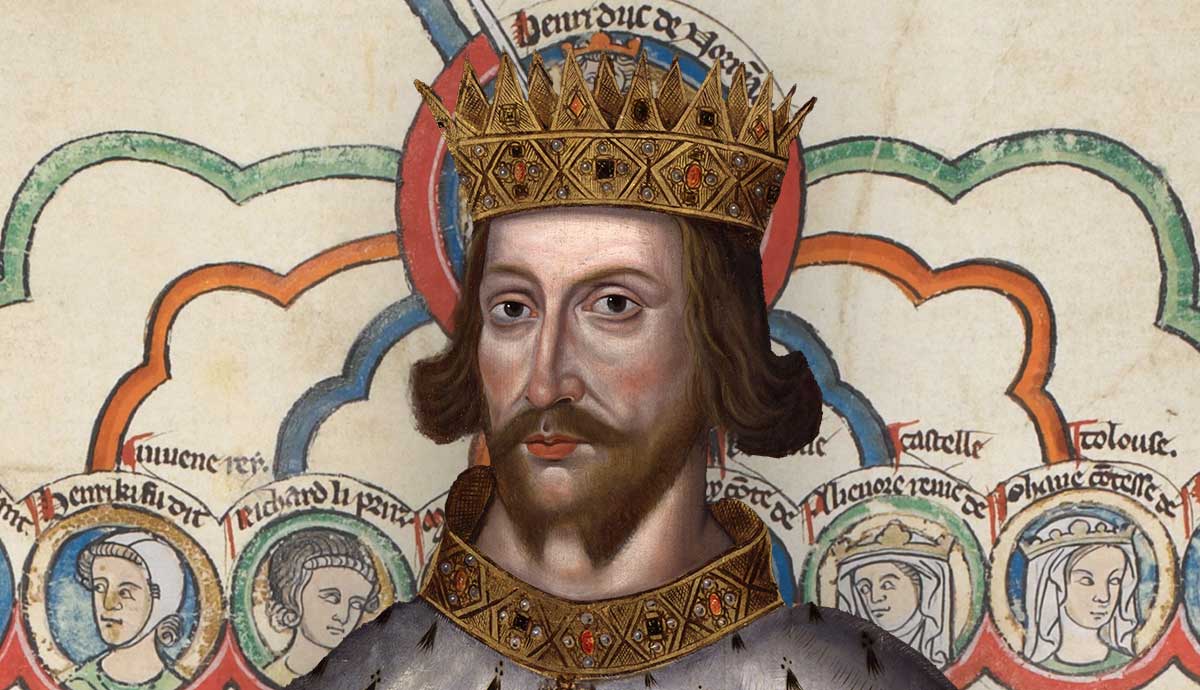
Louis and Eleanor’s marriage was annulled in 1152. Within eight weeks, Eleanor had married again, this time to the young and charismatic Henry II of England. Although the union produced eight children, the relationship deteriorated badly in later years. After Eleanor supported a rebellion led by their sons, Henry imprisoned her for 16 years, and she was released only upon his death.
Eleanor’s immense wealth and rank gave her a level of political influence denied to most women of the period. The only woman to wear the crowns of both France and England, she helped shape the cultural life of courts on both sides of the English Channel. Well educated and incredibly intelligent, her presence at the French and English courts placed her at the heart of the literary flowering often called the twelfth-century Renaissance. As a noted patron of the arts, Eleanor used her status to encourage and influence this emerging cultural movement.
Medieval Romance

Eleanor may have been unhappy in both of her marriages, but that was hardly unusual for a woman of her rank. Among the medieval elite, marriage was rarely about love. Instead, it was a political tool designed to secure alliances, protect territories, and strengthen dynasties. Affection between husband and wife was certainly welcomed, but it was considered a fortunate outcome rather than the purpose of the union.
Eleanor’s first marriage to Louis VII helped neutralize any threat her inheritance might pose to the French crown if she married a rival noble. Her second marriage to Henry II was equally strategic, offering protection for Aquitaine against ambitious lords eager to exploit the uncertainty surrounding her lands. Eleanor may well have found Henry personally attractive; contemporary writers often praised his appearance, but romance was not the chief consideration behind the match.
Modern marriage, by contrast, is generally expected to rest on love, companionship, and personal choice. Emotional fulfilment is often seen as central to a successful partnership, a sharp contrast with medieval aristocratic expectations. Yet it was during the 12th century, amid the wider cultural flowering often described as the 12th-century Renaissance, that ideas about love began to shift.
This period witnessed a growing body of courtly literature that celebrated passion, longing, devotion, and emotional intimacy. These texts offered idealized visions of relationships in which love was elevated to a noble and transformative force. Although often more fantasy than reality, such stories helped popularize new ways of imagining relationships between men and women. Among aristocratic audiences in particular, they encouraged the idea that marriage, or at least partnership, might involve more than duty and inheritance.
How Courtly Love Shaped the Modern Idea of Romance
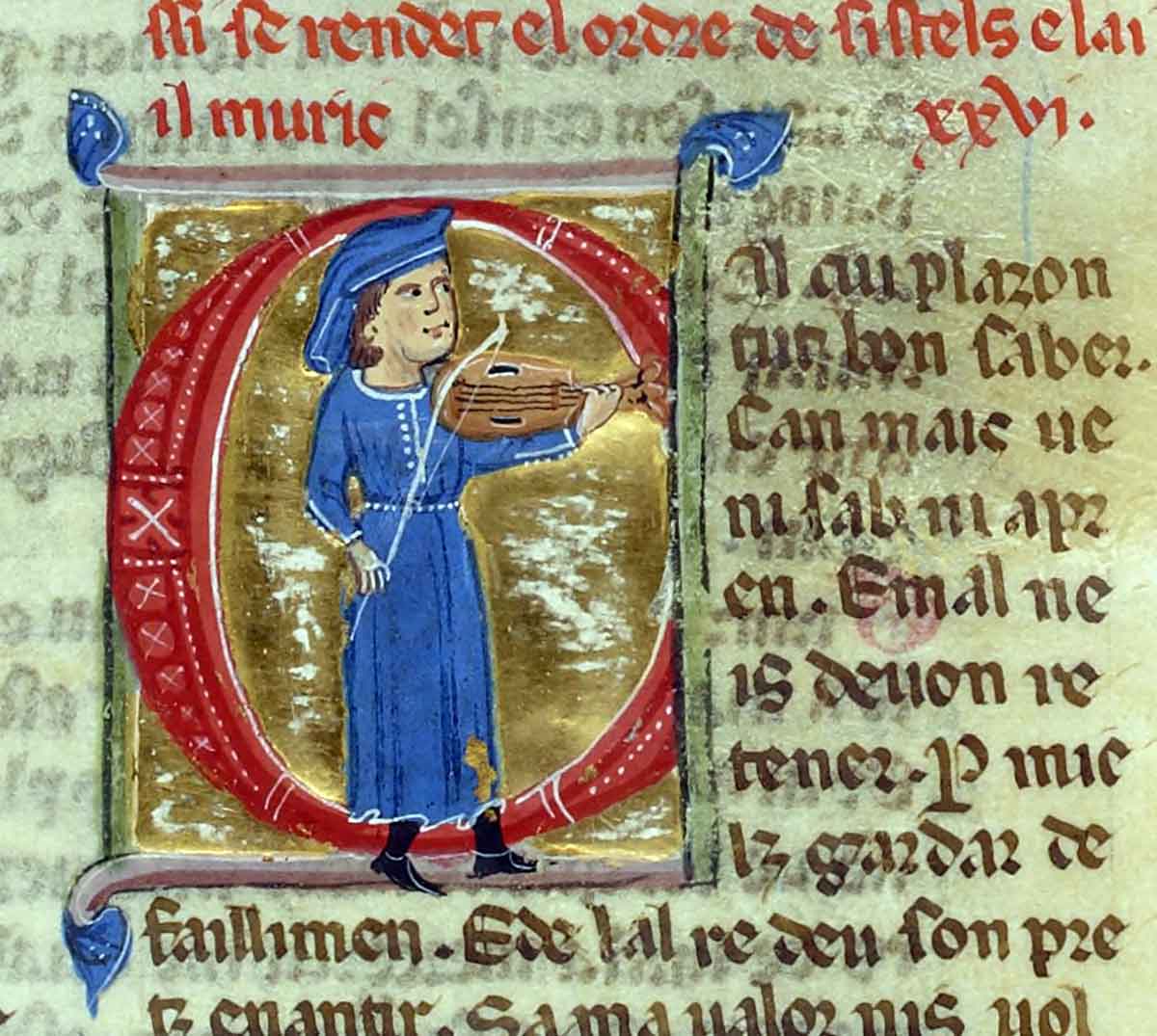
Chivalry emerged in France during the late 10th and early 11th centuries, eventually flourishing in regions such as Poitiers, where aristocratic culture was especially receptive to its ideals. Originally conceived as a code of conduct for knights, chivalry emphasized courage, loyalty, honor, and proper behavior. One important aspect of this code concerned the treatment of women. Knights were expected to show devotion to a noble lady, often presenting her admiration as the inspiration for their bravery in battle. This idealized form of admiration became closely associated with what later writers called courtly love.
Courtly love strongly influenced the literature of the twelfth century. Writers such as Chrétien de Troyes, famed for his Arthurian romances, developed stories in which noble knights undertook dangerous quests in the service of love and honor. These tales helped popularize the connection between chivalric conduct and romantic devotion, establishing patterns that would endure for centuries.
The influence of these ideals extended far beyond the Middle Ages. Later writers such as Geoffrey Chaucer and William Shakespeare continued to draw upon themes of longing, admiration, sacrifice, and the trials of love. Their works helped preserve and reshape the medieval language of romance for new audiences.
Over time, many expectations rooted in courtly love became woven into broader ideas of relationships and proper behavior. Gestures of devotion, respectful pursuit, emotional loyalty, and the belief that love should elevate the individual all have echoes in the courtly tradition. While modern relationships are shaped by equality, companionship, and personal choice in ways medieval society never imagined, courtly love still exerts a powerful influence over how romance is imagined today.
The Rise of Courtly Love at Eleanor’s Court

Eleanor’s grandfather, Duke William IX of Aquitaine, is often described as the first troubadour. Emerging in southern France in the late eleventh century, troubadours were closely associated with courts such as Poitiers in Aquitaine. They were typically aristocratic men who composed and performed poetry and songs centered on themes of love, desire, honor, and chivalry. Accompanying themselves on stringed instruments such as lutes or harps, they offered something distinct from other contemporary performers: a sophisticated literary culture that placed romantic devotion at its center.
Eleanor’s childhood at the court of Poitiers would have exposed her to this lively and refined world. Compared with Aquitaine’s vibrant atmosphere, the royal court in Paris appears to have struck her as austere and deeply pious. The English court likewise lacked the southern elegance and cultural dynamism. Wherever Eleanor went, she seemed to have carried with her the tastes and traditions of her upbringing. As queen of both France and later England, she continued her family’s patronage of poets, musicians, and entertainers, helping to introduce troubadour culture to northern courts.
Under Eleanor’s influence, literary works celebrating courtly love flourished. Stories of noble knights performing brave deeds to win the favour of an admired lady became especially fashionable among aristocratic audiences. At the English court in particular, the growing popularity of Arthurian romance has often been linked to Eleanor’s cultural patronage. Some historians have even suggested that her status and personality helped shape contemporary portrayals of Queen Guinevere, though such claims remain speculative.
Not everyone welcomed these imported fashions. Some clerical writers regarded Eleanor’s influence with suspicion and hostility, criticising what they saw as frivolity, sensuality, and moral looseness. Her reputation suffered further during the Second Crusade, when rumors spread of an improper relationship with her uncle Raymond of Poitiers, claims unsupported by reliable evidence but eagerly repeated by hostile chroniclers. Later writers, especially after she became Queen of England, would go even further, portraying Eleanor as a dangerous architect of romantic intrigue who meddled in the marriages and passions of others.
Courts of Love
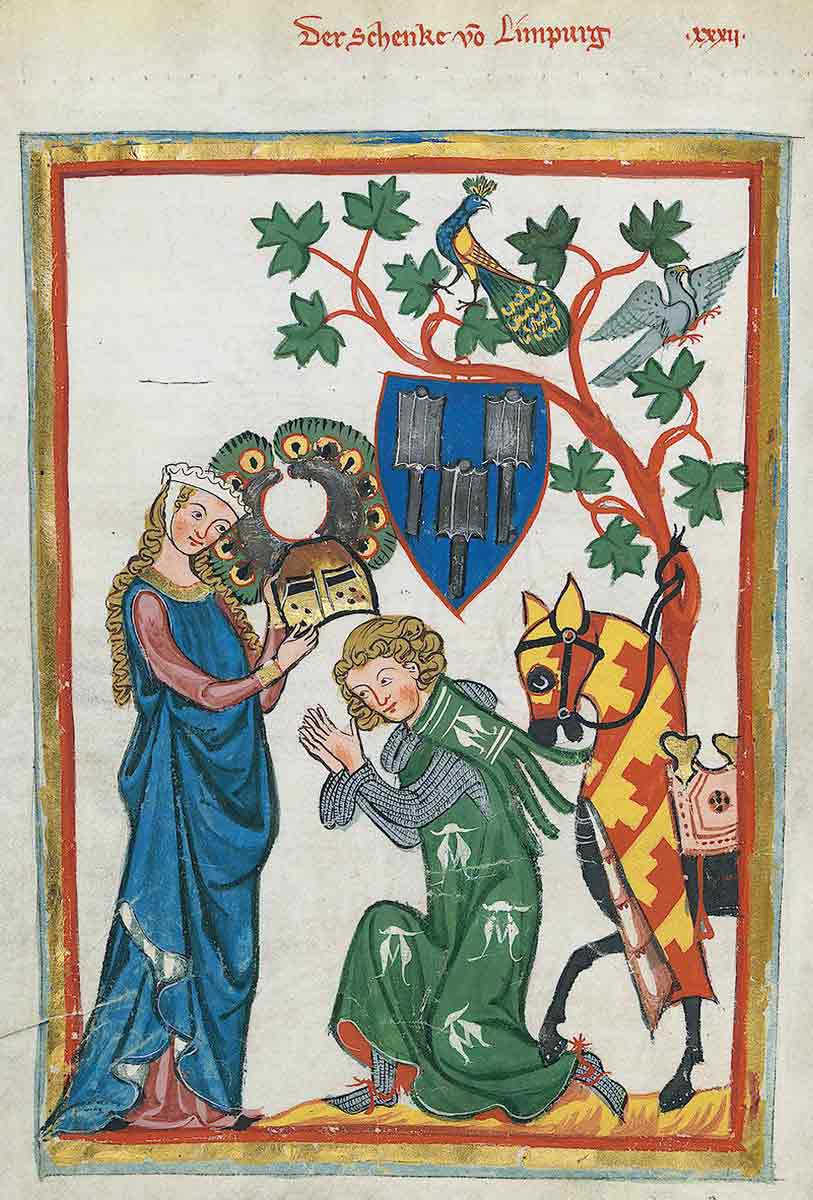
One of the most enduring claims attached to Eleanor’s reputation is that she established a “Court of Love” at Poitiers. In 1168, after bearing Henry II a large family, Eleanor was sent to govern Aquitaine on her husband’s behalf. From Poitiers, she exercised significant authority over her own lands, an unusual position for a medieval queen. A woman ruling independently invited scrutiny, and rumours about her conduct quickly followed.
According to later tradition, Eleanor presided over Courts of Love alongside her daughter from her first marriage, Marie of Champagne, and a circle of noblewomen who served as jurors. These gatherings were said to function as tribunals where lovers brought disputes to be judged. The assembled ladies would then debate the matter, deliver a verdict, and offer guidance on questions of passion and fidelity. Much of this legend appears to stem from the late twelfth-century treatise De Amore (“About Love”) by Andreas Capellanus, a work that discusses the rules and customs of courtly love.
Yet the historical reality of these courts is highly doubtful. No contemporary evidence confirms that such institutions formally existed, and many historians view them as literary inventions or playful thought experiments rather than genuine legal bodies. Although Eleanor certainly possessed the authority and influence to host intellectual or cultural gatherings, there is little reason to believe she spent her time arbitrating aristocratic love affairs.
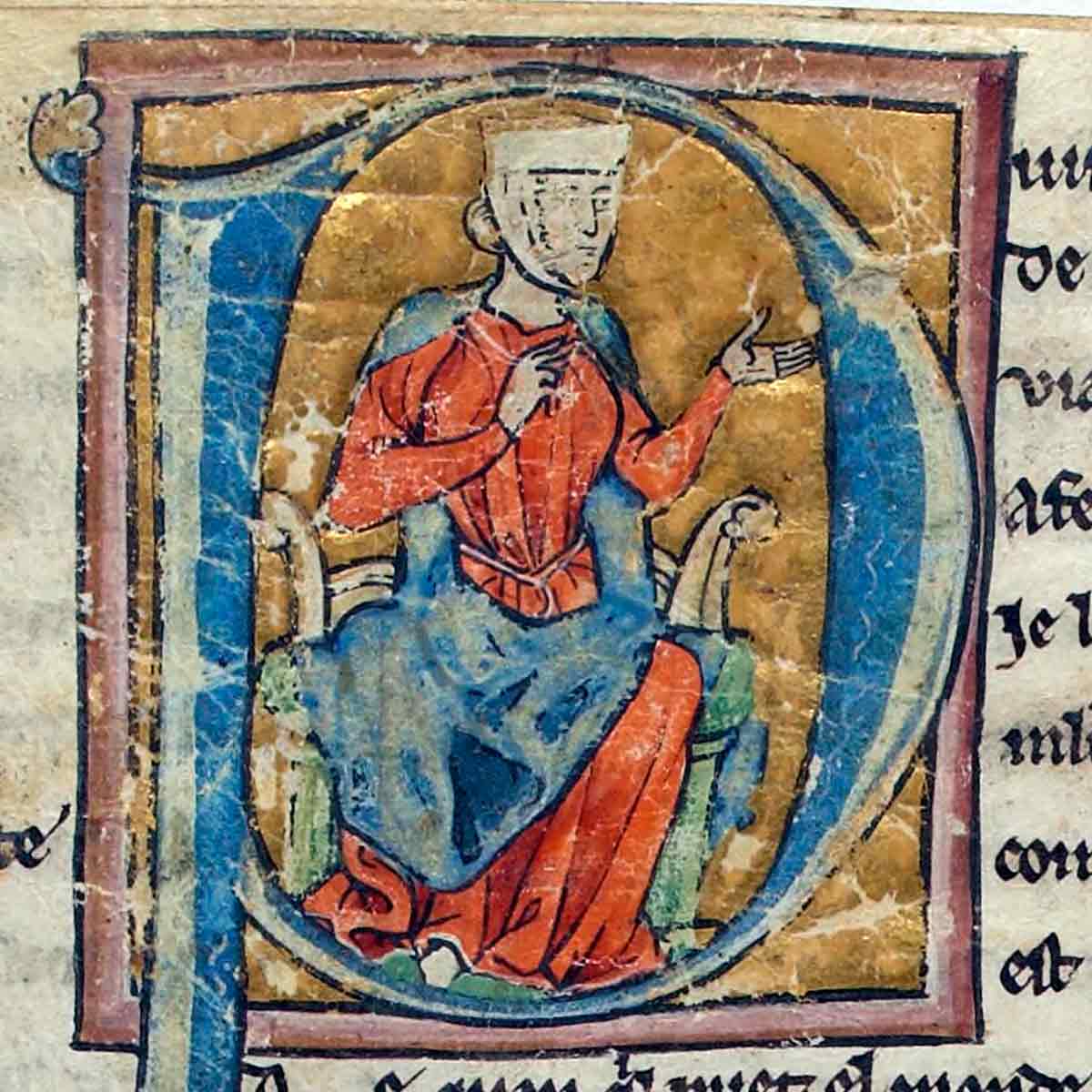
The role assigned to Marie of Champagne is equally problematic. While she is frequently named as one of the supposed judges, Eleanor left the French court in 1152, and there is no clear evidence that mother and daughter saw each other thereafter. This casts further doubt on stories of the two women presiding together over elaborate romantic tribunals.
Why, then, did the legend endure? Poitiers was already associated with troubadour culture, chivalric ideals, and refined discussions of love. It was a region where the language of courtly devotion flourished, making it an ideal setting for later fantasies about organised “courts” of romance. Eleanor’s political independence also played a role. Her ability to govern lands, command loyalty, and act without constant male supervision made her suspect in the eyes of some contemporaries. For hostile writers, tales of secretive courts devoted to love offered a convenient explanation for a woman who defied conventional gender expectations.
Although fictional, the Courts of Love helped cement Eleanor’s reputation as the woman who originated the modern idea of romance.
Did Eleanor Really Invent Modern Romance?

Eleanor may have influenced the development of romantic literature in the 12th century, but she did not invent modern romance. She did, however, help create an environment in which romantic ideals could flourish, and many of those ideals would go on to shape later understandings of love and partnership.
Over time, Eleanor became one of the most celebrated romantic icons of the Middle Ages, often styled the “Queen of Romance.” Her upbringing in Poitiers, the birthplace of troubadour culture and an important center of chivalric ideals, undoubtedly influenced her tastes and outlook. Her patronage of literature and her role within the wider 12th-century Renaissance helped encourage the spread of stories centered on devotion, desire, and noble love.
It was also Eleanor’s political independence and forceful personality that fueled accusations of impropriety and sexual scandal. Hostile rumors helped create the enduring image of Eleanor at the center of a female-led cultural movement in which romance and courtly love played a defining role. While much of that image belongs more to legend than fact, it explains why Eleanor’s name remains so closely tied to the origins of romance itself.